It is worrisome that most plants still contain neonicotinoids!Native plants areNeonicotinoid free
Purchasing plants that are free of neonicotinoids is a challenge. I went to the local nursery that claimed to not use neonics. They don’t use the neonic pesticide, but their suppliers might. The clerk was very helpful, but most of the annuals
Swallowtail on a dianthus
were not neonic free. I had to search through the plants for specific containers, but the large majority of the plants still available could have been treated with neonics.
Report Release from Friends of the Earth: Gardeners Beware 2014
In a study commissioned by Friends of the Earth and conducted by independent scientists at the Pesticide Research Institute, findings show that most “bee-friendly” garden plants sold at major retailers in the US are routinely pre-treated with bee-harming pesticides, with no warnings to consumers.
Bees are dying at alarming rates, and neonic pesticides are a key contributor to recent hive losses. Bees and other pollinators are essential for two-thirds of the food crops humans eat every day, and contribute over $20 billion dollars to the US economy. Our own food security is tied closely to the survival of bees and other pollinators – we must take swift action to protect them.
The power to practicing bee-safe pest control is in your hands. Read the full report here and learn how to get started.
A sphinx moth caterpillar in Susan Damon’s boulevard, which is filled with native plants, Wednesday, June 11, 2014 in St. Paul. Jennifer Simonson/MPR News
LISTEN Story audio http://www.mprnews.org/story/2014/06/23/minnesota-native-plant-garden
When Susan Damon and her husband bought their St. Paul home a couple decades ago, invasive plants had a stranglehold. Now their yard is home to more than 100 species of native plants and a food source for an array of critters.
It’s proof that even city dwellers can create a welcoming habitat for butterflies, bees and songbirds.
Susan Damon Jennifer Simonson/MPR News
They replanted with prairie grasses, high bush cranberry and hazelnut, among other species. There’s almost no weeding — the natives crowd out the dandelions — and hardly any watering since some of the plants have roots sunk up to 10 feet deep into the soil.
Damon estimates she and her husband have spent maybe $2,000 on native plants but adds that the yard takes care of itself with just a bit of cleanup and some thinning of plants in spring.
She recommends six plants to get started — see the gallery below for more details. And click on the play button above to hear her talk about the joys of ditching the lawn and how to do it.
Milkweed grows three to six feet tall and the stem’s milky sap is toxic, though parts of the plant are edible. Monarch butterflies need milkweed plants to grow – its eggs are laid on its leaves and larvae will feed on them. In this photo, a swamp milkweed beetle sits on a milkweed plant in gardener Susan Damon’s yard. Jennifer Simonson/MPR NewsGolden Alexander, photographed in Susan Damon’s boulevard, will bloom as early as late-April and as late as mid-June. It’s a very attractive plant to butterflies. Jennifer Simonson/MPR NewsConeflowers, like the ones pictured here, grow two to five feet tall. Only the narrow-leaved purple coneflower (Echinacea angustifolia) is native to Minnesota. The coneflowers of the Echinacea genus have a medicinal history and is still used in herbal supplements today. Jennifer Simonson/MPR NewsWild bergamot is beloved by long-tongue bees and butterflies and blooms between late-summer and early-autumn. Courtesy of Karl Foord/University of Minnesota ExtensionGoldenrod can grow from eight to 60 inches tall and blooms in the fall. The plant is very attractive to bees. Courtesy of Karl Foord/University of Minnesota ExtensionNew England aster (aka Michelmas daisy) blooms in the fall and can grow up to six feet tall. The plant is very attractive to monarchs and bees. Courtesy of Minneapolis Park and Recreation BoardA wood chip path winds through gardener Susan Damon’s yard, which is filled with native plants. Jennifer Simonson/MPR NewsSolomon’s Seal, which attracts bumble bees, in native plant enthusiast Susan Damon’s yard. Jennifer Simonson/MPR NewsCanadian white violet in Susan Damon’s yard. Jennifer Simonson/MPR NewsSusan Damon’s St. Paul home is surrounded by native plants that attract and feed a variety of bugs and birds. Jennifer Simonson/MPR NewsBlue wild indigo growing in native plant gardener Susan Damon’s front yard. Jennifer Simonson/MPR
Everyone can plant a flower for National Pollinator Week!
Once again, it is National Pollinator Week and a fantastic time to thank the bees, butterflies, and other pollinators by giving them a hand. There are so many threats to pollinators — pesticides, diseases, habitat loss, and more — that one can be discouraged. But everyone can easily do one thing to help pollinators: plant a beautiful bee-friendly flowering plant.Whether adding bee-friendly perennial wildflowers to frame your front yard, planting a pollinator hedgerow along your farm road, including bee-flowers in your vegetable garden, or just planting a pot with a sunflower on your porch, any effort to increase the number of flowers available for bees can help pollinators and beautify your home or farm. Plus, it is a great joy to watch the bees visit the flowers you plant and to share this wildlife with your friends and neighbors.Here are some places you can go to find information about which plants are best for your area.
Xerces Society fact sheets: Plant lists for all regions of the U.S., including the first of a new series of regional lists. (We’ll be rolling out more new regional plant lists for bees over the coming months.)
Attracting Native Pollinators: Our best-selling book includes page after page of illustrated plant lists, as well as a host of other information about pollinators.
Don’t forget to sign the Pollinator Protection Pledgeand join the ever-expanding community of pollinator enthusiasts — and enjoy yourself as we celebrate pollinators!
Find Out More:
To discover more ways to support pollinators, including ideas for creating a bee garden in your own community, visit our Bring Back the Pollinators webpage.
We are all worried about our bees and our butterflies! Have you ever wondered why in a city full of gardens of flowers there are so few bees and butterflies? In contrast, I observe a large diversity of bees and butterflies walking roads in northern Wisconsin where deer eat every flower within reach. The city, teaming with flowers, has less pollinators?
Unattractive flowers: Many of the attractive flowers we purchase have been hybridized so they don’t appeal to bees and butterflies.
Habitat: A combination of the two above. Have we destroyed so much native habitat that pollinators are not interested in the flowers we plant?
The purpose of this post is to encourage you to reduce or eliminate the chemicals you use in your yard. and build habitat for our pollinators by planting more native plants in your yard. Native plants do not need chemicals. With their deep root structure natives are flood and drought resistant. Also, they are resistant to invasive pests. But the best about natives is that the bees , butterflies and birds love them, and they love areas without chemicals!
It is important we plant for our pollinators. What can you do to help?
** Take a pledge not to use chemicals nor dump them into drains: The Great Healthy Yard Project http://tghyp.com/
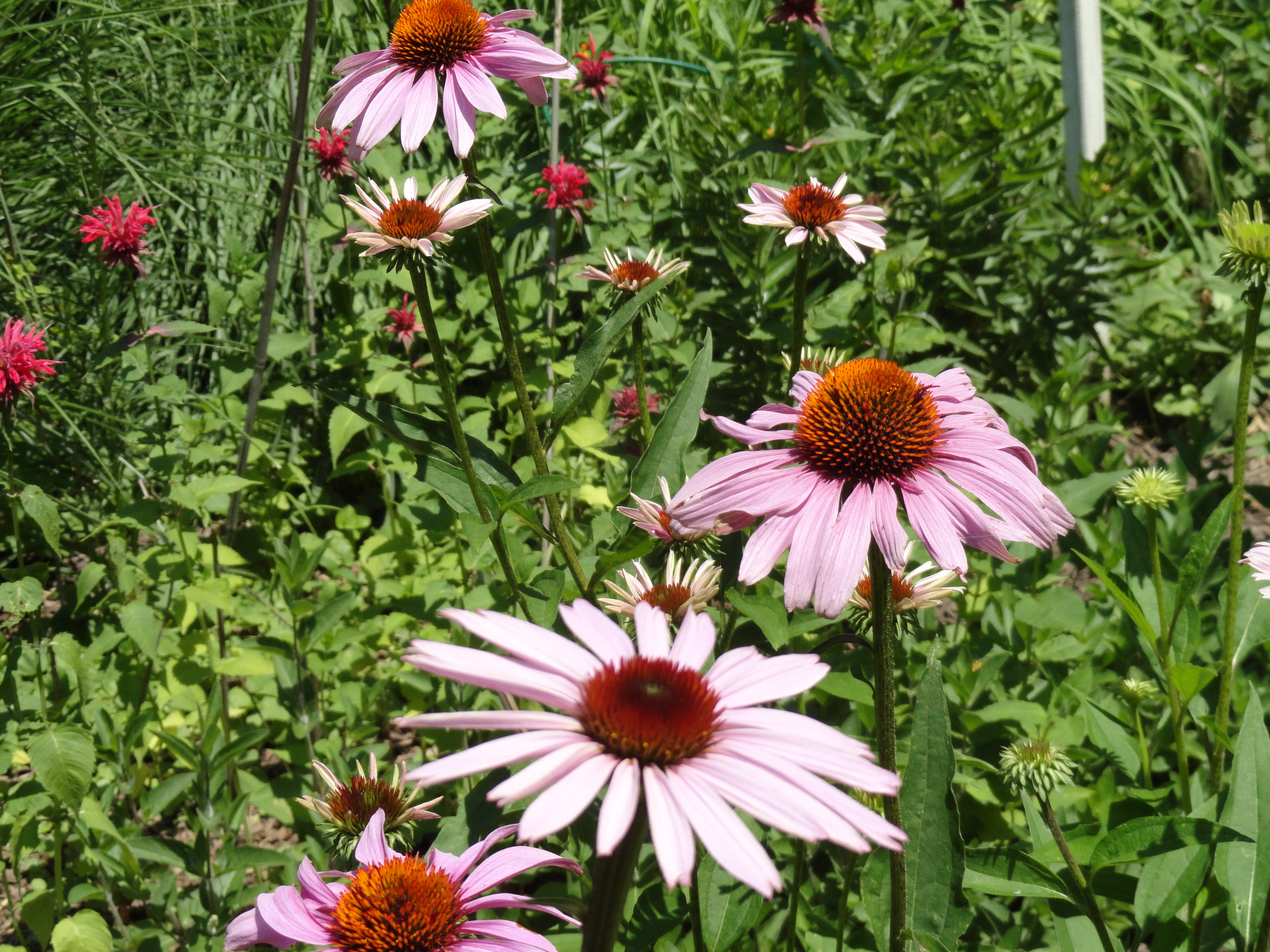
** Build Habitat: Find a sunny place in your yard to plant pollinator loving plants or some native shrubs or trees. Plant bee balm, milkweed, liatris, cone flowers, asters and golden rod. www.xerces.com
Water, Our most valuable resource! It’s everyone’s responsibility to keep our rivers, lakes and oceans clean! Living in the City of Lakes, Minneapolis, and the first major city draining streams into the Mississippi River, we take our relationship with water quality seriously. I have an easy way for those lucky enough to live along a stream, river or lake to create sustainable pollinator habitat and keep our waters clean.
The Minnehaha Creek, a few blocks from my home is often part of my walks, bird watching and litter pick up. This Creek runs through south Minneapolis, and flows into the Mississippi River. Both Minneapolis and St. Paul sit on the banks of the Mississippi River which divides them into two cities. Last weekend my neighborhood, boy scouts and high school students did a big clean up of the creek. Every piece of litter we picked up was one more piece kept out of the Mississippi River and possibly the Gulf of Mexico.
It is also important to keep pollutants from running into the creek. Cleaning storm drains, installing rain barrels, rain gardens, and redirecting drain spouts are initiatives we promote in trying to do our best for the mighty Mississippi.
What is the problem? I was sad to read that some that farmers and others that live along water ways are not following Minnesota law to keep our rivers clean. Minnesota has a state law that requires farmers and others to create small 50 foot buffers of grasses, trees or shrubs along creeks and rivers to keep pollutants from washing into the rivers and lakes.
What can you do? An easy way to create and maintain these buffers is to plant a 50 foot strip of native plants. Why native plants in these buffer zones? Native plants have deep root structures that keep the soil in place and filter contaminants. Planting buffers of natives would build habitat for our struggling bees and butterflies, and keep our streams and lakes nitrate and phosphorous free. It’s a win-win! Unfortunately, the buffer law isn’t enforced like it should be. Many don’t like government regulation, well then…. Take responsibility to protect of our water from pollutants.
What are some plants to use? I would recommend seeding the buffer area with native perennials that take care of themselves. Some of following natives would be great water filters and create bee and butterfly habitat: Golden Alexander, swamp milkweed, Culver’s root, bee balm, little blue stem, cone flowers, vervain, asters, golden rod and any native sedges. Purchase seeds from http://www.prairiemoon.com/ Native plants are almost maintenance free once they start growing. Mowing in the spring, just once a year, would keep out trees. Good Luck!
I am a firm believer in Education, and thank the media for making an issue of the loss of our bees. News today that two major garden stores/growers, Bachmans and Gertens, in the Twin Cities will not use neonicotinoids on their own plants this year. They are also educating their sales force on neonicotinoids. This does not mean all their plants will be neonicotinoids free, because some of their suppliers might still be users. As you shop for garden plants this year, you still need to ask, OR just purchase local native plants. http://findnativeplants.com/ Read the full story: http://www.startribune.com/lifestyle/homegarden/250843241.html
“Neonicotinoids are a class of neuro-active insecticides chemically similar to nicotine. In March 2013, the American Bird Conservancy published a review of 200 studies on neonicotinoids including industry research obtained through the US Freedom of Information Act, calling for a ban on neonicotinoid use as seed treatments because of their toxicity to birds, aquatic invertebrates, and other wildlife. The use of some members of this class has been restricted in some countries due to some evidence of a connection to honey-beecolony collapse disorder.” From Wikopedia
It seems crazy to be talking about pollinators as another Polar Vortex hits Minnesota, but I really liked the below post on “10 things You Can Do To Help Bees.” Also, the thought of flowers makes us happy!! I consider myself a pollinator plant gardener and get enormous joy from the birds, bees, butterflies and other wildlife that love my chemical free plants and yard. Bees are important for the survival of many of our foods and flowers, and the drastic decline of our bees and butterflies can be blamed on many things, but habitat loss from droughts and floods; pesticide use; and the mono culture that has been created with our corn and soybean culture are three of the top concerns. All of us can do better for our bees and butterflies. See what you can do.
What can you do for pollinators?
1. Plant bee-friendly plants. A few of my favorites that bees also love are chives, Anise Hyssop, bee balm (Menardia), golden rod, and asters. Do not purchase plants at Lowes or Home Depot. They may contain hidden pollinator killing chemicals. Find native plants for your area: http://findnativeplants.com/2. Dandelions and clover are good for pollinators and bring many pollinators into your yard. Both bees and monarch butterflies love dandelions!
3. Don’t use chemicals or pesticides on your lawn or garden, and never use the Neonicotinoid pesticide.
Summer is late this year because of a rainy cold spring, and the strength of the sun is needed everyday to warm the air near the big lake. Because of the crisis with bees I am closely watching all pollinator plants. Without a doubt I am see more bees and butterflies in Northern Wisconsin than I observe in Minneapolis
Canada Anemone
Carpets of bunch berries cover the forest floor, wild geraniums, Canada anemone and flowering chives are the first to bloom.
Lupine is not blooming yet along the lake, but dominates the roadsides with the hawkweed, daisies, and buttercup. A magnificent composition!


 Dan Olson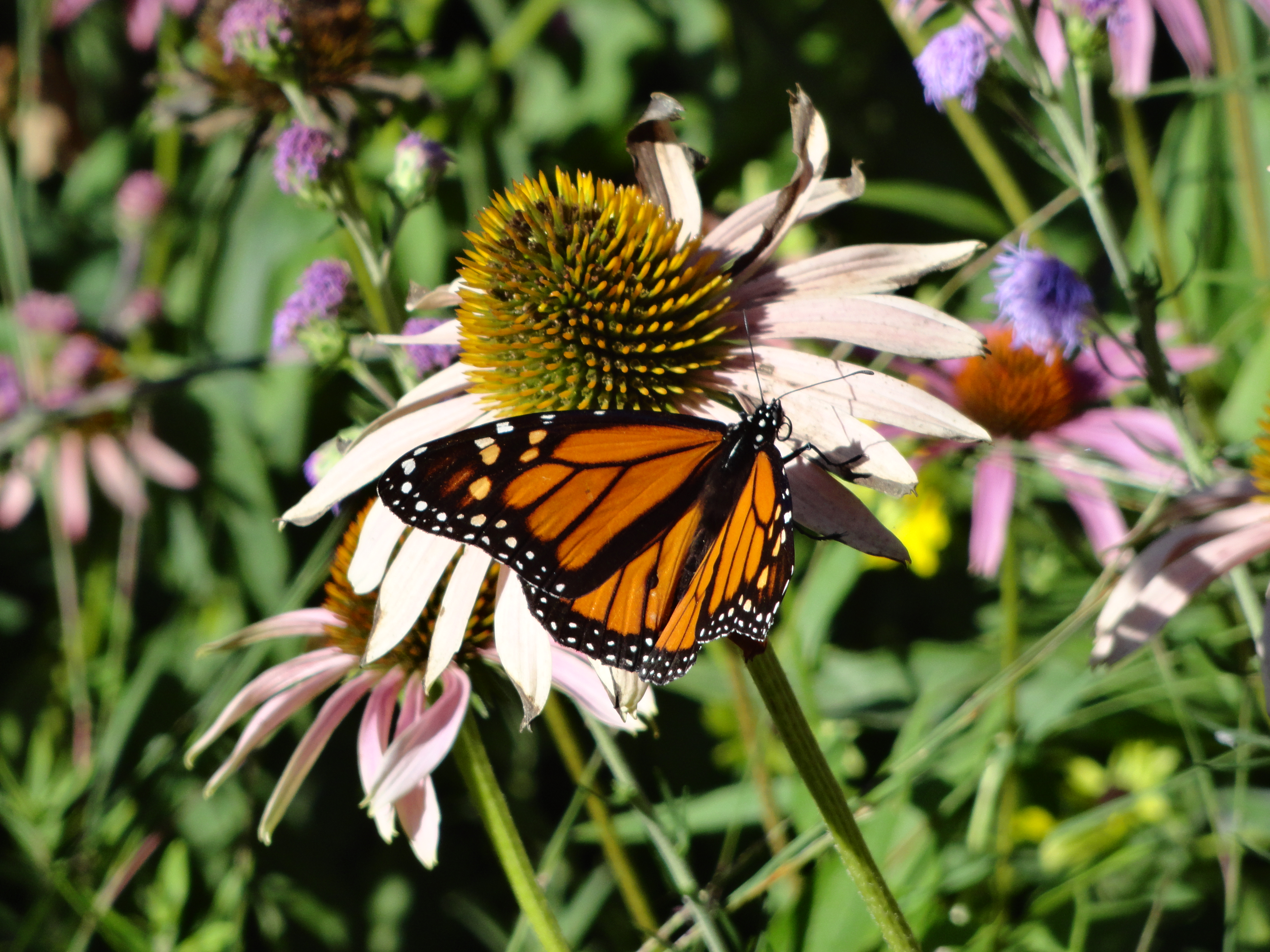





 Health4earth