Hummingbirds and bees love this garden on Lake Superior
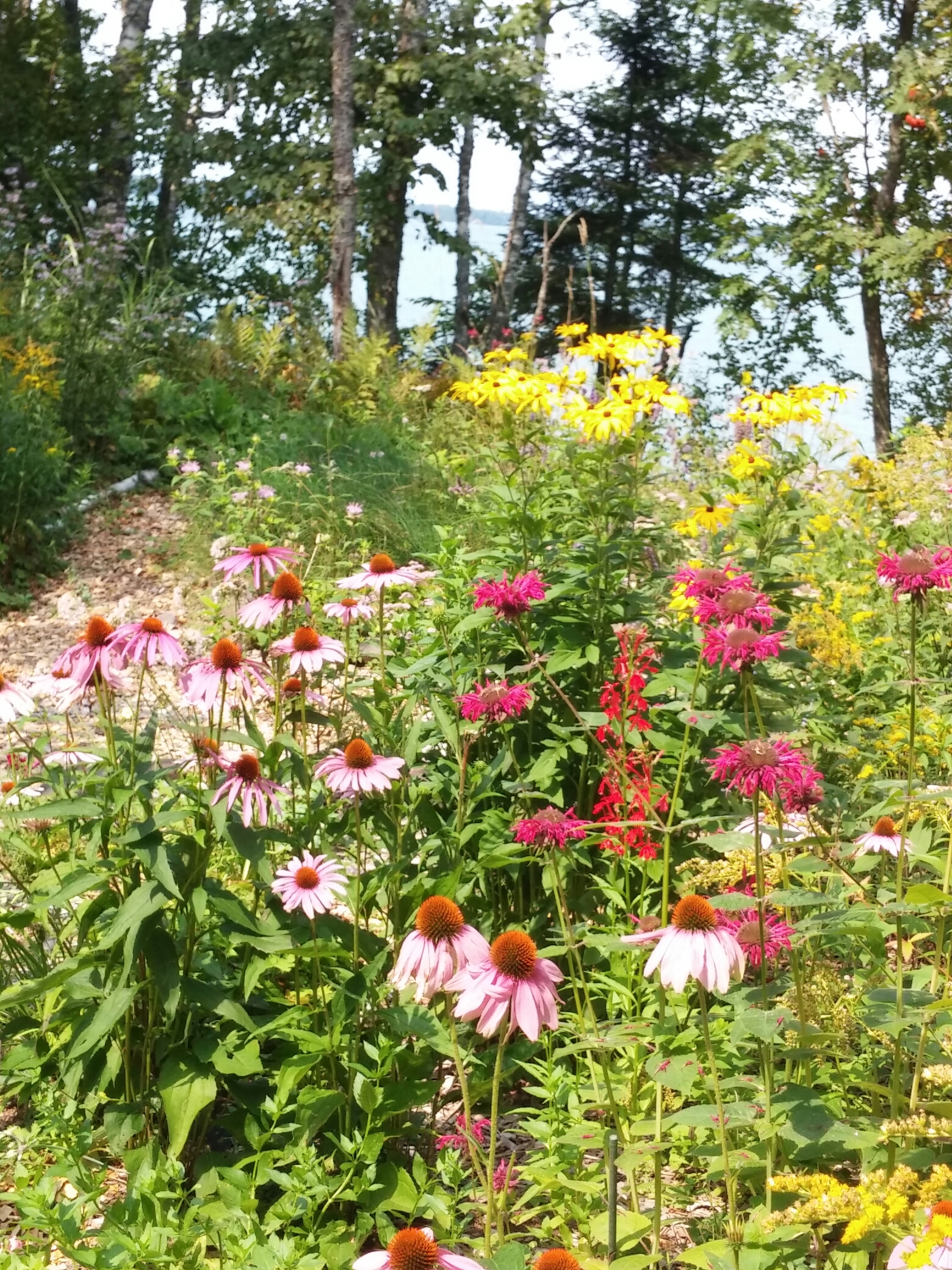
Bee balm, hyssop, golden rod, wide leaf aster, cardinal-flower and purple cone flower bring joy!
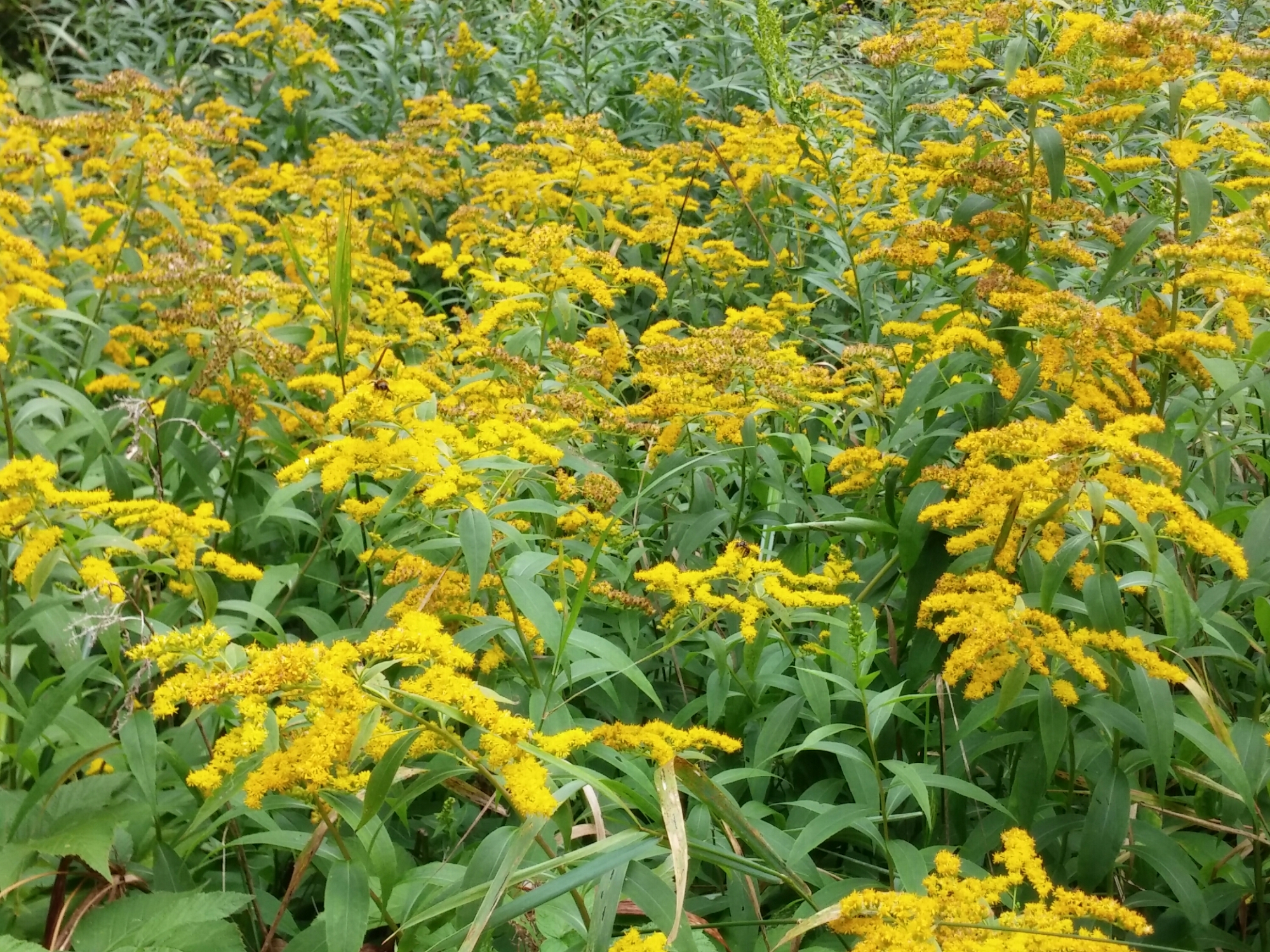
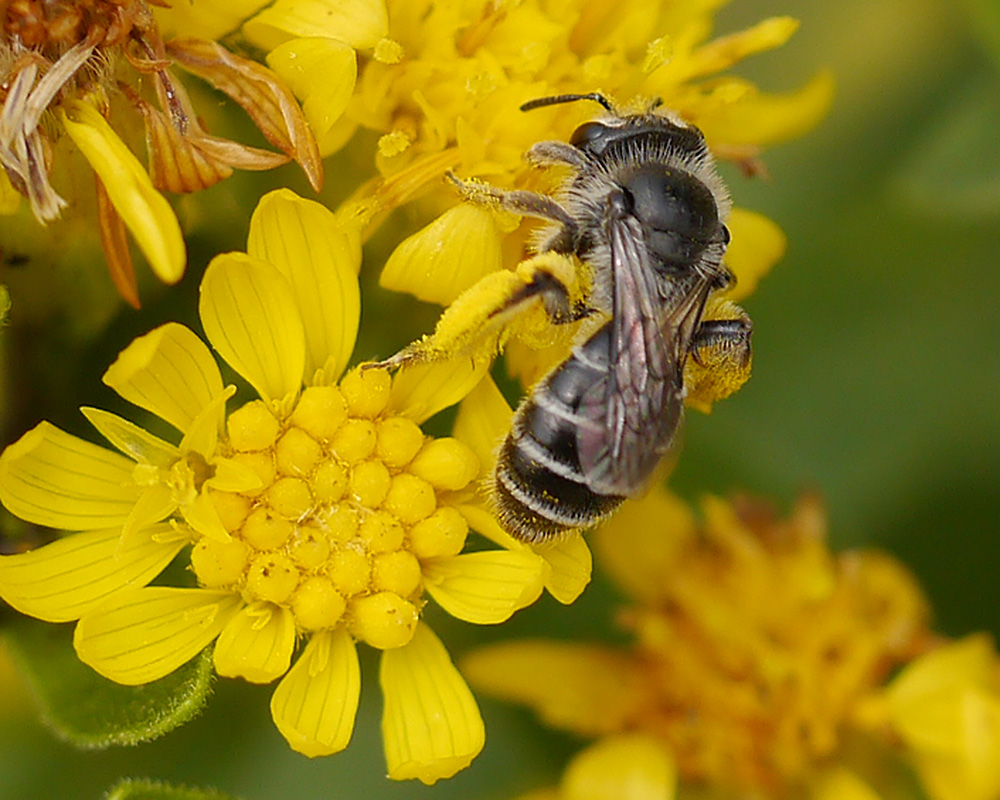
Bees love golden rod and it is everywhere.The sun sets on August
Eagles screech and talk to me as I work in my yard. Hummingbirds are everywhere, and some of the migrating birds crossing the lake are the Nashville Warbler, thrushes, and white throated sparrow.
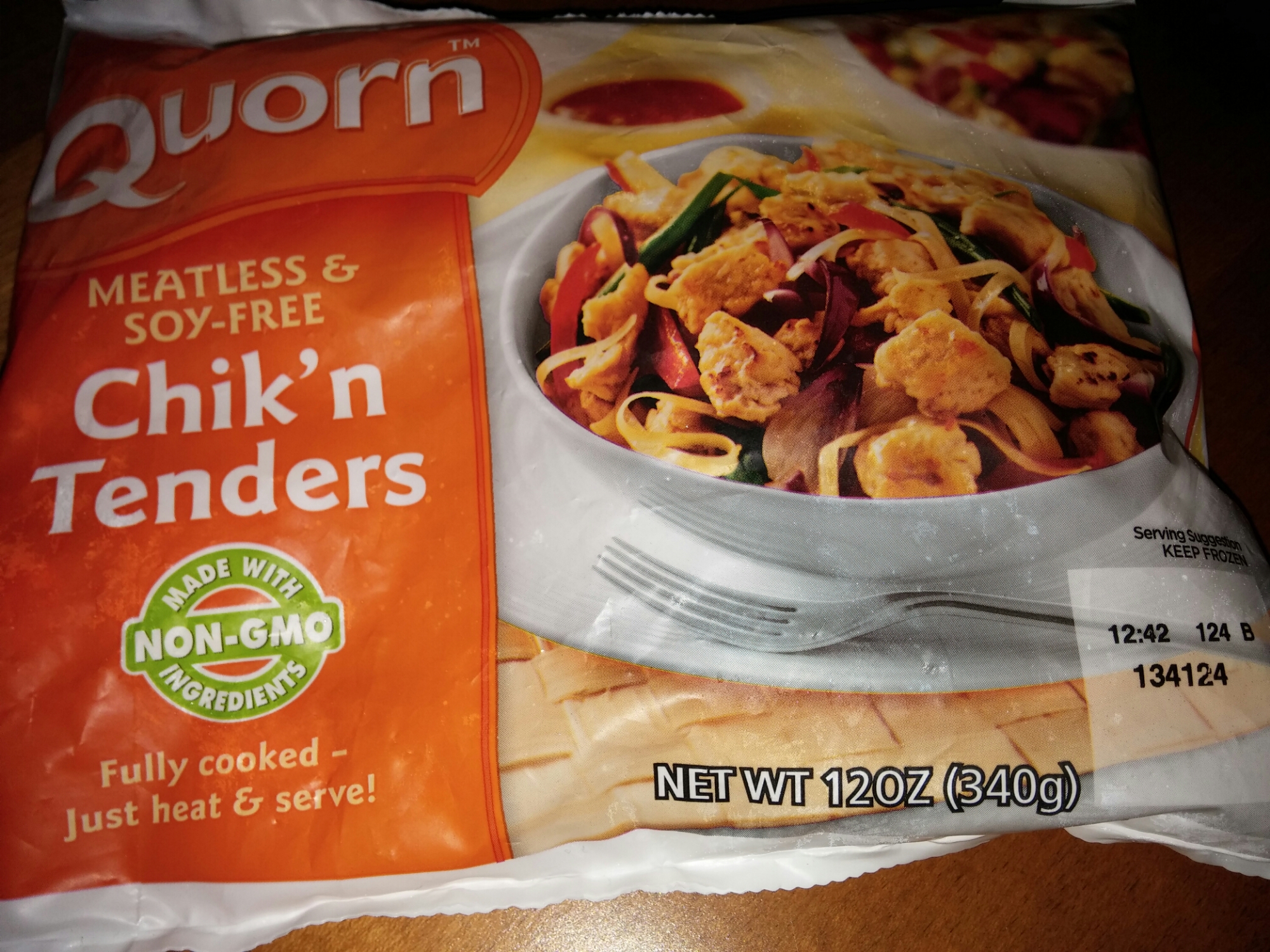
A non-GMO protein source perfect for meatless Monday!
The letter below was in the Minneapolis Star Tribune today. As a person with many food intolerances labeling is important, and I applaud the many that are asking for better transparency. My shortened version of this letter:
To the editor: Whether genetically modified foods are safe or not, is beside the point. Consumers should have all of the information they need to make a decision. That is an aspect of the free market that many sellers tend to forget.
Many people are allergic to peanuts. Should products that contain peanuts as a minor ingredient be labeled with that information? Many people don’t wish to eat certain foods for the variety of health or ethical reasons. If they are opposed to factory farming, should farmers who engage in sustainable practices be prevented from labeling their products?
Sellers want to know all they can about their buyers, but don’t want buyers to know much about them other than their brand name. Melvyn Magree
One more thing I have to add. Organic products do NOT have GMOs
Add plants bees and butterflies love to your yard!
Bees have been a worry to me all summer. They haven’t been feeding on the plants that are usually loaded with bees. Wild geranium, Culver’s Root, chives and a flowering maple they usually are passionate about have been lacking bees.
Bees love bee balm and hyssop, but this year not so many bees.
In August with the blooming hyssop, cone flowers and golden rod the bees are here, but not in the typical numbers for this time of year.
We must do better to make sure our yards have flowers pollinators love and avoid all chemicals. It frightens me that some of the plants we purchase are still laden with heavy chemicals and neonicotinoids. I wonder how all these chemicals are going to affect human health? How is neonicotinoid farm run-off going to affect aquatic life?
MINNEAPOLIS TAKES ACTION TO PROTECT POLLINATORS AS A POLLINATOR-FRIENDLY CITY
The City of Minneapolis urges all Minneapolis property owners, residents, businesses, institutions and neighborhoods to become more pollinator friendly by adopting practices including:
Committing to not use pesticides, including insecticides that stay in the plant, on their properties.
Avoiding planting flowering plants that are treated with insecticides that stay in the plant.
Discontinuing the sale of pesticides and plants that are treated with insecticides that stay in the plant.
Planting more pollinator forage on their property and using organic or chemical-free lawn and landscaping practices.
January 2015 through June 2015 have been the warmest first 6 months on record. 2014 was the warmest year on record. What is scary to me is that over 90% of this heat ends up in the oceans!
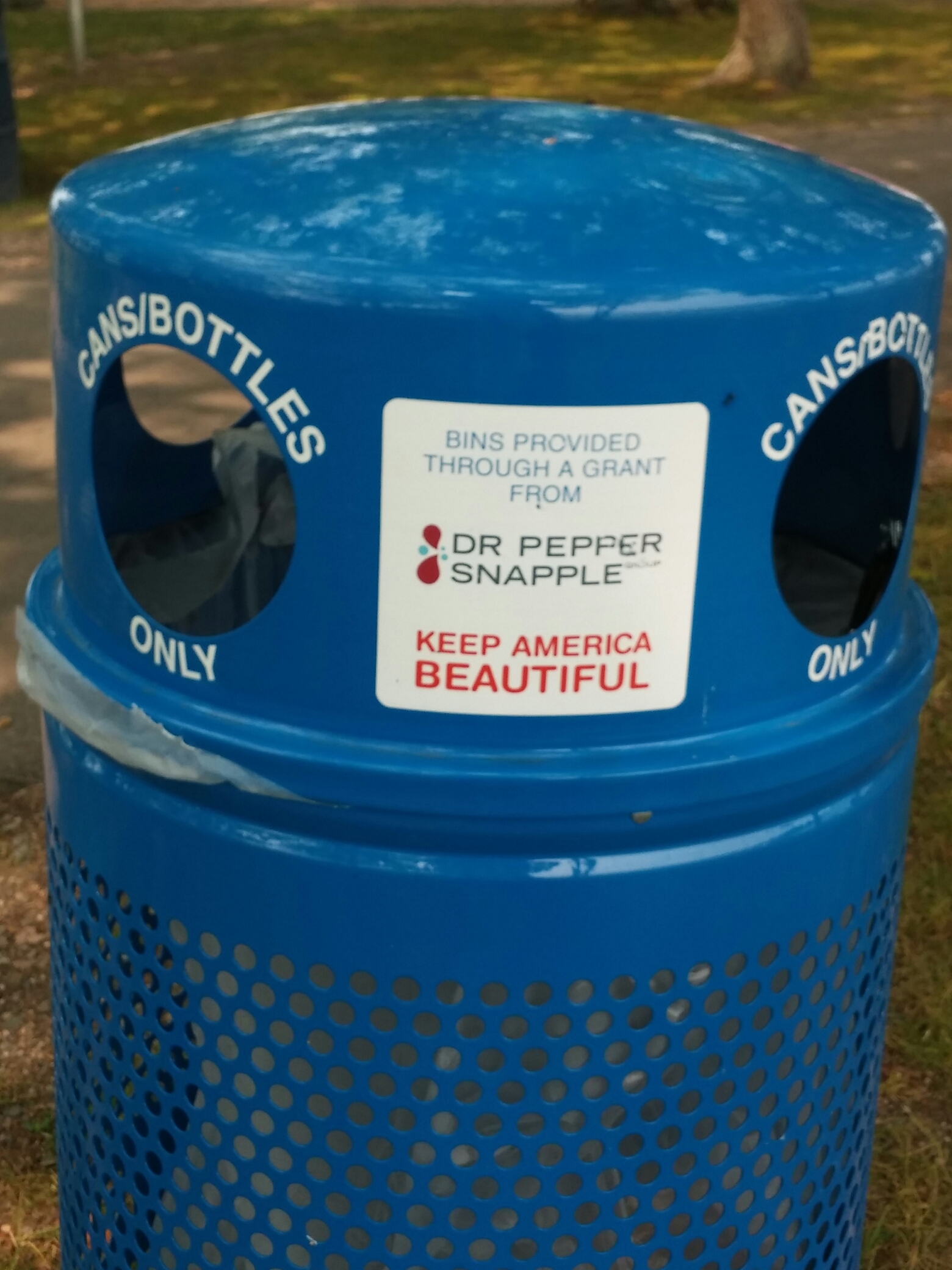
Have you ever thought of how strange it is that businesses, that dislike government, also depend on government to pick up their waste? Plastic bottles and packaging are a perfect example of this. Businesses should be responsible for all the waste they generate. I was thrilled to be at a park in Michigan this weekend to see these recycling containers. We need more of this! Coca-Cola also has recycle containers, but they are stingy with them. I have tried to place them in quick stop convenience stores and gas stations without much luck! All convenience stores in Duluth, Minnesota offer recycle containers because of a government program. It is a fabulous program, but it should be the responsibility of business.
Minnesota is home to over 10,000 lakes. We love our lakes. Unfortunately, we don’t take personal responsibility for protecting the beauty and health of our precious lakes. One of the most popular lakes is covered with trash, and it has become impossible to educate anglers (Are they listening?) of the invasive species their boats carry from lake to lake.
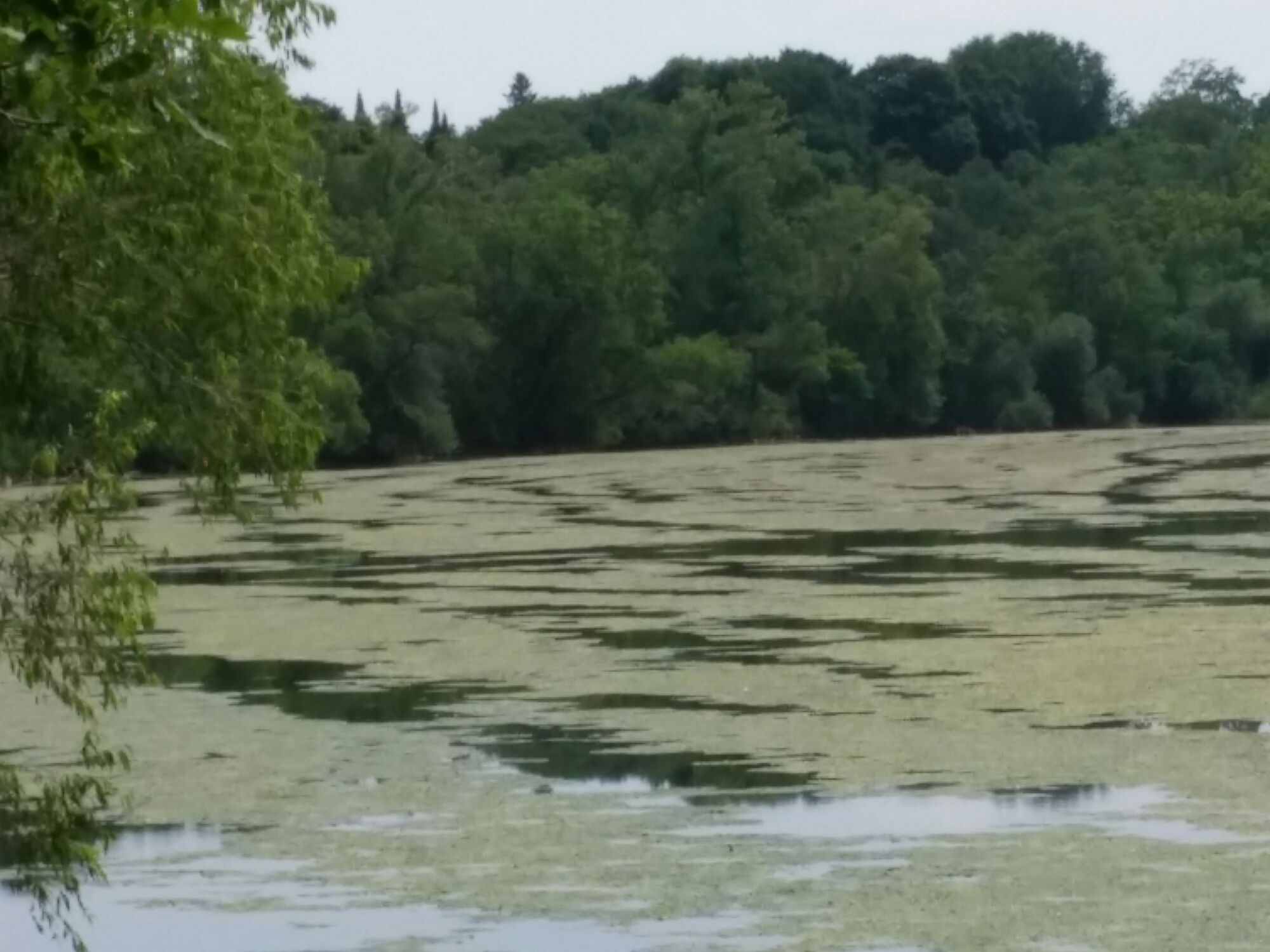
In late June, I was biking through southern Minnesota and was appalled to see algae and milfoil covered lakes. Sometimes they look weedy in August, but this was June?
The largest Minnesota newspaper published an opinion piece about what is happening to our lakes. The authors think the lakes of southern Minnesota are a lost cause, but they think more should be done to keep northern lakes clean. I think with tougher rules and strict enforcement all lakes can be kept healthy and usable. It is a matter of political will and setting priorities. With tougher rules and strict enforcement all lakes can be kept healthy and usable. At the bottom of this post there is a list of things I do on my lake property to protect water quality.
Unfortunately, agriculture was given a pass on the Clean Water Act and they should be better regulated. Agricultural run off is a real problem, but everyone needs to do better. This is the only water we will ever have and we should respect and value every water body.
Brian Peterson • Star Tribune If 75 percent of lakeshore remains mainly forested, the chance of maintaining lake quality is good, said Peter Jacobson of the state’s Department of Natural Resources. But when natural cover falls below 60 percent, lakes begin to deteriorate.
Video from the White House on our warming climate:
What can we all do?
Always turn off lights and unplug electronics when not in use.
Drive less: Walk, bike, ride share, Carpool, combine errands, and take public transport.
Reduce two-cycle engine pollution: Add more garden and pollinator friendly plants to reduce your lawn mowing, shovel snow by hand, and choose silent sports. Polluting our air is not cool!!
Reduce or eliminate your use of pesticides, and all chemicals. Your family, your pets, birds and butterflies will be much healthier.
Reduce or eliminate beef from your diet. Producing beef uses lots of energy!
Recycle all plastics, glass and metal cans, and of course paper. According to TerraCycle 84% of household waste can be recycled
Purchase products made from recycled materials. This saves energy, trees, water and natural resources. Recycled paper products are the easiest to find.
Turn down the thermostat in the winter and reduce air conditioning in the summer. Schedule an energy audit from your local power company for ways your home can be more efficient.
Finally, work to elect leaders that believe in Climate Change, and support clean renewable energy solutions.
The weather is fabulous, and the lake breeze is blowing away the biting insects!!
Swamp Milkweed
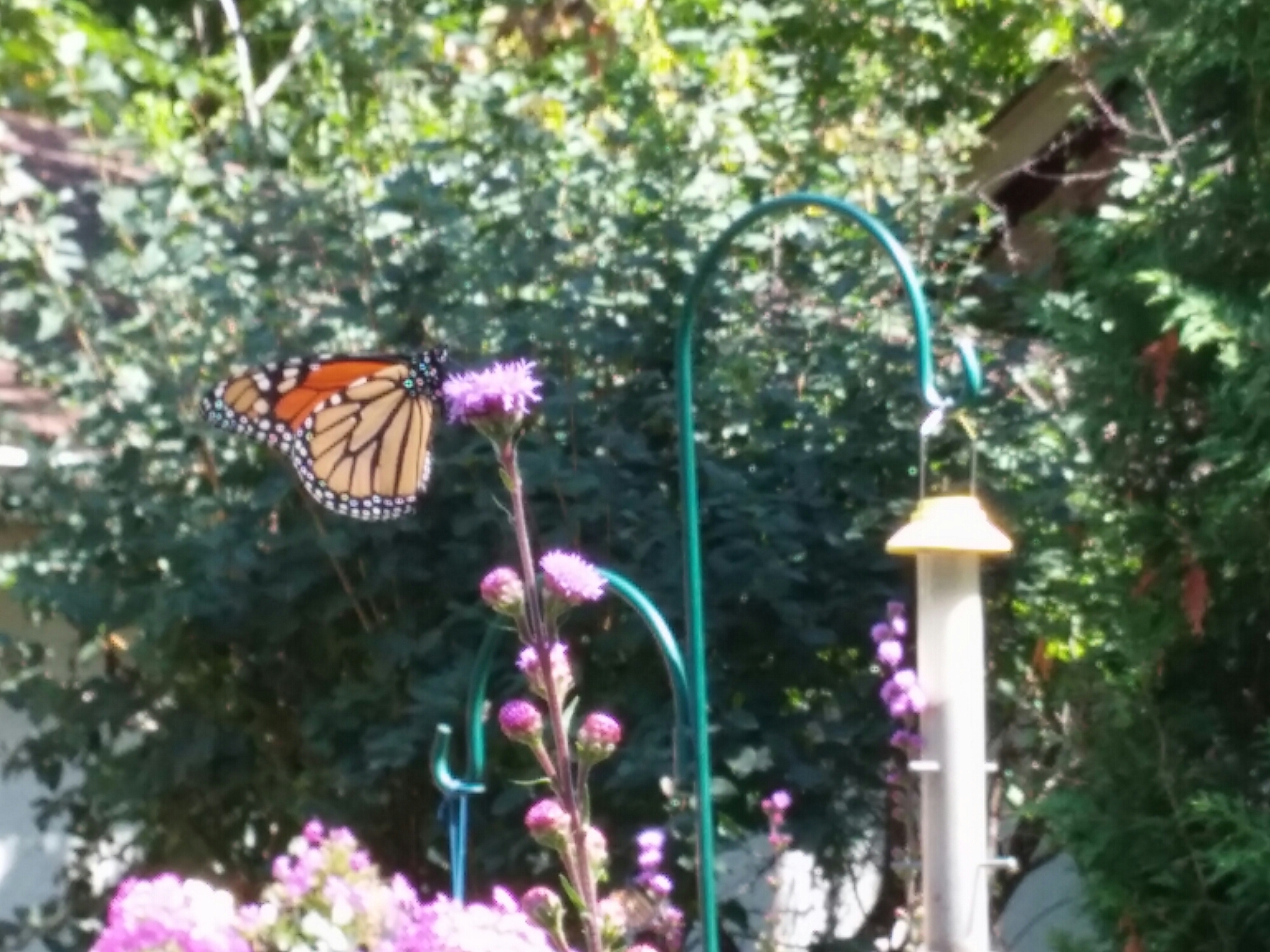
The swamp milkweed is covered with tiny monarch caterpillars, and we have several Rose-breasted grosbeaks visiting our yard daily.
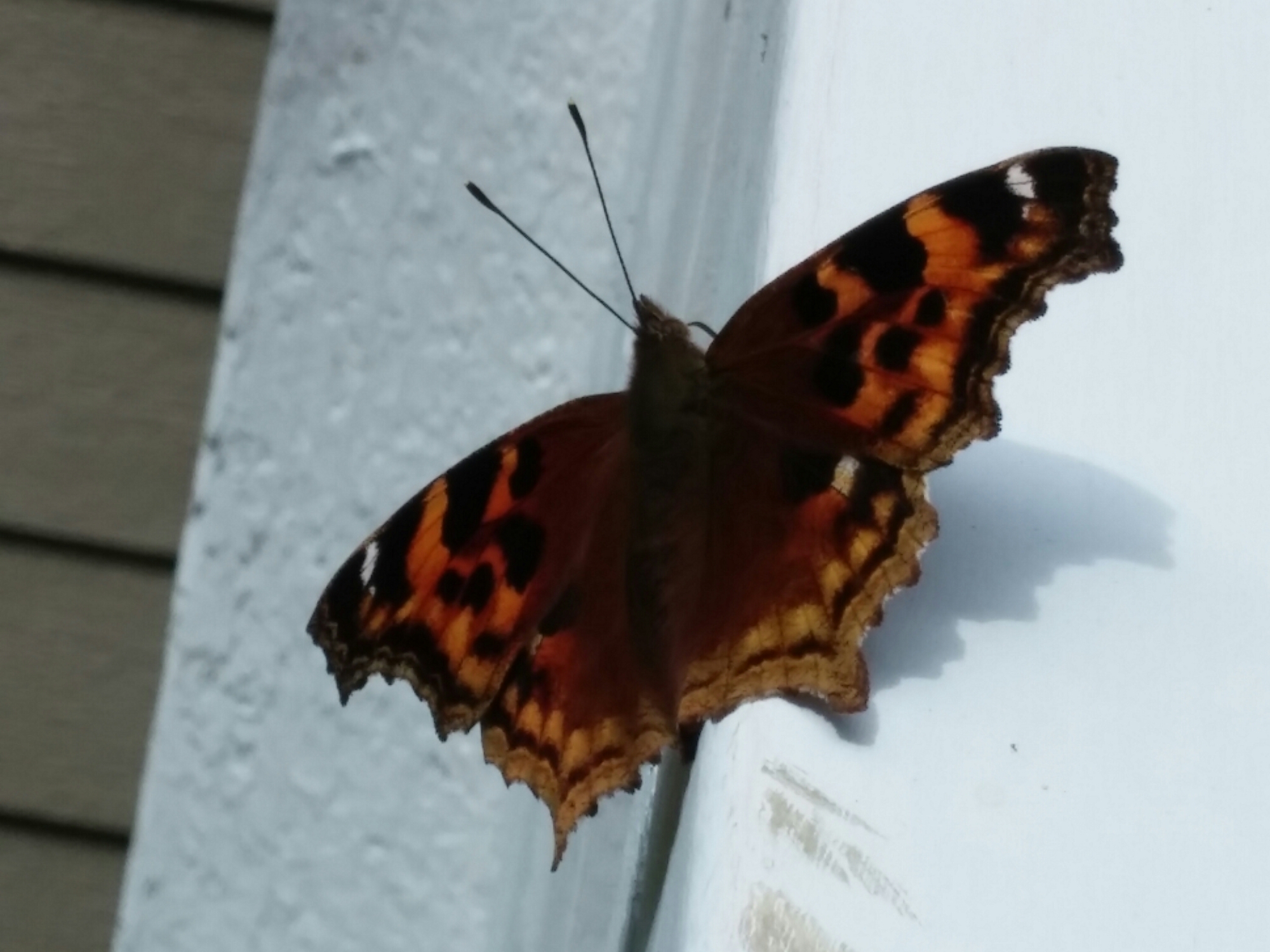
We learned a new butterfly, the Comptons tortiseshell.
Swallowtail butterfly
A surprising thing happened. Sadly, it probably happens often. A Swallowtail butterfly was going back and forth, and back and forth. I watched for about 10 minutes, and wondered if it was some kind of butterfly ritual? Luckily, the sunlight picked up a faint spider silk. This beautiful butterfly was trying to free itself from a spider web. With a little help from me, the Swallowtail was free, and a spider had lost his dinner.
Photo: OLYMPUS DIGITAL CAMERA
North country Ruby-throated hummingbirds and other birds bring joy!
We love our freedoms. We ride ATVs, run leaf blowers and lawn mowers, spray chemicals and have fires in our yards, totally unaware of how are actions could be affecting other people. A new study by the Minnesota Pollution Control Agency(MPCA), puts the responsiblity for air pollution on the general public. Their study says air pollution in the Twin Cities area (Minneapolis, St. Paul and suburbs 2.8 million) causes 2,000 deaths a year.
The Minnesota Pollution Control report gives specific ways to improve air quality:
Drive the most fuel-efficient vehicle you can afford.
Take public transportation, walk, or bike whenever possible.
Limit wood-burning activities like backyard bonfires.
Look for alternatives to fossil-fuel-burning small engines such as electric lawnmowers and weed trimmers rather than those that use gas.













 Health4earth