The Mississippi River, Everyone’s Responsibility!

“Minneapolis, On the banks of the Minnehaha Creek!” Garrison Keillor

Materials for recycling pulled from the banks of the Minnehaha Creek

This blog is in response to an article on buffers along streams and rivers:

http://www.startribune.com/lifestyle/health/256920531.html

Water, Our most valuable resource! It’s everyone’s responsibility to keep our rivers, lakes and oceans clean! Living in the City of Lakes, Minneapolis, and the first major city draining streams into the Mississippi River, we take our relationship with water quality seriously. I have an easy way for those lucky enough to live along a stream, river or lake to create sustainable pollinator habitat and keep our waters clean.

The Minnehaha Creek, a few blocks from my home is often part of my walks, bird watching and litter pick up. This Creek runs through south Minneapolis, and flows into the Mississippi River. Both Minneapolis and St. Paul sit on the banks of the Mississippi River which divides them into two cities. Last weekend my neighborhood, boy scouts and high school students did a big clean up of the creek. Every piece of litter we picked up was one more piece kept out of the Mississippi River and possibly the Gulf of Mexico.

It is also important to keep pollutants from running into the creek.  Cleaning storm drains, installing rain barrels, rain gardens, and redirecting drain spouts are initiatives we promote in trying to do our best for the mighty Mississippi.

What is the problem? I was sad to read that some that farmers and others that live along water ways are not following Minnesota law to keep our rivers clean. Minnesota has a state law that requires farmers and others to create small 50 foot buffers of grasses, trees or shrubs along creeks and rivers to keep pollutants from washing into the rivers and lakes.

What can you do? An easy way to create and maintain these buffers is to plant a 50 foot strip of native plants. Why native plants in these buffer zones? Native plants have deep root structures that keep the soil in place and filter contaminants.  Planting buffers of natives would build habitat for our struggling bees and butterflies, and keep our streams and lakes nitrate and phosphorous free. It’s a win-win! Unfortunately, the buffer law isn’t enforced like it should be.  Many don’t like government regulation, well then…. Take responsibility to protect of our water from pollutants.

What are some plants to use? I would recommend seeding the buffer area with native perennials that take care of themselves.  Some of following natives would be great water filters and create bee and butterfly habitat: Golden Alexander, swamp milkweed, Culver’s root, bee balm, little blue stem, cone flowers, vervain, asters, golden rod and any native sedges.  Purchase seeds from http://www.prairiemoon.com/   Native plants are almost maintenance free once they start growing. Mowing in the spring, just once a year, would keep out trees.  Good Luck!


http://www.startribune.com/lifestyle/health/256920531.html  (Drainage buffers needed)

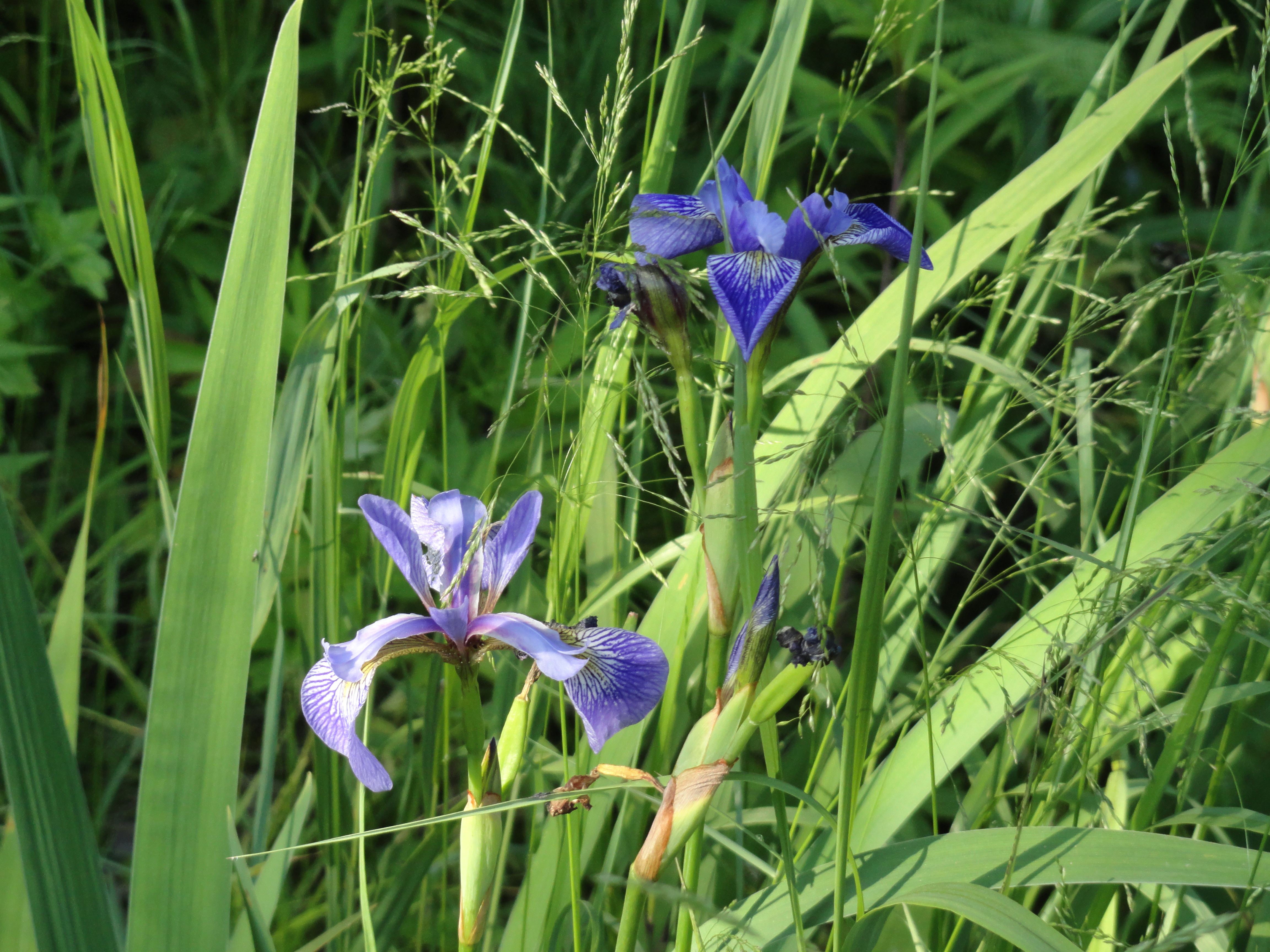
Plant Blue Flag Iris and native grasses to filter water run off.
Plant Blue Flag Iris, sedges and native grasses to filter water run off.

http://www.minneapolismn.gov/publicworks/stormwater/green/stormwater_green-initiatives_rain-barrel

http://www.prairiemoon.com/

http://www.dnr.state.mn.us/restoreyourshore/pg/npc.html

http://www.dnr.state.mn.us/restoreyourshore/st/bufferzone.html

Recycling, a Win-Win for Everyone

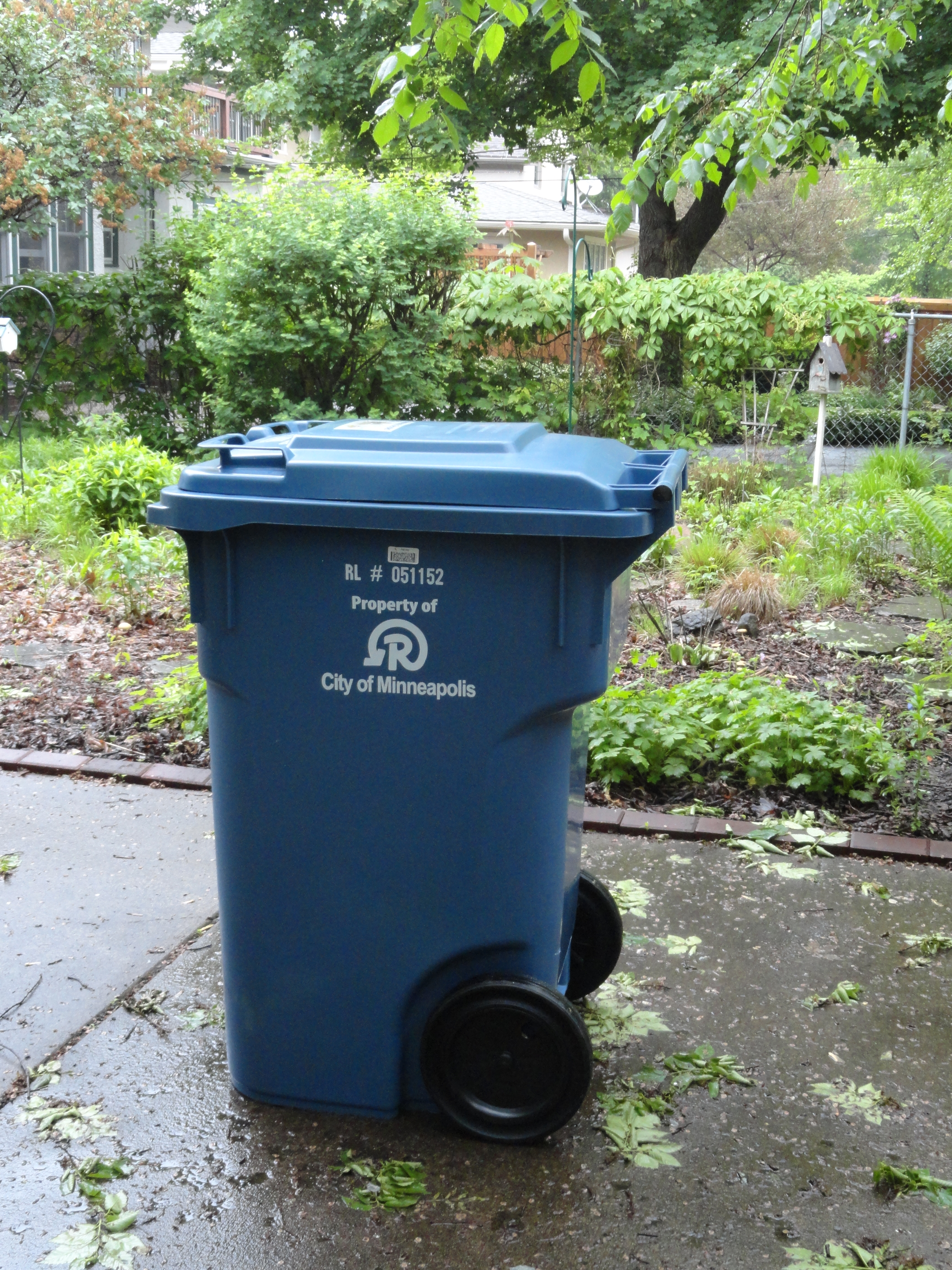
Our new one-sort barrel arrived this week.

New recycle barrel
New recycle barrel

I like what the City of Minneapolis sent to homeowners in trying to increase the amount individuals recycle:

*Recycling is one of the easiest ways to protect the environment.

*Recycling saves energy and reduces greenhouse gas emissions.

*Recycling conserves vital natural resources such as trees and water.

*Recycling collection and recycled products manufacturing in Minnesota provide 53,000 jobs and $6.4 billion gross economic activity annually.

PLEASE RECYCLE EVERYTHING YOU CAN!

Forum on how to maximize the use of our new one-sort containers: Saturday, June 22,
9:15 a.m. – 11 a.m.
Lynnhurst Community Center in Minneapolis