It is worrisome that most plants still contain neonicotinoids!Native plants areNeonicotinoid free
Purchasing plants that are free of neonicotinoids is a challenge. I went to the local nursery that claimed to not use neonics. They don’t use the neonic pesticide, but their suppliers might. The clerk was very helpful, but most of the annuals
Swallowtail on a dianthus
were not neonic free. I had to search through the plants for specific containers, but the large majority of the plants still available could have been treated with neonics.
Report Release from Friends of the Earth: Gardeners Beware 2014
In a study commissioned by Friends of the Earth and conducted by independent scientists at the Pesticide Research Institute, findings show that most “bee-friendly” garden plants sold at major retailers in the US are routinely pre-treated with bee-harming pesticides, with no warnings to consumers.
Bees are dying at alarming rates, and neonic pesticides are a key contributor to recent hive losses. Bees and other pollinators are essential for two-thirds of the food crops humans eat every day, and contribute over $20 billion dollars to the US economy. Our own food security is tied closely to the survival of bees and other pollinators – we must take swift action to protect them.
The power to practicing bee-safe pest control is in your hands. Read the full report here and learn how to get started.
Perhaps you already followed the 10 pointers to help birds in the spring, or you provided nesting material to birds in your garden. But now that it’s officially summer, what can you do to help our feathered friends? http://ecowatch.com/2014/06/25/10-ways-help-birds-summer/?utm_source=EcoWatch+List&utm_campaign=7846102c7e-Top_News_6_28_2014&utm_medium=email&utm_term=0_49c7d43dc9-7846102c7e-85912169
During summertime, billions of birds throughout North America are busy raising their young and already preparing for migration. “The next three months are critical,” says American Bird Conservancy President George Fenwick. “Some studies suggest that perhaps as many as half of all migrating birds do not make it back home, succumbing to various threats along the way. Our birds need all the help they can get.”
While birds have instincts (and smarts—a recent study found crows are as smart as seven-year-olds), it doesn’t mean they can’t use some assistance with their life-sustaining tasks. “Simple instinct is not always enough to keep the birds alive given the enormous tracts of habitat that have become suburban sprawl; the draining of waterways; the loss of biomass to pesticides; air and water contamination; and other threats such as window glass, cats and wind turbines,” continues Fenwick.
Here are American Bird Conservancy’s recommended top 10 ways you can help birds breed successfully and prepare for fall migration.
1.Leave baby birds alone.
If you find a baby bird out of its nest, don’t pick it up or bring it indoors. Although people mean well by “rescuing” the baby birds they find, in almost all cases, the parents are nearby and know best how to care for their young. An exception is injured birds, which can be taken to a local wildlife rehabilitator for treatment.
2. Ensure dogs and cats stay away from young birds.
Free-roaming cats kill billions of birds every year, taking an especially high toll on fledglings. Loose dogs also have an impact on nesting birds; for example, roaming dogs are suspected of recently wiping out a colony of threatened Least Terns in Florida. Keep your pets contained, and be especially cautious near beach-nesting birds.
3. Keep things fresh.
Your birdbath or other water feature should be cleaned regularly and kept filled with fresh water. Hummingbird feeders also need special attention, as hummingbirds will be switching back from an insect-rich diet to nectar in preparation for flights south in the fall. Be sure to thoroughly clean hummingbird feeders and replace the sugar water before it ferments—usually within three to seven days depending on the heat and sun.
4. Maintain your land in a bird-friendly fashion.
Consider letting some of your yard or other property go “wild,” or garden with native plants. Even small wild areas act as sources of food and shelter for birds through the summer. Avoid or minimize tree trimming to prevent disturbance to nesting birds. Where possible, avoid mowing grass in large fields and roadsides until after July to enable ground-nesting grassland birds to safely fledge.
5. Be a good landlord.
If you’re lucky enough to have swallows or phoebes nesting on your porch or carport, keep the nest intact. The birds will be gone soon enough, and in the meantime, they will help you out by eating hundreds of insects each day. If you have active nest boxes, clean them out after the young have fledged. Old nesting material attracts parasites and can be a source of disease.
6. Don’t spray: Stay away from pesticides.
Reconsider using pesticides, since even products labeled as “safe” will likely have negative consequences on birds. For example, many home and garden products includeneonicotinoids, or neonics, which have been found to be deadly to both bees and birds in even minute amounts. See this list of products to avoid from our friends at the Center for Food Safety.
7. Celebrate good times … without balloons.
When weddings, graduations and other parties are on your list of to-do’s, put balloons on your list of don’ts. Birds can become entangled in the long ribbons; individuals have been found hanging from trees or asphyxiated. Birds may also ingest the deflated balloon itself, which can eventually block the digestive tract and cause the animal to starve.
8. Turn the outdoor lights out.
Review your outdoor lighting for unnecessary disturbance to night-flying birds (as well as wasted energy). Bright artificial lights can disorient migrating birds and make collisions with windows, buildings and other structures more likely. Consider putting steady burning lights on motion sensors. Or, if your outdoor lighting needs permit, consider blue and green LED lights as they are less distracting to night-migrating birds.
9. Be a bird-friendly boater.
If you’re boating, avoid disrupting birds. Boats operated in proximity to nesting birds can cause behavioral changes, even leading to nest abandonment and failure in some cases. If you notice congregations of birds, steer clear to enable them to spend their energy on gathering food and raising their young.
10. Gone fishing? Remember the birds.
Discard fishing line properly in trash receptacles, since entanglement in line is a common and preventable source of bird mortality. If you accidentally hook a bird, don’t cut the fishing line. Instead, net the bird, cut the barb off the hook, and push it backward to remove. Just as important, be sure to use only nonlead fishing gear. Scores of birds suffer mortal poisoning from ingesting lead weights in fishing gear.
A sphinx moth caterpillar in Susan Damon’s boulevard, which is filled with native plants, Wednesday, June 11, 2014 in St. Paul. Jennifer Simonson/MPR News
LISTEN Story audio http://www.mprnews.org/story/2014/06/23/minnesota-native-plant-garden
When Susan Damon and her husband bought their St. Paul home a couple decades ago, invasive plants had a stranglehold. Now their yard is home to more than 100 species of native plants and a food source for an array of critters.
It’s proof that even city dwellers can create a welcoming habitat for butterflies, bees and songbirds.
Susan Damon Jennifer Simonson/MPR News
They replanted with prairie grasses, high bush cranberry and hazelnut, among other species. There’s almost no weeding — the natives crowd out the dandelions — and hardly any watering since some of the plants have roots sunk up to 10 feet deep into the soil.
Damon estimates she and her husband have spent maybe $2,000 on native plants but adds that the yard takes care of itself with just a bit of cleanup and some thinning of plants in spring.
She recommends six plants to get started — see the gallery below for more details. And click on the play button above to hear her talk about the joys of ditching the lawn and how to do it.
Milkweed grows three to six feet tall and the stem’s milky sap is toxic, though parts of the plant are edible. Monarch butterflies need milkweed plants to grow – its eggs are laid on its leaves and larvae will feed on them. In this photo, a swamp milkweed beetle sits on a milkweed plant in gardener Susan Damon’s yard. Jennifer Simonson/MPR NewsGolden Alexander, photographed in Susan Damon’s boulevard, will bloom as early as late-April and as late as mid-June. It’s a very attractive plant to butterflies. Jennifer Simonson/MPR NewsConeflowers, like the ones pictured here, grow two to five feet tall. Only the narrow-leaved purple coneflower (Echinacea angustifolia) is native to Minnesota. The coneflowers of the Echinacea genus have a medicinal history and is still used in herbal supplements today. Jennifer Simonson/MPR NewsWild bergamot is beloved by long-tongue bees and butterflies and blooms between late-summer and early-autumn. Courtesy of Karl Foord/University of Minnesota ExtensionGoldenrod can grow from eight to 60 inches tall and blooms in the fall. The plant is very attractive to bees. Courtesy of Karl Foord/University of Minnesota ExtensionNew England aster (aka Michelmas daisy) blooms in the fall and can grow up to six feet tall. The plant is very attractive to monarchs and bees. Courtesy of Minneapolis Park and Recreation BoardA wood chip path winds through gardener Susan Damon’s yard, which is filled with native plants. Jennifer Simonson/MPR NewsSolomon’s Seal, which attracts bumble bees, in native plant enthusiast Susan Damon’s yard. Jennifer Simonson/MPR NewsCanadian white violet in Susan Damon’s yard. Jennifer Simonson/MPR NewsSusan Damon’s St. Paul home is surrounded by native plants that attract and feed a variety of bugs and birds. Jennifer Simonson/MPR NewsBlue wild indigo growing in native plant gardener Susan Damon’s front yard. Jennifer Simonson/MPR
Everyone can plant a flower for National Pollinator Week!
Once again, it is National Pollinator Week and a fantastic time to thank the bees, butterflies, and other pollinators by giving them a hand. There are so many threats to pollinators — pesticides, diseases, habitat loss, and more — that one can be discouraged. But everyone can easily do one thing to help pollinators: plant a beautiful bee-friendly flowering plant.Whether adding bee-friendly perennial wildflowers to frame your front yard, planting a pollinator hedgerow along your farm road, including bee-flowers in your vegetable garden, or just planting a pot with a sunflower on your porch, any effort to increase the number of flowers available for bees can help pollinators and beautify your home or farm. Plus, it is a great joy to watch the bees visit the flowers you plant and to share this wildlife with your friends and neighbors.Here are some places you can go to find information about which plants are best for your area.
Xerces Society fact sheets: Plant lists for all regions of the U.S., including the first of a new series of regional lists. (We’ll be rolling out more new regional plant lists for bees over the coming months.)
Attracting Native Pollinators: Our best-selling book includes page after page of illustrated plant lists, as well as a host of other information about pollinators.
Don’t forget to sign the Pollinator Protection Pledgeand join the ever-expanding community of pollinator enthusiasts — and enjoy yourself as we celebrate pollinators!
Find Out More:
To discover more ways to support pollinators, including ideas for creating a bee garden in your own community, visit our Bring Back the Pollinators webpage.
Deadline June 15, and October 15
Apply Now!
A newly elected Minneapolis City Council is finally committed to enforcing city recycling rules. On Earth Day, April 2015, Minneapolis restaurants will be required to use recyclable/compostable take-out containers, and offer on site recycling.
Hennepin County has grants to help businesses with these changes:
This is from the Food Action Network and Friends of the Earth:
On the heels of recent bee declines, another important pollinator, the monarch butterfly, is also in serious trouble. In March, the New York Times reported that the number of monarchs arriving at their ancient overwintering grounds in Mexico had reached the lowest level on record.
The monarch’s sharp decline has been linked to massive increases in the planting of genetically modified (GM) crops engineered to tolerate huge doses of Monsanto’s Roundup herbicide. These herbicide-tolerant “Roundup Ready” crops necessitate ever-increasing amounts of the Roundup weed killer — virtually wiping out milkweed, the only food young monarchs eat.
Friends Of the Earth has launched a petition to help protect the monarch butterfly. Will you add your voice?
Monarchs, like bees, are a “canary in the coal mine.” This iconic species is one of a wide variety of pollinators and other insects, including many that benefit farmers, that are also rapidly disappearing, along with the birds, mammals and other predators that feed on them.
Tell the EPA and USDA to stop approving herbicide-resistant genetically engineered crops and to instead promote non-toxic pest and weed management to the benefit of farmers, our health, our ecosystems and the precious monarch butterfly.
This is best time of year to be outside and listen to the symphony of nature!
When many of our nesting birds reach their nesting area, they sing their beautiful unique song. Many are trying to attract a mate. In our yard the house wren sings constantly. Up north the songs of the red start warblers, song sparrow and white-throated sparrows just have to make you happy. Listen to the White-throated sparrow:
“The reason I dwell on how I do my yardwork is because this is the one task of homeownership that does not seem like a chore. Being outside with the sights and sounds of nature is something I would miss if I used a timesaving, noise-producing gadget.
I wish some of my neighbors would also stop, look and listen to nature’s surround sound theater.” Ben Cherryhomes in http://www.startribune.com
You do not need to do yard work to enjoy the sounds of May/June. Just walk around the block or walk to a nearby park. This marvelous symphony doesn’t last long. Many birds will stop singing after the eggs of the next generation are laid.
We are all worried about our bees and our butterflies! Have you ever wondered why in a city full of gardens of flowers there are so few bees and butterflies? In contrast, I observe a large diversity of bees and butterflies walking roads in northern Wisconsin where deer eat every flower within reach. The city, teaming with flowers, has less pollinators?
Unattractive flowers: Many of the attractive flowers we purchase have been hybridized so they don’t appeal to bees and butterflies.
Habitat: A combination of the two above. Have we destroyed so much native habitat that pollinators are not interested in the flowers we plant?
The purpose of this post is to encourage you to reduce or eliminate the chemicals you use in your yard. and build habitat for our pollinators by planting more native plants in your yard. Native plants do not need chemicals. With their deep root structure natives are flood and drought resistant. Also, they are resistant to invasive pests. But the best about natives is that the bees , butterflies and birds love them, and they love areas without chemicals!
It is important we plant for our pollinators. What can you do to help?
** Take a pledge not to use chemicals nor dump them into drains: The Great Healthy Yard Project http://tghyp.com/
** Build Habitat: Find a sunny place in your yard to plant pollinator loving plants or some native shrubs or trees. Plant bee balm, milkweed, liatris, cone flowers, asters and golden rod. www.xerces.com
Styrofoam is not an imaginary problem. My husband and I have spent this spring picking Styrofoam out of Lake Harriet and off the banks of the Minnehaha Creek. We have been shocked to see how it breaks into tiny particles that cannot be picked up. These particles will not dissolve, and probably will be in our lakes for generations. In contrast to a May 20 commentary (“Minneapolis: City of lightweight leaders”), we applaud the Minneapolis City Council for its concern for our lakes and waterways.
Styrofoam is expensive and difficult to recycle. Minneapolis is trying to get residents to recycle cans and bottles; adding Styrofoam would add another enormous expense. Businesses that offer polystyrene cups and containers should be forced to offer and manage the recycling of these containers. Why does government need to be there to pick up the mess of business?
I am encouraging Minneapolis and other city governments to ban Styrofoam. The past 42 days I have done daily litter pick-ups on my walks in Minneapolis. I was picking up Styrofoam along with wrappers, cans and plastic. Some of what was picked-up could be recycled, but Styrofoam, which is recyclable, is hard to find a place to recycle. I think the Twin Cities area has one place to recycle Styrofoam which is miles from my home.
At an Earth Day pick up along the Minnehaha Creek . I was surprised to notice how much the Styrofoam along the creek was breaking down into little pieces. Pieces so small it was impossible to pick up. Water and sun cause it to break up faster. The past few days I have been picking Styrofoam out of Lake Harriet. It has broken into pieces that might never dissolve and survive in the lake for generations. I wonder what harm this does to the birds and fish?
Banning restaurant containers is only a very small piece of this, but it is a start. The best part of banning Styrofoam could be that it heightens awareness for individuals who never think about the consequences of Styrofoam.
Finally, I have never figured out why businesses that sell products that are so harmful to the environment are not held responsible for what they spew. Why aren’t they at least required to offer recycling?
“People are already paying a price for allowing this packaging (styrofoam), noting the cost to remove the materials from the recycling stream, uncloging storm drains and picking up litter. You’re paying for it in so many different ways,” Minneapolis Council Member Andrew Johnson http://www.startribune.com/local/minneapolis/258989321.html


 Dan Olson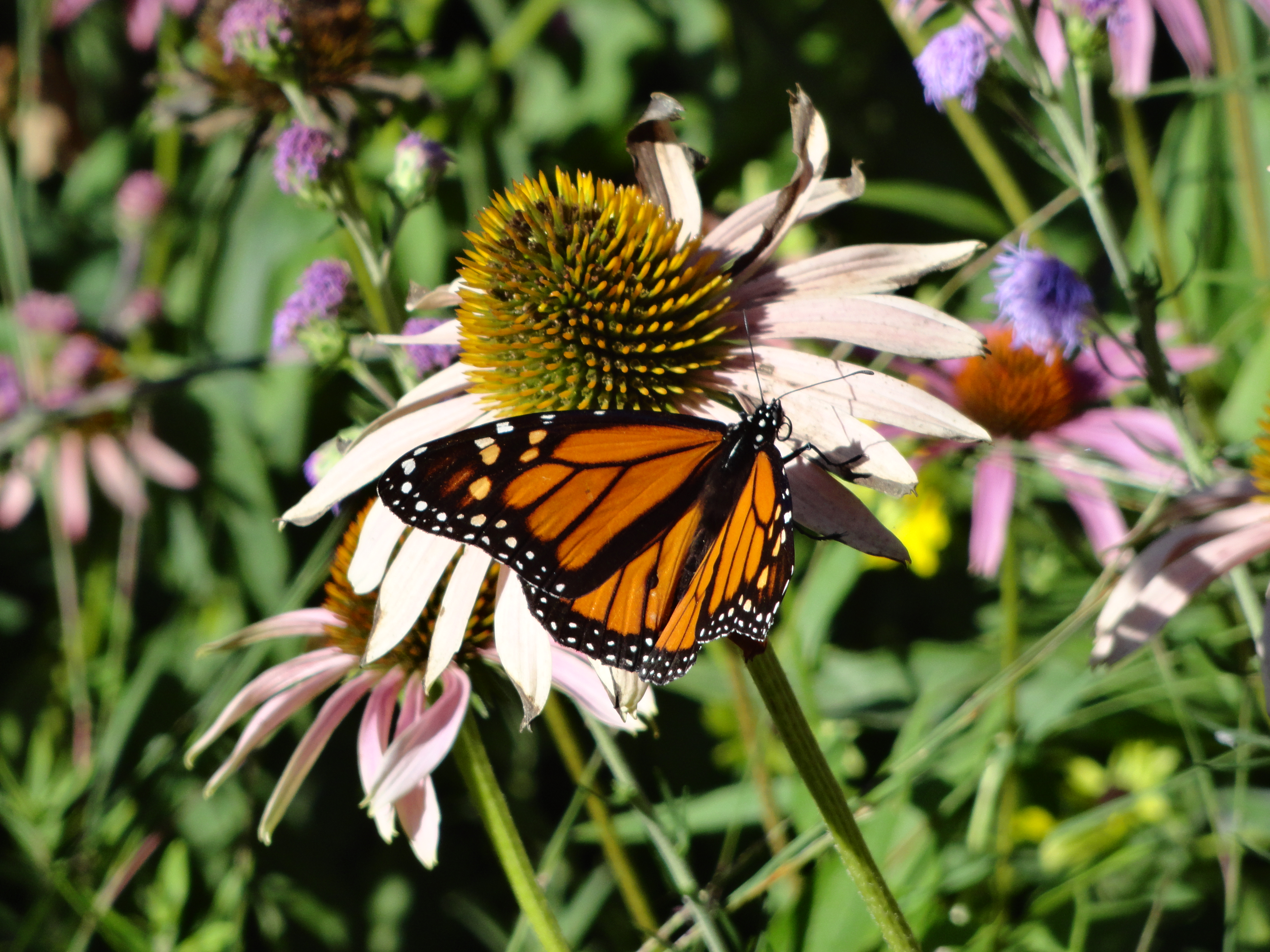


 Yours for all life,


 Health4earth