30 Days of Earth Day

10253816_486967278095494_9106253568128179709_n

The following letter was printed in the Minneapolis Star Tribune on April 3,

Our planet, Literally Trashed

One of the revelations to come out of the Flight 370 tragedy is the sorry condition of our oceans. One headline noted that the search for the plane was hindered by a “sea of garbage.” On a recent trip to Ohio from our Burnsville home, I was shocked to see the garbage littering the highways after the winter thaw. I saw a car bumper, a vacuum cleaner, tires, mattresses and thousands of plastic bags. Yes, global warming is a threat to this planet and the solutions are complex, but the solution to the trashing of our planet is relatively simple. We need to take responsibility for the waste that we generate. A good start would be the end of plastic-bag use on the part of our retailers. Target, Wal-Mart and others: Spend the extra 3 cents a bag and help in the cleaning up of our planet.

Don Lohrey, Burnsville

My letter in response: Printed on April 4,

To the editor:

I too have been on a road trip through the middle of our country and the plastic bags littering the landscape is disheartening(In response to Our planet, literally trashed 4/2) Personal responsibility is needed to get those plastic bags and all trash recycled. Also, businesses need offer recycling opportunities for individuals away from home.  Hennepin County offers grants to businesses to improve their recycling.  Look on their website.

For the next 30 days I challenge each of you to “Thirty Days of Earth Day.” Please pick up one piece of trash or more for the next 30 days.  Yes, each one of us can make a difference.

Health4earth.com

For 30 Days of Earth Day, pick up one piece of trash or more everyday for 30 days      https://www.facebook.com/pages/Pick-up-One-Piece-of-Trash-a-Day/267910856667805 
Climate Data Slapping Us in the Face!

10003957_655105494556098_67013042_n

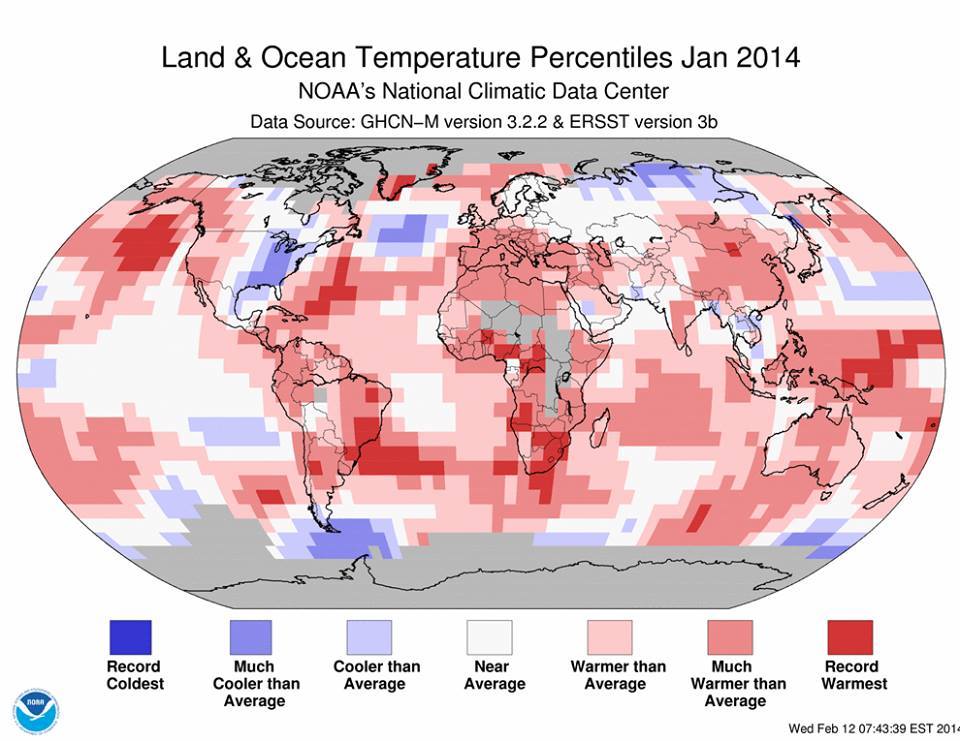
Yes, it has been a hard winter for most of us in North America. Drought, heavy snow, and the Polar Vortex all have contributed. Minnesota has experience the 6th coldest meteorological winter on record and Wisconsin the 5th coldest. Yet Alaska, and most of the earth are hotter than average. Globally it has been the 8th warmest winter! See map below. A few weeks ago I heard Mark Seeley from the University of Minnesota, http://www.climate.umn.edu/ speak on climate change. Seeley says that the climate data is, “slapping us in the face” telling us the climate is changing.
Several things he said were new and interesting. First, not all places are experiencing climate change to the same degree. The Southeastern part of the United States has not seen the changes we have experienced in the north. Second, there a latitude bias–The further from the equator the more evidence of change. Third, there is a winter bias, winters are showing more temperature warming.  Fourth, the minimum daily temperature is warming more than the high daily temperature. In other words, our night temperatures are warming! Finally, there is more moisture in the air which he says is the “ultimate greenhouse gas.” And more moisture in the air can cause more violent storms.
Unfortunately, the change is happening so fast we will have to adapt quickly. We need to limit the carbon we are pumping into the air, and make preparation to prepare for the future.

https://health4earth.com/easy-things-you-can-do-to-help-stop-climate-change/


1907960_664558816944099_1508189877_n


World Water Day, What can you do?

Lake Superior
Lake Superior

Living in the land of Ten Thousand Lakes and having a love affair with Lake Superior, I know first hand that clean water is important!  I think of the West Coast of the United States and their severe drought every time I turn on the faucet.  Below are water saving ideas from me and The World Wildlife Federation.  This is serious.   Water will be the next “most valuable resource,” and our survival as a people depends on adequate sources of clean water.

My list gives you more specific action.  Here are ideas to help you protect the earth’s fresh water:

1. Reduce or eliminate all your use of chemicals in cleaning agents, and lawn and garden products.  Tough I know, Read on…

2. Baking soda and vinegar will clean almost anything. See my chemical free cleaner on my Reduce Chemicals Page: https://health4earth.com/reduce-chemicals/

3. Use plants in your yard that do not require chemicals(native plants) and reduce the size of your lawn.  Native plants also don’t need to be watered!  http://findnativeplants.com/

4. Install rain barrels under your drain spouts or put rain gardens in areas where your water drains. Use this water to water your plants.

5. Install a septic holding tank if your sewage does not drain into a public sewage system.

6. Purchase as many products you can afford that are organic or GMO free to reduce the amount of nitrates running into our lakes and streams.

7. Adopt a storm drain, keeping leaves, trash and yard waste from washing into our streams and lakes.

8. Never use cleaning materials that contain Triclosan.  http://www.startribune.com/opinion/commentaries/251323351.html

9. Purchase products made from recycled materials. Recycled paper uses 60-70% less energy than virgin pulp and 55% less water.

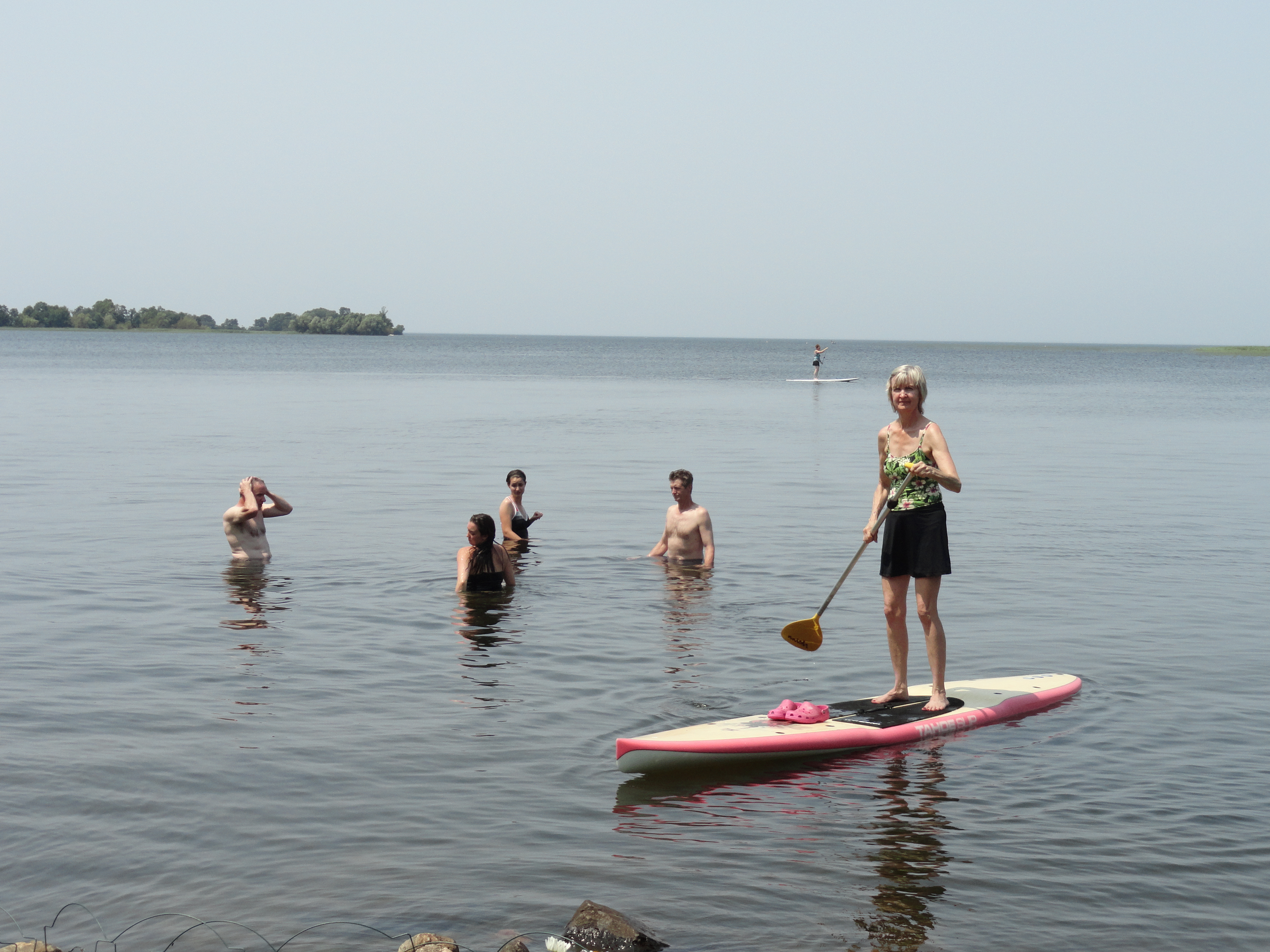
We love playing in our lakes

And from The World Wildlife Federation:

We all can do something to help fresh water. This World Water Day, March 22, you too can take action. Here’s how:

Raise a Glass…and Awareness
Express appreciation of fresh water by making a toast, taking a picture, and sharing it across social networks with #ToastToWater.

Crowdsource Scientific Data
Next time you’re near a river, stream or lake, take and pictures of the freshwater fish you encounter and upload them for conservation scientists around the world.

Adopt a Freshwater Species
Make a donation to symbolically adopt a freshwater species, such as a pink river dolphin or hellbender salamander.

Walk for Water 
Join WWF, the State Department and other conservation organizations in a 6k Walk for Water on April 23 to learn more about freshwater issues and how they impact people and nature. While the main event will be held in the District of Columbia, people around the world will take the symbolic walk and share their experience with #6kWaterWalk. Want to learn more? Join freshwater expert Karin Krchnak in a related #WaterTalk on April 2.

Build a Rain Barrel
The average roof collects 600 gallons of water for every inch of rain. Capture some of that stormwater and help protect freshwater resources by building a rain barrel.

Learn about Unseen Water
Water is in almost everything. Take your average cotton t-shirt as an example: it can take 2,700 liters to produce the cotton needed to make a single t-shirt. While it’s important to fix leaky taps and buy efficient washing machines, we need to also be conscious of the unseen or “virtual water” we consume every day.

http://lillienews.com/articles/2014/03/20/water-water-everywhere-not-drip-sink#.UyyZTKhdVNs

Thank you, at the end of the day, we will all be healthier!

Big Question: Do Plants Contain Neonicotinoids?

Bees love bee balm and Anise Hysopp

I am a firm believer in Education, and thank the media for making an issue of the loss of our bees.  News today that two major garden stores/growers, Bachmans and Gertens, in the Twin Cities will not use neonicotinoids on their own plants this year.  They are also educating their sales force on neonicotinoids.  This does not mean all their plants will be neonicotinoids free, because some of their suppliers might still be users.  As you shop for garden plants this year, you still need to ask, OR just purchase local native plants.  http://findnativeplants.com/  Read the full story:  http://www.startribune.com/lifestyle/homegarden/250843241.html

“Neonicotinoids are a class of neuro-active insecticides chemically similar to nicotine. In March 2013, the American Bird Conservancy published a review of 200 studies on neonicotinoids including industry research obtained through the US Freedom of Information Act, calling for a ban on neonicotinoid use as seed treatments because of their toxicity to birds, aquatic invertebrates, and other wildlife. The use of some members of this class has been restricted in some countries due to some evidence of a connection to honey-bee colony collapse disorder.” From Wikopedia

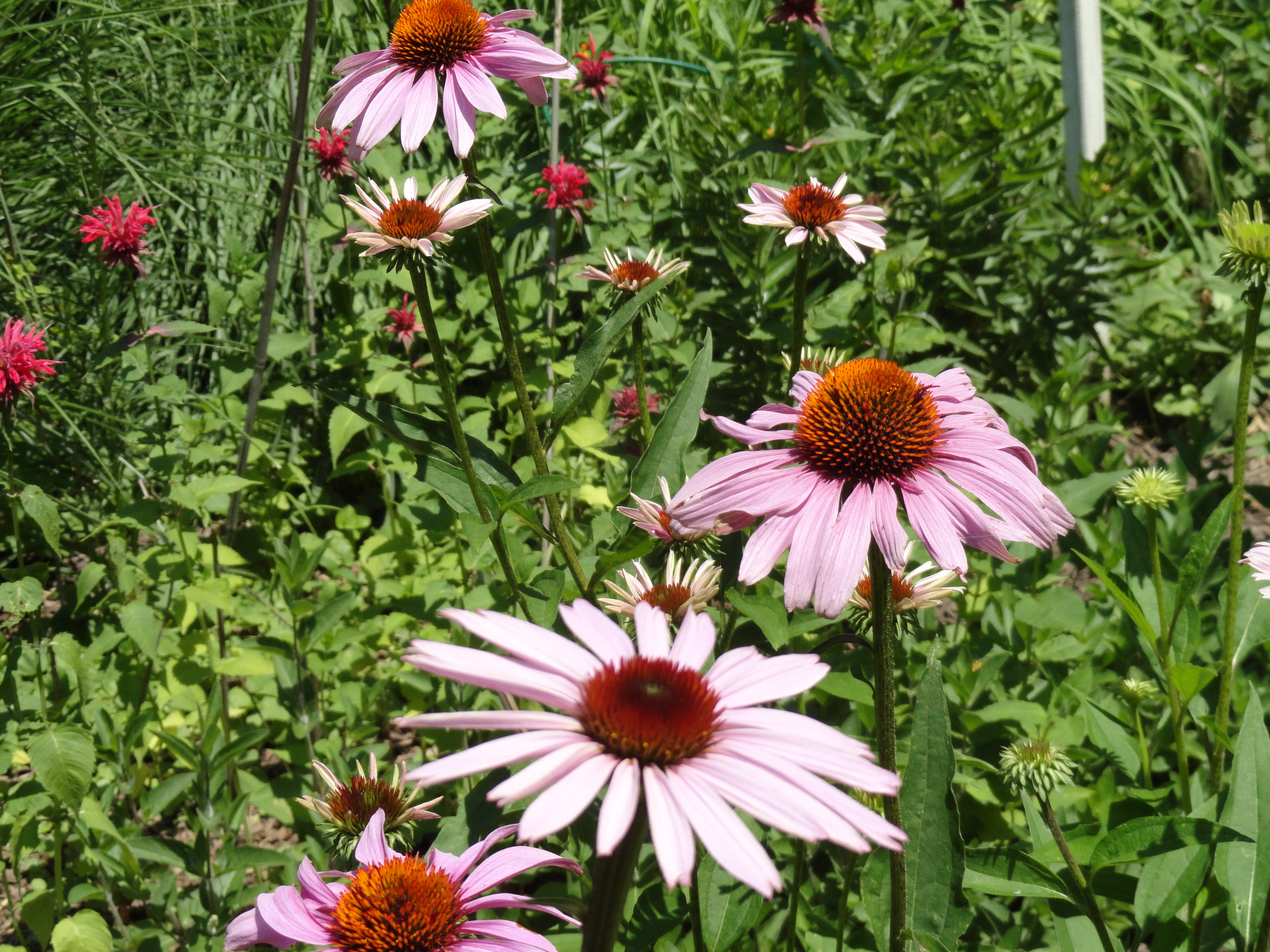
Cone flowers: Easy to grow, and loved by bees!

What You Can Do to Help Bees and Other Pollinators

Bees love St John's Wort and Vervain
Bees love St John’s Wort and Vervain

It seems crazy to be talking about pollinators as another Polar Vortex hits Minnesota, but I really liked the below post on “10 things You Can Do To Help Bees.”  Also, the thought of flowers makes us happy!! I consider myself a pollinator plant gardener and get enormous joy from the birds, bees, butterflies and other wildlife that love my chemical free plants and yard. Bees are important for the survival of many of our foods and flowers, and the drastic decline of our bees and butterflies can be blamed on many things, but habitat loss from droughts and floods; pesticide use; and the mono culture that has been created with our corn and soybean culture are three of the top concerns.  All of us can do better for our bees and butterflies.  See what you can do.

What can you do for pollinators?

1. Plant bee-friendly plants.  A few of my favorites that bees also love are chives, Anise Hyssop, bee balm (Menardia), golden rod, and asters.  Do not purchase plants at Lowes or Home Depot. They may contain hidden pollinator killing chemicals.  Find native plants for your area: http://findnativeplants.com/
 
2. Dandelions and clover are good for pollinators and bring many pollinators into your yard. Both bees and monarch butterflies love dandelions!
 

3. Don’t use chemicals or pesticides on your lawn or garden, and never use the Neonicotinoid pesticide.

4. Purchase organic food and local raw honey

A new book by Heather Holm
A new book by
Heather Holm

See the link below for the remainder of the list:

http://www.queenofthesun.com/get-involved/10-things-you-can-do-to-help-bees/

http://www.ecosystemgardening.com/top-10-herbaceous-plants-to-attract-wildlife-to-your-ecosystem-garden.html

Are We losing What We love?

“Unless someone like you cares a whole awful lot, nothing is going to get better. It’s not.” – Dr. Seuss

This story breaks my heart.  It will be a sadder earth if we lose our Midwest monarchs. The news story below highlights what is harming and happening to the monarch butterflies that we love.

http://www.startribune.com/lifestyle/242608761.html    Article on the loss of our monarchs

The new farm bill has passed.  Does the farm bill do anything to protect our pollinators?*** When I travel through the heartland of the United States, even Kansas and Missouri, I see mostly fields of corn and soybeans which they often irrigate, and require the use heavy herbicides. Wheat production which is better for our earth has become a minor player!! Below a monarch expert offers her ideas.

This is a quote from monarch expert, Karen Oberhauser, of the Universtiy of Minnesota:

The vast majority of monarchs that arrive in Mexico grew up eating milkweed in the United States and Canada, according to Karen Oberhauser, professor at the University of Minnesota who has studied the monarch for more than 30 years, and is a leading scientist on this butterfly. “Numerous lines of evidence demonstrate that the Corn Belt in the US Midwest is the primary source for monarchs hibernating in Mexico,” said Oberhauser. Large part of the monarchs’ reproductive habitat in this region has been lost to changing agricultural practices, namely an explosion in the use of crops that allow post-emergence treatment with herbicides. “These genetically modified crops have resulted in the extermination of milkweed from many agricultural habitats,” added Oberhauser.

https://worldwildlife.org/press-releases/monarch-butterfly-migration-at-risk-of-disappearing?utm_source=twitter.com&utm_medium=media&utm_campaign=wwf-marketing&utm_content=wwfnews-20140129

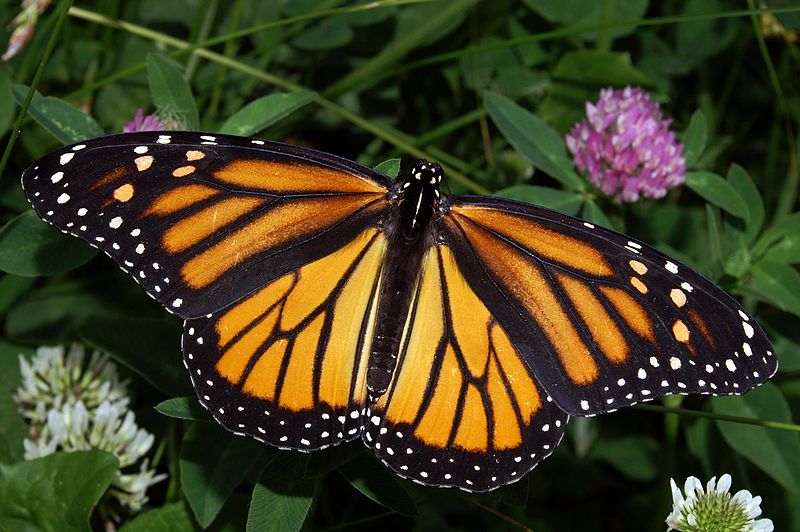
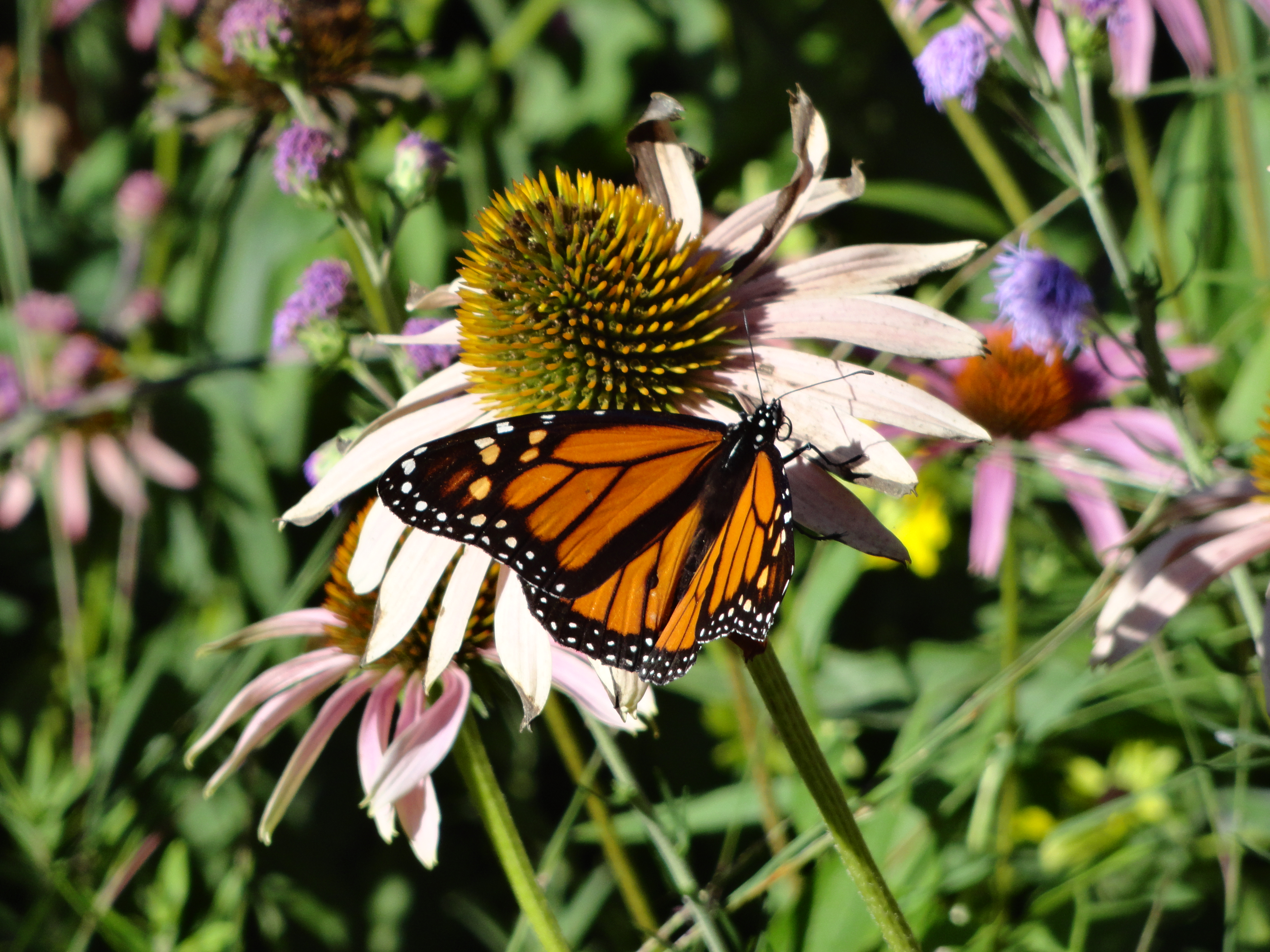
One of the few monarch buttlerflies in 2013
One of the few monarch butterflies in 2013

What can we all do?  Controlling farmers is impossible, but in our yards there are a few things we can do to have a healthier yard.

*Reduce your use of chemicals by reducing your lawn just a small amount and plant milkweed, liatris, coneflowers, butterfly weed, and menardia (bee balm) or for shade heart leaf asters or wild geraniums.  http://findnativeplants.com/

 *Plant common milkweed, and more milkweed.  Encourage nurseries and garden stores to carry it.  It must be native to your area!! See link to purchase local milkweed: http://monarchwatch.org/milkweed/market/index.php?function=show_static_page&id_static_page=1&table_name=vendors

*Do not support GMO products, but purchase organic products

*Never never use lawn products that contain Neonicotinoids.

*By helping to save butterflies we help all pollinators, AND we help the health of our families. Following is a great article on ways to have a healthy yard:  http://www.startribune.com/lifestyle/homegarden/243547751.html

*Join a native plant organization, like Wild Ones, in your area and http://www.xerces.org

http://monarchjointventure.org/get-involved/create-habitat-for-monarchs

http://monarchwatch.org/milkweed/market/index.php?function=show_static_page&id_static_page=1&table_name=vendors

http://www.ecosystemgardening.com/eg-101/14-how-to-find-native-plants

http://monarchwatch.org/blog/

http://www.wildones.org/learn/wild-for-monarchs/what-wild-ones-is-doing-about-it/

http://www.cnn.com/2014/02/14/opinion/roberts-monarch-butterflies/index.html

http://www.ecosystemgardening.com/restoring-the-monarch-butterfly.html  Everything to know about monarchs and more.

 ***From the Union of Concerned Scientist on the just passed farm bill:

“While the local foods and organic programs fared well in this farm bill, the USDA’s conservation programs didn’t make out as well. With our “healthy farm vision,” UCS advocated for increased funding for programs like the Conservation Stewardship Program, which provide incentives for farmers to prevent water pollution, plant cover crops, and preserve wildlife habitat. Unfortunately, these programs have been cut by $6.1 billion, or 9.5 percent over 10 years. “(The National Sustainable Agriculture Coalition)

2013, Another Hot Year For Our Earth

970832_10153091136195497_1060532036_n

2013 Marks the 37th consecutive year the global temperature was above average.  Below is the report from NOAA:

(NOAA) Climate Report from National Oceanic and Atmospheric Administration 

 NOAA Global Climate Analysis 2013

Web Site: National Oceanic and Atmospheric Administration (NOAA), Global Analysis—Annual 2013, National Climatic Data Center, Released 2014.

http://www.ncdc.noaa.gov/sotc/global/2013/13

The year 2013 ties with 2003 as the fourth warmest year globally since records began in 1880. The annual global combined land and ocean surface temperature was 0.62°C (1.12°F) above the 20th century average of 13.9°C (57.0°F). This marks the 37thconsecutive year (since 1976) that the yearly global temperature was above average. Currently, the warmest year on record is 2010, which was 0.66°C (1.19°F) above average. Including 2013, 9 of the 10 warmest years in the 134-year period of record have occurred in the 21st century. Only one year during the 20th century—1998—was warmer than 2013.

The web site includes global and US data, and covers among other things the state of the climate, temperature, precipitation, drought, extremes, societal impacts, snow and ice, and references.

China Exports Pollution

618482main_earth1600_800-600

Earlier this year as I read about China’s pollution problems I thought, “They are polluted because they make products for the United States!”  We have exported our jobs, manufacturing and pollution, and some of that pollution is finding its way back across the Pacific Ocean.

There is evidence that China is exporting pollution from their manufacturing back to the United States.  China has lax manufacturing standards in every area and now their extreme carbon pollution is crossing the Pacific Ocean to pollute California, Oregon and Washington State.

What about products made in India? Experts have long known that India’s air is among the worst in the world. A recent analysis by Yale researchers found that seven of the 10 countries with the worst air pollution exposures are in South Asia.

Carbon Pollution is a global issue.  There are many things you can do and shopping for American made products is one of those things.   Buying USA made is green and creates needed jobs here in our own country.  I have been trying to do this for over 20 years and it is tough, but I feel better about my purchases. Yes, sometimes it is impossible, but consumer demand can bring some of those jobs and products home.

Below is a post from Todd Lipscomb from   www.madeinusaforever.com 

“According to a recent study, up to 25% of air pollution on the West Coast is floating over from China. Sadly, we’re directly responsible for much of that pollution. The study tied a significant amount of Chinese pollution to the production of goods for export to the United States and other countries.

Of course, the pollution we now know is drifting to our coast comes on top of the pollutants actually in the products themselves and the huge amount of pollution cargo container ships create. According to other studies, the largest 15 cargo container ships create more pollution than all the cars in the world combined, due to the nearly unrefined fuel they burn.

I saw firsthand in China that environmental laws are much less stringent and often ignored completely. Walking outside, the air was so thick it was like I was smoking cigarettes 24/7. In spite of the occasional PR push by Chinese government authorities, the pollution situation just continues to get worse there.

However, “there” is not as far away as it may seem. Sure they are seeing the worst of it, but there is no doubt that pollution is affecting us here the USA as well.  In fact, experts already estimate that Los Angeles experiences at least one extra day per year of smog exceeding safe ozone levels because of pollution from China.”

www.madeinusaforever.com 

http://www.theguardian.com/environment/2014/jan/21/china-pollution-pacific-us-smog

http://www.nytimes.com/2014/01/26/world/asia/beijings-air-would-be-step-up-for-smoggy-delhi.html?_r=0

http://www.washingtonpost.com/world/study-pollution-from-chinese-factories-is-harming-air-quality-on-us-west-coast/2014/01/21/225e9b1e-8281-11e3-bbe5-6a2a3141e3a9_story.html

Other American product sites:

http://bgreenapparel.com/

http://www.earthcreations.net/

http://tesoromio.org/

http://www.doitgreen.org/

http://www.mygreenhome.co/

http://www.mossenvy.com/

http://footvote.com/

www.americanapparael.net

www.foreverusa.com

Minnesota Weather Disasters Cost Big Money

1507846_624777137588934_985916797_n

Minnesota prides itself in being number one, but who would think that land locked Minnesota would top the list in weather insurance claims?? We are all paying for climate change with our health and wallets. Minnesota has become the “New Florida” of the Midwest in paying for weather disasters. The new numbers from 2013 bring Minnesota into the top three states in the United States for catastrophic weather losses. AND…Insurance rates in Minnesota have increased 267% since 1997 according to Bob Johnson of the Insurance Federation of Minnesota.

The tornadoes in Illinois probably bumped Minnesota out of the number one spot for 2013, but the trend continues, and the frequency of extreme rains and hail is one of the triggers of insurance rate increases for Minnesota.

The changes in climate are happenings faster than we have ever seen, and it is clear we are changing the composition of the atmosphere according to Meteorologist Paul Huttner on Minnesota Public Radio.

Yes, we are already paying enormous costs because of the changes in our atmosphere and those that pollute should be paying their fair share. Polluters should be responsible for paying a fee for their contribution of carbon entering the atmosphere. This is a global problem.  Minnesota, and the United States together with the EU, need to take leadership to work with the entire world to do what we can to mitigate the climate effects we are seeing.  And we should all strive to reduce our individual pollution footprint.  Our health and the health of our earth depend on an enormous cooperative effort.

http://blogs.mprnews.org/updraft/2014/01/climate-cast-minnesota-near-1-in-extreme-weather-catastrophic-losses-in-2013/

Also, see below the number one catastrophic  disaster for the world.  It will surprise you:

http://abcnews.go.com/International/wireStory/global-disasters-killed-cost-2013-21444994

970832_10153091136195497_1060532036_n

A New Year

A New Year on Lake Superior

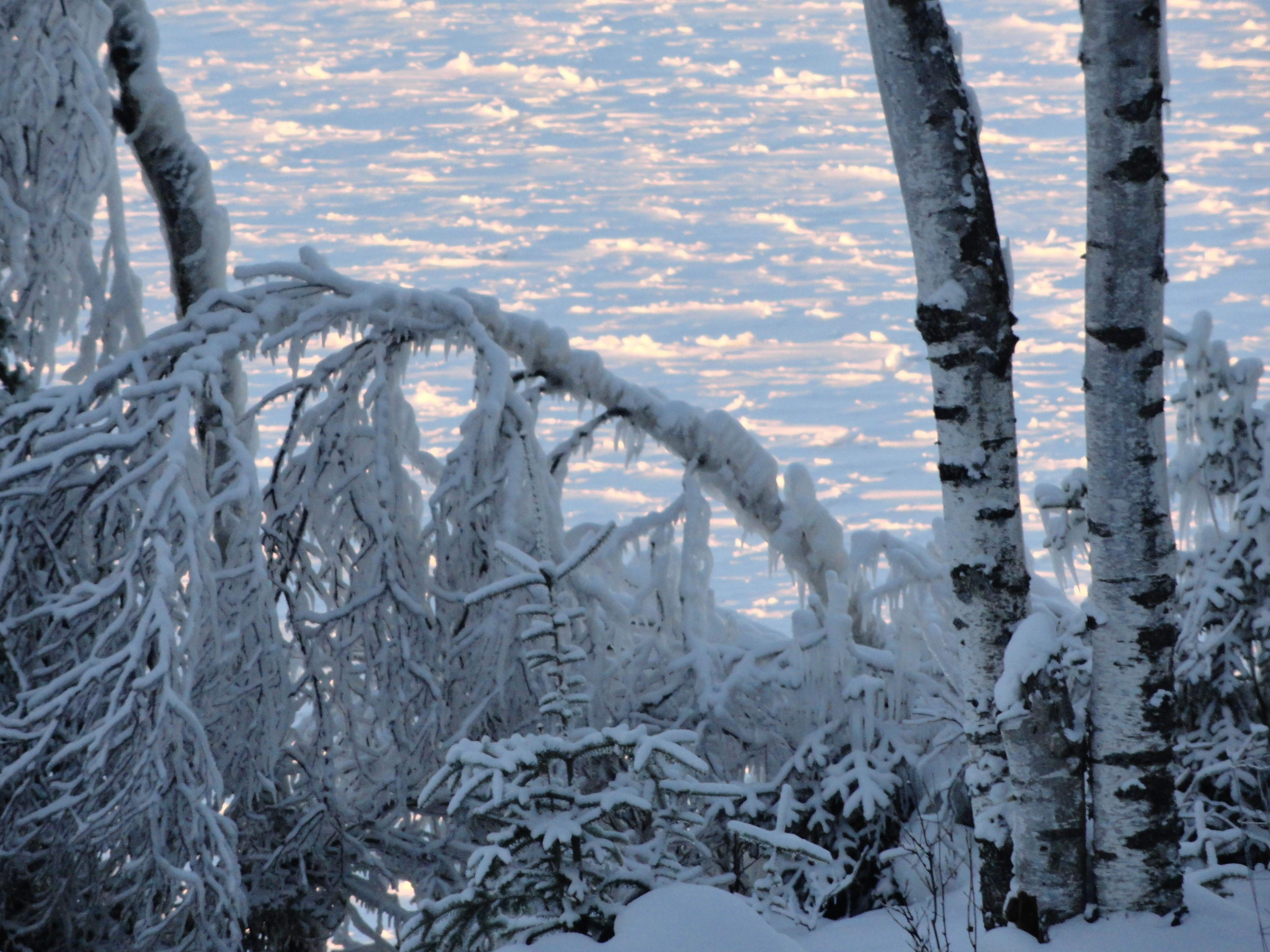
Lake Superior beyond the lake sprayed trees
unusual snow deposts
Unusual snow deposits, koala bears climb the tree?

Embrace the beauty

Snowshoe through snowy balsams

Into deer bedrooms

Five days of below zero cold.  The magnificent beauty of winter is at it’s best and the quality of the snow for snowshoeing is perfect. Chickadees, downy and pileated woodpeckers work to find food. Deer tracks cover the woods. The bay in front of our house has frozen over, but a strong lake wind could change that in a minute. A fisherman has ventured out on the tenuous ice.

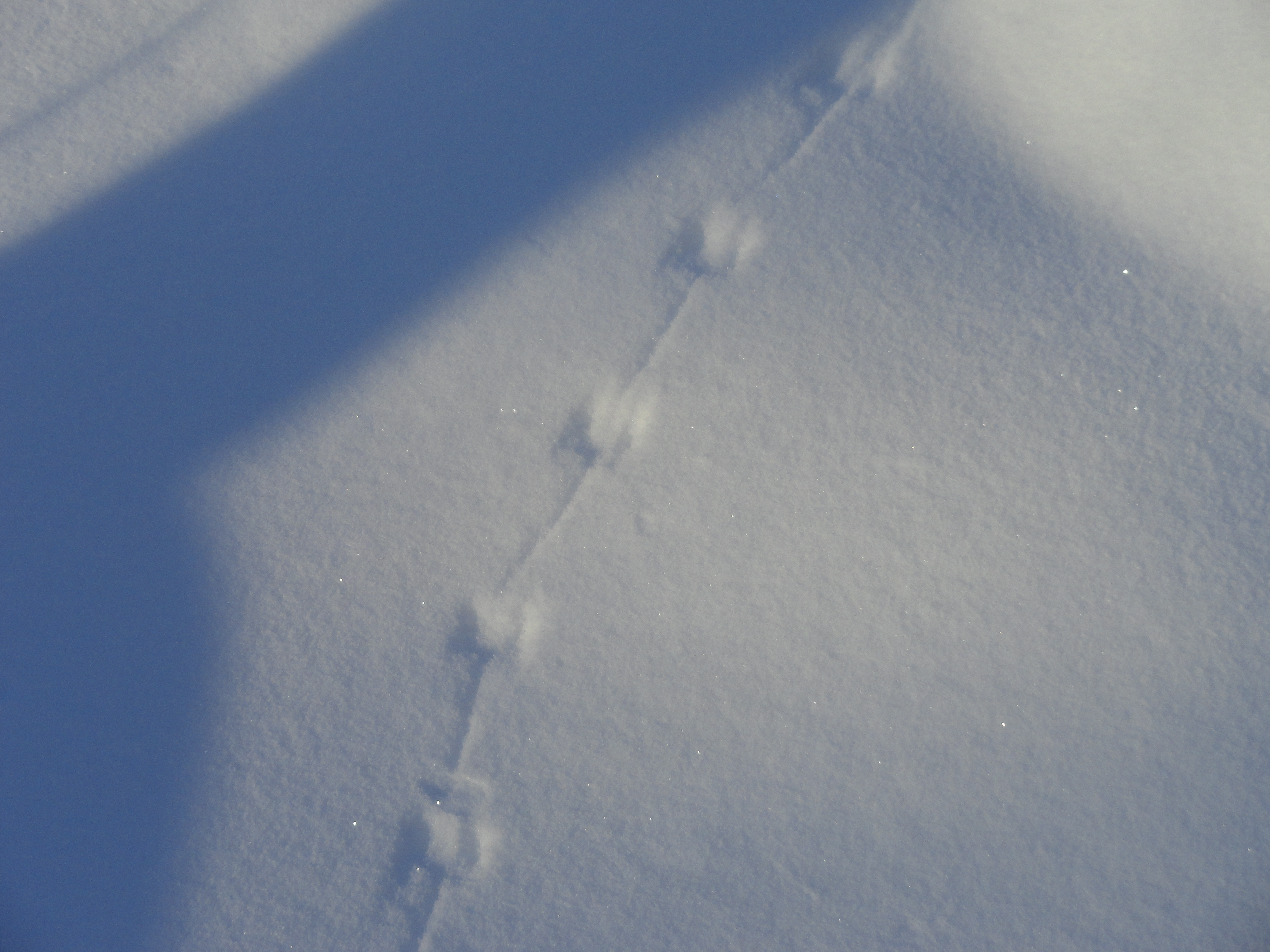
Shrew tracks
Shrew tracks

And…my 3 year old buck friend has survived another hunting season!