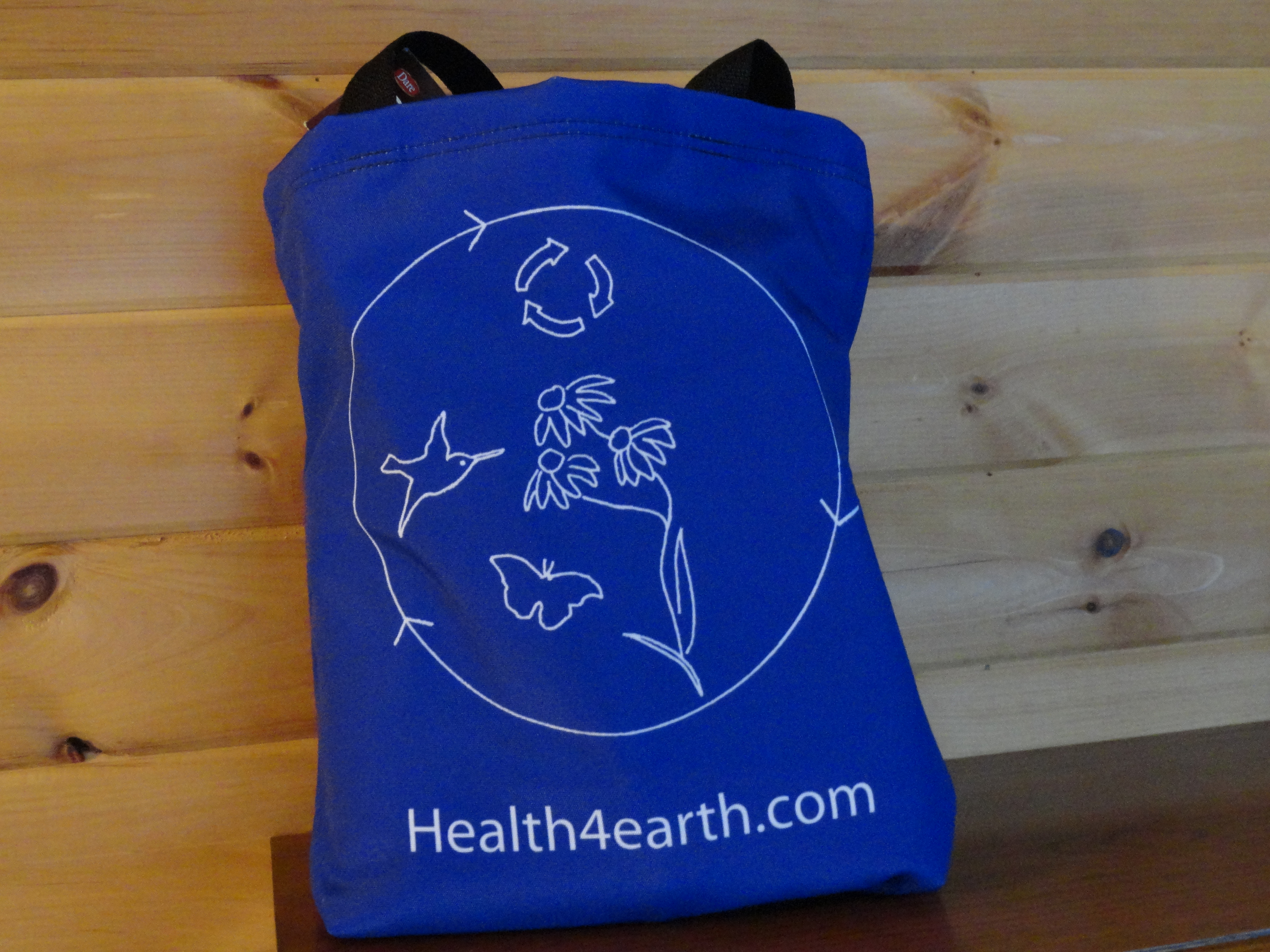
When you shop, do you try to purchase products made from recycled materials? This green business, Banner Creations, in Minneapolis is a hero of mine. They sew and make products from material made from recycled plastic. I purchased my reusable shopping bags (above) from them, and not only did they make a fabulous product, they were creative and efficient to work with.
With a little planning, it’s easy to make your Fourth of July celebrations red, white, blue and GREEN. Follow these tips to make your Independence Day celebration a little more environmentally friendly:
• Recycle! Provide your 4th of July guests with recycling containers or ask your host for one. Print recycling labels for free at http://www.hennepin.us/eventrecycling.
• Use your own dishware instead of disposable paper or plastic plates and silverware. Although you may spend a few extra minutes at the sink, the extra effort goes a long way in reducing waste!
• Grocery shopping for the 4th? Remember to bring your own reusable shopping bag.
• Provide reusable food containers for guests to bring leftovers home, or encourage your guests to bring their own. You’ll have less to clean up and avoid food waste!
• Look for air quality updates and avoid having a bonfire during poor air quality days. MPC.com
• Traveling around town for the 4th? Bike or use public transportation instead of driving if possible.
• Buy 4th of July decorations that can be reused every year instead of decorations that can only be used once.
I thank Pope Francis, along with millions throughout the world, for encouraging churches and all of us to discuss and think about our unsustainable habits. Pope Francis is concerned with the lack of fresh drinking water, the loss of bio-diversity, and the diminished quality of life many on our planet are experiencing. The Pope and I would disagree on birth control, and the sustainability large families, but I think his other ideas are right on! The list below is the best list I have seen on things we can all do to reduce our carbon use. Below is from Priest Father Rocky:
10 things you can do to implement “Laudato Si.”
1. Use 10% less air conditioning — in home and in car 2. Use 10% less fuel — at home and in car 3. Drive 10% slower 4. Use scrap paper for your first draft 5. Use natural light instead of electric whenever possible 6. Turn off the lights when you leave the room 7. Use real plates, napkins, and cups: not paper and plastic 8. Reduce water consumption (recycle shower water into the holding tanks for toilets) 9. Be respectful at home: “please and thank you” 10. Say Grace BEFORE and AFTER meals.
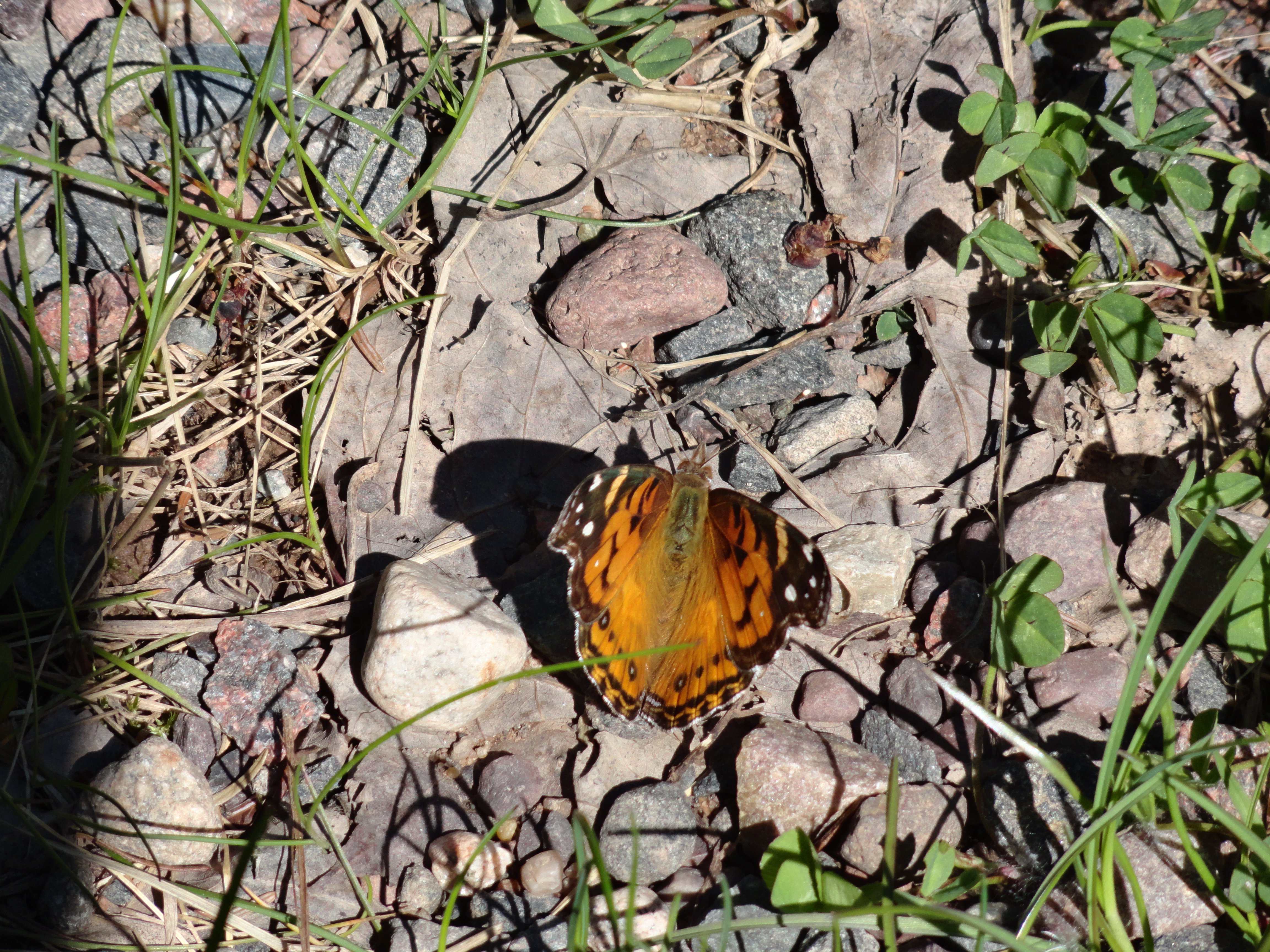
Wow, who doesn’t love June? The weather is perfect, and everyday brings new budding/blooming flowers, birds and butterflies. The red-eyed vireo, song sparrow, and least fly-catcher sing constantly in our yard. Painted lady, northern-crescent, and tiger swallowtail butterflies add to the beauty of the days.
Northern-crescent in a Daisy Fleabane
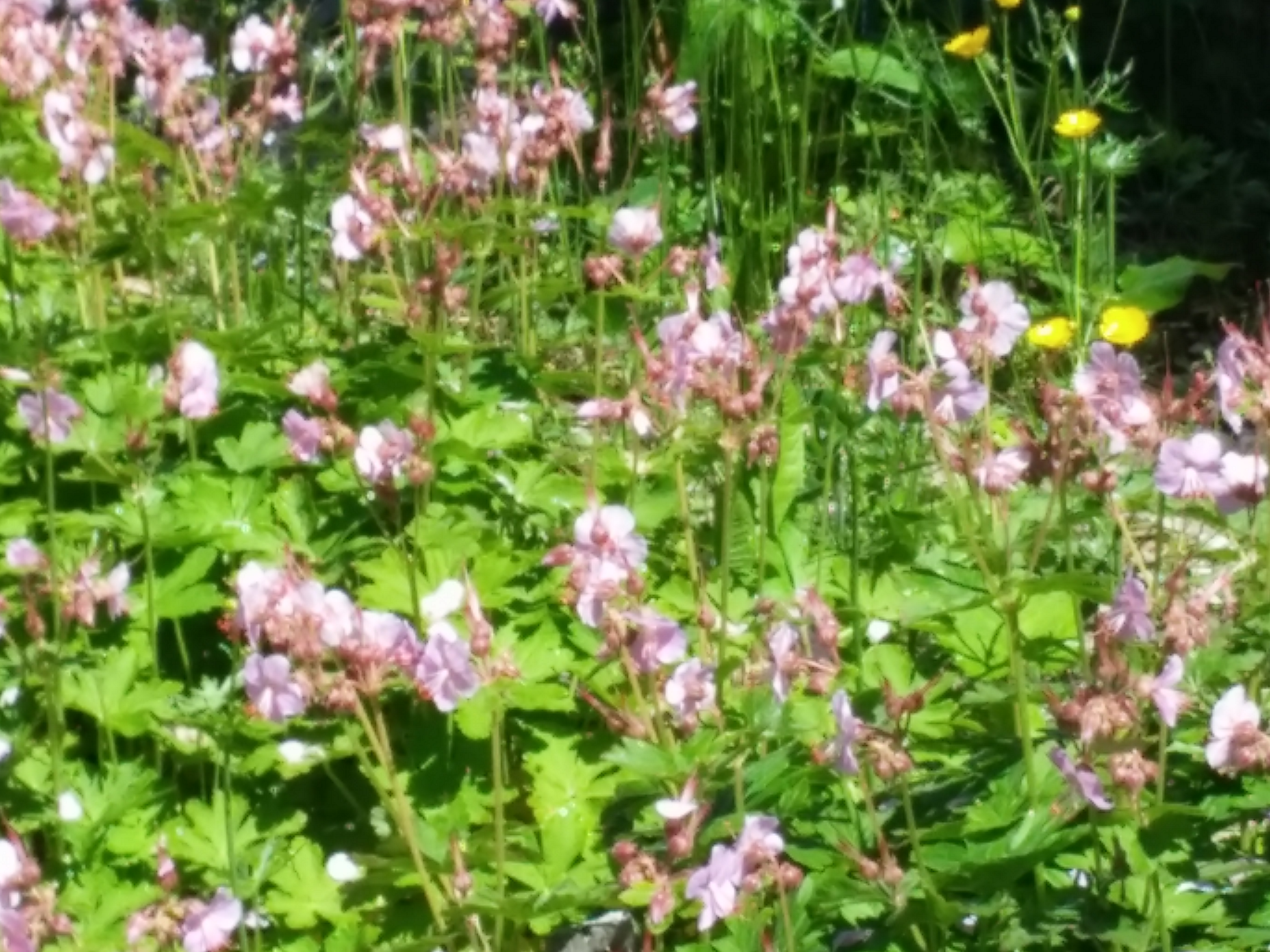
The best plants are those that pollinators frequent. The bees and the hummingbirds love
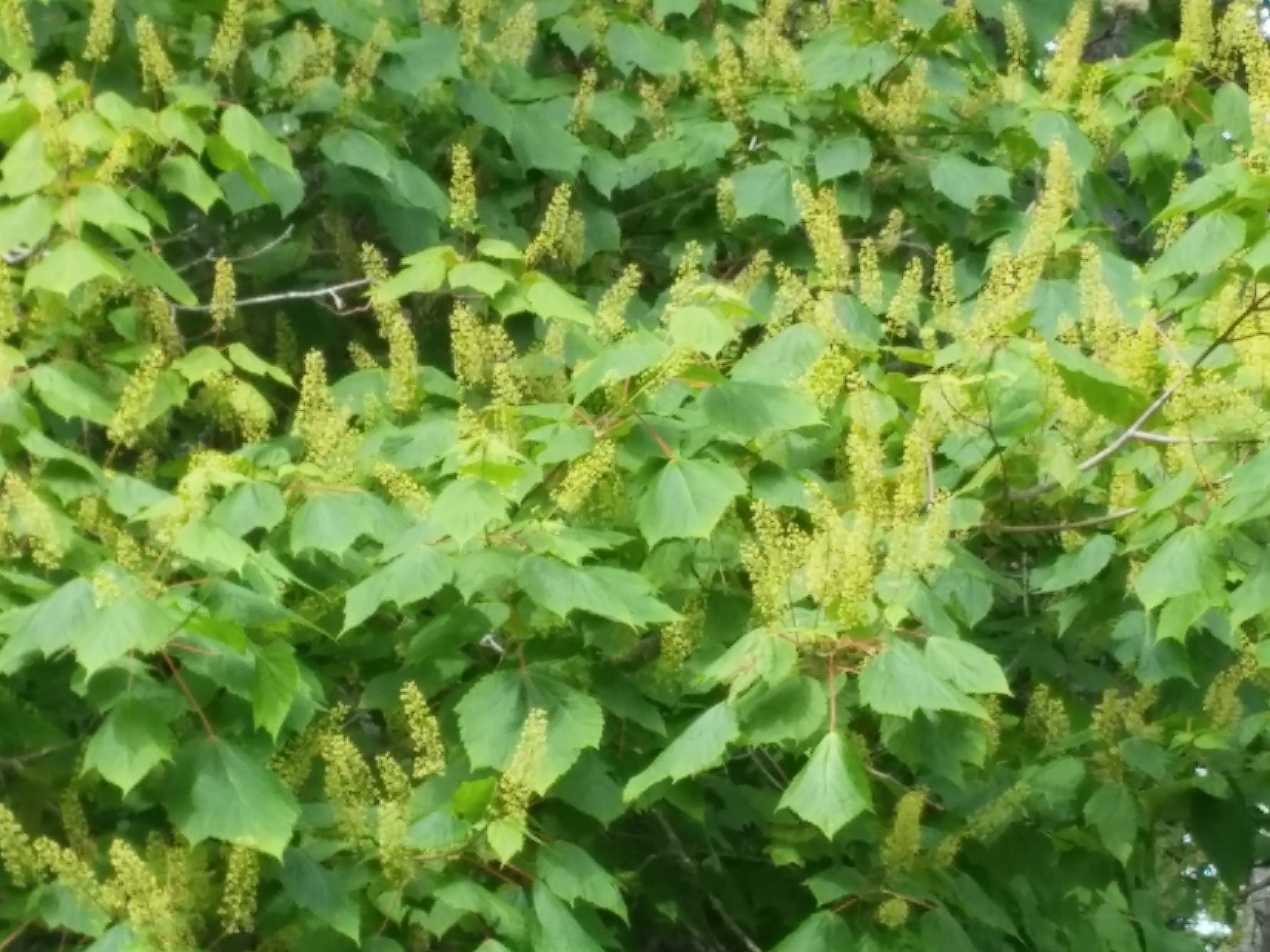
Bees buzz on the flowering candlesticks of this maple
the wild geranium, and the flowering maple is a favorite for bees and many birds.
The dominant roadside flowers are daisies, lupine, hawkweed and buttercups that create a beautiful mix designed by nature. Unfortunately, the road crew of my town cut down all these blooming beauties. So much for our butterflies and bees which are now in a struggle to survive. Mowing roadsides in late September would help pollinators and enhance enjoyment for you and me.
May was the hottest month on record, with Alaska and India struggling with unheard of heat. http://ecowatch.com/2015/06/23/heat-waves-hit-planet/2/ May was also the wettest month ever in the United States, but California is in severe drought.
I love that the pope gives people specific ways to help our earth. A cute story follows:
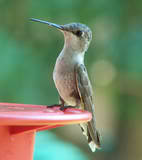
Environmental activist Wangari Maathai, of Climate Reality shares a story about a hummingbird:
“A raging fire is burning in the jungle.
It’s such an overwhelming disaster that all of the animals are watching the conflagration in shock.
A hummingbird says, “I’m going to do something about the fire.”
The hero of this story
It flies to the nearest stream and takes a drop of water.
It races back to the fire, where it drops the water on the flames. Back and forth it goes, over and over, while the larger animals — like the elephant whose trunk could deliver so much more water — stand watching.
Eventually they ask the hummingbird, “What do you think you can do? You’re too little!”
Without pausing, the hummingbird answers: “I am doing the best I can!””
The story has a simple point.
“I may feel insignificant, but I certainly don’t want to be like the animals watching the planet goes down the drain. I will be a hummingbird. I will do the best I can.” — Wangari Maathai
Don’t stand by and watch, do the best you can. What is one thing you are doing to reduce your carbon foot print? Every little bit can add up to a whole lot!
I love daylight and sunshine. The summer solstice, the first day of summer, is one of my favorites. For those of us who live in the north country, these long days are our bonus for long dark winters! The sun rises about 5:10 A.M. and sets about 9:06 p.m.
Use the energy of the day to enjoy the outdoors. The birds are singing, and the butterflies are magnificent. It is a day to worship our beautiful earth!
Today is also Global Yoga Day: https://www.facebook.com/idayofyoga?fref=photo
I hope the sun is shining where you live, and wish you harmony and joy!
“While insects and other animal pollinators may come in small sizes, they play a large partnership role in the production of the food we eat, in the future of our wildlife, and in the health of nearly all flowering plants. A garden without bees, butterflies, beetles, birds and even bats, is a garden devoid of the life-giving relationships that sustain plant reproduction.” http://www.fws.gov/pollinators/
Good suggestions below, and please don’t use chemicals:
Plant a Pollinator Garden.
An excellent book by Heather
Provide a variety of flower colors and shapes to attract different pollinators.
Whenever possible, choose native plants. Native plants will attract more native pollinators and can serve as larval host plants for some species of pollinators.
If monarch butterflies live within your area, consider planting milkweed so their caterpillars have food.
Plant in clumps, rather than single plants, to better attract pollinators
Choose plants that flower at different times of the year to provide nectar and pollen sources throughout the growing season http://www.fws.gov/pollinators/
Everything is green and lush. Everyone loves their yard in June. Whether you have a grass turf yard or native plants, urban yards are beautiful. How can you create a vibrant living landscape with a more friendly tilt to pollinators?
I watch the monarch butterflies and the swallow tiger tail and hope they leaving eggs as
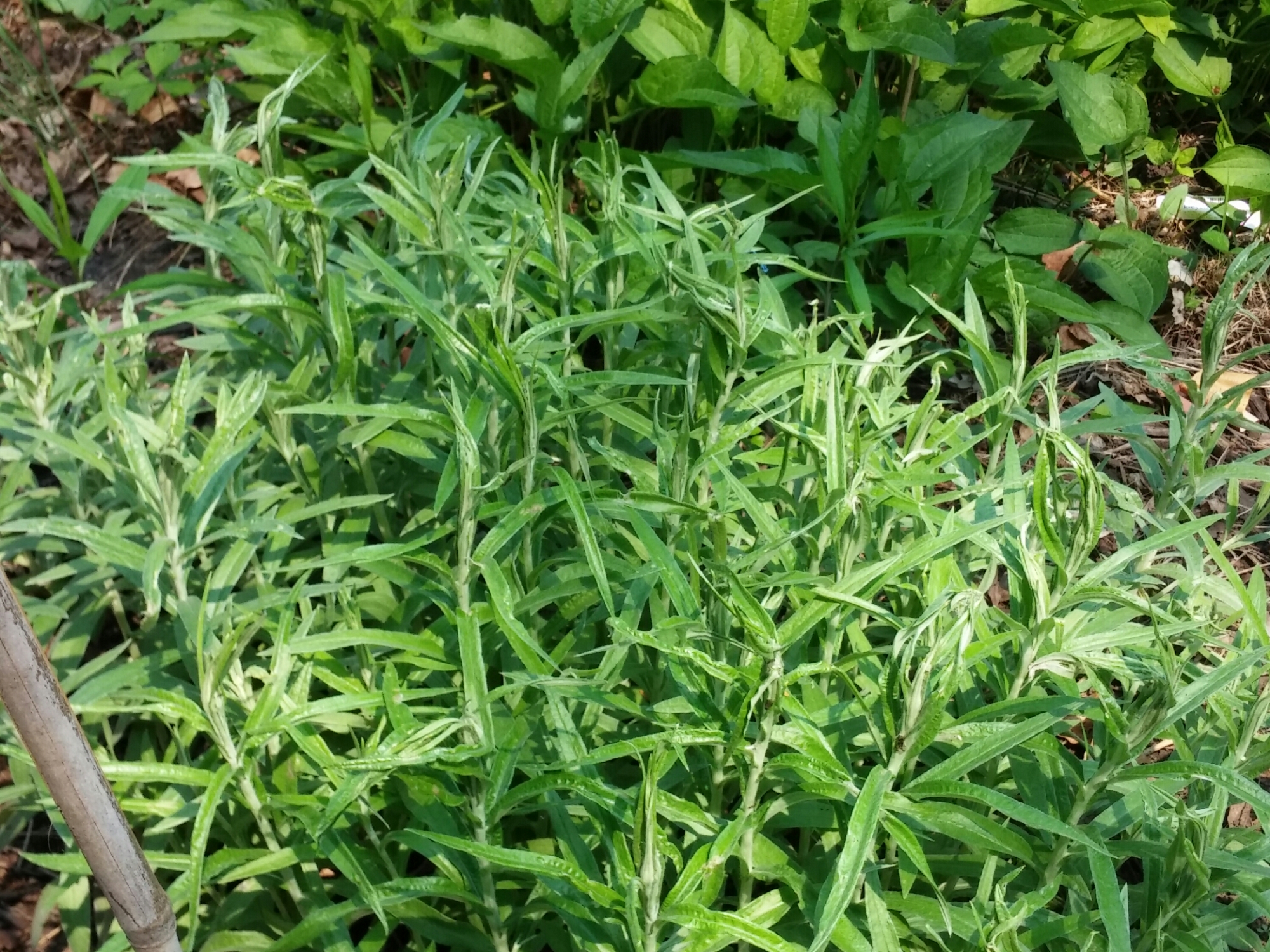
Pearly Everlasting
they flit around. The painted lady butterflies have deposited egg fuzz on the pearly everlasting making them look wilted and sick. In just a short time the caterpillars will emerge and the pearlys will be normal and healthy. Hopefully, the cycle will continue and new butterflies will live long enough to plant more eggs. Birds eat these butterflies.
The native Canada Anemone is blooming now!
The columbine and the wild geranium have almost completed their blooms, but the Canada Anemone and the spider-wort are magnificent!
We are digging our rain gardens deeper and wider. Then we plant blazing star, cardinal-flower, and turtle head to the bottom of these rain capturing gardens. The butterflies, bees and hummingbirds will love these new additions.
See the article below for ways you can create a vibrant living landscape with a more friendly tilt to pollinators: http://www.startribune.com/planting-with-pollinators-in-mind/306646301/
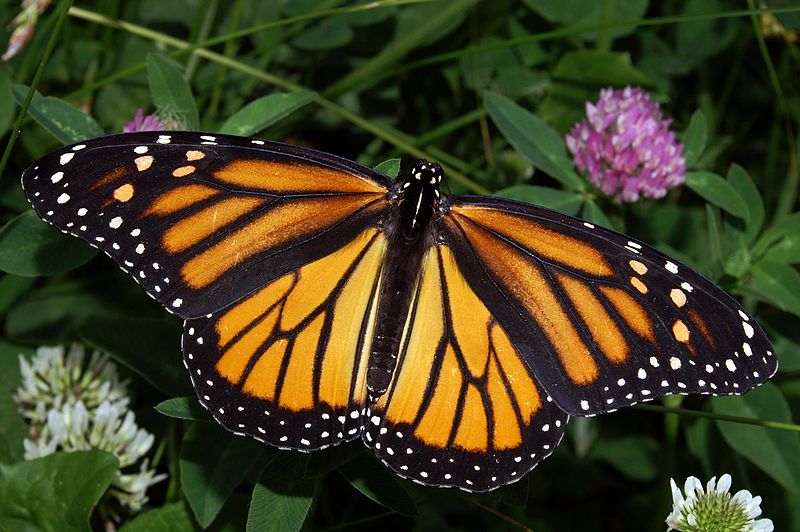
This week I had one monarch butterfly checking out butterfly weed in my Minneapolis yard. Last week I spotted one monarch in Northern Wisconsin. It is sad that we get excited counting our famous butterflies in the quantities of one.
Hopefully, a new program by announced by the White House will help get our monarch butterflies back on track. See article: http://www.startribune.com/calling-all-milkweed-federal-pollinator-plan-needs-a-billion-plants-for-monarchs/306383591/
We can all help:
1. Plant milkweed. Most garden stores still do not carry milkweed. Seeds are available, but not the best option. I transplant plants from friends gardens. Ask major garden stores to carry milkweed plants.
2 Please do not use Roundup or neonicotinoids, and always ask if the plants you purchase have been treated with neonicotinoids.
3. Inform yourself on host plants for butterflies http://www.ecosystemgardening.com/host-plants-for-butterflies.html
4. Never pick off fuzz or little spots on plants. These could be eggs
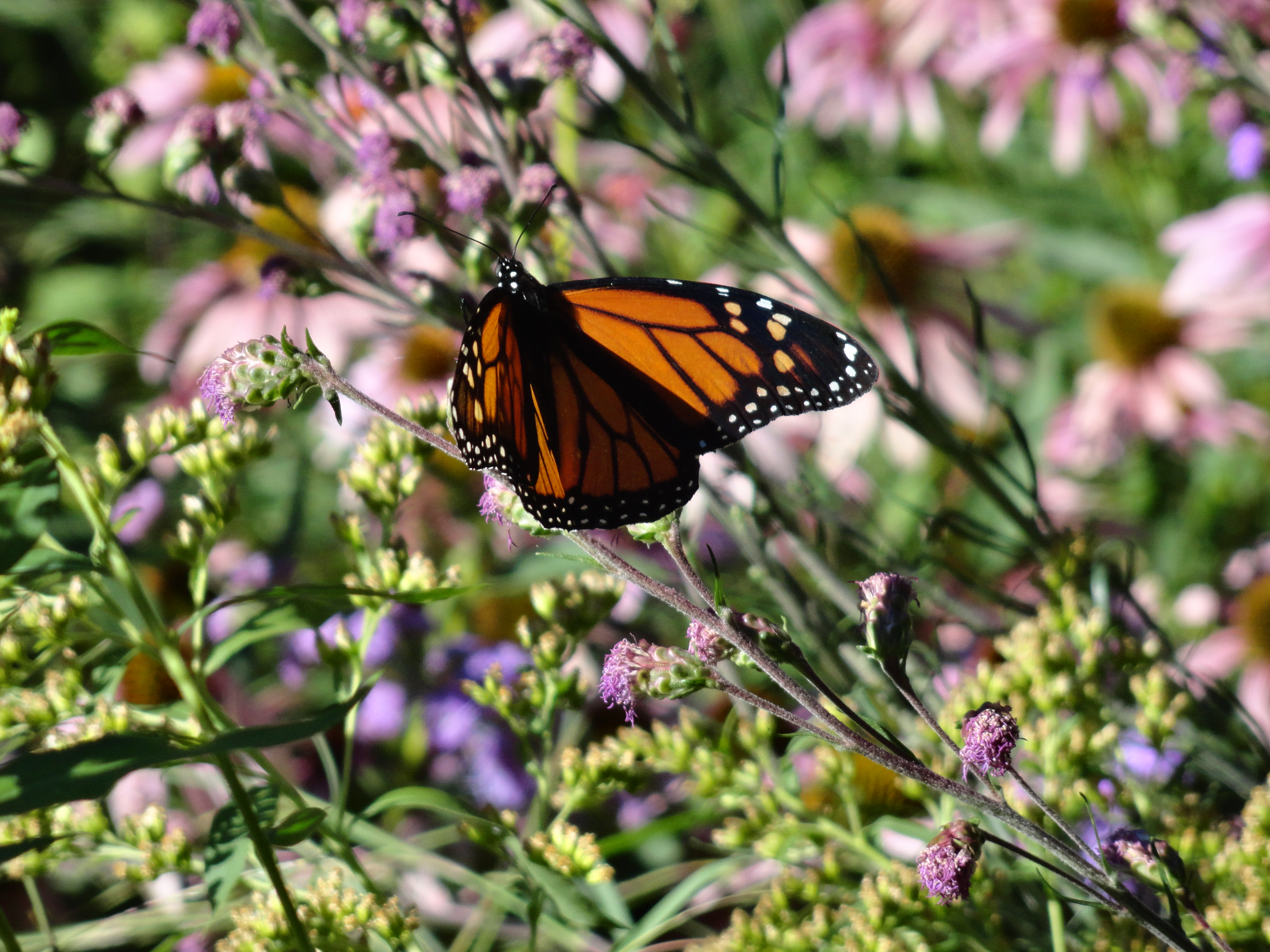
chrysalis in my yard last year, turned into the monarch above.
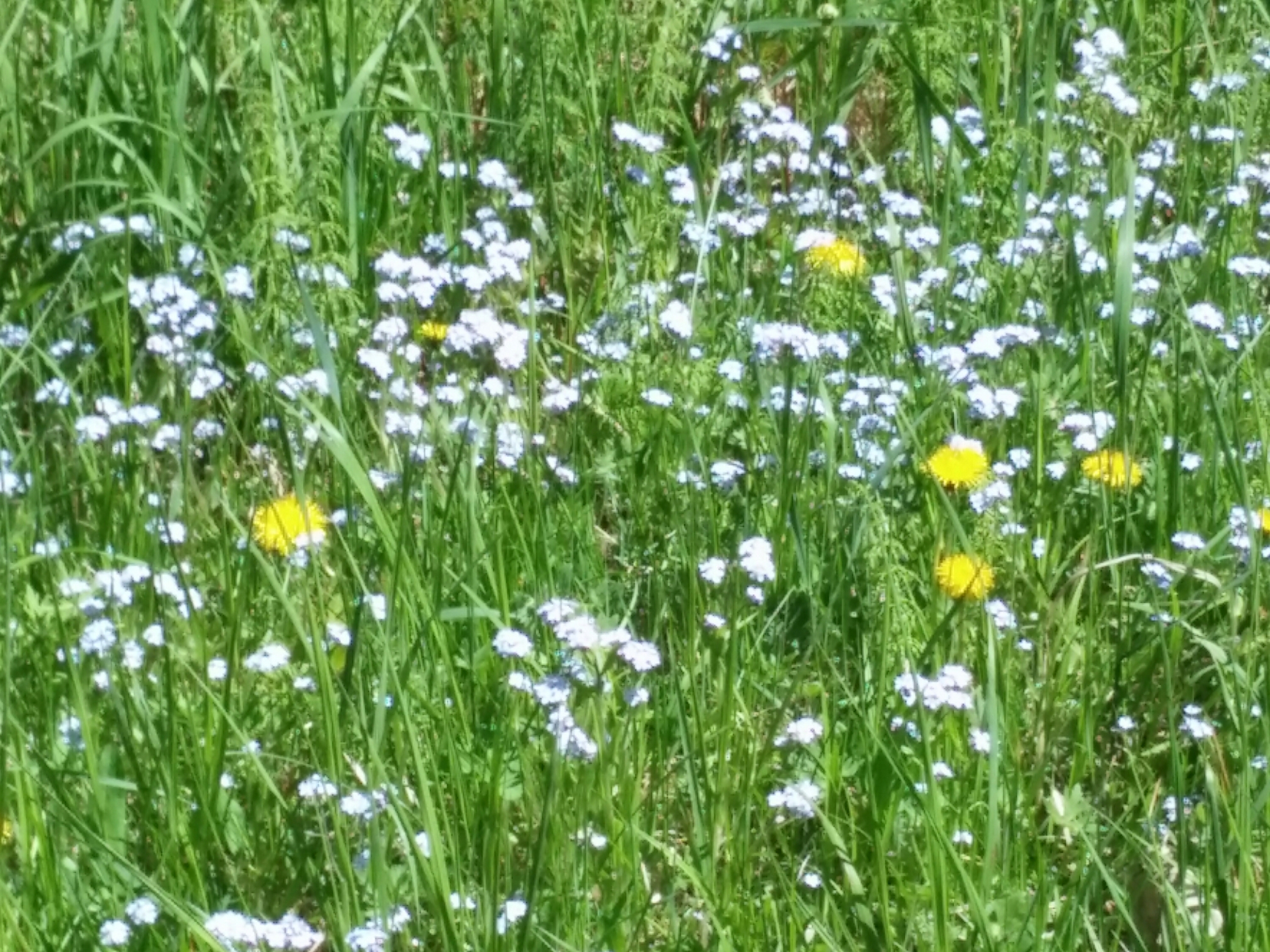
Lake Superiordandelions in the forget-me-not flowers
My hero plant is the dandelion, yes, dandelion! The dandelion attracts the monarchs, painted lady, red admiral, tiger swallow-tail and many other butterflies. I am trying to create habitat for the many butterflies that inhabit the north country. Swamp milkweed, pearly everlasting and pussy toes are my newest plants for butterfly habitat. The road where we walk,covered with dandelions, is where the painted lady, dusty wings, and sulfurs hang out, and I had monarch and tiger swallow-tail butterfly sightings this week!
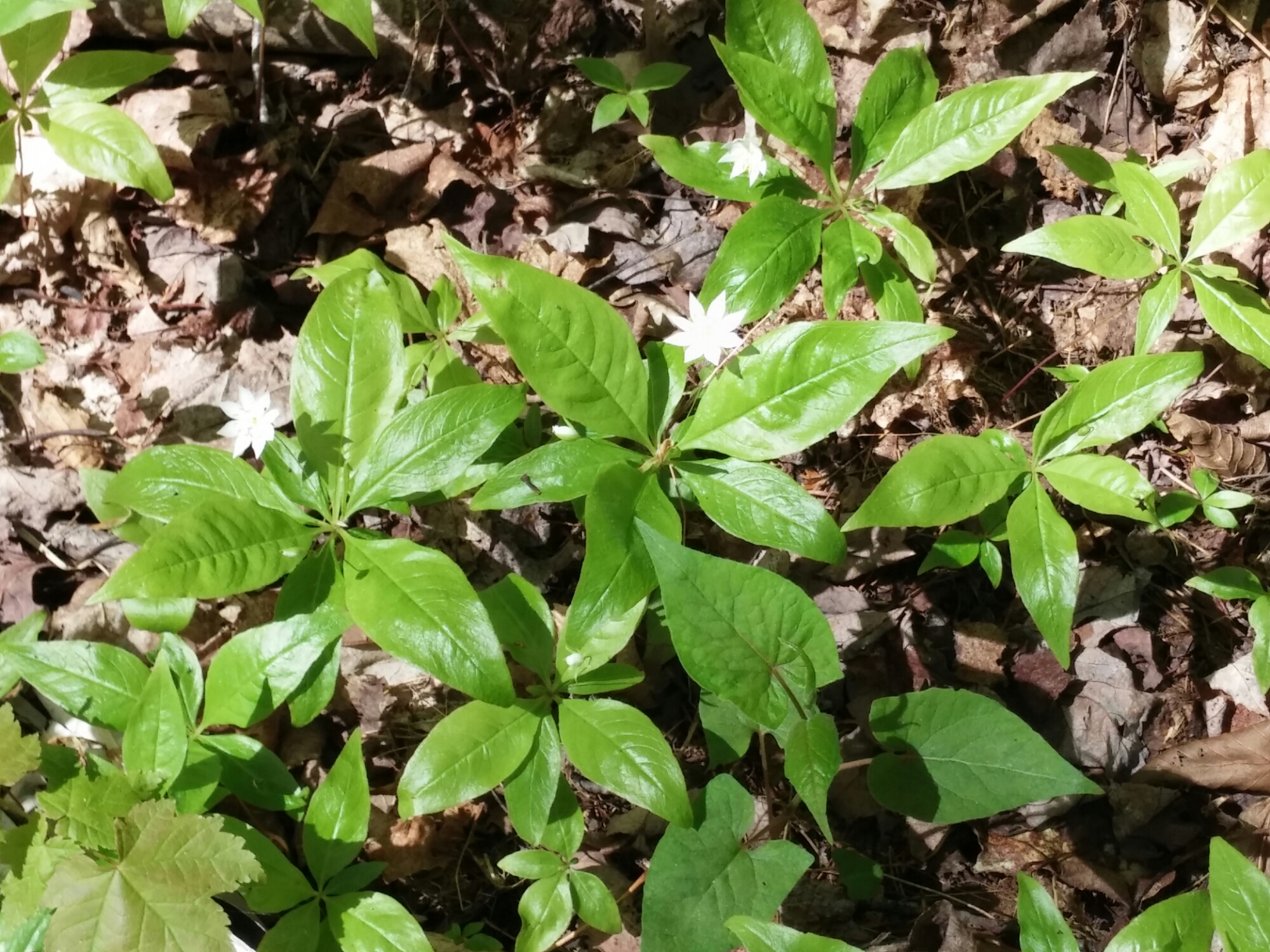
Star flowerWhite-throated sparrow
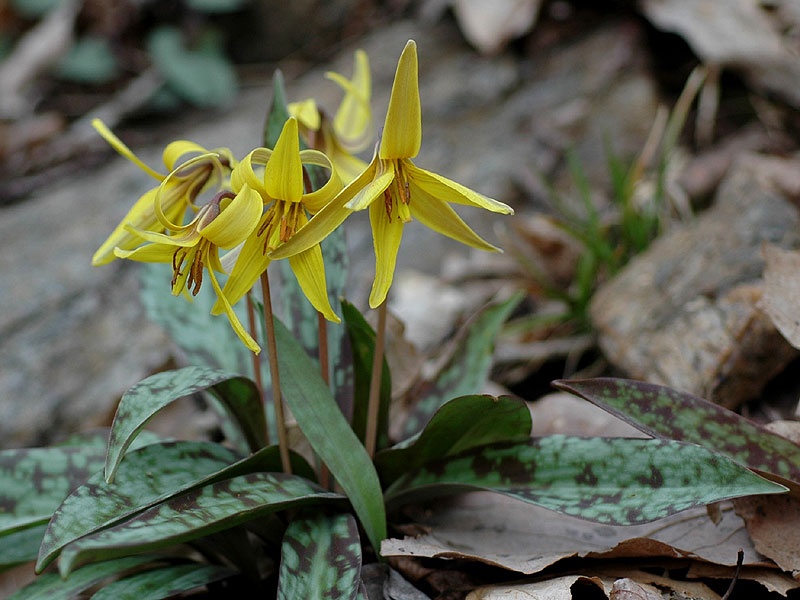
Robins are raising babies just outside my door, and the forest is joyful with the sounds of the white-throated sparrow, chestnut sided warbler, red starts, robins, song sparrows, pewee, buzz of the parula and many warblers songs we are still trying to identify. Most days the air is cool, and the wind off the big lake regulates the temperatures and weather.

 POSSIBLE AND CLOSE THE RECYCLING LOOP.











 Health4earth