Many of these items I have written about before. This is a good reminder to replace some things around our homes like our toothbrushes. Pesticides, weed killers, and lawn fertilizers should be eliminated.
Everyday items that you’d be better off without or should replace:
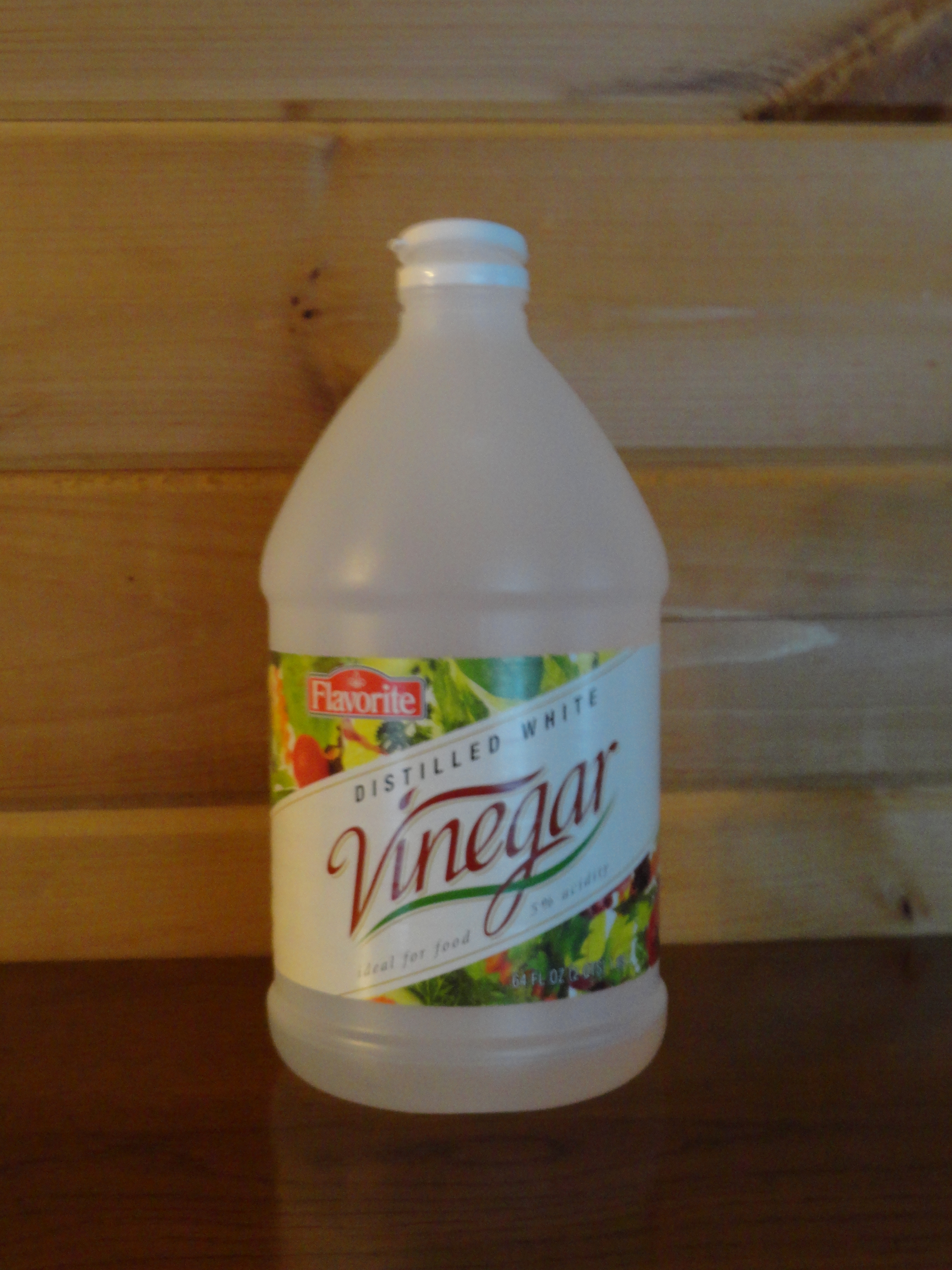
Use vinegar and baking soda for cleaning
“Clearing your kitchen of artificial sweeteners, plastic food containers, non-stick cookware, and replacing old spices will eliminate common sources of toxins and boost your health
Air fresheners, toiletries and cosmetics, antibacterial soap, and commercial cleaners are other sources of toxins to eliminate.” This list is from: www.mercola.com
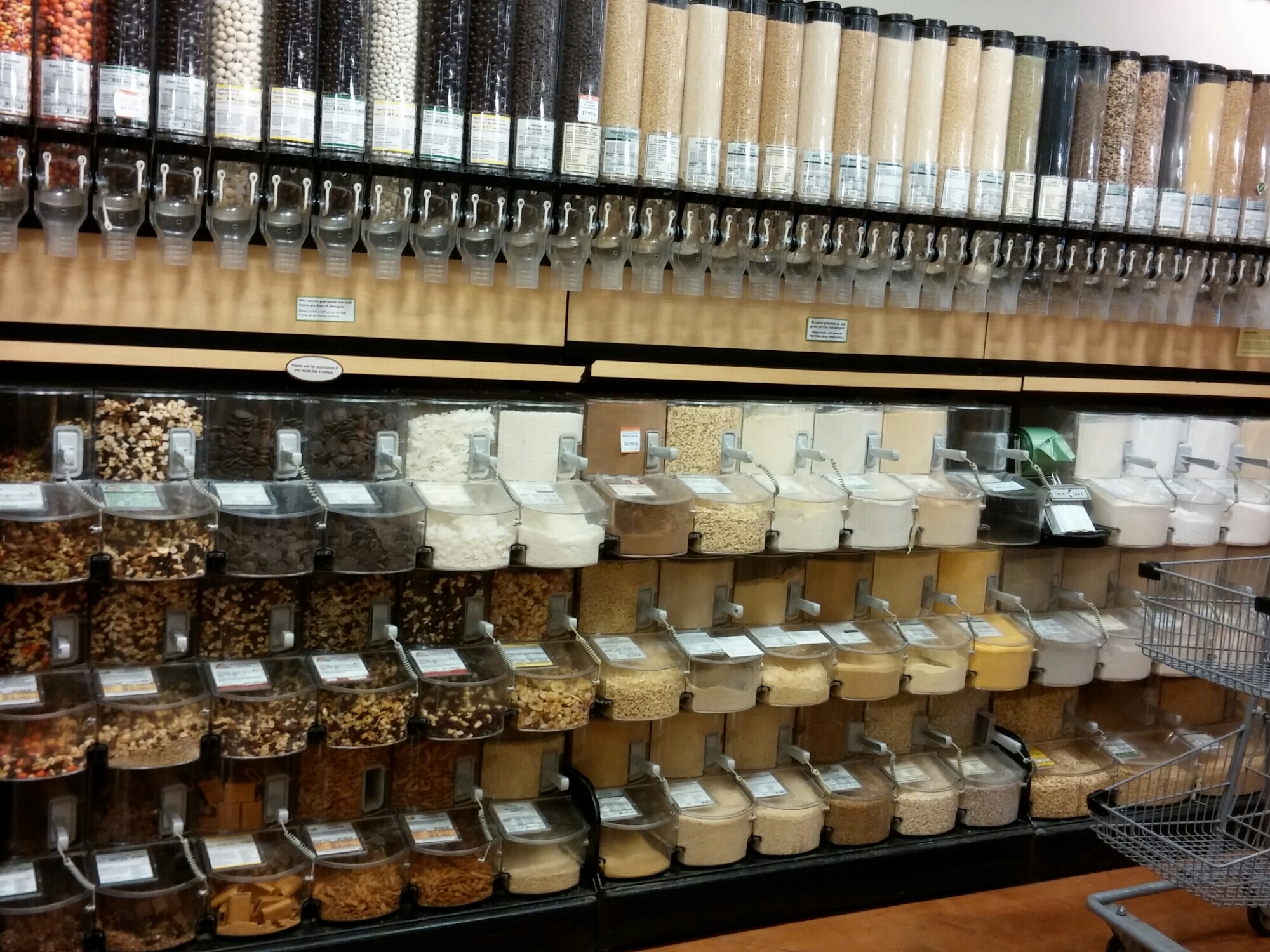
Never throw any of these items down the drain or toilet, and recycle the containers if possible! They should go in the landfill garbage or brought to hazardous waste collections. Spices can be composted, and purchased in small bulk amounts at food coops. Store your spices in small glass bottles.
According to NOAA, the National Oceanic and Atmospheric Administration, the earth set two unfortunate records for March 2015
Information below is from: www.ecowatch.org and http://climaterealityproject.org/ http://www.noaa.gov/
Marking yet another grim milestone for our warming planet NOAA reported that, for the first time in recorded history, global levels of carbon dioxide in the atmosphere averaged more than 400 parts per million (ppm) for an entire month—in March 2015.
This image shows how carbon dioxide moves around the planet.
“This marks the fact that humans burning fossil fuels have caused global carbon dioxide (CO2) concentrations to rise more than 120 parts per million since pre-industrial times,” said Pieter Tans, lead scientist of NOAA
This is not the first time the benchmark of 400 ppm has been reached. “We first reported 400 ppm when all of our Arctic sites reached that value in the spring of 2012,” explained Tans. “In 2013 the record at NOAA’s Mauna Loa Observatory first crossed the 400 ppm threshold.”
However, Tans said that reaching 400 ppm across the planet for an entire month is a “significant milestone.”The month of March brought “record warmth spread around the world,” with an average temperature of 1.53 degrees Fahrenheit above the 20th-century average—making it the hottest March ever recorded. www.ecowatch.com These new figures, released by the National Oceanic and Atmospheric Administration, mean 2015 is on track to become the hottest year on record—a title held by 2014.
If the warming pattern holds true, 2015 will end up as one more piece of evidence showing the effect carbon emissions and greenhouse gases are having on climate change. Nine out of the 10 hottest years on record have come after 2000.
How have you made changes to protect our warming earth?
Plant Blue Flag Iris and native grasses to filter water run off.
“Our water belongs to all of us!” Governor Mark Dayton of Minnesota
To improve water quality in our yards and along lakes and streams we need to slow water down and keep it on our property. This helps to keep chemicals and sediment on our properties instead of washing away. Native plants and buffer strips would be a great start to improve water run-off.
This is a post about the need to improve farm water run-off.
Minnesota Governor Mark Dayton has proposed vigorous legislation that has farm groups upset. Unfortunately, when the Clean Water Act was passed in 1972, agriculture was not included, and feel any regulation of their water run off is an unfair burden. Somehow farm groups miss the point that all our communities are required to spend millions of dollars to keep our drinking water, rivers and lakes clean. Farm run-off has a pass.
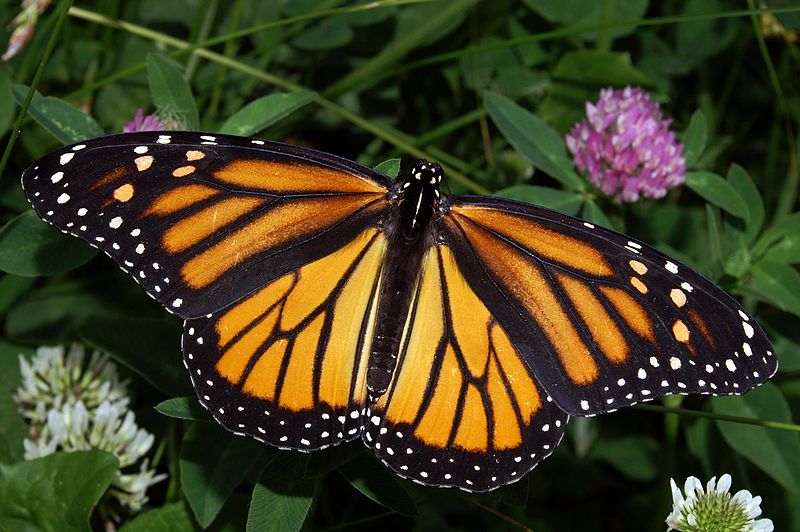
I have written on these pages before of my disappointment of Minnesota to enforce their buffer zones laws. Minnesota’s Governor Dayton has proposed stiffer enforcement to get land owners to comply and install buffers. This is a win-win for the people of Minnesota, the Mississippi River, Minnesota’s over 10,000 lakes and the Gulf of Mexico. It could create fabulous habitat for Minnesota’s butterflies, birds, bees, and all wildlife.
Saturday, May 9, is Minnesota’s fishing opener, and is an exciting time for sportsmen. Minnesota, the state of over 10,000 lakes, works draws people from all over the country for this big day. The state even kills the sleek black cormorants to protect the ability to fish walleye. See the story below:
The irony to me is we shoot beautiful birds for individuals to fish, but are unable to regulate harmful farm run off. Chemicals that are harmful to people, fish and other wildlife! Half the lakes and rivers in southern Minnesota are too polluted much of the time for safe swimming and fishing. Story below: http://www.startribune.com/lifestyle/health/301702651.html
Farmers under the Clean Water Act are not regulated like every other community and industry. Farmers should have to meet the same water pollution standards as everyone else. The taxpayers in Des Moines, Iowa and communities in Minnesota need to spend millions to make their water safe to drink because of nitrates from farm run off in their drinking water: http://www.npr.org/2015/04/07/398123397/iowa-water-lawsuit-calls-some-farming-practices-into-question Iowa’s largest water utility is suing county boards for polluting rivers the city uses for drinking water. At the heart of the fight is whether or not farmers should be forced to comply with federal water quality standards. What do you think?
Use Glass Containers. I gave these for Christmas gifts this past year
I continue to try to get everyone to think about the amount of plastic we use in our lives. Below are some ways we can reduce plastic. When I shop I constantly think how I can avoid products packed in plastic, and how to reuse any plastic I already have.
Below are some surprising facts about plastic from Thegreendivas.com and ecowatch.com
22 Preposterous Facts about Plastic Pollution.
• In the Los Angeles area alone, 10 metric tons of plastic fragments—like grocery bags, straws and soda bottles—are carried into the Pacific Ocean every day.
• Over the last ten years we have produced more plastic than during the whole of the last century.
• 50 percent of the plastic we use, we use just once and throw away.
• Enough plastic is thrown away each year to circle the earth four times.
• We currently recover(recycle) only five percent of the plastics we produce.
• The average American throws away approximately 185 pounds of plastic per year.
• Plastic accounts for around 10 percent of the total waste we generate.
• The production of plastic uses around eight percent of the world’s oil production (bioplastics are not a good solution as they require food source crops).
• Americans throw away 35 billion plastic water bottles every year (source: Brita)
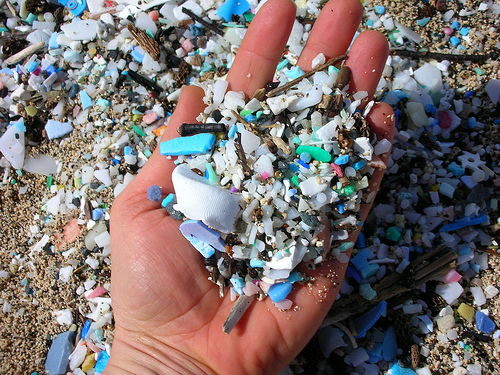
• Plastic in the ocean breaks down into such small segments that pieces of plastic from a one liter bottle could end up on every mile of beach throughout the world.
• Annually approximately 500 billion plastic bags are used worldwide. More than one million bags are used every minute.
• 46 percent of plastics float (EPA 2006) and it can drift for years before eventually concentrating in the ocean gyres.
• It takes 500-1,000 years for plastic to degrade.
• Billions of pounds of plastic can be found in swirling convergences in the oceans making up about 40 percent of the world’s ocean surfaces. 80 percent of pollution enters the ocean from the land.
• The Great Pacific Garbage Patch is located in the North Pacific Gyre off the coast of California and is the largest ocean garbage site in the world. This floating mass of plastic is twice the size of Texas, with plastic pieces outnumbering sea life six to one.
• Plastic constitutes approximately 90 percent of all trash floating on the ocean’s surface, with 46,000 pieces of plastic per square mile.
• One million sea birds and 100,000 marine mammals are killed annually from plastic in our oceans.
• 44 percent of all seabird species, 22 percent of cetaceans, all sea turtle species and a growing list of fish species have been documented with plastic in or around their bodies.
• In samples collected in Lake Erie, 85 percent of the plastic particles were smaller than two-tenths of an inch, and much of that was microscopic. Researchers found 1,500 and 1.7 million of these particles per square mile.
• Virtually every piece of plastic that was ever made still exists in some shape or form (with the exception of the small amount that has been incinerated).
• Plastic chemicals can be absorbed by the body—93 percent of Americans age six or older test positive for BPA (a plastic chemical).
• Some of these compounds found in plastic have been found to alter hormones or have other potential human health effects.
Choose to reuse when it comes to shopping bags and bottled water. Cloth bags and metal or glass reusable bottles are available locally at great prices.
Refuse single-serving packaging, excess packaging, straws and other “disposable” plastics. Carry reusable utensils in your purse, backpack or car to use at bbq’s, potlucks or take-out restaurants.
Reduce everyday plastics such as sandwich bags and juice cartons by replacing them with a reusable lunch bag/box that includes a thermos.
Bring your to-go mug with you to the coffee shop, smoothie shop or restaurants that let you use them, which is a great way to reduce lids, plastic cups and/or plastic-lined cups.
Go digital! No need for plastic cds, dvds and jewel cases when you can buy your music and videos online.
Seek out alternatives to the plastic items that you rely on.
If you must use plastic, try to choose #1 (PETE) or #2 (HDPE), which are the most commonly recycled plastics. Avoid plastic bags and polystyrene foam as both typically have very low recycling rates.
Tonight on MSNBC, “Ust Eat It!” http://civileats.com/2015/04/22/food-waste-is-a-massive-problem-heres-how-you-can-fix-it/
As we face a serious drought, many cities in California and elsewhere are working hard to waste less water. But we as a nation have yet to fully comprehend the equally important impact of wasting food.
Nearly one-third of the fruit, vegetables, grains, meat, and packaged foods produced across the globe gets tossed out every year. In the U.S., that figure can climb as high as 40 percent, to the tune of $165 billion in losses each year. Americans throw away an average of 20 pounds of food each month—costing them each between $28 and $43.
As Dana Gunders, staff scientist and “food waste warrior” at the Natural Resources Defense Council says in the new film “Just Eat It,” which airs tonight on MSNBC, that’s like leaving the grocery store with four full bags of groceries and dropping one in the parking lot. But it’s not just our pocketbooks that feel the strain—our landfills, waterways, and atmosphere all suffer when we produce more than we consume and waste it in the process.
Much of the wasted food ends up rotting in landfills, releasing methane—a potent greenhouse gas—into the atmosphere. Nearly 25 percent of all freshwater consumed annually in the U.S. is associated with food waste. That’s a little more than the volume of Lake Erie. And where there’s wasted food, there’s also wasted energy; approximately 2.5 percent of the U.S. energy budget is “thrown away” annually as food waste. “We’re creating climate change from our kitchen waste bins,” says Jonathan Bloom, author of American Wasteland: How America Throws Away Nearly Half of Its Food, in the film.
On the 45th anniversary of Earth Day, tackling the issue of food waste couldn’t be more critical. Small actions actually can make a big difference. As consumers, we can help curb the growing problem by understanding more about expiration dates, buying less, purchasing “ugly” fruits and veggies, and snatching up that last bunch of lettuce.
And there are also real opportunities for cities and businesses to keep mountains of food waste out of landfills. Now more than ever there is a spotlight on the issue via social media campaigns, online maps, food trucks, dumpster dining, businesses being built around waste, as well as chef Dan Barber’s recent pop up dinner series, wastED. There’s even an app to help us “eat down the fridge.”
In “Just Eat It,” filmmakers and food lovers Jenny Rustemeyer and Grant Baldwin set out to survive for six months on discarded food (and what friends and family offer). They end up spending just $200, while rescuing food worth $20,000. Together, they dive into the issue of waste from farm to grocery store, all the way to the back of their own fridge. In one memorable scene, Baldwin stands over a giant dumpster full of hundreds of perfectly good hummus in tiny plastic containers. The visual effect (and the reality) is stunning.
Food waste is a sizable, but solvable problem, and all hands on deck are needed. On a federal level, the U.S. Department of Agriculture and U.S. Environmental Protection Agency have been working to raise awareness and work towards change. The United Nations also has a plan in place to tackle food waste over the next decade and a half, and the U.S. is poised to set its own reduction targets as part of that plan, which could set the stage for much needed programs, attention, and funding to the issue.
While the industrial agriculture industry claims we need to scale up production to feed a growing population, the incredible level of wasted food suggests that having better policies in place could go a long way. As the U.N. noted in its report on world hunger, we grow enough food to feed the entire world population of 7 billion people—a lot of it just isn’t getting to them.
One of the first thing policymakers can do is take on the confusion caused by “sell by,” “use by,” or “best by” food labels. According to a report called The Dating Game: How Confusing Food Date Labels Lead to Food Waste in America, most people don’t know that these dates are currently neither regulated nor standardized. Other than for infant formula, there are no federal or state laws regulating the length of time between when a food can be produced and/or packaged and the date on the package. And while these dates are not necessarily linked to food safety, they can have a major impact because many consumers throw away food they perceive as having “expired.”
The European Union is aggressively moving to reduce food waste by addressing these “best before” labels. As Bloom has noted, the shift could also prompt action on date labels here in the U.S. If that happens, American lawmakers could help trim million of tons annually from our collective household food waste.
There are other policies taking place nationwide, with several cities and states taking matters into their own hands. San Francisco passed the first city ordinance in 2009 that makes composting food waste mandatory. It’s now illegal to throw food and food waste in the trash in Seattle. In Massachusetts, businesses or institutions which throw out more than a ton of food a month are prohibited from sending it to a landfill. Vermont, Connecticut, Portland, and New York City are all reducing or working on sending less food waste to their landfills. As Gunders told me, while this on its own doesn’t ensure that people will eat all the food they buy, it does help make the huge volume of food going to waste more visible, which in turn can lead us to use it better.
Towards the end of “Just Eat It,” activist and author Tristam Stuart of Feeding the 5000 says poignantly that wasting food “is one of the most gratuitous acts of humans culture as it stands today. We’re trashing our land to grow food that no one eats.”
In a country so blessed by agricultural abundance, it’s a shame to allow for such an embarrassment of wasted riches. There are many social environmental problems which are monumental, but, as Gunders puts it, “Food waste we can handle. We can do something about it now.”
My blog on microbeads receives many hits. https://health4earth.com/2014/07/16/what-products-contain-microbeads/ People are interested in this. David Suzuki http://www.davidsuzuki.org/ had an excellent post on microbeads so I am reposting it here. I hope this will heighten your awareness of plastic.
The best paragraph is at the end: As consumers, we can avoid products containing microbeads and put pressure on companies and governments to end their use (5 Gyres has an online petition). And, because more than a third of all plastic is disposable packaging, such as bags and bottles, we can and must limit our overall use, and reuse or recycle any that we do use.
I challenge you to try plastic free shopping. It is possible… Please let us know what works for you!
From davidsuzuki.org
Microbeads are a sign of our plastic consumer madness
If you use personal-care products such as exfoliators, body scrubs and toothpastes containing microbeads, those are the costs you could be paying. The tiny bits of plastic — less than five millimetres in diameter, and usually from one-third to one millimetre — are used as scrubbing agents. Now they’re turning up everywhere, especially in oceans, lakes and along shorelines. They aren’t biodegradable.How much are whiter teeth and smoother skin worth to you? Are they worth the water and fish in the Great Lakes? The cormorants that nest along the shore? The coral reefs that provide refuge and habitat for so much ocean life? Are they worth the oceans that give us half the oxygen we breathe, or the myriad other creatures the seas support?
Research by the 5 Gyres Institute found an average of 43,000 beads per square kilometre in the Great Lakes, with concentrations averaging 466,000 near cities. Tests on fish from Lake Erie found an average of 20 pieces of plastic in medium-sized fish and eight in small fish. Cormorants, which eat fish, had an average of 44 pieces of plastic each. Microplastics have been found in the oceans and even under Arctic sea ice.Scientists at Australia’s James Cook University found corals starving after eating the tiny beads, their digestive systems blocked.
It’s not just the plastic that harms animals; the beads absorb toxic chemicals, making them poisonous to any creature that mistakes them for food or that eats another that has ingested the plastic — all the way up the food chain. Because humans eat fish and other animals, these toxins can end up in our bodies, where they can alter hormones and cause other health problems.
It’s a high price to pay for limited benefits from unnecessary personal care products. Exfoliators and scrubs can use any number of harmless natural ingredients, including baking soda, oatmeal, ground seeds, sea salt and even coffee grounds. Microbeads are not only pointless in toothpaste; they can be harmful. Dentists and hygienists are finding plastic particles embedded under people’s gum lines, which can cause inflammation and infection.
The folly of producing and marketing products without adequate regulatory oversight and consideration of long-term consequences makes you shake your head. As Great Lakes study researcher Sherri Mason told the Ottawa Citizen, producers haven’t given much thought to anything beyond the fact that the beads wouldn’t clog drains. “There wasn’t that forethought, which is often the trouble with man and the environment,” she said.
Microbeads illustrate the excesses of marketing and consumerism, but they’re only part of the problem. Most plastics eventually break down into microparticles, often ending up in oceans and other waters, where they’re eaten by organisms ranging from tiny plankton to large whales. Some plastic has even started to fuse with rocks, creating a substance new to our planet that scientists call “plastiglomerate”.
That’s astounding, considering mass production and widespread use of synthetic, mostly petroleum-based plastics only began in the 1940s. Barnes and other researchers who compiled research from around the world say more plastic was produced in the first decade of this century than in the entire previous hundred years.
Microbeads are among the newer developments in the brief history of our plastic lifestyle. The 5 Gyres Institute launched a campaign asking companies to remove them from products. So far, L’Oreal, The Body Shop, Colgate-Palmolive, Unilever, Johnson & Johnson and Procter & Gamble have agreed to do so. Several U.S. states and European countries are planning to ban the beads, and Environment Canada is studying the problem. The federal NDP has introduced a motion to ban them here.
As consumers, we can avoid products containing microbeads and put pressure on companies and governments to end their use (5 Gyres has an online petition). And, because more than a third of all plastic is disposable packaging, such as bags and bottles, we can and must limit our overall use, and reuse or recycle any that we do use.
Plastic has made life more convenient, but many of us remember a time when we got along fine without it.
Written with contributions from David Suzuki Foundation Senior Editor Ian Hanington.
My first trip to the Everglades was in 2012. I was excited to see this marvelous and unique place. President Obama was there for Earth Day to discuss the hazards the Everglades face with our fast changing climate. See video below:
Styrofoam I pulled from Lake Harriet in Minneapolis. It is breaking into small pieces and could last forever!
I am happy, it is Earth Day, and I am very happy that the city of Minneapolis took a bold stand on Styrofoam containers. Congratulations to Minneapolis for banning Styrofoam “To Go” containers. The ban begins on Earth Day, April 22, 2015.
Minneapolis is a city of many lakes, many creeks, and the Mississippi River. Materials like plastic and Styrofoam break into tiny pieces and could exist for hundreds of years in these water bodies.
“It’s estimated that 10 million Styrofoam containers are thrown away in Minnesota each year. Styrofoam is not impossible to recycle, but is difficult to clean and far costlier to recycle than other, more sustainable containers. Styrofoam also contains potentially cancer-causing chemicals that leach into food, especially when heated.” City Pages http://blogs.citypages.com/food/2014/05/styrofoam_officially_banned_in_minneapolis.php
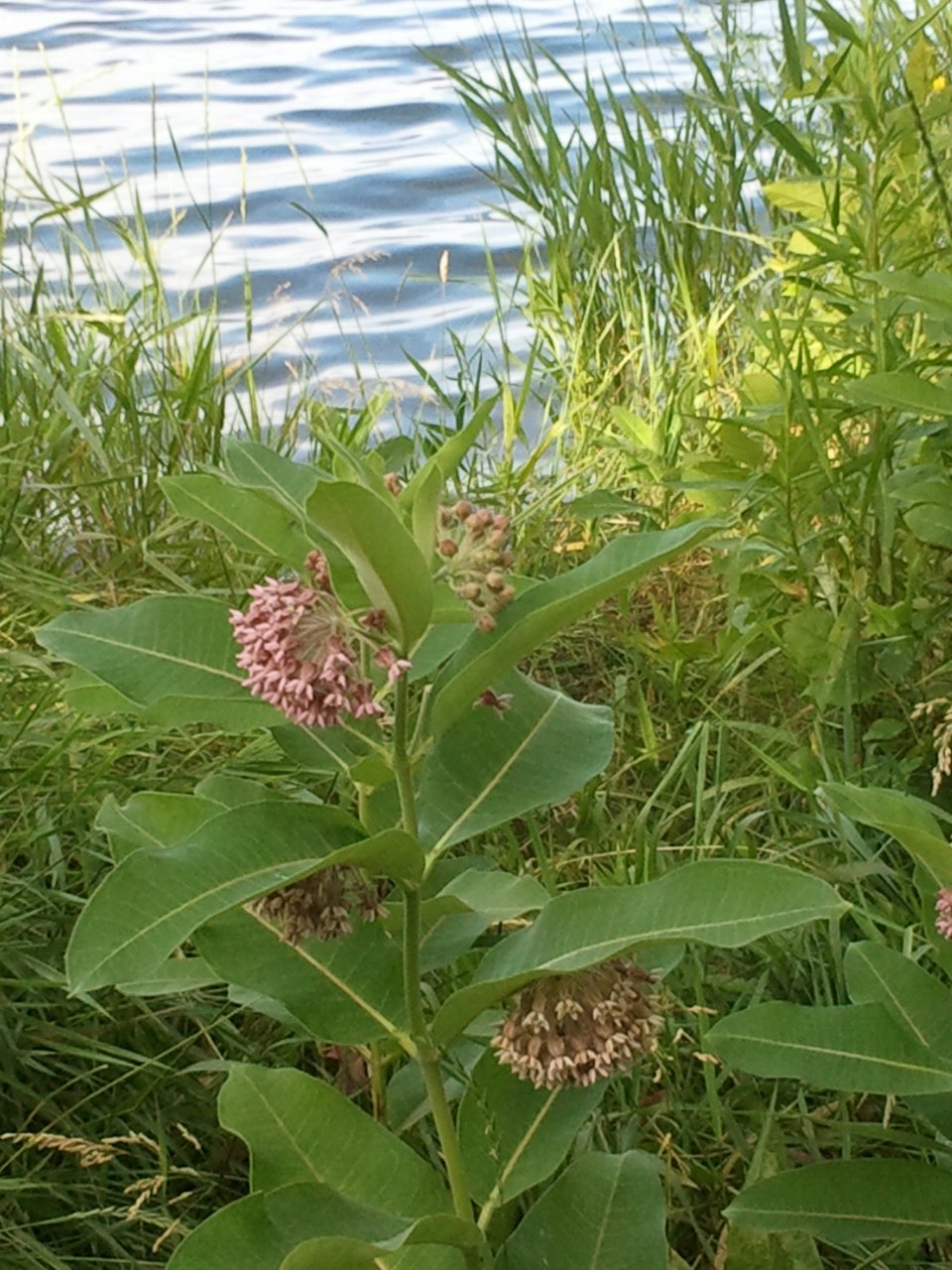
This land is your land, this land is my land: In honor of Earth Day this Wednesday, April 22, make a resolution to do one thing new for our earth. Pledge to use your reusable water bottle, use reusable shopping bags, turn off lights and electronics, plant native plants and milkweed, or walk more and drive less. It makes a big difference if everyone does just a small part!











 Health4earth