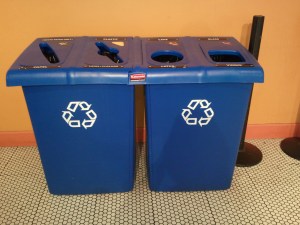
An interesting video comparing recycling in the United States and Germany. What do you think??
I see soda cans and plastic bottles in the trash. What are we thinking?

An interesting video comparing recycling in the United States and Germany. What do you think??
I see soda cans and plastic bottles in the trash. What are we thinking?
 October is a marvelous time of the year, but it is also a stressful time with school starting, the days getting shorter, and the temperatures getting colder. For those of us that live in the United States it is exceptionally stressful with the election. Two articles about happiness stimulated my thinking today. What can we all do to relieve some stress and just be happier? Getting outside for a walk always makes me happier, as long as I can find a quiet outside place. Turn off the TV, get outside and I wish you an AWE day.


What we do to our land, we do to our river” John Stein MPCA Commissioner
The Mississippi River, one of the longest rivers in the world begins in Minnesota and flows south into the Gulf of Mexico. The Mississippi River cuts the United States in half, into the east and the west. An investigative report by the Minneapolis Startribune.com. reveals the environmental threats to the Mississippi River caused by agricultural pollution and urban run-off. Many communities use the Mississippi River as their source of drinking water. If we are polluting this great river at the head waters what is the future for all of us, and for the wildlife that also uses this river? What is the future of the Gulf of Mexico as the Mississippi River carries pollution during its journey south? What will be the state of drinking water through the middle of the United States?

The storm drains on my street drain into the Mississippi. What we do on the land affects the Mississippi River. As a trained water steward, I am encouraging urban dwellers to manage the run-off from their yards in a smarter way. There is a new paradigm. Instead of getting the water off our land we are looking for ways to use water run-off by redirecting our gutters and down-spouts, and building rain gardens to capture the rainfall.
Not using chemicals, sweeping our sidewalks and streets, re-directing our down-spouts, building rain gardens, picking up trash, and recycling are just a few things the urban dweller can do to help the Mississippi River. Agricultural interests are another thing, and they need to do their part. Part 3 of this series focuses on farmers along the Chippewa River giving hope:
“Raising the amount of land planted in such perennials by just 10 percentage points — from 24 percent to 34 percent of the Chippewa watershed’s 1.3 million acres — would be enough to tip the river from polluted to clean.
Some 25 landowners now participate, and if they can prove its premise — that a farmer can make money without polluting the Chippewa — they could be a model for protecting threatened rivers all across the Midwest.” Read part 3 report here.
A fun video on building a rain garden:
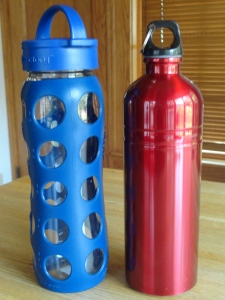

Enjoy this video, as an individual makes a statement on our consumerism. Each American(USA) consumes 4 1/2 pounds of trash a day. As I shop at grocery stores and Menards, I am overwhelmed by the amount of packaging and waste that goes into our purchases.
What can you do to reduce that 4 1/2 pounds a day? I have just returned from a bus zero waste food coop shopping trip, filling my own bottles, and using only packaging that can be composted(paper not plastic). I work everyday to be a climatarian. You don’t need to be as extreme as I am, just become aware! How can we consume less?


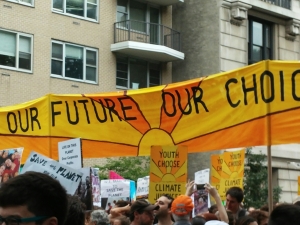
“The environment is where we all meet; where we have a mutual interest; it is the one thing we share.” Lady Bird Johnson
One presidential candidate has promised that he will eliminate the U.S. Environmental Protection Agency (EPA) if he wins, which means we can kiss the best, most important parts of the Clean Air Act and the Clean Water Act goodbye, along with almost every other federal clean air and water safeguard.
And if you want even more evidence that this candidates extremism will mean havoc for our nation and our planet, look no further than his stance on the climate crisis: he has called it a hoax created “by and for the Chinese.” Read the entire article here.
And a voter’s guide to candidates.


Twenty-five years ago I thought antibacterial soap was a good thing. We have learned it is harmful to people and water creatures. When we wash our hands these chemicals end up in our waterways. Researchers have found that use of triclosan could create a resistance to antibiotics creating superbugs. Also, triclosan could be harmful to fish and aquatic life causing an imbalance in their hormones. Like many chemicals we put in our waterways, triclosan is something we all should avoid. Luckily, Minnesota banned the use of triclosan in soaps several years ago, but I am still seeing it in hand wash when I travel around the country. I was thrilled to hear the FDA had banned it from products because there is no evidence it is better than soap without antibiotics. As with many things, the original information was wrong. NPR had an informative story on superbugs, and the United Nation’s concern about them, read it here. And the Star Tribune has an informative post on triclosan.
What is triclosan and why should you care? It is an antibacterial used in hand wash, cleaning products, soaps, lotions and some other products. For sometime it has been recommended not to purchase products using triclosan because it can lead to antibiotic resistance and hormone imbalance, and it is harmful to fish. Unfortunately, triclosan has been allowed to remain in Colgate Toothpaste. I recommend not using Colgate products. See the story below.
What if you have a product with triclosan? The Minnesota Pollution Control told me to throw it in the garbage. DO NOT PUT DOWN THE DRAIN or toilet.
https://health4earth.com/2013/02/10/dont-purchase-products-with-tricolsan/

A Day for the Earth to Observe Peace Together!
HOPE LOVE PEACE GRATITUDE
Make Peace A Choice
Be Thankful we live where we live, and do something positive for the world today!
Read about the International Day of Peace here.



Taiwan has been struck by three typhoons in the past month. A few weeks ago Taiwan was pummeled by Typhoon Meranti with winds of 186 MPH. In July they were struck by Typhoon Nepartak. As the earth warms, most of this warming is in the oceans causing instability. Global warming is making typhoons worse.
Earlier this year I was able to travel around the island of Taiwan with my husband. The people we met were so gracious and happy, and the food fabulous. This rugged mountainous country is beautiful.
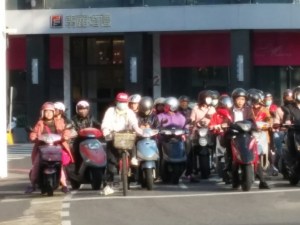
Because of storms hitting the east side of the island, the Pacific Ocean side, most of the people live on the west side of the island. Map of Taiwan here. My thoughts and best wishes go out to the charming people and marvelous landscapes of Taiwan. I wish Taiwan a quick recovery, and I recommend Taiwan as an interesting place to travel.

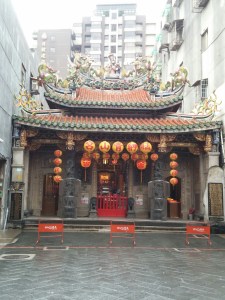
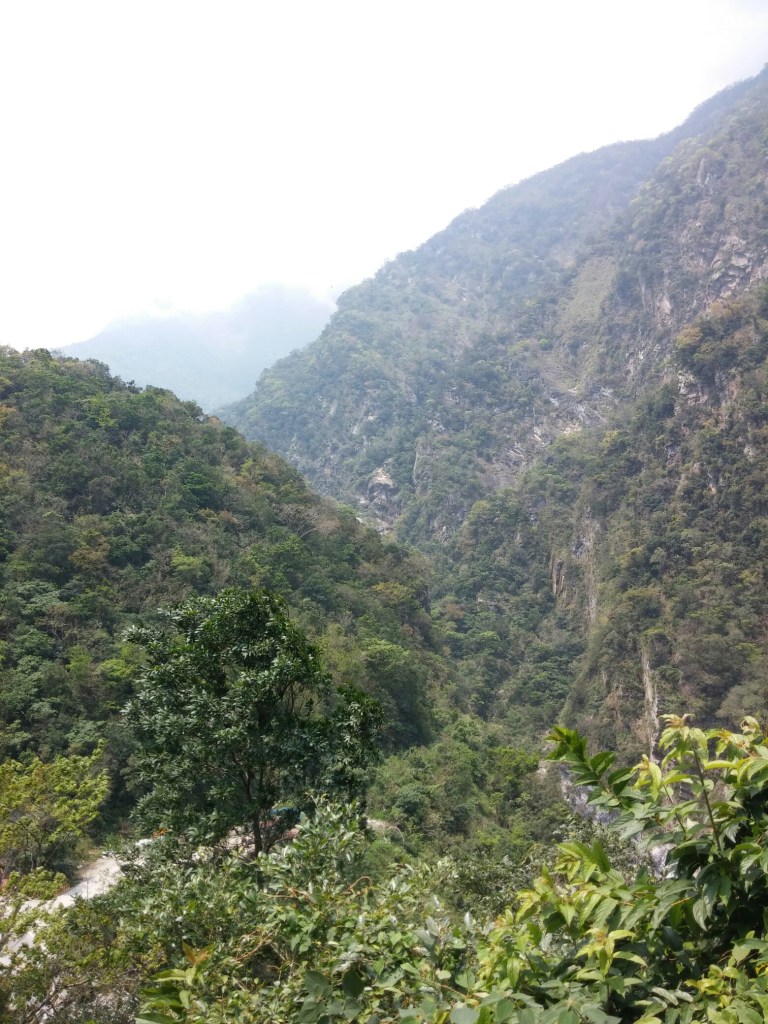

Butterflies migrate from the southern part of Taiwan over the mountains to northern Taiwan. This was a butterfly festival celebrating migration.
“You may say I’m a dreamer, but I’m not the only one. I hope someday you’ll join us. and the world will live as one.” John Lennon
The sun is shining and the temperature is comfortable. Couldn’t be a better day to think positive, enjoy, and feel like you accomplished something! Today is Positive Thinking Day. A day to smile and show gratitude
I hope you have a positive day, and I’m going to add one thing to think about in your day:
Show some empathy: