Doing The Best I Can!

 970832_10153091136195497_1060532036_n

May was the hottest month on record, with Alaska and India struggling with unheard of heat.  http://ecowatch.com/2015/06/23/heat-waves-hit-planet/2/ May was also the wettest month ever in the United States, but California is in severe drought.

Even Pope Francis is concerned about our warming planet. The pope says for the common good of the planet we should consume less, and reduce our use of paper, plastic, and water. Also, he advocates for less use of our cars and air conditioners. http://www.startribune.com/pope-s-message-on-earth-s-fate-is-a-call-to-action-regardless-of-faith/308943131/  http://www.nytimes.com/2015/06/19/opinion/the-pope-and-climate-change.html?_r=0

I love  that the pope gives people specific ways to help our earth. A cute story follows:

1655102_897481996985112_4241054922774132646_o

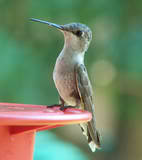
Environmental activist Wangari Maathai, of Climate Reality shares a story about a hummingbird:

“A raging fire is burning in the jungle.

It’s such an overwhelming disaster that all of the animals are watching the conflagration in shock.

A hummingbird says, “I’m going to do something about the fire.”

The hero of this story

It flies to the nearest stream and takes a drop of water.

It races back to the fire, where it drops the water on the flames. Back and forth it goes, over and over, while the larger animals — like the elephant whose trunk could deliver so much more water — stand watching.

Eventually they ask the hummingbird, “What do you think you can do? You’re too little!”

Without pausing, the hummingbird answers: “I am doing the best I can!””

The story has a simple point.

 “I may feel insignificant, but I certainly don’t want to be like the animals watching the planet goes down the drain. I will be a hummingbird. I will do the best I can.” — Wangari Maathai

http://www.upworthy.com/in-this-charming-short-story-a-hummingbird-explains-why-we-have-to-at-least-try?c=cr1  (The complete version of this story)

Don’t stand by and watch, do the best you can. What is one thing you are doing to reduce your carbon foot print? Every little bit can add up to a whole lot!
I am doing the best I can!

The Longest Day!

128I love daylight and sunshine. The summer solstice, the first day of summer, is one of my favorites. For those of us who live in the north country, these long days are our bonus for long dark winters! The sun rises about 5:10 A.M. and sets about 9:06 p.m.
Use the energy of the day to enjoy the outdoors. The birds are singing, and the butterflies are magnificent. It is a day to worship our beautiful earth!

Today is also Global Yoga Day: https://www.facebook.com/idayofyoga?fref=photo

I hope the sun is shining where you live, and wish you harmony and joy!

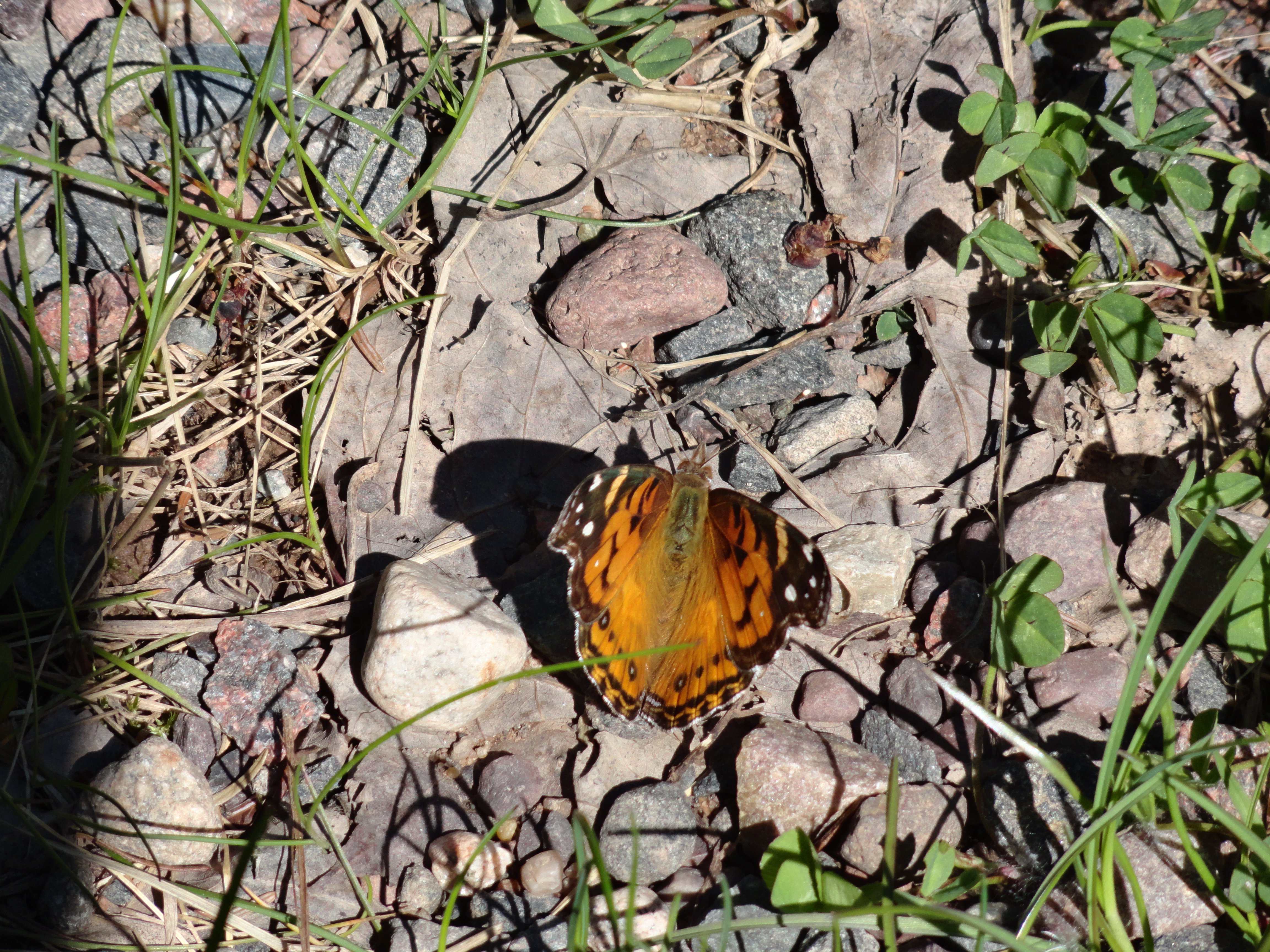
Painted Lady Butterfly

Happy Pollinator Week

pollinators“While insects and other animal pollinators may come in small sizes, they play a large partnership role in the production of the food we eat, in the future of our wildlife, and in the health of nearly all flowering plants. A garden without bees, butterflies, beetles, birds and even bats, is a garden devoid of the life-giving relationships that sustain plant reproduction.”    http://www.fws.gov/pollinators/

Good suggestions below, and please don’t use chemicals:

 Plant a Pollinator Garden. 

An excellent book by Heather Holm
An excellent book by
Heather

Life in an Urban Garden

Spiderwort are blooming
Spider-wort are blooming

Everything is green and lush.  Everyone loves their yard in June. Whether you have a grass turf yard or native plants, urban yards are beautiful.  How can you create a vibrant living landscape with a more friendly tilt to pollinators?

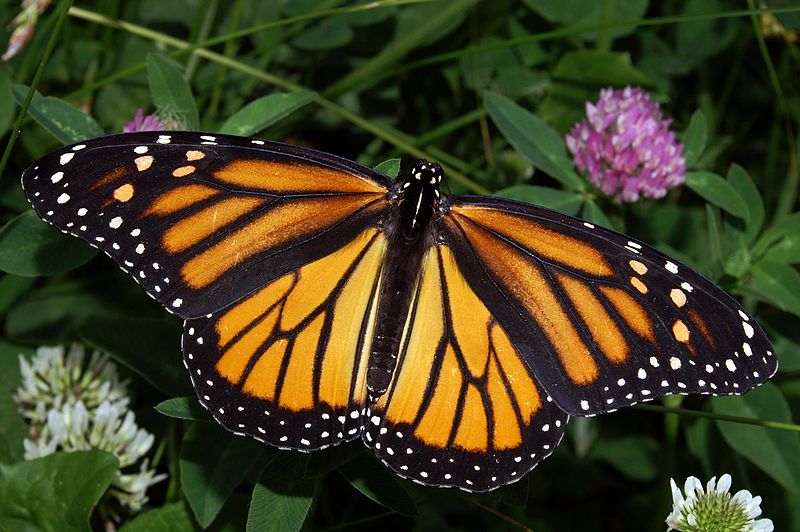
I watch the monarch butterflies and the swallow tiger tail and hope they leaving eggs as

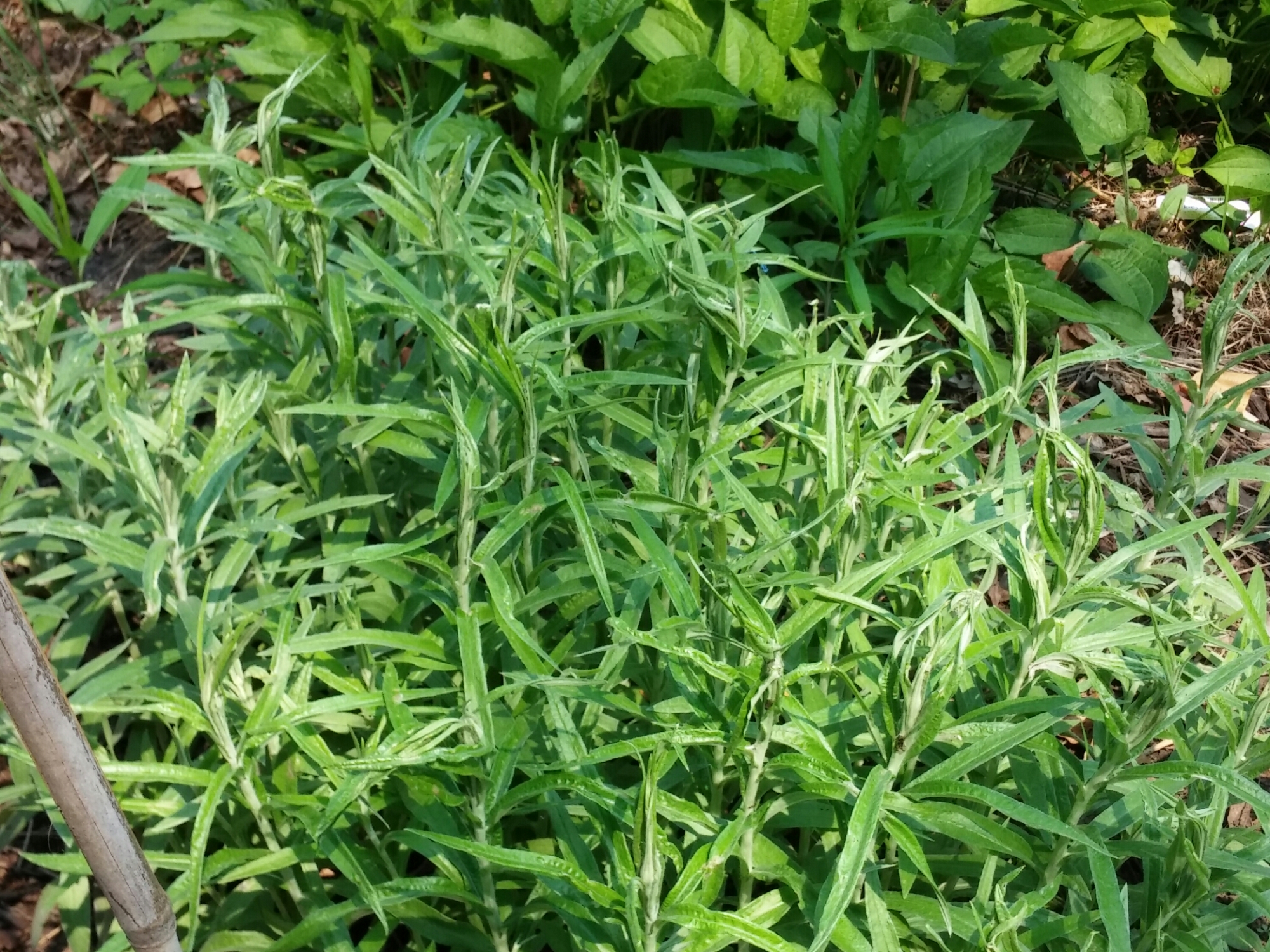
Pearly Everlasting
Pearly Everlasting

they flit around. The painted lady butterflies have deposited egg fuzz on the pearly everlasting making them look wilted and sick.  In just a short time the caterpillars will emerge and the pearlys will be normal and healthy.  Hopefully, the cycle will continue and new butterflies will live long enough to plant more eggs. Birds eat these butterflies.

The native Canada Anemone is blooming now!

The columbine and the wild geranium have almost completed their blooms, but the Canada Anemone and the spider-wort are magnificent!

We are digging our rain gardens deeper and wider.  Then we plant blazing star, cardinal-flower, and turtle head to the bottom of these rain capturing gardens. The butterflies, bees and hummingbirds will love these new additions.

See the article below for ways you can  create a vibrant living landscape with a more friendly tilt to pollinators:  http://www.startribune.com/planting-with-pollinators-in-mind/306646301/  

Exciting New Program for Monarch Butterflies

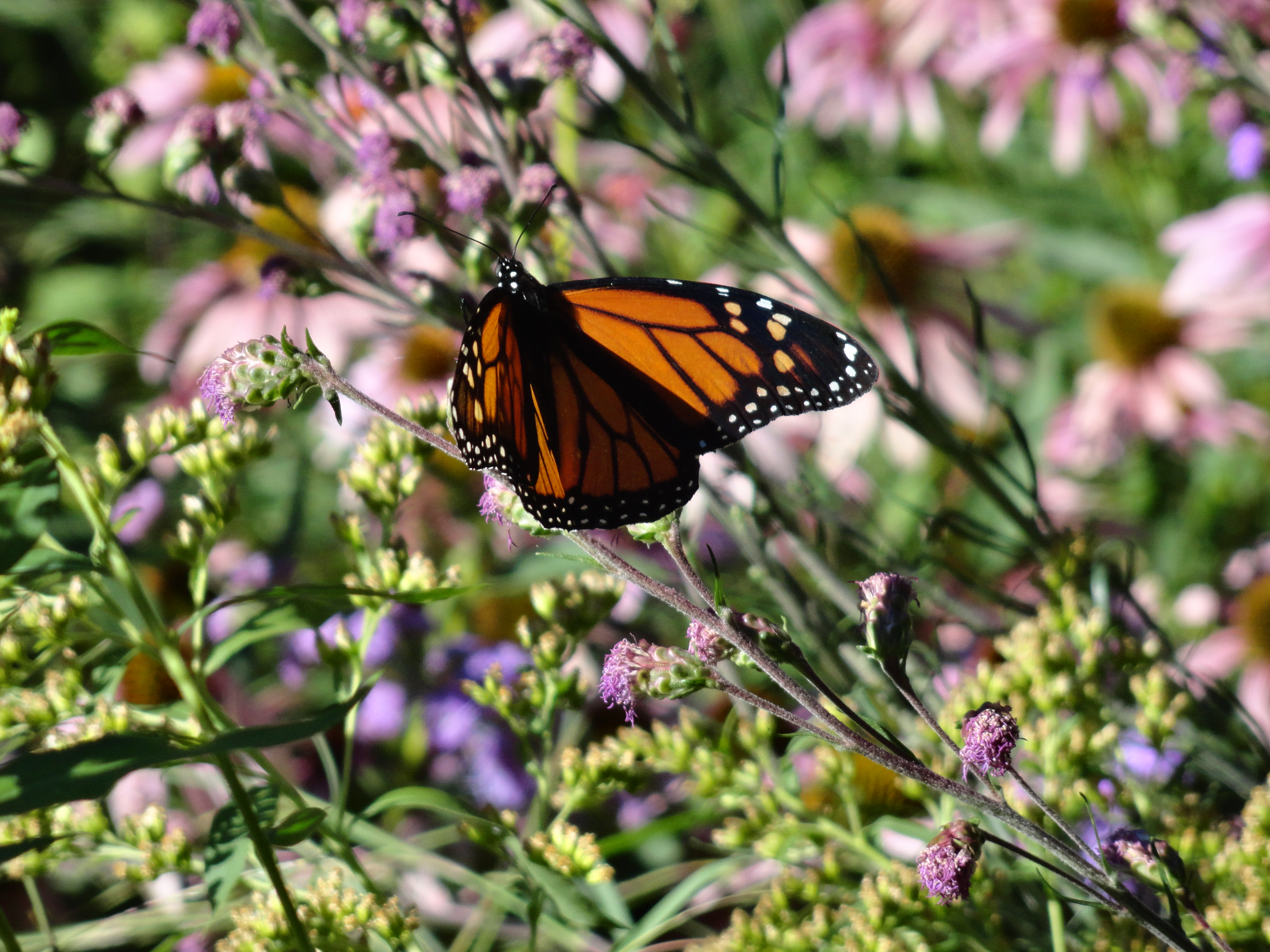
Monarch caterpillar in my yard last year

This week I had one monarch butterfly checking out butterfly weed in my Minneapolis yard. Last week I spotted one monarch in Northern Wisconsin. It is sad that we get excited counting our famous butterflies in the quantities of one.wpid-wp-1409341499490.jpeg

Hopefully, a new program by announced by the White House will help get our monarch butterflies back on track. See article: http://www.startribune.com/calling-all-milkweed-federal-pollinator-plan-needs-a-billion-plants-for-monarchs/306383591/

We can all help:

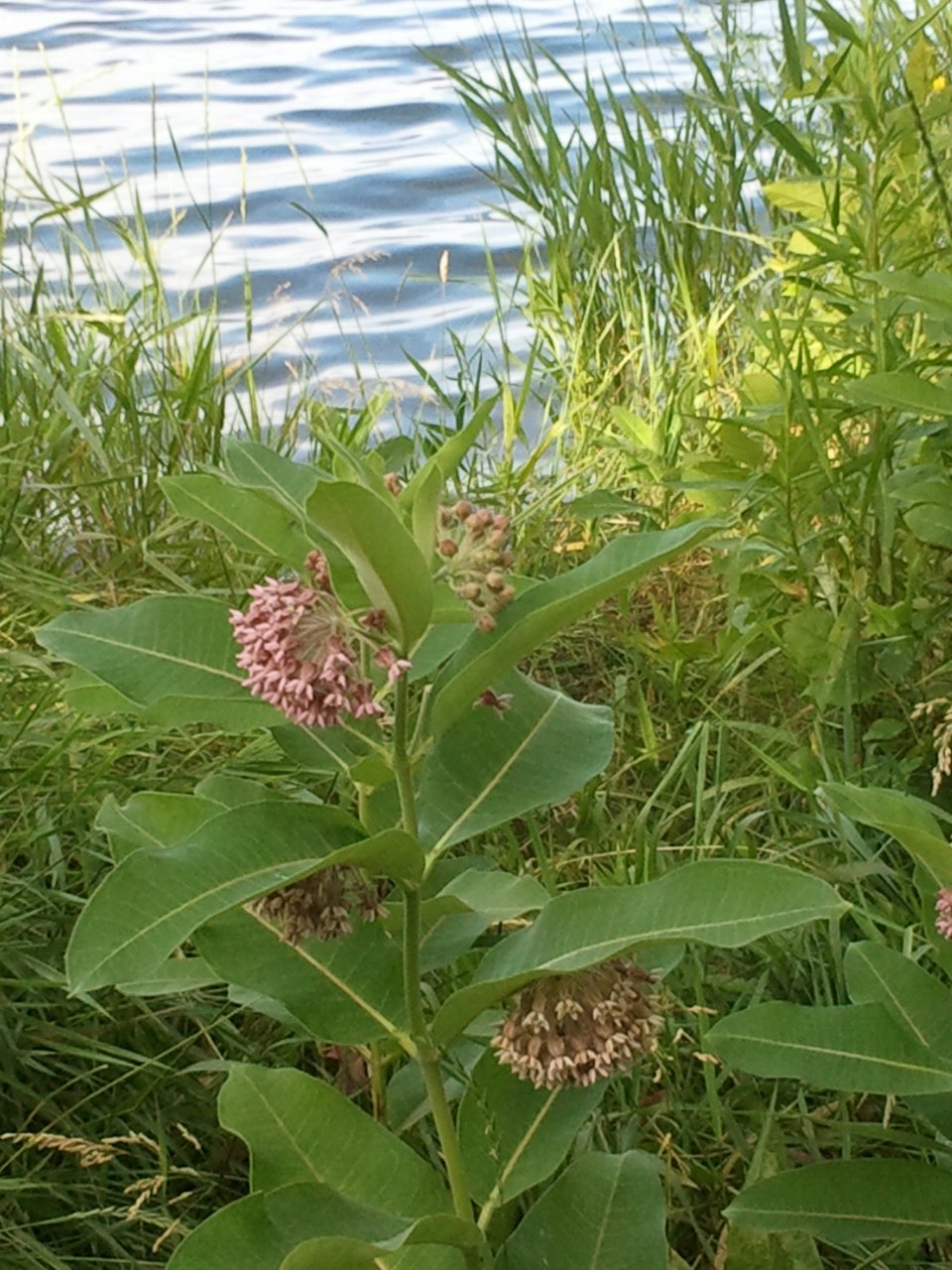
1. Plant milkweed. Most garden stores still do not carry milkweed. Seeds are available, but not the best option.  I transplant plants from friends gardens.  Ask major garden stores to carry milkweed plants.

2 Please do not use Roundup or neonicotinoids, and always ask if the plants you purchase have been treated with neonicotinoids.

3. Inform yourself on host plants for butterflies http://www.ecosystemgardening.com/host-plants-for-butterflies.html

4. Never pick off fuzz or little spots on plants.  These could be eggs

chrysallis in my yard last year, turned into the monarch above.
chrysalis in my yard last year, turned into the monarch above.

Superior Views, May into June


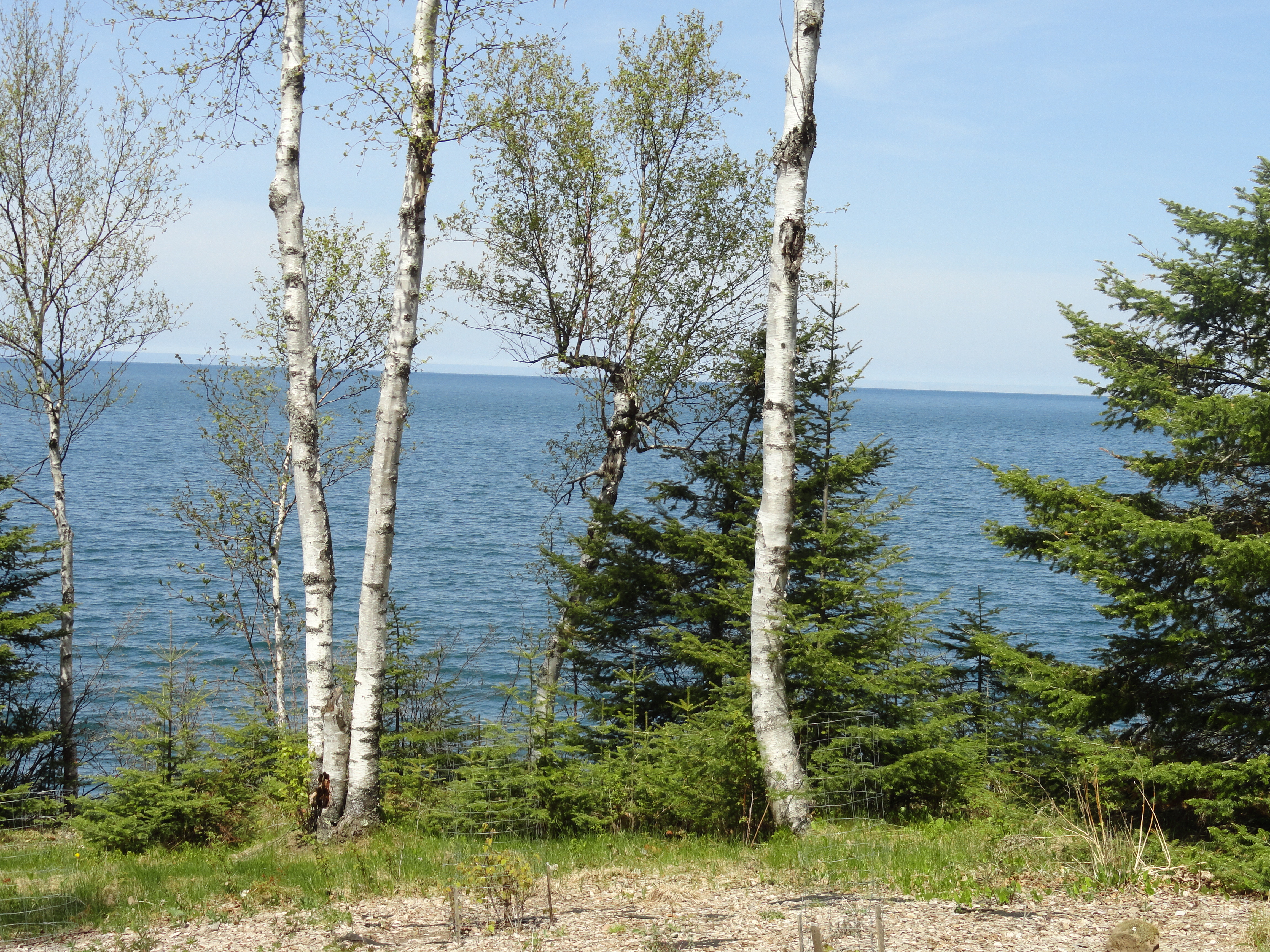
Lake Superior
Lake Superior
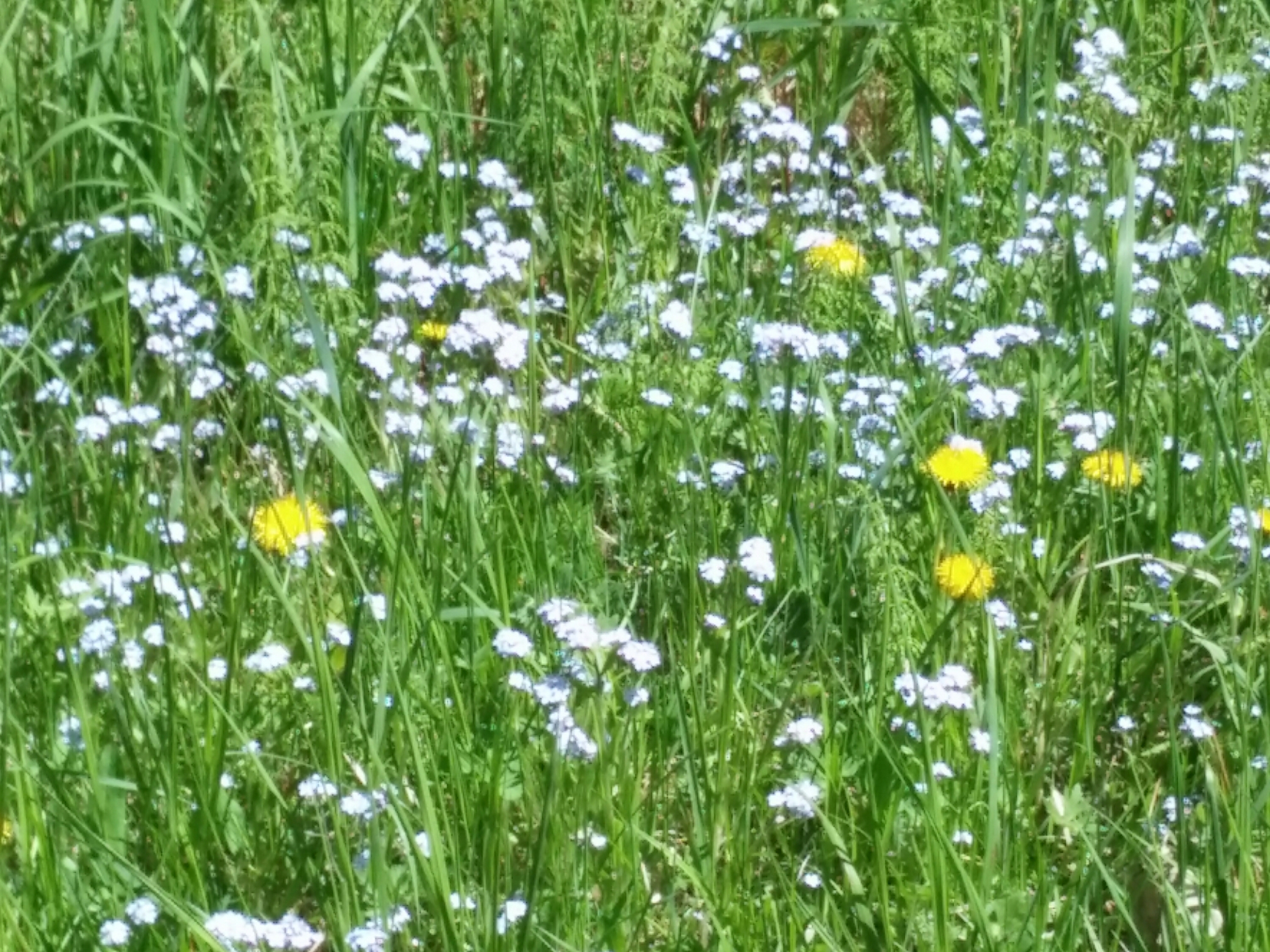
dandelions in the forget-me-not flowers

My hero plant is the dandelion, yes, dandelion! The dandelion attracts the monarchs, painted lady, red admiral, tiger swallow-tail and many other butterflies. I am trying to create habitat for the many butterflies that inhabit the north country. Swamp milkweed, pearly everlasting and pussy toes are my newest plants for butterfly habitat. The road where we walk,covered with dandelions, is where the painted lady, dusty wings, and sulfurs hang out, and I had  monarch and tiger swallow-tail butterfly sightings this week!

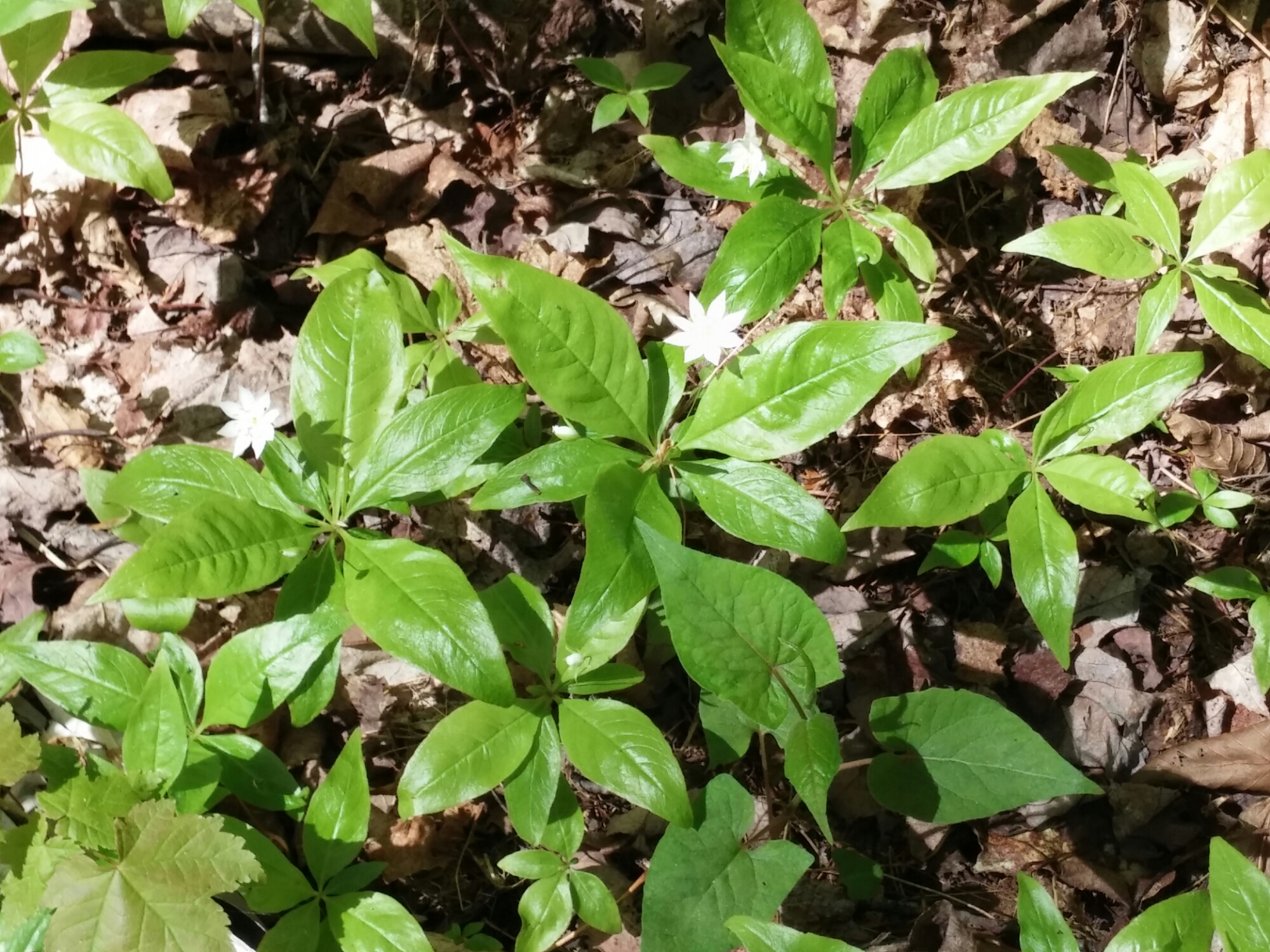
Star flower
Star flower
White-throated -sparrow
White-throated sparrow

Robins are raising babies just outside my door, and the forest is joyful with the sounds of the white-throated sparrow, chestnut sided warbler, red starts, robins, song sparrows, pewee, buzz of the parula and many warblers songs we are still trying to identify. Most days the air is cool, and the wind off the big lake regulates the temperatures and weather.

If you are interested in creating butterfly habitat in your yard here are some links :  www,learnaboutnature.com  http://www.thebutterflysite.com/minnesota-butterflies.shtml
http://www.thebutterflysite.com/create-butterfly-garden.shtml

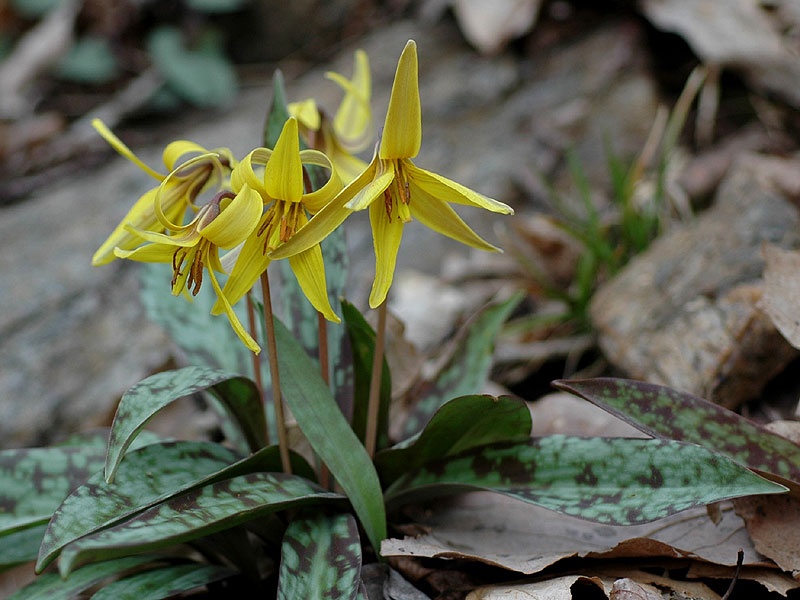
Trout Lily bloom in May along Lake Superior


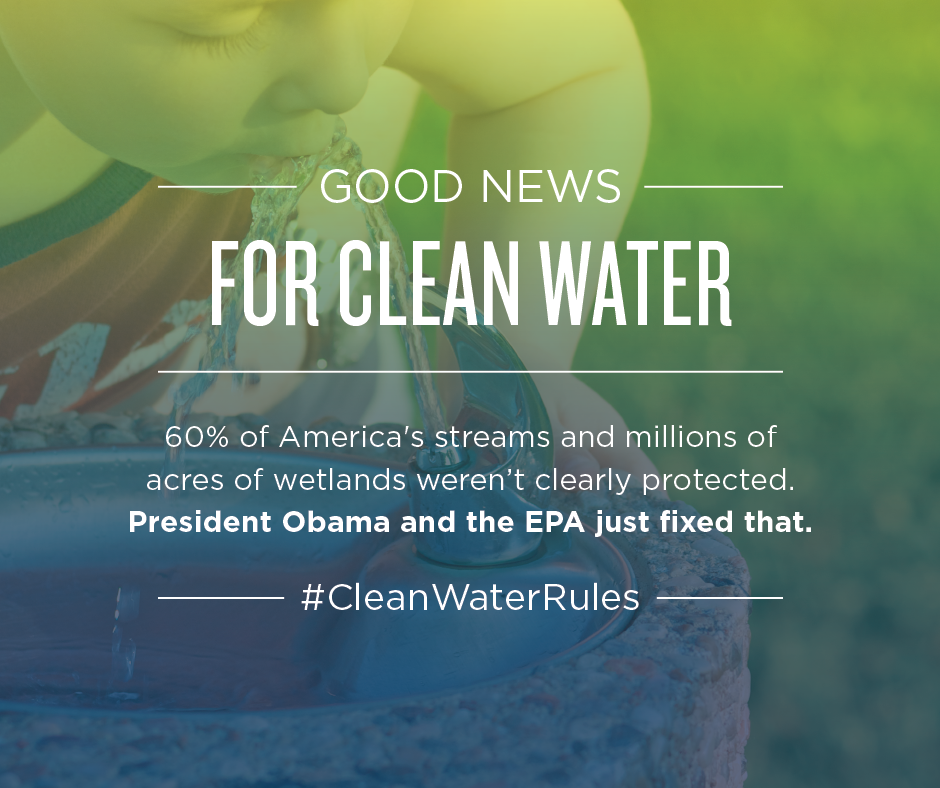
Clean Water Rules!!

1560523_10153124168016749_5453307491490988977_n

If you drink water, this should be important to you.

Clean water is vital to our health. One in three Americans get drinking water from streams that lacked clear protection from pollution without the Clean Water Rule. Finalizing the rule helps protect 117 million Americans’ health.

Our economy depends on clean water. Major economic sectors—from manufacturing and energy production to agriculture, food service, tourism, and recreation—depend on clean water to function and flourish. Without clean water, business grinds to a halt—a reality too many local small business owners faced in Toledo last year when drinking water became contaminated for several days.

http://www2.epa.gov/cleanwaterrule/why-clean-water-rules

http://ecowatch.com/2015/05/28/epa-clean-water-rule/

 http://marylandreporter.com/2015/05/27/environmentalists-praise-new-clean-water-rules-farmers-upset/

 http://www.usnews.com/news/articles/2015/05/27/epa-expands-clean-water-regulations

030In 1972 Congress passed the Clean Water Act.  The Clean Water Rule will be an important addition.  Please call your representatives in Congress and ask them to support clean water!

http://www.house.gov/representatives/find/   http://www.senate.gov/reference/common/faq/How_to_contact_senators.htm

And finally an opinion that the Clean Water Rule doesn’t go far enough:  http://ecowatch.com/2015/05/30/clean-water-rule-fails/

Everyday Items you should replace!

Use real dishes
Use real dishes

Many of these items I have written about before. This is a good reminder to replace some things around our homes like our toothbrushes.  Pesticides, weed killers, and lawn fertilizers should be eliminated.

Everyday items that you’d be better off without or should replace:

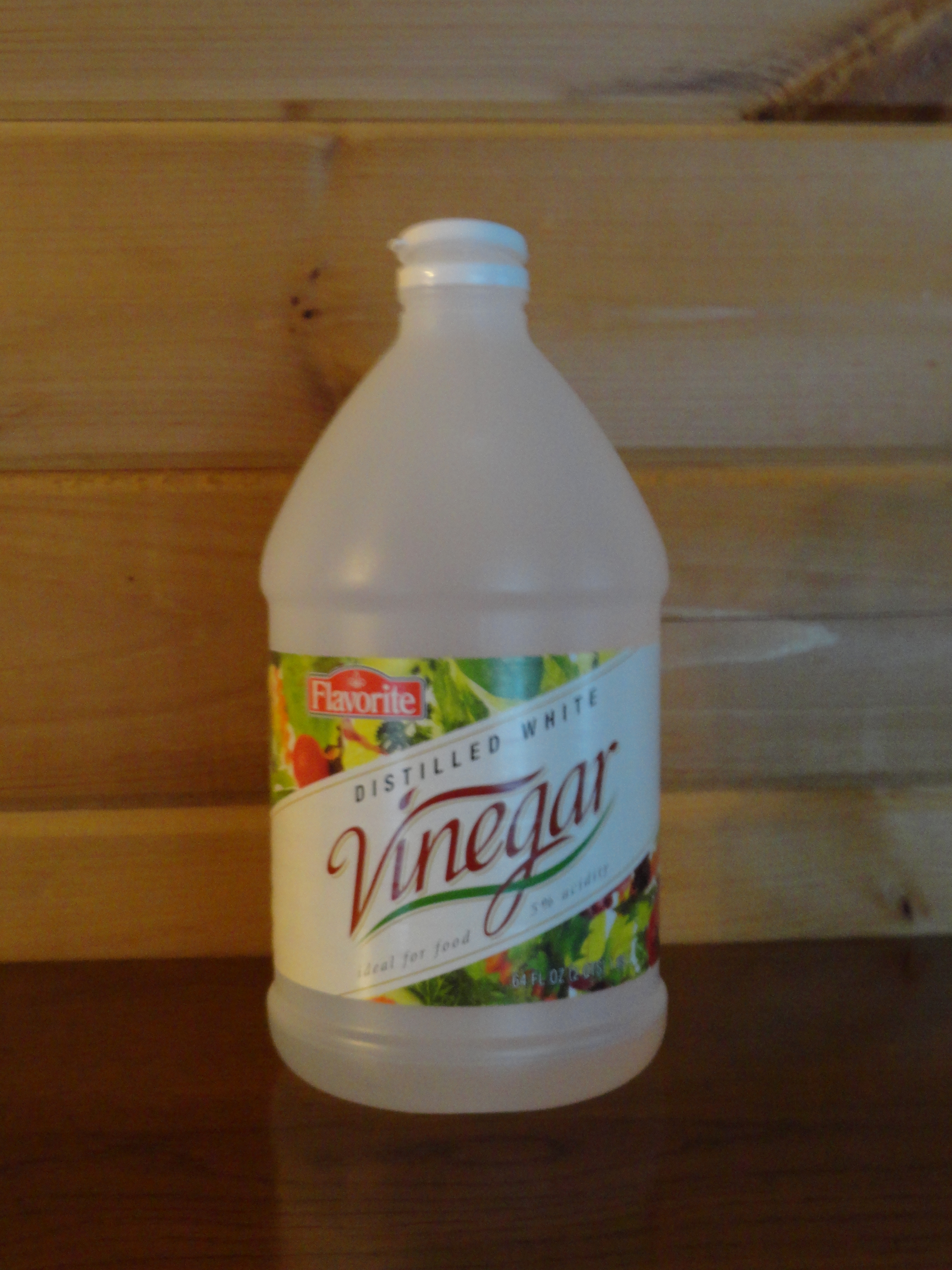
Use vinegar and baking soda for cleaning
  • “Clearing your kitchen of artificial sweeteners, plastic food containers, non-stick cookware, and replacing old spices will eliminate common sources of toxins and boost your health
  • Air fresheners, toiletries and cosmetics, antibacterial soap, and commercial cleaners are other sources of toxins to eliminate.”  This list is from:  www.mercola.com

 I hope you will read the article below:

http://articles.mercola.com/sites/articles/archive/2015/04/06/10-everyday-items-throw-away.aspx?x_cid=20150520_ranart_10-everyday-items-throw-away_facebookdoc

Never throw any of these items down the drain or toilet, and recycle the containers if possible!  They should go in the landfill garbage or brought to hazardous waste collections. Spices can be composted, and purchased in small bulk amounts at food coops.  Store your  spices in small glass bottles.

https://health4earth.com/reduce-chemicals/

http://www.health.com/health/gallery/0,,20892663,00.html


Hottest March Ever Recorded

999922_619252368141411_1083645899_n (1)According to NOAA, the National Oceanic and Atmospheric Administration, the earth set two unfortunate records for March 2015

Information below is from:  www.ecowatch.org and  http://climaterealityproject.org/  http://www.noaa.gov/

Marking yet another grim milestone for our warming planet NOAA reported that, for the first time in recorded history, global levels of carbon dioxide in the atmosphere averaged more than 400 parts per million (ppm) for an entire month—in March 2015.

This image shows how carbon dioxide moves around the planet.

“This marks the fact that humans burning fossil fuels have caused global carbon dioxide (CO2) concentrations to rise more than 120 parts per million since pre-industrial times,” said Pieter Tans, lead scientist of NOAA

This is not the first time the benchmark of 400 ppm has been reached. “We first reported 400 ppm when all of our Arctic sites reached that value in the spring of 2012,” explained Tans. “In 2013 the record at NOAA’s Mauna Loa Observatory first crossed the 400 ppm threshold.”

However, Tans said that reaching 400 ppm across the planet for an entire month is a “significant milestone.”The month of March brought “record warmth spread around the world,” with an average temperature of 1.53 degrees Fahrenheit above the 20th-century average—making it the hottest March ever recorded.  www.ecowatch.com
These new figures, released by the National Oceanic and Atmospheric Administration, mean 2015 is on track to become the hottest year on record—a title held by 2014.

If the warming pattern holds true, 2015 will end up as one more piece of evidence showing the effect carbon emissions and greenhouse gases are having on climate change. Nine out of the 10 hottest years on record have come after 2000.

How have you made changes to protect our warming earth?

https://health4earth.com/easy-things-you-can-do-to-help-stop-climate-change/

http://www.ncdc.noaa.gov/sotc/summary-info/national/201504 Global summary for April

http://www.ncdc.noaa.gov/sotc/summary-info/global/201503  Global summary for March

http://www.noaa.gov/

http://climaterealityproject.org/

http://ecowatch.org

Buffer Zones, Great for Us and Wildlife


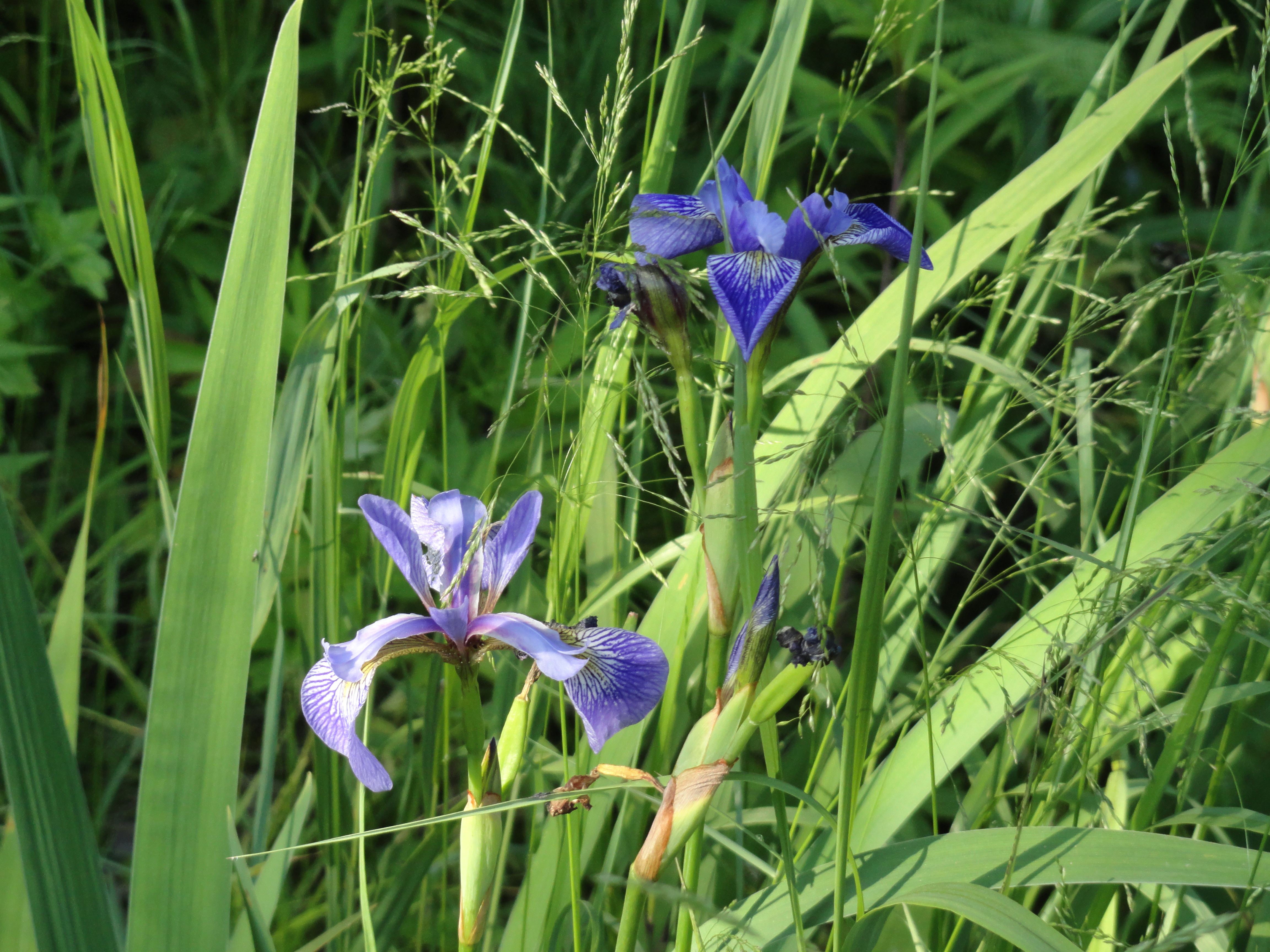
Plant Blue Flag Iris and native grasses to filter water run off.

Our water belongs to all of us!” Governor Mark Dayton of Minnesota

To improve water quality in our yards and along lakes and streams we need to slow water down and keep it on our property.  This helps to keep chemicals and sediment on our properties instead of washing away.  Native plants and buffer strips would be a great start to improve water run-off.

This is a post about the need to improve farm water run-off.

Minnesota Governor Mark Dayton has proposed vigorous legislation that has farm groups upset.  Unfortunately, when the Clean Water Act was passed in 1972, agriculture was not included, and feel any regulation of their water run off is an unfair burden.  Somehow farm groups miss the point that all our communities are required to spend millions of dollars to keep our drinking water, rivers and lakes clean.  Farm run-off has a pass.

I have written on these pages before of my disappointment of Minnesota to enforce their buffer zones laws.  Minnesota’s Governor Dayton has proposed stiffer enforcement to get land owners to comply and install buffers.  This is a win-win for the people of Minnesota, the Mississippi River, Minnesota’s over 10,000 lakes and the Gulf of Mexico.  It could create fabulous habitat for Minnesota’s butterflies, birds, bees, and all wildlife.

http://www.startribune.com/lifestyle/health/299464721.html    Buffer strips are a call for clean water

http://www.dnr.state.mn.us/buffers/index.html

http://www.mprnews.org/story/2015/03/11/buffer-strips

http://www.startribune.com/politics/statelocal/288891021.html Tougher standards needed to protect our waters.

http://www.startribune.com/sports/outdoors/288941071.html by Dennis Anderson

http://www.startribune.com/opinion/editorials/289518611.html Buffer strips protect water and habitat

Buffer strips with milkweed