An Amazing Story of Migration

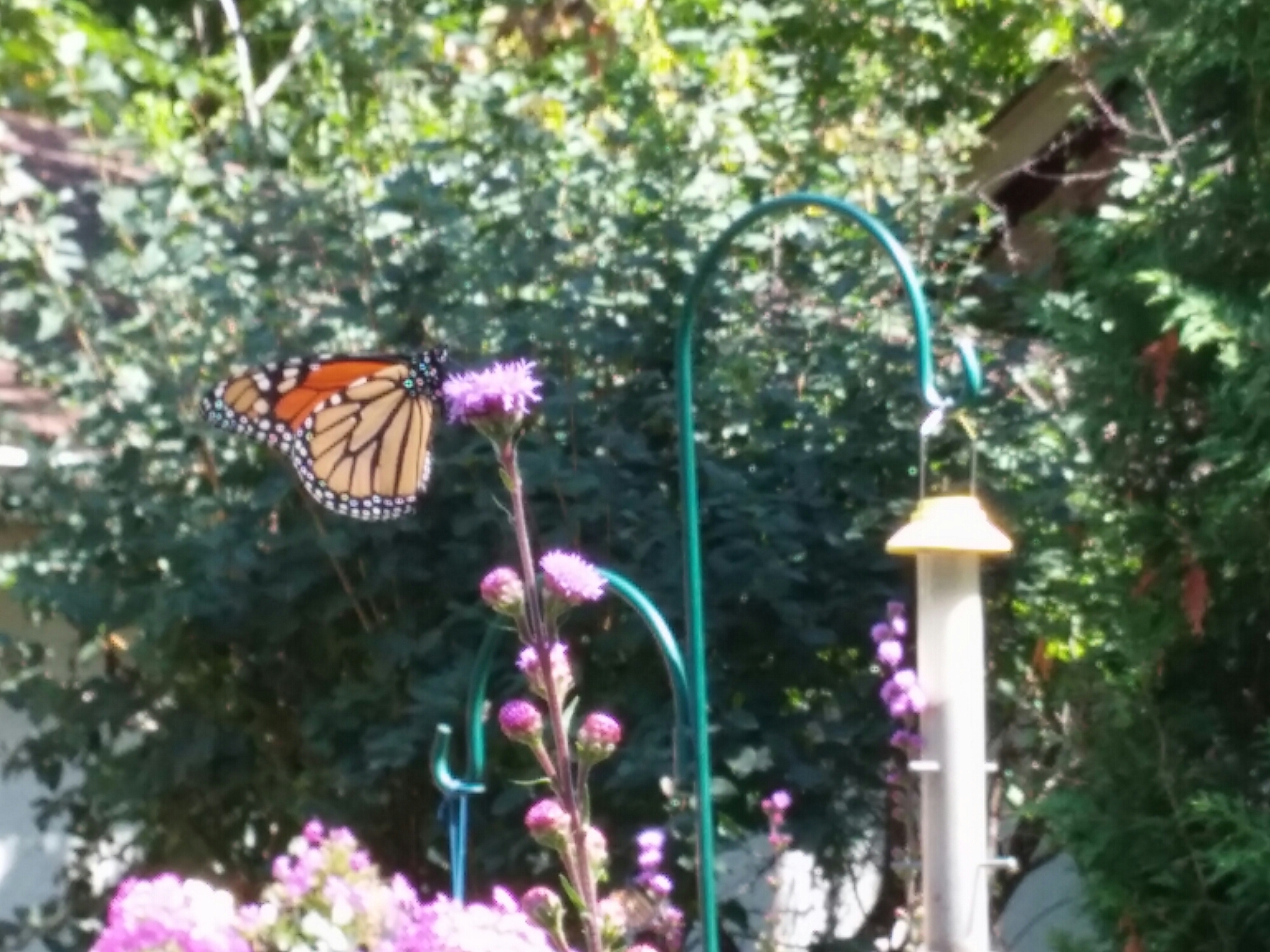
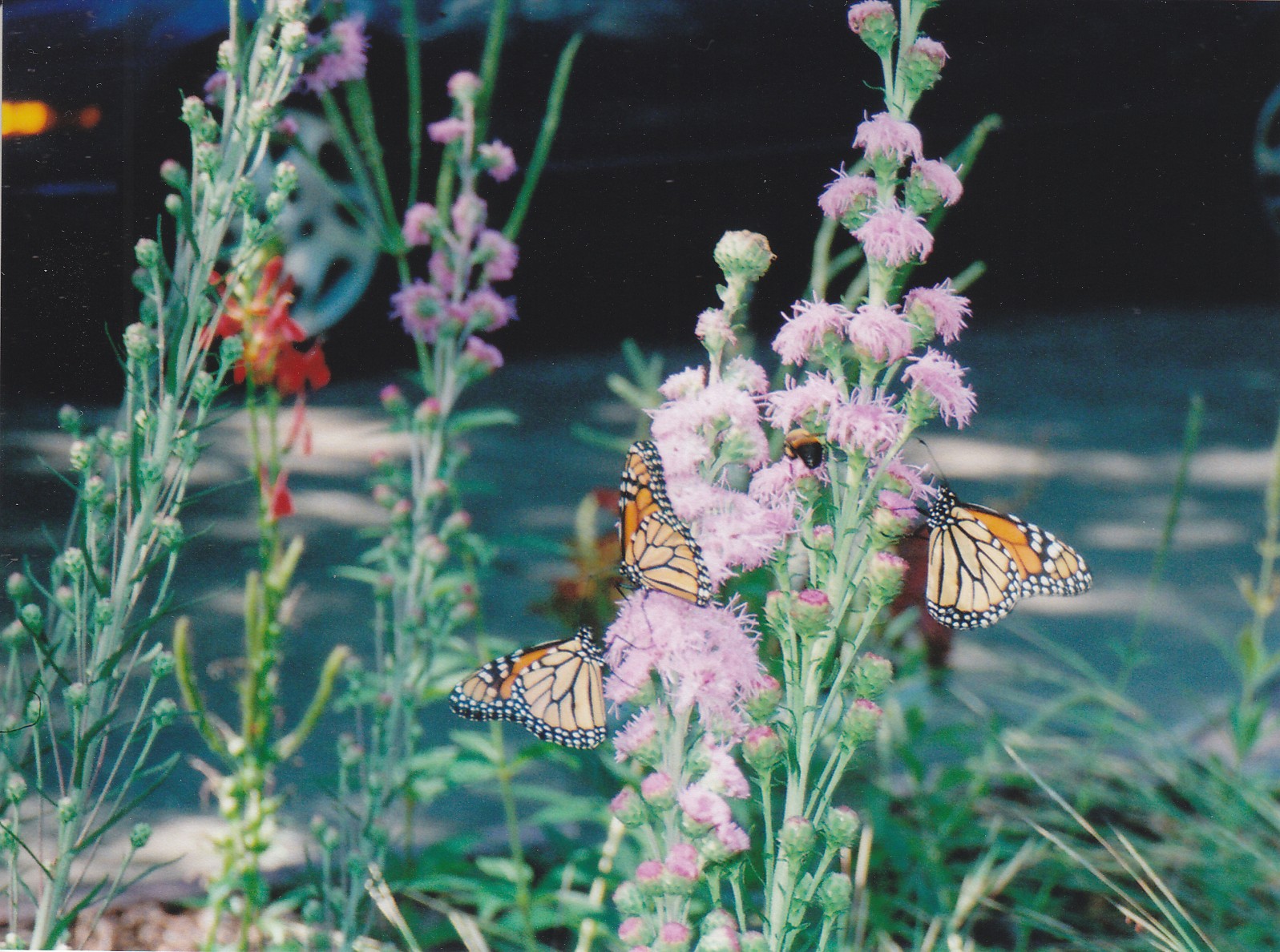
Monarchs love liatitis (blazing star)
Monarchs love Liatris (blazing star). They need nectar sources as they migrate
Monarch eggs hatch into caterpillars
Monarch eggs hatch into caterpillars, then into a chrysalis. 3 or 4 times in a summer this happens!
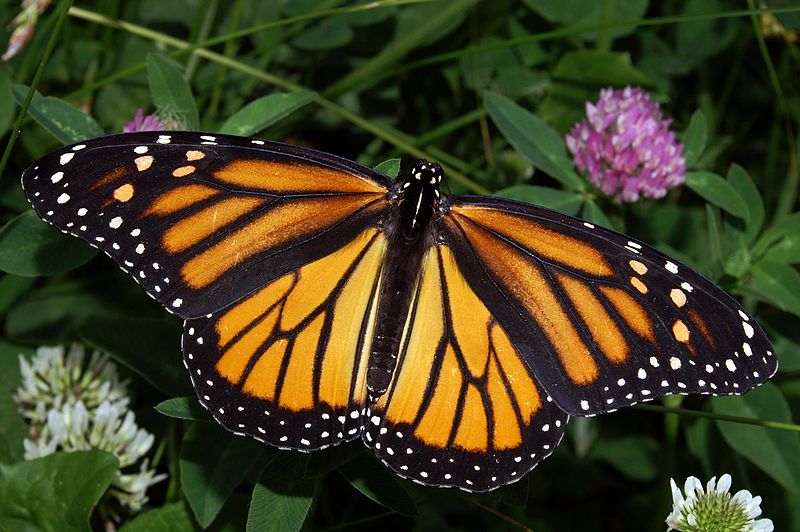
chrysallis turns into a monarch
chrysalis turns into a monarch butterfly. 3 or 4 times as they come north.

When I learned about native plants and pollinators my gardening focus completely changed. By planting milkweed, liatris, purple cone flowers and many others, the butterflies, and other pollinators come to my yard giving us enormous enjoyment, but now in September these incredible monarchs start their journey to Mexico. These butterflies are the 4th generation of the monarchs(Their great-grand parents) that traveled south last fall.
Fascinating things I have just learned about monarch butterflies:
** These August/September monarchs are the longest lived, Maybe living 6 to 9 months. They do not lay eggs until early next spring when they have returned to Texas from Mexico
** They can fly 265 miles a day to their resting winter ground in Mexico, about 2500 miles.
** After resting for a few months they head back from Mexico to Texas where they finally lay their eggs on milkweed, and the next generation begins. Each new crop of monarchs lays eggs and continues the migration back to Missouri/Minnesota/Wisconsin/Iowa and Canada.

All the chemicals we use have destroyed monarch habitat! What are you doing to make sure they survive?

http://features.newsy.com/saving-the-migration/watch/

http://www.learner.org/jnorth/monarch/index.html

http://www.cablemuseum.org

Exciting New Program for Monarch Butterflies

Monarch caterpillar in my yard last year

This week I had one monarch butterfly checking out butterfly weed in my Minneapolis yard. Last week I spotted one monarch in Northern Wisconsin. It is sad that we get excited counting our famous butterflies in the quantities of one.wpid-wp-1409341499490.jpeg

Hopefully, a new program by announced by the White House will help get our monarch butterflies back on track. See article: http://www.startribune.com/calling-all-milkweed-federal-pollinator-plan-needs-a-billion-plants-for-monarchs/306383591/

We can all help:

1. Plant milkweed. Most garden stores still do not carry milkweed. Seeds are available, but not the best option.  I transplant plants from friends gardens.  Ask major garden stores to carry milkweed plants.

2 Please do not use Roundup or neonicotinoids, and always ask if the plants you purchase have been treated with neonicotinoids.

3. Inform yourself on host plants for butterflies http://www.ecosystemgardening.com/host-plants-for-butterflies.html

4. Never pick off fuzz or little spots on plants.  These could be eggs

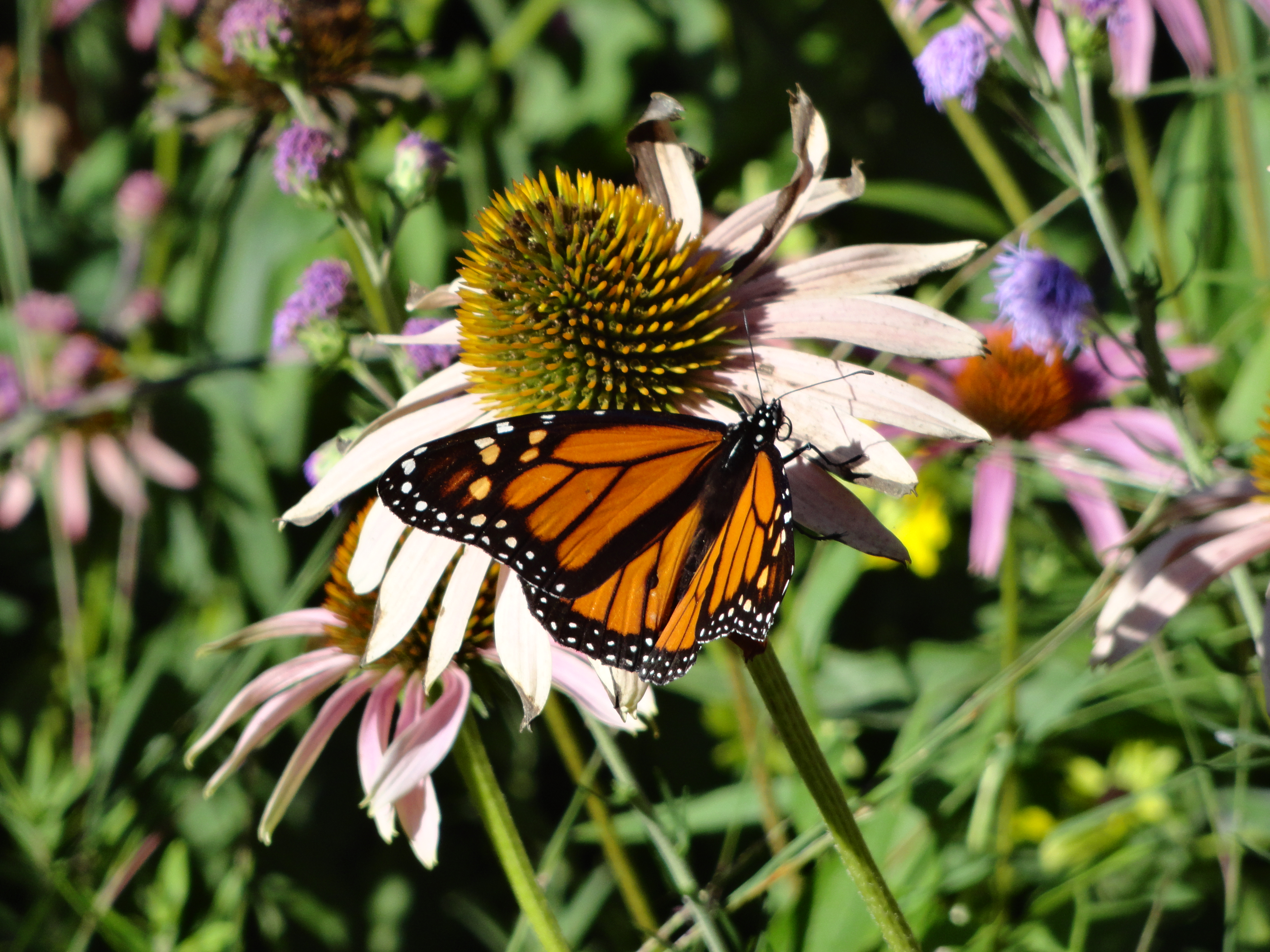
chrysallis in my yard last year, turned into the monarch above.
chrysalis in my yard last year, turned into the monarch above.

Superior Views, May into June


Lake Superior
Lake Superior
dandelions in the forget-me-not flowers

My hero plant is the dandelion, yes, dandelion! The dandelion attracts the monarchs, painted lady, red admiral, tiger swallow-tail and many other butterflies. I am trying to create habitat for the many butterflies that inhabit the north country. Swamp milkweed, pearly everlasting and pussy toes are my newest plants for butterfly habitat. The road where we walk,covered with dandelions, is where the painted lady, dusty wings, and sulfurs hang out, and I had  monarch and tiger swallow-tail butterfly sightings this week!

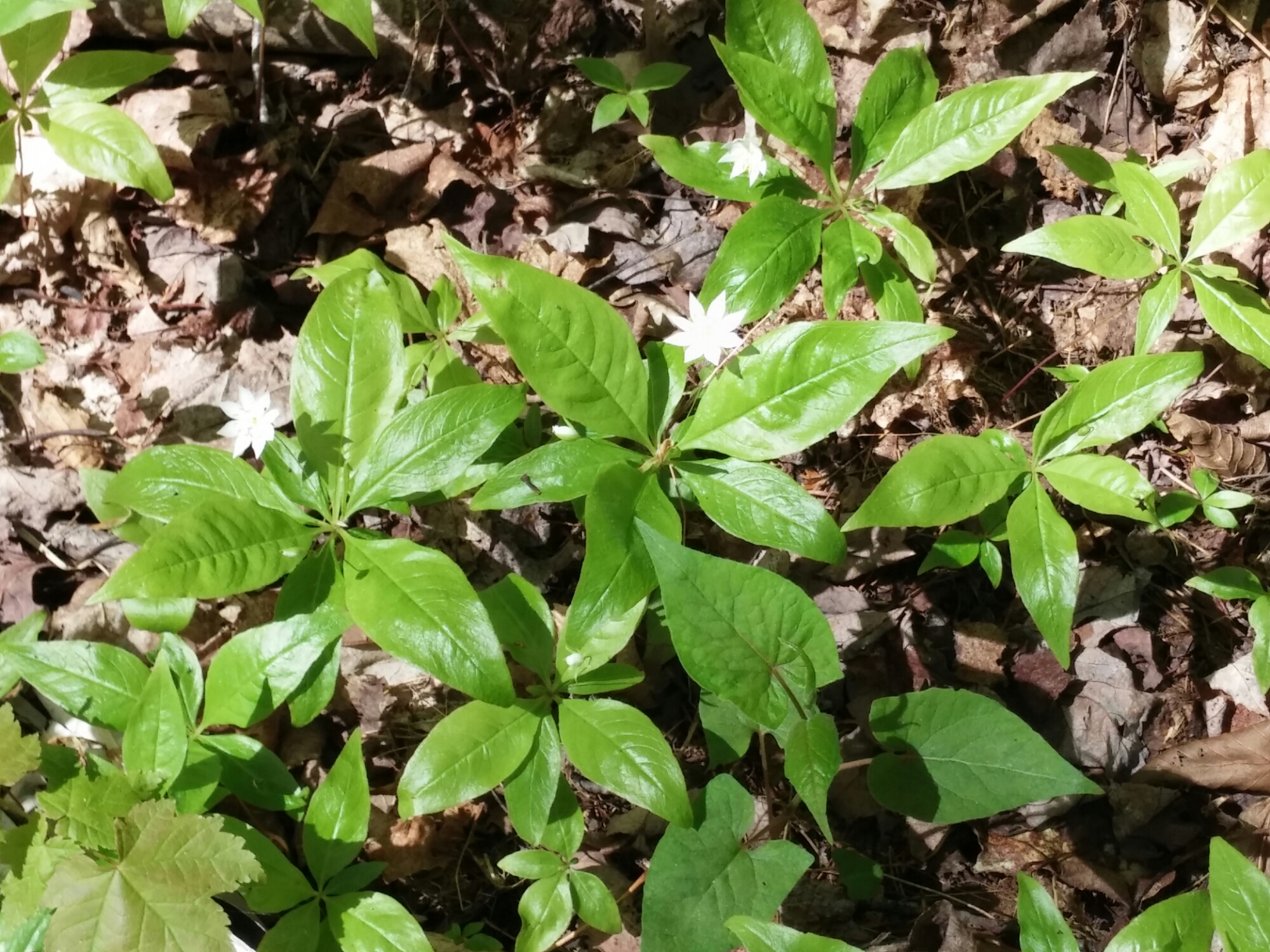
Star flower
Star flower
White-throated -sparrow
White-throated sparrow

Robins are raising babies just outside my door, and the forest is joyful with the sounds of the white-throated sparrow, chestnut sided warbler, red starts, robins, song sparrows, pewee, buzz of the parula and many warblers songs we are still trying to identify. Most days the air is cool, and the wind off the big lake regulates the temperatures and weather.

If you are interested in creating butterfly habitat in your yard here are some links :  www,learnaboutnature.com  http://www.thebutterflysite.com/minnesota-butterflies.shtml
http://www.thebutterflysite.com/create-butterfly-garden.shtml

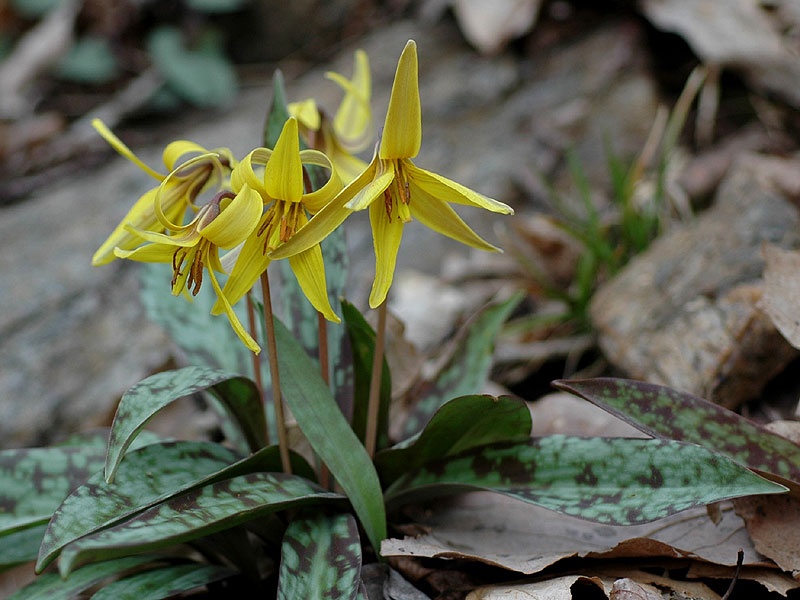
Trout Lily bloom in May along Lake Superior


Protect monarch butterflies under the Endangered Species Act

This is from Friends of the Earth    foe.org/monarchs

Tell the Fish and Wildlife Service: Protect monarchs under the Endangered Species Act.

Across the Midwest, millions of acres of “Roundup® Ready” GMO crops engineered to withstand massive amounts Monsanto’s Roundup® have been planted along the monarch’s migration route — virtually wiping out milkweed, the only food young monarchs eat.

The use of Roundup® has skyrocketed in the last decade. More Roundup® = less milkweed = fewer monarchs.

Monarchs need our help before it’s too late! Tell the U.S. Fish and Wildlife Service to protect monarchs under the Endangered Species Act.

The numbers are startling: in the last 20 years, the number of monarchs has declined by 90 percent. They’ve dropped from a recorded high of 1 billion butterflies in the mid-1990s to less than 35 million last winter. For this year, early reports suggest a 50 percent decline in their numbers from last year.

But the U.S. Fish and Wildlife Service has the power to help. It could restore essential monarch habitat nationwide — by giving the monarch butterfly protection under the Endangered Species Act. But we need your help to protect this essential pollinator for future generations.

Tell the Fish and Wildlife Service: Protect monarchs under the Endangered Species Act.

Monarchs, like bees, are a “canary in the coal mine” telling us that the chemical-intensive, GMO, corporate-controlled agricultural system is wiping out the very species our food system and ecosystems depend on.

We must take swift action to shift our food system to one that not only protects these iconic creatures, but also people and the environment.

Urge the U.S. Fish and Wildlife Service to protect the iconic monarch butterfly before it’s too late.

Friends of the Earth

wpid-wp-1409341373380.jpeg

New Monarch Butterflies

This is why you should plant milkweed.

The story of three new monarch butterflies, August 2014:

First, swamp milkweed

image

Then four monarch caterpillars

image

A few weeks later, vibrant colored monarchs

image

Next I discovered three empty chrysalis hanging on goldenrod !

image

Yahoo, the caterpillars had evolved into beautiful monarch butterflies!

http://www.startribune.com/opinion/commentaries/280114542.html

A Native Plant Yard in St. Paul

The natural: Transforming a yard from nasty to native

News & FeaturesDan OlsonDan Olson ·  · Jun 23, 2014
A sphinx moth caterpillar in Susan Damon’s boulevard, which is filled with native plants, Wednesday, June 11, 2014 in St. Paul. Jennifer Simonson/MPR News

Bees and Monarch Butterflies Can’t Wait

This ad from Save-Bees.org is running in newspapers across the United States:   http://savebees.org/

006

“Honey Bees, native bees and other pollinators are responsible for 1 out of every 3 bites of food we eat.  Bees pollinate 71 of the 100 crops that make up 90% of the world’s food supply. Many fruits and vegetables, including apples, blueberries, strawberries, carrots and broccoli, as well as almonds and coffee, rely on bees.  These beneficial insects are critical to maintaining our diverse food supply.

Honey bee populations have been in alarming decline since 2006 Widespread use of a new class of toxic pesticides, neonicotinoids, is a significant contributing factor…..

This week, 15 countries are imposing a two-year restriction on the use of several of these chemicals.  Meanwhile, the United States is stalling.  The U.S. Environmental Protection Agency estimates it will be 2018, 5 years from now, before it makes a decision on this deadly class of pesticides

Bees can’t wait 5 more years–they are dying now. The U.S. Environmental Protection Agency has the power and responsibility to protect our pollinators.  Our nation’s food system depends on it.”

http://www.nytimes.com/2013/11/24/sunday-review/the-year-the-monarch-didnt-appear.html?_r=0   An important article about the state of our pollinators.

http://www.washingtonpost.com/blogs/wonkblog/wp/2013/12/03/why-are-the-monarch-butterflies-disappearing/#wwftw131204

One of the few monarch buttlerflies in 2013
One of the few monarch butterflies in 2013

Climate Change is Frightening

970832_10153091136195497_1060532036_n

Climate Change is Real, and it is Frightening

What changes have you seen the past few years because of our changing climate?  Some of the following have frightened me:

– In one year my pollinator plant yard has gone from many beautiful monarchs watching daily hoping they will appear..  Just last year my neighbors said to me, “We enjoy watching all the monarchs in your yard!”  This year, not one monarch.  The bees have just appeared–In August?

– My rain barrel can’t handle the downpours of rain anymore, and he heavy rains run off instead of soaking the plants that need the moisture.

– In between the rain storms is drought.

– I experienced the big June Duluth storm last year: The thunderstorms just kept rolling through for 36 hours washing out roads, bridges and homes.

– The costs for insurance and rebuilding are more than we can comprehend.

– We are insecure about the next big storm or drought!

– Ticks: Many have struggled with Lyme’s Disease.

– Asthma and health problems are worse in the vulnerable.

-The beautiful Paper Birch trees of Northern Minnesota and Wisconsin are dying.

Climate Change is here, it is real, and 97% of climate scientists say it is caused by human activity. If we act quickly we can slow the terrible effects for the future.

Instead of just talking about it we all need to act.  Just by doing one or two of the following will make a big difference:

  1. Combine your driving trips, walk, bike, car pool and take the bus whenever possible.
  2. Turn off lights and electronics when not in use, and reduce the amount you use your air conditioner.
  3. Look for ways your energy use can become more efficient such as insulation, and energy efficient appliances, cars, windows and doors.
  4. Cut your meat consumption, especially beef!
  5. Purchase organic food, and do not use pesticides!
  6. Punish those that pollute: Call your members of Congress and ask them to pass carbon tax legislation to punish those that are polluting our air and water. Support only candidates that believe in climate change.

http://www.flickr.com/photos/usepagov/sets/72157635037133053/

http://blog.ucsusa.org/rising-seas-and-worsening-storms-require-rethinking-flood-and-wind-insurance-203?utm_source=tw&utm_medium=tw&utm_campaign=tw


My letter in the Star Tribune

My letter published in the Minneapolis, Star Tribune August 7.

CLIMATE CHANGE

Where are our monarch butterflies? The droughts, alternating with heavy rains and pesticide use, have destroyed a lot of their habitat.

In response to the Aug. 6 commentary, “We’re free-market Republicans, but action on climate is urgent,” yes, climate change is real. We can all see it. To expect this Congress to act is hopeless, but luckily with the leadership of former State Sen. Ellen Anderson and Gov. Mark Dayton, Minnesota is on its way to national leadership in renewable energy.

Most important, we can all make a difference by reducing our carbon output by driving less, turning off lights and electronics when not in use, and reducing the chemicals we use. Our monarchs and children are depending on us.

Below is the op-ed to which I was responding:

http://www.startribune.com/opinion/commentaries/218437091.html