

Water is Life, we must do a better job of protecting our waters.
World Water Day March 22, 2024 is the United Nations observance day dedicated to highlighting the importance of freshwater. It serves as a reminder of the critical role water plays in our lives and ecosystems.
“Water for Peace” is this year’s theme. fostering peace, prosperity, and conflict prevention in the role water plays in the world.
It is shameful the poor job we do to take care of our fresh water. Our fresh waterways are teaming with microplastics, nitrates and forever chemicals. None of these safe for human exposure. In some places invasiive speciaes have been introduced that also change the entire ecosystem of our water ways.
73 percent of Minnesota nitrate pollution comes from cropland, primarily through agricultural drainage systems below cropped fields and by nitrate pollution leaching into groundwater, and then moving underground until it reaches streams. 78% of nitrate pollution to the Mississippi River in our state is fr…See more on fmr.org
At least 70 million Americans get their water from a system where toxic PFAS “forever chemicals” were found at levels that require reporting to the Environmental Protection Agency. That’s according to new data the EPA released in its ongoing 5-year review of water systems across the nation. The number will almost certainly grow as new reports are released every three months. USA Today, March 21.2024
Careless humans have transported invasive plants and animals with their boats and equipment. Invasive species disrupt aquatic ecosystems, endanger native species, and have far-reaching consequences that harm the eco-system of waterways.
Things are out of balance as we have allowed industry and farmers and all of us the right to pollute our waterways. We can all do better!
https://besjournals.onlinelibrary.wiley.com/doi/10.1111/1365-2664.14387
https://extension.psu.edu/nitrates-in-drinking-water
https://fmr.org/minnesota-nitrate-study-highlights-farm-runoff-pollution
https://www.npr.org/2022/06/22/1106863211/the-dangers-of-forever-chemicals
What are a few things you can do to protect our waterways?
1. Always clean your boats and equipment before entering lakes.
2. Pick up litter
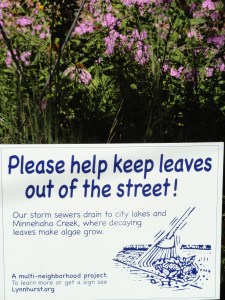
3. Keep the storm drains near your home free of leaf debris and plastic waste.
4. Reduce the plastic you use, and always make sure your plastic waste is in the correct place, either recycling, landfill waste or hopefully to be reused again.
5. Plant deep rooted plants that absorb water runoff, like native grasses and native plants.
6. Create rain gardens or adjust your drain spouts to drain onto your lawn or gardens.
7. Never use artificial turf for landscaping!

 Health4earth