
It’s World Bee Day
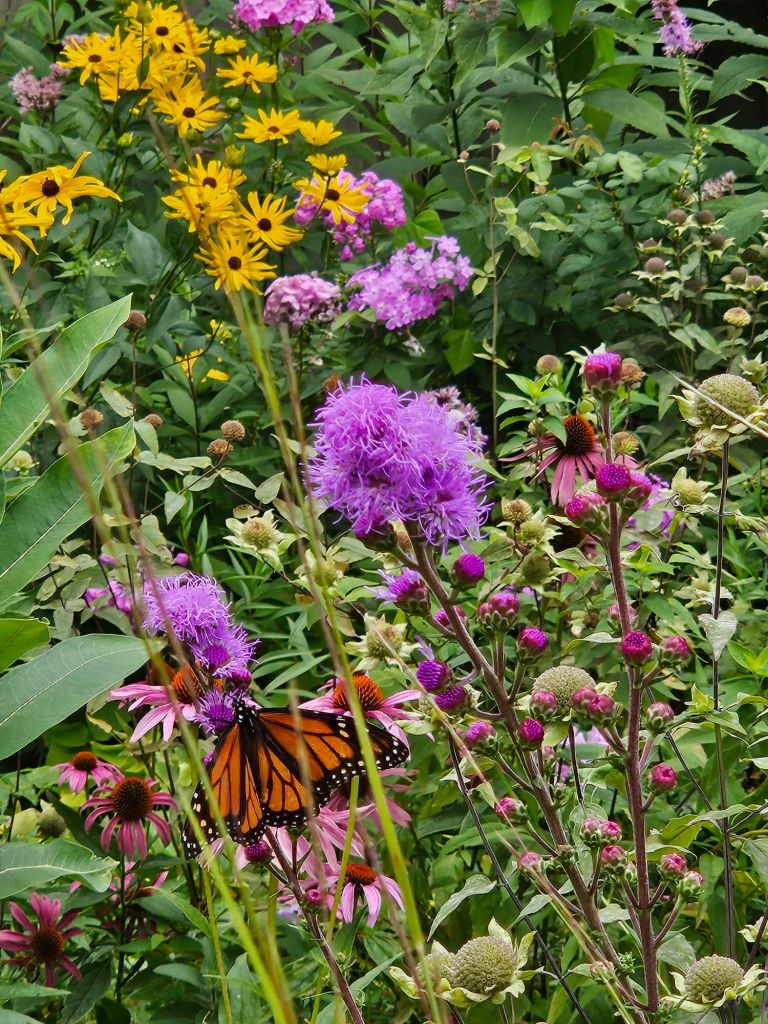
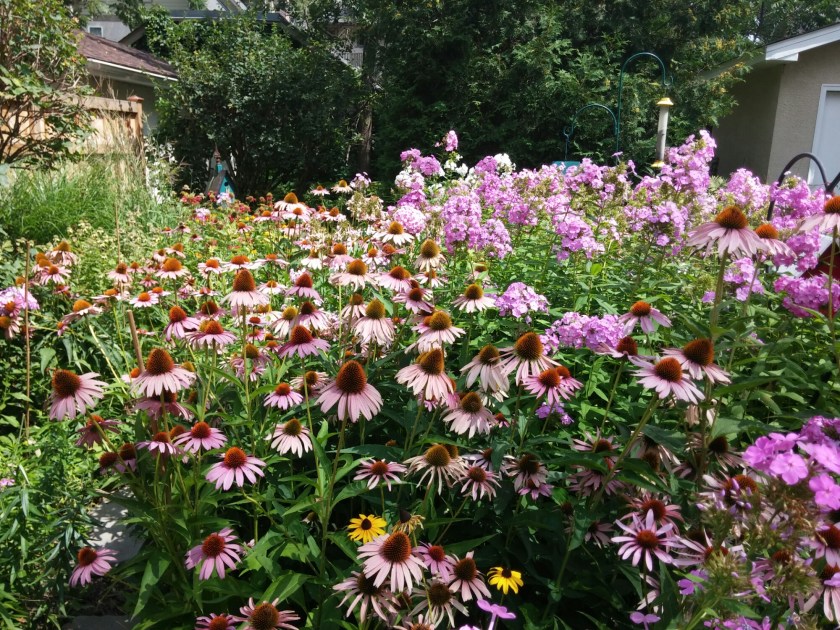
Plant your yard for pollinators, and please DO NOT use chemicals!
From The Carbon Almanac:
As you savor the taste of honey, remember that the production of one pound of honey needs 2,000,000 flowers and on average, a bee visits 50-100 flowers on each flight. The average bee makes just one twelfth of a teaspoon of honey in its lifetime.
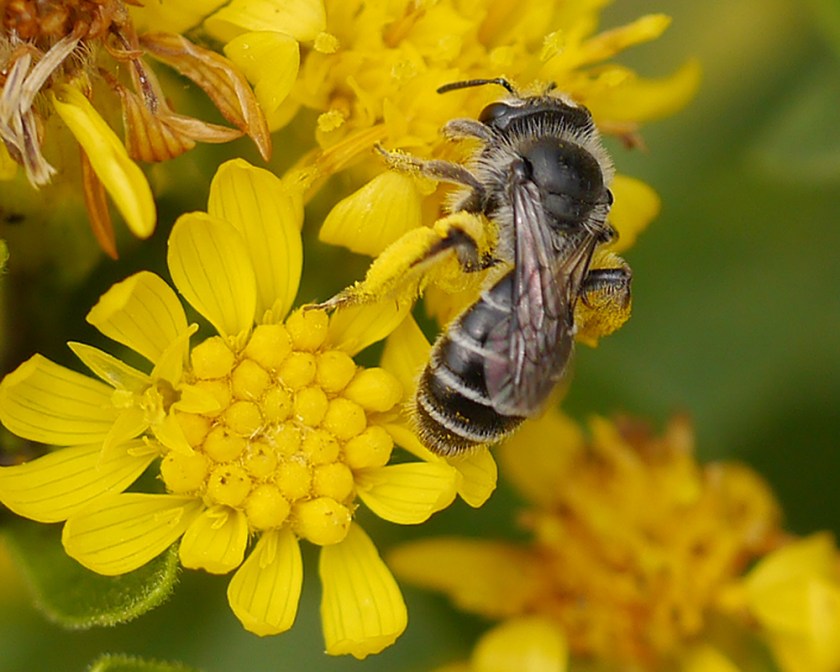
Did you know that there are over 20,000 species of bees who, along with other pollinators such as butterflies and hummingbirds, support the production of 75% of our food crops? Not only is their contribution to food security essential, the bees also play an important role in preserving biodiversity.
Bee populations are becoming increasingly at risk due to habitat loss, temperature changes due to climate change, pollution and agricultural practices.
The United Nations has designated today, May 20th, as World Bee Day
What can we do to help protect the bees?
All of us can share information about bees to help raise awareness on their important role. It’s as easy as forwarding this email.
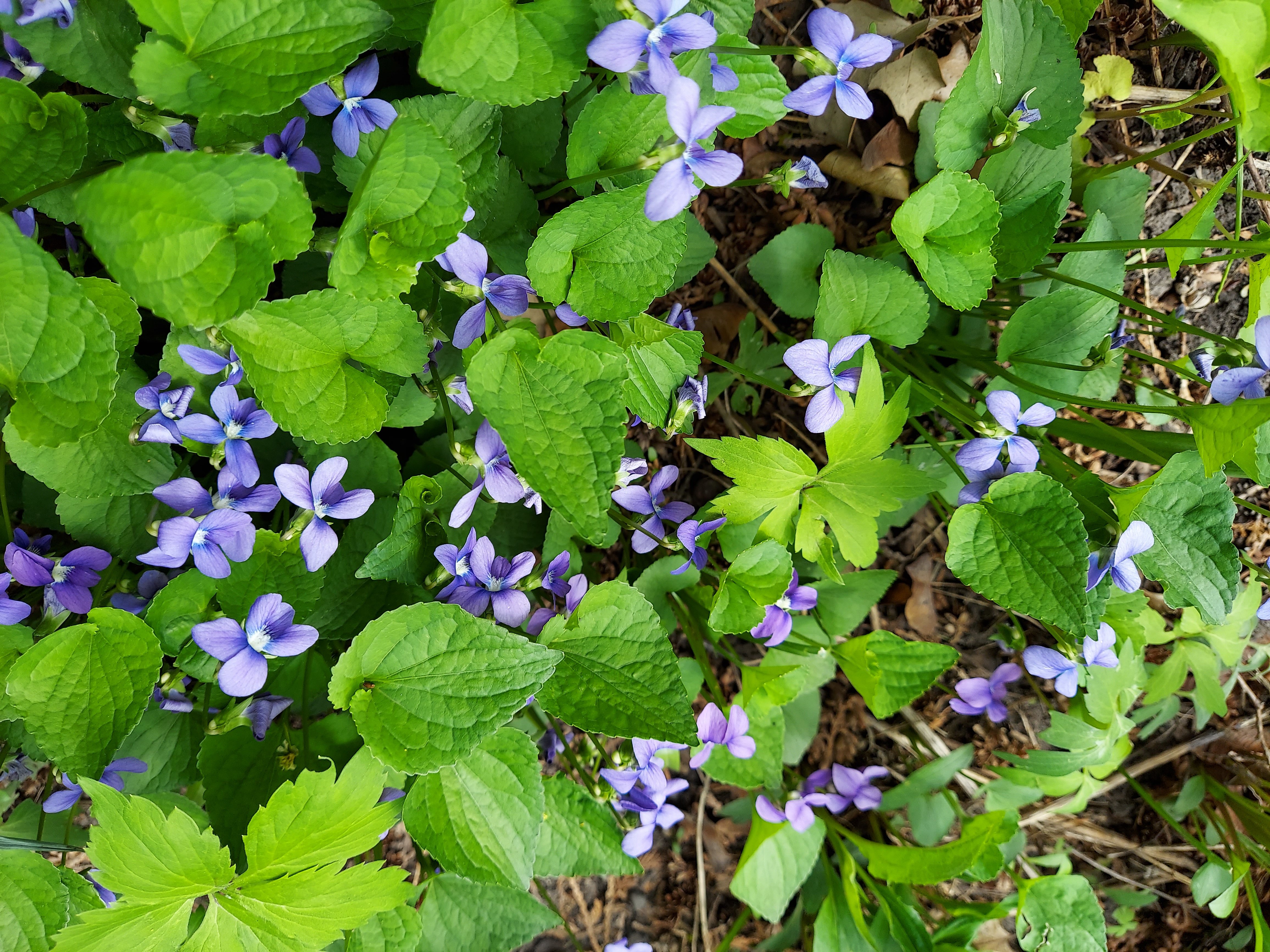
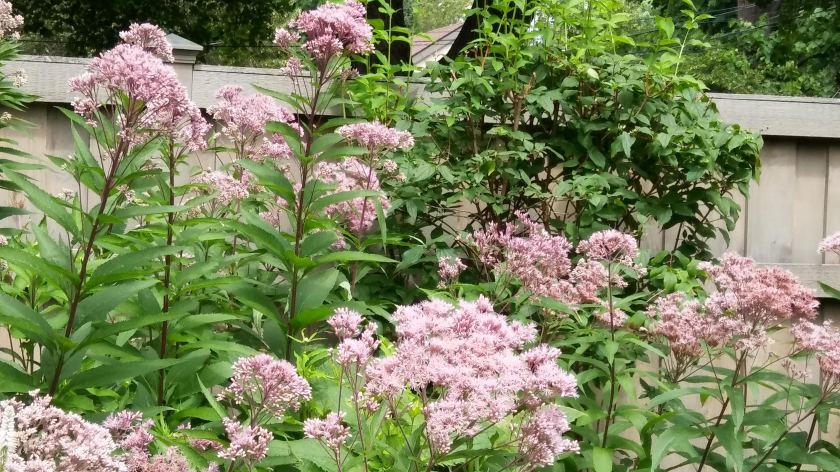
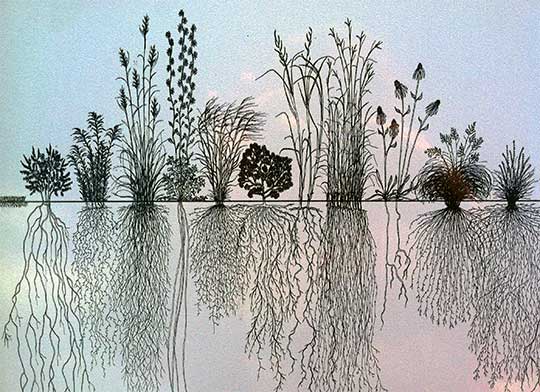
If you have a garden, you can avoid the use of pesticides and herbicides. You can also plant diverse native plants that flower at different times of the year.
Chemicals are harmful to everyone, not just our bees:
1. “This pesticide is linked to learning disabilities – and it’s sprayed on fruit,” PIRG, February 18, 2025.
2. Danica Jefferies, “A potentially cancer-causing chemical is sprayed on much of America’s farmland. Here’s where it is used the most,” NBC News, October 10, 2022.
3. Danielle Melgar, “This toxic pesticide dicamba is a threat to crops and human health. It’s time to ban it.,” PIRG, November 11, 2022.
4. Tom Perkins, “Exposure to combination of pesticides increases childhood cancer risk — study,” March 5, 2025.
5. Tom Perkins, “Exposure to combination of pesticides increases childhood cancer risk — study,” March 5, 2025.
6. Tom Perkins, “Exposure to combination of pesticides increases childhood cancer risk — study,” March 5, 2025.
7. Danielle Melgar, “The weed killer Roundup has been linked to cancer. It’s time to ban it.,” PIRG, April 16, 2024.





 Health4earth