This letter to the editor was printed in the Star Tribune on October 24, 2014
Are PLASTIC BAGS NEEDED?
Shop with your reusable bags
Companies like Target ought to at least ask
After a full day on the University of Minnesota campus, I stopped by the new Target Express in Dinkytown. I bought four small items — and acquired two disposable plastic bags before I could even ask for none. This avoidable pollution and waste of resources has proved to be Target Corp.’s standard operating procedure and needs to change to match the company’s sustainable practices.
Several towns across the country have adopted legislation requiring customers to purchase a plastic bag for a nominal fee if they did not bring reusable bags. Locally, students are not likely to carry around a reusable shopping bag — unless, of course, you count the backpacks they carry everyday. A majority of the Dinkytown store’s customers are students looking for minimal items that could easily fit in a backpack.
I recommend you search the Internet for “plastic bag statistics.” You will be appalled.
If Target simply asks customers if they would like a bag, people will say no. Whether it is from conscience or simple logic, it is dollars and sense. Target could reduce its pollution and costs while appealing to anyone who advocates sustainability.
Call the Vikings and tell them to install bird safety glass. 952-828 6500, or http://www.vikings.com/footer/contact-us.html and call Gov. Dayton 651 201 3400.
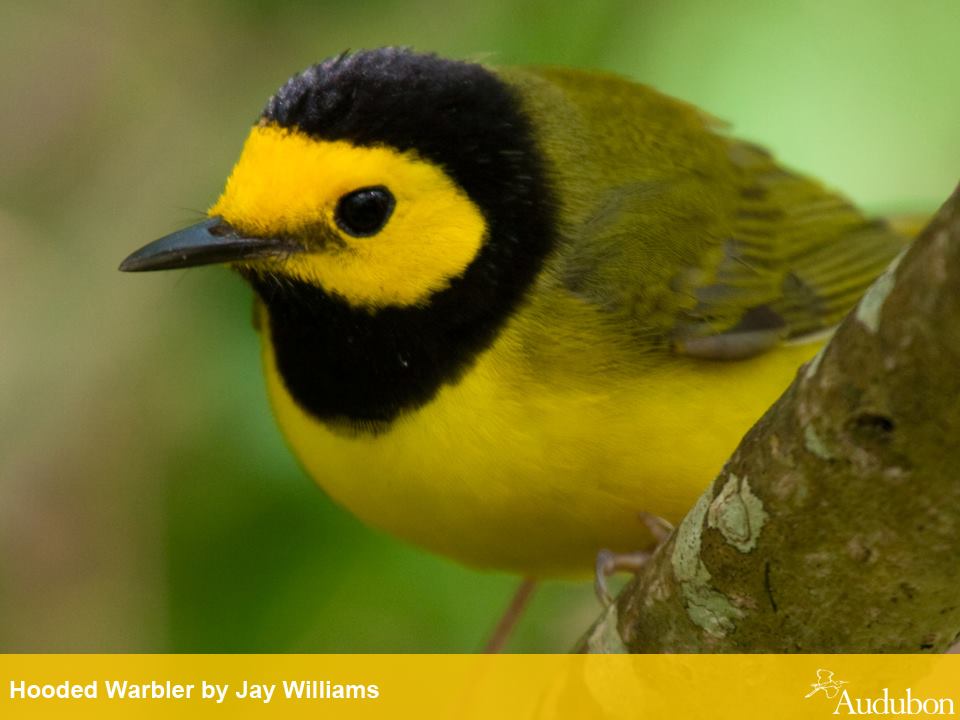
Our bees, butterflies and birds are in serious decline. We all should reduce our footprint to protect our wildlife. This also means businesses and the Minnesota Vikings! In Minnesota we are having a debate over whether the Minnesota Vikings should place bird protective glass on the new stadium being built. This stadium is near the Mississippi River, a major migration flyway. And…it is a publicly funded stadium, one-third being paid for by the citizens of Minneapolis. To be a good corporate citizen the Vikings need to follow state laws(safety glass), and positively contribute to the environment where they reside.
The Star Tribune, Minnesota’s largest newspaper editorialized that in the big scheme of things, it was not a big deal to protect these birds…WOW! http://www.startribune.com/opinion/editorials/279625602.html “Keep Bird Deaths in Perspective” I consider the Vikings actions and the editorial board both hitting a new low! In my perspective 1 million for protective glass is minimal when a billion dollars is being spent and large portion is a public hand-out!!
This is the counter argument from Audubon:
As stewards, we are responsible for our impact on the Earth’s well-being, and it is precisely the logic presented in this editorial that is putting our vital ecosystems in trouble. We know that it is not a single deforestation event, a single oil spill or a single storm that leads to significant decline of bird species, but rather the effect of multiple factors over time. The good news is that the same way our cumulative actions can stress and degrade the environment, our individual actions can lead to its protection and recovery. Take the bald eagle, for example, or bluebirds.
Migratory birds are legally protected because they play a pivotal role, pollinating plants and controlling insect populations. One bird can eat 500 pests per day, reducing the need for toxic pesticides. Disarmingly, their populations are not constant; they are decreasing because of human activities, including glass buildings. Research shows that many once-common species have had a 50 percent reduction in just the last 50 years.
Video,”Change the Glass Now” http:youtube.com/watch?v=ngvN7oHhHwY
What can you do?
1. Call the Vikings and tell them to install bird safety glass. 952-828 6500, or http://www.vikings.com/footer/contact-us.html and call Gov. Dayton 651 201 3400.
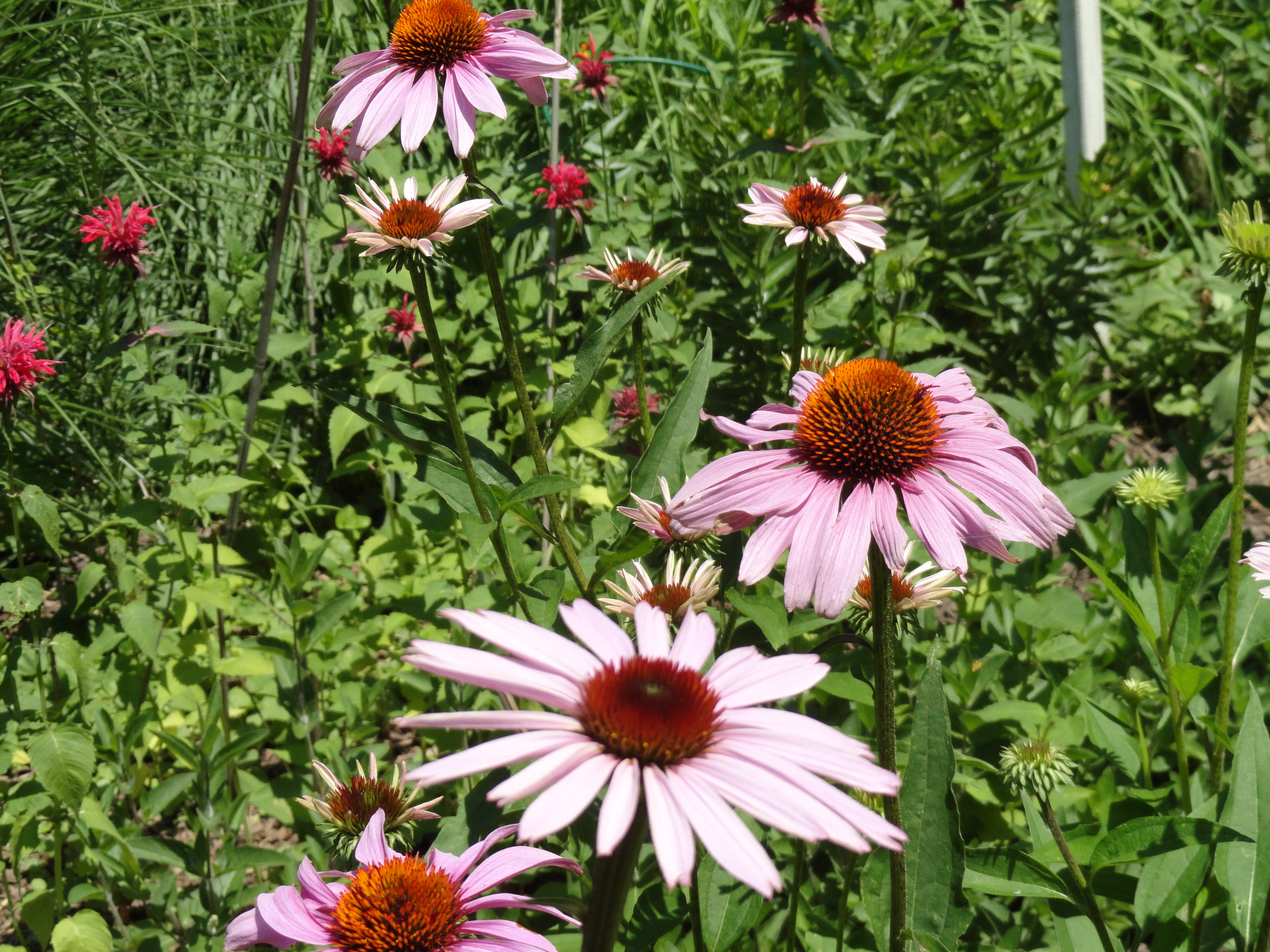
2. Reduce the chemicals you use in your yard, and plant bird friendly plants like cone flowers, little blue stem grass, cup plant, and Joe Pye Weed. These are just a few ideas that are easy to grow and birds love these plants.
3. Leave your car at home or carpool at least one day a week to reduce pollution.
4. Reduce plastic consumption and recycle all plastic bags.
Bright gold colors radiate everywhere.The aspen, birch and maple trees are stunning.
Migrating yellow rump warblers climb over our house looking for bugs, white-throated sparrows dig in the falling leaves. Groups of cedar wax-wing and robins take a rest from their migration to look for food.
Our presence surprises the fox and coyotes. It is unusual to never see deer.
A few bee balm, asters, and hyssop are still blooming, but the colorful trees absorb the eyes attention. The beautiful days are sunny and cool and you wish for them to last forever.
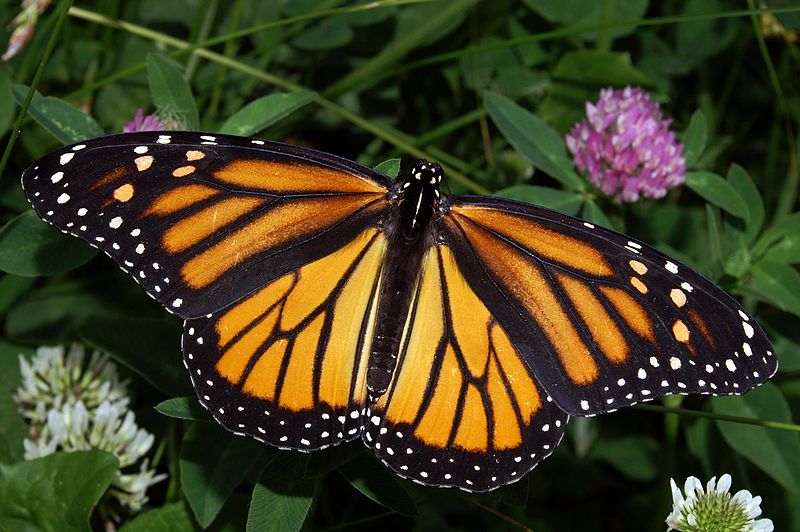
Across the Midwest, millions of acres of “Roundup® Ready” GMO crops engineered to withstand massive amounts Monsanto’s Roundup® have been planted along the monarch’s migration route — virtually wiping out milkweed, the only food young monarchs eat.
The use of Roundup® has skyrocketed in the last decade. More Roundup® = less milkweed = fewer monarchs.
Monarchs need our help before it’s too late! Tell the U.S. Fish and Wildlife Service to protect monarchs under the Endangered Species Act.
The numbers are startling: in the last 20 years, the number of monarchs has declined by 90 percent. They’ve dropped from a recorded high of 1 billion butterflies in the mid-1990s to less than 35 million last winter. For this year, early reports suggest a 50 percent decline in their numbers from last year.
But the U.S. Fish and Wildlife Service has the power to help. It could restore essential monarch habitat nationwide — by giving the monarch butterfly protection under the Endangered Species Act. But we need your help to protect this essential pollinator for future generations.
Tell the Fish and Wildlife Service: Protect monarchs under the Endangered Species Act.
Monarchs, like bees, are a “canary in the coal mine” telling us that the chemical-intensive, GMO, corporate-controlled agricultural system is wiping out the very species our food system and ecosystems depend on.
We must take swift action to shift our food system to one that not only protects these iconic creatures, but also people and the environment.
Urge the U.S. Fish and Wildlife Service to protect the iconic monarch butterfly before it’s too late.
Are you frightened by the incredible power in the United States of big business? They are the only ones with money, and spend millions to keep their power over the consumer. In this November Oregon referendum, like they have done in other states, big business is spending millions of dollars to keep us from knowing what is in our food.
We should as consumers, know what harmful ingredients our foods could contain. I want the products I purchase labelled if they have GMOs, and if they have been sprayed with harmful chemicals!
According to surveys, 90% of us think our food should be labeled for GMOs, and it is frustrating that large corporations control the message with lies about we eat. We still have some choices. and as consumers can try to stay away from GMO products. Our power is in wise consumer choices!
What can you do?
Reduce the amount of processed foods you purchase, and eat REAL food.
Always read labels. soy and corn syrup are GMO products.
Eat organic and local as much as you can afford. Shop food-coops and farmers markets.
Never use neonicotinoids or pesticides on your lawn or garden
Do NOT believe what Monsanto, Bayer, General Mills, Cargill, Coca-Cola, Pepsi and others …..are telling you about chemicals and GMOs. Big business thinks about profit and not what is healthy for you, or our bees, birds and butterflies!
Support the Right to Know Amendment on the Oregon Ballot on Election Day, November http://oregonrighttoknow.org/ Support them financially if you can: https://oregonrighttoknow.ngpvanhost.com/form/31251809577535232?ms=E.FR-O-LFW1.ND.NAT.MAIN_CONTRIBUTE-DONATE&AM=35
“All-natural” and “heart-healthy” don’t qualify as labels. They’re just food industry hype. Kellogg can claim that its energy bar will make you as strong as Hercules, but only the “Nutritional information” box tells you what’s actually inside the package — and herbicides, pesticides and GMOs aren’t listed.
The certified-organic label, on the other hand, lets you know beyond a reasonable doubt where your food comes from and how it’s made. Plus, you can feel good about supporting a food system that spends a fraction of its capital (human and otherwise) on marketing, packaging, branding, advertising and so on. Your dollar will go to people who put in 12-hour days, seven days a week to improve your health and that of the planet.” Bonnie Blodgett http://strib.mn/1xdzUc5
What are Genetically Engineered Foods / GMOs?
“Plants or animals that have had their genetic makeup altered to exhibit traits that are not naturally theirs.”
From the glossary on the Monsanto website.
“Organisms in which the genetic material (DNA) has been altered in a way that does not occur naturally.”
World Health Organization
Find more information:
GMO crops are creating a mono culture and wiping out the habitat of our bees, butterflies and birds. More information: Friends of the Earth foe.org/monarchs
This is FABULOUS news:
Today as I shopped at a Jewel Osco grocery store in Chicago, I was sick to see every item loaded into a plastic bag. I found the same situation as I traveled through New York and Michigan last week. In Minnesota I see more reusable bags and brown paper bags. This was not the case in either the state of New York or City of Chicago, plastic bags dominate!
The chemicals from these bags leach out into our waterways from the land fills where they will sit for hundreds of years. Also they litter our landscape and are harmful to wildlife. What can you do?
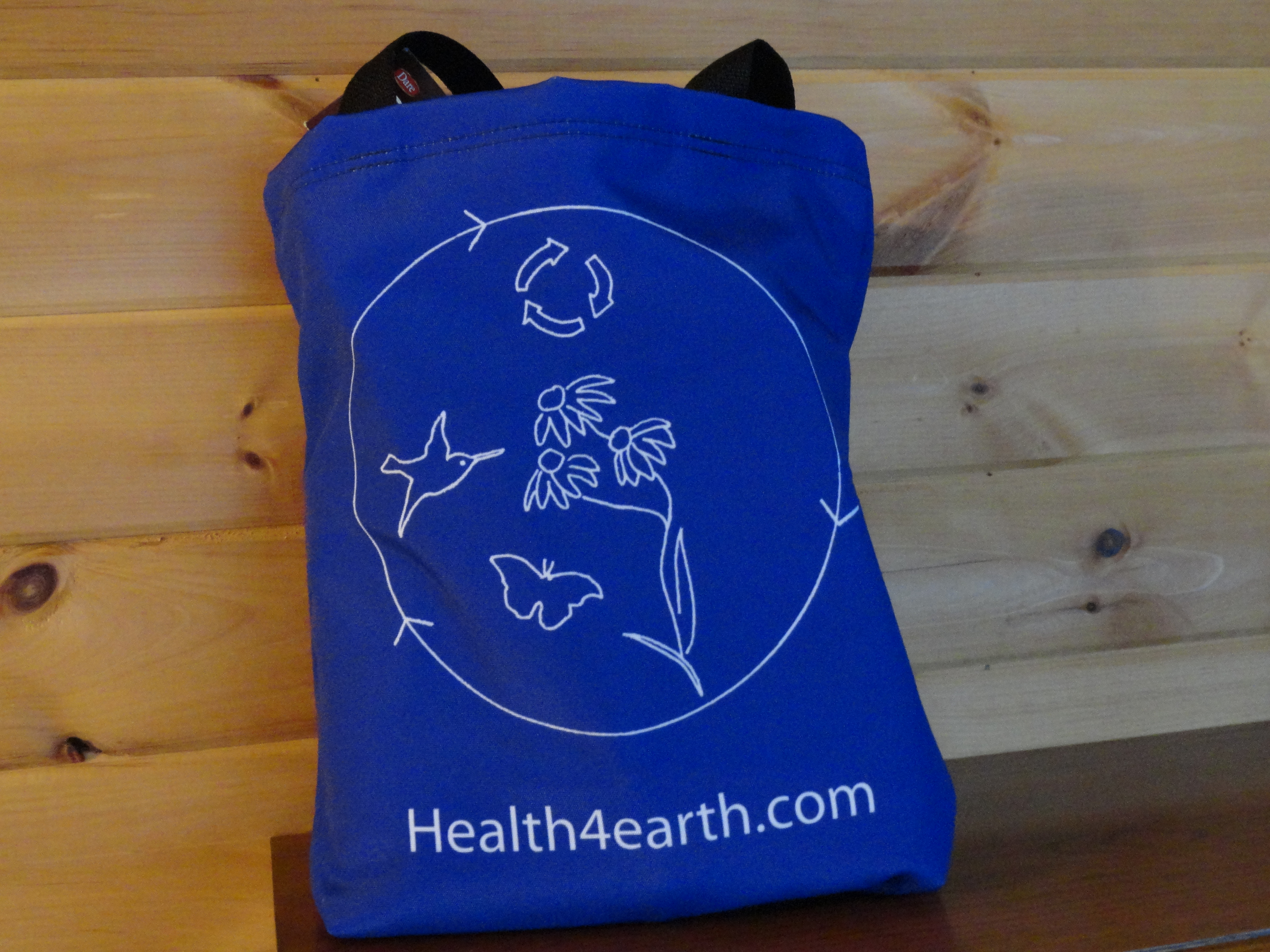
1. Bring reusable bags shopping. I would use washable bags that will last. Contact me and I can tell you where to purchase them. I can sell you my health4earth bags, but they are expensive
2. Wash, dry and recycle any plastic bags at most grocery stores.
3. Refuse, refuse, refuse plastic!
4. Never litter!
I too am worried about the future of our birds, butterflies bees, and all of us! I have noticed a big decline in the hummingbirds and butterflies in the last 4 years.
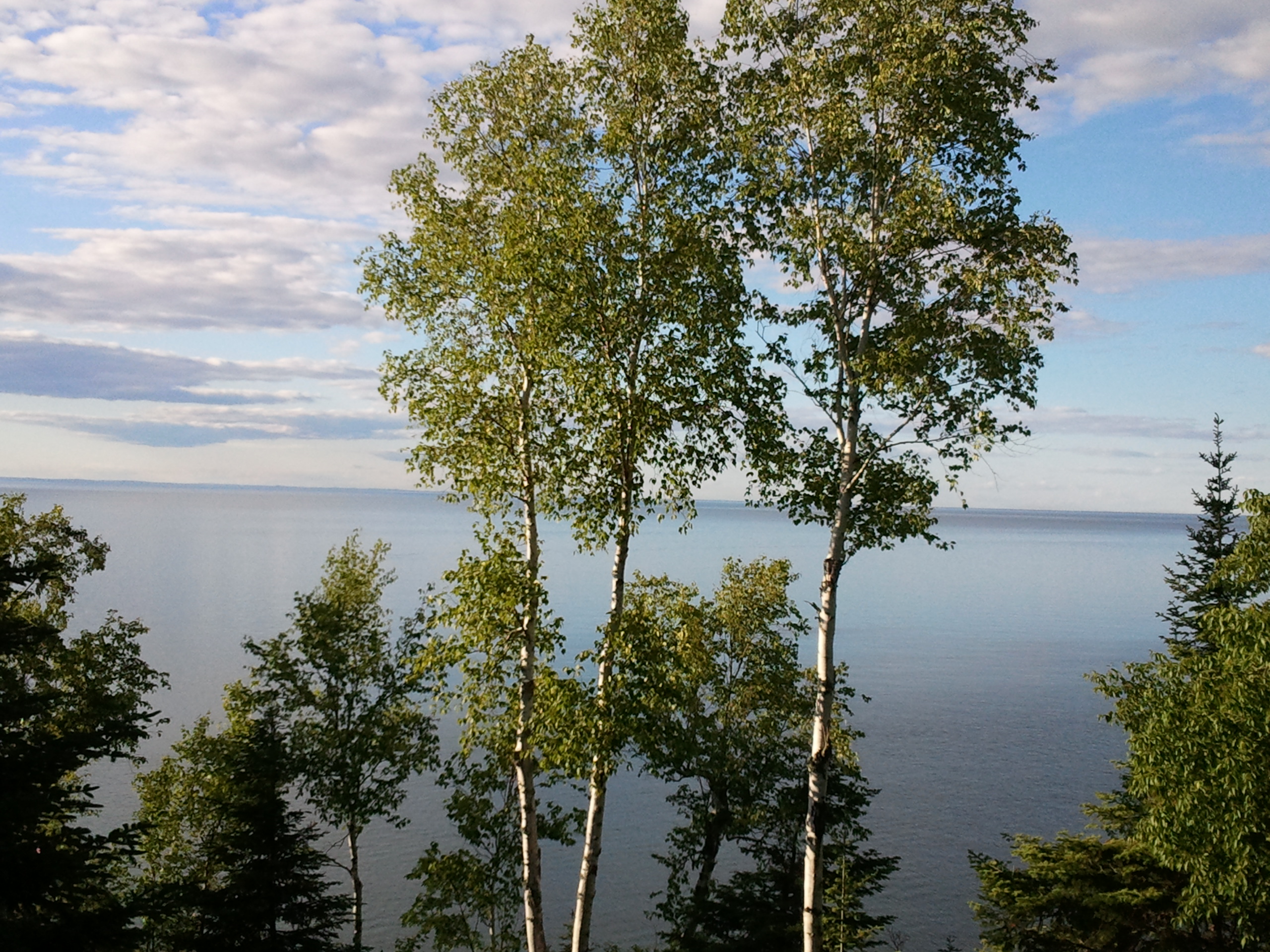
Over 300 rivers and streams run into Lake Superior, but the big lake has only one outlet, the St. Marys River. This river between Ontario and Michigan carries 42 billion gallons of water each day out of Lake Superior.











 Health4earth