Styrofoam I pulled from Lake Harriet in Minneapolis. It is breaking into small pieces and could last forever!
I am happy, it is Earth Day, and I am very happy that the city of Minneapolis took a bold stand on Styrofoam containers. Congratulations to Minneapolis for banning Styrofoam “To Go” containers. The ban begins on Earth Day, April 22, 2015.
Minneapolis is a city of many lakes, many creeks, and the Mississippi River. Materials like plastic and Styrofoam break into tiny pieces and could exist for hundreds of years in these water bodies.
“It’s estimated that 10 million Styrofoam containers are thrown away in Minnesota each year. Styrofoam is not impossible to recycle, but is difficult to clean and far costlier to recycle than other, more sustainable containers. Styrofoam also contains potentially cancer-causing chemicals that leach into food, especially when heated.” City Pages http://blogs.citypages.com/food/2014/05/styrofoam_officially_banned_in_minneapolis.php
This land is your land, this land is my land: In honor of Earth Day this Wednesday, April 22, make a resolution to do one thing new for our earth. Pledge to use your reusable water bottle, use reusable shopping bags, turn off lights and electronics, plant native plants and milkweed, or walk more and drive less. It makes a big difference if everyone does just a small part!
Minnesota has moved from drought to flooding. The drought was a problem, but now can we manage all this heavy rain? We have been trained to get this water away from our houses and off our land, but does flushing all this water down the storm drain help our yards and gardens? Some of the rain is absorbed, but most of this rain rushes into our storm sewers washing winter salt, and chemicals from our houses and yards into our lakes and streams. What can we do to slow water down and keep more water working to waterour gardens and yards? How can we keep our lakes and rivers clean?
You don’t want this water in your basement so it needs to be diverted 10 feet away from your foundation as you manage this water, and try to keep it from gushing down the street and alleys
A few things you can do to improve water quality:
1. Redirect downspouts onto your lawn.
2. Plant native grasses and deep rooted plants to absorb water
3. Use less winter salt and less lawn chemicals.
4. Learn about rain gardens and find out if one is possible in your yard. http://bluethumb.org/raingardens/
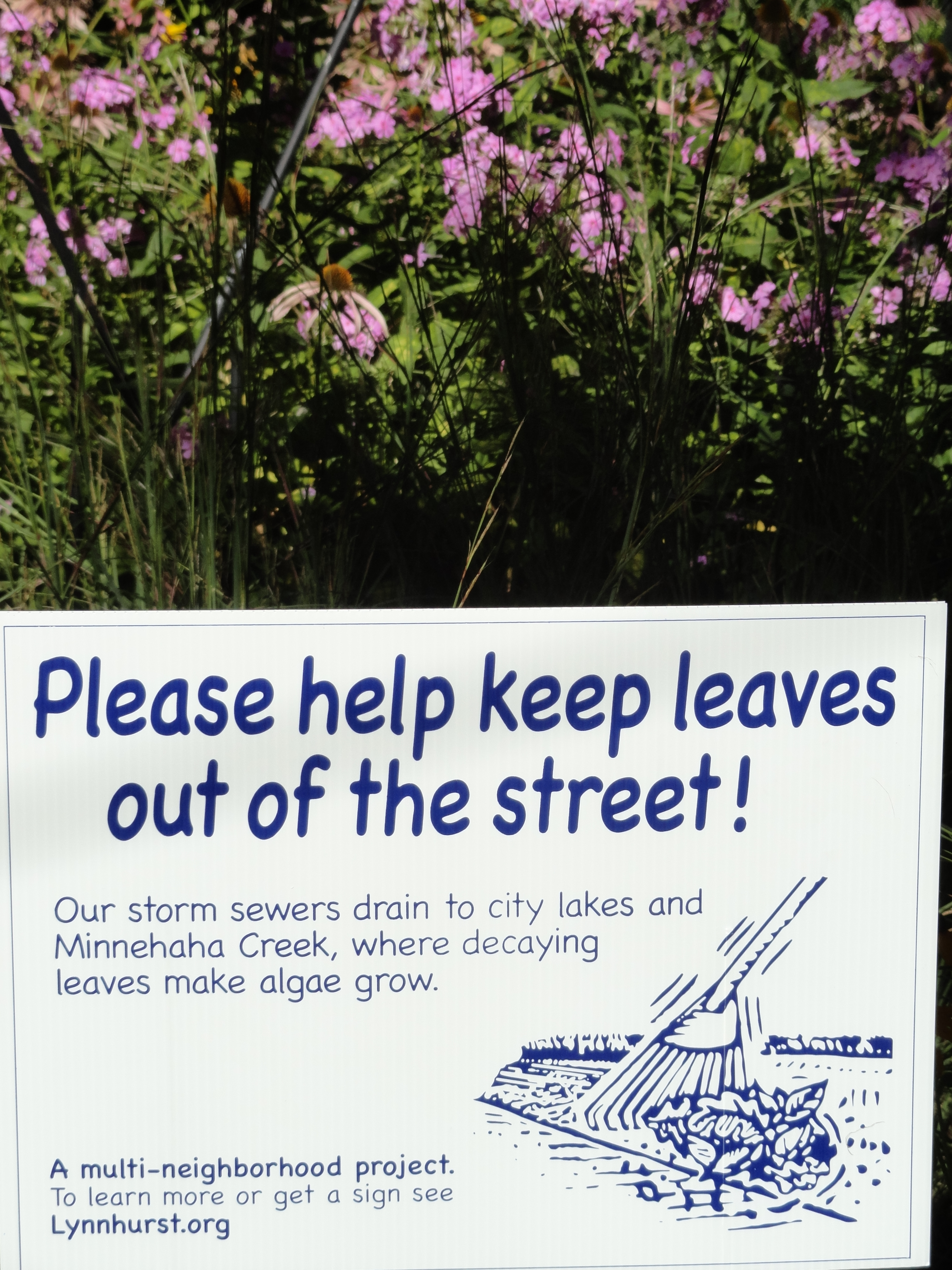
5. Keep sidewalks, driveways and streets free of leaves and debris.
6. Let your turf-lawn grow longer (3 inches)
7. Install a rain barrel to capture rain, and use this for watering plants.
Definition of precycle: Tomakepurchasingdecisionsthatwillreducetheneedtorecycleor throw into the landfill trash. You precycle so there is less trash to throw away.
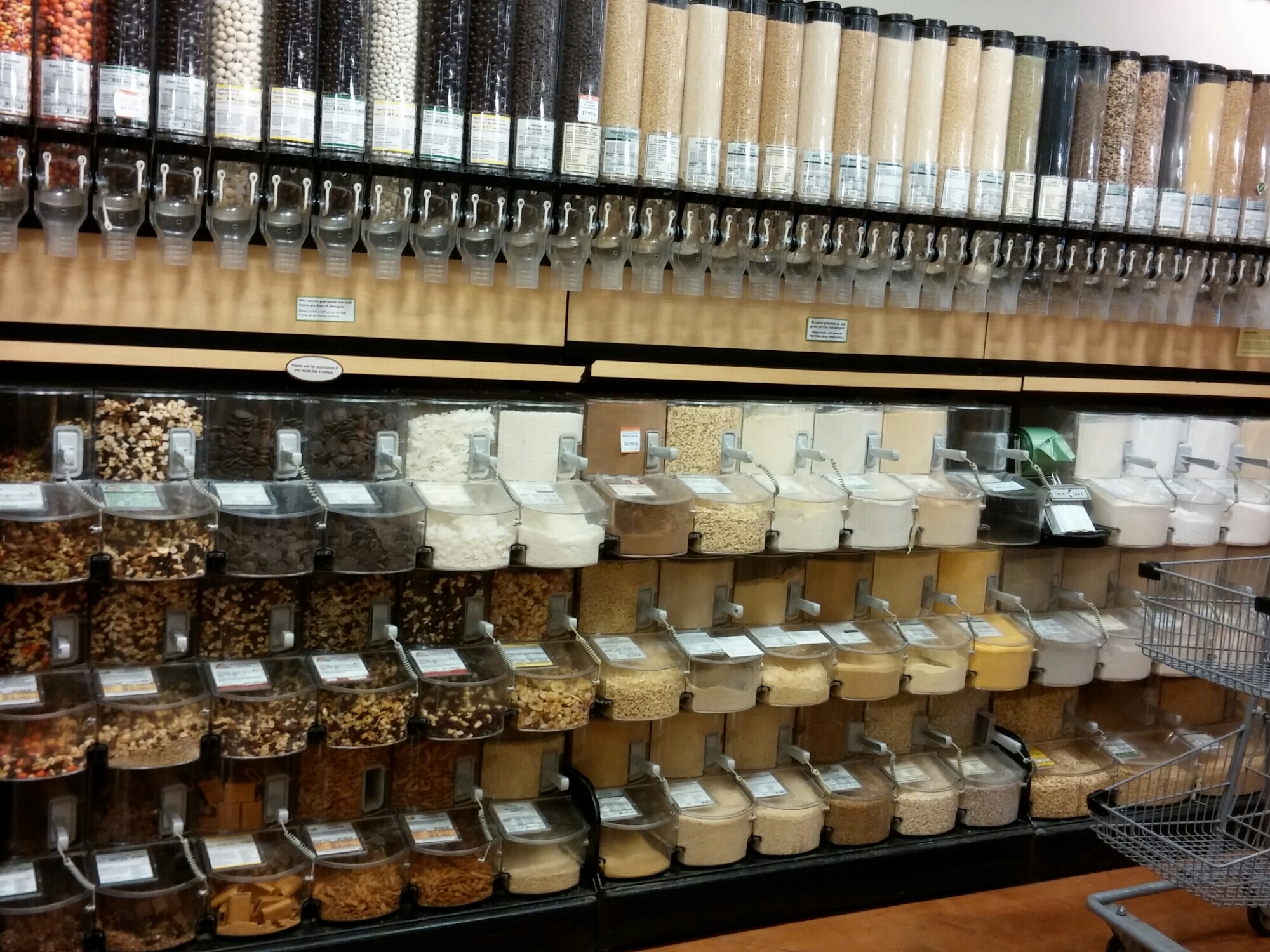
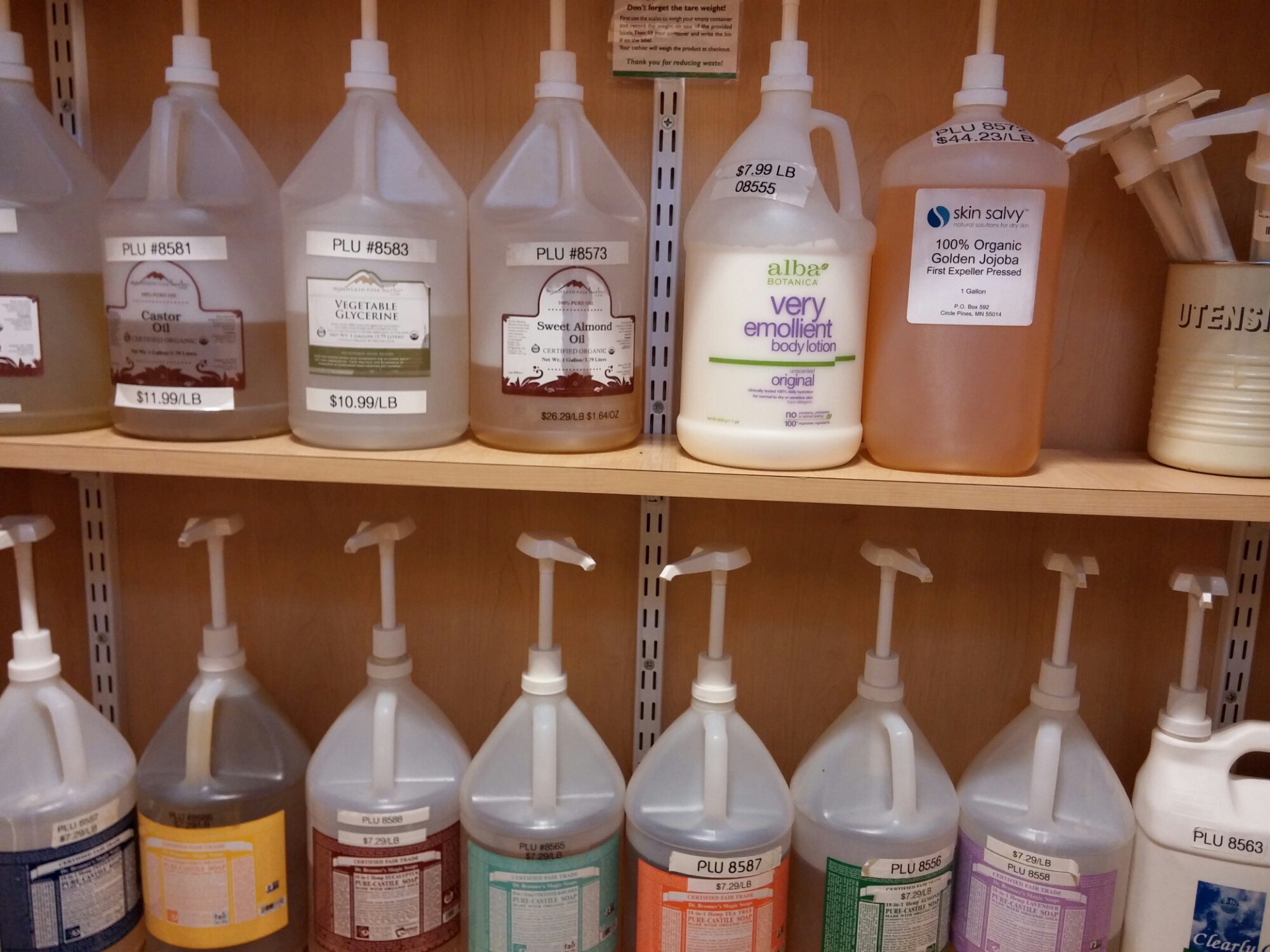
Today I was at my local coop refilling my containers, reusing my produce bags, and reusing egg cartons for bulk eggs. #BuyBulk
My 5 ideas for precycling are first, and then five from David Suzuki’s Queen of Green
First, always bring your reusable bags.
Shop with your reusable bags
Second, choose products that use minimal packaging.
Third, carry your own reuseable water bottle, choose glass over plastic, and reuse glass containers and jars
Fourth, Bulk purchases allow you to purchase the amount you need. I fill my reusable containers with nuts, spices, oatmeal, tea, grains, beans, eggs, and soaps. Whole Foods and coops have recyclable/compostable brown paper bags for bulk items. Placing your bulk items in a “one use” plastic bag negates the environmental advantage of bulk purchases.
Fifth, use washable reusable cloth bags for produce purchases. Avoid products on Styrofoam trays wrapped in plastic film. If you purchase meat or fish, ask for a compostable wrapping.
Some co-ops have fabulous selections of soaps and lotions to refill your bottles
Below are ideas from David Suzuki’s Queen of Green and what prompted me to do this post. She has great ideas below to reduce our waste:
Five tips to recycle less http://www.davidsuzuki.org/blogs/queen-of-green/2015/03/five-ways-to-recycle-less/
Tip one: Shop smarter. Beware of excess packaging from all consumer goods — food, personal care products and electronics, even organic, local, non-toxic and GMO-free stuff.
Tip two: Never recycle another glass jar!
Tip three: Reduce is the first “R”.
It’s time for a plastic diet! Buy fewer prepared foods, buy in bulk and pack waste-free lunches.
All water is connected. Even if fracking and the California drought seem far away from us, both have an impact on all of us!
Fracking, a process that uses large amounts of water, uses 700 chemicals in its process,, and causes earthquakes. This just can’t be good for us, for wildlife, or our earth. This should cause all of us to question the amount of gasoline and energy we consume. Watch this short video of a farmer making a very good point about fracking:
Watch Viral Video: Nebraska Man Asks Oil and Gas Commission One Simple Question: ‘Would You Drink It?’
Each day, the oil and gas industry uses more than 2 million gallons of water on average in California on dangerous extraction techniques such as fracking, acidizing, and cyclic steam injection. At a time when California is facing the worst drought on record, when farmers and cities are both struggling to find ways to conserve water, the oil and gas industry continues to use, contaminate, and dispose of staggering amounts of precious water resources each day.
Second, California is in a crucial drought stage and new procedures have just been announced by Governor Brown. Because we are so connected to California agriculture this affects everyone, no matter where we live.
This trash could end up in our lakes and oceans breaking into little pieces that last many years.
#TalkingTrashTuesday
The snow has melted, the sun is shining, it is time to pick up litter from the winter. Carry a bag with you to pick up trash. It makes our world look SO much better, and it keeps trash from washing into our lakes, streams and oceans.
Pick up One Piece of Trash a Day https://www.facebook.com/pages/Pick-up-One-Piece-of-Trash-a-Day/267910856667805?fref=nf
The first two months of 2015 were the hottest on record globally. One place was a cold peninsula??
We are one day passed global earth hour sponsored by the World Wildlife Fund. Even if you could not participate, I hope you will think of ways to reduce the electricity you use. Working together to cut our use of fossil fuels(Most of our electricity comes from coal) can make a difference!
Like it or not the paradigm is changing. Some news from the week:
Take The Pledge to Use Less Plastic Every Day http://actnow.surfrider.org/app/sign-petition?0&engagementId=58936
Change Begins Onshore
Plastic lasts forever… our oceans are turning into plastic soup.
It doesn’t biodegrade and no naturally occurring organisms can break it down. Plastic photodegrades, which means that sunlight breaks it down into smaller and smaller pieces. Those small pieces drift in the ocean and are mistaken for food by fish and birds.
It is undisputable that plastic pollution is killing marine life through ingestion and entanglement in plastic marine litter.
Up to 80% of the plastic in our oceans comes from the land – us. Single-use is ocean abuse. So, make a pledge today to make these simple 5 changes, which will have a huge impact on our oceans health:
1) Use cloth shopping bags. For each reusable bag you use, it’s estimated that another 400 plastic bags will be kept from being used. 2) Forget bottled water and carry a reusable canteen. Every reusable water bottle will keep another 167 plastic bottles from entering the environment. 3) Bring a reusable mug when you go to your local coffee shop. 4) Skip the straw, which are one of the top 10 items found on beaches. 5) And, of course, Recycle!
TAKE THE PLEDGE: COMMIT to Rising Above Plastics! http://actnow.surfrider.org/app/sign-petition?0&engagementId=58936
Avoid plastic, fill your glass or metal bottles with water or other liquid
Talking Trash Tuesday
Please take a reusable bottle with you today, and say “No” to plastic!
Today I start my new series on trash that should be recycled! In 2015 there is no excuse that recyclables fill our landfill trash cans. I am guilting everyone into recycling more. Because this is World Water Week, I am worried about the plastic that fills our water bodies. Plastic makes up 80% of the trash found in the ocean. This plastic could be part of the ocean forever breaking into little tiny fragments ingested by fish and other sea life and eaten by us??







 Health4earth