Hummingbirds and bees love this garden on Lake Superior
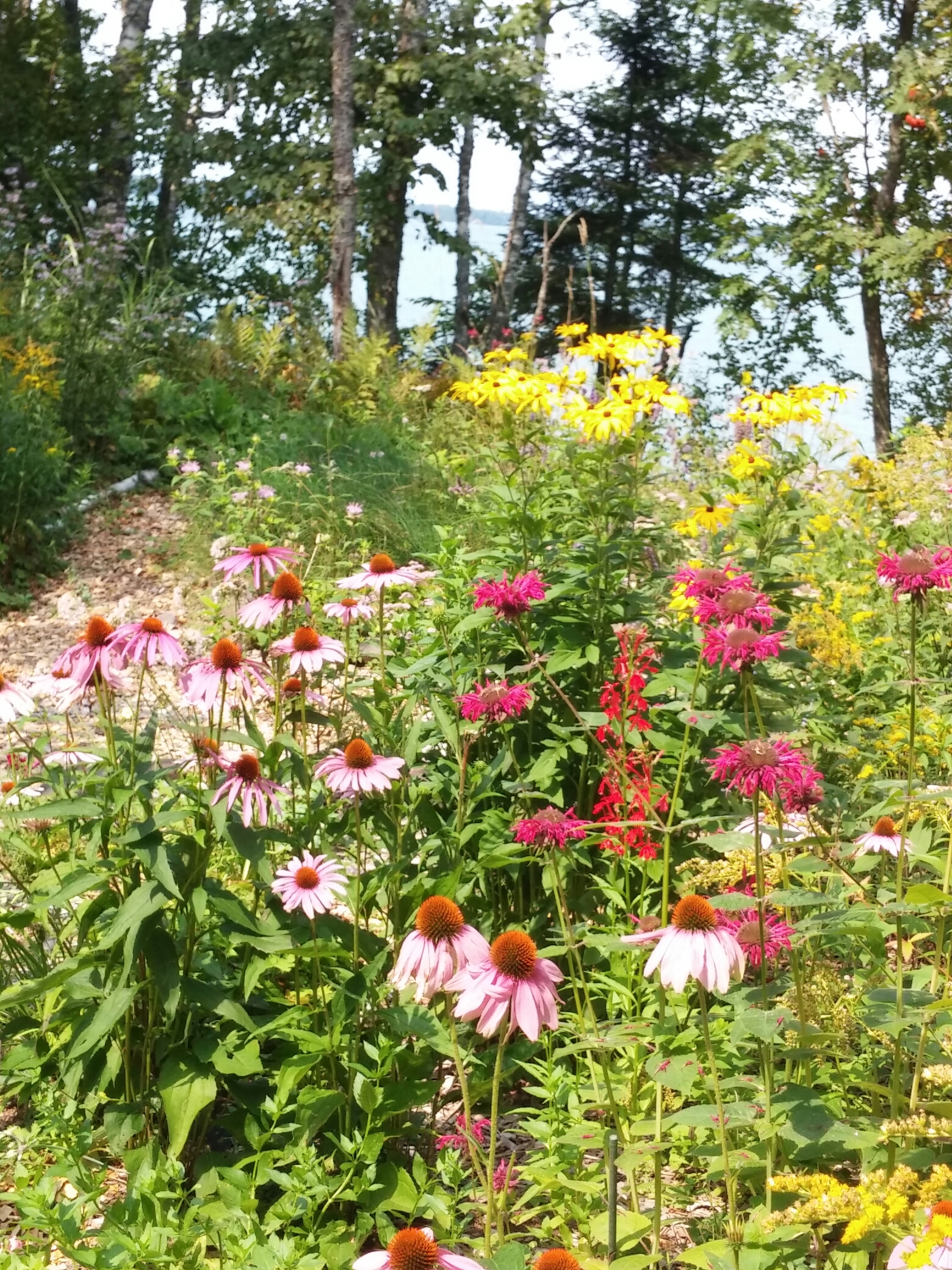
Bee balm, hyssop, golden rod, wide leaf aster, cardinal-flower and purple cone flower bring joy!
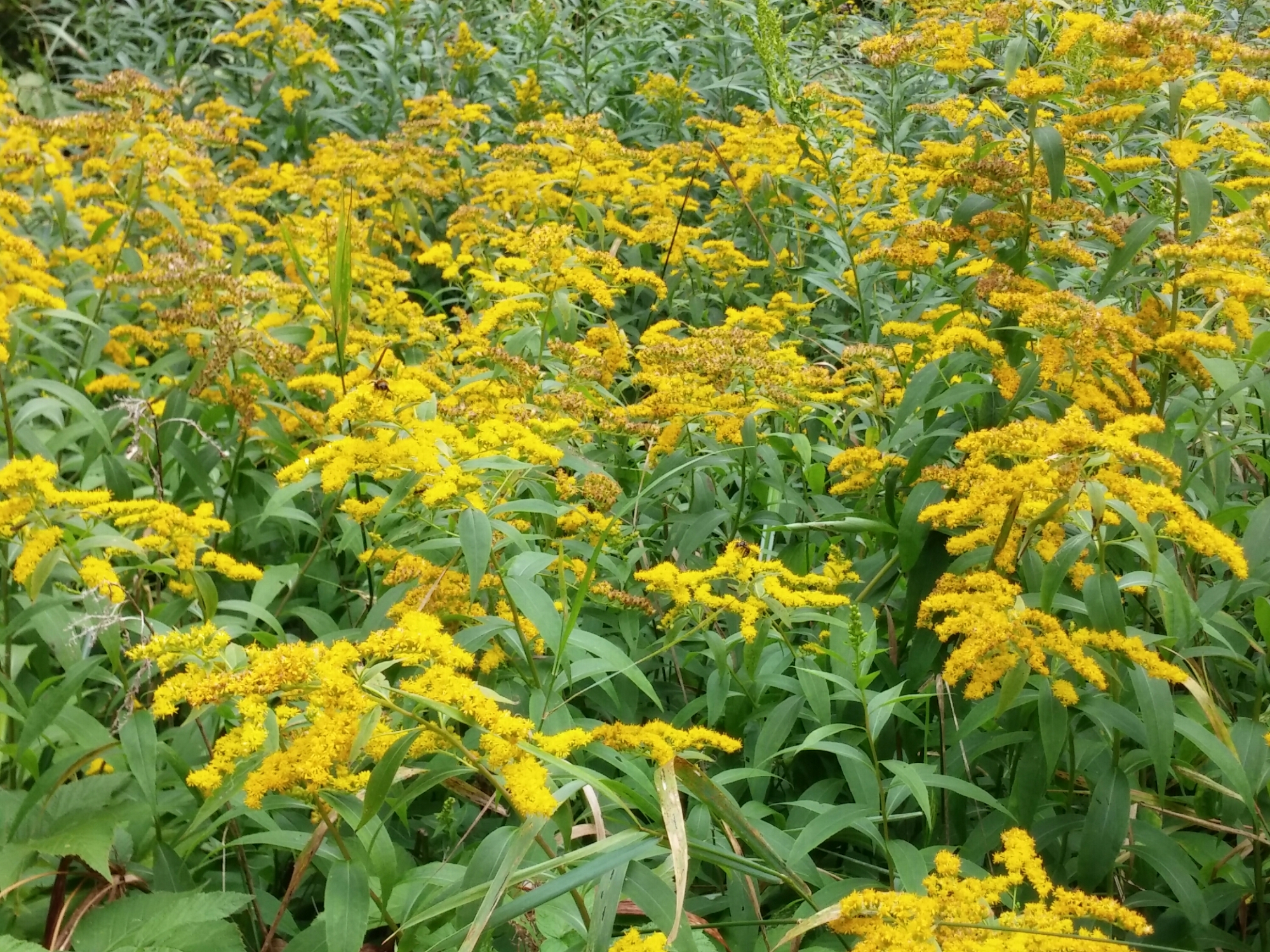
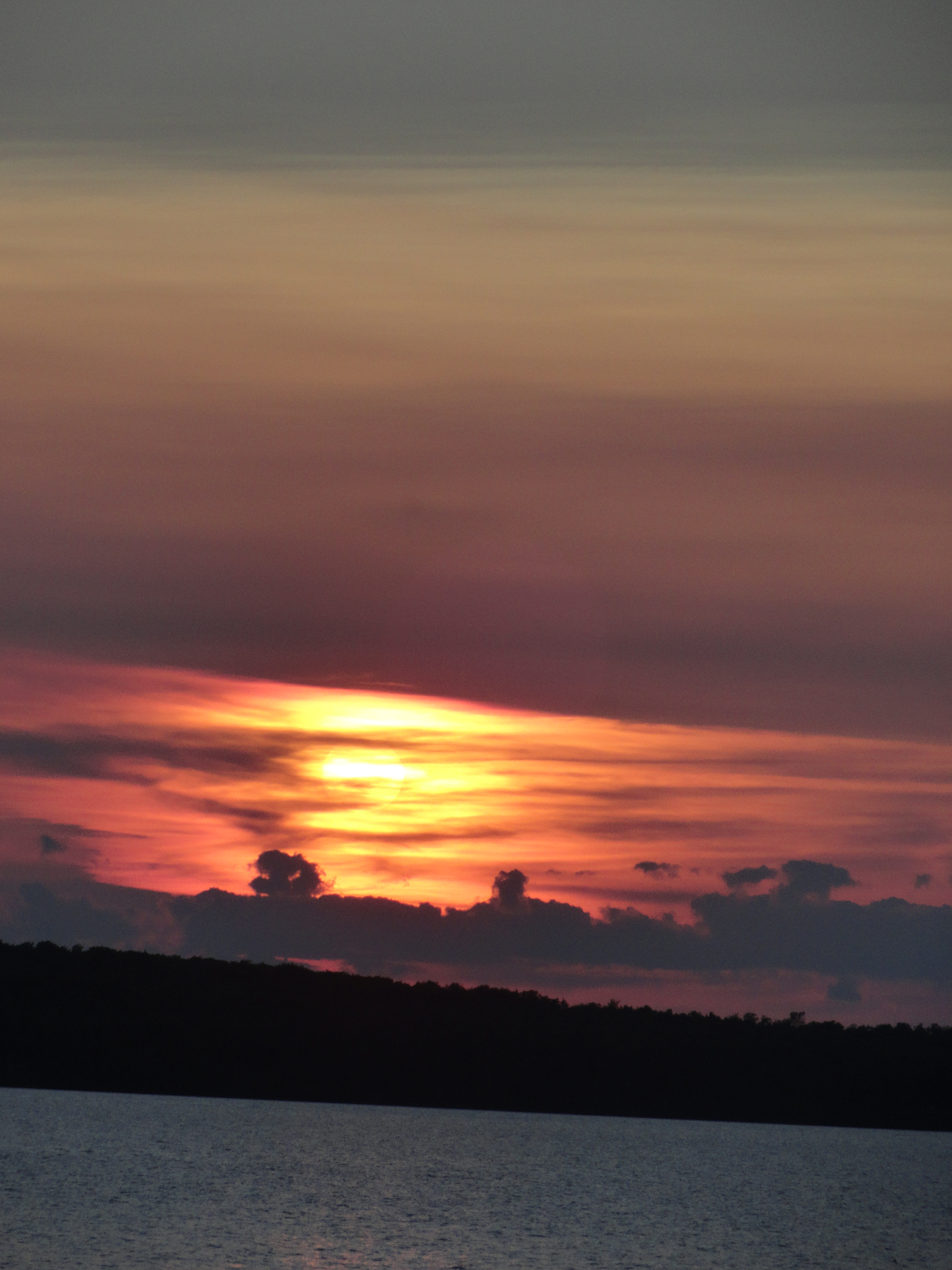
Bees love golden rod and it is everywhere.The sun sets on August
Eagles screech and talk to me as I work in my yard. Hummingbirds are everywhere, and some of the migrating birds crossing the lake are the Nashville Warbler, thrushes, and white throated sparrow.
The weather is fabulous, and the lake breeze is blowing away the biting insects!!
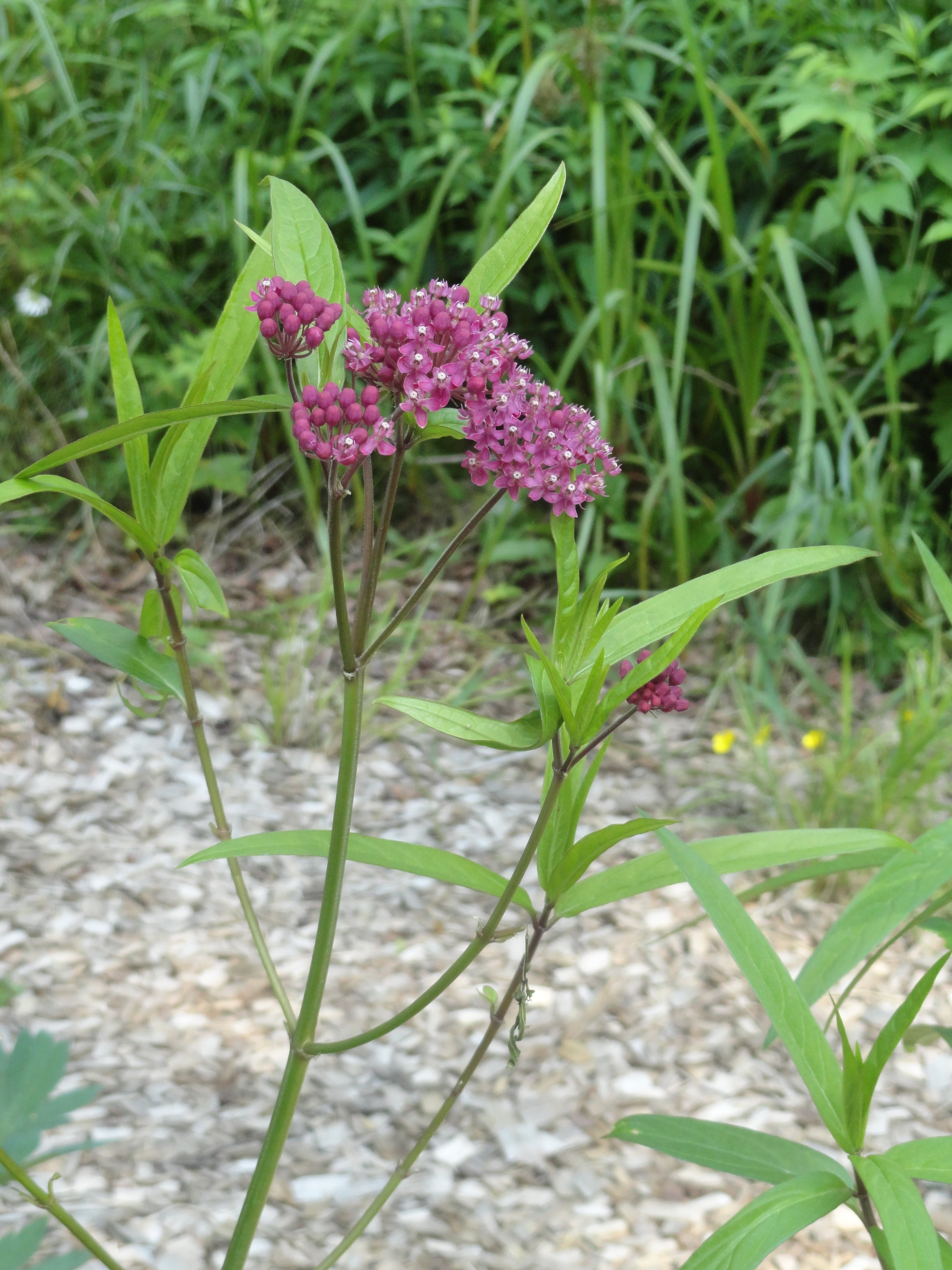
Swamp Milkweed
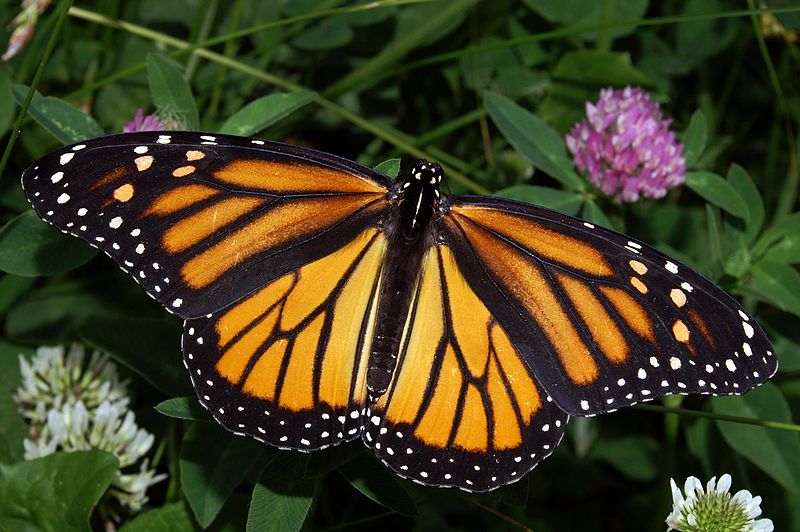
The swamp milkweed is covered with tiny monarch caterpillars, and we have several Rose-breasted grosbeaks visiting our yard daily.
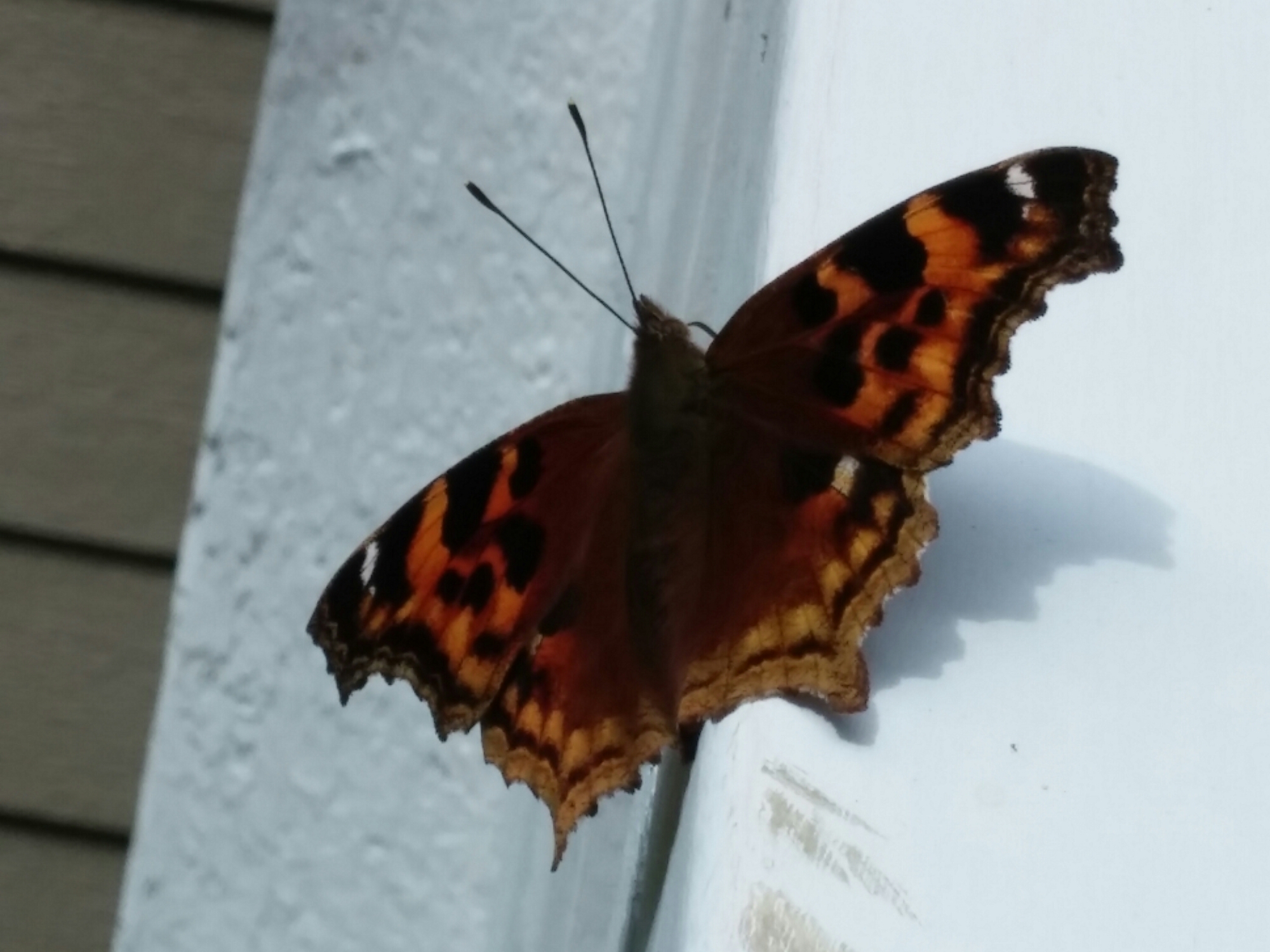
We learned a new butterfly, the Comptons tortiseshell.
Swallowtail butterfly
A surprising thing happened. Sadly, it probably happens often. A Swallowtail butterfly was going back and forth, and back and forth. I watched for about 10 minutes, and wondered if it was some kind of butterfly ritual? Luckily, the sunlight picked up a faint spider silk. This beautiful butterfly was trying to free itself from a spider web. With a little help from me, the Swallowtail was free, and a spider had lost his dinner.
Photo: OLYMPUS DIGITAL CAMERA
North country Ruby-throated hummingbirds and other birds bring joy!
Wow, who doesn’t love June? The weather is perfect, and everyday brings new budding/blooming flowers, birds and butterflies. The red-eyed vireo, song sparrow, and least fly-catcher sing constantly in our yard. Painted lady, northern-crescent, and tiger swallowtail butterflies add to the beauty of the days.
Northern-crescent in a Daisy Fleabane
The best plants are those that pollinators frequent. The bees and the hummingbirds love
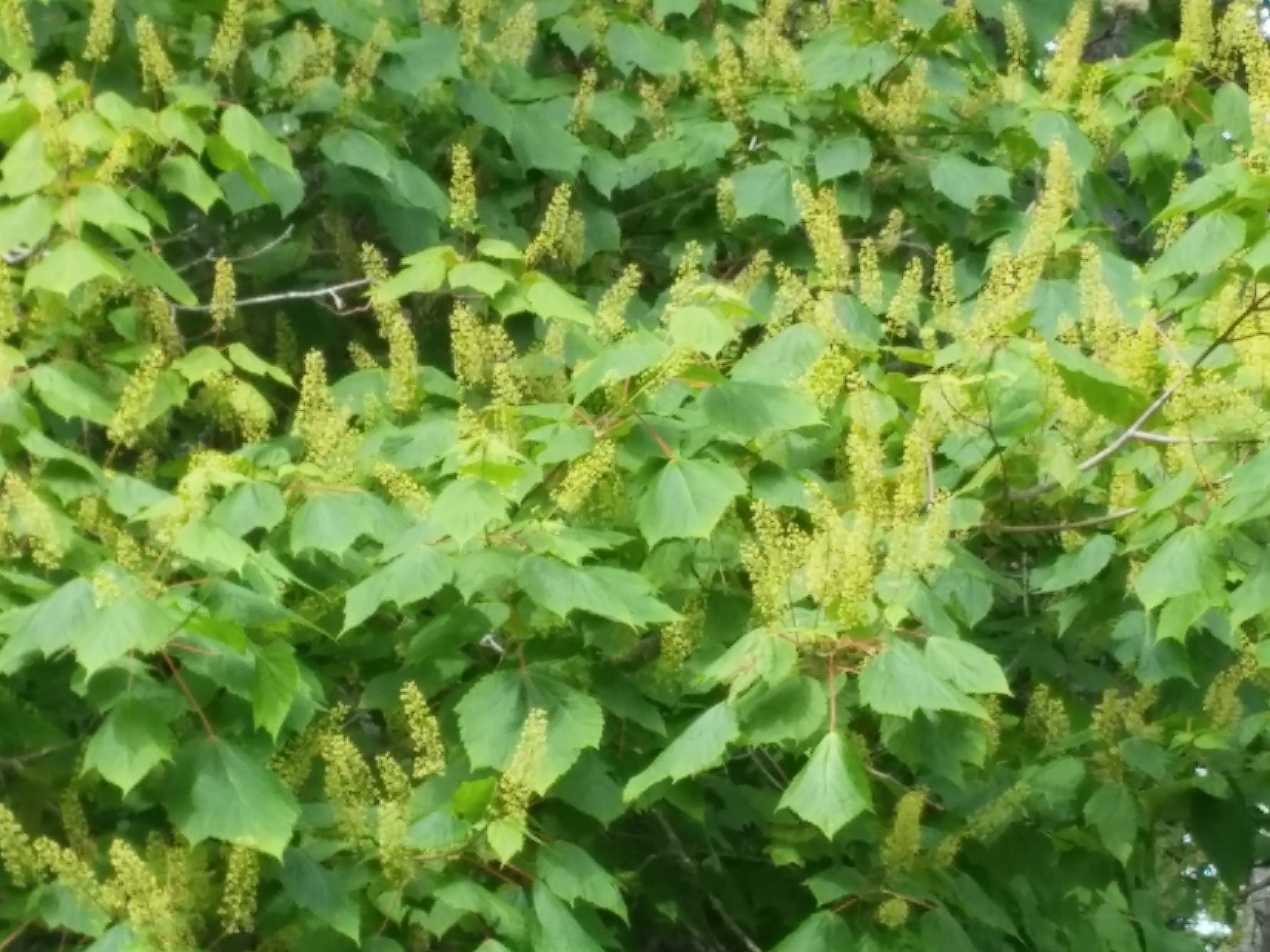
Bees buzz on the flowering candlesticks of this maple
the wild geranium, and the flowering maple is a favorite for bees and many birds.
The dominant roadside flowers are daisies, lupine, hawkweed and buttercups that create a beautiful mix designed by nature. Unfortunately, the road crew of my town cut down all these blooming beauties. So much for our butterflies and bees which are now in a struggle to survive. Mowing roadsides in late September would help pollinators and enhance enjoyment for you and me.
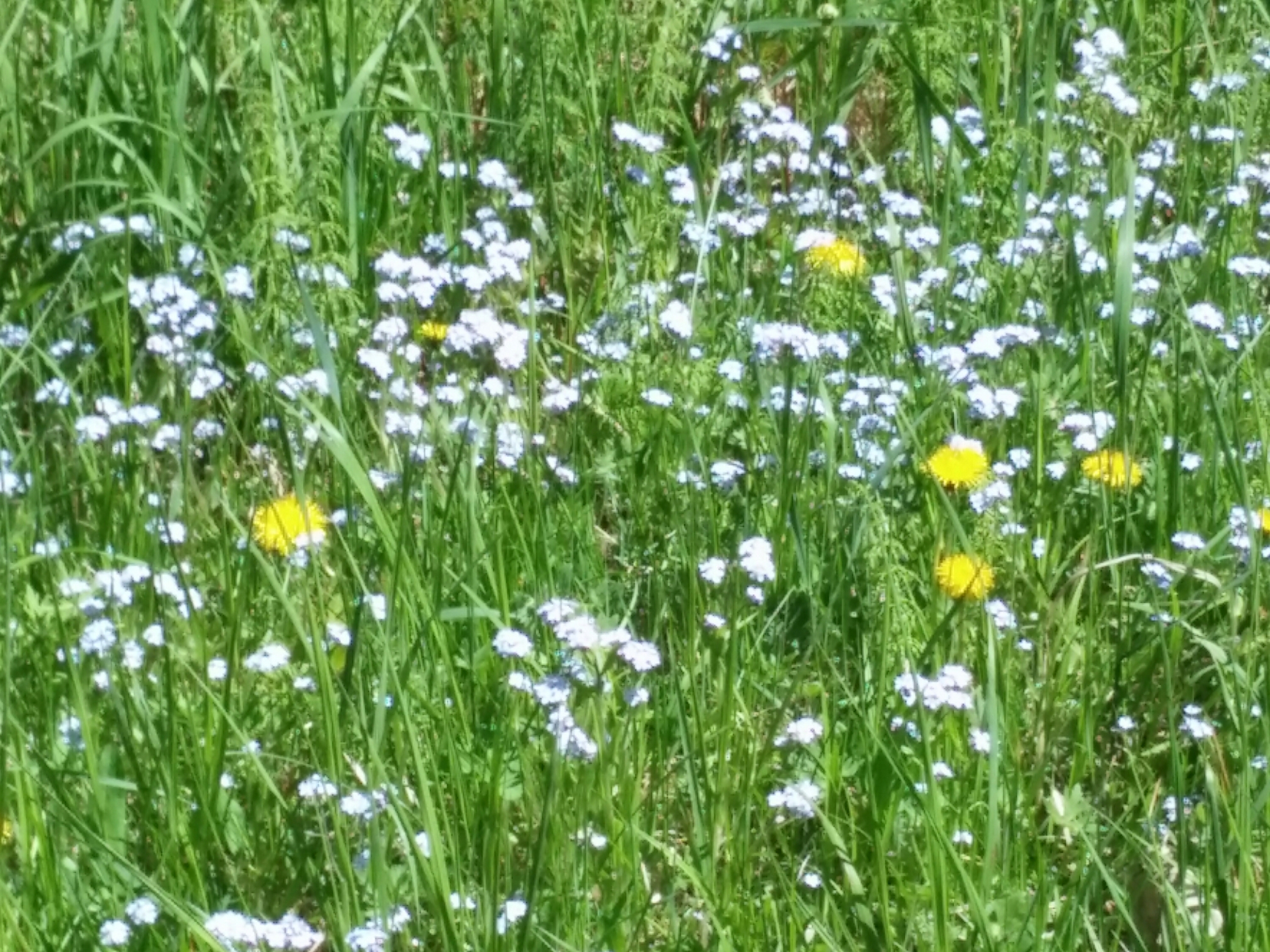
Lake Superiordandelions in the forget-me-not flowers
My hero plant is the dandelion, yes, dandelion! The dandelion attracts the monarchs, painted lady, red admiral, tiger swallow-tail and many other butterflies. I am trying to create habitat for the many butterflies that inhabit the north country. Swamp milkweed, pearly everlasting and pussy toes are my newest plants for butterfly habitat. The road where we walk,covered with dandelions, is where the painted lady, dusty wings, and sulfurs hang out, and I had monarch and tiger swallow-tail butterfly sightings this week!
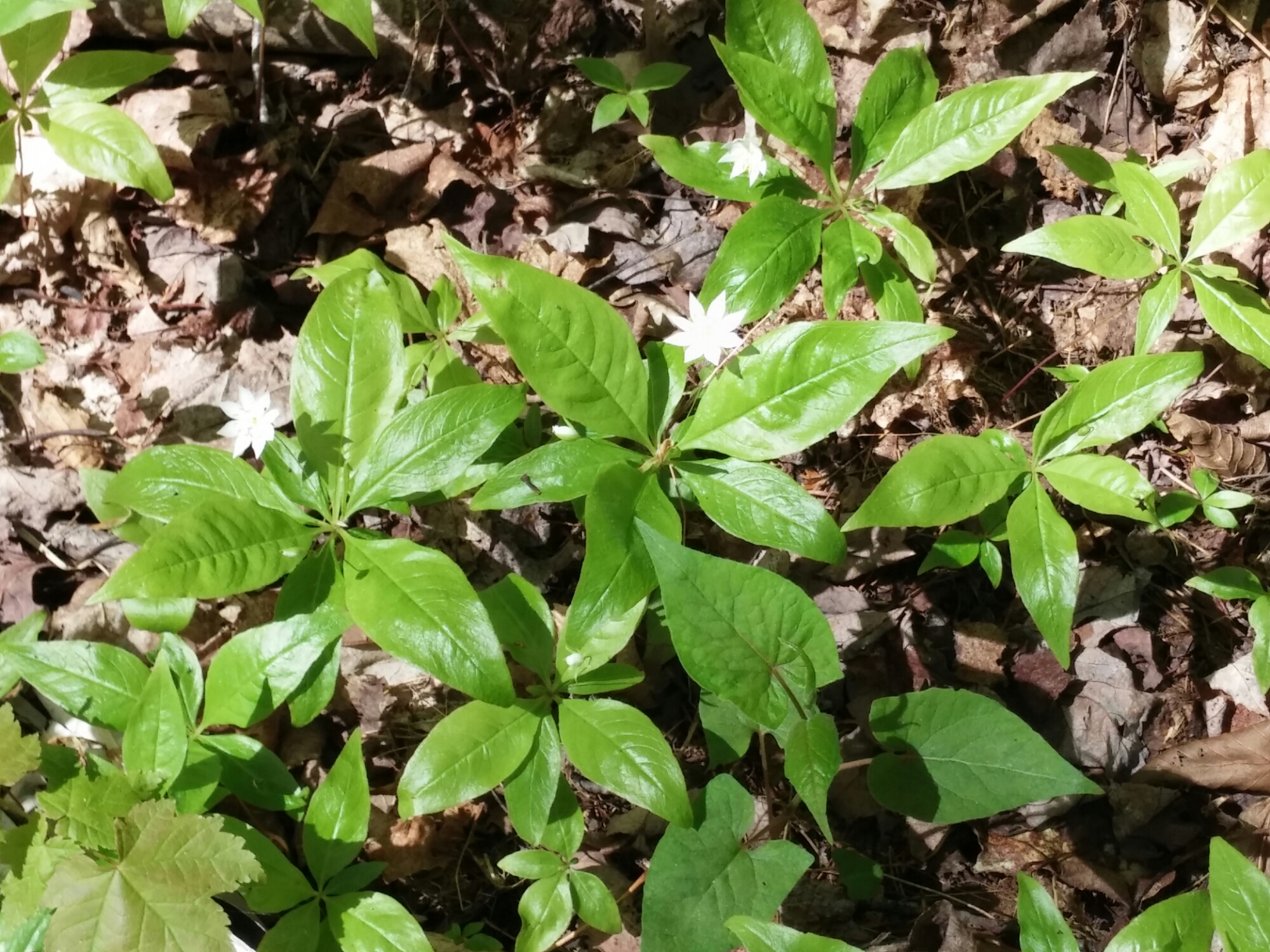
Star flowerWhite-throated sparrow
Robins are raising babies just outside my door, and the forest is joyful with the sounds of the white-throated sparrow, chestnut sided warbler, red starts, robins, song sparrows, pewee, buzz of the parula and many warblers songs we are still trying to identify. Most days the air is cool, and the wind off the big lake regulates the temperatures and weather.
Bright gold colors radiate everywhere.The aspen, birch and maple trees are stunning.
Migrating yellow rump warblers climb over our house looking for bugs, white-throated sparrows dig in the falling leaves. Groups of cedar wax-wing and robins take a rest from their migration to look for food.
Our presence surprises the fox and coyotes. It is unusual to never see deer.
A few bee balm, asters, and hyssop are still blooming, but the colorful trees absorb the eyes attention. The beautiful days are sunny and cool and you wish for them to last forever.
August is the best month of the year on Lake Superior. The weather is perfect, and there is so much to enjoy. The dog days of summer don’t happen here, and it is perfect to be active outside.
Many baby birds are everywhere . The young chickadees, purple finch, and song sparrows are more interested in playing and having fun than their safety. A song sparrows even tries to play with a chipmunk. Grosbeaks and vireos eat berries from the elderberry bushes that are a month late to bloom. Screeching juvenile eagles sit in the white pine overlooking Lake Superior, but the day’s excitement settles down when a fox walks through to check out the days activity.
Temperatures are 70 degree perfect, but the sun is murky and the lake hazy from wild fires in Canada,
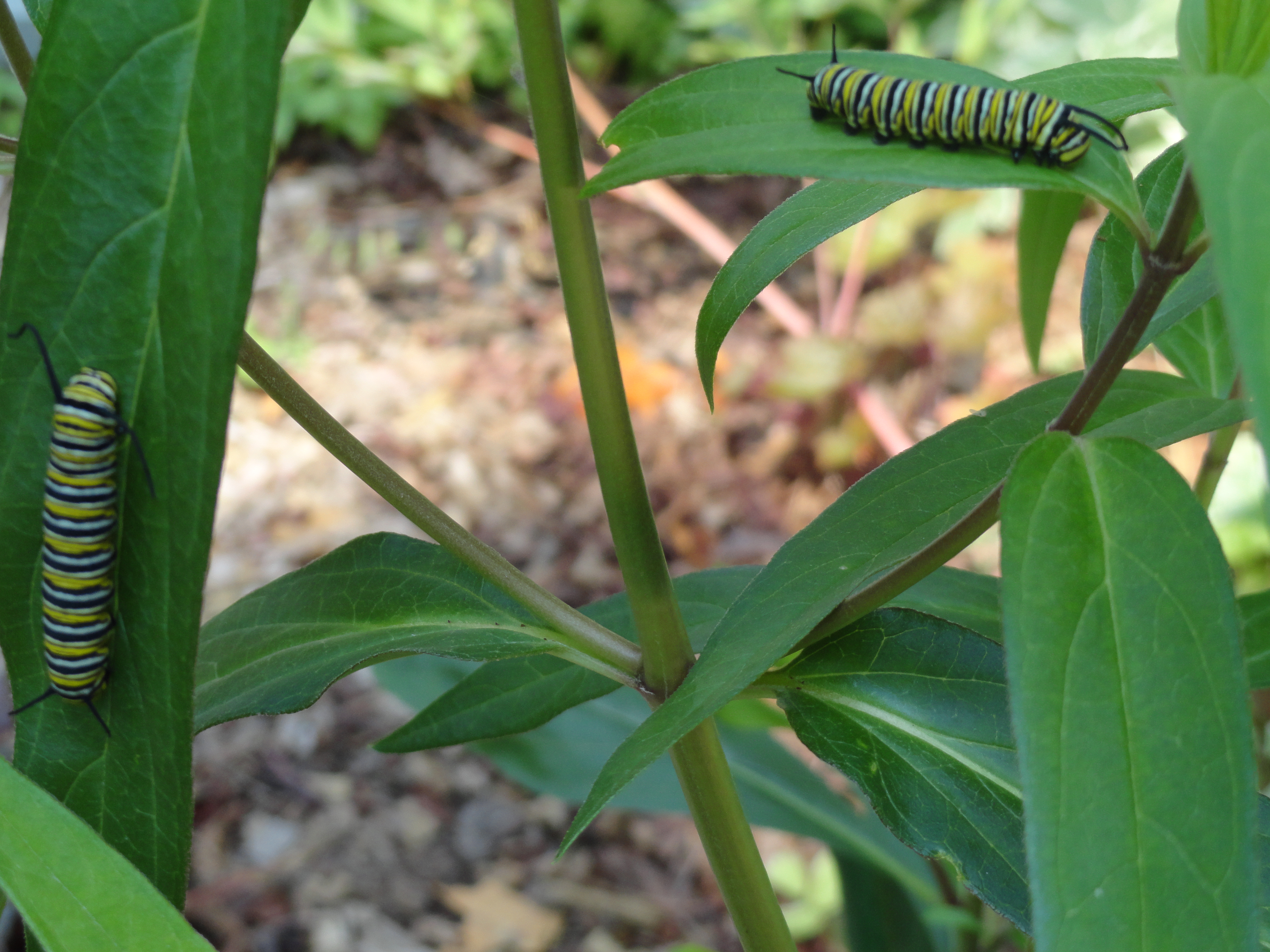
Many pollinator plants are trying to bloom because of the still cold lake, and the bee and butterfly numbers are low as they wait for their favorites to blossom! The very best has been the swamp milkweed with four monarch caterpillars eating their leaves.
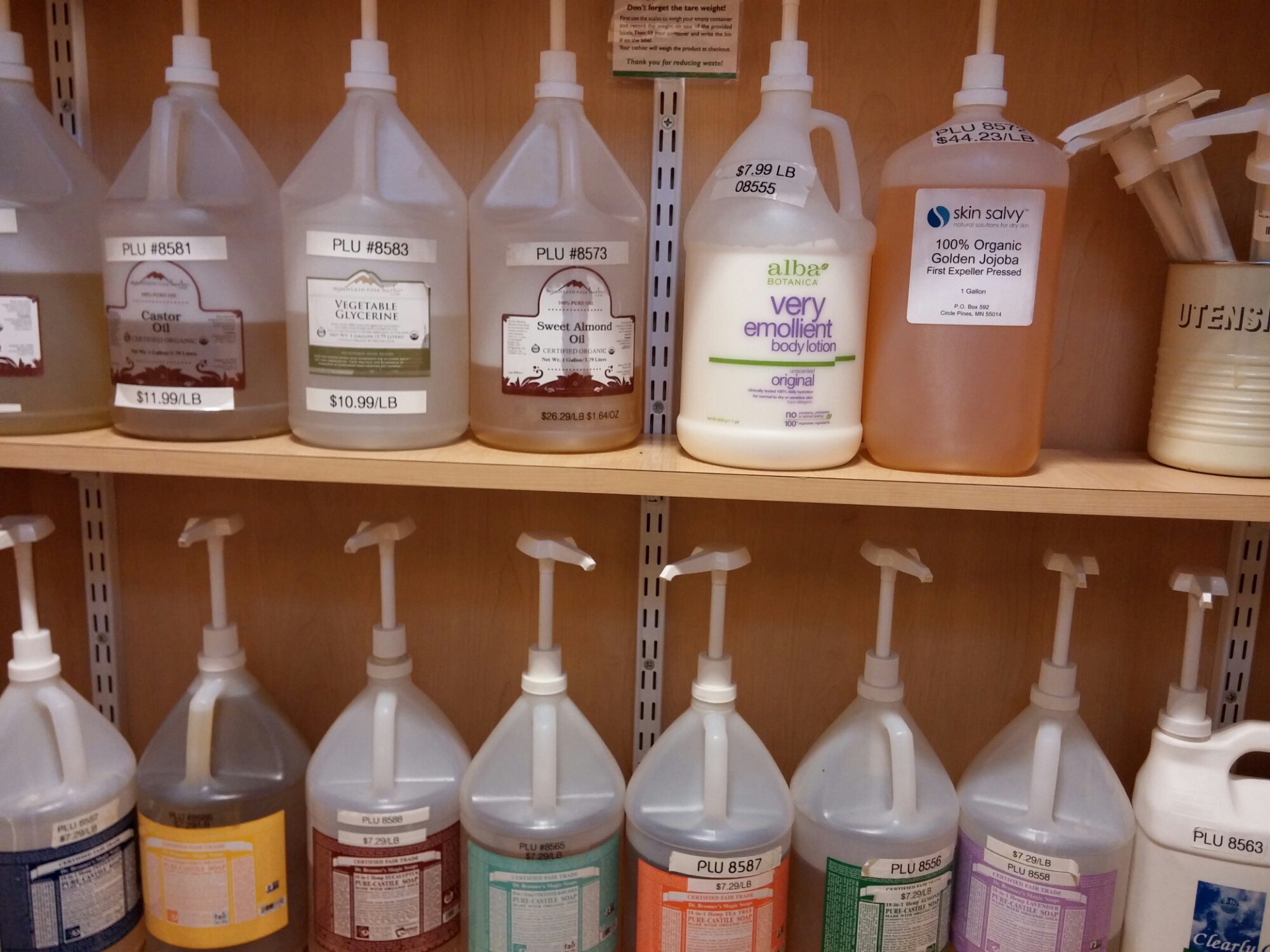
How can you reduce your use of microbeads? By purchasing products at my local food
Some co-ops have fabulous selections of soaps and lotions to refill your bottles
coop and refilling my bottles and containers, I have hoped I wasn’t adding microbeads to our waterways. Below from the Sierra Club is the best information I have seen on microbeads. Read to find out which products NOT to purchase, and how to get rid of them if you have any of the listed items!
Below is from the Sierra Club
HOW TO HANDLE MICROBEADS
BY BOB SHILDGEN
First let’s review. “Microbeads” are tiny beads of plastic less than a millimeter thick that are often added to cosmetics as exfoliants and cleansing agents. Even some toothpastes contain them. It may sound like a strange use of plastic, but cosmetic companies apparently found that microbeads were cheaper than non-synthetic alternatives. The beads themselves (also called “mermaid’s tears”) are made of polyethylene or polystyrene. They are not toxic, but can pass through filters in water treatment plants and enter the water system. There, researchers warn, they can bind to toxic substances such as DDT, polyaromatic hydrocarbons, and polychlorinated biphenyls. Creatures in the water ingest these now poisonous little pellets, endangering themselves and the food chain. Yeah, I know, it’s weird to think that by washing your face or brushing your teeth you might beget a mutant fish—or mermaid—smack in the middle of Lake Erie, but such are the risks of progress through chemistry.
So–the safest way to get rid of the stuff is to leave it in its container, tighten the lid, and send it to the landfill with your regular garbage where it’s quite unlikely to escape into the environment. But NEVER, ever, not ever, pour it down a drain or flush it down the toilet, because that’s exactly how it spreads into the watershed.
By the way, to find out if a product contains these deadly beads, check the label for “polyethylene,” “PE,” “polystyrene,” or PS. The organization, “Beat the Microbead” has a list of products known to contain the beads.
Some good news: The fight against these beady polluters is already having some success. Illinois has banned the manufacture and sale of products containing microbeads, and bans have been proposed in several other states. There is also a growing movement to ban the beads in Europe. The cosmetics industry itself is in damage-control mode as some major companies have agreed to replace the microbeads with safer materials. This is a hopeful sign, because, as we’ve noted before, the last thing we need is still more plastic in our rivers, lakes, and oceans. —Bob Schildgen
“I arise in the morning torn between a desire to improve the world and a desire to enjoy the world. This makes it hard to plan the day.” E. B. White
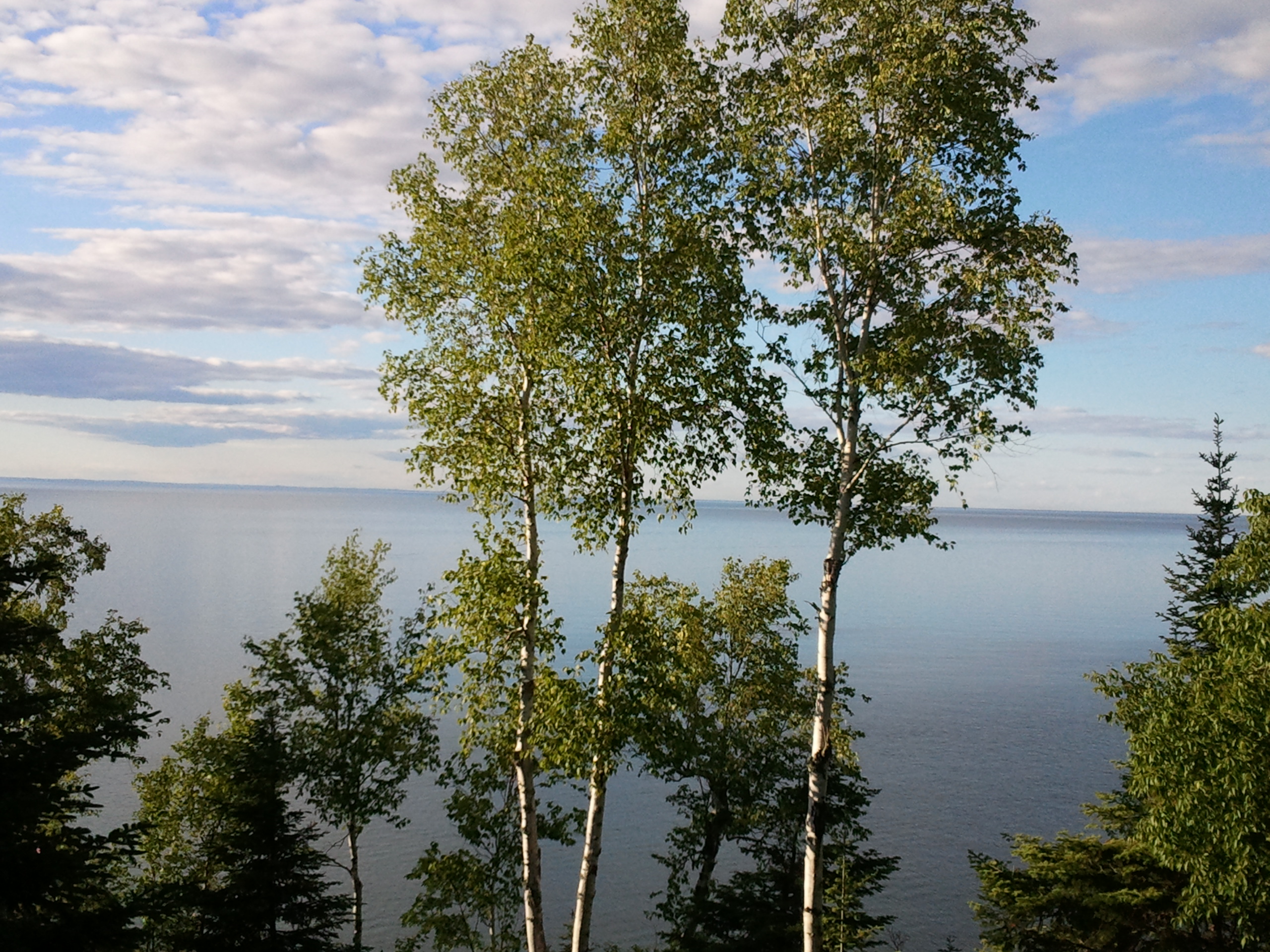
Superior Views, early July 2014
Finally, beautiful weather! Unfortunately, after rainy June, the gnats and mosquitoes take
White Admiral Butterfly on the shore of Lake Superior
fun away from the enjoyment of the magnificent sunny calm days!
Redstart warblers sing and love all the mosquitoes! Also, song sparrows, Northern parula, and red-eyed vireo sing in constantly until a fox walks down the driveway. Hummingbirds, finch and pine siskin frequent our feeders. Other birds that nest in our neighborhood are: Chestnut sided warbler, common yellow throat, white-throated sparrow, winter wren, and oven birds. They sing a symphony of joy soon to end with July nesting season.
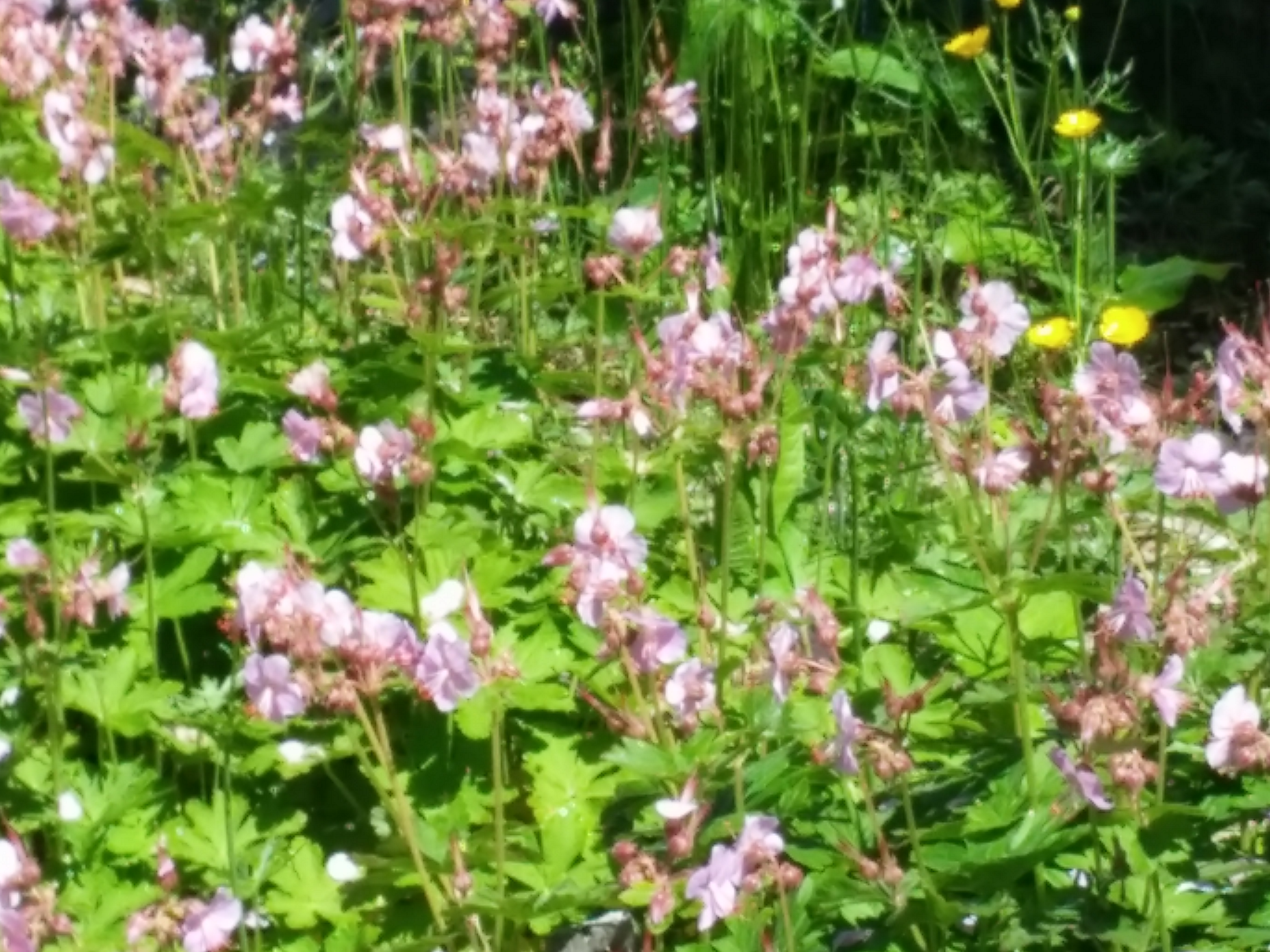
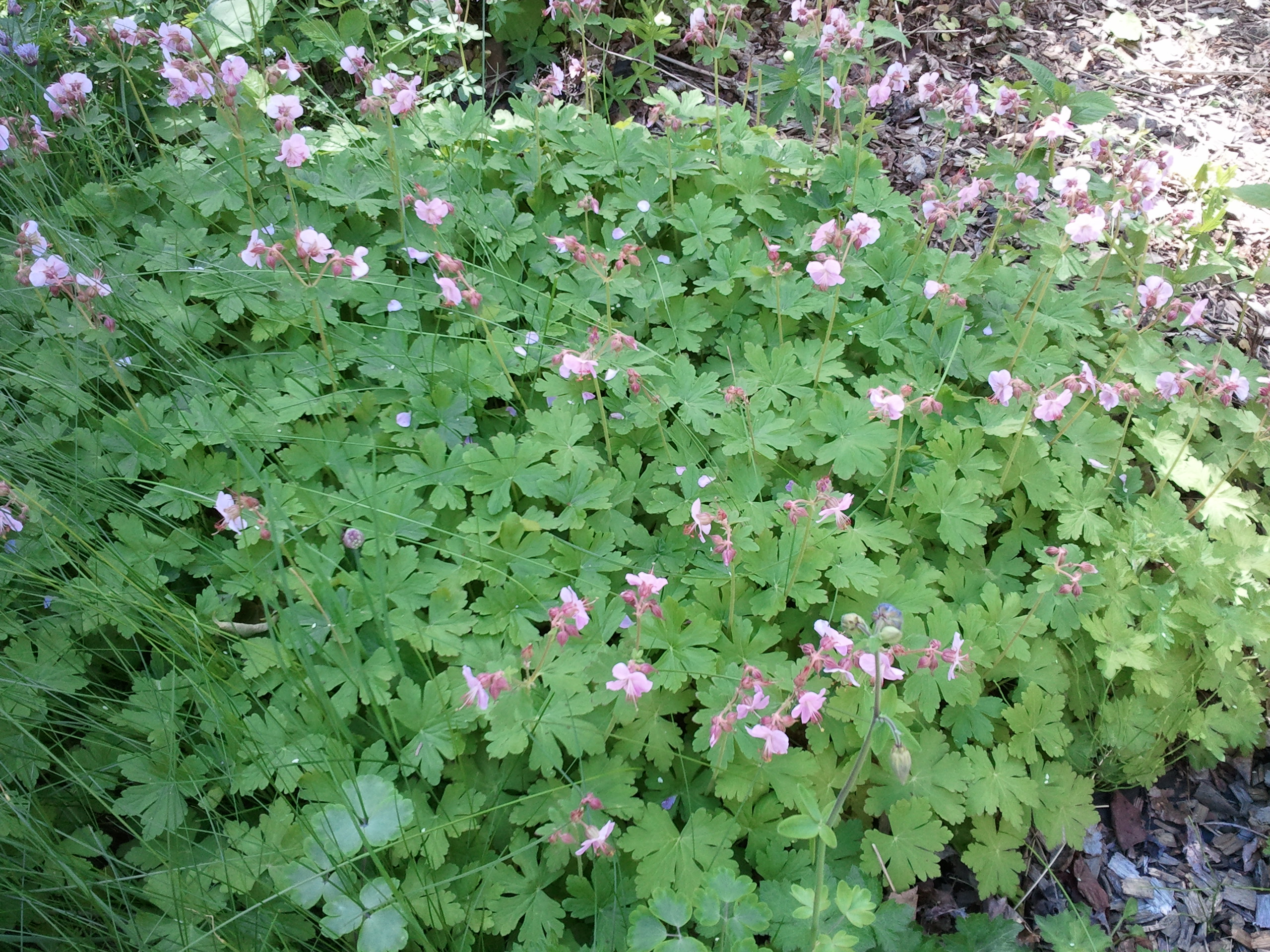
The best plant for pollinators in early July is the wild geranium.
The hummingbirds and bees love wild geraniums
The birds can be heard, but seeing them is difficult. However, the swallow-tail butterflies, a few monarchs, viceroys, painted ladies, white admirals and northern crescent add to the beauty of each day. Eggs from the painted lady butterfly sit on the pearly everlasting plants, and we watch for caterpillars.
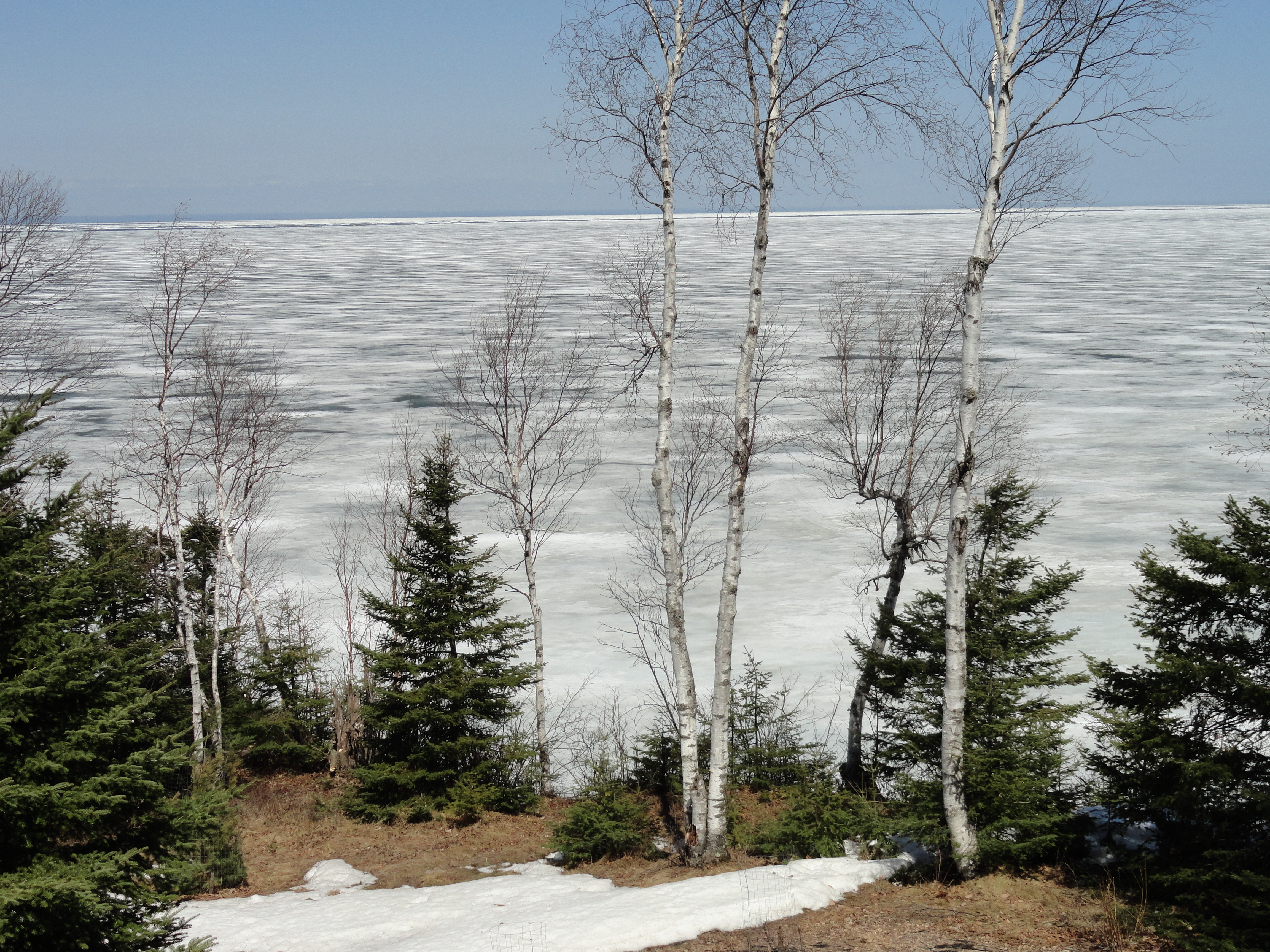
Lake Superior is still covered with thick ice, but it is very alive, and it talks and groans. Everything surrounding the lake radiates the hope of spring. The song sparrow sings his spring song as he sits overlooking and lake, and a juvenile eagle watches for ice-out from his favorite white pine post.
New migrating birds arrive daily. Some stay, but most rest up and journey across the lake. The ancient sand hill cranes,and purple finch will be nesting in the neighborhood. Busy flickers and yellow-bellied sap suckers explore new trees before they travel further, and the flitting kinglets and yellow rumps will soon be on their way north.
A hermit thrush is exhausted and rests on a tree branch.
Our fox friend is marking his territory and the wolves/coyotes howl under the clear starry nights.
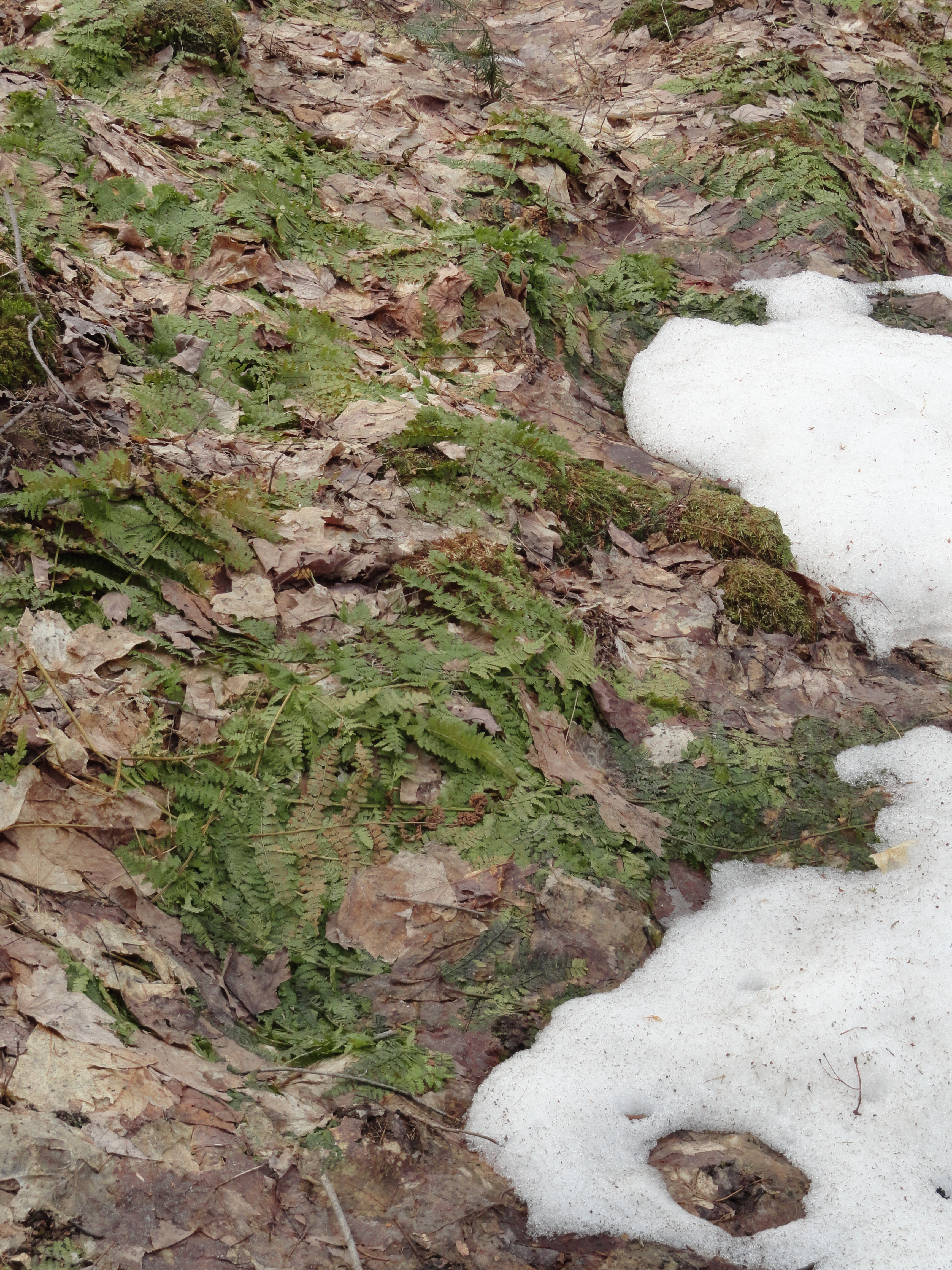
Bright green ferns are under the snow
Every day is unique and bring constant challenges to the vegetation and wildlife
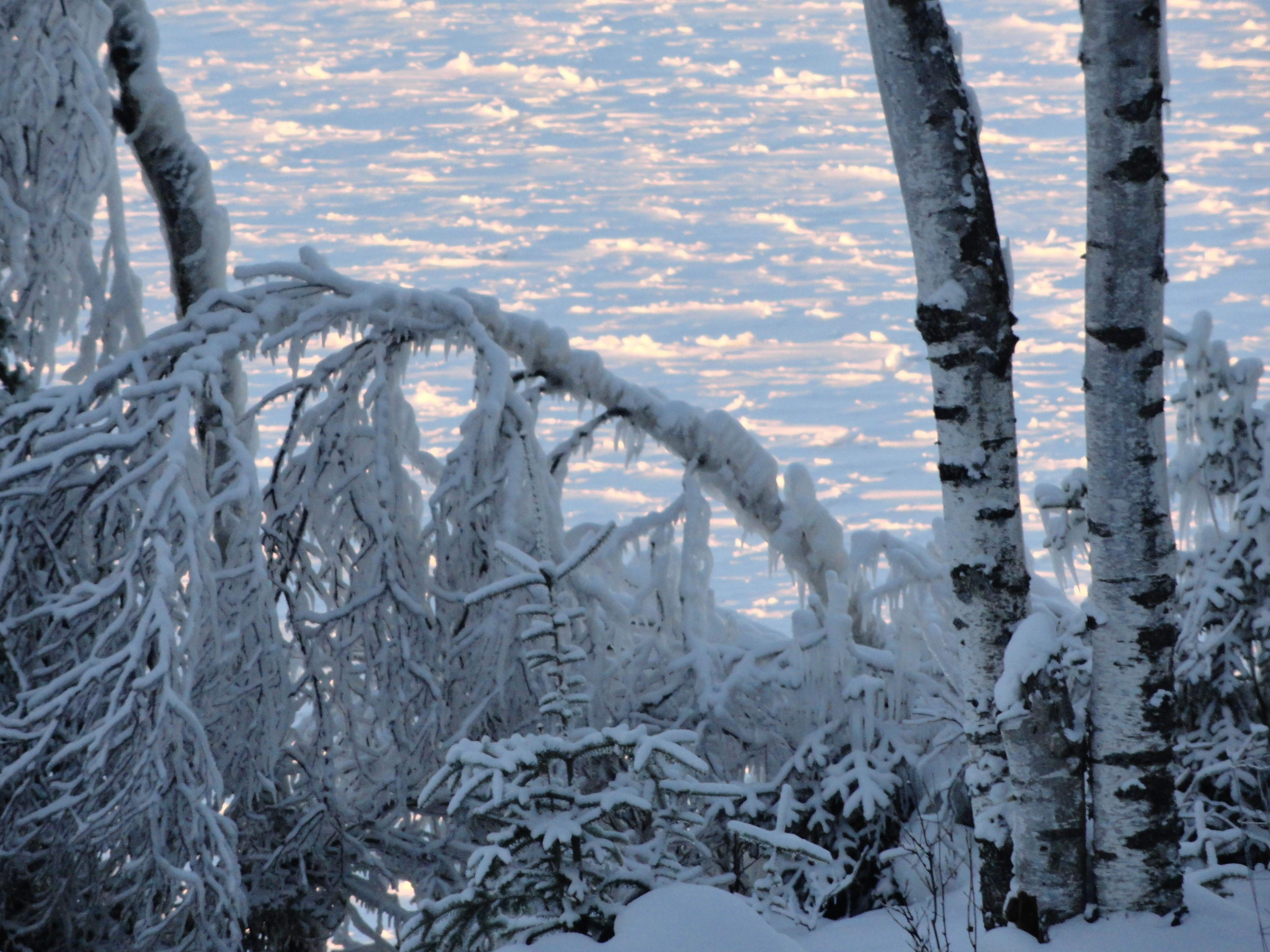
Lake Superior beyond the lake sprayed treesUnusual snow deposits, koala bears climb the tree?
Embrace the beauty
Snowshoe through snowy balsams
Into deer bedrooms
Five days of below zero cold. The magnificent beauty of winter is at it’s best and the quality of the snow for snowshoeing is perfect. Chickadees, downy and pileated woodpeckers work to find food. Deer tracks cover the woods. The bay in front of our house has frozen over, but a strong lake wind could change that in a minute. A fisherman has ventured out on the tenuous ice.
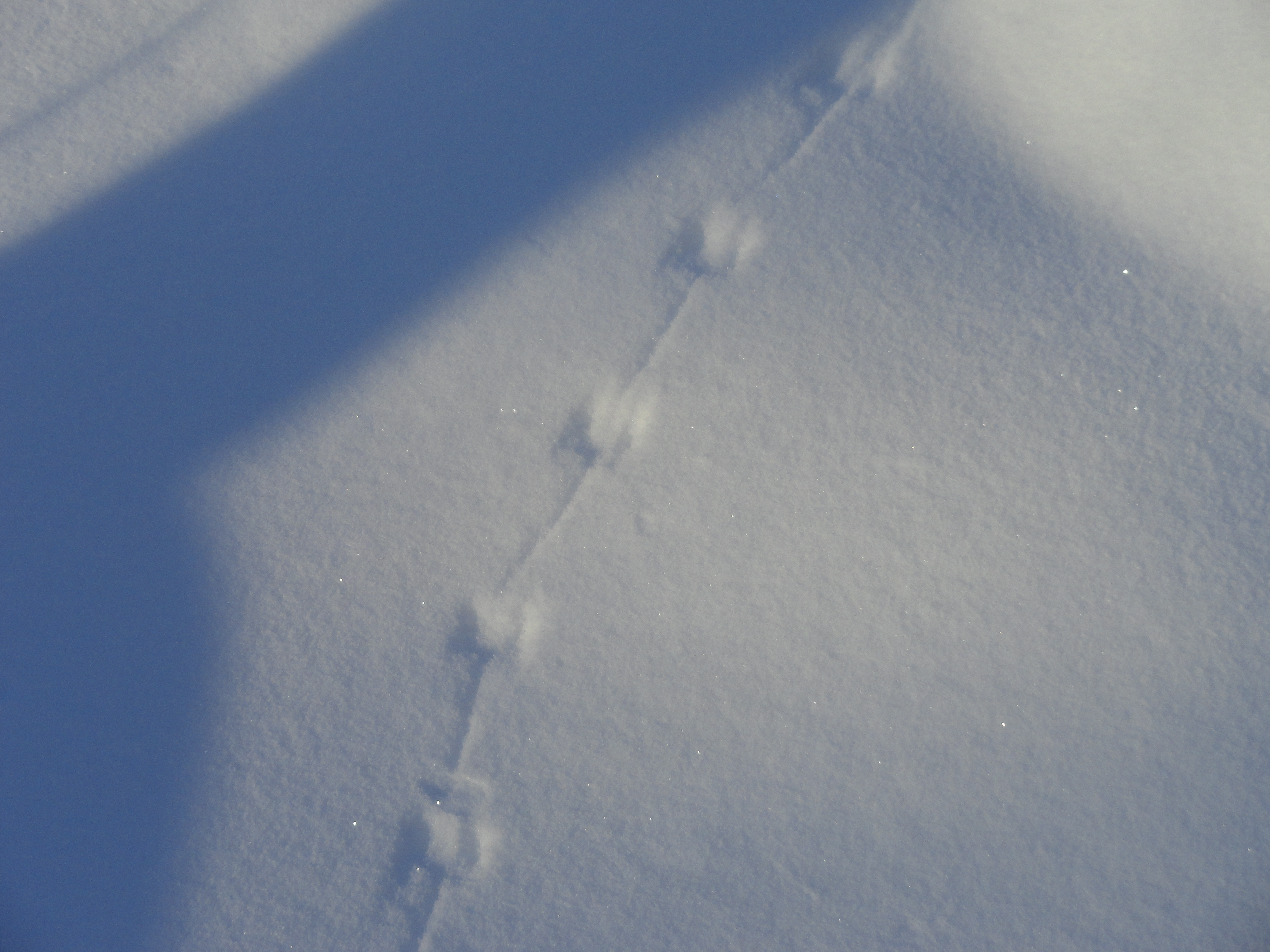
Shrew tracks
And…my 3 year old buck friend has survived another hunting season!












 Health4earth