Minneapolis is a city of lakes. “Walking the lake” is a big deal for most of us, and the lakes are magnets for people from all over the Twin Cities metro area and state. I am impressed with this educational campaign taking place along the walking paths of the Minneapolis lakes.
Is this how lakes should look? We all need to do better.
It looks like a thirsty future for the world. The Pacific Standard Magazine has just publish a map of the world’s troubled waters and some of the politics around water. More things you can do to protect our water bodies here.
What is organics? Organics recycling includes collecting fruits, vegetables, bones,
Food Scraps Turned Into Compost
meat, breads, eggshells, non-recyclable and food-soiled paper, and more for composting. The new organics recycling program is an easy way for residents to reduce waste. The trucks haul this waste to the compost site where it is turned and heated and it turns into valuable compost to be used for gardening.
Please come to the event below to learn about Minneapolis’s new program and how to participate in this great program!
The Tangletown and Lynnhurst Neighborhood Associations are co-hosting a celebration of Minneapolis’ new organics recycling program on Saturday March 19th from 10am-1pm at the Lynnhurst Community Center (1345 W Minnehaha Parkway). Enjoy free pizza, games, children’s activities, and demonstrations. Stop by briefly or stay to catch a workshop at 10:30am or 11:45am.
Get your questions answered, sign up to be a volunteer Compost Captain, and enter to win a door prize. The first 200 attendees can also pick up free compostable bags. More info (and RSVP) at https://www.facebook.com/events/550666345107610/ Hope to see you there!
Food waste composes about 30% of our landfill waste. If left to rot in landfills it can create green house gases, and if it is burned, it pollutes the air. We can change food waste into a new healthy material for our gardens and plants. The end result of food waste is compost. No fertilizer or chemicals needed with compost!
I am thrilled my city, Minneapolis, is beginning to collect food waste for composting. You need to sign up for a cart by February 1, 2016.
Below is a great video about commercial composting:
What do you use to collect food waste?
If you have participated in commercial composting in your city, give us some tips to help us learn about it.
Add plants bees and butterflies love to your yard!
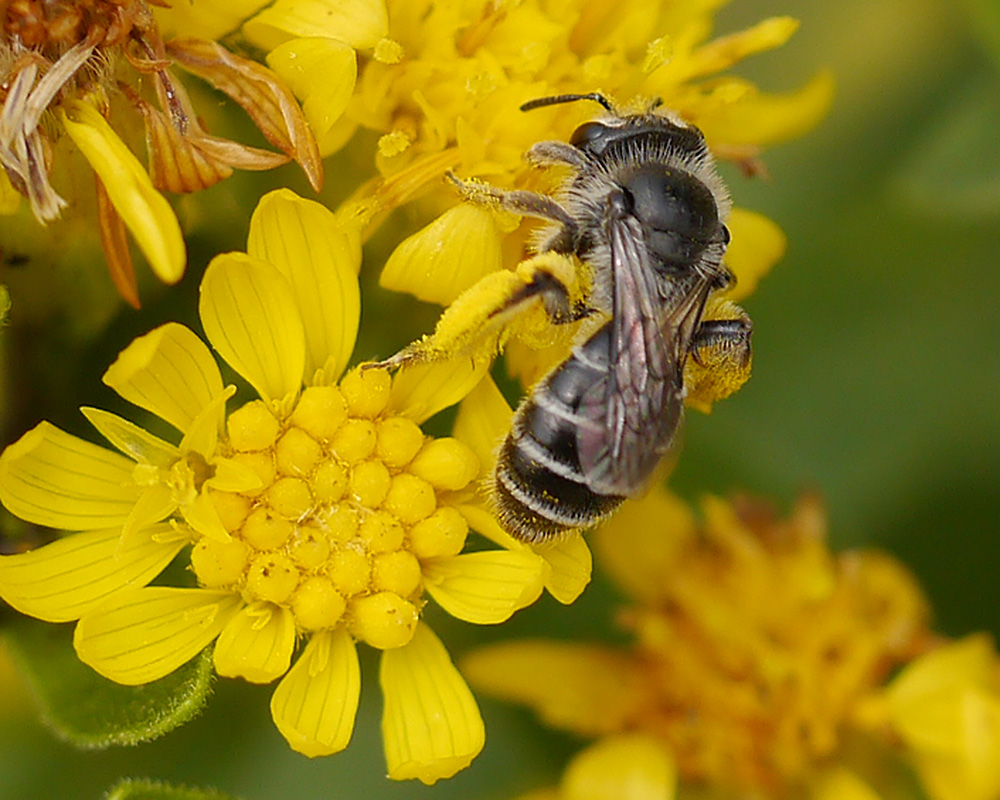
Bees have been a worry to me all summer. They haven’t been feeding on the plants that are usually loaded with bees. Wild geranium, Culver’s Root, chives and a flowering maple they usually are passionate about have been lacking bees.
Bees love bee balm and hyssop, but this year not so many bees.
In August with the blooming hyssop, cone flowers and golden rod the bees are here, but not in the typical numbers for this time of year.
We must do better to make sure our yards have flowers pollinators love and avoid all chemicals. It frightens me that some of the plants we purchase are still laden with heavy chemicals and neonicotinoids. I wonder how all these chemicals are going to affect human health? How is neonicotinoid farm run-off going to affect aquatic life?
MINNEAPOLIS TAKES ACTION TO PROTECT POLLINATORS AS A POLLINATOR-FRIENDLY CITY
The City of Minneapolis urges all Minneapolis property owners, residents, businesses, institutions and neighborhoods to become more pollinator friendly by adopting practices including:
Committing to not use pesticides, including insecticides that stay in the plant, on their properties.
Avoiding planting flowering plants that are treated with insecticides that stay in the plant.
Discontinuing the sale of pesticides and plants that are treated with insecticides that stay in the plant.
Planting more pollinator forage on their property and using organic or chemical-free lawn and landscaping practices.
Everything is green and lush. Everyone loves their yard in June. Whether you have a grass turf yard or native plants, urban yards are beautiful. How can you create a vibrant living landscape with a more friendly tilt to pollinators?
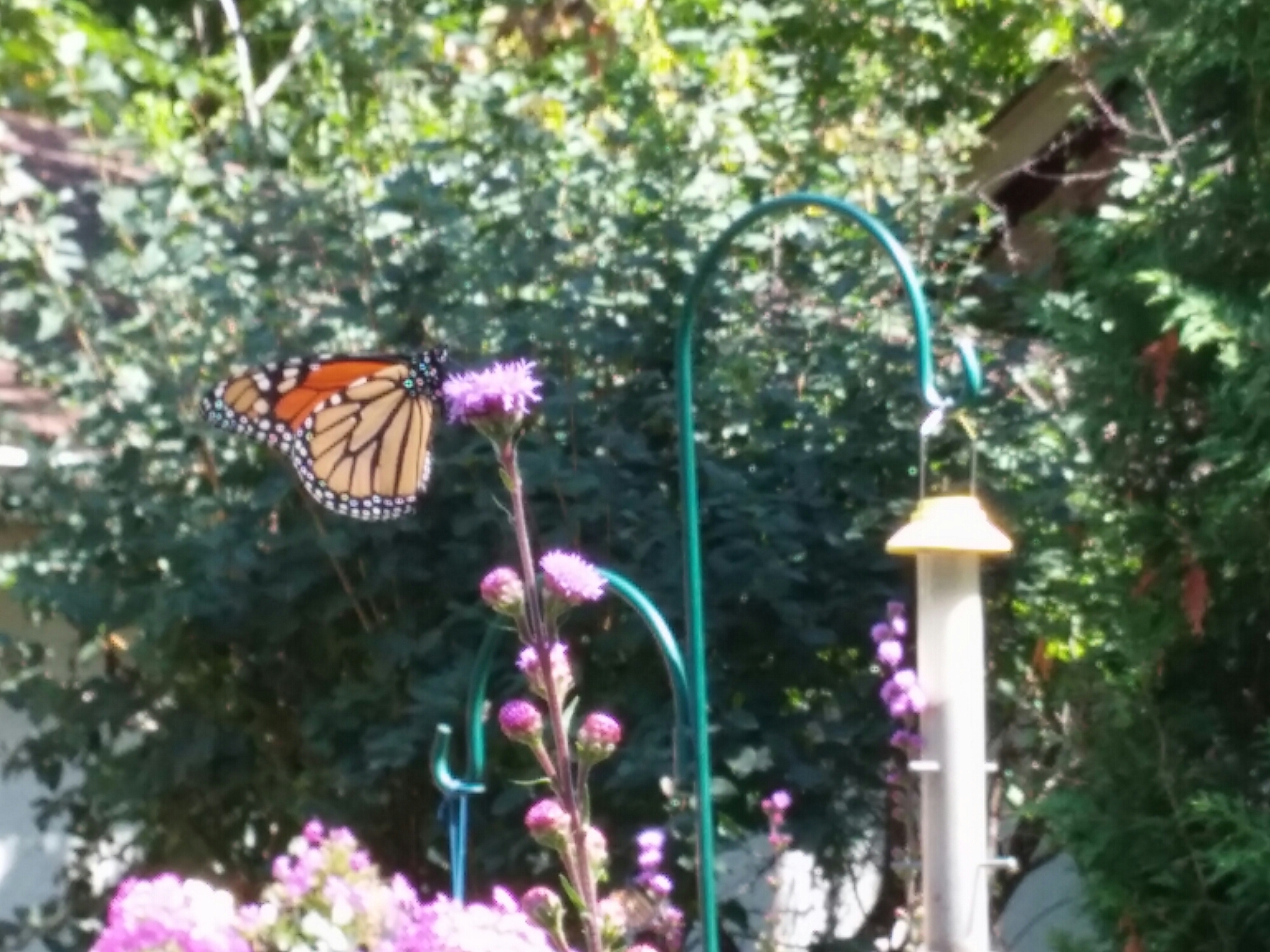
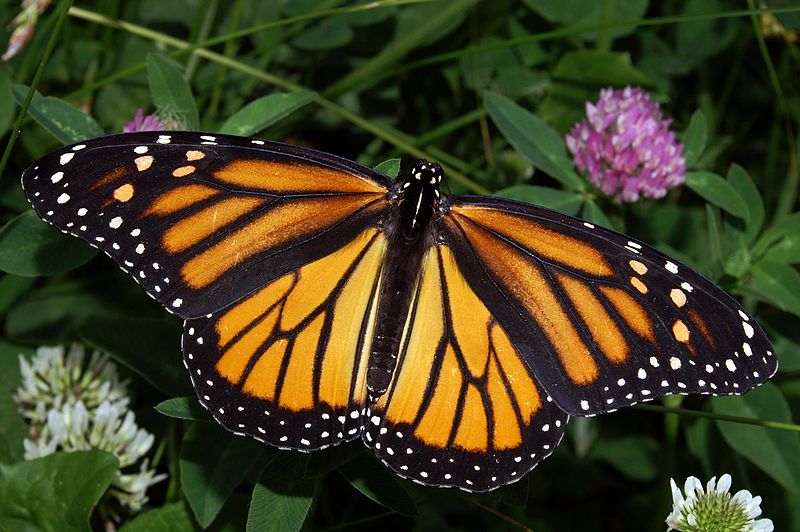
I watch the monarch butterflies and the swallow tiger tail and hope they leaving eggs as
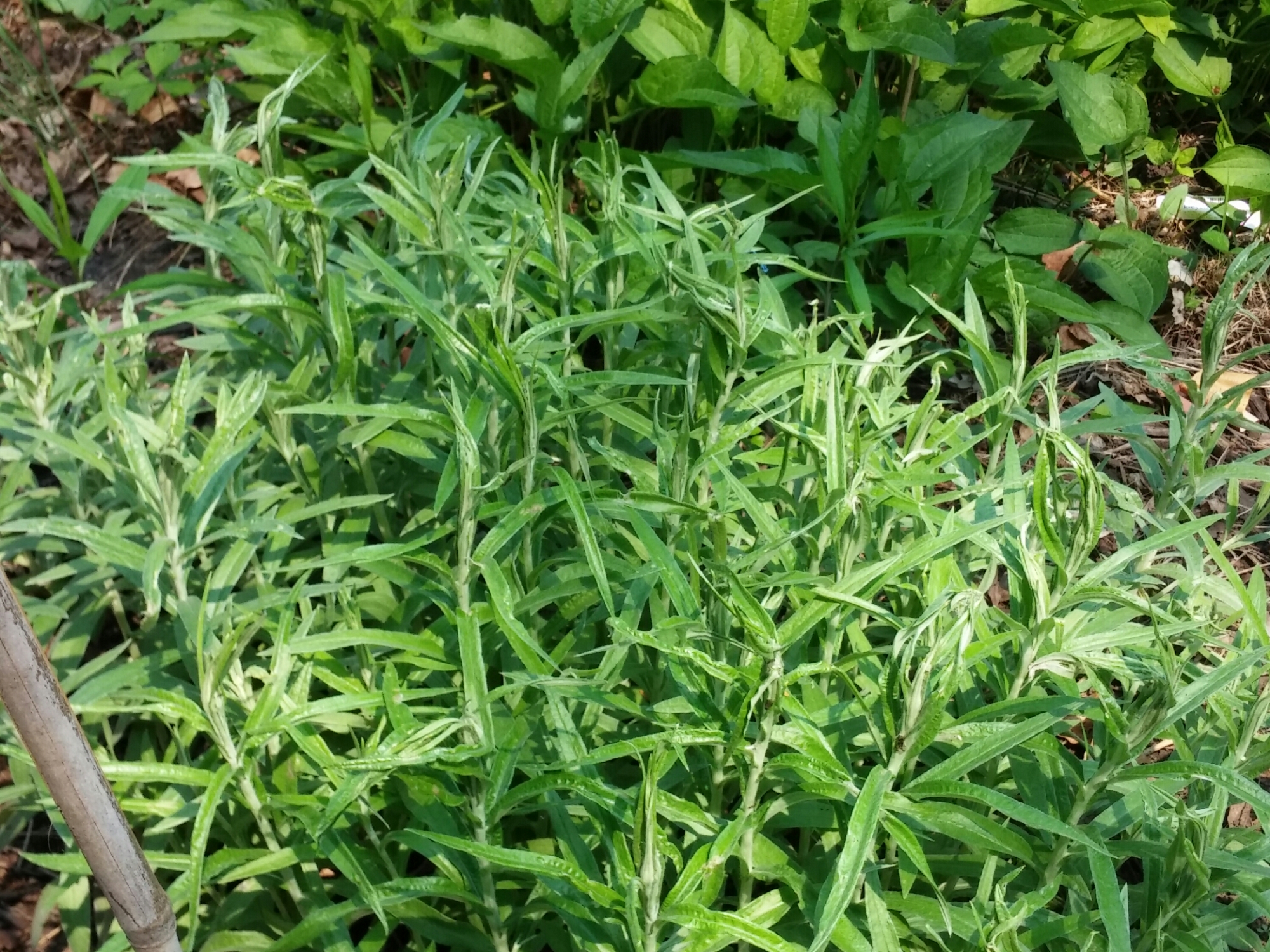
Pearly Everlasting
they flit around. The painted lady butterflies have deposited egg fuzz on the pearly everlasting making them look wilted and sick. In just a short time the caterpillars will emerge and the pearlys will be normal and healthy. Hopefully, the cycle will continue and new butterflies will live long enough to plant more eggs. Birds eat these butterflies.
The native Canada Anemone is blooming now!
The columbine and the wild geranium have almost completed their blooms, but the Canada Anemone and the spider-wort are magnificent!
We are digging our rain gardens deeper and wider. Then we plant blazing star, cardinal-flower, and turtle head to the bottom of these rain capturing gardens. The butterflies, bees and hummingbirds will love these new additions.
See the article below for ways you can create a vibrant living landscape with a more friendly tilt to pollinators: http://www.startribune.com/planting-with-pollinators-in-mind/306646301/
Styrofoam I pulled from Lake Harriet in Minneapolis. It is breaking into small pieces and could last forever!
I am happy, it is Earth Day, and I am very happy that the city of Minneapolis took a bold stand on Styrofoam containers. Congratulations to Minneapolis for banning Styrofoam “To Go” containers. The ban begins on Earth Day, April 22, 2015.
Minneapolis is a city of many lakes, many creeks, and the Mississippi River. Materials like plastic and Styrofoam break into tiny pieces and could exist for hundreds of years in these water bodies.
“It’s estimated that 10 million Styrofoam containers are thrown away in Minnesota each year. Styrofoam is not impossible to recycle, but is difficult to clean and far costlier to recycle than other, more sustainable containers. Styrofoam also contains potentially cancer-causing chemicals that leach into food, especially when heated.” City Pages http://blogs.citypages.com/food/2014/05/styrofoam_officially_banned_in_minneapolis.php
Bulk purchasing exactly the amount needed for zero waste
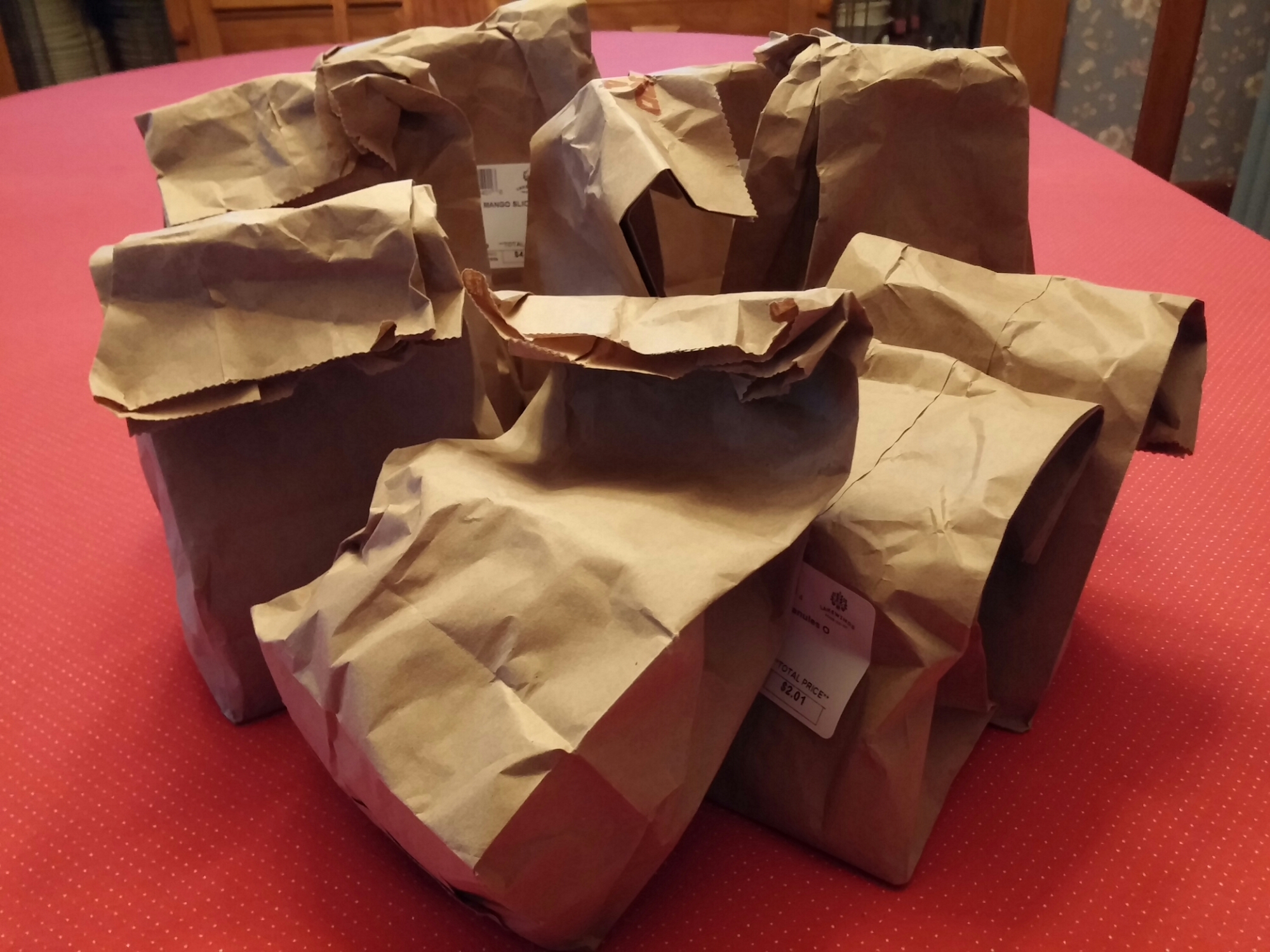
I have just spent the morning in a seminar learning about the new organic compost program in Minneapolis. With an obsession for reducing trash I work on this daily, but just can’t see how to get to zero waste. We purchase in bulk using compostable paper bags, and refill every bottle with items that are available.
One woman, Bea Johnson, has been able to accomplish zero waste. What is the most amazing of all, she and her husband have two sons!
Here are Bea Johnson’s 10 easy steps to zero waste living:
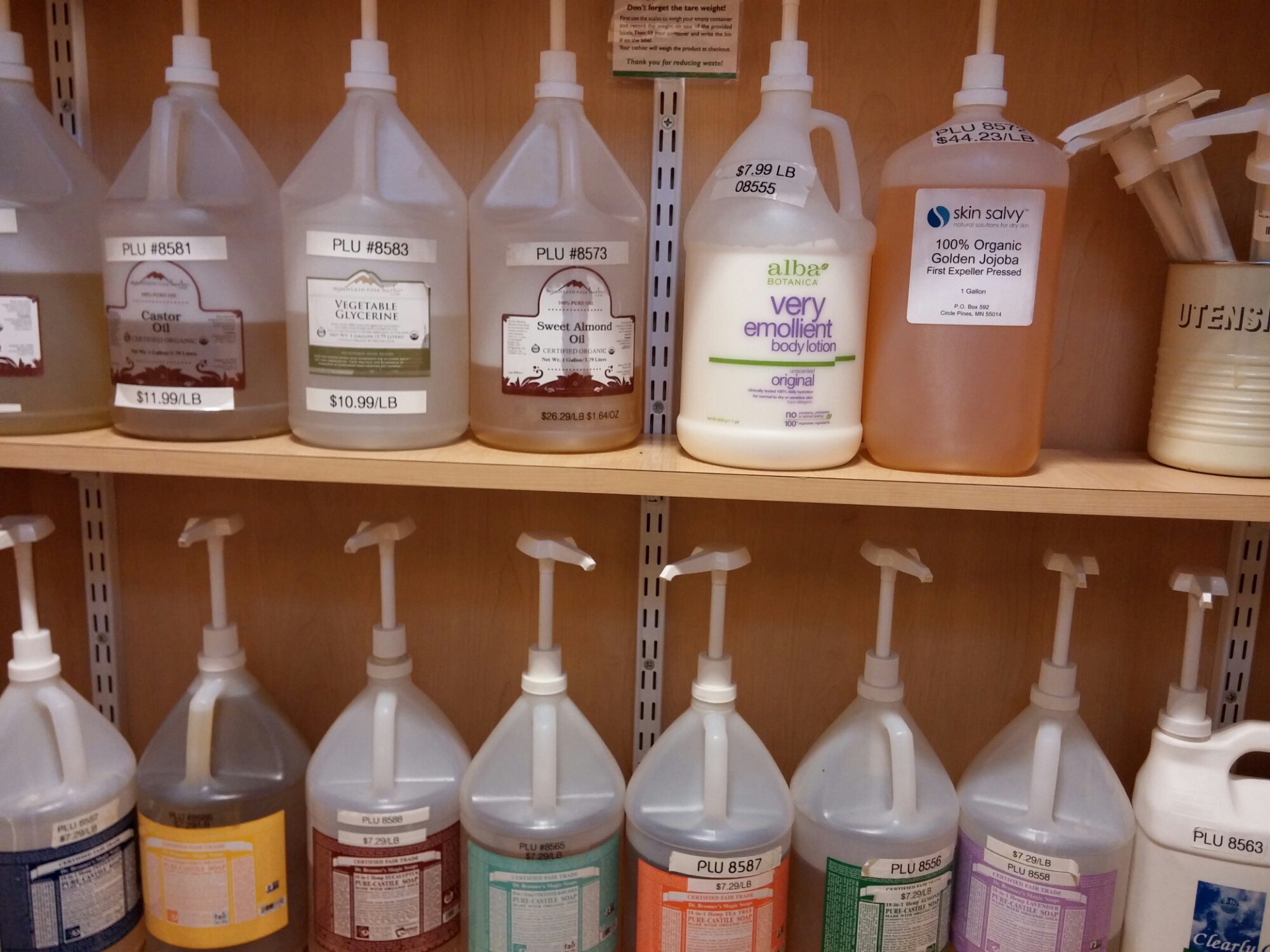
Some co-ops have fabulous selections of soaps and lotions for bottle refills.
Turn down freebies from conferences, fairs and parties. Every time you take one, you create a demand to make more. Do you really need another “free” pen?
Reduce
Declutter your home, and donate to your local thrift shop. You’ll lighten your load and make precious resources available to those looking to buy secondhand.
Reduce your shopping trips and keep a shopping list. The less you bring home, the less waste you’ll have to deal with.
Reuse
Swap disposables for reusables (start using handkerchiefs, refillable bottles, shopping totes, cloth napkins, rags, etc.). You might find that you don’t miss your paper towels, but rather enjoy the savings
Avoid grocery shopping waste: Bring reusable totes, cloth bags (for bulk aisles), and jars (for wet items like cheese and deli foods) to the store and farmers market.
Recycle
Know your city’s recycling policies and locations—but think of recycling as a last resort. Have you refused, reduced or reused first? Question the need and life-cycle of your purchases. Shopping is voting.
Buy primarily in bulk or secondhand, but if you must buy new, choose glass, metal or cardboard.Avoid plastic: Much of it gets shipped across the world for recycling and often ends up in the landfill (or worse yet, the ocean).
Rot
Find a compost system that works for your home and get to know what it will digest (dryer lint, hair, and nails are all compostable).
Turn your home kitchen trash can into one large compost receptacle. The bigger the compost receptacle, the more likely you’ll be to use it freely.
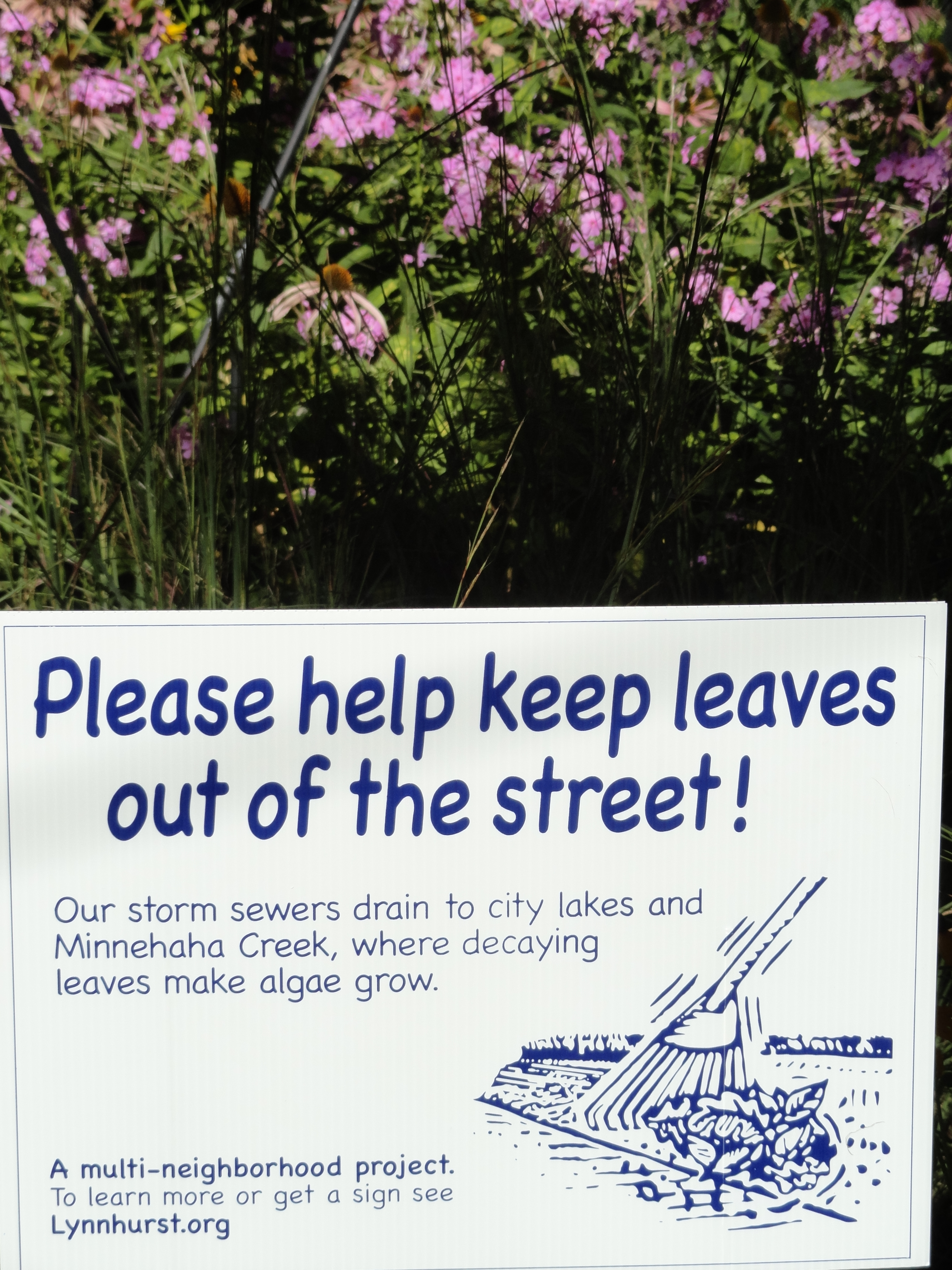
It has been a marvelous fall for both colors and weather, and now the clean up of falling leaves begins. Please DO NOT put your leaves in the street. It is hard work bagging up leaves, but leaves washing down the into the storm drains pollute the lakes and streams. Help keep the water we have as clean as we can. Many would give a lot to have our colorful leaves, lakes, and clean water! Also, leaves and trash can plug the drainage systems so the water will not drain from our streets.
Below is the City of Minneapolis Code on leaves:
Minneapolis Code of Ordinances, Title 17:
427.270. – Leaves, grass on streets.
No person shall leave, or cause to be placed, any leaves, grass clippings or other organic debris on or along any public street or alley. (Code 1960, As Amend., § 583.380; Ord. of 6-14-74, § 1)
Call the Vikings and tell them to install bird safety glass. 952-828 6500, or http://www.vikings.com/footer/contact-us.html and call Gov. Dayton 651 201 3400.
Our bees, butterflies and birds are in serious decline. We all should reduce our footprint to protect our wildlife. This also means businesses and the Minnesota Vikings! In Minnesota we are having a debate over whether the Minnesota Vikings should place bird protective glass on the new stadium being built. This stadium is near the Mississippi River, a major migration flyway. And…it is a publicly funded stadium, one-third being paid for by the citizens of Minneapolis. To be a good corporate citizen the Vikings need to follow state laws(safety glass), and positively contribute to the environment where they reside.
The Star Tribune, Minnesota’s largest newspaper editorialized that in the big scheme of things, it was not a big deal to protect these birds…WOW! http://www.startribune.com/opinion/editorials/279625602.html “Keep Bird Deaths in Perspective” I consider the Vikings actions and the editorial board both hitting a new low! In my perspective 1 million for protective glass is minimal when a billion dollars is being spent and large portion is a public hand-out!!
This is the counter argument from Audubon:
As stewards, we are responsible for our impact on the Earth’s well-being, and it is precisely the logic presented in this editorial that is putting our vital ecosystems in trouble. We know that it is not a single deforestation event, a single oil spill or a single storm that leads to significant decline of bird species, but rather the effect of multiple factors over time. The good news is that the same way our cumulative actions can stress and degrade the environment, our individual actions can lead to its protection and recovery. Take the bald eagle, for example, or bluebirds.
Migratory birds are legally protected because they play a pivotal role, pollinating plants and controlling insect populations. One bird can eat 500 pests per day, reducing the need for toxic pesticides. Disarmingly, their populations are not constant; they are decreasing because of human activities, including glass buildings. Research shows that many once-common species have had a 50 percent reduction in just the last 50 years.
Video,”Change the Glass Now” http:youtube.com/watch?v=ngvN7oHhHwY
What can you do?
1. Call the Vikings and tell them to install bird safety glass. 952-828 6500, or http://www.vikings.com/footer/contact-us.html and call Gov. Dayton 651 201 3400.
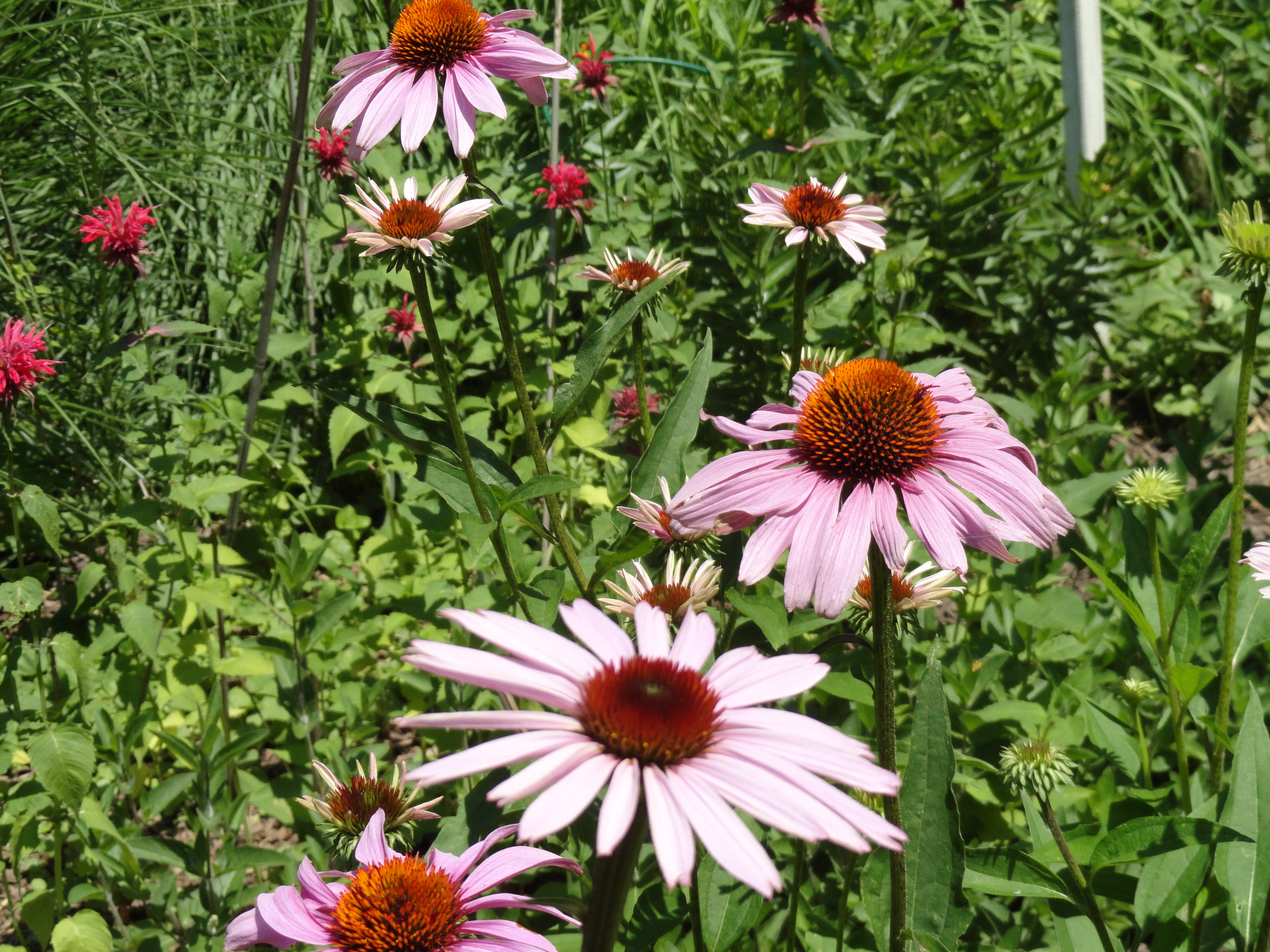
2. Reduce the chemicals you use in your yard, and plant bird friendly plants like cone flowers, little blue stem grass, cup plant, and Joe Pye Weed. These are just a few ideas that are easy to grow and birds love these plants.
3. Leave your car at home or carpool at least one day a week to reduce pollution.
4. Reduce plastic consumption and recycle all plastic bags.








 Health4earth