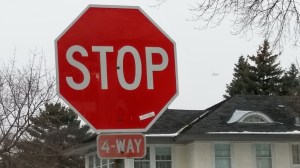
Every pedestrian who loses to a driver is tragic. (http://www.startribune.com/minnesota-pedestrian-death-spike-illustrates-grim-us-trend/409805035/) Last year, I was knocked down by a car as I crossed 50th Street with the walk light in Minneapolis. By contrast, when I’m crossing busy Tower Avenue in Superior, Wis., cars and trucks from every direction stop and wait for me. Why would drivers in Superior have a different standard? Many of us want and expect walkable communities. Law enforcement and everyone must do better.
This is my letter to the editor published in the Startribune.com on January 9, 2016.
Love our lakes, rivers and streams. Take care of them!
My not so funny joke for Water Wednesday. A conversation I had this past week!
Friend: I hear Donald Trump has invested lots of money in bottle water.
Me: Why would he do that?
Friend: He wants to get rid of all regulation to protect our drinking water.
In contrast, Minnesota Governor Dayton has called for a Year of Water Action. He encourages all Minnesotans to take a role in protecting our state’s most precious resource for future generations. Read more about it here.
Deep rooted plants absorb run-off
What are you doing to protect our water resources? Reduce chemicals, sweep sidewalks and streets, install rain gardens, plant deep-rooted plants, stop building campfires, recycle and compost, clean off boats and equipment, What else?
“Today, Minnesota set the strongest rules in the nation to protect pollinators from pesticides,” said Lex Horan of Pesticide Action Network. “The plan will help ensure that bee-harming pesticides won’t be used unnecessarily, and it lays the groundwork for reducing the use of neonicotinoid seed coatings. This decision is rooted in the resounding scientific evidence that neonicotinoids are harmful to pollinators. It’s past time for state and federal decisionmakers to take action to restrict the use of bee-harming pesticides, and today Minnesota did just that.” Read the whole story here. Another story from Minnesota Public Radio.
Magnificent Lake Superior has over 300 rivers and streams that drain into it. Last week it was a brown lake because of mega rainfall in northern Minnesota, Wisconsin and Michigan where many rivers dumped sediment from the storms. I am on a road trip from Duluth, Minnesota along the south shore of Lake Superior to Sault Ste Marie and the St. Mary’s River. Canada is on the other side of the lake and across the St. Mary’s River.
An ore boat leaves Lake Superior on the St Mary’s. River headed toward Lake Huron
Even though 300 streams drain into the big lake only one, the St. Mary’s River, carries boats and water away from Lake Superior. The St. Mary’s River carries about 42 billion gallons of water from Lake Superior daily.
Lake Superior, looks browner than this picture below appears. I think the sun makes it look bluer than it is.
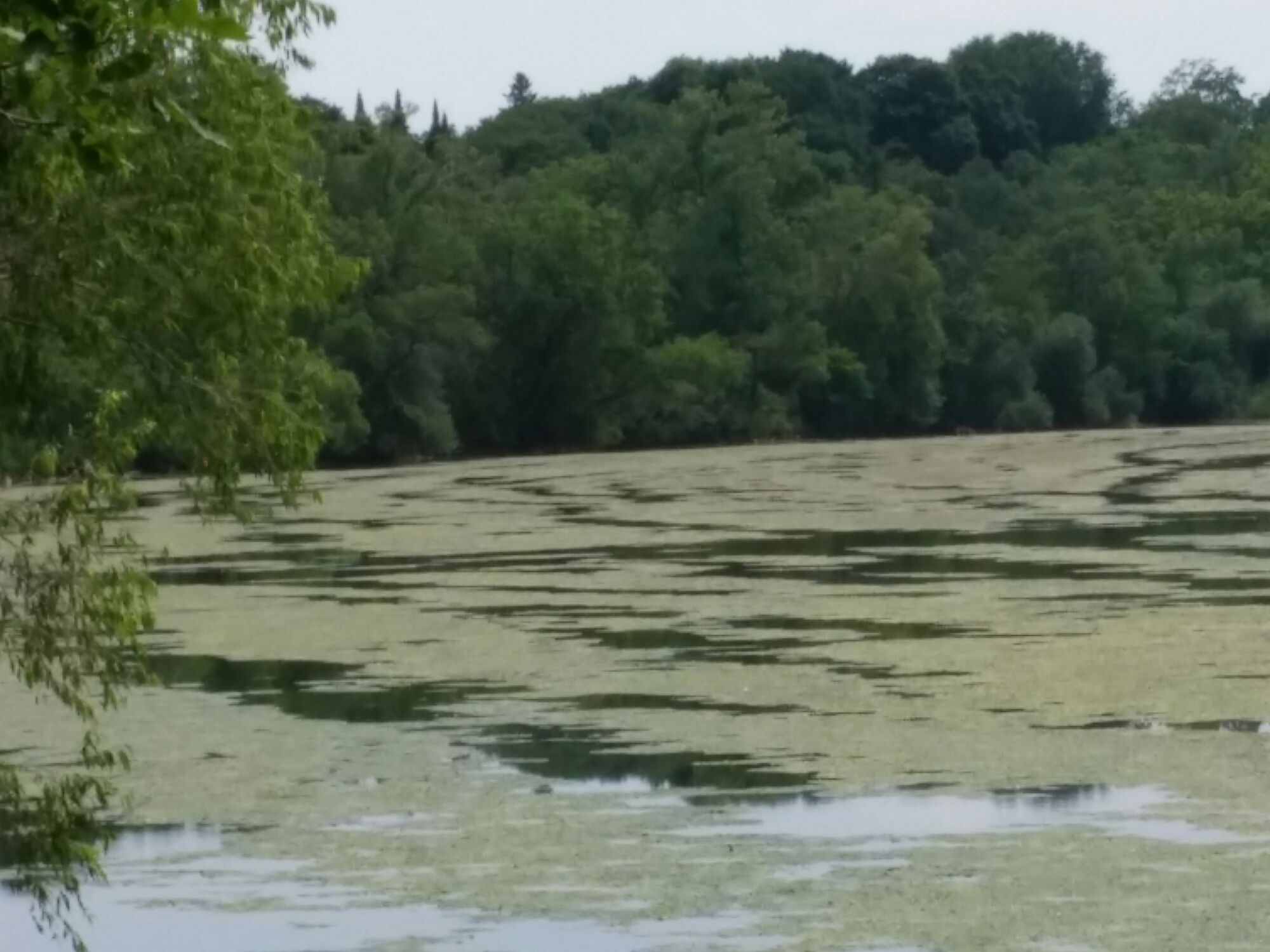
Is this how lakes should look? We all need to do better.
Minnesota, the land of “Sky Blue Waters” is adding more than 300 lakes, rivers and streams to its list of lakes and streams that are impaired. The story from MPR is here.
About two-thirds of Minnesota watersheds have been tested and 40 percent of Minnesota rivers and lakes have been found to be impaired by farm runoff, bacteria, mercury or other pollutants.
The below ideas for protecting our lakes is from the Superiorforum.org , Sigurd Olson Institute, Northland college, and the EPA, and Great Lakes Restoration Initiative:
1 .Be conservative with your water use.
2. Recycle as much as you can with the 4 Rs: reduce, reuse, recycle and repair. And….NEVER burn trash.
3. Curb Yard Pollution. Put your lawn on a chemical-free diet!!
4. Stop aquatic invasives by cleaning plants and animals off your boat.
5. Plant native plants, and reduce turf grass.
6. Plant native trees According to Audubon, oak trees are the best for attracting insects and birds.
7. Install a rain barrel
8. Create an energy-efficient home.
9. Bring hazardous waste to waste collection sites.
10. Love our lakes!
I would add several more:
1. Rain gardens are excellent for capturing harmful water runoff.
2. Keep leaves and trash out of streets and storm drains-Adopt a storm drain!
Love our lakes, rivers and streams. Take care of them!
3. Never use cleaning products or hand sanitizer with triclosan.
4. Reduce all plastic use–If you must use plastic bags and bottles, be sure you recycle them. 5. Pick up all liter.
Butterfly Weed is blooming along some interstate highways.
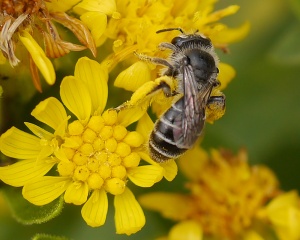
When I see the mowing down native plants pollinators I get angry. My husband and I have just completed a driving loop from Minneapolis to Chicago and back through Iowa. We have traveled Interstate East 94, West Interstate 80 and Interstate 35 North. The entire road trip I surveyed the status of mowing and blooming plants. The shoulders of most of the interstates are not over-mowed, but they are mowing the center median which doesn’t make sense? The best plants can grow in the median if allowed to survive. Some farmers are mowing along the interstates and they do get a little extreme with their mowers. Educating, educating and educating is what we need to continue to do, and it does make a difference. Below is a sample letter I sent to my rural town road crew. I hope you can modify it and send to your local and state government.
Dear local government road crew,
Pollinators, (bees, butterflies and birds) are in trouble in the United States. They have faced serious habitat loss. Last year and the past few years their numbers seemed smaller compared to the years before. Bees and butterflies need the nectar and pollen from flowers for their survival. The Obama Administration is working to plant pollinator plants along our interstate highways to improve bird, bee and butterfly habitat. The plants along the roadways in our town are a natural habitat for birds, butterflies and bees. Now as the daisies, lupine and other wild plants bloom we have beautiful roadways for residents and food for butterflies and bees.
I am writing to ask you to not mow the entire right-a-way along our town roads until maybe late August or even better would be September. I know you need to mow for safety, and that is important. Could you please not mow every flower down until early fall? Maybe mow just a strip along the roads leaving plant food for our pollinators. The bees, butterflies, birds and humans would thank you for the needed nectar, and fabulous summer beauty.
If I can get a commitment from you to mow a little later, I will spread milkweed seeds along the town roads creating more butterfly and bee habitat.
Thank you,
Your name
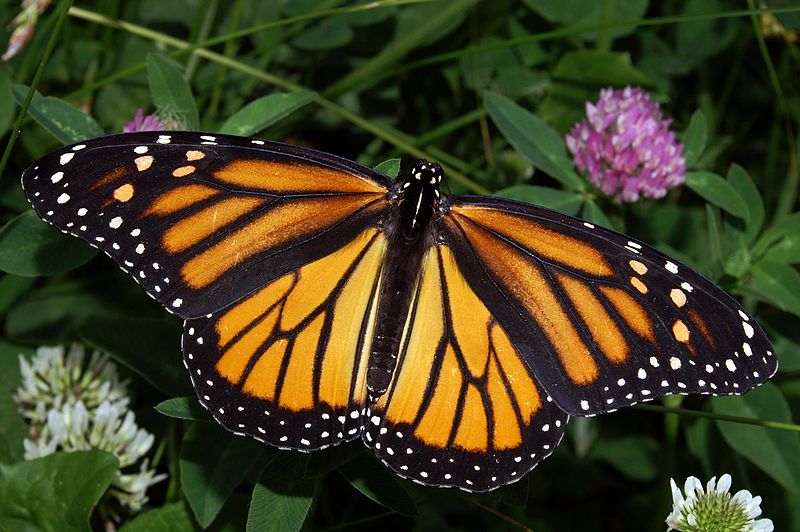
Wisconsin energy co-ops to create monarch butterfly habitat
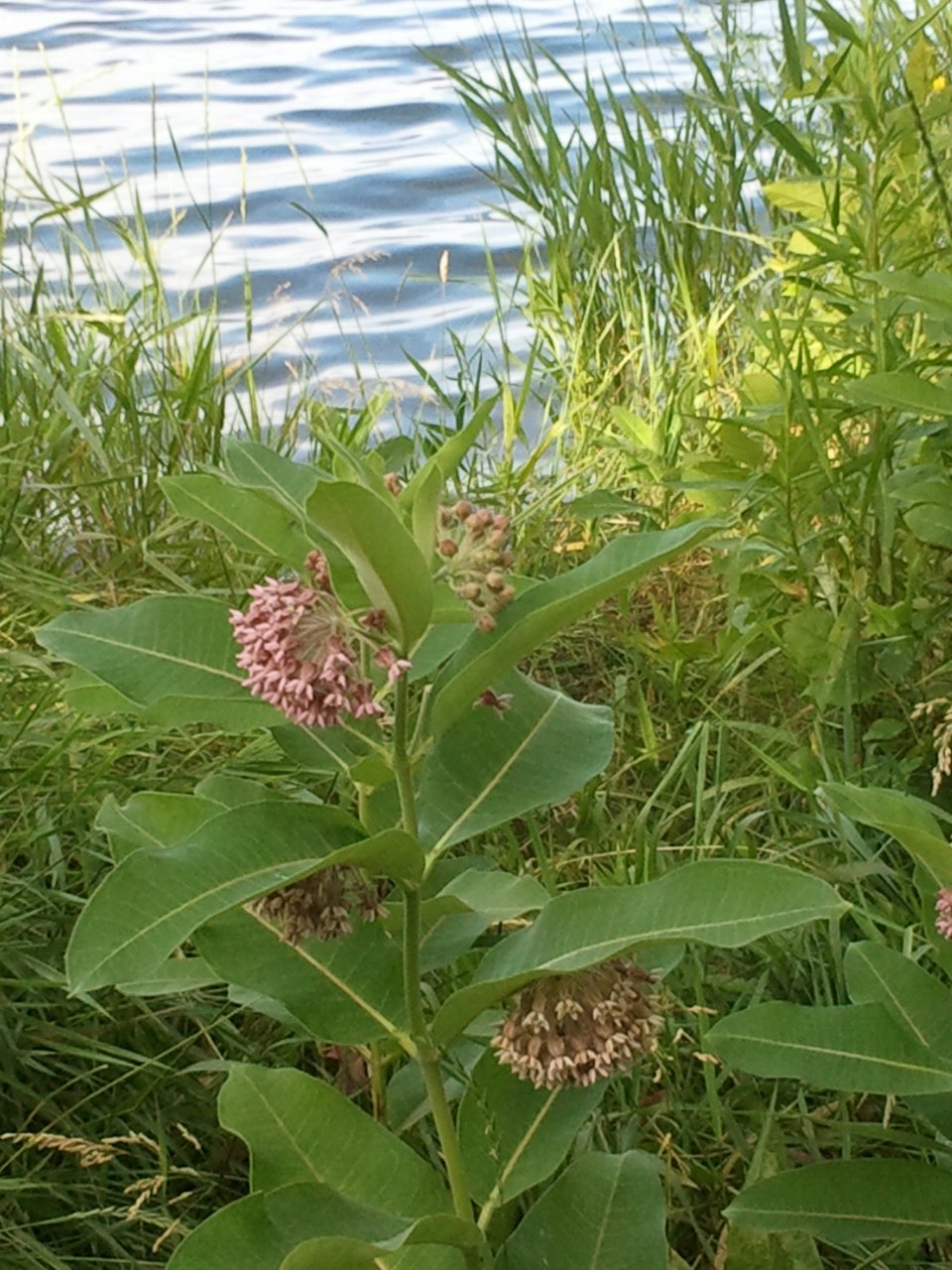
Searching for milkweed along our roads and highways!
The MPCA study says recycling pumps billions of dollars into the Minnesota economy. The 60,000 jobs and the new products created from recycling are worth billions to Minnesotans. Products created from recycled materials are the most exciting! When you purchase products from recycled materials, you are closing the recycling loop.
What happens when you close the recycling loop? The first arrow
represents the first step of recycling, Collection of materials for recycling. Arrow two represents the manufacture of new products from the recyclables. Arrow three is the purchase of the products made from recycled items. This is “Closing the loop” or a circular economy. A win- win!
Why do we recycle? It saves valuable resources, keeps material from the landfills, reduces polluted landfills and as this report (below) shows produces economic opportunity and jobs!
Minnesota is home to over 10,000 lakes. We love our lakes. Unfortunately, we don’t take personal responsibility for protecting the beauty and health of our precious lakes. One of the most popular lakes is covered with trash, and it has become impossible to educate anglers (Are they listening?) of the invasive species their boats carry from lake to lake.
In late June, I was biking through southern Minnesota and was appalled to see algae and milfoil covered lakes. Sometimes they look weedy in August, but this was June?
The largest Minnesota newspaper published an opinion piece about what is happening to our lakes. The authors think the lakes of southern Minnesota are a lost cause, but they think more should be done to keep northern lakes clean. I think with tougher rules and strict enforcement all lakes can be kept healthy and usable. It is a matter of political will and setting priorities. With tougher rules and strict enforcement all lakes can be kept healthy and usable. At the bottom of this post there is a list of things I do on my lake property to protect water quality.
Unfortunately, agriculture was given a pass on the Clean Water Act and they should be better regulated. Agricultural run off is a real problem, but everyone needs to do better. This is the only water we will ever have and we should respect and value every water body.
Brian Peterson • Star Tribune If 75 percent of lakeshore remains mainly forested, the chance of maintaining lake quality is good, said Peter Jacobson of the state’s Department of Natural Resources. But when natural cover falls below 60 percent, lakes begin to deteriorate.
We love our freedoms. We ride ATVs, run leaf blowers and lawn mowers, spray chemicals and have fires in our yards, totally unaware of how are actions could be affecting other people. A new study by the Minnesota Pollution Control Agency(MPCA), puts the responsiblity for air pollution on the general public. Their study says air pollution in the Twin Cities area (Minneapolis, St. Paul and suburbs 2.8 million) causes 2,000 deaths a year.
The Minnesota Pollution Control report gives specific ways to improve air quality:
Drive the most fuel-efficient vehicle you can afford.
Take public transportation, walk, or bike whenever possible.
Limit wood-burning activities like backyard bonfires.
Look for alternatives to fossil-fuel-burning small engines such as electric lawnmowers and weed trimmers rather than those that use gas.
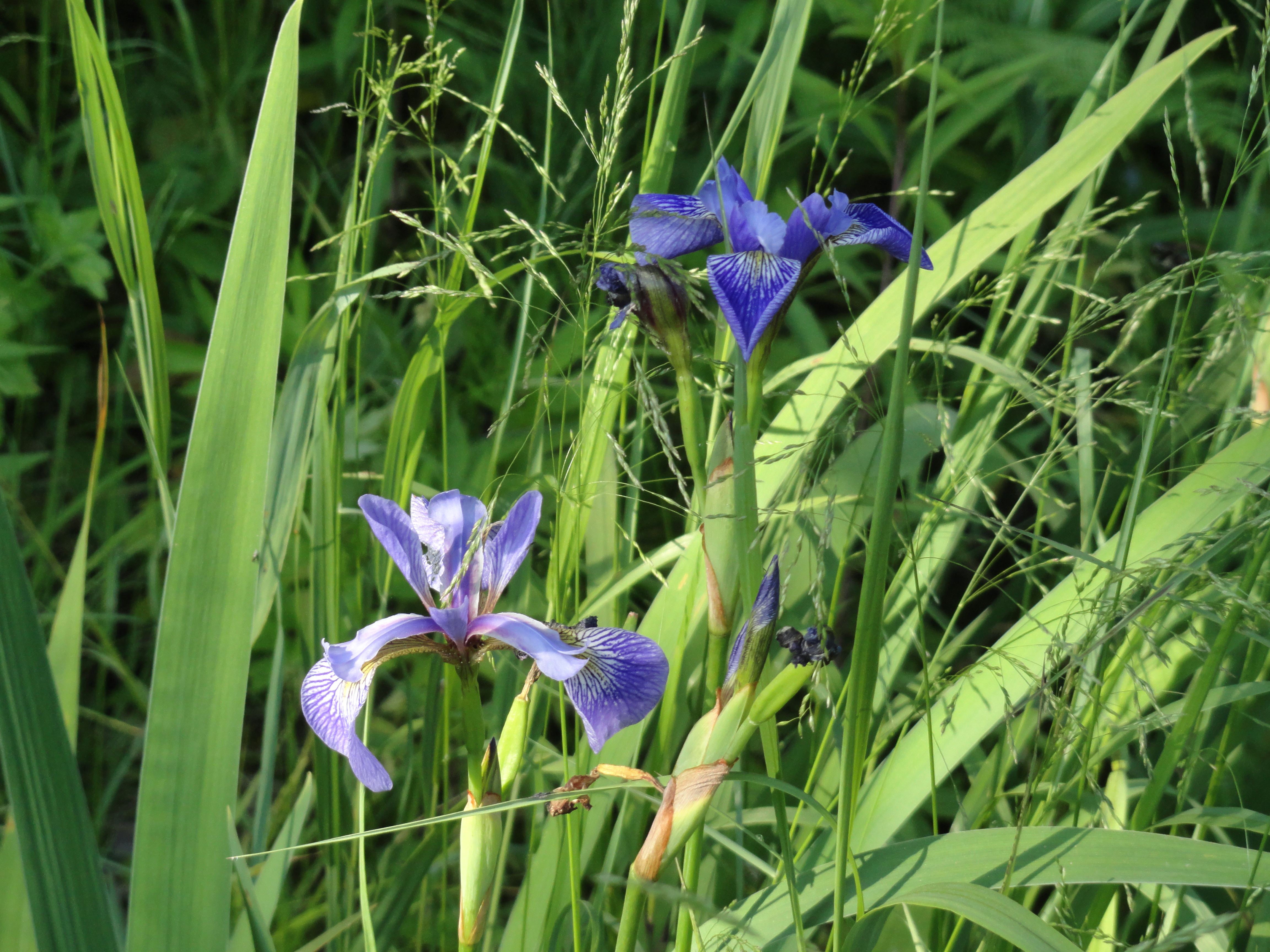
Plant Blue Flag Iris and native grasses to filter water run off.
“Our water belongs to all of us!” Governor Mark Dayton of Minnesota
To improve water quality in our yards and along lakes and streams we need to slow water down and keep it on our property. This helps to keep chemicals and sediment on our properties instead of washing away. Native plants and buffer strips would be a great start to improve water run-off.
This is a post about the need to improve farm water run-off.
Minnesota Governor Mark Dayton has proposed vigorous legislation that has farm groups upset. Unfortunately, when the Clean Water Act was passed in 1972, agriculture was not included, and feel any regulation of their water run off is an unfair burden. Somehow farm groups miss the point that all our communities are required to spend millions of dollars to keep our drinking water, rivers and lakes clean. Farm run-off has a pass.
I have written on these pages before of my disappointment of Minnesota to enforce their buffer zones laws. Minnesota’s Governor Dayton has proposed stiffer enforcement to get land owners to comply and install buffers. This is a win-win for the people of Minnesota, the Mississippi River, Minnesota’s over 10,000 lakes and the Gulf of Mexico. It could create fabulous habitat for Minnesota’s butterflies, birds, bees, and all wildlife.







 Health4earth