
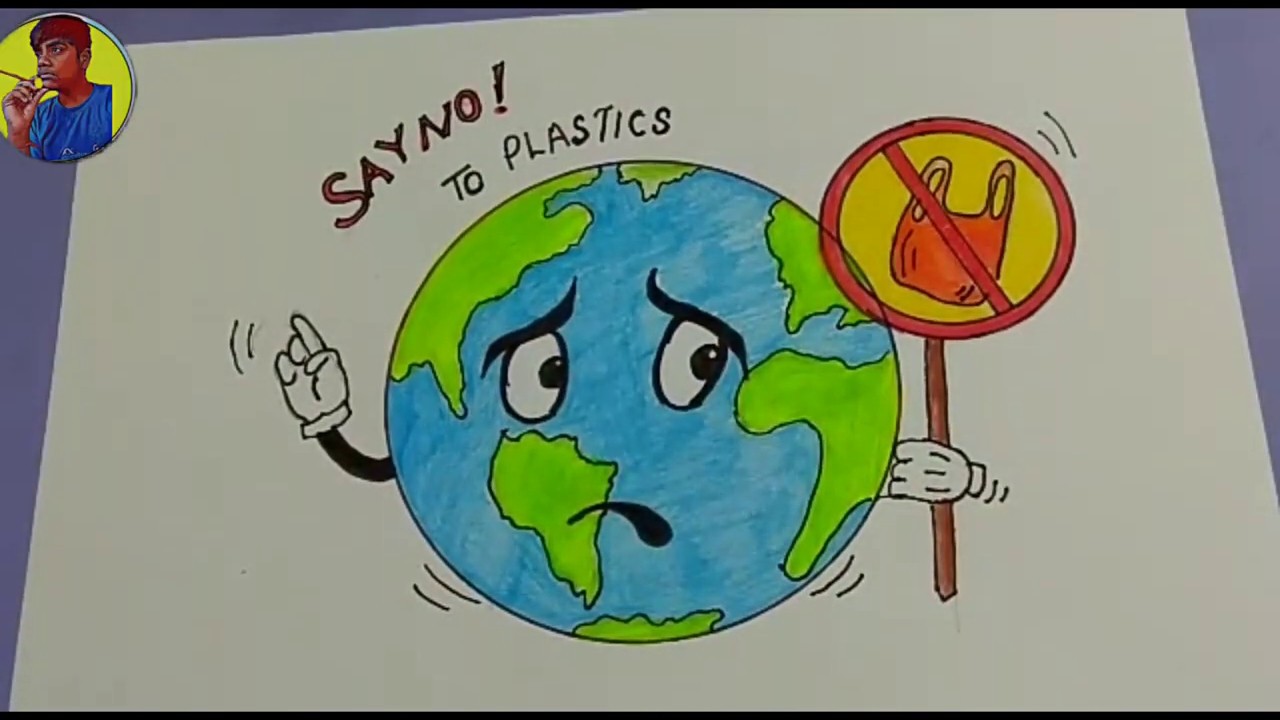
All plastic is made from chemicals!
Below is from CNN and Toxic-free Future
Released just in time for this season’s flurry of holiday shopping, the 2026 Toxic Hall of Shame gives 16 major retailers an F for their failure to prioritize reducing hazardous chemicals and plastics in the products they sell.
Recent research has found that nearly 93% of studied plastic chemicals used to wrap food and make clothes, toys, and other common household and personal care products may pose a high risk to human health. Human and animal studies link these synthetic compounds to cancer, genetic changes, and endocrine, reproductive and organ toxicity.
Well-known brands such as Trader Joe’s, Wayfair, Publix, Albertsons, McDonald’s, Williams-Sonoma and Sherwin-Williams earned an F for their lack of action in reducing toxins, according to the 2026 Retailer Report Card, released exclusively to CNN on Wednesday.
Williams-Sonoma owns West Elm and Rejuvenation; Wayfair owns Birch Lane, Joss & Main, AllModern and Perigold; and Albertsons owns Safeway and a number of other grocery store chains.
The report has been published since 2016 by Toxic-Free Future, a nonprofit consumer safety organization, as part of its Mind the Store campaign. Investigators mine publicly available corporate data on 50 of the largest retailers in the United States and Canada — encompassing more than 140 businesses when subsidiaries are included. Collectively, those businesses generate more than $4 trillion in annual revenue.
Read the entire report here:
Leaders, Laggards, and Backsliders 2026 – Toxic-Free Future
Poison Plastic:
● We are facing an urgent plastics crisis. Plastics are
choking our oceans, infiltrating our ecosystems
and fuelling global climate breakdown. Plastics
and the chemicals they contain have become
deeply embedded in our lives within only a single
generation. They are found in the vast majority of
items we rely on every day – from food packaging and
takeaway containers, to clothing, furniture, hygiene
products, infant feeding bottles and children’s toys.
● While global plastic production was under two
million tonnes in 1950, today more than 430 million
tonnes of plastics are produced annually.1 Global
plastic production has been projected to more than
double by 2050 and more than triple by 2100,2 and it
has been estimated that we will have produced two
billion tonnes of chemical plastic additives by the
end of 2050.3
● Three-quarters of all plastic produced between
1950 and 2017 became plastic waste. Only 9% of the
world’s plastic waste is recycled – around half is sent
to landfill, 19% is incinerated and the remaining 22%
is either burnt, dumped or ends up in the natural
environment.4 More than 50 million tonnes of plastic
waste are projected to enter aquatic ecosystems each
year by 2030.5
● The plastics industry is the fastest growing source
of industrial greenhouse gas (GHG) emissions6 –
currently accounting for 4-5% of global emissions7 – around 90% of which occur during the process of
extracting and converting fossil fuels into plastics.8
Annual GHG emissions from the global plastic
system are forecast to triple by 20509, consuming
nearly a third of the global carbon budget for limiting
warming to 1.5°C.10 If the global plastic system were a
country, it would be the third-largest greenhouse gas
emitter in the world by 2040, behind only China and
the United States.11
● All plastics are made of chemicals. This includes their
polymer backbone, intentionally added substances
such as additives and processing aids, and non
intentionally added substances such as impurities,
by-products and degradation products.12 Examples
of chemical additives include plasticisers, stabilisers,
lubricants, colourants, flame retardants, anti
static agents and fillers among others.13 Additives
provide functionality for many different uses while
significantly contributing to the hazards of plastics.
● Alongside their rapidly mounting environmental
impacts, plastics represent a direct and escalating
threat to human health. Thousands of chemicals are
present or marketed for use in plastics, and many
have been shown to migrate from plastic products
into surrounding environments, including the
human body.14 Plastic chemicals have been linked to
acute and/or chronic health conditions, including
hormone disruption, damage to vital organs,
impairment of fertility and neurodevelopment,
and increased risk of cancer and heart disease.15
Vulnerable groups – in particular infants, children
and pregnant people – face heightened risks. Plastic
associated exposures have been linked to severe
reproductive impacts such as stillbirth and premature
birth, while early-life exposures can have lasting
developmental effects and increase the risk of non
communicable diseases later in life.16
● While research has already revealed serious risks to
human health and development, major data gaps
still remain for thousands of plastic-associated
chemicals in common use. The PlastChem project – which synthesised evidence on more than
16,000 chemicals present or marketed for use
in plastics – identified more than 4,200 plastic
chemicals as hazardous for human health and/or the
environment.17 Concerningly, the analysis found that
hazard information is lacking for over 10,000 plastic
chemicals, while less than 6% of chemicals potentially
used or present in plastics are currently subject
to international regulation.18 Many more plastic
chemicals likely exist, particularly non-intentionally
added substances, the majority of which are unknown
and untested.19 In other words, there are likely tens of
thousands of chemicals present in plastics worldwide – many in daily use – that may have severe but as yet
unknown implications for human health.20
● In the context of ongoing negotiations for a Global
Plastics Treaty, the Environmental Justice Foundation
(EJF) conducted novel analyses of the PlastChem data
to shed light on the risks presented to human health
by everyday items containing plastic-associated
chemicals.21 Our analysis focused on the following
use categories: (i) food-contact plastics, (ii) textiles,
(iii) toys, (iv) household items, and (v) hygiene and
medical items. A semi-structured questionnaire was
used to gather insights from scientists who in recent
years have published research on the impacts of
plastics on human health in peer-reviewed journals.
This report presents the findings of our analysis,
which reveals both significant health risks and
severe deficits in available hazard data for many
chemicals found in everyday plastic items. Our
findings highlight the urgent need to reduce plastic
production and consumption and to eliminate
hazardous chemicals across the plastics life cycle to
safeguard global health.

