

Martin Luther King would have fought for environmental justice too. Read about it here.
Martin Luther King would have fought for environmental justice too. Read about it here.

As Wisconsin and the world have probably just experienced one of the warmest years on record, Scott Walker, governor of Wisconsin, is deleting climate change from existence, or trying anyway. Sorry governor, climate change is not going away!
I have a cabin in Wisconsin, and can rattle off the climate changes I have seen in just the last few years: First I have lived through three very dangerous storms. All three were 100-year events with flooding and loss of many trees. Second, Lake Superior and Lake Michigan, lakes surrounding Wisconsin, are warming at a pace never seen before. Third, good winter snow is a thing of the past. Either it doesn’t snow, or after it snows, it rains or warms up making winter sports icy and dangerous. We experience long droughts, then too much rain at one time. And finally, the night temperatures are rising; it doesn’t get as cold on winter or summer nights. Where I sit in Wisconsin the climate is changing!
The governor must feel the need for some attention, or maybe he is applying for a position in the Trump administration? What is the purpose, to waste taxpayer money?
As a taxpayer in Wisconsin I do not appreciate such a waste of time and resources. Can this be good for the Wisconsin economy? I know people who refuse to spend any money in Wisconsin. They drive through refusing to stop or spend a dollar. Why would businesses want to locate in such a backwards place?
Why should we care about climate change?

http://www.ecowatch.com/climate-change-deleted-dnr-website-2166939088.html
Good News! Humans No Longer Caused Climate Change, According to the State of Wisconsin
http://gizmodo.com/good-news-humans-no-longer-caused-climate-change-acco-1790641483
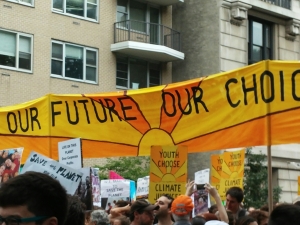
“The environment is where we all meet; where we have a mutual interest; it is the one thing we share.” Lady Bird Johnson
One presidential candidate has promised that he will eliminate the U.S. Environmental Protection Agency (EPA) if he wins, which means we can kiss the best, most important parts of the Clean Air Act and the Clean Water Act goodbye, along with almost every other federal clean air and water safeguard.
And if you want even more evidence that this candidates extremism will mean havoc for our nation and our planet, look no further than his stance on the climate crisis: he has called it a hoax created “by and for the Chinese.” Read the entire article here.
And a voter’s guide to candidates.


A Day for the Earth to Observe Peace Together!
HOPE LOVE PEACE GRATITUDE
Make Peace A Choice
Be Thankful we live where we live, and do something positive for the world today!
Read about the International Day of Peace here.




Taiwan has been struck by three typhoons in the past month. A few weeks ago Taiwan was pummeled by Typhoon Meranti with winds of 186 MPH. In July they were struck by Typhoon Nepartak. As the earth warms, most of this warming is in the oceans causing instability. Global warming is making typhoons worse.
Earlier this year I was able to travel around the island of Taiwan with my husband. The people we met were so gracious and happy, and the food fabulous. This rugged mountainous country is beautiful.

Because of storms hitting the east side of the island, the Pacific Ocean side, most of the people live on the west side of the island. Map of Taiwan here. My thoughts and best wishes go out to the charming people and marvelous landscapes of Taiwan. I wish Taiwan a quick recovery, and I recommend Taiwan as an interesting place to travel.


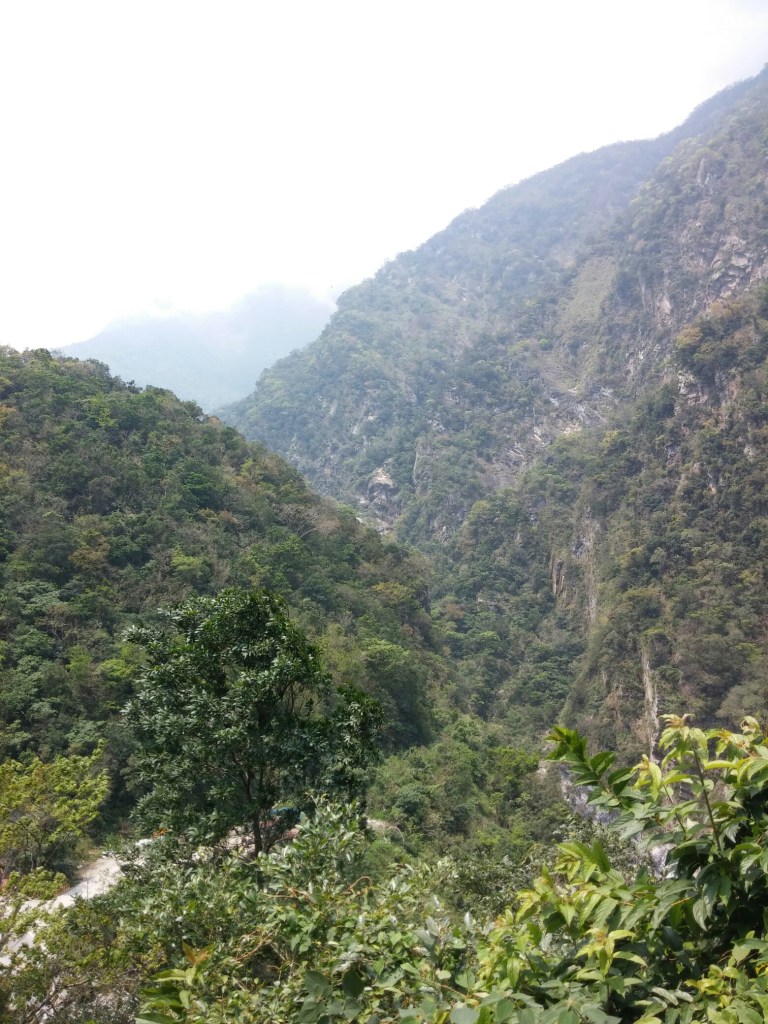

Butterflies migrate from the southern part of Taiwan over the mountains to northern Taiwan. This was a butterfly festival celebrating migration.

I am at the Minnesota State Fair talking to individuals about rain gardens and native deep-rooted plants. Native plants help absorb pollutants, keep rain water in our yards, save on watering, and are loved by bees, butterflies and birds.

Plant deep-rooted plants for pollinators and clean water.


My not so funny joke for Water Wednesday. A conversation I had this past week!
Friend: I hear Donald Trump has invested lots of money in bottle water.
Me: Why would he do that?
Friend: He wants to get rid of all regulation to protect our drinking water.
In contrast, Minnesota Governor Dayton has called for a Year of Water Action. He encourages all Minnesotans to take a role in protecting our state’s most precious resource for future generations. Read more about it here.

What are you doing to protect our water resources? Reduce chemicals, sweep sidewalks and streets, install rain gardens, plant deep-rooted plants, stop building campfires, recycle and compost, clean off boats and equipment, What else?

A beautiful picture from Climate Reality reminding us to protect the only home we have!
 Have you been caught in a record rain storm and flooding this summer? Chances are that most of us in the United States and Europe have experienced a heavier than normal rainfall. My travel this summer has brought me to see displaced people following storms (nothing like Louisiana or California). I have seen lakes created from heavy rain submerging homes, closed roads and bridges, yards with 20 uprooted trees, and experienced power outages.
What is going on with these storms? July 2016 was the hottest ever recorded since records started in 1880. As the earth warms, some places get dryer, but in other places the atmosphere is able to hold more moisture dumping larger amounts back to earth. Places in Louisiana received 31 inches of rain, unbelievable! I feel sad for everyone displaced from everything they own.
PBS had an interesting conversation about our weather extremes here. Is this all part of climate change?
 There are consequences to our warming earth according to meteorologist Paul Douglas, “More moisture in the air, higher dew points and heat indexes, more thousand-year rains, wet basements with greater regularity, and more expensive insurance policies.”
Magnificent Lake Superior has over 300 rivers and streams that drain into it. Last week it was a brown lake because of mega rainfall in northern Minnesota, Wisconsin and Michigan where many rivers dumped sediment from the storms. I am on a road trip from Duluth, Minnesota along the south shore of Lake Superior to Sault Ste Marie and the St. Mary’s River. Canada is on the other side of the lake and across the St. Mary’s River.
 An ore boat leaves Lake Superior on the St Mary’s. River headed toward Lake Huron
Even though 300 streams drain into the big lake only one, the St. Mary’s River, carries boats and water away from Lake Superior. The St. Mary’s River carries about 42 billion gallons of water from Lake Superior daily.
Lake Superior, looks browner than this picture below appears. I think the sun makes it look bluer than it is.


