But winter lingering chills the lap of May. Oliver Goldsmith
April brought 50 inches of snow to these shores and…
Snow on May 2, snow, and freezing rain on May 3 Yes, the weather is depressing, but the new birds arriving daily are delightful. Some will nest here and others will move further north, east or west to nest.
The eagles soar outside our window playing in the wind currents off the lake as baby eaglets squeak in a nest nearby. Many migrating white throated sparrows and hermit thrush jump in the leaf litter until a sharp-shinned hawk appears. Kinglets and yellow rump warblers flit from branch to branch. Grouse drum their wings, and flicker woodpeckers, pheobes and brown creepers are busy looking for food. A group of 17 loons wait in Lake Superior for other lakes to “ice out”
Zonotrichia albicollis (White-throated Sparrow) (Photo credit: Arthur Chapman)
Thoughts from Minnesota Senator John Marty, Chairman of the Senate Energy Committee, on global warming “Our children and their children, and the entire human race, are dependent upon the earth for our survival. There is no other planet that we could move to if this planet cannot sustain human life. We need to dramatically reduce our consumption of fossil fuels very quickly, or our children and their children will face catastrophic changes in the environment.
No matter how bold we are in responding this year to the problem, twenty years from now people will wonder how we could have been so timid. It’s time to take thoughtful, yet bold action to develop a framework that will bring Minnesota to a sustainable energy system. “
So…What can you do as individuals and families to reduce global warming on our planet? This is too serious to wait for everyone else and government to take steps to reduce fossil fuels. What can you do today to nurture our earth?
An Environmental Initiative Group and the EPA say the air quality in the metro area of Minneapolis and St. Paul is worse than it should be. What should be done to reduce the soot particles that hang in our air?
Give up your lawn mower?? Years ago when my husband asked for a push mower for his birthday, I was not amused. How would our already chemical free creeping Charlie lawn ever meet our neighbor’s standards? I purchased an American made push lawn mower from our local hardware. It was hard for me to use, but my husband was thrilled. Over the years we have evolved. We are still a chemical free yard, but also a grass-free yard. We enjoy the birds and butterflies attracted to our native plants, and our “no mow” yard has given us a new summer independence.
Unfortunately, leaf blowers, and wood pit fires thrive in our an urban area? Freedom is one thing, but when we create unhealthy air for everyone living around us we can do better! And why do our children have respiratory problems? Why are many of our friends struggling with cancer? It is time to connect some dots.
For many of us in the USA lawn mowers are necessary, but what are some things you can do?
Reduce the size of your mowable lawn by planting grasses, sedges and plants that are hardy and attract butterflies and bees. http://www.restoringthelandscape.com/
Buy a new lawn mower with less emission, and use fewer lawn chemicals.
Reduce the use plastic bags and single use plastic containers. It is so sad how plastic litter is everywhere. Our wildlife and birds are harmed by the plastic bags stuck and waving in the trees. Recycle all plastic, including plastic bags!!
Reduce the amount of chemicals you use. Start with yard chemicals and cleaning materials, try to purchase organic products and organize your trips to drive less.
Reward yourself by Increasing the amount of quiet time you spend outside either sitting or walking. Find harmony with our beautiful earth.
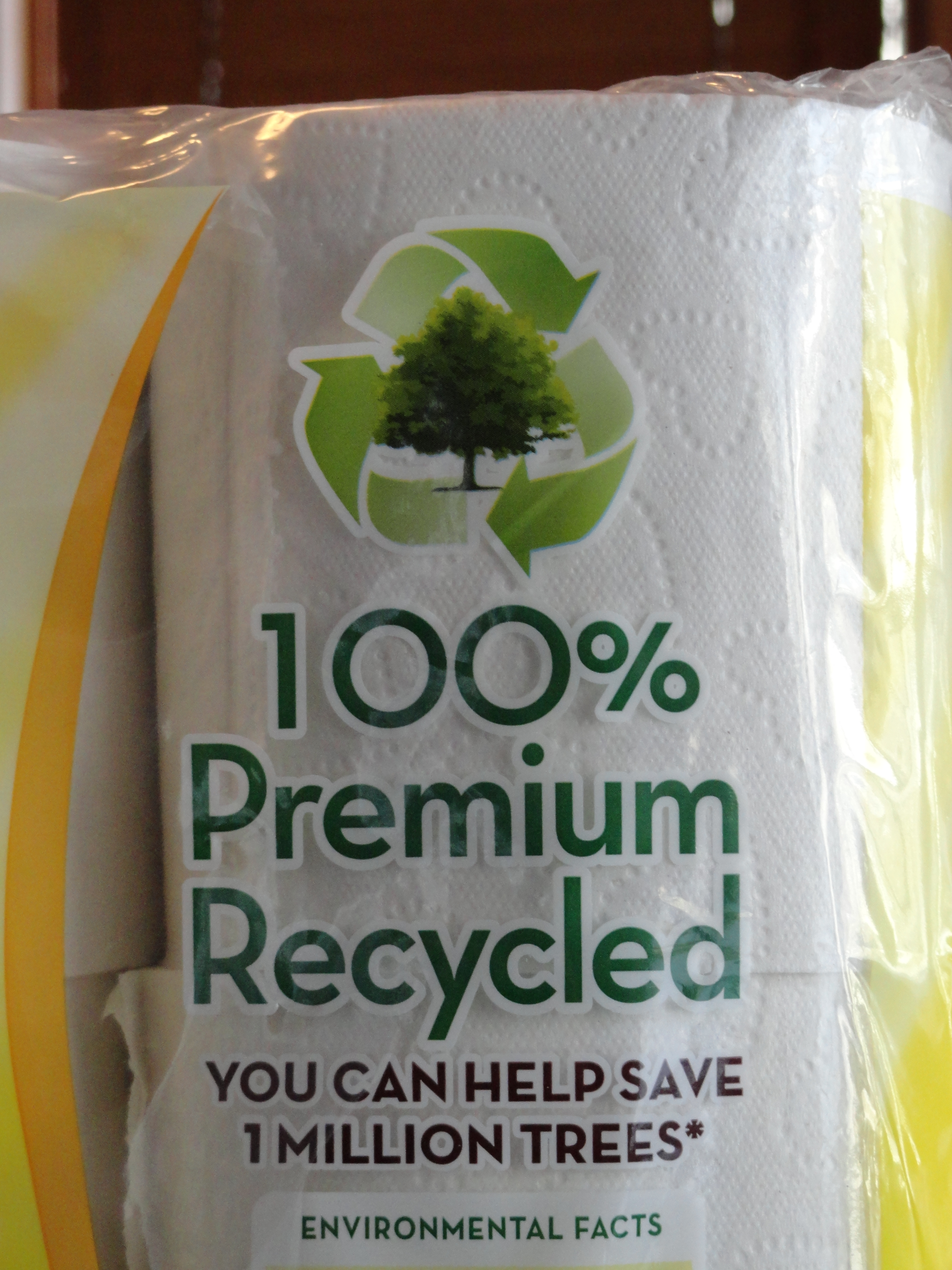
International Recycling Symbol 32px|alt=W3C|link=http://validator.w3.org/✓ The source code of this SVG is valid. Category:Valid SVG (Photo credit: Wikipedia)
The three arrows in the symbol represent the three main stages in recycling.
The first arrow represents the first stage of recycling – collection and sorting the various recyclable materials, to prepare them for processing.
The second arrow represents the second stage of recycling – processing the recyclable materials into raw materials and using these raw materials for manufacturing new products.
The three arrows form a closed loop, illustrating how the three main stages contribute and reinforce one another in the recycling process. The closed loop also means that should any of the stages in the recycling process be ineffective, the sustainability of the entire recycling effort would be affected.
It was one of those March days when the sun shines hot and the wind blows cold: when it is summer in the light, and winter in the shade. ~Charles Dickens, Great Expectations
Frozen ice sheets cover the lake, and wind-blown snow covers the landscape. The pileated woodpeckers, juvenile eagles and chickadees and long daylight bring joy. Snow falls, melting, and icy walking are almost an everyday cycle
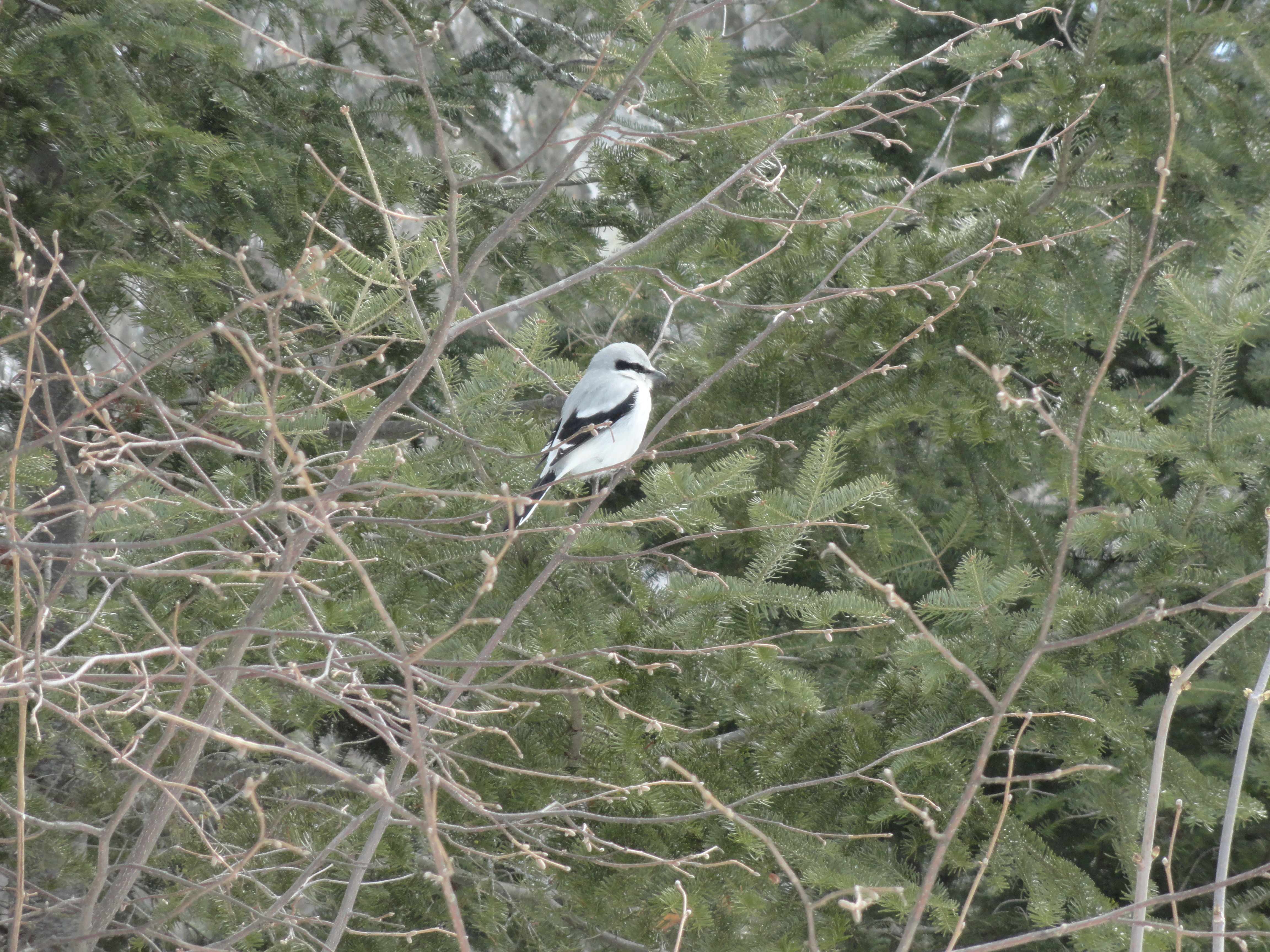
Attacking a chickadee a Northern Shrike is stunned as he bangs into a window. Our first great view of a shrike!
Real spring is still weeks away, but enjoy a March sunset over the lake
Saturday March 23 at 8:30 p.m. your local location
Earth Hour is a simple idea that quickly turned into a global phenomenon. Hundreds of millions of people around the world turn off their lights for one hour on the same night, to focus on the one thing that unites us all—our planet.
It is easy to forget how much we depend on the planet for so many things like food, fuel, water and fresh air and that the actions we take—from the energy we use to the food we buy—have an effect on the world. Earth Hour is our chance to make and show our commitment to protect our planet not just for one hour a year, but every day.
On March 11, Monarch Watch reported that the first faded female Monarch deposited her eggs on a milkweed plant in Port Lavaca, TX. “She looked almost transparent with tatter from her long journey.”
“As predicted, it is the lowest population ever recorded at 1.19 hectares.” Click here for a NY Times article “The American Midwest’s corn belt is a critical feeding ground for monarchs, which once found a ready source of milkweed growing between the rows of millions of acres of soybean and corn. But the ubiquitous use of herbicide-tolerant crops has enabled farmers to wipe out the milkweed, and with it much of the butterflies’ food supply.” This is where Wild Ones members can lend a hand and this is what we will try to help you do through our Wild for Monarchs campaign.
How can You Reduce your use of Chemicals? I know I am naïve, but I think it is the government’s job to protect us from harmful chemicals. Unfortunately there is little reliable research on most of the chemicals we put on our skin, hair and mouths. After reading the book Ecoholic by Adria Vasil, I wondered why I would put chemicals on my body when I never put chemicals on my yard or plants? I went to my local coop to research organic beauty products. Choices for organic body products are not huge, and they are expensive, but this is the only body you have and this should be a priority. Deodorant has some harmful chemicals, and I would start with a chemical free deodorant. http://www.naturalnews.com/033364_deodorants_chemical_ingredients.html
Next, I would purchase an organic or a scent free body lotion, and then research the ingredients in other products you use. Part of the mission of this website is to encourage the use of less chemicals, and I hope the list below will help you make smarter cosmetic choices and have a healthier life in 2013. As with everything we purchase, it is always important to read the labels and purchase low carbon impact products( buy local and non-toxic.) Good Luck and remember to recycle all containers when you are finished. Environmental writer, Adria Vasil has 15 chemicals to avoid in our personal body products: Her list follows:
Each year, Americans throw away some 100 billion polyethylene plastic bags. Only 0.6 percent of bags are recycled. From Worldwatch
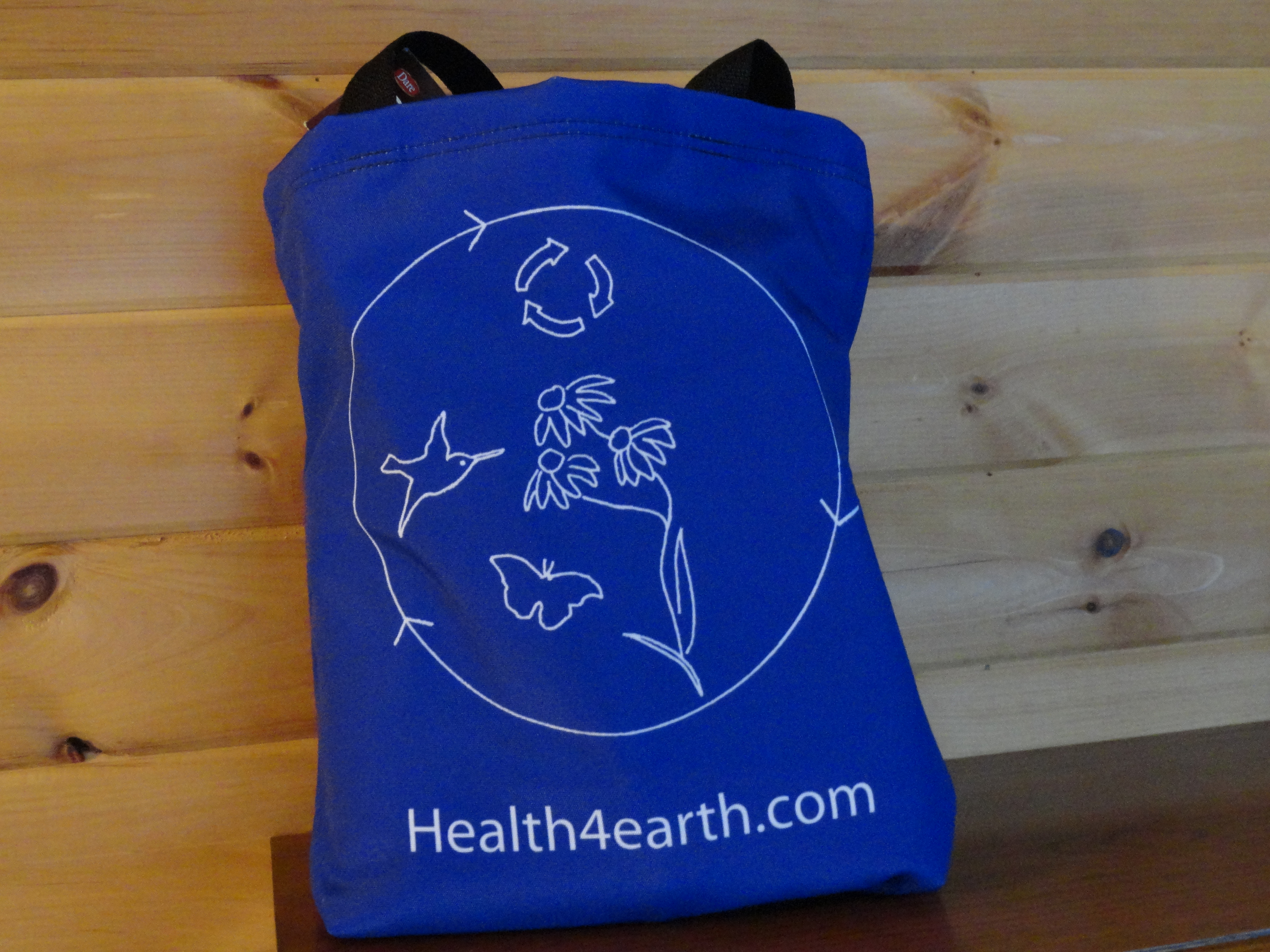
Remember your reusable bags
While standing in line to check out with my groceries an outspoken woman caught my attention. She was complaining, “All the chemicals in our environment are going to kill us!” I was pleased with her passion until she loaded her groceries into 10 bags of plastic. What is wrong with this picture? Plastic bags are one of the most harmful things to our environment. They litter our landscapes, clog waterways, and kill birds and mammals. Thousands of marine mammals die each year after swallowing or choking on discarded plastic bags. Plastic takes many years to break down, and only a small percentage of them are recycled. As they spend thousands of years in the landfill they continue to leach out harmful chemicals into the environment. Because of all these negative consequences, how could anyone forget their reusable bags when they go shopping?
How can we cut down on plastic bags?
*Always bring your washable reusable bag shopping, and refuse plastic bags.
*Bring refillable containers and cloth mesh bags for your purchases.
*My coops have brown paper type lunch sack bags which I always choose, and then compost. Regular grocery stores let me bring paper sacks for bulk and produce. I know this might seem extreme, but not using plastic bags makes me feel great!
Reuse plastic bags if possible and always recycle them . Many grocery stores have recycling collection containers for plastic bags. Plastic bags should be dry and clean to recycle, and cut off the zip-lock edge. I turn them inside out and dry in my laundry tub before recycling.
Below is a very sad video on how fatal plastic is to birds:










 Health4earth