Happy Summer! What are ways we can show our love for our planet?
Below is from the Carbon Almanac :
The ‘official’ start to summer is June 20th in the Northern hemisphere though it seems that the heat of the season has arrived earlier.
There is a heat dome happening in North America with the mercury reaching temperatures that normally are seen later in the season. In addition, Delhi India recently broke temperature records with a new record of 49.9 degrees Celsius (121.8 degrees Fahrenheit). The previous record was 49.2 degrees Celsius (120.5 degrees Fahrenheit), which happened just two years ago.
High temperatures are particularly problematic for senior citizens as the body doesn’t cool down as easily. By mid century, about 20% of the world’s population will be over 60. If you are 35 years or older now, you are included in that number. Another vulnerable group are the unhoused.
Human actions are causing climate change which in turn is causing more extreme heat waves. Which can also lead to conditions for forest fires.
Be healthier and avoid the chemicals contained in plastic!
Plastic Free July is about creating awareness about our plastic problem and to encourage individuals to move to a plastic-free lifestyle. Working together we can make a difference to reduce our plastic use and create a world free of plastic pollution.
Other than being light weight, plastic is not a good product. It is made of fossil fuels, and the production of plastic creates air pollution. It pollutes our waterways and land. Plastic also contains toxic chemicals which can poison our food and health. https://azchemistry.com/list-of-chemicals-in-plastic
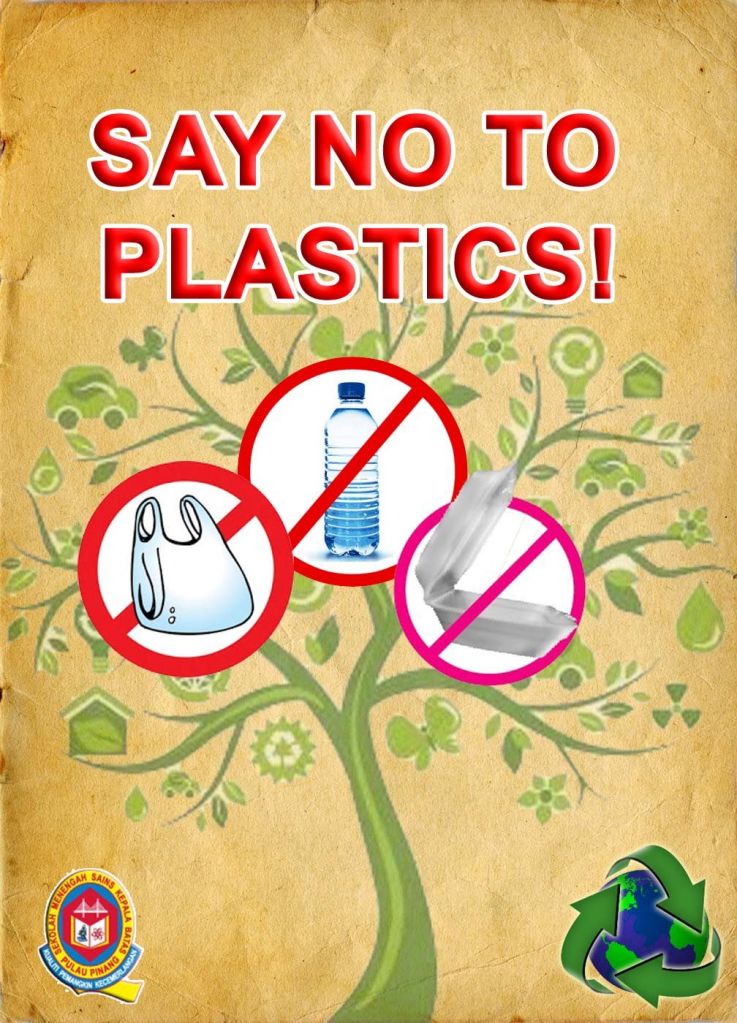
Plastic reduction is not easy, start small with one thing to eliminate. I have 4 ideas for your #plasticfreeJuly: Start your #plasticfree month by deciding to bring your own bags and decide “no plastic bags” or use a reusable water bottle and choose not to purchase bottled water or soda. Or decide every bit of plastic you purchase must be recyclable (a lot is not), and then make sure it is recycled. Maybe, bare purchase your produce or meat without plastic. You know what plastic you use. Look at the plastic waste you create, what can you eliminate? Good Luck!
I challenge you to a July without plastic bags or plastic bottles.
States and Countries are changing the discussion on plastic:
Landmark legislation in California will reduce single-use plastic by 25% over the next ten years. The ambitious law requires at least 30% of plastic items sold or bought in California are recyclable by 2028 and economic responsibility falls to producers. It’s the first state in the US to approve such sweeping restrictions. Guardian
This has been an unusual summer in an unusual world. Wild fires, pandemic. drought and excess heat dominate the conversation and the media. Many now check the morning air quality just like they check the weather. A local weather expert says there is no normal anymore. In Minnesota and Wisconsin we are used to fresh Canadian air, but more and more we are getting dirty wildfire smoke!
Many of us have no idea how we should change our behavior when the air quality is poor. Lawn mowers, leaf blowers, fire pits, and car trips continue to pollute the already dirty air. Hennepin County has some suggestions below.
Dirty air can make cases of Covid-19 and other respiratory diseases much worse. Be careful, and wear a mask!
I am a firm believer in community health and working together for healthy communities. We can all take more personal responsibility for clean air and clean water. Many minority communities deal with polluted air on a daily basis, and have lived with bad air for many years. Wildfires don’t discriminate like chemical plants, hazard waste dumps, and garbage burners. We all experience the smoky air, and see what breathing is like in other polluted places. Clean air is necessary for everyone, do your part!
Our actions count, make them positive!
The largest county(Hennepin) in Minnesota posted ideas to manage bad air days.. I think it is worthwhile.
Below is from Hennepin County:
Stay healthy during air quality alerts
In July, the Twin Cities area experienced air quality alerts due to an increase in fine particles from Canadian wildfire smoke. This made the air unhealthy for sensitive groups, which includes those with asthma, heart or lung disease, older adults, children, and people doing extended physical activity outside.
Stay healthy
Everyone should take precautions when the air quality is unhealthy:
Take it easy, listen to your body, and limit, change, or postpone your physical activity. Stay away from local sources of air pollution, like busy roads and wood fires, if possible. If you have asthma, follow your asthma action plan and keep quick relief medicine handy.
Reduce pollution
There are also steps people can take to reduce pollution to avoid contributing more to unhealthy air quality. These include:
Reduce driving by combining trips, avoiding unnecessary idling, carpooling, and walking, biking, or taking public transit. Postpone backyard fires. Postpone the use of gasoline powered lawn and garden equipment. If possible, invest in electric lawn equipment. Learn more about air quality and how to stay healthy during poor air quality days on the Hennepin County Climate Action website.
We love our freedoms. We ride ATVs, run leaf blowers and lawn mowers, spray chemicals and have fires in our yards, totally unaware of how are actions could be affecting other people. A new study by the Minnesota Pollution Control Agency(MPCA), puts the responsiblity for air pollution on the general public. Their study says air pollution in the Twin Cities area (Minneapolis, St. Paul and suburbs 2.8 million) causes 2,000 deaths a year.
The Minnesota Pollution Control report gives specific ways to improve air quality:
Drive the most fuel-efficient vehicle you can afford.
Take public transportation, walk, or bike whenever possible.
Limit wood-burning activities like backyard bonfires.
Look for alternatives to fossil-fuel-burning small engines such as electric lawnmowers and weed trimmers rather than those that use gas.
Pollution is a human caused factor creating the reality of climate change and harming the health of all people, our oceans, and all living things. See articles below:
http://www.startribune.com/local/228250501.html Minnesota is trying to adjust for the future to the changes in the climate for the north woods. What new trees might thrive or will the north country become prairie?





 Health4earth