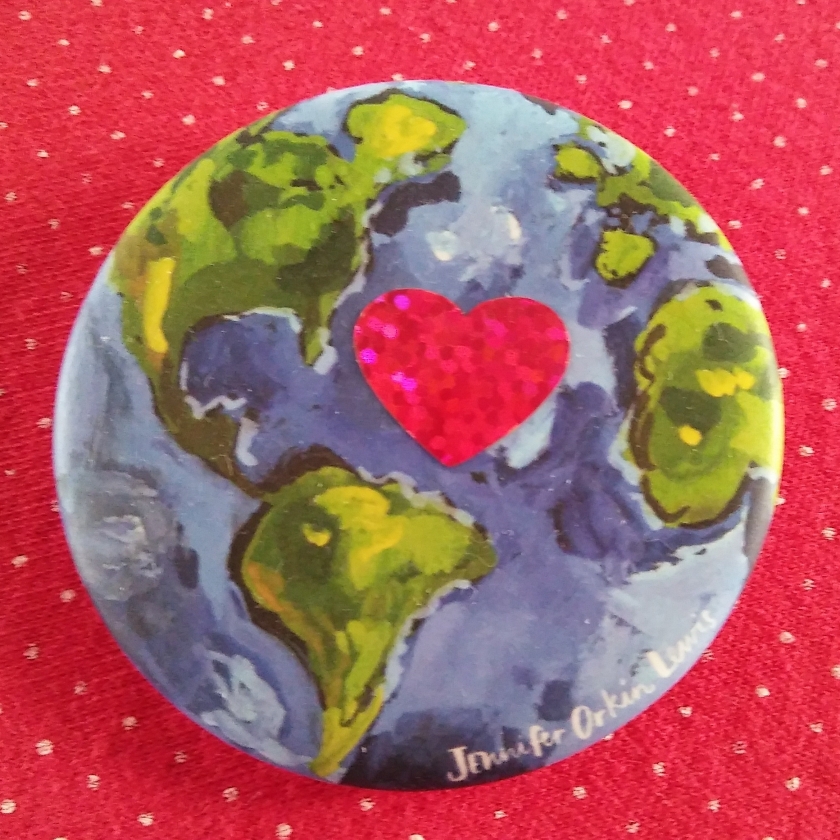
Happy Summer! What are ways we can show our love for our planet?
Below is from the Carbon Almanac :
The ‘official’ start to summer is June 20th in the Northern hemisphere though it seems that the heat of the season has arrived earlier.
There is a heat dome happening in North America with the mercury reaching temperatures that normally are seen later in the season. In addition, Delhi India recently broke temperature records with a new record of 49.9 degrees Celsius (121.8 degrees Fahrenheit). The previous record was 49.2 degrees Celsius (120.5 degrees Fahrenheit), which happened just two years ago.
High temperatures are particularly problematic for senior citizens as the body doesn’t cool down as easily. By mid century, about 20% of the world’s population will be over 60. If you are 35 years or older now, you are included in that number. Another vulnerable group are the unhoused.
Human actions are causing climate change which in turn is causing more extreme heat waves. Which can also lead to conditions for forest fires.
Water is Life, we must do a better job of protecting our waters.
World Water Day March 22, 2024 is the United Nations observance day dedicated to highlighting the importance of freshwater. It serves as a reminder of the critical role water plays in our lives and ecosystems.
“Water for Peace” is this year’s theme. fostering peace, prosperity, and conflict prevention in the role water plays in the world.
It is shameful the poor job we do to take care of our fresh water. Our fresh waterways are teaming with microplastics, nitrates and forever chemicals. None of these safe for human exposure. In some places invasiive speciaes have been introduced that also change the entire ecosystem of our water ways.
73 percent of Minnesota nitrate pollution comes from cropland, primarily through agricultural drainage systems below cropped fields and by nitrate pollution leaching into groundwater, and then moving underground until it reaches streams. 78% of nitrate pollution to the Mississippi River in our state is fr…See more on fmr.org
At least 70 million Americans get their water from a system where toxic PFAS “forever chemicals” were found at levels that require reporting to the Environmental Protection Agency. That’s according to new data the EPA released in its ongoing 5-year review of water systems across the nation. The number will almost certainly grow as new reports are released every three months. USA Today, March 21.2024
Careless humans have transported invasive plants and animals with their boats and equipment. Invasive species disrupt aquatic ecosystems, endanger native species, and have far-reaching consequences that harm the eco-system of waterways.
What are a few things you can do to protect our waterways?
1. Always clean your boats and equipment before entering lakes.
2. Pick up litter
3. Keep the storm drains near your home free of leaf debris and plastic waste.
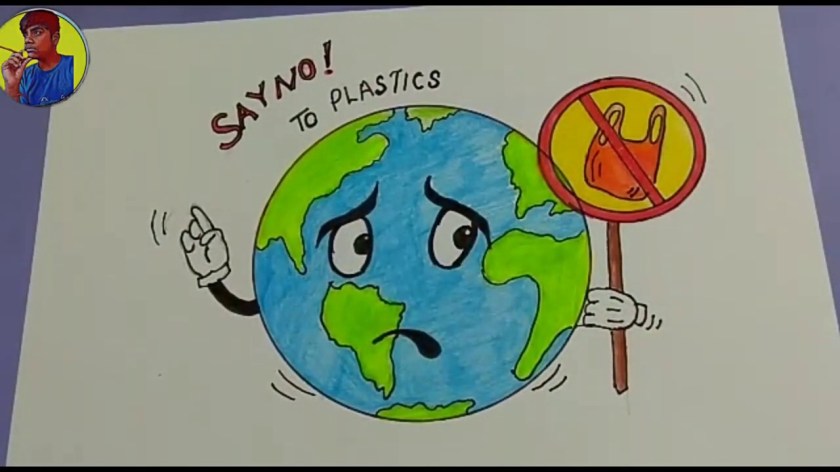
4. Reduce the plastic you use, and always make sure your plastic waste is in the correct place, either recycling, landfill waste or hopefully to be reused again.
5. Plant deep rooted plants that absorb water runoff, like native grasses and native plants.
6. Create rain gardens or adjust your drain spouts to drain onto your lawn or gardens.
I hope we can all start the year with hope for peace and joy and a healthier cleaner planet. Every action we take matters Our collective actions, can contribute to positive change and help us to feel we are making a difference, and we are!
If plastic were a country, it would be the fifth largest emitter of green house gases!
Easy ways you can reduce your plastic footprint:
Always carry a reusable glass or metal water bottle, and reusable shopping bags with you.
Learn to refuse single-use plastics, such as plastic water bottles and coffee cups, straws, plastic bags and plastic utensils.
Purchase fruit and produce in the bulk section, and don’t place items in plastic bags.
Always search out products in glass jars instead of plastic containers.
When you must buy plastic products, choose ones that you can recycle rather than ones you must put in the trash.
Bring your own containers and shop the bulk section of your local food coop.
Over 98% of plastics are made from fossil carbons such as oil and gas. Turning these substances into plastics involves the addition of petrochemical additives – quite a lot of them. Over 13,000 chemicals are known to be involved in the production of plastic. More than 2300 of these are “chemicals of concern.” Some are highly toxic, and include carcinogens, neurotoxicants, and endocrine disruptors. These chemicals pose serious risks to human health because they can leach or migrate at every stage of plastics’ life cycle.
Food Packaging: When food or beverage is packaged in plastic, chemical additives can leach into what we eat.
Microplastics: Plastics don’t biodegrade; they break up into smaller and smaller pieces known as micro- and nanoplastics, which are so small that they become caught up in the air we breathe, the water we drink, and the food we eat. These pieces are present almost everywhere researchers have ever looked, including inside the human body. Scientists have detected plastic particles in human lung tissue, intestinal tissue, blood, breast milk, the muscle of the heart, and both sides of the placenta – including inside fetuses and newborn babies.
Cell damage: Plastic particles inside the body can irritate, inflame, and even puncture cells. This is especially concerning in the intestine and lung, where microplastics make direct contact with thin, sensitive tissue.
Chemical leaching: Microplastics never stop leaching their chemical contents. Once they are inside the human body, they can act like tiny trojan horses, spilling out chemical additives for as long as they are present. Over 98% of plastics are made from fossil carbons such as oil and gas. Turning these substances into plastics involves the addition of petrochemical additives – quite a lot of them. Over 13,000 chemicals are known to be involved in the production of plastic. More than 2300 of these are “chemicals of concern.” Some are highly toxic, and include carcinogens, neurotoxicants, and endocrine disruptors. These chemicals pose serious risks to human health because they can leach or migrate at every stage of plastics’ life cycle.
Cancer: Many of the chemical additives in plastics are known to cause cancer. Bisphenol A, phthalates, and polyvinyl chloride, for instance, are welldocumented carcinogens.
Endocrine Disruption: A great number of additives mimic hormones and disrupt signaling throughout the body. They can scramble appetite cues and metabolism, leading to obesity, diabetes, high blood pressure, and heart disease. They can hijack reproductive signals, speeding puberty, lowering sperm counts, and prompting infertility. Endocrine disruptors are also associated with cancer – especially breast, prostate, and testicular cancers. Neurological Effects: Endocrine disruption can disturb brain development, leading to lower IQ, ADHD, and autism-spectrum disorders. Go to http://www.beyondplastics.org and email us at beyondplastics@bennington.edu to learn about the tools we have to reduce our exposure to harmful plastics and petrochemicals. Besides limiting your own personal plastic use, what can be done? Nearly half of all plastics manufactured today are single use items and packaging. Legislation that reduces the production of these items and mandates extended producer responsibility will go a long way toward relieving health risks. It is vital that lawmakers regulate the chemical content and toxicity of plastic. Many of the chemicals used to manufacture plastic are unnecessary and can be banned and substituted with safer alternatives. The brains and bodies of infants, fetuses, and small children undergo exquisitely complicated and carefully timed changes. When these are disrupted, the effects can be permanent – and profound. Infants and fetuses also face risks of prematurity, stillbirth, low birth weight, birth defects of the reproductive organs, impaired lung growth, and childhood cancer.
Avoid plastic, fill your glass or metal bottles with liquid
I have written about many of these items in other blogs, and this pulls many of my ideas together. I could add other items that I believe are harmful such as pesticides, but I don’t want to distract from this excellent essay. The below ideas are from: http:www.treehugger.com
If you care about your health avoid these:
1. Conventional skin and body care products
2. Junk Food
3. Plastic Containers
4. Non-stick cookware
5. Household cleaners
6. Nail polish and perfume
7. Factory-farmed meat
8. Factory-made clothes from China and other low wage countries
“Maybe you can’t change the whole world, but you can change your world.” Harvey Mackay
Climate change is real, human activity is causing it, and with all of us taking simple actions we can make a big difference. Below are my suggestions for a new commitment to our earth, our children, and to our own health!
My top TEN suggestions for a happier healthier 2014:
Always turn off lights and unplug electronics when not in use. For me this is a constant effort because I love light during the winter!
Drive less: Walk, bike, ride share, Carpool, combine errands, and take public transport.
Reduce two-cycle engine pollution: Add more garden and pollinator friendly plants to reduce your lawn mowing, shovel snow by hand, and choose silent sports. Polluting our air is not cool!!
Purchase products made from recycled materials. This saves energy, trees, water and natural resources. Recycled paper products are the easiest to find.
Reduce or eliminate your use of pesticides, especially Neonicotinoids. You, your pets, birds and butterflies will be much healthier.
Reduce or eliminate beef from your diet. Producing beef uses lots of energy!
Recycle all plastics, glass and metal cans, and of course paper. According to TerraCycle 84% of household waste can be recycled
Turn down the thermostat and survey your home for ways it can be more efficient. Schedule an energy audit from your local power company.
Read Labels: Never purchase or use hand wash or cleaning products with Triclosan. There is evidence they are hormone disrupters and they concentrate in our lakes and streams. Change your cleaning products to reduce chemicals in your home. Baking soda and vinegar can clean almost anything! This is a link to make your own products: http://www.pca.state.mn.us/index.php/view-document.html?gid=11368
Finally, work to elect leaders that believe in Climate change.