Plastic Pollution

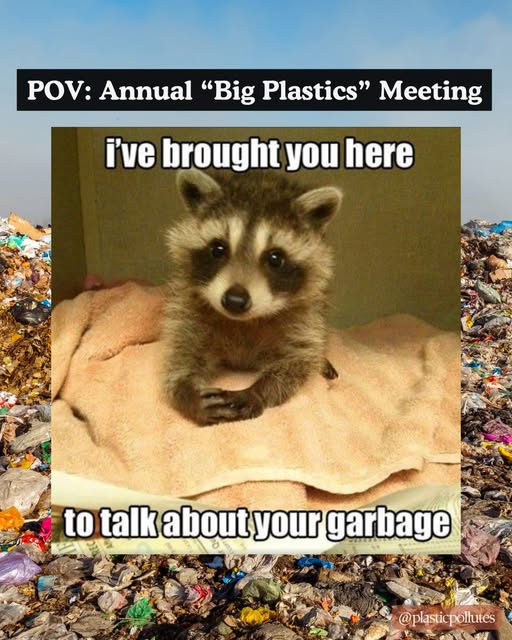
How much garbage do you produce?

Below is from the Plastic Pollution Coalition:
Plastic “recycling” is a false solution to plastic pollution. How do we know this? Since the 1970s, businesses making and selling plastic, governments, and some organizations have overwhelmingly told the public that it is essential to recycle plastic. Recycling messages have been communicated to us across all types of media and in many different ways: in advertising campaignsimprinted recycling symbols on plastic products, and much more. Yet, despite this major push for recycling plastic, plastic pollution and its toxic impacts continue to grow. There is plenty of evidence that plastic recycling is not only failing to live up to its promises, it is also making plastic pollution worse. In contrast, by focusing on plastic-free reuse, we can tap into a solution that ends wastefulness at the source.

Recycled Plastics Are Toxic

How can an activity we’ve been told is right actually be wrong? Turns out, plastics were never designed to be recycled. “The future of plastic is in the trash can,” one packaging industry executive said at a plastic industry meeting in 1956—not in the recycling bin. In other words, plastic was designed to be wasted, despite the heavy toll that its full existence—from the extraction of fossil fuels to plastic’s eventual disposal in landfills, incinerators, or the environment—has on people and the planet.

Plastics are Not “Circular”

Today, the plastic and fossil fuel industries continue to perpetuate the myth that plastics are recyclable by promoting the idea of “plastics circularity”—that plastics can somehow be reused endlessly without creating harmful costs. But this idea is false: Plastic recycling as it is today is harmful and cannot be considered “circular,” because plastic recycling processes continue to drive plastic pollution and its dangerous and toxic impacts—including the climate crisis, environmental injustice, chemical pollution, and more. And while we may need to engage in some kinds of recycling of the less toxic plastics we already have in order to mitigate plastic pollution, recycling on its own cannot be seen as the sole solution to plastic pollution. Instead, recycling must be coupled with a drastic reduction in plastic production in order to be more helpful than harmful. 

“Recycled” Plastics are Actually Downcycled

Additionally, even when plastics are recycled, they are most often “downcycled,” or made into items of lesser value and quality (like turning plastic water bottles into plastic fleece jackets or carpet fiber), and continue to cause considerable pollution. When collected for traditional “mechanical” recycling, plastics must be sorted by color and type, washed, and shredded up. These processes burn large amounts of fossil fuel energy–emitting chemicals and greenhouse gases, waste and contaminate water, and create microplastics and nanoplastics. The small plastic particles are then melted down, and manufacturers must mix in a large amount of newly made (virgin) plastic and/or toxic additives to restore some of its useful properties. Recycling increases the toxicity of plastic; there are hundreds of additional toxic chemicals, including pesticides and pharmaceuticals, in recycled plastic. And that’s in addition to the mix of more than 16,000 chemicals in newly made plastic.

“Recycled” Plastic is Not Suitable for Food and Beverage Packaging

The toxicity of plastic and recycled plastic presents serious dangers to the environment and public health, and drives environmental injustices. Research has indicated that recycled plastic is not suitable for many uses, particularly when it comes to packaging of food and beverages, as it contains a wide range of dangerous chemicals. Drink bottles made of recycled plastic are even more contaminated than drink bottles made of virgin (new) plastic, and these chemicals easily leach into the beverages they contain. 

Plastics Create Environmental Injustice

Today, most plastic that is discarded as “waste” is never recycled. The global waste industry is more likely to landfill, incinerate, or ship plastic—often to the Global South—where plastic is dumped and sometimes open-burned, driving pollution and injustice as waste colonialism. Meanwhile, these industries only continue to increase plastic production, worsening plastic pollution.

Communities near plastic recycling sorting centers, often called materials recovery facilities (MRFs), and recycling plants are often the most underserved, and face increased risks to their health. People who find employment by picking through plastic pollution as part of the informal waste sector, who often live in the Global South, face serious health hazards and poor working conditions. Plastic recycling infrastructure and activities can cause polluted air, soil, and drinking water; bring constant truck, train, or barge traffic as well as scavenger animals who are attracted to eating waste; and there are often fires or intake of radioactive and other hazardous materials.

Holding Exxon Accountable

“ExxonMobil lied to further its record-breaking profits at the expense of our planet and possibly jeopardizing our health” Attorney General Rob Bonta

peace on earth

Plastic is harmful to our earth and to our bodies. The producers of plastic should be held accountable.

“For decades, ExxonMobil has been deceiving the public to convince us that plastic recycling could solve the plastic waste and pollution crisis when they clearly knew this wasn’t possible. ExxonMobil lied to further its record-breaking profits at the expense of our planet and possibly jeopardizing our health,” Rob Bonta, Attorney General, California

A coalition of environmental groups have joined together to take ExxonMobile to court. Surfrider Foundation, the Sierra Club, Heal the Bay, and San Francisco Baykeeper are taking on the world’s largest producer of single-use plastic polymers for their claims about plastic.

The lawsuit was filed in San Francisco, California and states that ExxonMobile knowingly hid the truth about the harm caused by plastic and misled the public about its recyclability.

Niall McCarthy, partner at the law firm that is representing the coalition, said:

“Some of the greatest progress in American history was caused by civil lawsuits holding the powerful accountable for their actions. This is another such case brought by the most prominent environmental nonprofits in California who are willing, for the public good, to take on a company worth billions. The case will expose the devastation caused by single-use plastics and the deceptive recycling myth pushed by plastic producers such as ExxonMobil. The case, at its core, is about accountability.  ExxonMobil’s promises of being a good corporate citizen are divorced from the reality of its conduct. As detailed in the complaint, ExxonMobil’s single use plastics are smothering California’s environment.”

“I have NO hope!”

A strategy needs to be something that can be sustained!” President Obama on fighting ISIS

How are we as a society failing our twenty-some year old young men? The shooters in San Bernardino were living the life the men I talk about below wanted.  Where can we find a life of hope and purpose for these young men? How can they be encouraged to connect to the world around them?

This is a blog I wrote after the Paris terror attack:

Today I am writing about the young men I met on a recent trip, and I am calling on the wealthy, big corporations, the United Nations, and the World Bank to help them by creating jobs.

The Macedonian flag
The Macedonian flag

My husband and I have just returned from Albania, Kosovo, and Macedonia.  In the past few years we have also travelled independently to Serbia, Bosnia, Romania and other Eastern European countries.  These countries are democracies, but are still struggling after Soviet domination for many years. The message we hear from the frustrated twenty-some men is, “We have NO hope!” These English-speaking locals approach us as we wait for buses, ride ferries, trains, or are looking at a map on the street.  Unemployment is very high and most we talk to are unemployed or a few are in a low wage jobs.  They have no confidence in their governments, and feel hopeless about their futures  They say they have to pay bribes to get jobs, and to get into the military.  Some of these young men are Muslims, and some are Orthodox Christians.  They think the only solution is to move to Western Europe, Canada or the United States. What is upsetting is the place and time and people change in these discussions, but their message stays the same!  I need to leave to find a better life!

Their frustrations are so enormous that it frightens me they will take any avenue to escape their situation.   Clearly, the answer is not with their governments.  Kosovo can’t account for all the funds NATO has given them to rebuild from their recent war.

The solution needs to exist inside their own countries. If companies are looking to expand, don’t forget Eastern Europe.  Large corporations expanding and creating jobs in these countries could make a big difference! The men we speak to appear to be educated and have good communication skills, and say they are willing to work hard.

It is such a waste of human energy to have energetic minds struggling for a future! The roots of terrorism are very complicated and my ideas are simplistic, but how can these individuals feel they are important, that their lives matter, and that they can contribute worthwhile things to society? What are some sustainable jobs and industries NGOs or private business can start or create in Eastern Europe?

After a soccer win, Albanians adorned with excitement and their flag.

Much needs to be done, but as I ride buses through the countryside these are the things that could be win-win for Europe and the entire world:

  1. Solar is a natural for this area.  Wealthier areas have solar water heaters.
  2. Recycling is lacking and plastic litter is an enormous problem.  How could these plastic bottles and bags be made valuable?
  3. ECO Tourism.  Albania is on the Adriatic Sea and the ancient and historic sites make for some fabulous tourist attractions.

Below is a solar water heater:
image

http://infodev.org/publications/green-industries

http://ecowatch.com/2015/11/17/apple-solar-singapore/?utm_source=EcoWatch+List&utm_campaign=ab7bbc7486-Top_News_11_17_2015&utm_medium=email&utm_term=0_49c7d43dc9-ab7bbc7486-85912169

http://undesadspd.org/Youth.aspx

You ask me, “Where are the girls and women?” I can’t answer that question.  Sometimes on the street you see a hundred men to one woman.  Some women do have jobs, and girls are going to school, but overall this is a place where the men seem to dominate.

A Happier Healthier 2014 For You

999922_619252368141411_1083645899_n (1)“Maybe you can’t change the whole world, but you can change your world.” Harvey Mackay

Climate change is real, human activity is causing it, and with all of us taking simple actions we can make a big difference. Below are my suggestions for a new commitment to our earth, our children, and to our own health!

 My top TEN suggestions for a happier healthier 2014:

  • Always turn off lights and unplug electronics when not in use.  For me this is a constant effort because I love light during the winter!
  • Drive less: Walk, bike, ride share, Carpool, combine errands, and take public transport.
  • Reduce two-cycle engine pollution:  Add more garden and pollinator friendly plants to reduce your lawn mowing, shovel snow by hand, and choose silent sports. Polluting our air is not cool!!
  • Purchase products made from recycled materials.  This saves energy, trees, water and natural resources. Recycled paper products are the easiest to find.
  • Reduce or eliminate your use of pesticides, especially Neonicotinoids. You, your pets, birds and butterflies will be much healthier.
  • Reduce or eliminate beef from your diet.  Producing beef uses lots of energy!
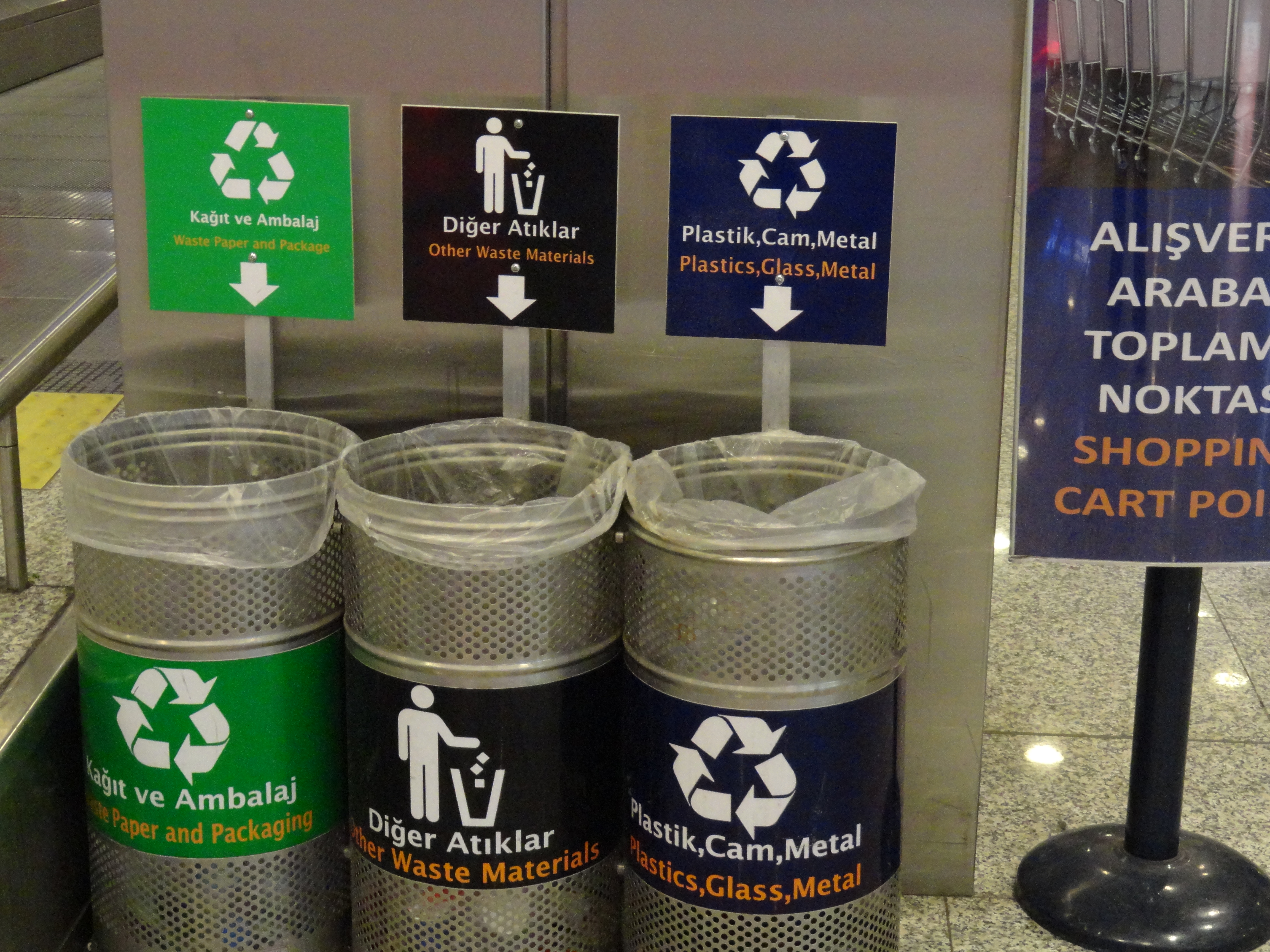
  • Recycle all plastics, glass and metal cans, and of course paper.  According to TerraCycle 84% of household waste can be recycled
  • Turn down the thermostat and survey your home for ways it can be more efficient. Schedule an energy audit from your local power company.
  • Read Labels: Never purchase or use hand wash or cleaning products with Triclosan. There is evidence they are hormone disrupters and they concentrate in our lakes and streams.  Change your cleaning products to reduce chemicals in your home. Baking soda and vinegar can clean almost anything! This is a link to make your own products:  http://www.pca.state.mn.us/index.php/view-document.html?gid=11368
  • Finally, work to elect leaders that believe in Climate change.

http://www.ways2gogreenblog.com/2013/12/30/simple-green-new-years-resolutions/

http://mashable.com/2013/10/22/reduce-carbon-footprint/    What you can do for climate change

http://www.ways2gogreenblog.com/2013/10/29/going-green-five-ways-update-home-save-money-utilities/

http://sierraclub.typepad.com/greenlife/2014/01/9-sacrifice-free-resolutions.html?src=link&utm_source=greenlife&utm_medium=email&utm_campaign=newsletter


Love these Go Green Forever stamps

Happy Holidays!

Made 300 fruit baskets for food shelves

smile
smile

I recently read that Americans aren’t very happy. What could make us happier?

Below are 10 Commandments of Happiness from the Happiness Project:

* Take it easy.

* Be yourself!

* Handle your responsibilities.

* Exercise understanding.

* Leave your worries behind.

** Live honestly!

** Behave positively.

** Open your heart and your mind!!

** Share your time, attention and talents with others.

My Additions:

*** Smile

*** Recycle at least 50% of your trash, and do everything you can to protect our water and air.  I promise, this will make you happy!   recycle

Lake Superior
Lake Superior

http://www.startribune.com/business/235791861.html

http://gretchenrubin.com/ Happiness project

Precycle This Holiday Season

recycle

“How much waste are you purchasing”  Minnesota Pollution Control

Plastic bottles and plastic bags litter our oceans, lakes, streams, and our countryside.  This is a serious worldwide problem.  What are some ways we can generate less plastic litter and less landfill trash?

 On America Recycle’s Day I am posting my tips to precycle.  When you precycle you make wise purchases that lead to less waste.

Below are my suggestions to encourage precycling, and you might be surprised to find you are already be doing the precycle drill.026

First, always bring your reusable bags shopping, and resist all plastic bags.

Second, choose products that use minimal packaging, and packaging that can be recycled.  Many corporations are making an effort to reduce packaging and offer packaging that can be recycled.  Be sure you recycle as much packaging as possible.

Third, carry your own reuseable water bottle.  The number of plastic bottles I see in008 the trash is shameful!

Always choose glass over plastic

Always choose glass products over plastic.  Glass products can be reused, they don’t have the harmful chemicals of plastic and they can be made into new glass bottles.

Fifth, Bulk purchases allow you to get just the amount you need, and I fill my reusable containers with bulk items.  Nuts, spices, oatmeal, tea, grains, beans and laundry soap are great bulk items.  Whole Foods and coops have recyclable/compostable brown paper bags for bulk items.  Placing your bulk items in a “one use” plastic bag negates the environmental advantage of bulk purchases.   010

Sixth, use washable reusable cloth bags for produce purchases instead of plastic bags, and avoid products on styrofoam trays wrapped in plastic film.

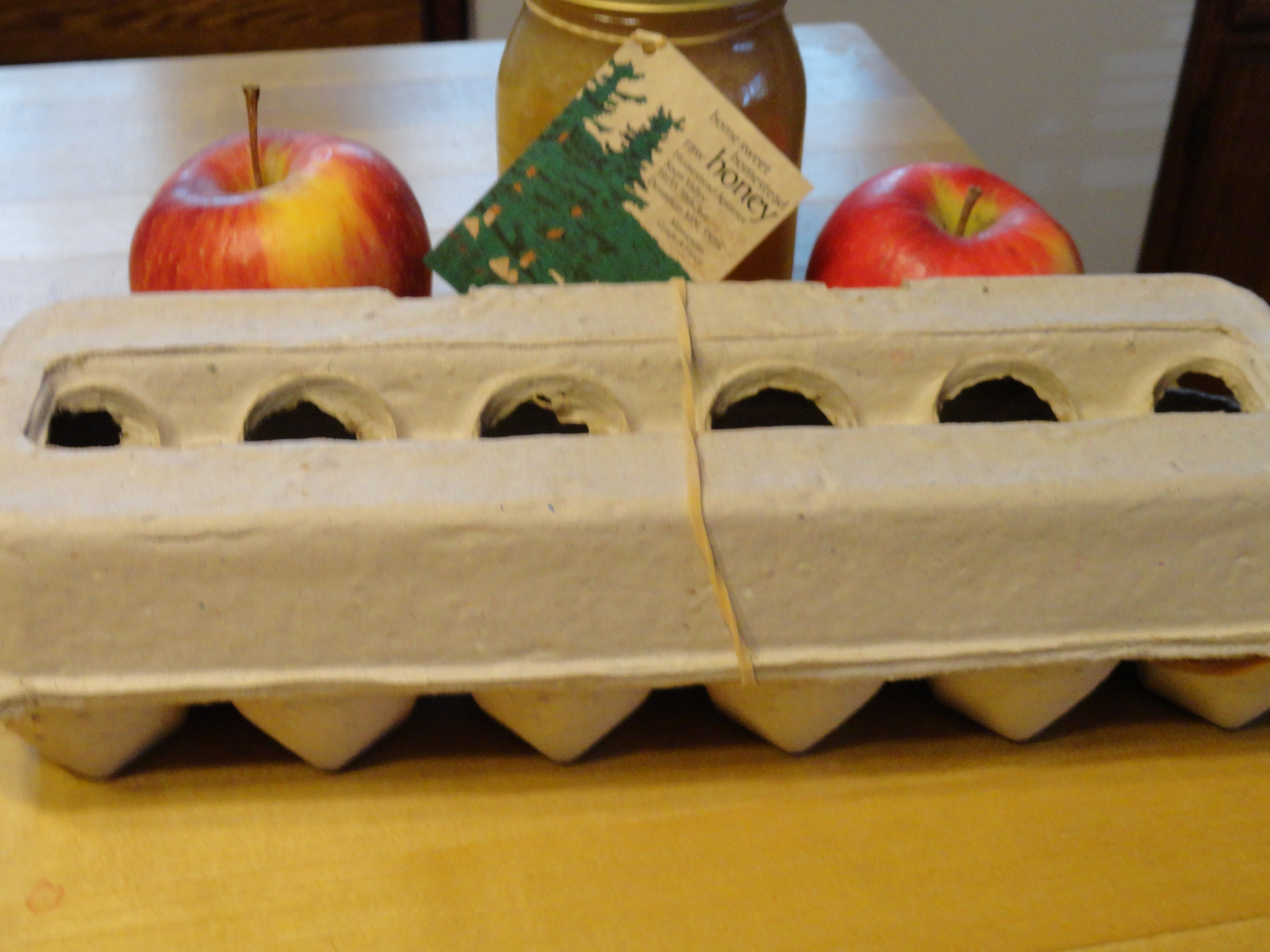
Finally, always use cardboard egg cartons. They can be composed or cut up and used as mulch around plants.  They can also be reused/refilled at some stores.

015Recycle everything possible, and return all plastic bags to locations that collect and recycle them.

Please share your tips for precycling

http://terracyclecommunity.com/2013/11/05/5-ways-to-reuse-at-home/

http://www.ways2gogreenblog.com/2013/05/30/how-to-live-green-to-protect-yourself-and-the-planet-earth/

http://myplasticfreelife.com/

http://earth911.com/art-entertainment/plastic-free-life/2  Interview with Beth Terry

SW Minneapolis: Helping businesses to Recycle MORE!

English:
English: (Photo credit: Wikipedia)

Message in a Bottle

The Recycling Association of Minnesota  (RAM) has a program called “Message in a Bottle.”  RAM will place a recycle barrel at your business and schedule vocational centers to pick up the recyclables.

Are you a business in Southwest Minneapolis?    I would like to help you apply for a customer recycling barrel to capture your customer’s bottles and cans that are now thrown into the trash.  These barrels would be placed near your trash containers.  Please contact me at health4earth@gmail.com and I will start the application process.  Limited barrels are currently available so get back to me as soon as possible.

There is no cost to participating businesses, and it should save you money by reducing your trash!

Recycle It, Don't Trash It! Screen
Recycle It, Don’t Trash It! Screen (Photo credit: Wikipedia)

I Tried to Reuse my Subway Salad Bowl.

394

If I have a choice when I travel, I try to eat at real plate restaurants.  As you travel across the USA this not always possible.  Subway is the only place from which I will purchase fast convenience food.  They have fresh food, and most of their packaging is tolerable, except for their plastic salad bowls and ALL the plastic bags they distribute!!  Yesterday, I tried to reuse my washed bowl for my Subway salad.  I thought they would reuse it, but they wouldn’t. Yes, I support good health practices!! But..my reply to them was, “Then, you should be recycling these bowls!”  Subway also should be recycling all the plastic bags they distribute.

We can comment to businesses we patronize that they should do more to recycle, and always choose business that have the best environmental policy.

We collect our recycles as we travel and lug them home to put in our home recycling, and we bring our own reusable dishes for hotel breakfasts.

Recycling in Dubrovnik, Croatia