This land is your land This land is my land From California to the New York island; From the red wood forest to the Gulf Stream waters This land was made for you and Me.
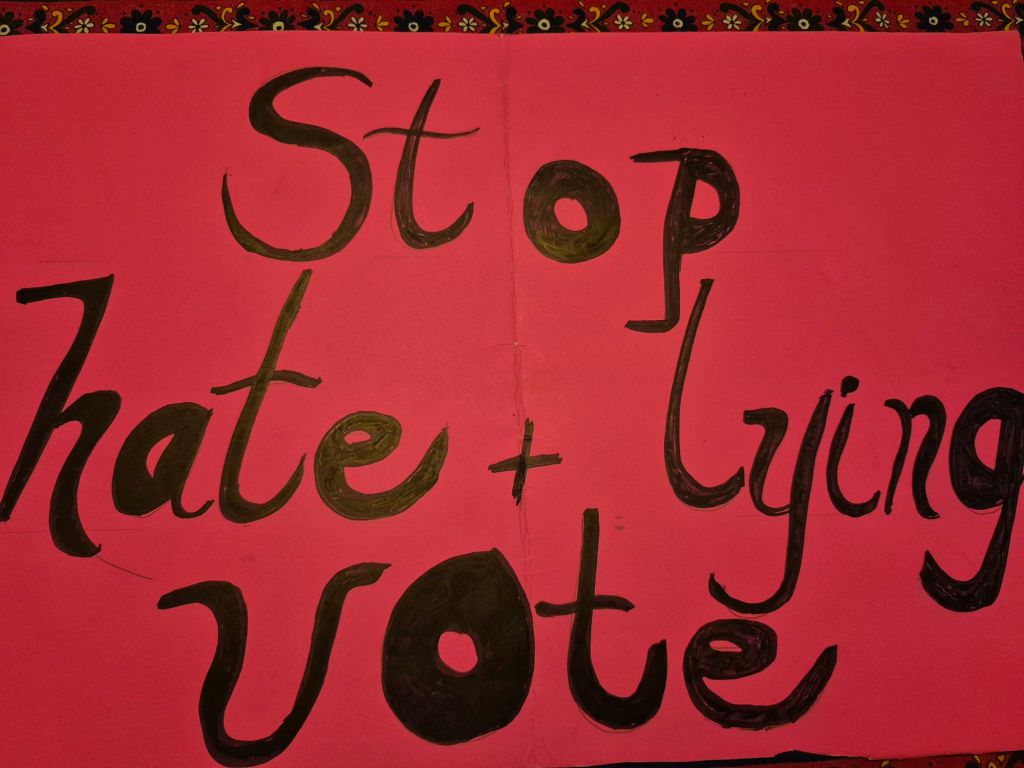
Voters spoke out against the current administration. But not only did democrats take over the Congress, but many incredible women were elected governors of their states. So exciting!
A great story of one of those new governors!
From the Atlanta Journal-Constitution via Minnesota Reformer:
“In 1860, an enslaved man named Sheppard Peek was listed among the possessions of William Peek. His value was placed at $1,400. More than a century and a half later, Sheppard’s great-great-granddaughter, Keisha Lance Bottoms, was elected governor of Georgia”
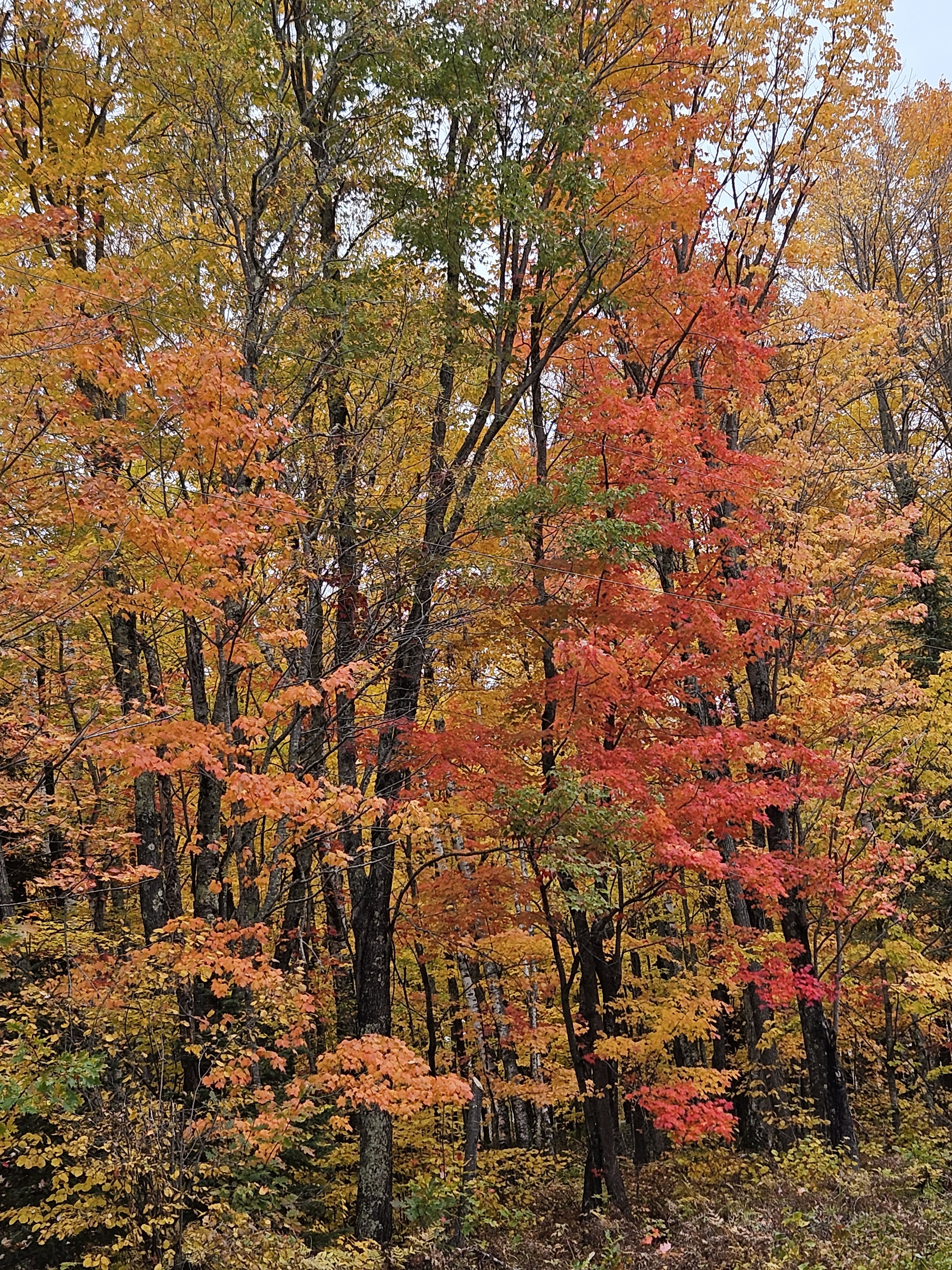
O beautiful for spacious skies, For amber waves of grain, For purple mountain majesties Above the fruited plain! America! America! God shed His grace on thee And crown thy good with brotherhood From sea to shining sea!
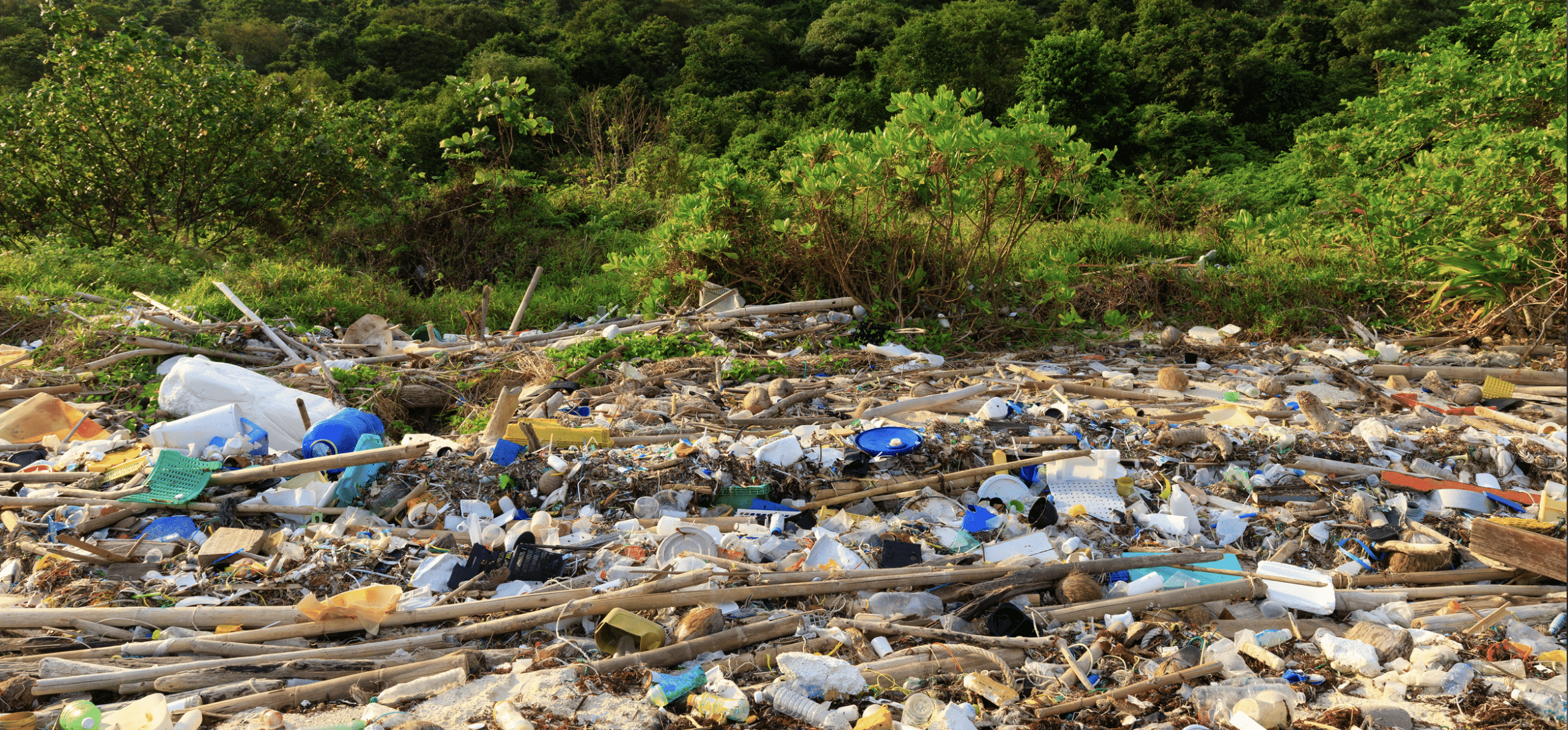
From busy city streets to remote coastlines, waste is piling up faster than we can manage. Each year, the world produces more than two billion tons of household waste, a number expected to nearly double by 2050. The impacts of waste are not shared equally: marginalized communities are often located near landfills, incinerators, and toxic dumping sites, while high-income countries export waste to nations with fewer resources, deepening global environmental injustice.
❝
There is no such thing as ‘away’. When we throw anything away, it must go somewhere.“
– Annie Leonard, Environmental Activist and Strategist
Plastics are among the most harmful forms of waste. Despite decades of recycling efforts, only about nine percent of all plastic ever produced has been recycled. The rest is buried, burned, or broken down into microplastics that infiltrate food, water, air, and even human bloodstreams. These particles persist for centuries, releasing toxins, disrupting ecosystems, and threatening human health.
I challenge you to reduce your trash. The easiest way is to eliminate single use plastic–No plastic bags, No plastic cups, utensils, straws or pouches. Good Luck!
Happy fall! After such a hot summer many are welcoming the cooler days, but not the shorter daylight. I love this post from the Carbon Almanac. Many are talking about working on a climate goal for the new season. I recommend using less single use plastic.
Today is the equinox when the sun crosses the equator and day and night are approximately equal in length. It happens twice a year, in March and September, and marks a transition from one season to the next season.
It can be a good time to think about what you want to transition to (or away from). Is there a change you have been wanting to make?
In the context of helping our planet, that could be setting up a regular walk with friends to talk about ideas, donating an hour to an environmental group, reading about your local government policies on climate adaptation or eating less meat one night a week.
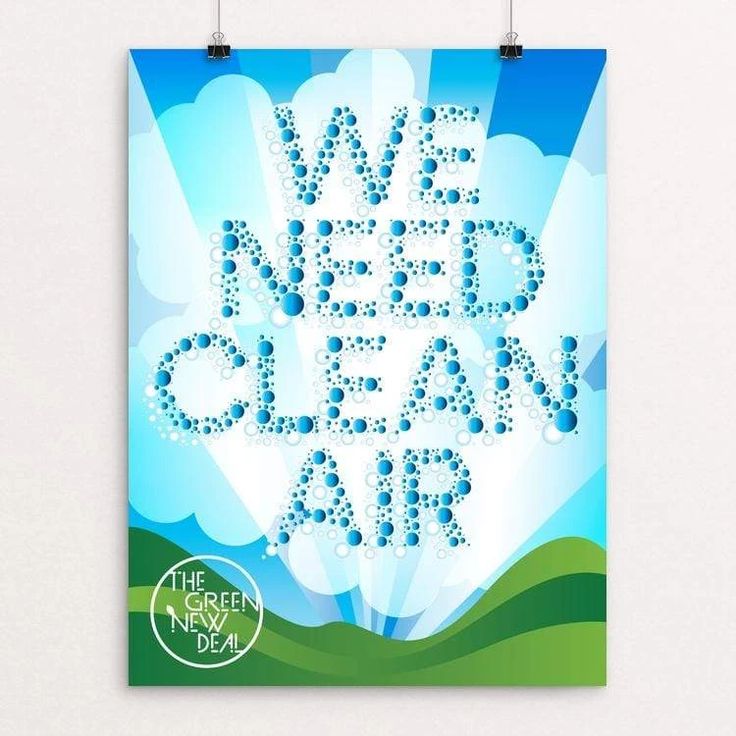
The air we breathe is precious. Please help protect it, and drive less!
Fossil fuels are a major contributor to our changing climate. We need to get rid of them not add more to cause air and water pollution.
United States allows more greenhouse gas emissions Thid week the U.S. Environmental Protection Agency (EPA) announced it was repealing a 2024 regulation that limited carbon emissions from power plants. This follows an action earlier this year that revoked a finding that carbon dioxide emissions were a threat to public health.
Fossil fuel power plants are the second largest contributor to greenhouse gas emissions in the United States, only behind the transportation industry.
Separately, the EPA is also pursuing a new rule that would prevent future governments from imposing a limit on emissions from power plants.
If you live in the United States and want to take action, reach out to environmental groups, engage in conversations within your community and speak to your elected officials. and drive less.
Consider our Earth when you make choices for your day.
Every day is full of choices. You won’t be perfect, but make it a habit to become aware! Our air, water, wildlife, and all living things thank you.
Below is from The Carbon Almanac:
Salvador Dalí once said, “Have no fear of perfection—you’ll never reach it.”
He wasn’t talking about the environment. But he could have been.
Somewhere along the way, the idea that if we’re going to care about the planet, we have to do it right. The right purchase. The right diet. The right commute. And if we can’t be sure we’re doing it right, a strange kind of paralysis sets in where it seems it is better to do nothing than to do something imperfectly and get it “wrong.”
Waiting for the perfect option is a very effective way to never act at all. And the perfect option doesn’t exist as every decision has trade-offs.
So if we can’t make the perfect choice, then we should be looking for the next best choice. The choice that we don’t make on autopilot. When we pause to weigh the planet in a decision, we’re not just making one choice. We’re practicing a habit of attention. And that habit doesn’t stay contained to the one decision in front of us. It grows. The more often we consciously factor in impact, the more naturally it shows up in the next decision, and the one after that. Awareness builds on itself in a way that a single “perfect” decision never could.
The real question isn’t “did I make the perfect choice?” It’s simpler than that: “did I include the impact on the environment in my thinking?”
The more we do that, the better we will become at making the next best choice.
Clean water and clean air depend on every day good choices.
When it comes to plastic, what goes around comes around. And not in a good way.We like to think plastic is gone for good after we throw it in the recycling bin or trash can. But plastic doesn’t just disappear. Instead, it finds its way back to us in the food we eat, in the water we drink, and even in the very air we breathe.The more we learn, the more concerned we become about plastic. It’s not only trashing our environment, it’s also getting into our bodies. That’s information you should be aware of and might want to pass on to your friends and neighbors.Let’s take a look at the ways in which the plastic we throw out eventually comes back to haunt us:Believe it or not, plastic particles called microplastics have been found in countless food items. Marine animals routinely mistake tiny microplastics for food. When we eat fish, shrimp or shellfish, we may eat the plastic these animals once consumed.1Plastic isn’t only in seafood. Microplastics are contaminating soil, and plants may absorb them through their root systems. This means that plastic may be finding its way into carrots, lettuce, potatoes and other common vegetables that we eat.2Microplastics are tiny. So tiny, in fact, that they can easily bypass standard water filtration systems. Studies have detected microplastics in tap water samples from cities all over the world.3If you think bottled water is plastic-free, think again. A single liter of bottled water may contain an average of 240,000 detectable plastic fragments, largely shedding from the bottle itself and the capping process.4Because microplastics are lightweight, wind easily sweeps up plastic fibers from car tires, degraded trash and even polyester clothing. These airborne plastics can travel thousands of miles, settling in city streets, parks and everywhere in between. And when they’re airborne, people unknowingly inhale them.5We already have plenty of plastic. But they keep making more and more.If current trends hold, 1.2 billion tons of plastic could be manufactured each year by 2050. To put this number into perspective, the cumulative total would be enough to completely cover the U.S. in a layer of plastic that’s ankle-deep.6At PIRG, we refuse to let this become our future.We’re urging grocers to reduce unnecessary plastic packaging and petitioning the Environmental Protection Agency to enact meaningful limits on microplastics in drinking water. And by raising public awareness of plastic’s problems, we’re working to generate the groundswell of support that’s necessary for meaningful change.But we can’t do it without you. Our work relies on the dedication of members like you who refuse to let the plastics industry dictate the health of our families and the future of our planet.Thank you for standing with us,Faye Park President
Refill your own container with bulk items. It reduces plastic and I think it saves you money, too!
Join the #5DayChallenge to reuse. World Refill Day is June 16, but let’s make reuse a habit all week long and beyond.
Choose a new reusable plastic-free swap each day or stick with one that works for you. Whether it’s refilling your coffee cup, reusing containers for takeaway food, or shopping packaging-free options—every swap counts.
What is World Refill Day? World Refill Day is a global awareness day spearheaded by City to Sea, an award-winning UK-based environmental charity working to stop plastic pollution at source. The day asks individuals, businesses, and policymakers to choose reuse over single-use, whether that means refilling a water bottle, bringing a reusable cup to the coffee shop, or shopping at a packaging-free store. It sits alongside the Refill app, which now lists hundreds of thousands of free water refill points across more than 30 countries.
But FIFA just decided late last week to no longer allow any reusable water bottles at World Cup stadiums, so sports fans can’t beat the heat without resorting to wasteful disposable plastic bottles.1
Access to water is critical to fans’ comfort and safety — especially in sweltering summer weather. And spectators should be able to stay hydrated without producing plastic waste that will stick around as pollution for centuries.
FIFA had originally said that some types of reusable bottles would be allowed, before suddenly reversing course.2
It’s a move that will only create more plastic trash at a time when plastic pollution is already out of control. Every 16 hours, Americans throw out enough plastic to fill a sports stadium up to the brim.3
Every disposable plastic bottle we use and toss has the potential to pollute our environment and even threaten our health.
A lot of the plastic we throw away ends up in landfills, where it can break down into tiny, polluting particles and leach harmful chemicals into our soil and water.4
And some is incinerated — a process that emits toxic chemicals into the air. Air pollution from burning plastic can emit chemicals known to cause cancer, reproductive harm, birth defects and other health problems.5
Why pollute our world and risk our health with disposable plastic bottles, when a reusable solution is right in front of us?
Allowing reusable water bottles in stadiums is the right thing to do. Add your name and ask FIFA to allow reusable bottles.
Some sports stadiums have already demonstrated that allowing fans to bring their own reusable bottles is a safe, simple way to prevent pollution.
Every World Cup spectator should be able to do the same.
1. Scott Thompson, “FIFA bans refillable water bottles from World Cup stadiums despite original rules stating otherwise,” Fox News, June 4, 2026. 2. Scott Thompson, “FIFA bans refillable water bottles from World Cup stadiums despite original rules stating otherwise,” Fox News, June 4, 2026. 3. Celeste Meiffren-Swango and James Horrox, “Trash in America,” PIRG, December 9, 2025. 4. “Plastic planet: How tiny plastic particles are polluting our soil,” United Nations Environment Programme, last accessed April 28, 2026. 5. Celeste Meiffren-Swango, James Horrox, Grace Vickers & Carol Li, “”Chemical recycling”: What you need to know,” PIRG, July 14, 2025.




 Believe it or not, plastic particles called microplastics have been found in countless food items. Marine animals routinely mistake tiny microplastics for food. When we eat fish, shrimp or shellfish, we may eat the plastic these animals once consumed.1Plastic isn’t only in seafood. Microplastics are contaminating soil, and plants may absorb them through their root systems. This means that plastic may be finding its way into carrots, lettuce, potatoes and other common vegetables that we eat.2
 Microplastics are tiny. So tiny, in fact, that they can easily bypass standard water filtration systems. Studies have detected microplastics in tap water samples from cities all over the world.3If you think bottled water is plastic-free, think again. A single liter of bottled water may contain an average of 240,000 detectable plastic fragments, largely shedding from the bottle itself and the capping process.4
 Because microplastics are lightweight, wind easily sweeps up plastic fibers from car tires, degraded trash and even polyester clothing. These airborne plastics can travel thousands of miles, settling in city streets, parks and everywhere in between. And when they’re airborne, people unknowingly inhale them.5We already have plenty of plastic. But they keep making more and more.If current trends hold, 1.2 billion tons of plastic could be manufactured each year by 2050. To put this number into perspective, the cumulative total would be enough to completely cover the U.S. in a layer of plastic that’s ankle-deep.6At PIRG, we refuse to let this become our future.We’re urging grocers to reduce unnecessary plastic packaging and petitioning the Environmental Protection Agency to enact meaningful limits on microplastics in drinking water. And by raising public awareness of plastic’s problems, we’re working to generate the groundswell of support that’s necessary for meaningful change.But we can’t do it without you. Our work relies on the dedication of members like you who refuse to let the plastics industry dictate the health of our families and the future of our planet.Thank you for standing with us,Faye Park


 Choose a new reusable plastic-free swap each day or stick with one that works for you. Whether it’s refilling your coffee cup, reusing containers for takeaway food, or shopping packaging-free options—every swap counts.