Plastic Pollution

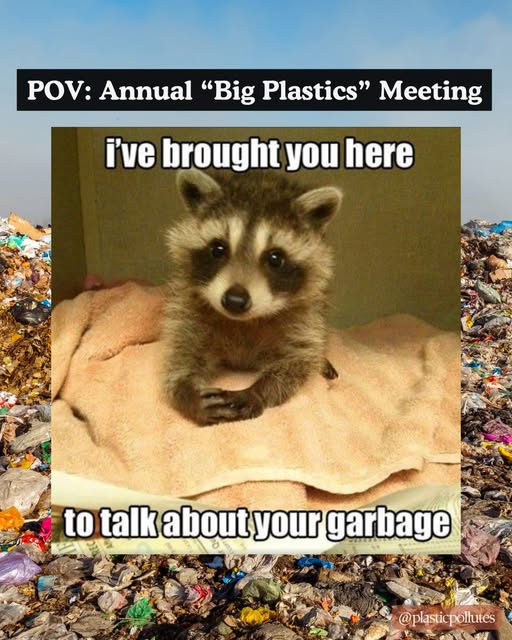
How much garbage do you produce?

Below is from the Plastic Pollution Coalition:
Plastic “recycling” is a false solution to plastic pollution. How do we know this? Since the 1970s, businesses making and selling plastic, governments, and some organizations have overwhelmingly told the public that it is essential to recycle plastic. Recycling messages have been communicated to us across all types of media and in many different ways: in advertising campaignsimprinted recycling symbols on plastic products, and much more. Yet, despite this major push for recycling plastic, plastic pollution and its toxic impacts continue to grow. There is plenty of evidence that plastic recycling is not only failing to live up to its promises, it is also making plastic pollution worse. In contrast, by focusing on plastic-free reuse, we can tap into a solution that ends wastefulness at the source.

Recycled Plastics Are Toxic

How can an activity we’ve been told is right actually be wrong? Turns out, plastics were never designed to be recycled. “The future of plastic is in the trash can,” one packaging industry executive said at a plastic industry meeting in 1956—not in the recycling bin. In other words, plastic was designed to be wasted, despite the heavy toll that its full existence—from the extraction of fossil fuels to plastic’s eventual disposal in landfills, incinerators, or the environment—has on people and the planet.

Plastics are Not “Circular”

Today, the plastic and fossil fuel industries continue to perpetuate the myth that plastics are recyclable by promoting the idea of “plastics circularity”—that plastics can somehow be reused endlessly without creating harmful costs. But this idea is false: Plastic recycling as it is today is harmful and cannot be considered “circular,” because plastic recycling processes continue to drive plastic pollution and its dangerous and toxic impacts—including the climate crisis, environmental injustice, chemical pollution, and more. And while we may need to engage in some kinds of recycling of the less toxic plastics we already have in order to mitigate plastic pollution, recycling on its own cannot be seen as the sole solution to plastic pollution. Instead, recycling must be coupled with a drastic reduction in plastic production in order to be more helpful than harmful. 

“Recycled” Plastics are Actually Downcycled

Additionally, even when plastics are recycled, they are most often “downcycled,” or made into items of lesser value and quality (like turning plastic water bottles into plastic fleece jackets or carpet fiber), and continue to cause considerable pollution. When collected for traditional “mechanical” recycling, plastics must be sorted by color and type, washed, and shredded up. These processes burn large amounts of fossil fuel energy–emitting chemicals and greenhouse gases, waste and contaminate water, and create microplastics and nanoplastics. The small plastic particles are then melted down, and manufacturers must mix in a large amount of newly made (virgin) plastic and/or toxic additives to restore some of its useful properties. Recycling increases the toxicity of plastic; there are hundreds of additional toxic chemicals, including pesticides and pharmaceuticals, in recycled plastic. And that’s in addition to the mix of more than 16,000 chemicals in newly made plastic.

“Recycled” Plastic is Not Suitable for Food and Beverage Packaging

The toxicity of plastic and recycled plastic presents serious dangers to the environment and public health, and drives environmental injustices. Research has indicated that recycled plastic is not suitable for many uses, particularly when it comes to packaging of food and beverages, as it contains a wide range of dangerous chemicals. Drink bottles made of recycled plastic are even more contaminated than drink bottles made of virgin (new) plastic, and these chemicals easily leach into the beverages they contain. 

Plastics Create Environmental Injustice

Today, most plastic that is discarded as “waste” is never recycled. The global waste industry is more likely to landfill, incinerate, or ship plastic—often to the Global South—where plastic is dumped and sometimes open-burned, driving pollution and injustice as waste colonialism. Meanwhile, these industries only continue to increase plastic production, worsening plastic pollution.

Communities near plastic recycling sorting centers, often called materials recovery facilities (MRFs), and recycling plants are often the most underserved, and face increased risks to their health. People who find employment by picking through plastic pollution as part of the informal waste sector, who often live in the Global South, face serious health hazards and poor working conditions. Plastic recycling infrastructure and activities can cause polluted air, soil, and drinking water; bring constant truck, train, or barge traffic as well as scavenger animals who are attracted to eating waste; and there are often fires or intake of radioactive and other hazardous materials.
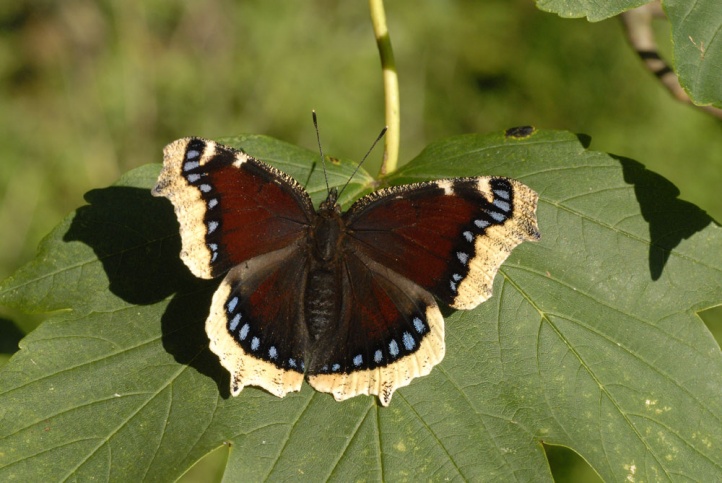
April

Preserve and cherish the pale blue dot, the only home we have ever known! Carl Sagan

Can’t wait to see the first butterfly. This is the mourning cloak, usually the earliest butterfly

Be kind to our Earth and to all people and all life!

Yay, April, the best month of the year. It is a month of Hope and Joy. It is Earth Month, calling us to action to protect our Earth. It is native plant month and Arbor Day and Earth Day. It is a month to watch for migrating birds, clean up our yard and finally ride our bikes. April is a month to spend outside!

 The theme for this year’s Earth Day is ‘Our Power, Our Planet’. This theme is a reminder that we all have the power to make a difference where we live and work. 

Unfortunately, my country is at war. We need to be concerned and speak out against killing people, wasting money, and harming our earth, but we can’t allow a few silly men to destroy our joy.

More than ever we all need to make a difference. ‘Our Power, Our Planet’ is Earth Days’s theme, get put there and make a difference. 

Every day I spend time outside; I look for new spring happenings, I look for new buds, new birds, new sounds, and new life. I focus on what is joyful and good and spend time with good people. I work daily on reducing the plastic we use in our home, we drive minimally, clean storm drains, and strive for creating zero waste.

What is good today? The New York Times has a new, “Look for the Good newsletter sign up to get next week’s sent to your inbox.

⁠ Important: The Earth is not merely a resource to be exploited; it is sacred ground, our shared home. What we do to the Earth, we do to ourselves and to all of those who come after us. What exactly do religions teach us about Earth Stewardship? 👉 Read more: 🔗https://www.plasticpollutioncoalition.org/…/sacred…

Be kind, be safe and enjoy your time outside. And remember, what is good? PEACE on EARTH

Twelve Rs for December

Happy December! Being kind is so easy, and December should be a month of kindness. The Actions for Happiness Calendar is below. Earth kindness is also so important.

During December plastic waste and food waste increases. This December see how you can apply the some of the twelve Rs to reduce your plastic waste footprint. Start by banning all glitter from your home and always bringing your reusable shopping bags.

REMEMBER

REKIND

REDUCE  

REUSE  

REFUSE  

REFILL 

REPAIR  

REPURPOSE 

RETHINK  

REGIFT  

RESEARCH 

RECYCLE 

Plastic-Free Presents: Mindful Gifting for Healthier Holidays – YouTube 

Another video from Plastic Pollution Coalition:

Kindness creates a ripple, spread it every day, and everyday do something kind for the planet by reducing your plastic consumption!

Tips to use less plastic: https://health4earth.com/2022/02/27/tips-to-use-less-plastic/

Reducing that Pesky Plastic

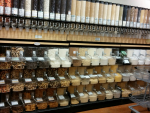
Weigh your container before you fill with bulk items

Shopping at a grocery store or drug store is one of the most frustrating things I do, everything is packaged in plastic. Luckily, I have some excellent food coops a bus ride away from my house. I save containers and refill them with bulk items. A local meat department in a local grocery store will even refill my containers with meat purchases, which even my coops won’t refill. Science 101 has one of the best articles on reducing plastic that I have ever read, and I learned things from them. Start with a few items to refill. When you get the idea and feel comfortable move to add more plastic-free items. Here is Science 101’s article, on easy ways to reduce plastic. Refilling containers can be fun and satisfying.

Nice screw-top glass bottles that I can reuse forever! Buy products in glass, and reusable glass containers are a win-win!

Only 9 percent of the plastic every produced has been recycled, and no one knows how many hundreds of years it will pollute our environment. It breaks into tiny pieces, ends up in our water sources, is in our food and kills wildlife! Why is plastic harmful? Read here.

Coops will help you get started refilling containers, and I am willing to help if you ask. Let’s all work to reduce our plastic foot-print.

Here are 13 more ways to reduce plastic.


Learn From The Past

Bring your own reusable bag

I know people get tired of my harping on plastic, but plastic is a serious world problem. According to the Plastic Pollution Coalition the average shopper uses 500 plastic bags a year, and that is just bags, not all the other plastic products.  This is not sustainable!

I love thinking of how my grandparents lived, and how it is different from today. I loved this post from One Green Planet about what we can learn from the past and from our grandparents. Read it here.

Below is a quote from One Green Planet which show how serious this plastic issue is!

“In the past 30 years alone, the amount of plastic produced worldwide has increased by 620 percent! On average, that equates to 300 million tons of plastic a year. Of this 300 million tons, about 8.8 million tons find their way into the world’s oceans where they are left to slowly photodegrade into smaller pieces – and by slowly, we mean over the course of 100 to 1,000 years. When you consider the huge volume that is added to the oceans every year and the fact that plastics never really “go away,” we find our oceans crowded with a massive soupy mixture of harmful plastic products. This sadly has a massive impact on the marine animals who call our oceans home. Around 700 marine species are in danger of extinction due to entanglement, ingestion or general pollution caused by our plastic trash.”

Our grandparents didn’t have the choices and variety we do.  They cooked and ate hearty food on real dishes, but most important they conserved, reused, and didn’t throw everything away like we do today! I would stay with my grand parents for a week and we didn’t need to run to the store to buy buy buy. We used what we had.

What do you remember about how your grandparents did things?

Even remote islands are collecting our plastic trash

http://www.refillrevolution.com/

https://health4earth.com/2017/02/19/the-horrifying-impact-of-plastic-pollution/

Jeff Bridges On Single-Use Plastic

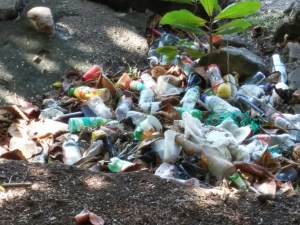
Is this the way we want our lakes, streams and oceans to look?

Jeff Bridges has taken on plastic waste and has an excellent video and list of ways to reduce your plastic pollution.  See his video here.

Here are 10 easy ways to reduce your plastic footprint:

Bring your own shopping bag to the grocery store

Stop buying bottled water – Use a reusable bottle instead

Say no to straws

Stop using disposable razors – Buy one with a replaceable cartridge

Ditch the plastic baggies – Wax paper and mason jars work wonders in the kitchen

Avoid using plastic utensils – Bring your own fork when you eat out

Choose glass over plastic

Buy the powdered version – Liquid versions of soaps and detergents tend to come in plastic bottles, powdered products come in cardboard boxes

Cut out the BPA – If a plastic bottle has a 3,7 or PC sign, it contains the most toxic types of plastic

Follow #RefusePlastic on social media for more ideas and to join the conversation

http://www.startribune.com/is-plastic-permanent-well-it-s-our-legacy-at-least/375907301/

This is an argument against Jeff Bridges video.  Fish, birds, other wildlife, our oceans and all of us are being harmed by plastic.  The below argument is very weak:

http://www.startribune.com/politifact-is-plastic-permanent-no-it-goes-away-sooner-or-later/375907261/

Never use baggies again:

wpid-wp-1418614582040.jpeg

http://www.plasticpollutioncoalition.org/  Plastic is a substance the earth cannot digest!

Single-Use is Ocean Abuse

Do we want water that looks like this?

Below is from Plastic Pollution Coalition:      http://plasticpollutioncoalition.org/

Take The Pledge to Use Less Plastic Every Day   http://actnow.surfrider.org/app/sign-petition?0&engagementId=58936

Change Begins Onshore

Plastic lasts forever… our oceans are turning into plastic soup.

It doesn’t biodegrade and no naturally occurring organisms can break it down. Plastic photodegrades, which means that sunlight breaks it down into smaller and smaller pieces. Those small pieces drift in the ocean and are mistaken for food by fish and birds.

It is undisputable that plastic pollution is killing marine life through ingestion and entanglement in plastic marine litter.

Up to 80% of the plastic in our oceans comes from the land – us. Single-use is ocean abuse. So, make a pledge today to make these simple 5 changes, which will have a huge impact on our oceans health:

1) Use cloth shopping bags. For each reusable bag you use, it’s estimated that another 400 plastic bags will be kept from being used.
2) Forget bottled water and carry a reusable canteen. Every reusable water bottle will keep another 167 plastic bottles from entering the environment.
3) Bring a reusable mug when you go to your local coffee shop.
4) Skip the straw, which are one of the top 10 items found on beaches.
5) And, of course, Recycle!

TAKE THE PLEDGE: COMMIT to Rising Above Plastics! http://actnow.surfrider.org/app/sign-petition?0&engagementId=58936  

http://www.organicgardening.com/living/5-key-strategies-plastic-free-life

http://blog.oceanconservancy.org/2015/02/13/trashing-the-ocean-new-study-provides-first-estimate-of-how-much-plastic-flows-into-the-ocean/

http://www.onegreenplanet.org/environment/great-pacific-garbage-patch-is-destroying-the-oceans/