World Water Day

We need to work harder to protect our nation’s water!

Water is life It is so important for healthy living. Every day each of us must do what we can to protect our planet’s precious water.

It is shameful the poor job we do to take care of our fresh water. Our fresh waterways are teaming with microplastics, nitrates and forever chemicals. None of these are safe for human exposure.

Today I am focusing on two crucial pollutatnts to our water. PFAS chemicals and nitrates. In 2023 the Minnesota legislature passed a strict law restricting PFAS (fovever chemicals) Unfortunately, many companies with PFAS in their products are trying to weaken Minnesota’s PFAS legislation. Read more about it below:

First, here is information on efforts to weaken Minnesota’s new PFAS(forever chemical law)

At least 70 million Americans get their water from a system where toxic PFAS “forever chemicals” were found at levels that require reporting to the Environmental Protection Agency. That’s according to new data the EPA released in its ongoing 5-year review of water systems across the nation. The number will almost certainly grow as new reports are released every three months. USA Today, March 21.2024

I’m 22, with a new job focused on clean water. Here’s why I’m doing it.

Amara’s Law is being implemented well, and Minnesota is better for it. We are incredibly grateful for our allies, whose hard work and determination helped pass such monumental legislation. But now, Amara’s Law is at risk once again. Bills HF 1627 and HF 81, authored by Rep. Josh Heintzeman, R-Nisswa, plan to irresponsibly gut the law, continuing to put polluters before people.

Finding safer PFAS alternatives has the potential to be profitable for businesses of all sizes. Capitalism is meant to push society forward, driving change and fostering new ideas. It was not built to just accept the first product that completes a goal, especially when it poisons people and the environment. We have met innovators and entrepreneurs who are creating effective alternatives to PFAS — they just need support. But they don’t get a chance because large corporations come and try to pick apart critical legislation. Minnesota continues to be poisoned, people continue to get sick, children like Amara continue to die.

Second, we have been unable to control farm run off. This pollutes our ground water our streams and people’s wells. It is dangerous for people, fish and animals. There is no excuse for letting this go unchecked! Nitrate pollution in water is caused by excess nitrogen from agricultural sources. Nitrates and organic nitrogen compounds from fertilizer and manure enter groundwater through leaching and reach surface water through runoff from agricultural fields. Nitrate contamination occurs in surface water and groundwater, leaching into the soil and from there into the water supply from various sources. A high level of nitrate makes water unsuitable as drinking water. 

73 percent of Minnesota nitrate pollution comes from cropland, primarily through agricultural drainage systems below cropped fields and by nitrate pollution leaching into groundwater, and then moving underground until it reaches streams. 78% of nitrate pollution to the Mississippi River in our state is fr…See more on fmr.org

Way: Something smells with the feedlot trend, and it’s more than just the manure

Clean water is important to our survival.

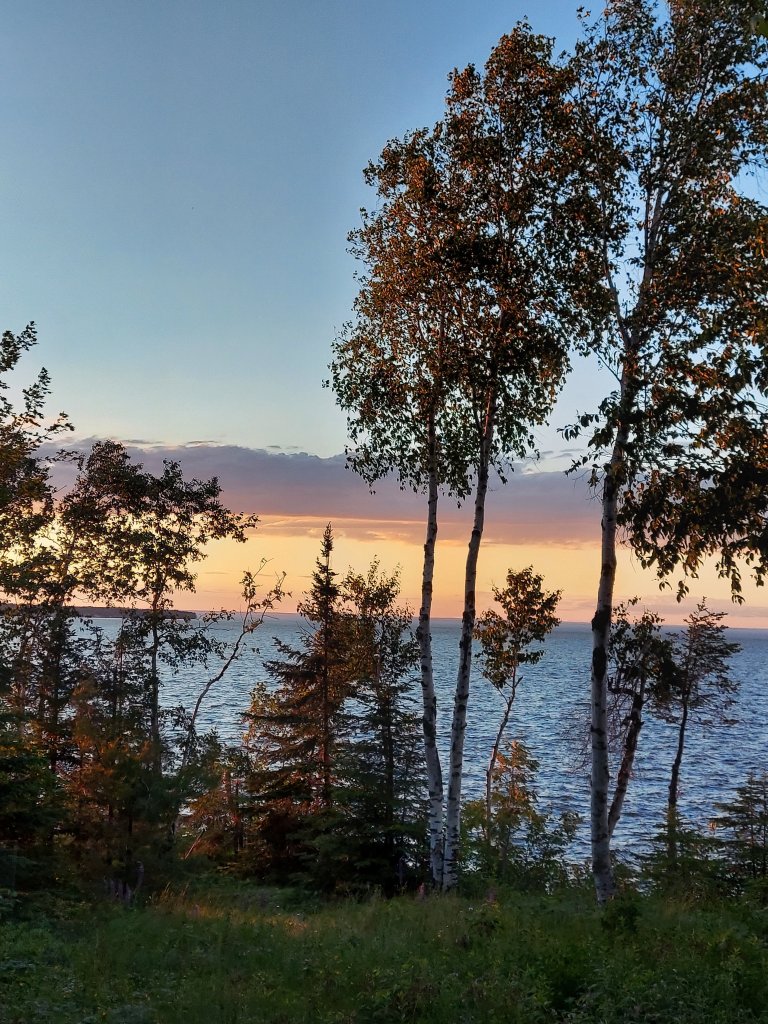
Water for Peace, Water for Life

Water is Life, we must do a better job of protecting our waters.

World Water Day March 22, 2024 is the United Nations observance day dedicated to highlighting the importance of freshwater. It serves as a reminder of the critical role water plays in our lives and ecosystems. 

 “Water for Peace” is this year’s theme. fostering peace, prosperity, and conflict prevention in the role water plays in the world.

It is shameful the poor job we do to take care of our fresh water. Our fresh waterways are teaming with microplastics, nitrates and forever chemicals. None of these safe for human exposure. In some places invasiive speciaes have been introduced that also change the entire ecosystem of our water ways.

73 percent of Minnesota nitrate pollution comes from cropland, primarily through agricultural drainage systems below cropped fields and by nitrate pollution leaching into groundwater, and then moving underground until it reaches streams. 78% of nitrate pollution to the Mississippi River in our state is fr…See more on fmr.org

At least 70 million Americans get their water from a system where toxic PFAS “forever chemicals” were found at levels that require reporting to the Environmental Protection Agency. That’s according to new data the EPA released in its ongoing 5-year review of water systems across the nation. The number will almost certainly grow as new reports are released every three months. USA Today, March 21.2024

Careless humans have transported invasive plants and animals with their boats and equipment. Invasive species disrupt aquatic ecosystems, endanger native species, and have far-reaching consequences that harm the eco-system of waterways.

Things are out of balance as we have allowed industry and farmers and all of us the right to pollute our waterways. We can all do better!

https://besjournals.onlinelibrary.wiley.com/doi/10.1111/1365-2664.14387

https://extension.psu.edu/nitrates-in-drinking-water

https://fmr.org/minnesota-nitrate-study-highlights-farm-runoff-pollution

https://www.npr.org/2022/06/22/1106863211/the-dangers-of-forever-chemicals

What are a few things you can do to protect our waterways?

1. Always clean your boats and equipment before entering lakes.

2. Pick up litter

3. Keep the storm drains near your home free of leaf debris and plastic waste.

4. Reduce the plastic you use, and always make sure your plastic waste is in the correct place, either recycling, landfill waste or hopefully to be reused again.

5. Plant deep rooted plants that absorb water runoff, like native grasses and native plants.

6. Create rain gardens or adjust your drain spouts to drain onto your lawn or gardens.

7. Never use artificial turf for landscaping!

Injustice

PFAS is polluting our water.

PFAS is widely used though out the world. It is used in food packaging, fire-fighting foam, waterproof items like jackets and carpeting, and non-stick items like frying pans. The particles don’t biodegrade which means they can accumulate in the environment, animals, human bodies, and drinking water. A 2015 study by the U.S. National Health and Nutrition Examination Survey found PFASs in 97 per cent of humans.

PFAS can cause many health problems. https://health.clevelandclinic.org/what-are-forever-chemicals-pfas/

Those without a voice get dumped with PFAS. Read about it below:

Wisconsin brings PFAS to Alabama

https://www.governing.com/infrastructure/alabama-has-become-the-nations-toxic-waste-disposal

https://www.msn.com/en-us/news/us/six-takeaways-as-wisconsin-sends-toxic-waste-to-alabama-as-part-of-responsible-cleanup/ar-AA1iz3Uz