
I hope we can all start the year with hope for peace and joy and a healthier cleaner planet. Every action we take matters Our collective actions, can contribute to positive change and help us to feel we are making a difference, and we are!
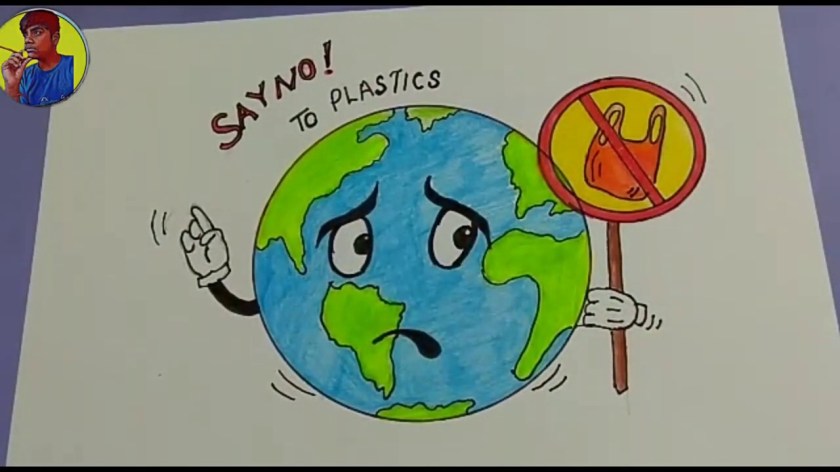
If plastic were a country, it would be the fifth largest emitter of green house gases!
Easy ways you can reduce your plastic footprint:
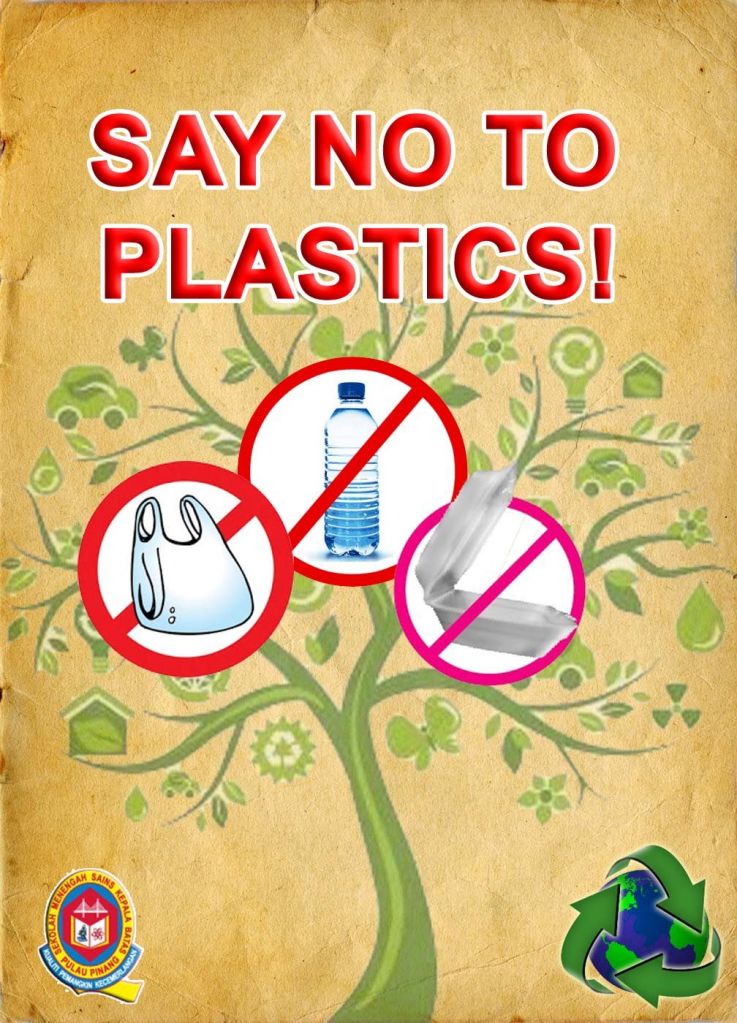
- Always carry a reusable glass or metal water bottle, and reusable shopping bags with you.
- Learn to refuse single-use plastics, such as plastic water bottles and coffee cups, straws, plastic bags and plastic utensils.
- Purchase fruit and produce in the bulk section, and don’t place items in plastic bags.
- Always search out products in glass jars instead of plastic containers.
- When you must buy plastic products, choose ones that you can recycle rather than ones you must put in the trash.
- Bring your own containers and shop the bulk section of your local food coop.
- Purchase clothing made from cotton and wool instead of polyester or poly fibers. https://www.npr.org/2023/07/19/1188343293/is-toxic-fashion-making-us-sick-a-look-at-the-chemicals-lurking-in-our-clothes
- Store food in glass containers instead of plastic.
- Ditch the baggies!
Why you should reduce your plastic exposure?
From Beyond Plastic:
file:///C:/Users/healt/Downloads/Plastics+and+Human+Health+Dec+2023.pdf
Over 98% of plastics are made from fossil carbons such as oil and gas. Turning these substances into plastics involves the addition of petrochemical additives – quite a lot of them. Over 13,000 chemicals are known to be involved in the production of plastic.
More than 2300 of these are “chemicals of concern.” Some are highly toxic, and
include carcinogens, neurotoxicants, and endocrine disruptors. These chemicals pose serious risks to human health because they can leach or migrate at every stage of plastics’ life cycle.
Food Packaging: When food or beverage is packaged in plastic, chemical
additives can leach into what we eat.
Microplastics: Plastics don’t biodegrade; they break up into smaller and
smaller pieces known as micro- and nanoplastics, which are so small that they
become caught up in the air we breathe, the water we drink, and the food we
eat. These pieces are present almost everywhere researchers have ever
looked, including inside the human body. Scientists have detected plastic
particles in human lung tissue, intestinal tissue, blood, breast milk, the muscle
of the heart, and both sides of the placenta – including inside fetuses and
newborn babies.
Cell damage: Plastic particles inside the body can irritate, inflame, and even
puncture cells. This is especially concerning in the intestine and lung, where
microplastics make direct contact with thin, sensitive tissue.
Chemical leaching: Microplastics never stop leaching their chemical contents.
Once they are inside the human body, they can act like tiny trojan horses,
spilling out chemical additives for as long as they are present.
Over 98% of plastics are made from fossil carbons such as oil and gas. Turning these substances into plastics involves the addition of petrochemical additives – quite a lot of them. Over 13,000 chemicals are known to be involved in the production of plastic.
More than 2300 of these are “chemicals of concern.” Some are highly toxic, and
include carcinogens, neurotoxicants, and endocrine disruptors. These chemicals pose serious risks to human health because they can leach or migrate at every stage of plastics’ life cycle.
Cancer: Many of the chemical additives in plastics are known to cause cancer.
Bisphenol A, phthalates, and polyvinyl chloride, for instance, are welldocumented carcinogens.
Endocrine Disruption: A great number of additives mimic hormones and
disrupt signaling throughout the body. They can scramble appetite cues and
metabolism, leading to obesity, diabetes, high blood pressure, and heart
disease. They can hijack reproductive signals, speeding puberty, lowering
sperm counts, and prompting infertility. Endocrine disruptors are also
associated with cancer – especially breast, prostate, and testicular cancers.
Neurological Effects: Endocrine disruption can disturb brain development,
leading to lower IQ, ADHD, and autism-spectrum disorders.
Go to http://www.beyondplastics.org and email us at beyondplastics@bennington.edu
to learn about the tools we have to reduce our exposure to harmful plastics and petrochemicals.
Besides limiting your own personal plastic use, what can be done?
Nearly half of all plastics manufactured today are single use items and
packaging. Legislation that reduces the production of these items and
mandates extended producer responsibility will go a long way toward
relieving health risks. It is vital that lawmakers regulate the chemical content
and toxicity of plastic. Many of the chemicals used to manufacture plastic are
unnecessary and can be banned and substituted with safer alternatives.
The brains and bodies of infants, fetuses, and small children undergo
exquisitely complicated and carefully timed changes. When these are
disrupted, the effects can be permanent – and profound. Infants and fetuses
also face risks of prematurity, stillbirth, low birth weight, birth defects of the
reproductive organs, impaired lung growth, and childhood cancer.


 Health4earth