….And why are we marching on Sunday? 
From Bill Moyers:
http://billmoyers.com/2014/09/10/carbon-is-costing-us-big-time/
….And why are we marching on Sunday? 
From Bill Moyers:
http://billmoyers.com/2014/09/10/carbon-is-costing-us-big-time/
Hope I see you in New York City on Sunday!
This month, something amazing is happening. While the UN meets to discuss the climate, people from all over the world are coming together with a single message:
“It’s time to take action on climate change.”
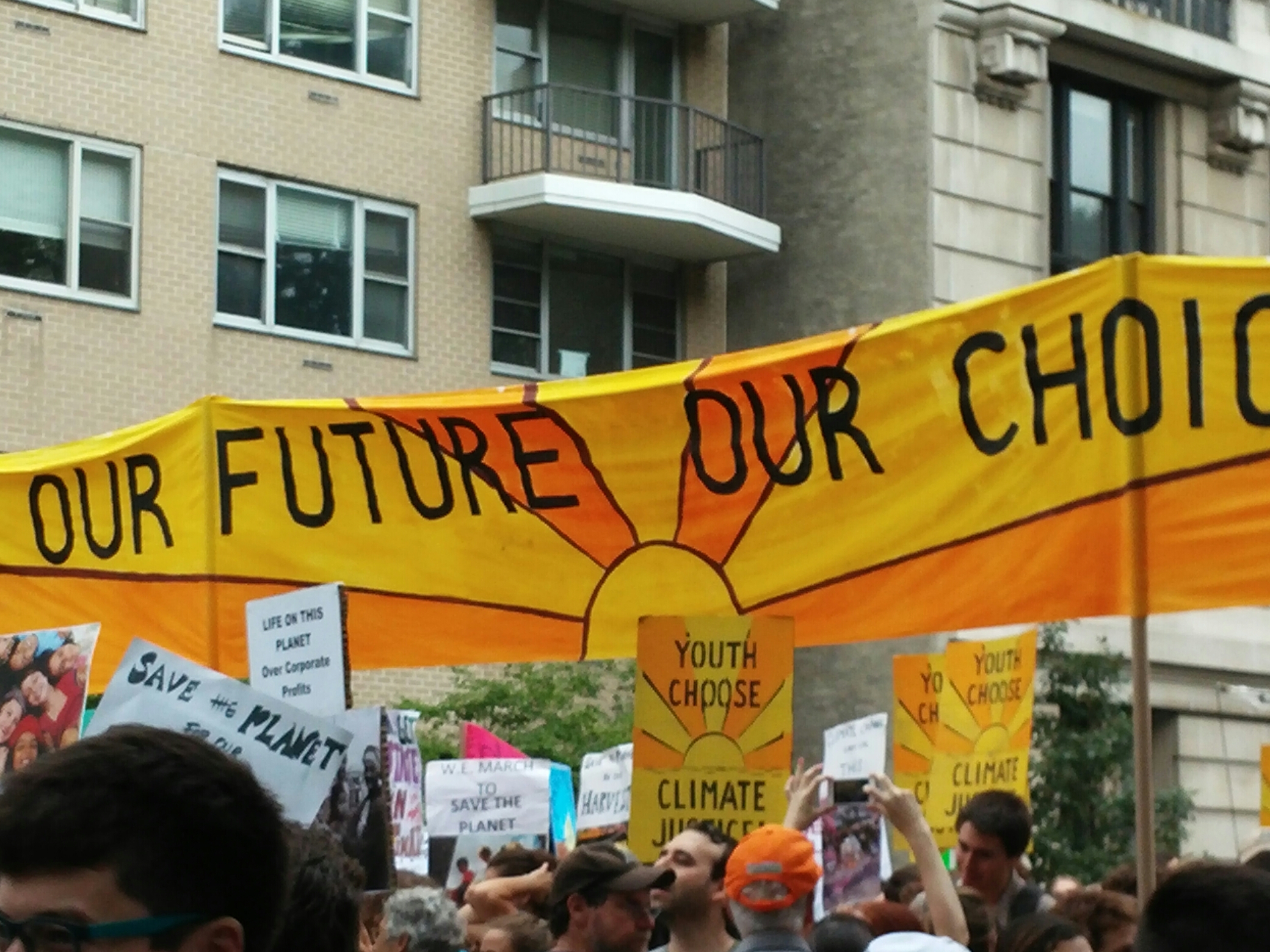
In one week, on Sunday September 21, we’ll be joining the People’s Climate March on the streets of New York City to demand world leaders turn talk into action when they meet at the United Nations General Assembly later this month.
Together, we can make a difference!!
http://watchdisruption.com/ A film on climate change.
Can’t make it to NYC, here are some easy things you can do:
https://health4earth.com/easy-things-you-can-do-to-help-stop-climate-change/
http://ecowatch.com/2014/09/14/peoples-climate-march-future/ We are marching for the future.
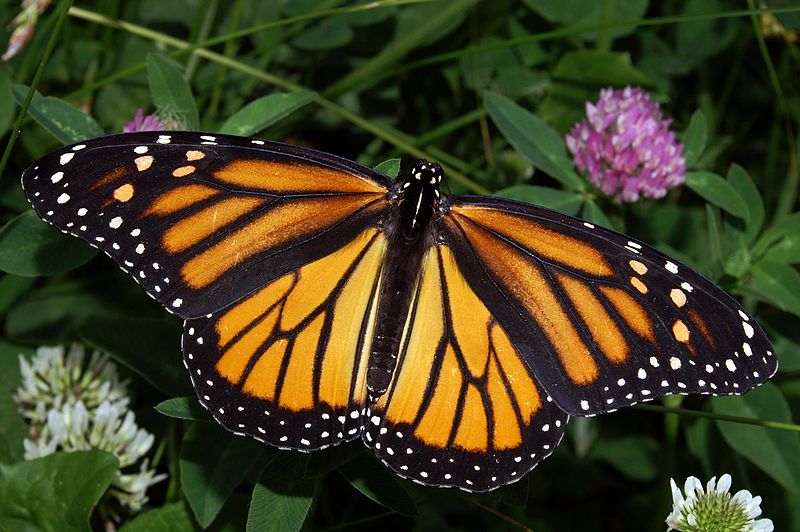
This is why you should plant milkweed.
The story of three new monarch butterflies, August 2014:
First, swamp milkweed
Then four monarch caterpillars
A few weeks later, vibrant colored monarchs
Next I discovered three empty chrysalis hanging on goldenrod !
Yahoo, the caterpillars had evolved into beautiful monarch butterflies!
http://www.startribune.com/opinion/commentaries/280114542.html

I have written about many of these items in other blogs, and this pulls many of my ideas together. I could add other items that I believe are harmful such as pesticides, but I don’t want to distract from this excellent essay. The below ideas are from: http:www.treehugger.com
If you care about your health avoid these:
1. Conventional skin and body care products
2. Junk Food
3. Plastic Containers
4. Non-stick cookware
5. Household cleaners
6. Nail polish and perfume
7. Factory-farmed meat
8. Factory-made clothes from China and other low wage countries
Please view the complete slide-show below:

|
350.Org, Health4earth and many others are participating
in the People’s Climate March in New York City.
And we need you to be there with us!
|

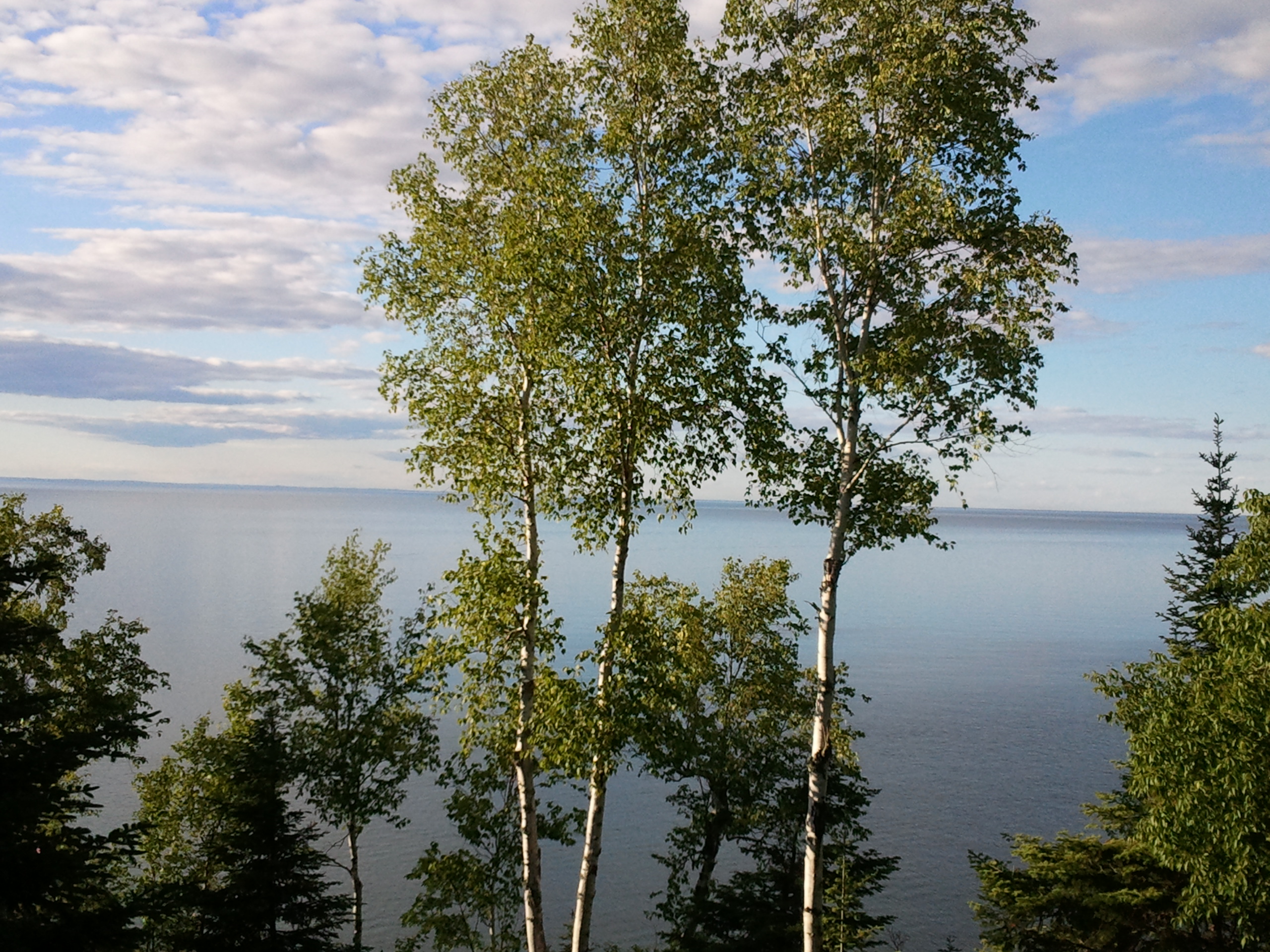
Superior views, August 2014

August is the best month of the year on Lake Superior. The weather is perfect, and there is so much to enjoy. The dog days of summer don’t happen here, and it is perfect to be active outside.
Many baby birds are everywhere . The young chickadees, purple finch, and song sparrows are more interested in playing and having fun than their safety. A song sparrows even tries to play with a chipmunk. Grosbeaks and vireos eat berries from the elderberry bushes that are a month late to bloom. Screeching juvenile eagles sit in the white pine overlooking Lake Superior, but the day’s excitement settles down when a fox walks through to check out the days activity.
Temperatures are 70 degree perfect, but the sun is murky and the lake hazy from wild fires in Canada,
Many pollinator plants are trying to bloom because of the still cold lake, and the bee and butterfly numbers are low as they wait for their favorites to blossom! The very best has been the swamp milkweed with four monarch caterpillars eating their leaves.

Enjoy the Outdoors as You Exercise
I am excited to become a Move It Monday Ambassador. It is my passion to walk or bike and appreciate the beauty of the outdoors. As you walk notice the birds, butterflies, colors of the day as well as the trees, plants, flowers and whatever is part of your outdoor space. It is a beautiful and fascinating world, get moving and have fun. Today as I was walking in Northern Wisconsin I saw a fox, an eagle, monarchs butterflies, and three other butterfly species. I heard song sparrows and white-throated sparrows sing.
Monday, August 25
Fresh sunny air after a rain storm… Great for a 3 mile walk. I saw 3 monarchs, a comma butterfly and migrating kinglets (little birds).
August 4,
This morning on my walk, August 4, I saw monarch and fritillary butterflies. Also, I heard a veery sing and saw flicker woodpeckers. 
Monday, August 17,
Yesterday I walked to the Farmer’s Market, today I walked 2 miles to shopping and the library. A great way to get easy exercise!
Appreciate our earth and Enjoy!
Move it Monday and everyday!
I have been writing about the harm of Styrofoam on these pages for the past year. Now there is new evidence:

NEVER take Styrofoam containers or cups
What products have styrene? or Styrofoam
This is from ecowatch.com
Styrene is used to make styrofoam and other plastics. Styrene is all over the place. It lines your refrigerator, it’s in building insulation, in your carpet, it’s in latex and rubber and other products. So okay, maybe you can’t afford to ditch the refrigerator and carpet today. What can you do? Start by avoiding:
Here’s some advice from Dr. Weil’s well known website:
Styrene isn’t known to leach out of hard plastics, but some evidence suggests that it can leach out of foam food containers and cups when food or drinks are hot–not when they’re cold. Based on what we now know, you’re probably safe using styrene foam cups for cold drinks, but I wouldn’t use them for hot coffee or tea, and I would avoid using plastic containers for hot foods.
Styrene Officially Linked to Cancer

How can you reduce your use of microbeads? By purchasing products at my local food

coop and refilling my bottles and containers, I have hoped I wasn’t adding microbeads to our waterways. Below from the Sierra Club is the best information I have seen on microbeads. Read to find out which products NOT to purchase, and how to get rid of them if you have any of the listed items!
Below is from the Sierra Club
BY BOB SHILDGEN
First let’s review. “Microbeads” are tiny beads of plastic less than a millimeter thick that are often added to cosmetics as exfoliants and cleansing agents. Even some toothpastes contain them. It may sound like a strange use of plastic, but cosmetic companies apparently found that microbeads were cheaper than non-synthetic alternatives. The beads themselves (also called “mermaid’s tears”) are made of polyethylene or polystyrene. They are not toxic, but can pass through filters in water treatment plants and enter the water system. There, researchers warn, they can bind to toxic substances such as DDT, polyaromatic hydrocarbons, and polychlorinated biphenyls. Creatures in the water ingest these now poisonous little pellets, endangering themselves and the food chain. Yeah, I know, it’s weird to think that by washing your face or brushing your teeth you might beget a mutant fish—or mermaid—smack in the middle of Lake Erie, but such are the risks of progress through chemistry.
So–the safest way to get rid of the stuff is to leave it in its container, tighten the lid, and send it to the landfill with your regular garbage where it’s quite unlikely to escape into the environment. But NEVER, ever, not ever, pour it down a drain or flush it down the toilet, because that’s exactly how it spreads into the watershed.
By the way, to find out if a product contains these deadly beads, check the label for “polyethylene,” “PE,” “polystyrene,” or PS. The organization, “Beat the Microbead” has a list of products known to contain the beads.
http://beatthemicrobead.org/images/pdf/RED%20UNITED%20STATES.pdf Products that contain microbeads
Some good news: The fight against these beady polluters is already having some success. Illinois has banned the manufacture and sale of products containing microbeads, and bans have been proposed in several other states. There is also a growing movement to ban the beads in Europe. The cosmetics industry itself is in damage-control mode as some major companies have agreed to replace the microbeads with safer materials. This is a hopeful sign, because, as we’ve noted before, the last thing we need is still more plastic in our rivers, lakes, and oceans. —Bob Schildgen
Minneapolis will probably set a record cold for this week’s temperatures, and British Columbia and the Arctic might set record heat records.
When I travel, people often say, “Minnesota, it is really cold there!” This week’s cold spell during the All-Star Game is going to reinforce those beliefs. Usually this is the hottest week of the year in Minnesota with average highs in the 80s F.
As someone who loves outdoor activity, I love cooler temperatures, but what is scary is the record heat in British Columbia and the Arctic.
From Minnesota Public Radio: As Minnesota shivers today in record July cold, western Canada is baking, and literally burning up in record heat.
This unprecedented “high amplitude” jet stream pattern is producing record cold and record heat at close range within North America.
Temperatures reached 105 degrees Sunday in parts of British Columbia. At least 20 weather stations across western Canada set high temperature records Sunday.
http://blogs.mprnews.org/updraft/ Get the entire story from Paul Huttner at MPR
And from Paul Douglas at the Minneapolis www.Startribune.com
Climate Change for Dummies. Here’s an excerpt of an Op-Ed at the Concord Monitor: “…I distinctly remember my professor Richard Bopp, researcher at Goddard Institute for Space Studies, telling us that the only thing he knew was that you could not overload such a delicately balanced system like our atmosphere and not have something change. The idea that everything in the world would gradually and evenly rise in temperature was unlikely, but he and his colleagues could not offer an alternative at that time. Well, 25 years later, we have a better idea. Thanks to the Intergovernmental Panel on Climate Change, a voluntary 2,000-member group of scientists committed to understanding climate change, we can verify that we are experiencing more severe weather and increases of ocean levels, glacial melting and average temperature…”