I Love Parks and Monuments!

Battle of Gettysburg, 1963

Earlier this month I took a road trip from Minnesota to Washington, D.C. We traveled the back roads through Indiana, Ohio, and Pennsylvania. Everyday we would stop and hike in a park we came across. It was an amazing experience. Everyday we saw different trees and plants, different landscapes and birds, and a divergent mix of people. It was a lesson in diversity and beauty.
We stopped at monuments, state parks, county parks and national parks. The day we were at Gettysburg, I sat outside and ate lunch at the entrance to Gettysburg, and watched the people as they entered the park headquarters. I was struck by the diversity of people entering. It was a diverse group, of mixed ethnicity, and a range of militia t-shirts to “War is not the answer” shirts. The diversity was so interesting!

Parks and monuments are places we can all come together. They are places the wildlife can thrive, and where we all should feel welcome! In these politically divided times they are a place where everyone can meet, learn and enjoy. Parks and monuments of all kinds are what really show the strength of America! They take you to a history, gratitude and beauty of what our county truly represents.  You leave feeling intense patriotism in your heart! Please support and love these amazing treasures.

To learn more about the battle of Gettysburg click here.

Monument to President Lincoln

And read the Gettysburg Address
Turn Your Banana Peel into Good!


Backyard Compost Collection

How can you amend your soil and garden without chemicals? This is from the Compost Foundation, and see their video below:

Have you ever looked at a banana peel and thought, “Is that it?” Does life go on? Could this humble peel serve a greater purpose?
We’re telling the new story of compost as the regenerating, probiotic solution for restoring land and balancing the climate.
60 billion pounds of food material go to landfill every year, creating methane gas that is poisoning us and destroying our home. Meanwhile, we’re throwing away the building blocks of life. We’re INSANE! JUST STOP IT!! So what’s the solution?”

See the video on composting:  Composting Story
My tips on composting. Read here

Superior Views: Lots of Rain

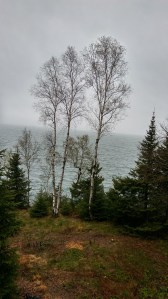
A rainy week on Lake Superior. Leaves are just budding on the  birch trees
A rose-breasted grosbeak brightens the rainy days

The week began with “extreme fire danger” warnings. But the rains came on Monday, and it has rained all week.  The swollen rivers and streams pour into Lake Superior turning the lake muddy brown.
The middle of May is always fabulous for viewing migrating warblers in northern Wisconsin. Even with the rain and storms migrants are passing through to their nesting areas. I hope they stay safe. This week we saw yellow-rumps, palm warblers, chestnut-sided, Nashville, oven-bird, and red-starts. Also, we had a beautiful male rose-breasted grosbeak visiting our feeder.
Blooming marsh marigolds are perfect for the wet ditches.

Marsh Marigolds love the rain!

The Arctic and Whales Collecting Our Plastic

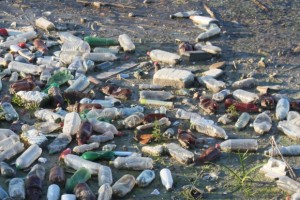
Do we want waterways that look like this?

This shouldn’t surprise me, but I am upset to read about the plastic trash in the Arctic Ocean.   Plastic trash is now so ubiquitous that researchers have found hundreds of tons of it floating in the Arctic Ocean.  Read the whole story here.

Why shouldn’t I be surprised by this?  The “local control” advocates, in the Minnesota legislature are trying to derail Minneapolis’ plastic bag ban from happening later this year. I have just returned from a road trip to Washington, D.C. and I found only a few places to recycle along the way, most on college campuses. I could go on and on about what I see throughout the world in regards to plastic trash. A sad story about a whale collecting all this plastic . Our earth has a massive problem!

Plastic breaks into tiny pieces and wildlife eats it!

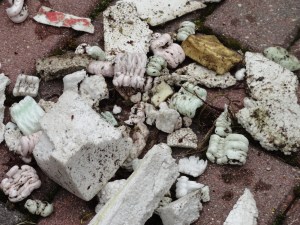
Where are the companies that manufacture and make a profit on this plastic and Styrofoam when it comes to clean-up?

Styrofoam I pulled from Lake Harriet in Minneapolis. It is breaking into small pieces and could last forever!

The oceans belong to all of us.  No one has the right to pollute and trash the ocean or the rivers or lakes.

What can you do? Have plastic-free shopping trips by bringing your own containers, and never purchase products on Styrofoam trays.  2. Encourage your community to put up and maintain recycling containers.  3. Pick up trash on your walks. 4. Recycle everything you can. 5. Always bring your reusable bags shopping.

Last, a remote Pacific island has become a reservoir for the waste of the world as it piles onto this pristine island.

Bring you own bag


Give Your Yard a Dose of Happy

Deep-rooted plants absorb more water than turf grass. Cone flowers, bee balm, and black-eyed Susan

Just making a few adjustments to your yard can make big difference for our climate. If everyone does a little bit, it adds up to a lot! Some amazing statistics on our lawns from “greener lawn” below:

*Grass covers more land in the US than any other crop.

*It’s estimated that there’s up to three times more acres of lawns than corn, according to NASA

Fritillary butterfly on bee balm.

*Homeowners use up to 10 times more chemical pesticides per acre on their yards compared to what farmers use on their crops, according to the U.S. Fish and Wildlife Service.

Some other ideas to slow climate change and help pollinators:

**plant a rain garden

** Add diversity

** Love pollinators

** More on bees an butterflies

Minnesota Public Radio on a “greener” lawn:

Grass isn’t greener

Adding new pollinator plants is not easy if you are a hosta gardener or a new gardener.

I would start small by adding a few of these: purple cone flowers, black-eyed Susan, bee balm, a few asters, and columbine.  I suggest these because many garden stores sell them, they are easy to grow, add diversity, and are loved by pollinators.

We Love Science!

Science is real, it is not opinion. Science can be proven, it isn’t an alternative fact. Business profits rule in this administration, and without help from science, business won’t thrive either.

Can you think of anything in our lives that does not deal with science?   Scientists have gotten us to where we are in civilization, and we still have a long way to go to cure cancer, Alzheimer’s, MS, ALS, heart disease….and the list goes on. Science research must be funded to keep us safe and healthy.

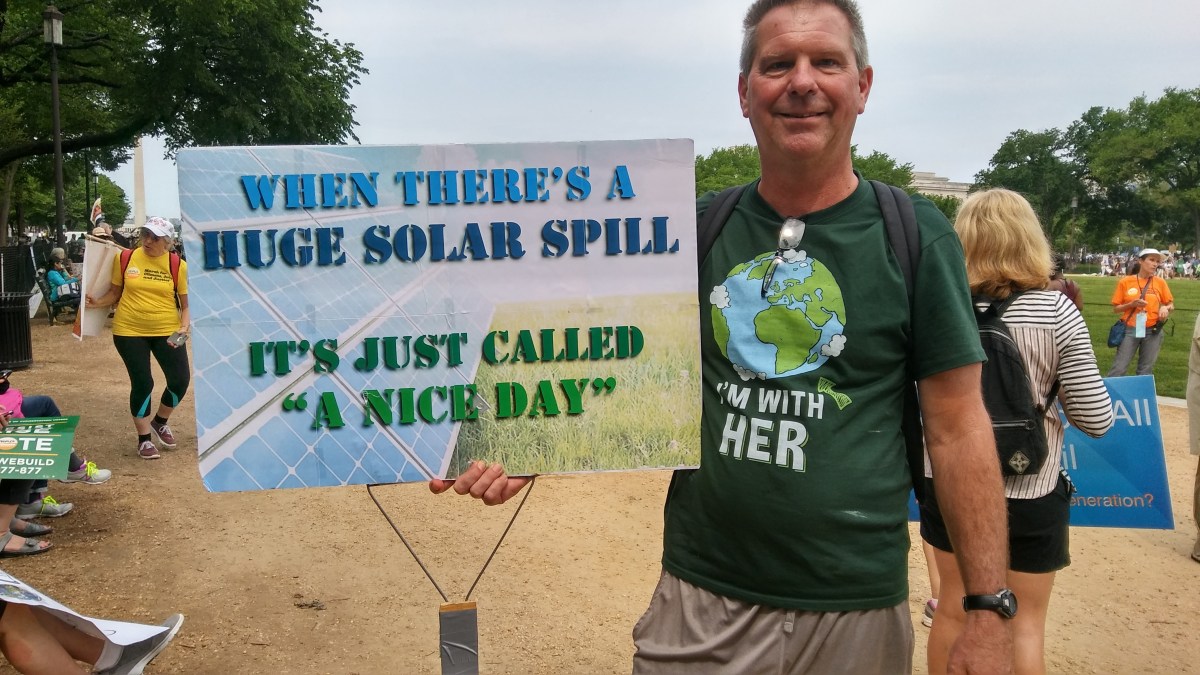
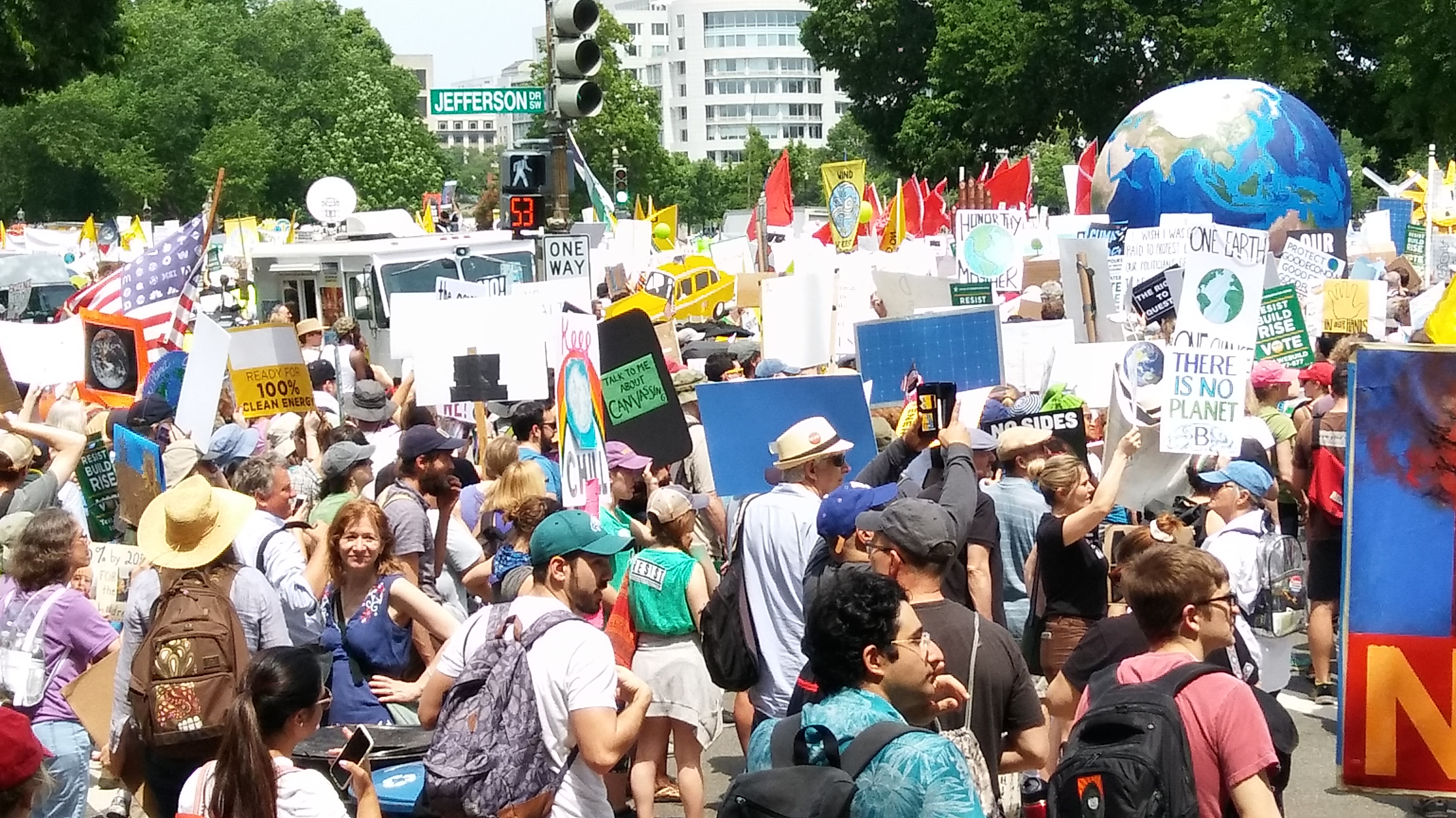
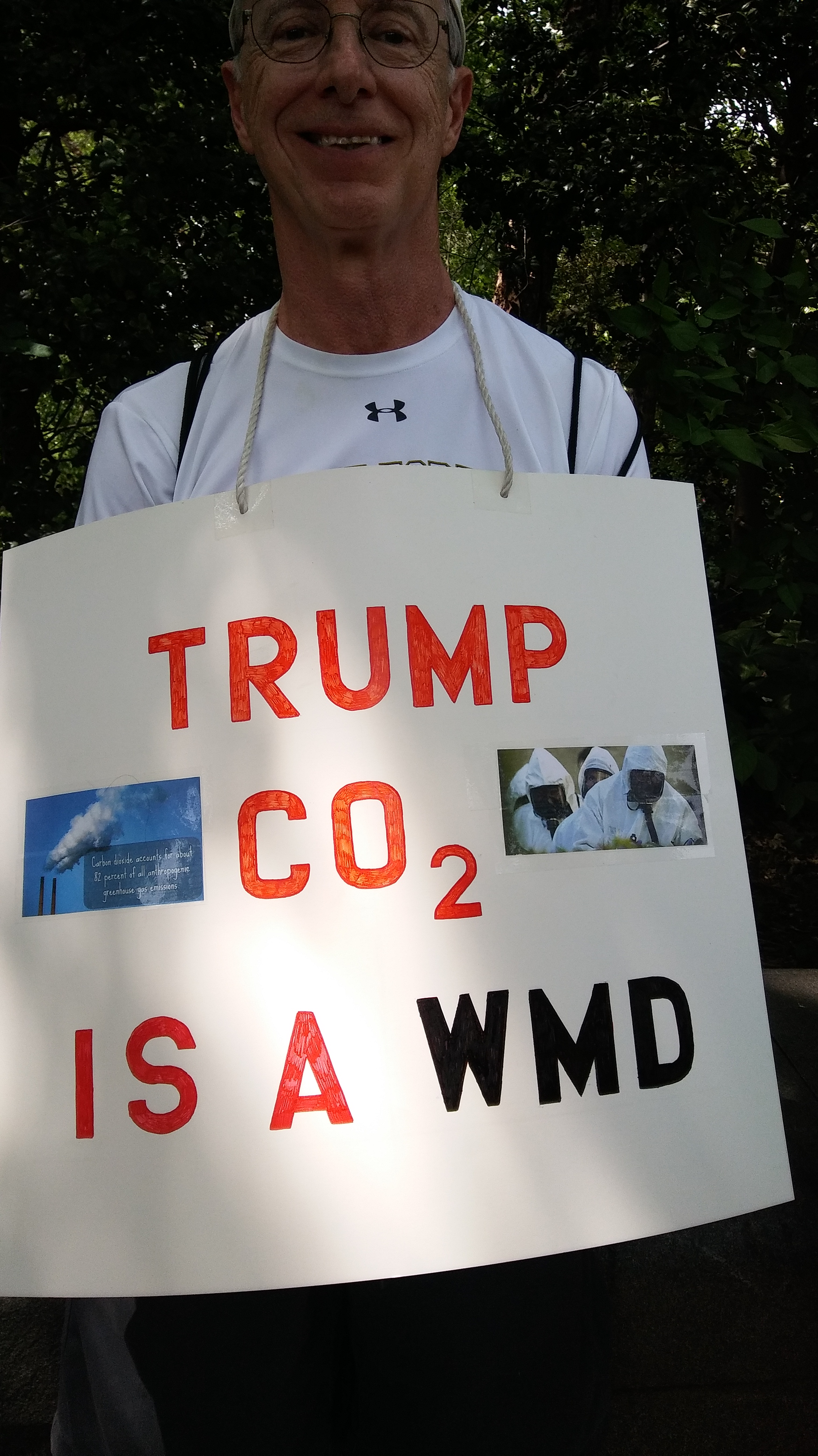
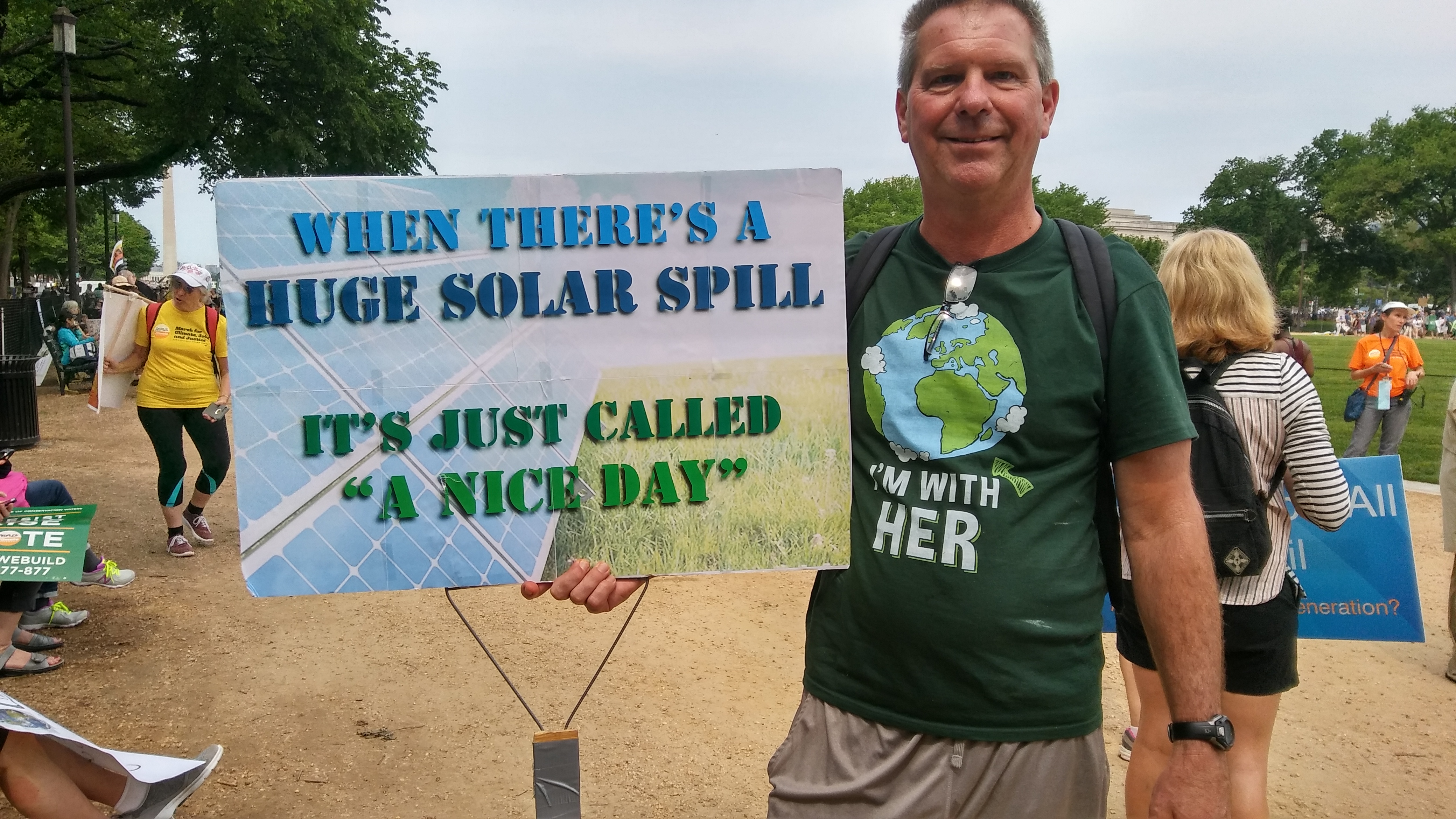
Saturday I marched with 40,000 other people in Chicago saying to this administration , “Science Is Important!” “Business profits don’t keep us healthy” “Fund science research”

Read more about the marches here.


Celebrate Our Earth

Happy Earth Day, I hope you can get outside and enjoy the marvelous spring changes! Go for a walk.

The first Earth Day on April 22, 1970, was a day set aside to think about creating lifestyles to reduce waste and destruction of our environment.

One of the main messages many of us heard that day was that human life can continue on Earth only if people cooperate with nature. Strides have been made over the past 47 years in cleaning up many rivers and lakes, recycling, protecting natural ecosystems, becoming more aware of hazardous materials, and the list goes on. But we have a long way to go if we are to live in a sustainable way in harmony with nature.

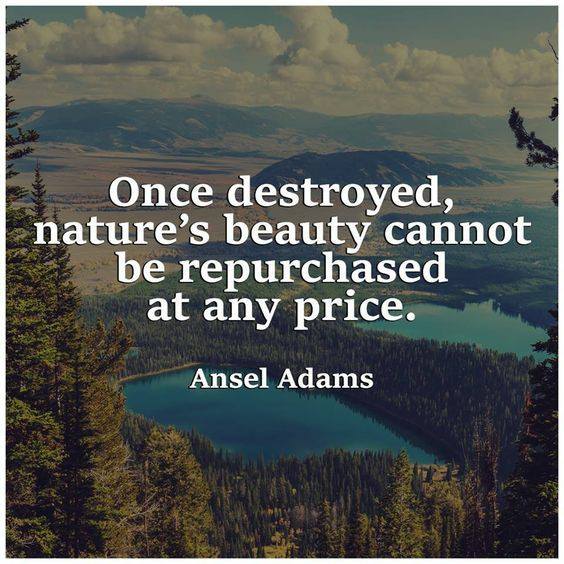
There are things to do and things not to do when it comes to being a good steward of our planet, but one of the best may be to take pleasure in the true beauty of the Earth’s ecosystems and its creatures. Too, take time to learn about some of the plants and animals that share the Earth with us. It’s just about impossible to destroy something you understand and love.

Throughout the year, and especially April 22, with the wonders of spring all around us, we should make a point to get out and observe. Every forest, wetland and prairie remnant is full of spring signs — evidence that our Earth is designed as a place for life, no matter what foolish acts people may commit.” Jim Gilbert, Startribune