Fall Clean Up: Remember your curbs and gutters to protect our lakes and waterways. !
Did you know that just five bags of leaves and organic debris from streets and sidewalks could contain one pound of phosphorus? Over time, this can lead to the growth of hundreds of pounds of algae.
Cleaning up our curbs and gutters will prevent the highly nutrient-rich leaves and debris from entering rivers, lakes, and streams, and reduces pollution at the source, and improves water quality in our community. Fight water pollution in the street near your home today.
What to do?
— Sweep up leaves, sediment, trash and recyclable materials on our streets.
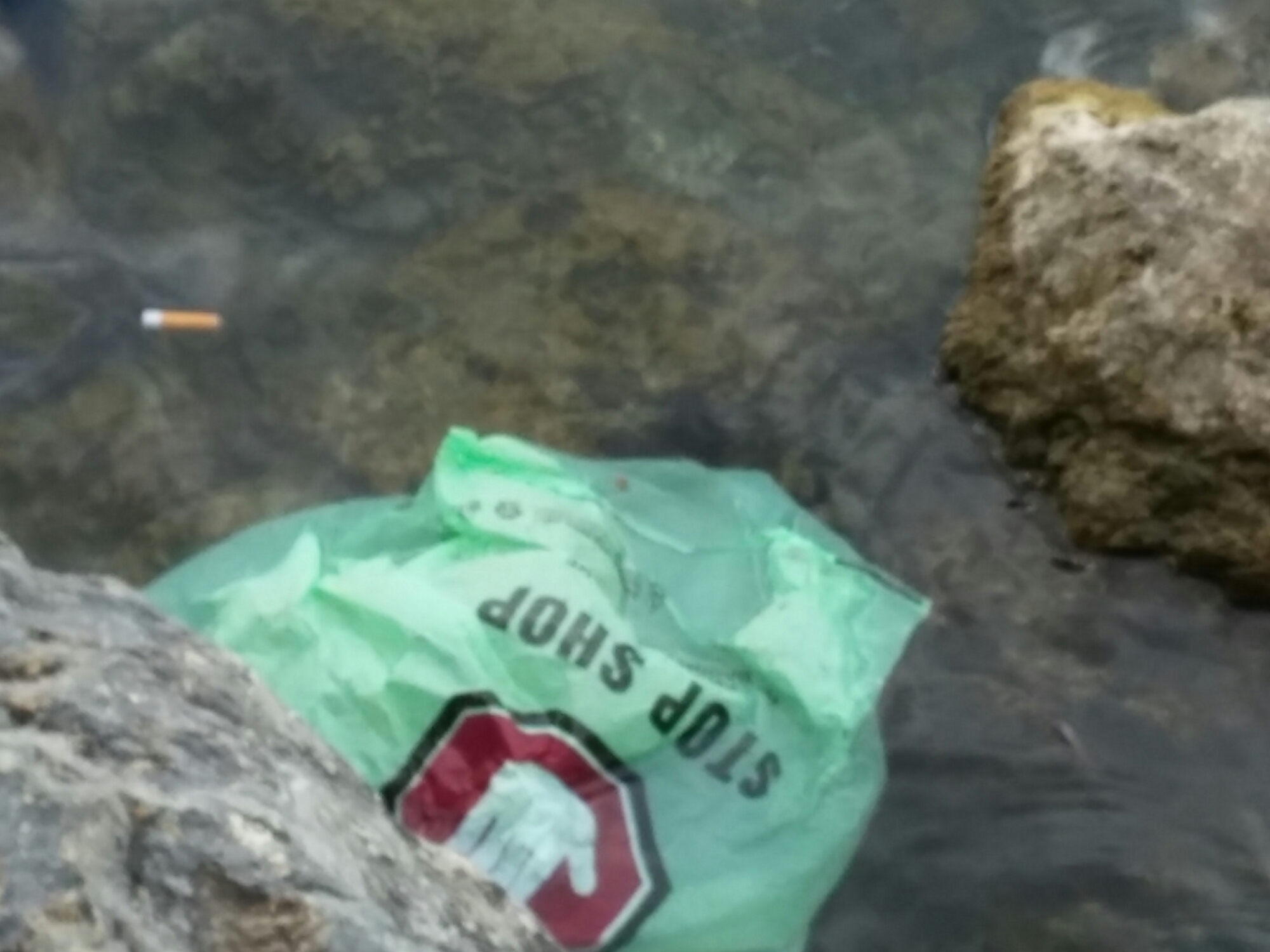
I was traveling through Eastern Europe when I read on Ecowatch.com that Macedonia had banned plastic bags. Macedonia was our next stop and I couldn’t wait to see if it made a litter difference.
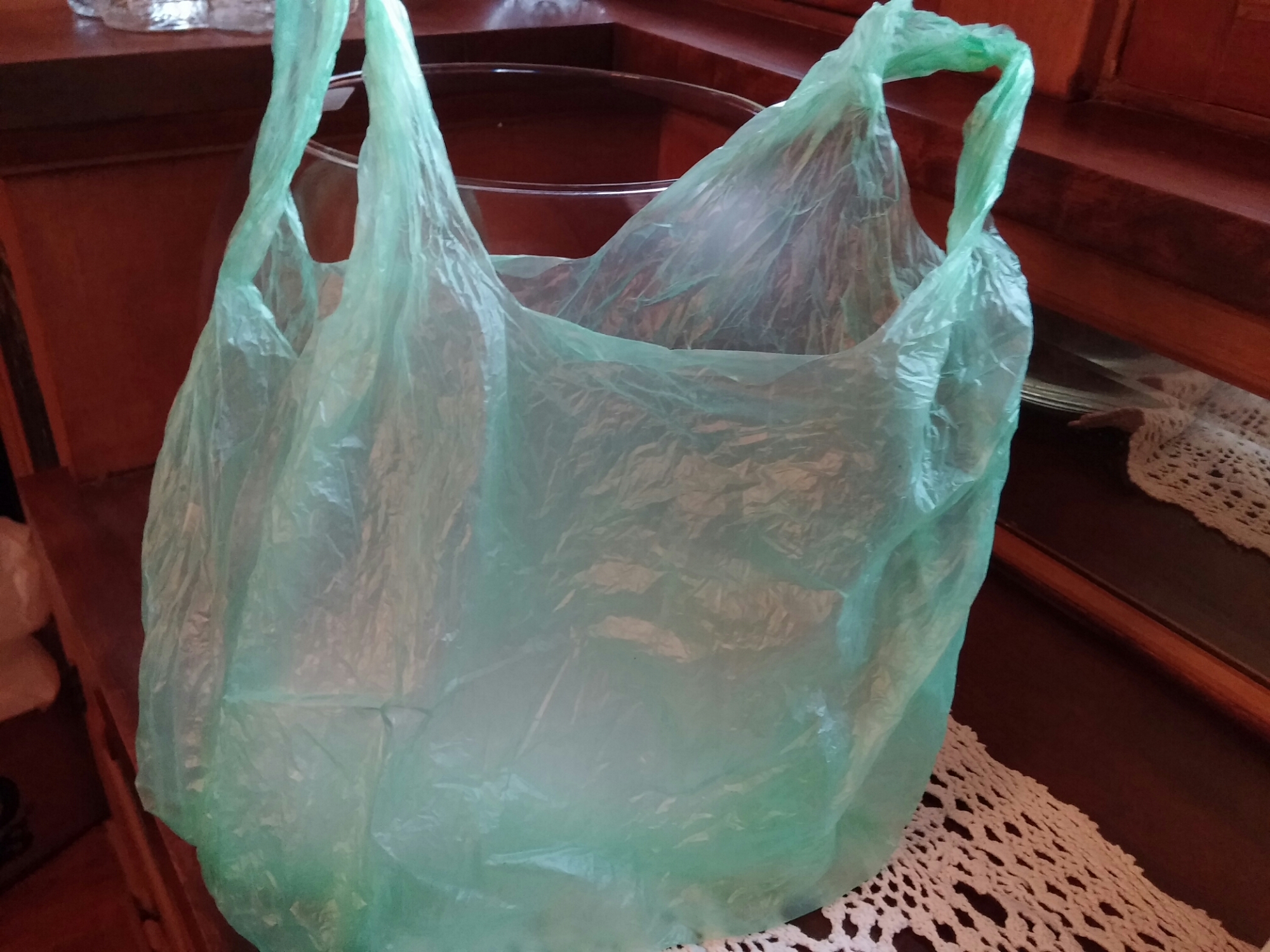
As we took the bus into Skopje, Macedonia we saw people carrying purchases in plastic. We were disappointed. I interviewed 3 people that could speak English. They claim an effort had been made to ban plastic bags, but “It didn’t work !’ They say the bags they now use are eco friendly. They couldn’t explain what that meant. No one was paying a fee for the plastic bags, and I never saw a paper bag. Macedonia is a poor country with high unemployment and a terrible litter problem. Before a bag ban could work an enormous amount of public education would be needed. I don’t think the economics of store owners nor the public is ready for such a big project to be successful .
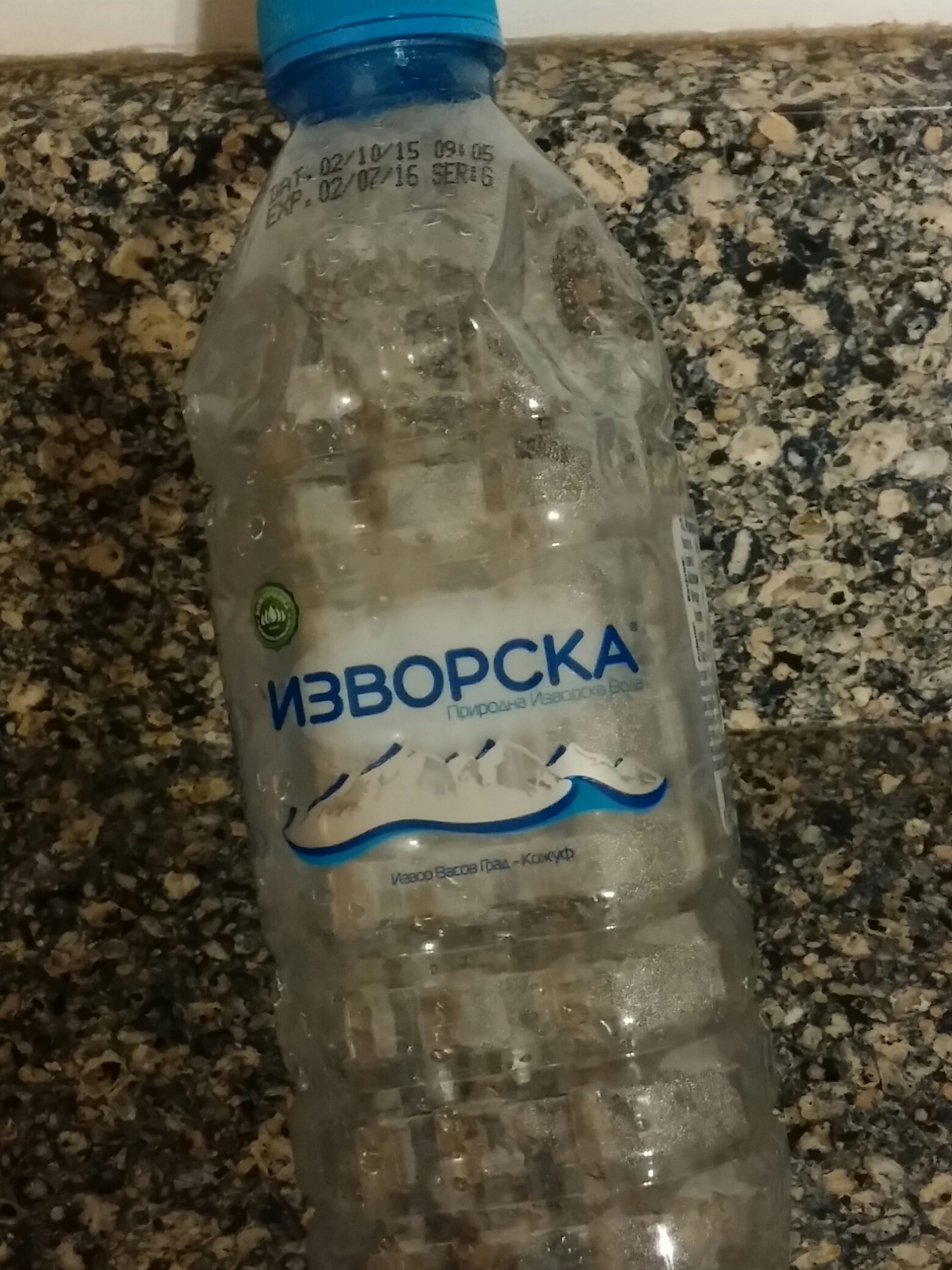
Thousands of plastic bottles were floating down the Vardar River to the Aegean Sea.
Could this be an eco bag ?
As I have said before on these pages, the manufacturers of plastic need to be responsible for the recycling and clean up of their products. Many countries don’t have the resources to do what is right for our earth, even though it should be a top priority.
Bottled in Macedonia I hope environmental groups will take Macedonia off their bag ban list. Being accurate is so important.
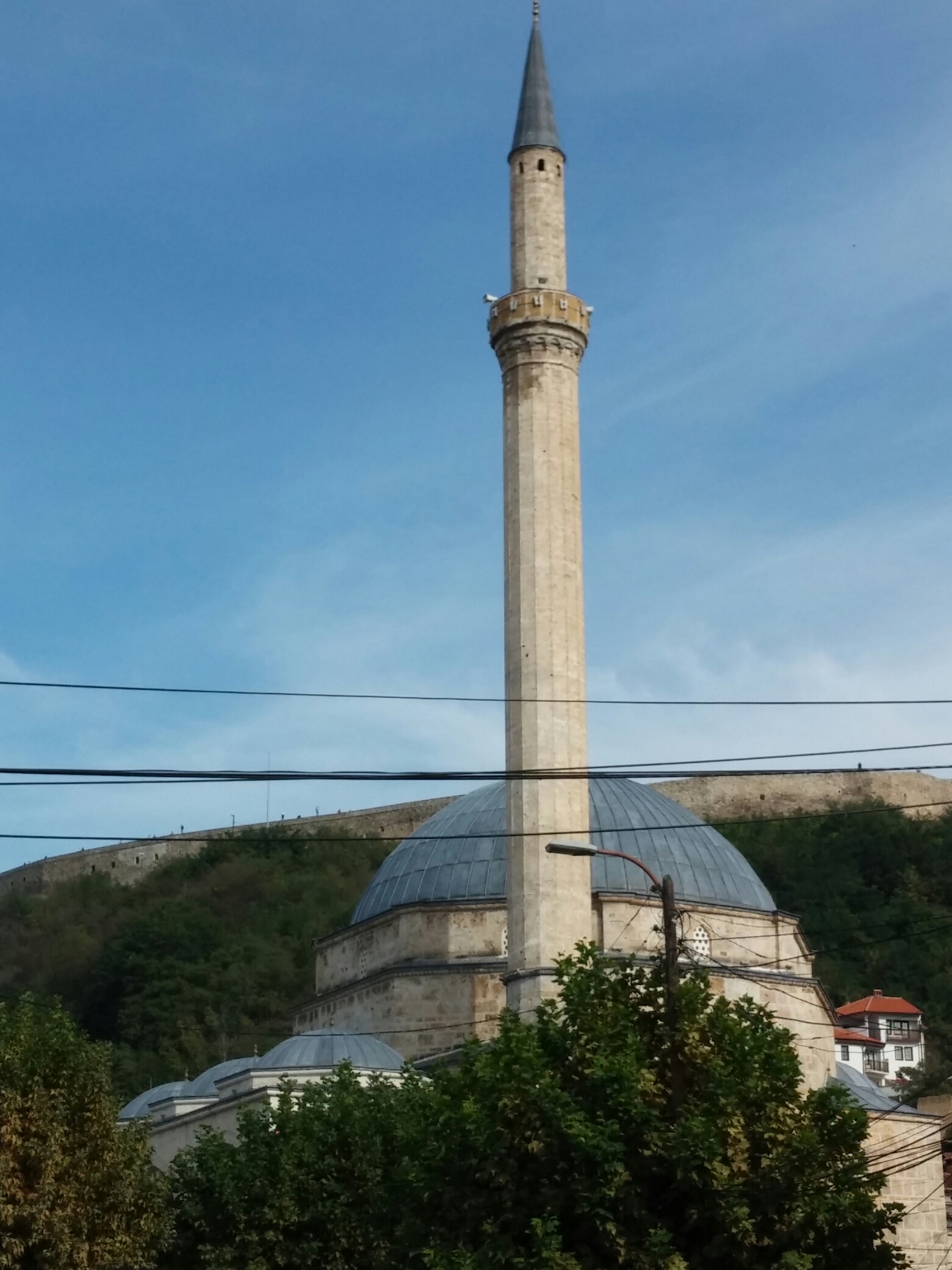
My husband and I are independent travelers in Eastern Europe. We are currently in Kosovo, a country rebuilding from a war that ended June, 1999. Rebuilding is taking place everywhere.
Yesterday two men couldn’t stop telling us how awful the war had been for them. They had rebuilt their homes with their own hands without humanitarian aid. According to them, Kosovo couldn’t account for how they had spent the funds, corruption?
Many buildings and houses are unfinished.
Many power outages and generators running. See power poles :
I love the promenades and many walk on them.
War is lose lose. Unfortunately, there are too many childish men playing with toys of which they don’t perceive the consequences. Not only does war kill innocent people, destroy families and waste valuable resources, it is so hard on our earth. I wish good luck to the people of Kosovo and hope they can elect leaders they trust and are free from corruption.
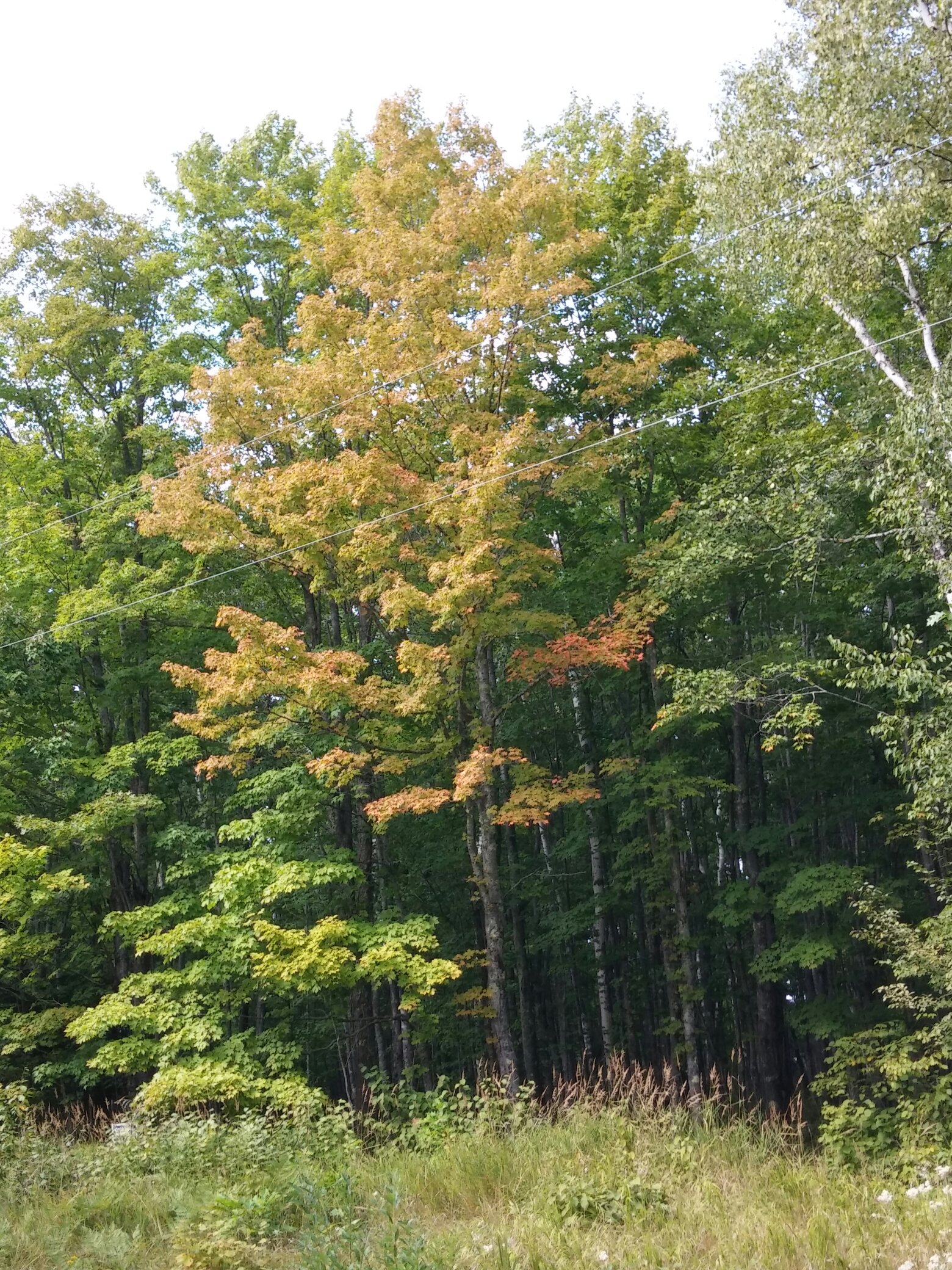
There are many warm wonderful things about every season!
Superior Views/ Autumnal equinox
Two adult eagles talk and screech most of the day, and we still hear the unique calls of the loons and sandhill cranes.
The last monarch nectars on milkweed.
Fall is a magnificent season, but why does it make all us northerners just a little sad? There are too many good byes. Our days have become noticeable shorter stimulating many of the changes we see.
Good-bye to many of the things I love until next spring:
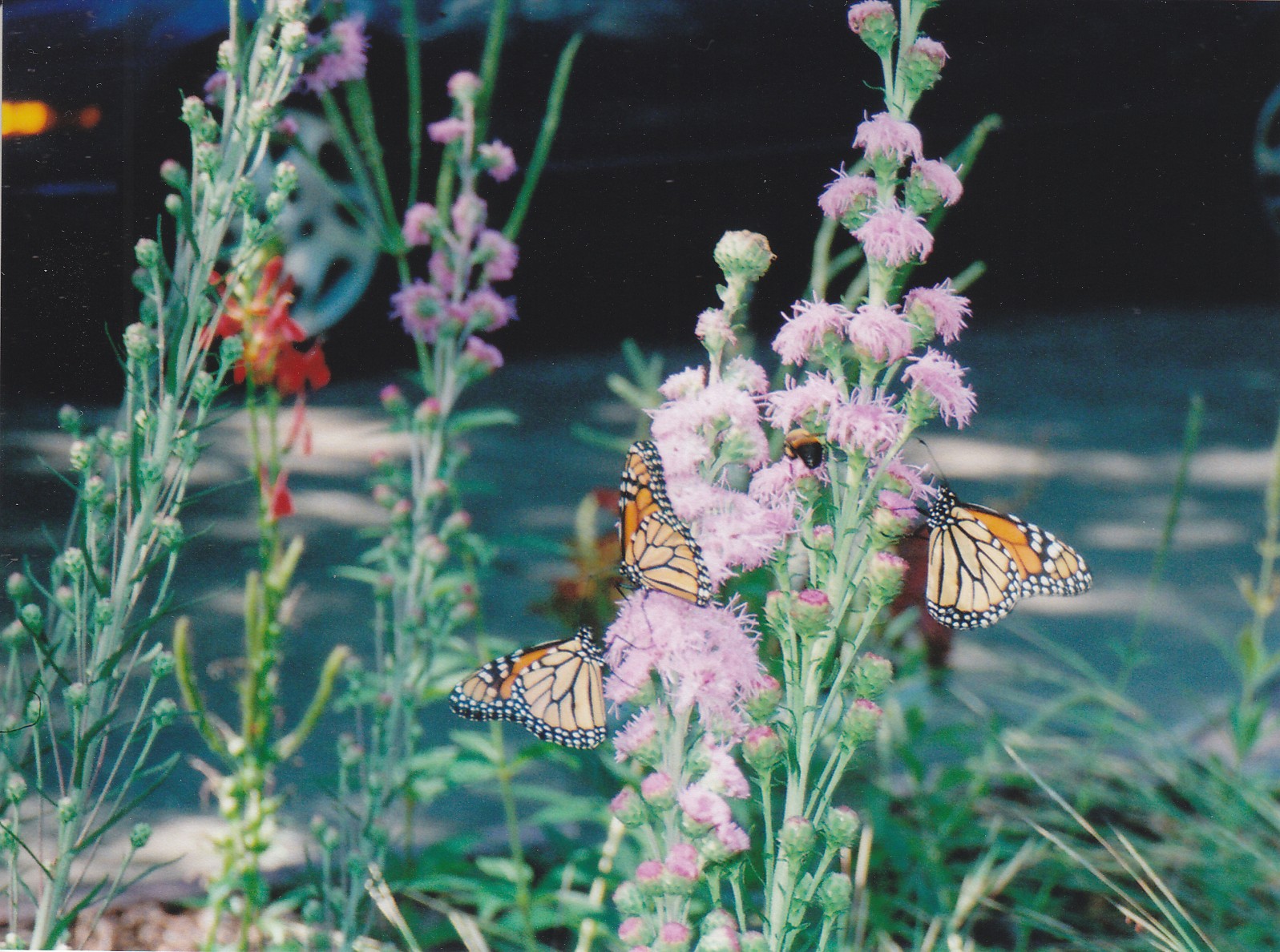
Good bye to the magnificent monarch butterflies as they journey south to Mexico.
Good-bye to the ruby-throat hummingbirds that bring such energetic joy,and the song birds that serenade me daily.
Good-bye to the bright pollinator plants that bring in butterflies and bees and birds to our yard.
Good-bye to the lush green forests that surround Lake Superior and the north country, and to wonderful outdoor meals on the banks of the big lake.
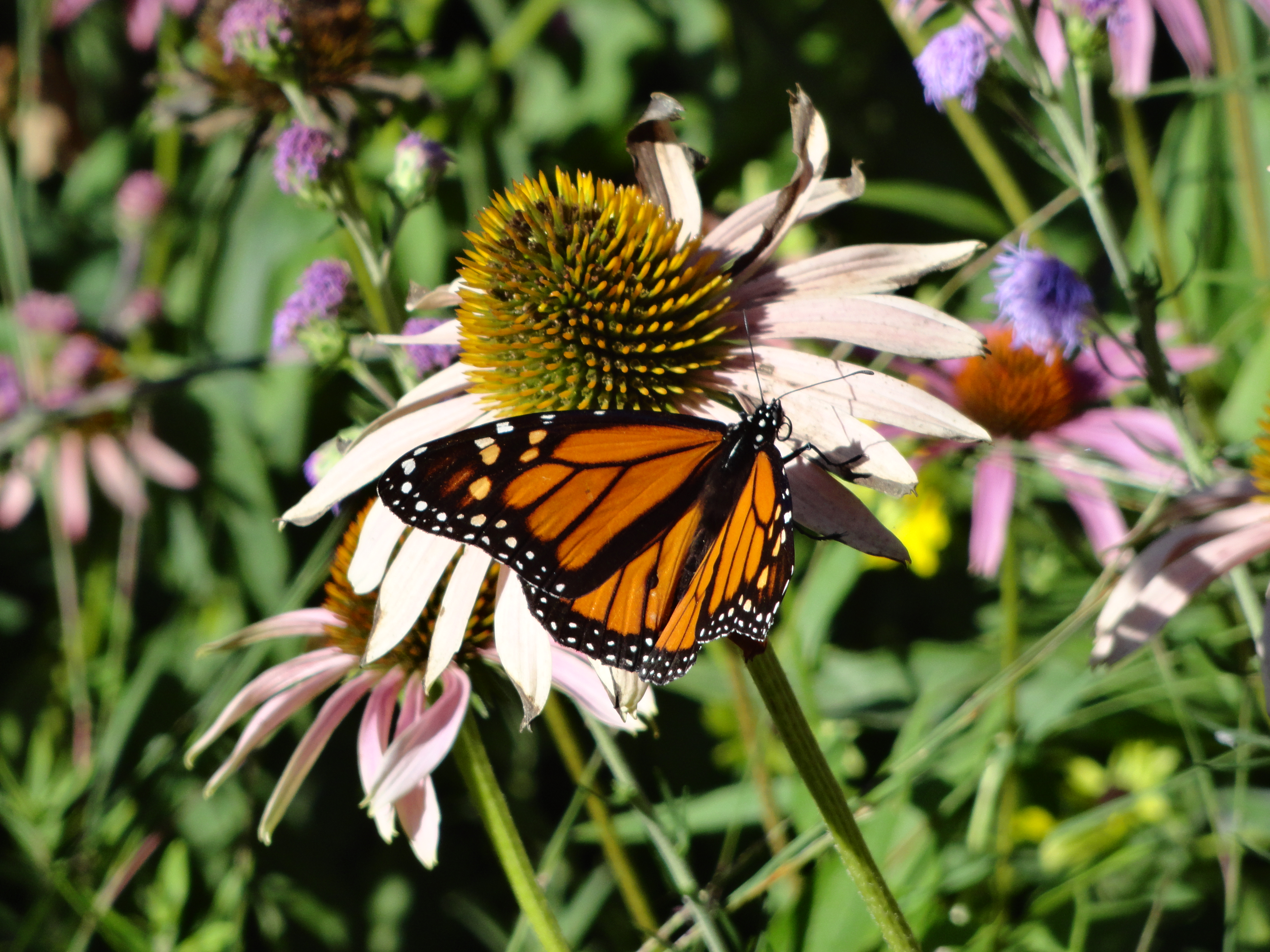
Dried up cone flowers are a gift to the birds. I took this picture in July
As I write this the goldfinch are eating seeds from dried up purple cone flowers, and hummingbirds are still flitting around for nectar. Below is an excellent article on fall gardening by writer Val Cunningham. My suggestions follow.
My additional suggestions for fall gardening are:
*Pull out all the invasive and bad plants
*Plan for next year. What worked and what didn’t work? How can you add more native
Hummingbirds and bees love this red menardia
plants ? (My favorites are milkweed, Liatris, cone flowers, bee balm hyssop, wild geranium and asters)
*Plan where you can add a rain garden next year to capture the rain from your house, driveway or yard. http://bluethumb.org/raingardens/
Birds love driveways with seeds and leaves, but please keep our waterways clean by sweeping sidewalks, driveways and street from leaves and debris.
Monarchs love Liatris (blazing star). They need nectar sources as they migrateMonarch eggs hatch into caterpillars, then into a chrysalis. 3 or 4 times in a summer this happens!chrysalis turns into a monarch butterfly. 3 or 4 times as they come north.
When I learned about native plants and pollinators my gardening focus completely changed. By planting milkweed, liatris, purple cone flowers and many others, the butterflies, and other pollinators come to my yard giving us enormous enjoyment, but now in September these incredible monarchs start their journey to Mexico. These butterflies are the 4th generation of the monarchs(Their great-grand parents) that traveled south last fall. Fascinating things I have just learned about monarch butterflies:
** These August/September monarchs are the longest lived, Maybe living 6 to 9 months. They do not lay eggs until early next spring when they have returned to Texas from Mexico
** They can fly 265 miles a day to their resting winter ground in Mexico, about 2500 miles.
** After resting for a few months they head back from Mexico to Texas where they finally lay their eggs on milkweed, and the next generation begins. Each new crop of monarchs lays eggs and continues the migration back to Missouri/Minnesota/Wisconsin/Iowa and Canada.
All the chemicals we use have destroyed monarch habitat! What are you doing to make sure they survive?
Round up kills the plants bees and butterflies love!
A Big Reason to be Thankful for California!
I was shopping for a vegetable peeler the other day. The label said, “This product is known to cause cancer according to the California EPA. Be sure you wash your hands after use” Yikes, who would buy such a product? Why would a company manufacture such a product? Below is more watchdog work by California’s EPA:
Big news! California EPA Moves to Label Monsanto’s Roundup ‘Carcinogenic’ http://ow.ly/RQOdP #BanRoundup
In a first for the country, California’s Environmental Protection Agency (Cal/EPA) has issued plans to list glyphosate—the toxic active ingredient in Monsanto’s Roundup herbicide—as known to cause cancer. http://ecowatch.com/2015/09/08/california-becomes-first-state-to-label-monsantos-roundup-as-a-carcinogen/?utm_source=EcoWatch+List&utm_campaign=4a984bb080-Top_News_9_9_2015&utm_medium=email&utm_term=0_49c7d43dc9-4a984bb080-85912169
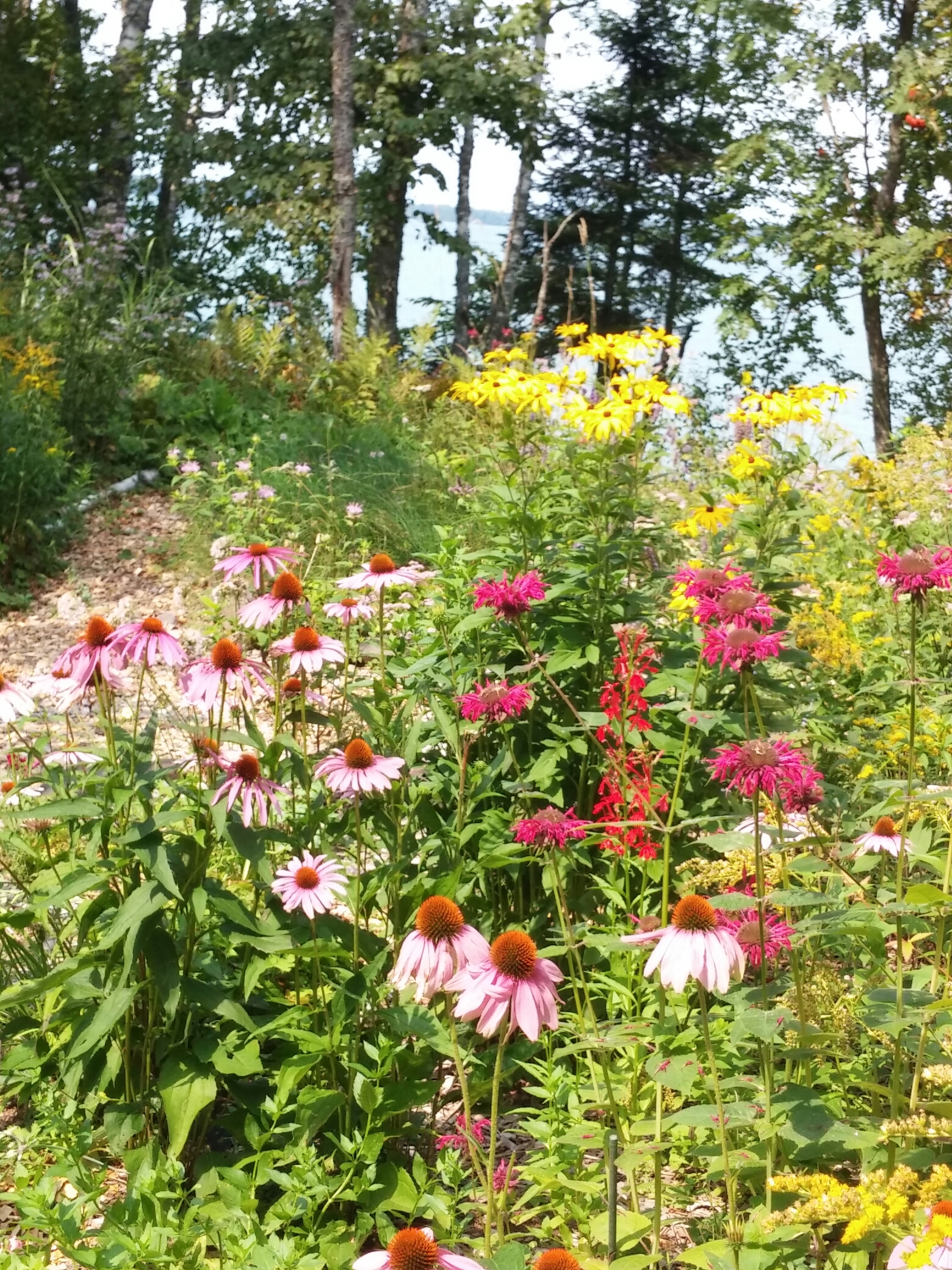
Hummingbirds and bees love this garden on Lake Superior
Bee balm, hyssop, golden rod, wide leaf aster, cardinal-flower and purple cone flower bring joy!
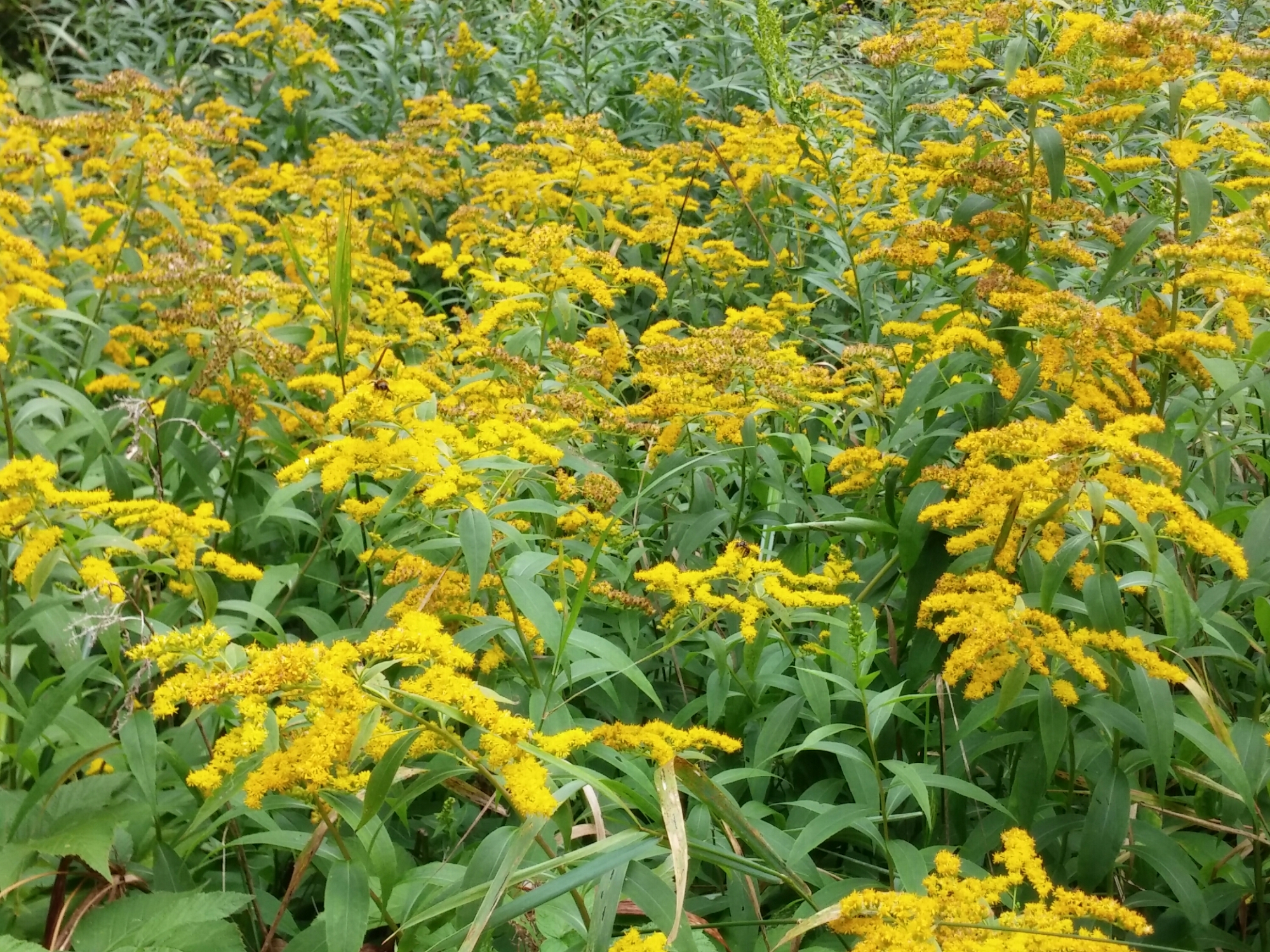
Bees love golden rod and it is everywhere.The sun sets on August
Eagles screech and talk to me as I work in my yard. Hummingbirds are everywhere, and some of the migrating birds crossing the lake are the Nashville Warbler, thrushes, and white throated sparrow.
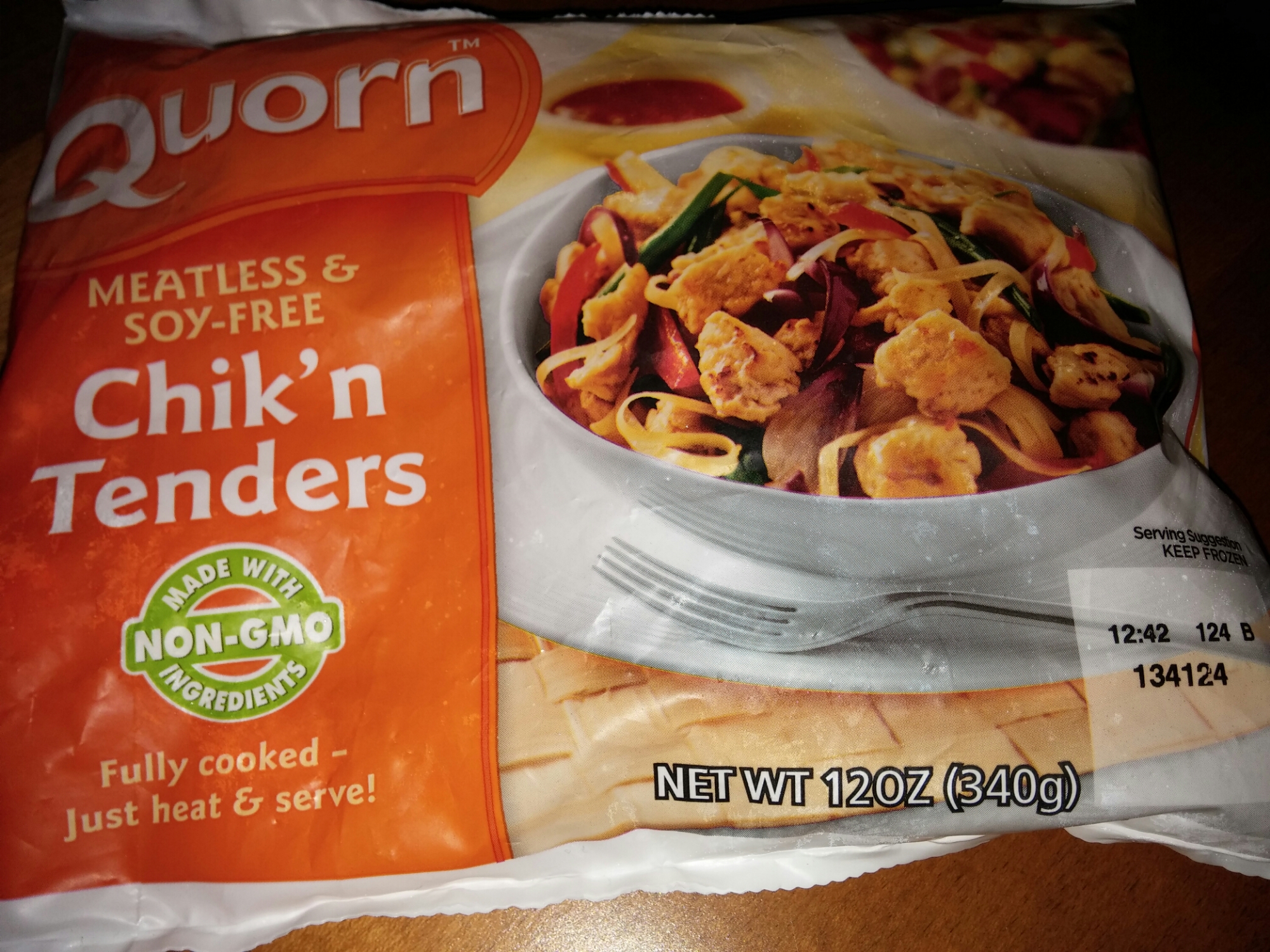
A non-GMO protein source perfect for meatless Monday!
The letter below was in the Minneapolis Star Tribune today. As a person with many food intolerances labeling is important, and I applaud the many that are asking for better transparency. My shortened version of this letter:
To the editor: Whether genetically modified foods are safe or not, is beside the point. Consumers should have all of the information they need to make a decision. That is an aspect of the free market that many sellers tend to forget.
Many people are allergic to peanuts. Should products that contain peanuts as a minor ingredient be labeled with that information? Many people don’t wish to eat certain foods for the variety of health or ethical reasons. If they are opposed to factory farming, should farmers who engage in sustainable practices be prevented from labeling their products?
Sellers want to know all they can about their buyers, but don’t want buyers to know much about them other than their brand name. Melvyn Magree
One more thing I have to add. Organic products do NOT have GMOs

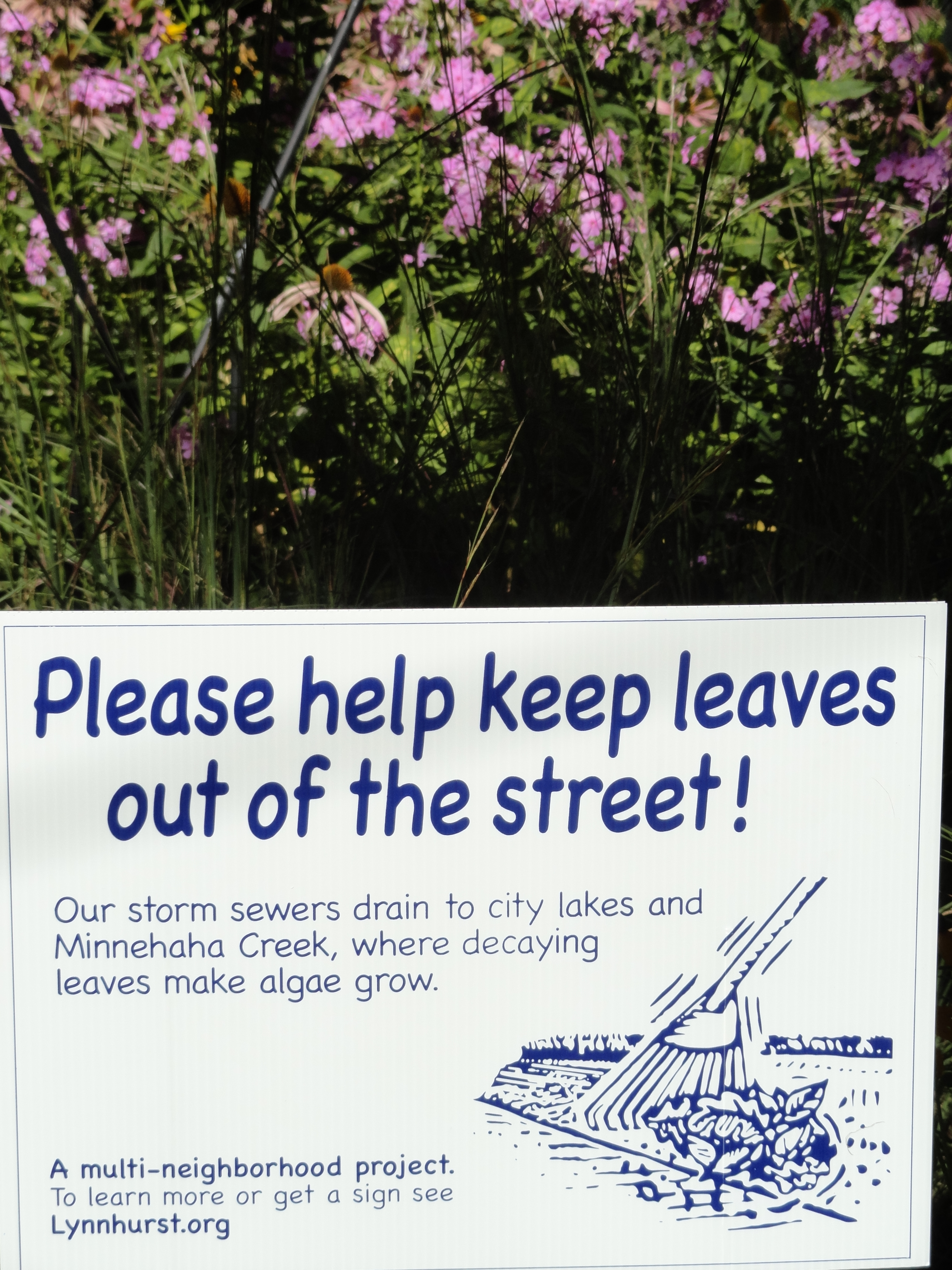 Fall Clean Up: Remember your curbs and gutters to protect our lakes and waterways. !
 Did you know that just five bags of leaves and organic debris from streets and sidewalks could contain one pound of phosphorus? Over time, this can lead to the growth of hundreds of pounds of algae.










 Health4earth