I disagree with a bill in the Minnesota Legislature about synthetic turf (HF 3705/SF 3869).
Synthetic turf has been framed as a sustainable solution for dealing with the climate crisis, drought and drainage issues. Unfortunately, many want to believe in this easy but expensive solution and believe without evidence that it is a sustainable practice. This is greenwashing and a false solution for helping our climate crisis. Synthetic turf is made of plastic. It has all the terrible side effects of plastic pollution. It breaks down in the sun and breaks down with use. It leaches toxic chemicals into our water and breaks down into microfibers. Synthetic turf is not healthy for children, pets, wildlife or adults to recreate on. It is not a sensible solution for a green lawn.
If plastic were a country, it would be the fifth-largest emitter of greenhouse gases in the world. We shouldn’t be encouraging the use of more plastic. We should be reducing our plastic use, not increasing it.
Synthetic turf is terrible at managing stormwater runoff. Even if it is permeable, the water will run right under it and cause erosion as it finds a muddy path to the nearest waterway. Deep rooted plants are the master of absorbing runoff and holding the soil. They are a proven solution.
The state of Minnesota is putting lots of money into bee lawns. Let’s pivot to them in times of drought. Bee lawns help pollinators, improve water quality and work for the healthy communities the public wants. Bee lawns are real, not fake. They are a low-maintenance and sustainable solution, and bee lawns can be adjusted and planted for everyone’s needs.
Becky Wardell Gaertner, Minneapolis
I like violets in a bee lawn, they are hearty, can be mowed and bees like them.
Water is Life, we must do a better job of protecting our waters.
World Water Day March 22, 2024 is the United Nations observance day dedicated to highlighting the importance of freshwater. It serves as a reminder of the critical role water plays in our lives and ecosystems.
“Water for Peace” is this year’s theme. fostering peace, prosperity, and conflict prevention in the role water plays in the world.
It is shameful the poor job we do to take care of our fresh water. Our fresh waterways are teaming with microplastics, nitrates and forever chemicals. None of these safe for human exposure. In some places invasiive speciaes have been introduced that also change the entire ecosystem of our water ways.
73 percent of Minnesota nitrate pollution comes from cropland, primarily through agricultural drainage systems below cropped fields and by nitrate pollution leaching into groundwater, and then moving underground until it reaches streams. 78% of nitrate pollution to the Mississippi River in our state is fr…See more on fmr.org
At least 70 million Americans get their water from a system where toxic PFAS “forever chemicals” were found at levels that require reporting to the Environmental Protection Agency. That’s according to new data the EPA released in its ongoing 5-year review of water systems across the nation. The number will almost certainly grow as new reports are released every three months. USA Today, March 21.2024
Careless humans have transported invasive plants and animals with their boats and equipment. Invasive species disrupt aquatic ecosystems, endanger native species, and have far-reaching consequences that harm the eco-system of waterways.
What are a few things you can do to protect our waterways?
1. Always clean your boats and equipment before entering lakes.
2. Pick up litter
3. Keep the storm drains near your home free of leaf debris and plastic waste.
4. Reduce the plastic you use, and always make sure your plastic waste is in the correct place, either recycling, landfill waste or hopefully to be reused again.
5. Plant deep rooted plants that absorb water runoff, like native grasses and native plants.
6. Create rain gardens or adjust your drain spouts to drain onto your lawn or gardens.
I hope we can all start the year with hope for peace and joy and a healthier cleaner planet. Every action we take matters Our collective actions, can contribute to positive change and help us to feel we are making a difference, and we are!
If plastic were a country, it would be the fifth largest emitter of green house gases!
Easy ways you can reduce your plastic footprint:
Always carry a reusable glass or metal water bottle, and reusable shopping bags with you.
Learn to refuse single-use plastics, such as plastic water bottles and coffee cups, straws, plastic bags and plastic utensils.
Purchase fruit and produce in the bulk section, and don’t place items in plastic bags.
Always search out products in glass jars instead of plastic containers.
When you must buy plastic products, choose ones that you can recycle rather than ones you must put in the trash.
Bring your own containers and shop the bulk section of your local food coop.
Over 98% of plastics are made from fossil carbons such as oil and gas. Turning these substances into plastics involves the addition of petrochemical additives – quite a lot of them. Over 13,000 chemicals are known to be involved in the production of plastic. More than 2300 of these are “chemicals of concern.” Some are highly toxic, and include carcinogens, neurotoxicants, and endocrine disruptors. These chemicals pose serious risks to human health because they can leach or migrate at every stage of plastics’ life cycle.
Food Packaging: When food or beverage is packaged in plastic, chemical additives can leach into what we eat.
Microplastics: Plastics don’t biodegrade; they break up into smaller and smaller pieces known as micro- and nanoplastics, which are so small that they become caught up in the air we breathe, the water we drink, and the food we eat. These pieces are present almost everywhere researchers have ever looked, including inside the human body. Scientists have detected plastic particles in human lung tissue, intestinal tissue, blood, breast milk, the muscle of the heart, and both sides of the placenta – including inside fetuses and newborn babies.
Cell damage: Plastic particles inside the body can irritate, inflame, and even puncture cells. This is especially concerning in the intestine and lung, where microplastics make direct contact with thin, sensitive tissue.
Chemical leaching: Microplastics never stop leaching their chemical contents. Once they are inside the human body, they can act like tiny trojan horses, spilling out chemical additives for as long as they are present. Over 98% of plastics are made from fossil carbons such as oil and gas. Turning these substances into plastics involves the addition of petrochemical additives – quite a lot of them. Over 13,000 chemicals are known to be involved in the production of plastic. More than 2300 of these are “chemicals of concern.” Some are highly toxic, and include carcinogens, neurotoxicants, and endocrine disruptors. These chemicals pose serious risks to human health because they can leach or migrate at every stage of plastics’ life cycle.
Cancer: Many of the chemical additives in plastics are known to cause cancer. Bisphenol A, phthalates, and polyvinyl chloride, for instance, are welldocumented carcinogens.
Endocrine Disruption: A great number of additives mimic hormones and disrupt signaling throughout the body. They can scramble appetite cues and metabolism, leading to obesity, diabetes, high blood pressure, and heart disease. They can hijack reproductive signals, speeding puberty, lowering sperm counts, and prompting infertility. Endocrine disruptors are also associated with cancer – especially breast, prostate, and testicular cancers. Neurological Effects: Endocrine disruption can disturb brain development, leading to lower IQ, ADHD, and autism-spectrum disorders. Go to http://www.beyondplastics.org and email us at beyondplastics@bennington.edu to learn about the tools we have to reduce our exposure to harmful plastics and petrochemicals. Besides limiting your own personal plastic use, what can be done? Nearly half of all plastics manufactured today are single use items and packaging. Legislation that reduces the production of these items and mandates extended producer responsibility will go a long way toward relieving health risks. It is vital that lawmakers regulate the chemical content and toxicity of plastic. Many of the chemicals used to manufacture plastic are unnecessary and can be banned and substituted with safer alternatives. The brains and bodies of infants, fetuses, and small children undergo exquisitely complicated and carefully timed changes. When these are disrupted, the effects can be permanent – and profound. Infants and fetuses also face risks of prematurity, stillbirth, low birth weight, birth defects of the reproductive organs, impaired lung growth, and childhood cancer.
We are in a climate crisis, a waste crisis, and a plastic crisis. The last thing we need is for people to purchase more landfill junk. Everyone has a right to clean water and clean air. Buying less stuff, and producing less waste helps keep our water and air clean.
Purchase items of quality and things you really need this holiday. Also, become aware of the plastic that you send to the landfill.
Zero Waste is moving from our throw-away and overconsumption culture to a more sustainable way of reusing and refusing.
Food waste in landfills produces harmful methane gas.
The EPA reports that garbage increases 25% between Thanksgiving and New Year’s. Here are new ways to reduce your waste.
From November 13 to November 19 world meetings in Kenya are being held to try to stop the spread of plastic pollution. Plastic is a serious health problem, polluting our bodies and our environment. Made of fossil fuels plastic contains thousands of toxic materials and breaks down into to tiny microfibers that are found in every organ of our bodies. Recycling plastic intensifies the toxicity. Sign the Greenpeace petition below to help reduce plastic!
Make a concentrated effort to reduce your plastic exposure
A new study led by scientists from the University of Gothenburg in Sweden has found that recycled plastics contain hundreds of toxic chemical compounds, including pharmaceutical drugs, pesticides and industrial compounds.
The scientists say this means plastics are not fit for most purposes
PFAS is widely used though out the world. It is used in food packaging, fire-fighting foam, waterproof items like jackets and carpeting, and non-stick items like frying pans. The particles don’t biodegrade which means they can accumulate in the environment, animals, human bodies, and drinking water. A 2015 study by the U.S. National Health and Nutrition Examination Survey found PFASs in 97 per cent of humans.
This is Climate Week in New York. I hope the world’s leaders will heed the urgent call of our changing climate. The pain is real, and the consequences are far-reaching. It’s time to prioritize the future for the generations that will inherit the world we leave behind.
Make a choice to reduce your carbon footprint!
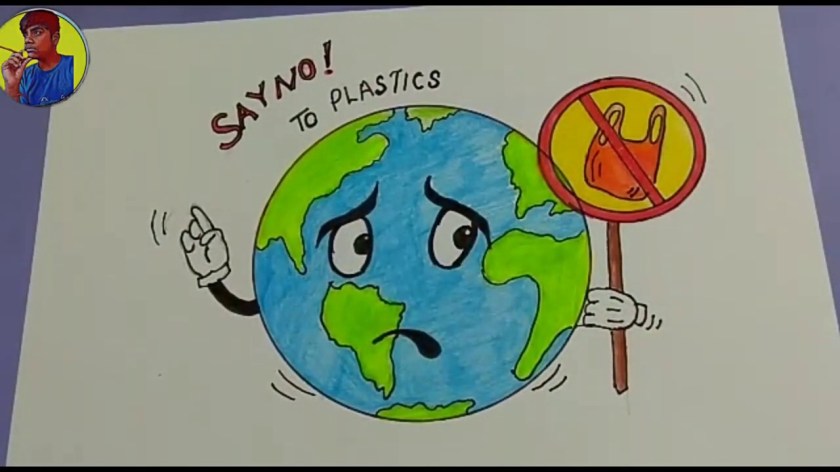
If plastic were a country, it would be the 5th largest emitter of greenhouse gases. Plastic pollutes our environment and our bodies every stage of its life. By reducing your plastic use you are making a difference in protecting our Earth.
Plastic is a problem not just because it becomes litter but because it poses a real and immediate threat to human health. We must reduce the plastic we consume! Please sign the petition below from Earthday.org
Please sign the petition calling for a strong global plastics treaty
Plastics have a huge impact on human health, leaching harmful chemicals into our food, water, and air leading to hormonal issues,2 increased cancers risks,3 and developmental issues.4 As the plastics breakdown into micro and nano-plastics they are able to penetrate every aspect of our lives and their production pumps emissions directly into the atmosphere further exacerbating the climate crisis.5 That’s why Earth Day 2024’s theme is Planet vs. Plastics, which we believe embodies the struggle we all face for human and planetary health. We must demand action from world leaders to address the issue. The Global Plastics Treaty is the first step to united global action6 — but we need to make sure that they commit to effective measures instead of just do lip service. Please sign the petition calling for a strong Global Plastics Treaty. SIGN NOW
As with any international treaty, success is impossible without strict enforcement and commitment by participating countries.
Here are our demands to the United Nations and World Government Organizations:
-Support a highly ambitious Global Plastic Treaty that binds all to the same standards -A 60% of reduction of all fossil fuel-based plastic production by 2040 -Require producers and retailers of plastics to be liable for the cost of any environmental or health-related damages in accordance with the “producer pays” principle -Public and private sector investments in innovation to replace all fossil fuel-based plastics -Ban all plastic-related tobacco products including, but not limited to tobacco filters and e-cigarettes -Ban the export of plastic waste -End the incineration of plastic waste -Support innovative solutions and alternatives to plastic in all sectors -Fully finance education and public awareness campaigns to inform the public about reasons and strategies for ending plastic pollution
Plastic pollutes our environment and bodies every phase of its life, from extraction, to production, to its use, and then disposal. Also, plastic harms our bodies and contributes to climate change every step of its long plastic life.
This is all depressing, but it is information everyone should know.
Plastic particles can cause heart attacks and strokes, cancer and dementia, but absolutely the worst is plastic and children. Please pay attention.
A group heavily harmed by use of plastics are fetuses and newborns, who absorb microplastics through the mother’s body and breast milk, and young children, who are especially sensitive to plastic chemicals that leach into our food and beverages because their bodies and systems are developing so fast. Landrigan, who is co-author of the book “Children and Environmental Toxins. What Everyone Needs to Know,” said, “Toxic chemicals can damage babies and children at the lowest detectable levels.”
“Brain damage caused by plastic chemicals can contribute to autism, ADHD and IQ loss, The only treatment is prevention of exposure.”
Microplastics infiltrate all systems of the body, causing behavioral changes. Neuroscience Pharmacy Professor Jaime Ross’ study finds ‘widespread’ infiltration, potential for serious health consequences, including Alzheimer’s.
“The brain blood barrier is supposed to be very difficult to permeate. It is a protective mechanism against viruses and bacteria, yet these particles were able to get in there. It was actually deep in the brain tissue.”
Another article
How Plastic Created One of the Most Dire Crises Humanity Faces Today by THOM HARTMANN, AUG 29, 2023
https://hartmannreport.com/p/how-plastic-created-one-of-the-most-598 “The researchers found that the particles had begun to bioaccumulate in every organ, including the brain, as well as in bodily waste.” Microplastics and nanoplastics can have a wide variety of negative effects on There are studies showing microplasstics and nanoplastics can contribute to or cause everything from heart attacks and strokes to cancer and dementia. … and breast and colorectal cancer.
It is up to all of us to create a healthy environment.
Do we have a right to a clean and healthful environment?
A Montana state judge sided with 16 young people in the country’s first ever constitutional climate case. The judge ruled that youth had a right to a healthy environment. This trial comes after state lawmakers passed legislation that allowed fossil fuel projects to be permitted without considering the climate impact and greenhouse gas emissions from their legislation causing harm and injury to Montana’s youth— a violation of their state constitutional right to a ‘clean and healthful environment.’
This should be a message to all of us. We all need to work to create a “clean and healthful environment” for our youth and for all of us. Everyday, we need to reduce our fossil fuels by driving less, buying less, not idling our cars, and reducing our use of plastic.
According to NOAA, Earth has just experienced the hottest July in 174 years of records, and the hottest eight Julys in the past eight years.
We all have experienced “Global Burning” and tragic weather events causing much loss of life and destruction. We must work together for a more stable future environment with clean air and clean water.
If everybody does a little it adds up to a lot! We all want to live in healthy communities, and everyone must do their part.