“You may say I’m a dreamer, but I’m not the only one. I hope someday you’ll join us. and the world will live as one.” John Lennon
The sun is shining and the temperature is comfortable. Couldn’t be a better day to think positive, enjoy, and feel like you accomplished something! Today is Positive Thinking Day. A day to smile and show gratitude
I hope you have a positive day, and I’m going to add one thing to think about in your day:
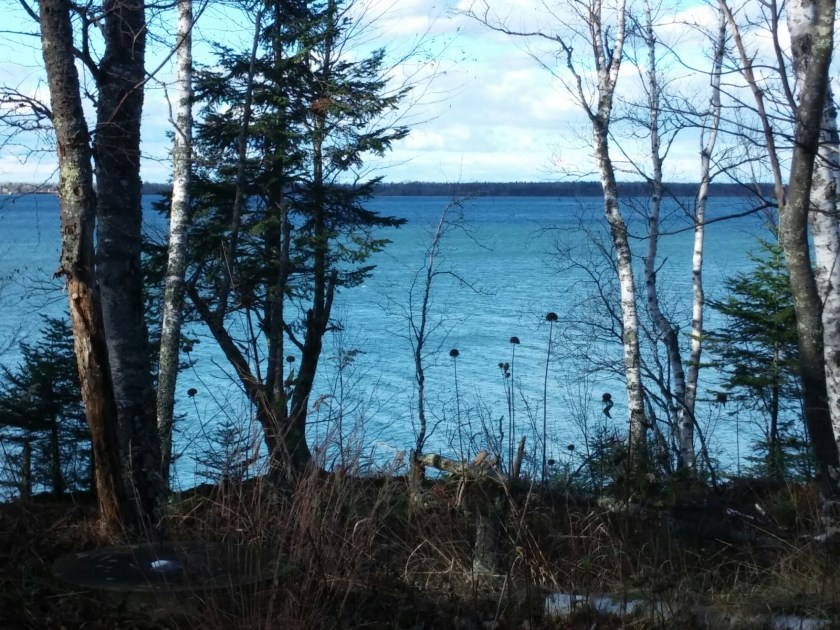
Love our lakes, rivers and streams. Take care of them!
My not so funny joke for Water Wednesday. A conversation I had this past week!
Friend: I hear Donald Trump has invested lots of money in bottle water.
Me: Why would he do that?
Friend: He wants to get rid of all regulation to protect our drinking water.
In contrast, Minnesota Governor Dayton has called for a Year of Water Action. He encourages all Minnesotans to take a role in protecting our state’s most precious resource for future generations. Read more about it here.
Deep rooted plants absorb run-off
What are you doing to protect our water resources? Reduce chemicals, sweep sidewalks and streets, install rain gardens, plant deep-rooted plants, stop building campfires, recycle and compost, clean off boats and equipment, What else?
This morning I was walking a bridge crossing the Big Blue River in Nebraska. Never have I seen a river so full of sediment! The name “Big Blue” was full of irony for me. I know many of the local water sources in this area of Nebraska are poisoned with nitrates, and children should not be drinking this water. Farming areas of Iowa and Minnesota are having the same water pollution problem. The major source of nitrates are fertilizers on farm fields, and farmers are not regulated by the Clean Water Act. We are all guilty of dirty water and can do much better at protecting our waters. The run-off from our houses, driveways and roads are major contributors to our polluted lakes rivers and streams. Farmers need to better, but so do all of us!
10 actions you can take to improve lakes, rivers and streams from Hennepin County.
When it rains, the storm water that runs off driveways, lawns, houses and parking lots can carry pollutants like oil, paint and chemicals down storm sewers and into nearby lakes, streams and rivers. By taking the following easy, no-cost or low-cost steps, you can have a big impact on reducing runoff and protecting our water resources and wildlife habitat. Hennepin County
1. Use your runoff
You can keep water in your yard and reduce runoff by directing downspouts onto your lawn or garden or into a rain barrel. Rainwater is free and naturally “soft,” so it is ideal to use in watering your lawn or garden.
2. Don’t rake grass clippings and leaves into the street
Leave them on your lawn, use them for compost, or bag them up. Grass clippings and leaves left in the street end up in the storm sewer, where they are carried to nearby lakes and streams. Clippings and leaves contain phosphorus and other nutrients that feed algae and other aquatic plants. This can cause excess algae growth that can negatively impact other plants and wildlife and can be unsafe for pets.
3. Scoop the poop
Grab a bag when you grab the leash and pick up after your pets. Pet waste left on the ground can be washed into lakes and rivers with rainwater and runoff. Pet waste contains bacteria that can cause illness in humans and animals.
4. Use chemicals wisely
Read and follow the label instructions when using herbicides and pesticides. Use the minimum amount needed to control the problem. If you can, consider using alternative or natural remedies to control weeds and pests, or remove the problem by hand.
5. Fertilize smart
Sweep up any fertilizer that spills onto hard surfaces. Excess fertilizer washes away into nearby lakes or streams where it can feed algae, causing rapid growth known as algae blooms. Algae blooms stress fish and wildlife and make swimming and fishing unpleasant or impossible.
6. Keep a healthy lawn
A healthy, vigorous lawn needs less watering, fewer chemicals and less maintenance. Aerate your lawn periodically to loosen the soil. Seed bare patches to prevent erosion and soil loss. Mow at a higher setting. Grass mowed to a height of 2 ½ to 3 inches develops deeper, healthier roots and has a competitive advantage over weeds.
7. Plant a rain garden
Rain gardens are depressions planted with a diverse mix of native wildflowers and grasses
Rain gardens collect water run-off
designed to collect rainwater and allow it to soak into the soil. This will reduce the water running off your property into storm sewers.
8. Replace turf with native plants
Swap some of your high-maintenance lawn for low-maintenance native ground cover, plants or grasses. Many native plants develop deeper root structures than turf grass, which reduces runoff by allowing for better water infiltration.
Deep-rooted plants absorb more water than turf grass
9. Reduce your footprint
Replace some pavement – such as a walk, patio or driveway – with pavers or pervious pavement. The porous surface will allow water to seep through.
10. Adopt a storm drain
Keep neighborhood storm drains free of leaves, seeds and grass clippings. Storm drains are directly connected to nearby water bodies. Water running into storm drains can carry with it anything dumped nearby including leaves, grass clippings, soil, oil, paint and chemicals. Keeping storm drains clear will protect the water quality of nearby lakes, streams and rivers.
***If you own property on a lake, pond, river or stream you should install a tree and plant buffer strip to keep pollutants from running into the water.
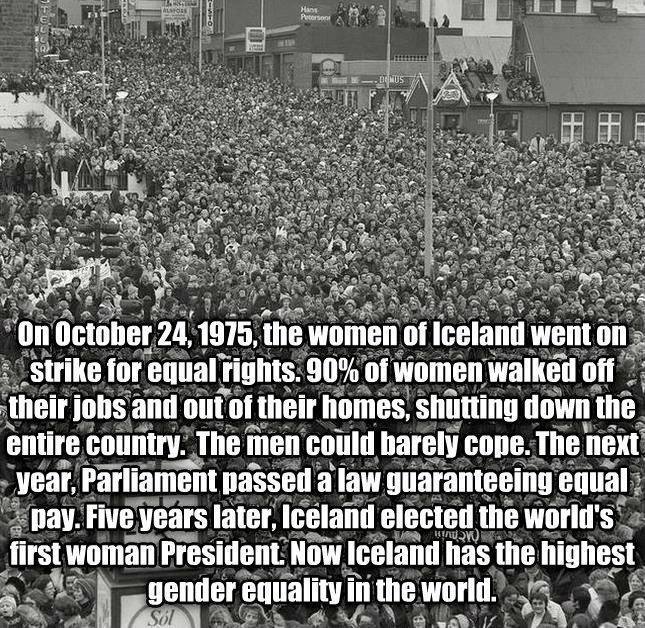
The 2016 theme for International Women’s Day is “Planet 50-50 by 2030: Step It Up for Gender Equality”.
International Women’s Day is a time to reflect on progress made, to call for change and to celebrate acts of courage and determination by ordinary women who have played an extraordinary role in the history of their countries and communities. Women still have high hurdles and a long way to go.
An interesting article below about, Annie Griffiths, a National Geographic photographer: “Early in her career as a globe-trotting photographer for National Geographic, Annie Griffiths witnessed the profound impact of climate change on women and girls in developing countries. They were the ones who went in search of water. They nursed the sick as diseases spread. And when climate disasters hit, it was the women who stayed behind to see their children and parents to safety, often at their own peril.” http://www.startribune.com
“We need to work collectively together and stop procrastinating. We need to support leaders around the world who do not speak for the big polluters or the big corporations but who speak for all of humanity, for the indigenous people of the world, for the billions and billions of underprivileged people who will be most affected by this, for our children’s children, and for those people out there whose voices have been drowned out by politics and greed.”
The Oceans Are Rising Faster than they have in 3,000 years
2015 was the warmest year on record, and January 2016 was the warmest recorded. Alaska, Minnesota and Wisconsin have enjoyed a mild winter. The winter warmth has been pleasant, and because this is just weather, it will probably be brutal next year. It is the long-term trends that are troubling. Sadly, the problem lies in our oceans. Eighty to ninety per cent of this heat goes into the oceans. So of course the oceans are rising with the melting glaciers. Also, as the oceans heat they expand taking up more space. With record warm years, no wonder that the oceans are rising at a very fast rate.
Our planet is already in crisis as migrants are leaving Syria, Iraq, Afghanistan and other countries. We haven’t seen anything in compared to the migrant crisis that will be created by the rising oceans. Those living on the ocean coasts and the islands that will be inundated and disappear will need to find new homes .
The Syrian crisis was caused in part by our warming earth, the continued rising of warm oceans will create migrant problems that will be an even greater challenge! Miami, Venice, Bangladesh and London are a few that could disappear. Where will these people forced out of their disappearing cities, farms, and villages go?
Denial of our man-made climate crisis will not continue to work, and everyone needs to take personal responsibility to reduce their carbon footprints. Just committing to turning off lights and to drive less can make a big difference. What is one thing you do?
This week 5 activist judges on the U.S. Supreme Court delayed implementation of President Obama’s Clean Power Plan. A delay that could throw clean air into years of litigation. This also gives China, India and other countries an excuse to delay their own clean-air plans to reduce dangerous carbon emissions.
This past December 195 nations came together in Paris for an incredible historic agreement. They agreed to work together to reduce carbon emissions. A corner-stone of this agreement in the United States was to require states to reduce their carbon emissions by 30 percent by 2030. To accomplish this states need to switch from dirty coal and oil to the renewables of solar and wind, or however the state chooses to get to a 30% reduction. Twenty-seven states are protesting these new rules, and the Supreme Court says these lawsuits need to finalized before the Clean Power Plan is implemented. My rural electric cooperative does not support clean air initiatives because they don’t want to pay for it. This is a lack of vision for the future. I think that switching to renewables will be cheaper for consumers in years to come!
What these climate deniers don’t understand is the cost of doing nothing about air pollution is much more expensive. The oceans will continue to warm and rise, storms intensify, and the clean up and health issues will continue to cost billions of dollars a year. Many lives will be lost because of this lack of vision for the future.
This election is already too long, too silly, and too expensive, but please don’t sit it out! Choosing the next president of the United States is a long cumbersome process, and such a small number of people actually participate in this beginning process, but it is the most important! Those that show up have the power!
How do we get more people to participate? You are important to this process, and everyone needs to feel that their vote and their opinion count, but you can’t do that if you don’t show up. If you don’t vote, you pass your power as a citizen to those that do participate. With all the money in politics, participation in the voting process is our one voice. This voice is needed to try to keep big money and corporations from making all the rules. Good elected leaders are important to health of our planet and the health of our people. We need to elect serious leaders that are capable of getting the big picture and choose leaders that are not beholden to those that make big financial contributions. A democracy is only as strong as those who work to make it strong by participating.
In Minnesota like Iowa we have caucuses. Caucuses take a high level of commitment. Political parties organize and run the caucus meetings. Because the political parties run the caucus meetings, many think they aren’t welcome. Everyone is welcome, and your voice is not heard if you don’t attend. Even though I don’t like the process, I attend. I believe in the voice of all citizens. You need to attend because your voice as to who is elected is just as important as the party hacks and leaders. In Minnesota you don’t need to be registered to participate according to what I read, and I have never seen anyone register. Caucuses in Minnesota are not set up to register people. Find you caucus location through your state Secretary of State website.(This is Minnesota as an example)
If your state has a primary you are lucky, go and cast your vote on the correct date, at the correct polling location, but make sure you are registered. Call or google your city hall or Secretary of State to find out how to register and where to vote. Every state has different rules for registering and voting. Don’t waste your one vote! See the link below for your state’s primary election or caucus date.
The job of all citizens is enormous, and your help is needed! Caucuses can be fun. Go and make a night of it. You will learn something, and you will meet new people! If your state has a primary election, get registered and vote. Our country will be stronger the more people who participate. Many around the world would love to have this opportunity!
See when your state presidential event takes place in the link below:











 Health4earth