Make Plastic-Free Fun

It’s Plastic Free July!

We have a plastic problem. Manufacturing plastic creates air pollution, single-use plastic ends up in the ocean, toxic chemicals, and microplastics find their way into our food and water. Plastic permeates our lives, and we would all be healthier by reducing our plastic use.

Make it fun this month as you try to reduce the plastic you expose your family and yourself to plastic. See below for ideas to reduce your plastic exposure.

We all see plastic litter that is harmful to our waterways and our environment, but we might just be learning that plastic contains harmful chemicals and that it breaks down into microfibers. We can’t see the chemicals or the microfibers that can harm our bodies.

Plastic contains thousands of harmful chemicals that are especially harmful to children. These chemicals leach from plastic containers into our food and bodies. Plastic contains serious hormone disrupters that can cause obesity, diabetes, cancers and birth defects.

Plastic also sheds into small flakes of microfibers that have been found in every organ of our bodies. https://www.cnn.com/2024/06/19/health/microplastics-human-penises-study-scli-intl-scn-wellness Microfibers enter our bodies from our food, drinks, water, air and synthetic clothing. We ingest about a credit card of plastic a week.

Below are two lists of ways you can reduce plastic. Choose one or two ways and work for success. Good luck!

6 Ways to Use Less Plastic from Consumer Reports

While it’s practically impossible to eliminate plastic from modern life, there are a number of steps you can take right now to cut back.

Do: Drink tap water.
Don’t: Rely on bottled water.

Water from plastic bottles has about double the microplastic level of tap water on average, according to a 2018 study published in the journal Frontiers in Chemistry. So unless your tap water is contaminated with unsafe elements, such as lead, it’s probably best to drink tap. Fill up a metal reusable bottle for when you go out. You can always filter your tap water. Depending on the filter, that may further reduce microplastic levels. (Check CR’s ratings of water filters.)

Do: Heat food in or on the stove, or by microwaving in glass.
Don’t: Microwave in plastic.

Some heated plastics have long been known to leach chemicals into food. So if you’re warming up food, use a pan in the oven or on the stove, or if you’re microwaving, use a glass container. Also, avoid putting plastics in the dishwasher because of the high heat involved in cleaning.

Do: Buy and store food in glass, silicone, or foil.
Don’t: Store food in plastic, especially plastic that may contain harmful chemicals.

The American Academy of Pediatrics has said that plastic food containers with the recycling codes 3, 6, and 7 may contain potentially harmful chemicals, unless they’re labeled “biobased” or “greenware.” Don’t store food in these types of containers. Instead, use containers made of glass or silicone, or wrap your food in aluminum foil. If you’re storing food in or eating food out of plastic containers, know that plastics with recycling codes 1 and 2 are more likely to be recyclable—though they are usually recycled into lower-quality plastics. And there still may be harmful or unknown chemicals in any type of plastic.

Do: Eat fresh food as much as possible.
Don’t: Rely on processed food wrapped in plastic.

The more processed or packaged a food is, the higher the risk that it contains worrisome chemicals. Food cans are often lined with bisphenol A (or similar compounds). Buy fresh food from the supermarket, and—as much as possible—try to use refillable containers if your market allows. (Of course, with shopping made difficult by the coronavirus pandemic, prioritize your health and shop however is most feasible and safest.) Certain markets let you fill up cardboard or reusable containers with bulk items and weigh them, or you can use your own mesh bags for produce. Raw meat and fish need to be kept separate for safety reasons, but ask the store fishmonger or butcher to wrap these foods in wax paper instead of plastic. Take cloth—not plastic—reusable bags to the store to take your groceries home.

Do: Vacuum regularly.
Don’t: Allow household surfaces to get dusty.

The dust in your house could be loaded with microplastics and chemicals that are found in plastic, such as phthalates. Cleaning up dust may help reduce the amount of plastics you inhale, especially if you are stuck inside for long periods of time during a period of social distancing. CR recommends vacuuming regularly with a HEPA filter, which is best for trapping dust. (Check CR’s ratings of vacuums.)

Do: Work with your community.
Don’t: Assume your impact is limited to what you do in your personal life.

Legislation to limit the use of single-use plastics and plastic production may pull the biggest levers, but joining forces with community-level recycling groups can truly make a difference. Look for so-called zero-waste groups, which can offer guidelines for how to recycle or compost all your garbage—and which lobby for local rules that can restrict throwaway items. When possible, shop at markets that source goods locally, so they don’t require as much packaging and shipping. Seek out groups such as Upstream, a nonprofit working to create reusable takeout packaging for restaurants. And when possible, educate yourself about and support any city, county, and state legislation limiting single-use plastics.

My list to reduce plastic:

  • Always carry a reusable glass or metal water bottle, and reusable shopping bags with you.
  • Learn to refuse single-use plastics, such as plastic water bottles and coffee cups, straws, plastic bags and plastic utensils. 
  • Purchase fruit and produce in the bulk section, and don’t place items in plastic bags. 
  • Always search out products in glass jars instead of plastic containers. 
  • When you must buy plastic products, choose ones that you can recycle rather than ones you must put in the trash. 
  • Bring your own containers and shop the bulk section of your local food coop.
  • Purchase clothing made from cotton and wool instead of polyester or poly fibers. https://www.npr.org/2023/07/19/1188343293/is-toxic-fashion-making-us-sick-a-look-at-the-chemicals-lurking-in-our-clothes
  • Store food in glass containers instead of plastic.
  • Ditch the baggies!

1. Sandra Laville, “Single-use plastics a serious climate change hazard, study warns,” The Guardian, May 15, 2019.
2. “What do plastics have to do with climate change?” United Nations Development Programme, November 15, 2022.
3. Oliver Milman, “‘Deluge of plastic waste’: US is world’s biggest plastic polluter,” The Guardian, December 1, 2021.
4. “We know plastic pollution is bad — but how exactly is it linked to climate change?,” World Economic Forum, January 19, 2022.
5. “We know plastic pollution is bad — but how exactly is it linked to climate change?,” World Economic Forum, January 19, 2022.
6. “Reducing plastic waste in the states” U.S. PIRG, July 26, 2022.
7. Celeste Meiffren-Swango, Jenn Engstrom and Mark Morgenstein, “Statement: Amazon to phase out single-use plastic shipping bags,” Environment America, July 19, 2023. https://www.youtube.com/watch?v=80Rya-ZOJ7g (microplastics)

1. “Another PA train derailment, another close call catastrophic accident averted,” PennEnvironment, March 13, 2024.
2. Shannon Osaka, “With microplastics, scientists are in a race against time,” The Washington Post, March 11, 2024.
3. Neel Dhamesha, “The massive, unregulated source of plastic pollution you’ve probably never heard of,” Vox, May 6, 2022.
4. Lisa Frank and Kelly Leviker, “We’re campaigning for Microplastic Free Waters,” U.S. PIRG, April 16, 2024.

Pollinator Week

The rudbeckia is just starting to bloom.

Pollinator Week has been a rainy week where I live in Minnesota. I was going to list all the pollinators coming to my yard, but it’s hard to see much activity when it rains hard every day! The rain doesn’t bother hummingbirds, and they are entertaining us at our hummingbird feeder.

Spiderwort, a native plant beauty!

The purpose of Pollinator Week is to heighten everyone’s awareness of how important pollinators are to us all. Our bees, butterflies and birds are having a hard time with loss of habitat and our overuse of chemicals. We use too many harmful chemicals to kill insects and fertilize our lawns and farm fields.

My message to you this pollinator week is reduce your dependence on harmful chemicals that kill pollinators. This includes butterflies and birds. Since 1970 North America has lost 3 billion birds. We can’t keep killing the insects and caterpillars the birds need to raise their young.

Birds and butterflies add so much to the quality of our lives Bees and other pollinators touch our lives every day in ways we may not realize. Imagine a world without most of the foods you love. Without bees we wouldn’t have the abundance of apples, pumpkins, strawberries, blueberries, or almonds that we enjoy. Pollinators even help milk production: the alfalfa and clover cows graze is replenished by seed pollinated by bees. A world without pollinators would not only leave us with fewer food choices, but would make it substantially harder to find the nutrition we need to survive.

Thoughts on creating a pollinator Garden:

  • Provide a variety of flower colors and shapes to attract different pollinators.
  • Whenever possible, choose native plants.  Native plants will attract more native pollinators and can serve as larval host plants for some species of pollinators.
  • If monarch butterflies live within your area, consider planting milkweed so their caterpillars have food.
  • Plant in clumps, rather than single plants, to better attract pollinators
  • Choose plants that flower at different times of the year to provide nectar and pollen sources throughout the growing season http://www.fws.gov/pollinators/

“Of 30 commonly used lawn pesticides, 19 are linked with cancer or carcinogenicity, 13 are linked with birth defects, 21 with reproductive effects, 26 with liver or kidney damage, 15 with neurotoxicity and 11 with disruption of the endocrine (hormonal) system. Of these same pesticides, 17 are detected in ground water, 23 have the ability to leach into drinking water sources, 24 are toxic to fish and other organisms vital to our ecosystem, 11 are toxic to bees, and 16 are toxic to birds.”

Read more here: https://www.beyondpesticides.org/…/factsheets/30enviro.pdf

https://www.epa.gov/pollinator-protection/protecting-monarch-butterflies-pesticides

May be a graphic of text

All reactions:

4444

Heat Waves

Happy Summer! What are ways we can show our love for our planet?

Below is from the Carbon Almanac :

The ‘official’ start to summer is June 20th in the Northern hemisphere though it seems that the heat of the season has arrived earlier. 

There is a heat dome happening in North America with the mercury reaching temperatures that normally are seen later in the season. In addition, Delhi India recently broke temperature records with a new record of 49.9 degrees Celsius (121.8 degrees Fahrenheit). The previous record was 49.2 degrees Celsius (120.5 degrees Fahrenheit), which happened just two years ago.

High temperatures are particularly problematic for senior citizens as the body doesn’t cool down as easily. By mid century, about 20% of the world’s population will be over 60. If you are 35 years or older now, you are included in that number. Another vulnerable group are the unhoused. 

Human actions are causing climate change which in turn is causing more extreme heat waves. Which can also lead to conditions for forest fires. 

Want to help? Here are some ideas for action.   

Hold General Mills Accountable

General Mills is not responding to questions about toxic chemicals in their foods. Please sign the petition below asking them to do better.

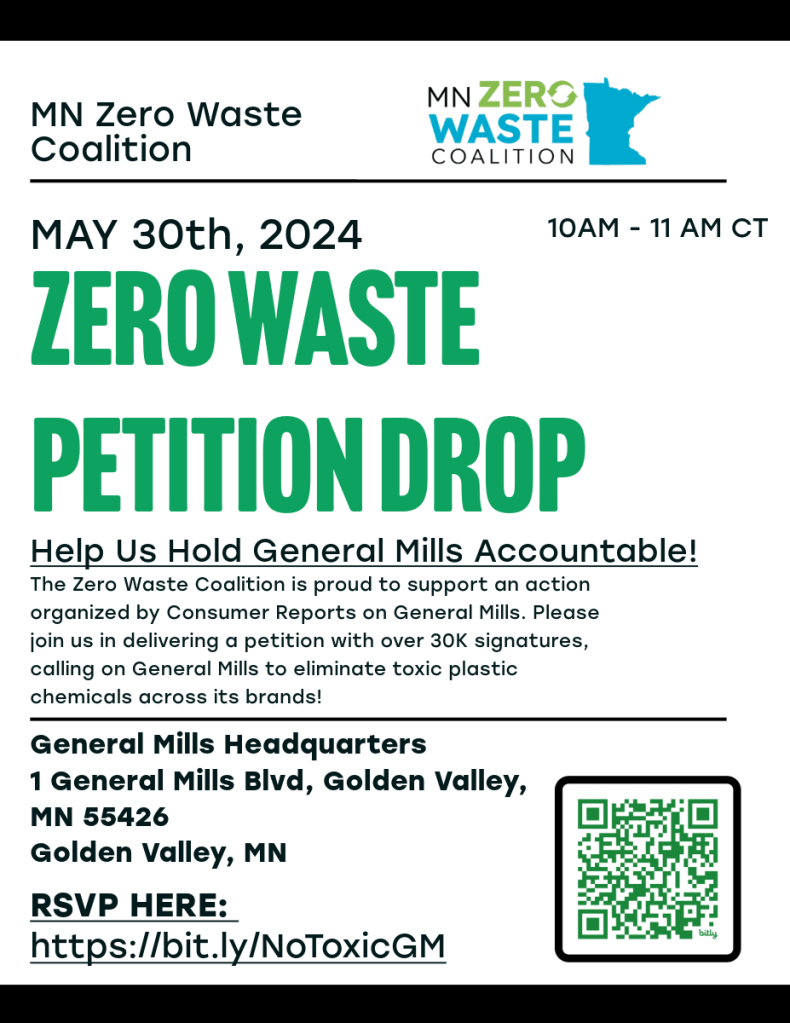
Consumer Reports is coming to the General Mills headquarters to demand answers on what the company plans to do to get plastic chemicals linked to cancer and other serious diseases out of its food products.

With consumers at our side, we will be delivering our petition to General Mills calling for immediate steps to eliminate these chemicals – known as phthalates – that Consumer Reports’ tests found in Yoplait yogurt, Cheerios, Progresso soup, and Annie’s Organic pasta.

Help us show company leaders that consumers expect food free of risky contaminants by adding your name to the petition. Already, 30,000 people have signed on, and we need a huge showing of support to get their attention!

Sign the Petition 

In January, our tests of 85 different foods for phthalates found the highest concentration of these risky chemicals in Annie’s Organic Cheesy Ravioli, owned by General Mills. Since these plastic chemicals are known to interfere with the production of hormones – increasing the risk of diabetes, cardiovascular disease, certain cancers and birth defects – we contacted company officials to take immediate action, since Annie’s organic products are marketed to parents of young kids.

Despite these concerning findings, as well as the chemicals showing up in their other brands, General Mills has refused to respond or engage with us. But you deserve answers and assurances that the company is addressing the problem – so we’re headed to corporate headquarters in Minneapolis, MN, with a group of concerned consumers to get them.

Can you support our group by adding your name to the petition we’ll deliver? Let’s show giant food conglomerates that they can’t ignore us when it comes to safety concerns in their products!

Sign the Petition 

Butterflies

It’s always exciting when the Monarchs arrive!

Joy, we had our first Monarch butterfly in our yard today!

I was surprised to read this about the Monarch butterflies. See below from Minnesota Public Radio

Everyday concentrate on clean air and never burn wood or put dirty air into the atmosphere. That includes driving less!

This is from Minnesota Public Radio:

People can help by planting both native nectar and host plants, like milkweed, reducing pesticide use and mowing less grass less often.

Monarch butterflies are beginning to return to Minnesota and should start arriving in droves in the next two weeks. But the population returning from Mexico will likely be much smaller than in years past.

This winter, the number of eastern monarch butterflies wintering in Mexico was the smallest researchers had recorded in a decade.

A years-long drought pattern, winter whiplash and warming temperatures are all hurting the vulnerable species and the plants it relies on to survive, according to University of Minnesota Professor Emilie Snell-Rood, who studies monarchs and other pollinators.

Wildflower Week

Every day is a wildflower day for me. I plant for the birds, butterflies, and bees and love when they are in my garden. The spring has been spectacular where I live. Trees and bushes are blooming, birds are singing in concert, warblers are migrating through, many butterflies are present, and its sunny and 70 degrees.

The hummingbirds have arrived!

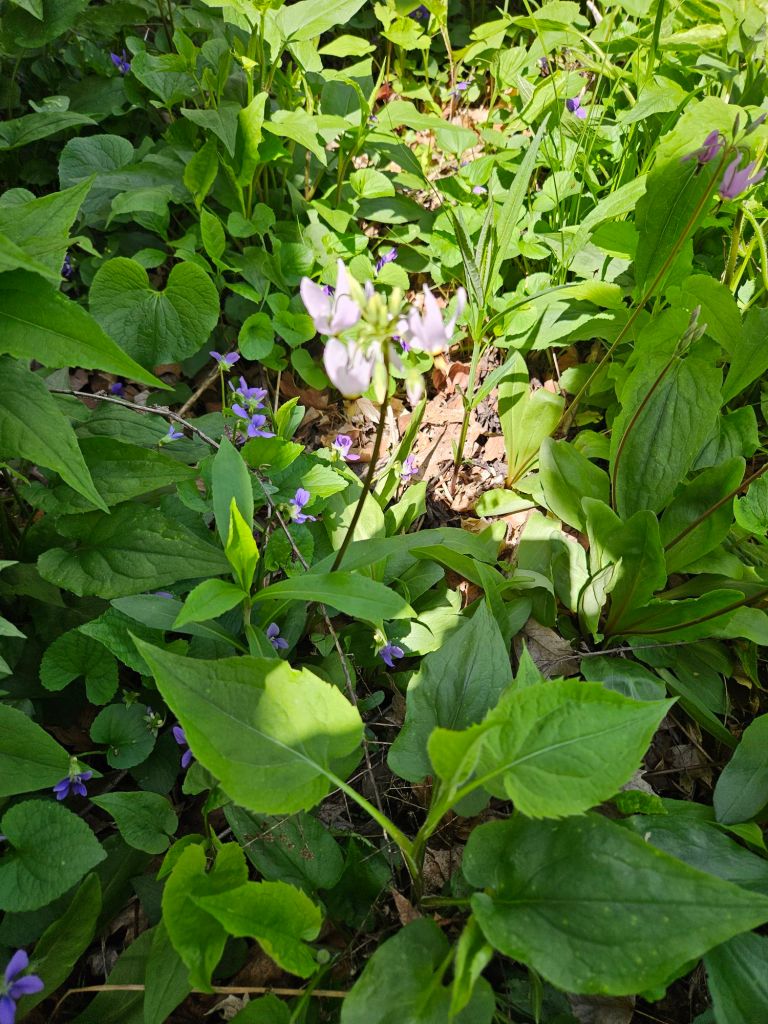
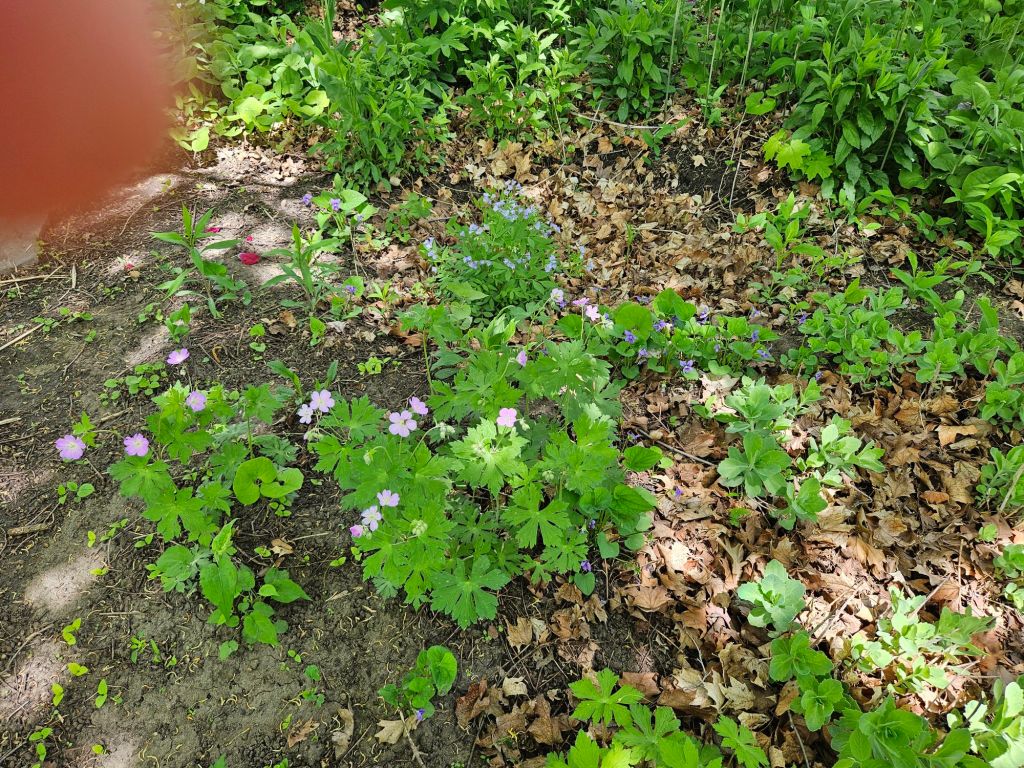
Shooting star , wild geranium, and violets

Marsh Marigolds

Hummingbirds love columbine

It is a perfect time to add some native plants to your garden to draw more birds and butterflies into your yard.

National Wildflower Week was started by Lady Bird Johnson Wildflower Center in Austin, Texas. Find out what wildflowers attract butterflies: http://butterfly-lady.com/plant-native-wildflowers-to…/

Why native plants are important:

  • They are the ecological basis upon which life depends, including birds and people.
  • They provide habitats, food, and shelter for specific insects, birds, mammals, and other animals.
  • They support significantly more wildlife than non-native species.
  • They conserve water, protect soil from erosion, and create habitat for various animals.
  • They offer reduced water use, less maintenance, natural pest control, and environmental sustainability.

Plant Native Wildflowers to Attract Butterflies!

Planet over Plastic

Happy Earth Day!

We all can make a difference by reducing our plastic footprint.

The theme for this year’s Earth Day is Planet VS Plastic. The hazards of plastic are great, and we all need to take steps to reduce the harmful effects of plastic pollution in our environment and bodies.

earth day

What will you do to help our warming planet?

Greenpeace has nothing to do with this post.

Things you should know about plastic:

  1. Plastic is made of fossil fuels and contains many toxic chemicals that are harmful to our health.
  2. These toxic chemicals leach into our food from plastic packaging.
  3. Plastics break down into microplastic. We each consume about a credit card of microplastic a week from our food and environment. These microfibers are found in our lungs, brains, blood and arteries.
  4. When plastic is recycled it becomes more toxic.
  5. 40% of plastic is single-use.
  6. The production of plastic continues to increase.
  7. If plastic were a country, it would be the 5th largest emitter of greenhouse gases. Much of plastic’s pollution affects minorities and people without power.
  8. Clothing with polyester and nylon contain plastic.
  9. The producers of plastic should be held responsible for the harm they create in the environment and our bodies.

By banning the worst forms of single-use plastic, holding plastic producers accountable for their waste, getting wasteful packaging off store shelves, and more — a future beyond plastic is possible.


1. Sandra Laville, “Single-use plastics a serious climate change hazard, study warns,” The Guardian, May 15, 2019.
2. “What do plastics have to do with climate change?” United Nations Development Programme, November 15, 2022.
3. Oliver Milman, “‘Deluge of plastic waste’: US is world’s biggest plastic polluter,” The Guardian, December 1, 2021.
4. “We know plastic pollution is bad — but how exactly is it linked to climate change?,” World Economic Forum, January 19, 2022.
5. “We know plastic pollution is bad — but how exactly is it linked to climate change?,” World Economic Forum, January 19, 2022.
6. “Reducing plastic waste in the states” U.S. PIRG, July 26, 2022.
7. Celeste Meiffren-Swango, Jenn Engstrom and Mark Morgenstein, “Statement: Amazon to phase out single-use plastic shipping bags,” Environment America, July 19, 2023. https://www.youtube.com/watch?v=80Rya-ZOJ7g (microplastics)

Future generations deserve a safe and healthy future, free from the plastic waste crisis — and we can make it happen.

Donate to non-profits working to end plastic pollution:

https://www.bennington.edu/center-advancement-of-public-action/environment-and-public-action/beyond-plastics

Plastic Pollution Coalition

The Story of Stuff https://www.storyofstuff.org/

Ways to reduce your plastic use:

  • Always carry a reusable glass or metal water bottle, and reusable shopping bags with you.
  • Learn to refuse single-use plastics, such as plastic water bottles and coffee cups, straws, plastic bags and plastic utensils. 
  • Purchase fruit and produce in the bulk section, and don’t place items in plastic bags. 
  • Always search out products in glass jars instead of plastic containers. 
  • When you must buy plastic products, choose ones that you can recycle rather than ones you must put in the trash. 
  • Bring your own containers and shop the bulk section of your local food coop.
  • Purchase clothing made from cotton and wool instead of polyester or poly fibers. https://www.npr.org/2023/07/19/1188343293/is-toxic-fashion-making-us-sick-a-look-at-the-chemicals-lurking-in-our-clothes
  • Store food in glass containers instead of plastic.
  • Ditch the baggies!

Plastics Treaty

We need the United States to support a strong plastic’s treaty. Use the link below to demand strong leadership from the USA for this treaty.

We need swift and urgent action. Plastic pollution is a global problem in need of global solutions. Plastic production, use, and disposal threaten Earth’s communities, air, water, biodiversity, and soils. With the UN’s Global Plastics Treaty negotiations now underway, the US government (USG) has the unique opportunity to play a key role in the change we need on a worldwide level: instead of leading the world in generating the plastic pollution crisis, it’s time for the USG to lead by forging ambitious solutions. Read full letter at this link: Letter to U.S. Government Officials involved in UN Global Plastics Treaty negotiations

Can you join me and take action? Click here: https://actionnetwork.org/petitions/global-plastics-treaty-us?source=email&

Thanks!

Get Intimate

This morning on my walk it was raining. The rain was plopping on my hood and splashing my face, but I was loving every moment as a robin sang. I felt so close to the beauty and renewal of our earth. It was me and the melodic robin, having a conversation, and both happy that it was finally raining.

It is Earth month, Earth Day is days away, and April is a fabulous time to get intimate with the earth. Every day the tree buds get bigger, and the great migration begins, birds and butterflies moving to their summer homes. Every day a new flower pops up, and the sun gets higher in the sky.

Whether it’s a wild turkey on your yard, a fox running down the street, a rabbit eating your fresh plants, or the deep groves in the bark of a tree, pay attention and notice something new.

Many dragon flies were out yesterday!

It was cloudy where I live so we missed the eclipse, but there were people outside excited that it was happening behind the thick cloud cover. Celebrate that excitement every day with the intense beauty and April happenings of our

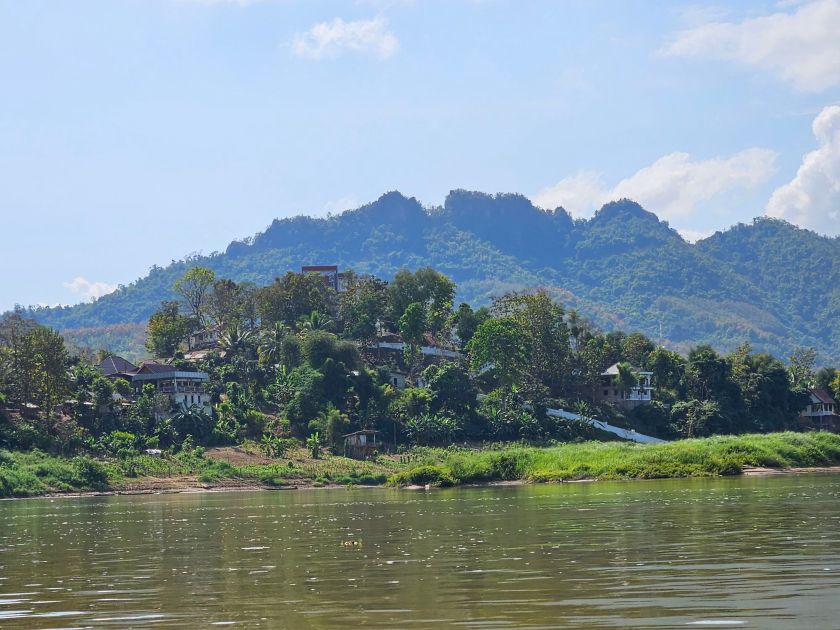
Amazing landscapes!

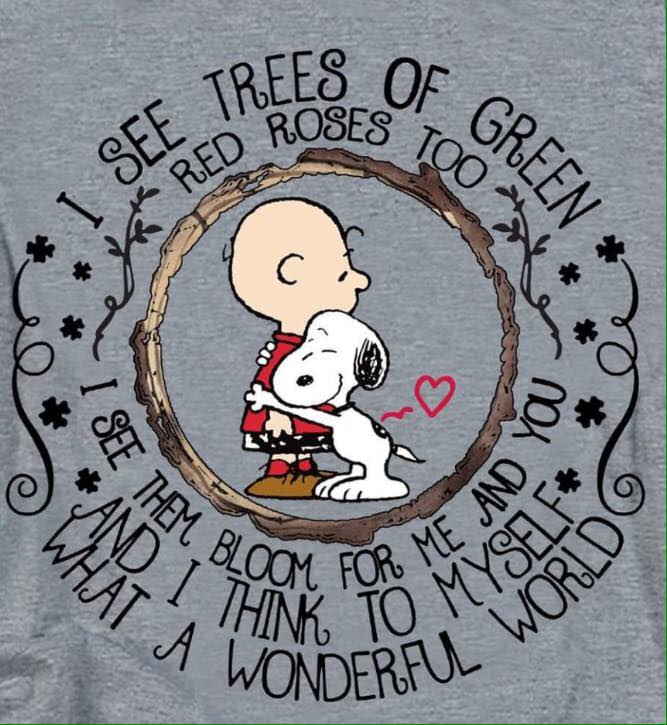
what a Wonderful World

what a wonderful world!

Enjoy the intense beauty and happenings of our Earth, it’s Earth Day every day!

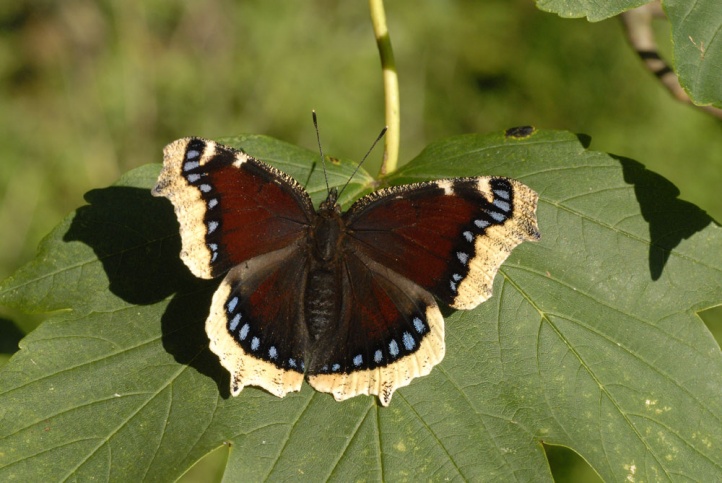
I saw my first butterfly a few weeks ago. It was a mourning cloak butterfly. since this writing I have seen many more. Get out and look.

Happy Earth Day!!