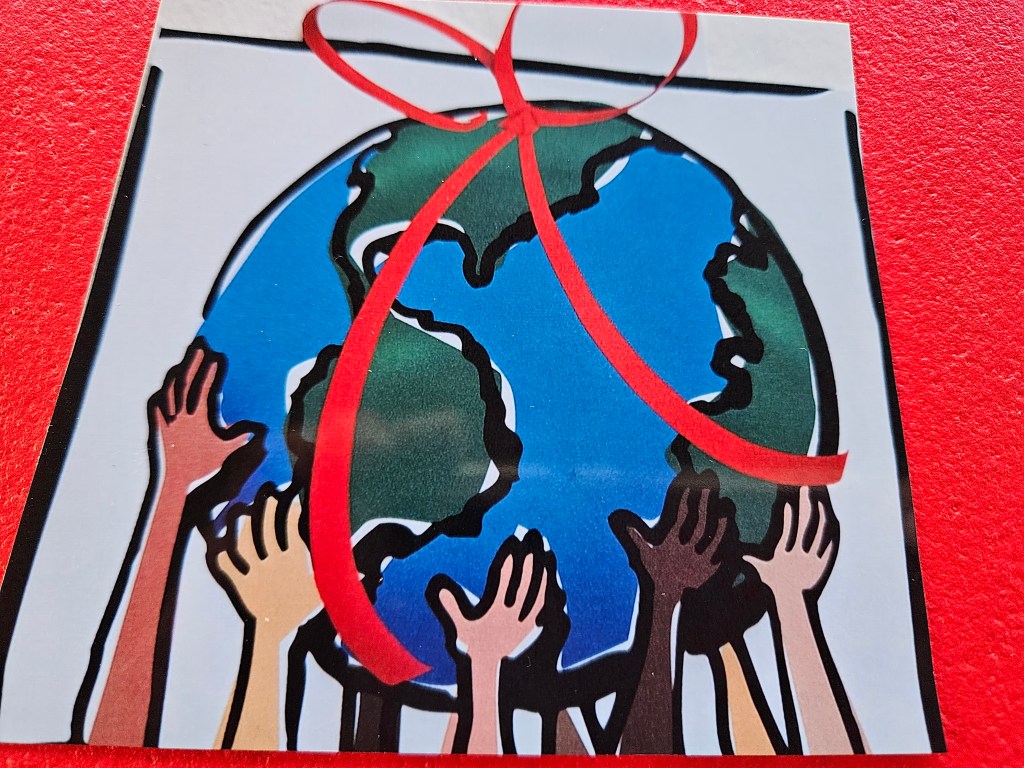
Do Something Positive

Everyday people throw away single-use plastic “stuff” without thinking twice — plastic bottles, bags, utensils, cups, containers and more.

But this “stuff” never truly goes away. Instead, it clogs our landfills, threatens our health, trashes our parks, litters our streets and even washes into our rivers and oceans. Nothing we use for a few minutes should threaten our health and pollute our future for hundreds of years.

Join the February Plastic Challenge!

The Plastic-Free Challenge is a month-long effort starting February 1 to reduce how many plastics you use in ways that fit best in your lifestyle and have the most impact on reducing your plastic footprint.

Do something positive for yourself, your family and for the planet in February. With so many plastic items in our lives avoiding them may feel impossible, but there is a lot we can do to reduce our plastic footprint. Please Join with us to learn ways we can reduce our exposure to plastic. There are many activities to choose from, but you can also create your own challenge. Keep it simple, and even choosing one activity will make a difference.  You will learn a lot, and have fun during this February challenge. Sign up here:

The Plastic-Free Challenge is a month-long effort starting February 1 to reduce plastic consumption, in ways that fit best in your needs. You only need to choose one activity that works for you like bringing your reusable shopping bags, or asking not to be given a straw with your drink, or bringing your reusable cup with you for February. Many other ideas will be suggested when you register. Keep it simple. Do a good job on one thing!

Join My Plastic Free Team

Learn ways to reduce single-use plastic. Join my team here.

Do something positive for yourself, your family and for the planet in February. With so many plastic items in our lives avoiding them may feel impossible, but there is a lot we can do to reduce our plastic footprint. Be part of our Lynnhurst community team, Lynnhurst plasticfree. Please Join with us to learn ways we can reduce our exposure to plastic. There are many activities to choose from, but you can also create your own challenge. Keep it simple, and even choosing one activity will make a difference.  You will learn a lot, and have fun during this February challenge. Sign up here:

The Plastic-Free Challenge is a month-long effort starting February 1 to reduce plastic consumption, in ways that fit best for your needs. You only need to choose one activity that works for you, like bringing your reusable shopping bags, or asking not to be given a straw with your drink, or bringing your reusable cup with you for February. Many other ideas will be suggested when you register. Keep it simple. Do a good job on one thing to reduce plastic!

Plastic is made of fossil fuels; it contributes to climate change and is composed of harmful chemicals. Plastic sheds microfibers into our bodies, into our air, and into our water. Studies are showing plastic is unhealthy for us and for the planet. It is important we limit our plastic exposure.

Take care of our bodies, our families and our planet. Reduce your plastic footprint!

Plastic In Our Food and Air

Do we have too much plastic in our world?

Do we really want to ingest plastic microbeads every time we eat and drink?

Currently I am participating in a community plastic challenge working to reduce the plastic we send to landfills. I’m challenging myself to think of new ways I can reduce plastic in my home and for my family. It is impossible to eliminate all plastic, but we can be healthier by reducing plastic’s impact in our homes and lives.

These are the things I am working on to reduce plastic in my home:

1. Purchase fresh unpackaged produce. Always travel with reusable bags and reusable bottles and containers.

2. Store leftovers in glass containers and jars.

3. Never purchase take-out unless their containers are reusable or compostable.

4. Only cook in glass or metal pans

5. Purchase glass containers over plastic containers. Good examples are mustard, honey, and vinegar.

6. Make a conscious effort to purchase clothes, towels and sheets made of organic cotton and wool, and keeping our surroundings dusted and vacuumed will eliminate some of the microplastics we breathe.

What are the facts we know about plastic?

-Plastic production pollutes our water and air

-Plastic microfibers have been found in the food we eat.

-Micro fibers of plastic are in the clothes we wear and therefore in the air we breathe.

­-Plastic is the most common litter found in the oceans.

-Studies are just beginning on how harmful plastic is to our health.

Using glass containers gives me confidence we are reducing our plastic contamination

Reading list:

Plastics in our Food? – FOOD, FACTS and FADS (foodfactsandfads.com)

8 Everyday Foods That Contain Plastic and Safe Alternatives (nestandglow.com)

Toxic Nanoplastics Found at North and South Poles – EcoWatch 

Industrial plastics found in some fast food, researchers say | TheHill

UN to Create Global Treaty on Plastic Pollution – EcoWatch  

We Have Breached the Planetary Boundary for Plastics and Other Chemical Pollutants, Scientists Say – EcoWatch

U.S. Is World’s Biggest Producer of Plastic Waste, Report Finds – EcoWatch

California Just Passed 5 Mega Laws to Fight the Plastic Crisis – EcoWatch