
Tag: toxics
Make Plastic-Free Fun

It’s Plastic Free July!
We have a plastic problem. Manufacturing plastic creates air pollution, single-use plastic ends up in the ocean, toxic chemicals, and microplastics find their way into our food and water. Plastic permeates our lives, and we would all be healthier by reducing our plastic use.
Make it fun this month as you try to reduce the plastic you expose your family and yourself to plastic. See below for ideas to reduce your plastic exposure.
We all see plastic litter that is harmful to our waterways and our environment, but we might just be learning that plastic contains harmful chemicals and that it breaks down into microfibers. We can’t see the chemicals or the microfibers that can harm our bodies.
Plastic contains thousands of harmful chemicals that are especially harmful to children. These chemicals leach from plastic containers into our food and bodies. Plastic contains serious hormone disrupters that can cause obesity, diabetes, cancers and birth defects.
Plastic also sheds into small flakes of microfibers that have been found in every organ of our bodies. https://www.cnn.com/2024/06/19/health/microplastics-human-penises-study-scli-intl-scn-wellness Microfibers enter our bodies from our food, drinks, water, air and synthetic clothing. We ingest about a credit card of plastic a week.
Below are two lists of ways you can reduce plastic. Choose one or two ways and work for success. Good luck!
6 Ways to Use Less Plastic from Consumer Reports
While it’s practically impossible to eliminate plastic from modern life, there are a number of steps you can take right now to cut back.
Do: Drink tap water.
Don’t: Rely on bottled water.
Water from plastic bottles has about double the microplastic level of tap water on average, according to a 2018 study published in the journal Frontiers in Chemistry. So unless your tap water is contaminated with unsafe elements, such as lead, it’s probably best to drink tap. Fill up a metal reusable bottle for when you go out. You can always filter your tap water. Depending on the filter, that may further reduce microplastic levels. (Check CR’s ratings of water filters.)
Do: Heat food in or on the stove, or by microwaving in glass.
Don’t: Microwave in plastic.
Some heated plastics have long been known to leach chemicals into food. So if you’re warming up food, use a pan in the oven or on the stove, or if you’re microwaving, use a glass container. Also, avoid putting plastics in the dishwasher because of the high heat involved in cleaning.
Do: Buy and store food in glass, silicone, or foil.
Don’t: Store food in plastic, especially plastic that may contain harmful chemicals.
The American Academy of Pediatrics has said that plastic food containers with the recycling codes 3, 6, and 7 may contain potentially harmful chemicals, unless they’re labeled “biobased” or “greenware.” Don’t store food in these types of containers. Instead, use containers made of glass or silicone, or wrap your food in aluminum foil. If you’re storing food in or eating food out of plastic containers, know that plastics with recycling codes 1 and 2 are more likely to be recyclable—though they are usually recycled into lower-quality plastics. And there still may be harmful or unknown chemicals in any type of plastic.
Do: Eat fresh food as much as possible.
Don’t: Rely on processed food wrapped in plastic.
The more processed or packaged a food is, the higher the risk that it contains worrisome chemicals. Food cans are often lined with bisphenol A (or similar compounds). Buy fresh food from the supermarket, and—as much as possible—try to use refillable containers if your market allows. (Of course, with shopping made difficult by the coronavirus pandemic, prioritize your health and shop however is most feasible and safest.) Certain markets let you fill up cardboard or reusable containers with bulk items and weigh them, or you can use your own mesh bags for produce. Raw meat and fish need to be kept separate for safety reasons, but ask the store fishmonger or butcher to wrap these foods in wax paper instead of plastic. Take cloth—not plastic—reusable bags to the store to take your groceries home.
Do: Vacuum regularly.
Don’t: Allow household surfaces to get dusty.
The dust in your house could be loaded with microplastics and chemicals that are found in plastic, such as phthalates. Cleaning up dust may help reduce the amount of plastics you inhale, especially if you are stuck inside for long periods of time during a period of social distancing. CR recommends vacuuming regularly with a HEPA filter, which is best for trapping dust. (Check CR’s ratings of vacuums.)
Do: Work with your community.
Don’t: Assume your impact is limited to what you do in your personal life.
Legislation to limit the use of single-use plastics and plastic production may pull the biggest levers, but joining forces with community-level recycling groups can truly make a difference. Look for so-called zero-waste groups, which can offer guidelines for how to recycle or compost all your garbage—and which lobby for local rules that can restrict throwaway items. When possible, shop at markets that source goods locally, so they don’t require as much packaging and shipping. Seek out groups such as Upstream, a nonprofit working to create reusable takeout packaging for restaurants. And when possible, educate yourself about and support any city, county, and state legislation limiting single-use plastics.
My list to reduce plastic:
- Always carry a reusable glass or metal water bottle, and reusable shopping bags with you.
- Learn to refuse single-use plastics, such as plastic water bottles and coffee cups, straws, plastic bags and plastic utensils.
- Purchase fruit and produce in the bulk section, and don’t place items in plastic bags.
- Always search out products in glass jars instead of plastic containers.
- When you must buy plastic products, choose ones that you can recycle rather than ones you must put in the trash.
- Bring your own containers and shop the bulk section of your local food coop.
- Purchase clothing made from cotton and wool instead of polyester or poly fibers. https://www.npr.org/2023/07/19/1188343293/is-toxic-fashion-making-us-sick-a-look-at-the-chemicals-lurking-in-our-clothes
- Store food in glass containers instead of plastic.
- Ditch the baggies!
1. Sandra Laville, “Single-use plastics a serious climate change hazard, study warns,” The Guardian, May 15, 2019.
2. “What do plastics have to do with climate change?” United Nations Development Programme, November 15, 2022.
3. Oliver Milman, “‘Deluge of plastic waste’: US is world’s biggest plastic polluter,” The Guardian, December 1, 2021.
4. “We know plastic pollution is bad — but how exactly is it linked to climate change?,” World Economic Forum, January 19, 2022.
5. “We know plastic pollution is bad — but how exactly is it linked to climate change?,” World Economic Forum, January 19, 2022.
6. “Reducing plastic waste in the states” U.S. PIRG, July 26, 2022.
7. Celeste Meiffren-Swango, Jenn Engstrom and Mark Morgenstein, “Statement: Amazon to phase out single-use plastic shipping bags,” Environment America, July 19, 2023. https://www.youtube.com/watch?v=80Rya-ZOJ7g (microplastics)
1. “Another PA train derailment, another close call catastrophic accident averted,” PennEnvironment, March 13, 2024.
2. Shannon Osaka, “With microplastics, scientists are in a race against time,” The Washington Post, March 11, 2024.
3. Neel Dhamesha, “The massive, unregulated source of plastic pollution you’ve probably never heard of,” Vox, May 6, 2022.
4. Lisa Frank and Kelly Leviker, “We’re campaigning for Microplastic Free Waters,” U.S. PIRG, April 16, 2024.
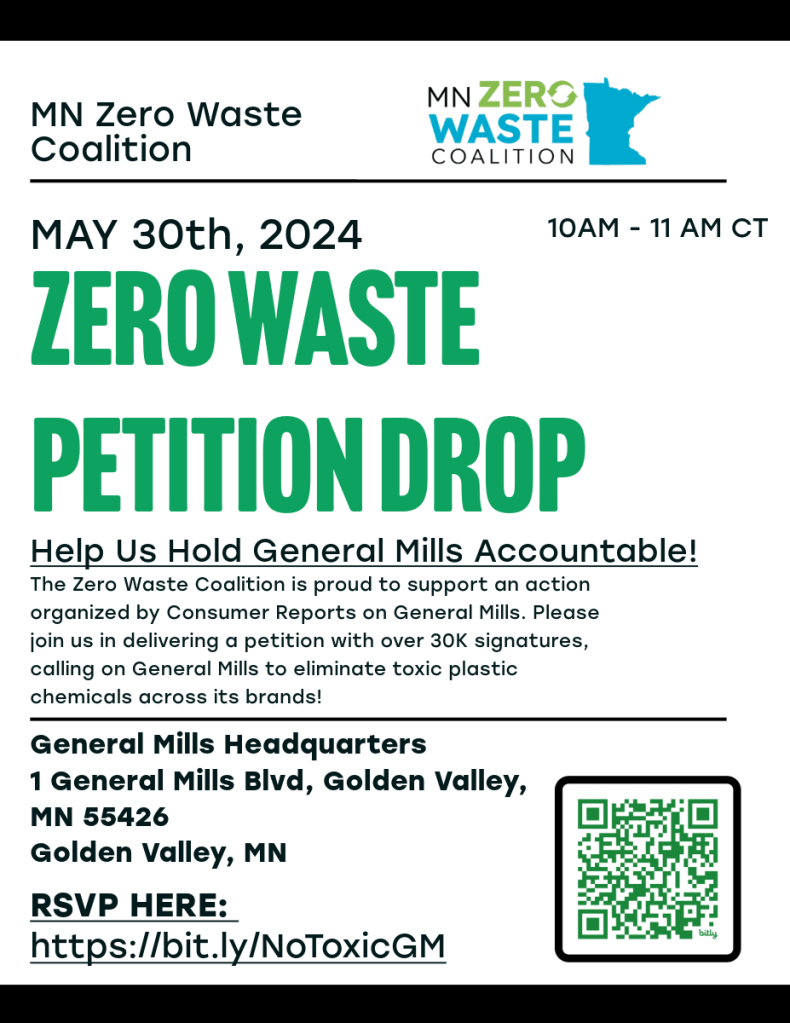
Hold General Mills Accountable
General Mills is not responding to questions about toxic chemicals in their foods. Please sign the petition below asking them to do better.
Consumer Reports is coming to the General Mills headquarters to demand answers on what the company plans to do to get plastic chemicals linked to cancer and other serious diseases out of its food products.
With consumers at our side, we will be delivering our petition to General Mills calling for immediate steps to eliminate these chemicals – known as phthalates – that Consumer Reports’ tests found in Yoplait yogurt, Cheerios, Progresso soup, and Annie’s Organic pasta.
Help us show company leaders that consumers expect food free of risky contaminants by adding your name to the petition. Already, 30,000 people have signed on, and we need a huge showing of support to get their attention!
In January, our tests of 85 different foods for phthalates found the highest concentration of these risky chemicals in Annie’s Organic Cheesy Ravioli, owned by General Mills. Since these plastic chemicals are known to interfere with the production of hormones – increasing the risk of diabetes, cardiovascular disease, certain cancers and birth defects – we contacted company officials to take immediate action, since Annie’s organic products are marketed to parents of young kids.
Despite these concerning findings, as well as the chemicals showing up in their other brands, General Mills has refused to respond or engage with us. But you deserve answers and assurances that the company is addressing the problem – so we’re headed to corporate headquarters in Minneapolis, MN, with a group of concerned consumers to get them.
Can you support our group by adding your name to the petition we’ll deliver? Let’s show giant food conglomerates that they can’t ignore us when it comes to safety concerns in their products!
Let’s End the Age of Plastic!
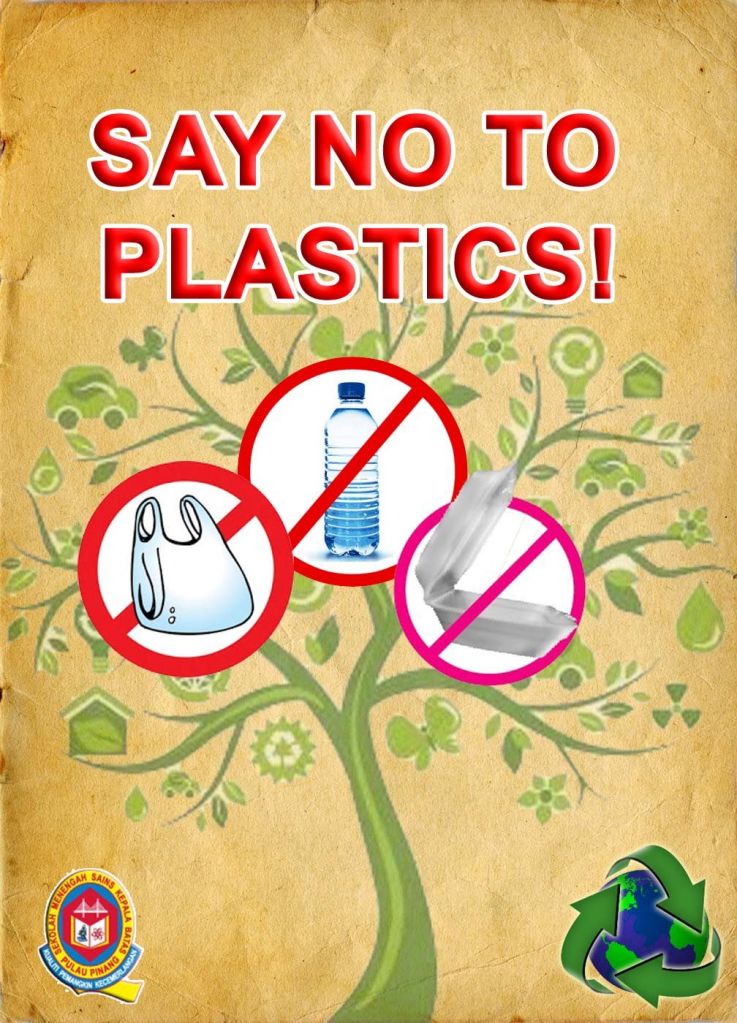
Plastic pollutes our Earth and is harmful to our health!
Plastic is made from fossil fuels with many toxic chemicals added.

This post has nothing to do with Greenpeace. I liked this logo
If plastic were a country it would be the 5th largest emitter of greenhouse gases. Plastic pollutes our planet at every stage of its life, it also causes disease and death.
Plastic is made from fossil fuels and also toxic chemicals. Many thousands of unregulated chemicals are added to make plastic soft, hard; fire resistant or whatever chemicals are needed to create the plastic product. These harmful chemicals leach into the food and drinks of the products they package.
Just knowing this about plastic do you really want to package your food or drinks in it? Not only is plastic leaching into our food, but it is also shedding particles everywhere. These particles, called microfibers, can be found every place on Earth and these microfibers carry with them the toxic plastic chemicals contained in plastic. Many of us consume a credit card of plastic particles a week.
More bad news about plastic! Plastic is difficult to recycle. All the chemicals and different types of plastic make it hard to recycle and hard to turn into new markets. Recycling plastic makes it more toxic. Only about 5 to 9 percent of all the plastic produced has ever been recycled.
Every person on our planet needs to reduce their dependence on plastic, most of all our children. We don’t know what the long-term effects will be, but many of the chemical additives in plastic are known to cause cancer and other serious diseases. PFAS, phthalates and bisphenols and many others, added to plastic, should be taken seriously, and the producers and manufacturers of plastic need to be held responsible for the harm they contribute to our health and our planet.
Please sign this petition calling for the US to join the Global Plastics Treaty encouraging the White House to commit to end the production and sale of single-use plastics, combat plastic pollution, and require producers and retailers of plastics to be liable for the cost of any environmental or health-related damages.
Most important, start this moment to reduce your plastic exposure/ footprint.
- Always carry a reusable glass or metal water bottle, and reusable shopping bags with you.
- Learn to refuse single-use plastics, such as plastic water bottles and coffee cups, straws, plastic bags and plastic utensils.
- Purchase fruit and produce in the bulk section, and don’t place items in plastic bags.
- Always search out products in glass jars instead of plastic containers.
- When you must buy plastic products, choose ones that you can recycle rather than ones you must put in the trash.
- Bring your own containers and shop the bulk section of your local food coop.
- Purchase clothing made from cotton and wool instead of polyester or poly fibers. https://www.npr.org/2023/07/19/1188343293/is-toxic-fashion-making-us-sick-a-look-at-the-chemicals-lurking-in-our-clothes
- Store food in glass containers instead of plastic.
- Ditch the baggies!
Reading list
https://scienceinfo.net/how-much-plastic-do-we-eat-every-day-every-month-and-all-our-life.html
Press Release | Press Releases | News | U.S. Senator Jeff Merkley of Oregon (senate.gov) Plastic Action Month
How plastics are poisoning us – The Daily Climate
How Plastics Are Poisoning Us — Beyond Plastics – Working To End Single-Use Plastic Pollution
The missing science: Could our addiction to plastic be poisoning us? (unep.org)
“It’s As If They’re Poisoning Us”: The Health Impacts of Plastic Recycling in Turkey | HRW
http://defendourhealth.org/blog/the-chemical-footprint-of-a-plastic-bottle-webinar/
Please sign the petition calling for the US to join the Global Plastics Treaty, you can help encourage the United States to end the production and sale of single-use plastics by 2030, introduce measures to combat plastic pollution by regulating the entire life cycle of plastic, and requiring producers and retailers of plastics to be liable for the cost of any environmental or health-related damages.
 Health4earth