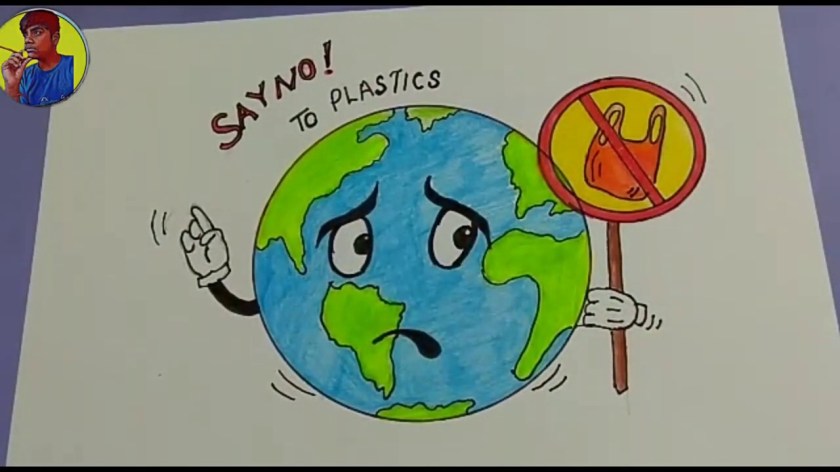
Make Plastic-Free Fun

It’s Plastic Free July!

We have a plastic problem. Manufacturing plastic creates air pollution, single-use plastic ends up in the ocean, toxic chemicals, and microplastics find their way into our food and water. Plastic permeates our lives, and we would all be healthier by reducing our plastic use.

Make it fun this month as you try to reduce the plastic you expose your family and yourself to plastic. See below for ideas to reduce your plastic exposure.

We all see plastic litter that is harmful to our waterways and our environment, but we might just be learning that plastic contains harmful chemicals and that it breaks down into microfibers. We can’t see the chemicals or the microfibers that can harm our bodies.

Plastic contains thousands of harmful chemicals that are especially harmful to children. These chemicals leach from plastic containers into our food and bodies. Plastic contains serious hormone disrupters that can cause obesity, diabetes, cancers and birth defects.

Plastic also sheds into small flakes of microfibers that have been found in every organ of our bodies. https://www.cnn.com/2024/06/19/health/microplastics-human-penises-study-scli-intl-scn-wellness Microfibers enter our bodies from our food, drinks, water, air and synthetic clothing. We ingest about a credit card of plastic a week.

Below are two lists of ways you can reduce plastic. Choose one or two ways and work for success. Good luck!

6 Ways to Use Less Plastic from Consumer Reports

While it’s practically impossible to eliminate plastic from modern life, there are a number of steps you can take right now to cut back.

Do: Drink tap water.
Don’t: Rely on bottled water.

Water from plastic bottles has about double the microplastic level of tap water on average, according to a 2018 study published in the journal Frontiers in Chemistry. So unless your tap water is contaminated with unsafe elements, such as lead, it’s probably best to drink tap. Fill up a metal reusable bottle for when you go out. You can always filter your tap water. Depending on the filter, that may further reduce microplastic levels. (Check CR’s ratings of water filters.)

Do: Heat food in or on the stove, or by microwaving in glass.
Don’t: Microwave in plastic.

Some heated plastics have long been known to leach chemicals into food. So if you’re warming up food, use a pan in the oven or on the stove, or if you’re microwaving, use a glass container. Also, avoid putting plastics in the dishwasher because of the high heat involved in cleaning.

Do: Buy and store food in glass, silicone, or foil.
Don’t: Store food in plastic, especially plastic that may contain harmful chemicals.

The American Academy of Pediatrics has said that plastic food containers with the recycling codes 3, 6, and 7 may contain potentially harmful chemicals, unless they’re labeled “biobased” or “greenware.” Don’t store food in these types of containers. Instead, use containers made of glass or silicone, or wrap your food in aluminum foil. If you’re storing food in or eating food out of plastic containers, know that plastics with recycling codes 1 and 2 are more likely to be recyclable—though they are usually recycled into lower-quality plastics. And there still may be harmful or unknown chemicals in any type of plastic.

Do: Eat fresh food as much as possible.
Don’t: Rely on processed food wrapped in plastic.

The more processed or packaged a food is, the higher the risk that it contains worrisome chemicals. Food cans are often lined with bisphenol A (or similar compounds). Buy fresh food from the supermarket, and—as much as possible—try to use refillable containers if your market allows. (Of course, with shopping made difficult by the coronavirus pandemic, prioritize your health and shop however is most feasible and safest.) Certain markets let you fill up cardboard or reusable containers with bulk items and weigh them, or you can use your own mesh bags for produce. Raw meat and fish need to be kept separate for safety reasons, but ask the store fishmonger or butcher to wrap these foods in wax paper instead of plastic. Take cloth—not plastic—reusable bags to the store to take your groceries home.

Do: Vacuum regularly.
Don’t: Allow household surfaces to get dusty.

The dust in your house could be loaded with microplastics and chemicals that are found in plastic, such as phthalates. Cleaning up dust may help reduce the amount of plastics you inhale, especially if you are stuck inside for long periods of time during a period of social distancing. CR recommends vacuuming regularly with a HEPA filter, which is best for trapping dust. (Check CR’s ratings of vacuums.)

Do: Work with your community.
Don’t: Assume your impact is limited to what you do in your personal life.

Legislation to limit the use of single-use plastics and plastic production may pull the biggest levers, but joining forces with community-level recycling groups can truly make a difference. Look for so-called zero-waste groups, which can offer guidelines for how to recycle or compost all your garbage—and which lobby for local rules that can restrict throwaway items. When possible, shop at markets that source goods locally, so they don’t require as much packaging and shipping. Seek out groups such as Upstream, a nonprofit working to create reusable takeout packaging for restaurants. And when possible, educate yourself about and support any city, county, and state legislation limiting single-use plastics.

My list to reduce plastic:

  • Always carry a reusable glass or metal water bottle, and reusable shopping bags with you.
  • Learn to refuse single-use plastics, such as plastic water bottles and coffee cups, straws, plastic bags and plastic utensils. 
  • Purchase fruit and produce in the bulk section, and don’t place items in plastic bags. 
  • Always search out products in glass jars instead of plastic containers. 
  • When you must buy plastic products, choose ones that you can recycle rather than ones you must put in the trash. 
  • Bring your own containers and shop the bulk section of your local food coop.
  • Purchase clothing made from cotton and wool instead of polyester or poly fibers. https://www.npr.org/2023/07/19/1188343293/is-toxic-fashion-making-us-sick-a-look-at-the-chemicals-lurking-in-our-clothes
  • Store food in glass containers instead of plastic.
  • Ditch the baggies!

1. Sandra Laville, “Single-use plastics a serious climate change hazard, study warns,” The Guardian, May 15, 2019.
2. “What do plastics have to do with climate change?” United Nations Development Programme, November 15, 2022.
3. Oliver Milman, “‘Deluge of plastic waste’: US is world’s biggest plastic polluter,” The Guardian, December 1, 2021.
4. “We know plastic pollution is bad — but how exactly is it linked to climate change?,” World Economic Forum, January 19, 2022.
5. “We know plastic pollution is bad — but how exactly is it linked to climate change?,” World Economic Forum, January 19, 2022.
6. “Reducing plastic waste in the states” U.S. PIRG, July 26, 2022.
7. Celeste Meiffren-Swango, Jenn Engstrom and Mark Morgenstein, “Statement: Amazon to phase out single-use plastic shipping bags,” Environment America, July 19, 2023. https://www.youtube.com/watch?v=80Rya-ZOJ7g (microplastics)

1. “Another PA train derailment, another close call catastrophic accident averted,” PennEnvironment, March 13, 2024.
2. Shannon Osaka, “With microplastics, scientists are in a race against time,” The Washington Post, March 11, 2024.
3. Neel Dhamesha, “The massive, unregulated source of plastic pollution you’ve probably never heard of,” Vox, May 6, 2022.
4. Lisa Frank and Kelly Leviker, “We’re campaigning for Microplastic Free Waters,” U.S. PIRG, April 16, 2024.

Plastics Treaty

We need the United States to support a strong plastic’s treaty. Use the link below to demand strong leadership from the USA for this treaty.

We need swift and urgent action. Plastic pollution is a global problem in need of global solutions. Plastic production, use, and disposal threaten Earth’s communities, air, water, biodiversity, and soils. With the UN’s Global Plastics Treaty negotiations now underway, the US government (USG) has the unique opportunity to play a key role in the change we need on a worldwide level: instead of leading the world in generating the plastic pollution crisis, it’s time for the USG to lead by forging ambitious solutions. Read full letter at this link: Letter to U.S. Government Officials involved in UN Global Plastics Treaty negotiations

Can you join me and take action? Click here: https://actionnetwork.org/petitions/global-plastics-treaty-us?source=email&

Thanks!

A Plastic Lawn?


SYNTHETIC TURF

Real plants for real habitats

I disagree with a bill in the Minnesota Legislature about synthetic turf (HF 3705/SF 3869).

Synthetic turf has been framed as a sustainable solution for dealing with the climate crisis, drought and drainage issues. Unfortunately, many want to believe in this easy but expensive solution and believe without evidence that it is a sustainable practice. This is greenwashing and a false solution for helping our climate crisis. Synthetic turf is made of plastic. It has all the terrible side effects of plastic pollution. It breaks down in the sun and breaks down with use. It leaches toxic chemicals into our water and breaks down into microfibers. Synthetic turf is not healthy for children, pets, wildlife or adults to recreate on. It is not a sensible solution for a green lawn.

If plastic were a country, it would be the fifth-largest emitter of greenhouse gases in the world. We shouldn’t be encouraging the use of more plastic. We should be reducing our plastic use, not increasing it.

Synthetic turf is terrible at managing stormwater runoff. Even if it is permeable, the water will run right under it and cause erosion as it finds a muddy path to the nearest waterway. Deep rooted plants are the master of absorbing runoff and holding the soil. They are a proven solution.

The state of Minnesota is putting lots of money into bee lawns. Let’s pivot to them in times of drought. Bee lawns help pollinators, improve water quality and work for the healthy communities the public wants. Bee lawns are real, not fake. They are a low-maintenance and sustainable solution, and bee lawns can be adjusted and planted for everyone’s needs.

Becky Wardell Gaertner, Minneapolis

I like violets in a bee lawn, they are hearty, can be mowed and bees like them.

Water for Peace, Water for Life

Water is Life, we must do a better job of protecting our waters.

World Water Day March 22, 2024 is the United Nations observance day dedicated to highlighting the importance of freshwater. It serves as a reminder of the critical role water plays in our lives and ecosystems. 

 “Water for Peace” is this year’s theme. fostering peace, prosperity, and conflict prevention in the role water plays in the world.

It is shameful the poor job we do to take care of our fresh water. Our fresh waterways are teaming with microplastics, nitrates and forever chemicals. None of these safe for human exposure. In some places invasiive speciaes have been introduced that also change the entire ecosystem of our water ways.

73 percent of Minnesota nitrate pollution comes from cropland, primarily through agricultural drainage systems below cropped fields and by nitrate pollution leaching into groundwater, and then moving underground until it reaches streams. 78% of nitrate pollution to the Mississippi River in our state is fr…See more on fmr.org

At least 70 million Americans get their water from a system where toxic PFAS “forever chemicals” were found at levels that require reporting to the Environmental Protection Agency. That’s according to new data the EPA released in its ongoing 5-year review of water systems across the nation. The number will almost certainly grow as new reports are released every three months. USA Today, March 21.2024

Careless humans have transported invasive plants and animals with their boats and equipment. Invasive species disrupt aquatic ecosystems, endanger native species, and have far-reaching consequences that harm the eco-system of waterways.

Things are out of balance as we have allowed industry and farmers and all of us the right to pollute our waterways. We can all do better!

https://besjournals.onlinelibrary.wiley.com/doi/10.1111/1365-2664.14387

https://extension.psu.edu/nitrates-in-drinking-water

https://fmr.org/minnesota-nitrate-study-highlights-farm-runoff-pollution

https://www.npr.org/2022/06/22/1106863211/the-dangers-of-forever-chemicals

What are a few things you can do to protect our waterways?

1. Always clean your boats and equipment before entering lakes.

2. Pick up litter

3. Keep the storm drains near your home free of leaf debris and plastic waste.

4. Reduce the plastic you use, and always make sure your plastic waste is in the correct place, either recycling, landfill waste or hopefully to be reused again.

5. Plant deep rooted plants that absorb water runoff, like native grasses and native plants.

6. Create rain gardens or adjust your drain spouts to drain onto your lawn or gardens.

7. Never use artificial turf for landscaping!

Plastic and Human Health

I hope we can all start the year with hope for peace and joy and a healthier cleaner planet. Every action we take matters Our collective actions, can contribute to positive change and help us to feel we are making a difference, and we are!

If plastic were a country, it would be the fifth largest emitter of green house gases!

Easy ways you can reduce your plastic footprint:

  • Always carry a reusable glass or metal water bottle, and reusable shopping bags with you.
  • Learn to refuse single-use plastics, such as plastic water bottles and coffee cups, straws, plastic bags and plastic utensils. 
  • Purchase fruit and produce in the bulk section, and don’t place items in plastic bags. 
  • Always search out products in glass jars instead of plastic containers. 
  • When you must buy plastic products, choose ones that you can recycle rather than ones you must put in the trash. 
  • Bring your own containers and shop the bulk section of your local food coop.
  • Purchase clothing made from cotton and wool instead of polyester or poly fibers. https://www.npr.org/2023/07/19/1188343293/is-toxic-fashion-making-us-sick-a-look-at-the-chemicals-lurking-in-our-clothes
  • Store food in glass containers instead of plastic.
  • Ditch the baggies!

Why you should reduce your plastic exposure?

From Beyond Plastic:

file:///C:/Users/healt/Downloads/Plastics+and+Human+Health+Dec+2023.pdf

Over 98% of plastics are made from fossil carbons such as oil and gas. Turning these substances into plastics involves the addition of petrochemical additives – quite a lot of them. Over 13,000 chemicals are known to be involved in the production of plastic.
More than 2300 of these are “chemicals of concern.” Some are highly toxic, and
include carcinogens, neurotoxicants, and endocrine disruptors. These chemicals pose serious risks to human health because they can leach or migrate at every stage of plastics’ life cycle.

Food Packaging: When food or beverage is packaged in plastic, chemical
additives can leach into what we eat.

Microplastics: Plastics don’t biodegrade; they break up into smaller and
smaller pieces known as micro- and nanoplastics, which are so small that they
become caught up in the air we breathe, the water we drink, and the food we
eat. These pieces are present almost everywhere researchers have ever
looked, including inside the human body. Scientists have detected plastic
particles in human lung tissue, intestinal tissue, blood, breast milk, the muscle
of the heart, and both sides of the placenta – including inside fetuses and
newborn babies.


Cell damage: Plastic particles inside the body can irritate, inflame, and even
puncture cells. This is especially concerning in the intestine and lung, where
microplastics make direct contact with thin, sensitive tissue.


Chemical leaching: Microplastics never stop leaching their chemical contents.
Once they are inside the human body, they can act like tiny trojan horses,
spilling out chemical additives for as long as they are present.
Over 98% of plastics are made from fossil carbons such as oil and gas. Turning these substances into plastics involves the addition of petrochemical additives – quite a lot of them. Over 13,000 chemicals are known to be involved in the production of plastic.
More than 2300 of these are “chemicals of concern.” Some are highly toxic, and
include carcinogens, neurotoxicants, and endocrine disruptors. These chemicals pose serious risks to human health because they can leach or migrate at every stage of plastics’ life cycle.

Cancer: Many of the chemical additives in plastics are known to cause cancer.
Bisphenol A, phthalates, and polyvinyl chloride, for instance, are welldocumented carcinogens.


Endocrine Disruption: A great number of additives mimic hormones and
disrupt signaling throughout the body. They can scramble appetite cues and
metabolism, leading to obesity, diabetes, high blood pressure, and heart
disease. They can hijack reproductive signals, speeding puberty, lowering
sperm counts, and prompting infertility. Endocrine disruptors are also
associated with cancer – especially breast, prostate, and testicular cancers.
Neurological Effects: Endocrine disruption can disturb brain development,
leading to lower IQ, ADHD, and autism-spectrum disorders.
Go to http://www.beyondplastics.org and email us at beyondplastics@bennington.edu
to learn about the tools we have to reduce our exposure to harmful plastics and petrochemicals.
Besides limiting your own personal plastic use, what can be done?
Nearly half of all plastics manufactured today are single use items and
packaging. Legislation that reduces the production of these items and
mandates extended producer responsibility will go a long way toward
relieving health risks. It is vital that lawmakers regulate the chemical content
and toxicity of plastic. Many of the chemicals used to manufacture plastic are
unnecessary and can be banned and substituted with safer alternatives.
The brains and bodies of infants, fetuses, and small children undergo
exquisitely complicated and carefully timed changes. When these are
disrupted, the effects can be permanent – and profound. Infants and fetuses
also face risks of prematurity, stillbirth, low birth weight, birth defects of the
reproductive organs, impaired lung growth, and childhood cancer.

Less Waste for the Holidays

We are in a climate crisis, a waste crisis, and a plastic crisis. The last thing we need is for people to purchase more landfill junk. Everyone has a right to clean water and clean air. Buying less stuff, and producing less waste helps keep our water and air clean.

Purchase items of quality and things you really need this holiday. Also, become aware of the plastic that you send to the landfill.

Zero Waste is moving from our throw-away and overconsumption culture to a more sustainable way of reusing and refusing.

Food waste in landfills produces harmful methane gas.

The EPA reports that garbage increases 25% between Thanksgiving and New Year’s. Here are new ways to reduce your waste.

Gifting with less waste

Buy less, give more  

Wrapping with less waste

Tell Amazon: It’s time to move beyond wasteful single-use plastic packaging 

Refurbished gifts

Fixed for the Holidays 

Tell Amazon: We need repair scores

Reduce food waste

How to reduce food waste and save money this holiday season 

Tell Congress: Pass this bill to combat the worst kind of food waste
Federal food donation protections info
Calculator to figure out how much food to serve
Leftover ideas

No Plastic is Safe

From November 13 to November 19 world meetings in Kenya are being held to try to stop the spread of plastic pollution. Plastic is a serious health problem, polluting our bodies and our environment. Made of fossil fuels plastic contains thousands of toxic materials and breaks down into to tiny microfibers that are found in every organ of our bodies. Recycling plastic intensifies the toxicity. Sign the Greenpeace petition below to help reduce plastic!

Make a concentrated effort to reduce your plastic exposure

A new study led by scientists from the University of Gothenburg in Sweden has found that recycled plastics contain hundreds of toxic chemical compounds, including pharmaceutical drugspesticides and industrial compounds.

The scientists say this means plastics are not fit for most purposes

No plastics are safe or suitable for reuse or regeneration due to their toxic chemical content, as well as their ability to adsorb additional chemicals during use! https://www.ecowatch.com/recycled-plastics-toxic-chemicals-health-risks.html

From Greenpeace: We need an ambitious Global Plastics Treaty to turn off the plastics tap and, finally, end the age of plastic. The movement is 2 million strong! Will you help grow it even bigger by calling for a strong Global Plastics Treaty to end the age of plastic, and signing our petition?
TAKE ACTION!
Together, let’s end the age of plastic! 

Walter Morris, “Hyattsville residents raise concerns about plastic pellets spilled in train derailment,” NBC4 Washington, October 3, 2023.
2. Neel Dhamesha, “The massive, unregulated source of plastic pollution you’ve probably never heard of,” Vox, May 6, 2022.
3. Karen McVeigh “Nurdles: the worst toxic waste you’ve probably never heard of,” The Guardian, November 29, 2021.
4. Karen McVeigh, “Nurdles: the worst toxic waste you’ve probably never heard of,” November 29, 2021.
5. Lisa Frank, “New bill would stop companies from dumping plastic,” U.S. PIRG, May 25, 2022.
6. “Our waters shouldn’t be dumping grounds for plastic,” U.S. PIRG, October 3, 2023.
7. Doyle Rice, “Oh, yuck! You’re eating about a credit card’s worth of plastic every week,” USA Today, June 12, 2019.

Injustice

PFAS is polluting our water.

PFAS is widely used though out the world. It is used in food packaging, fire-fighting foam, waterproof items like jackets and carpeting, and non-stick items like frying pans. The particles don’t biodegrade which means they can accumulate in the environment, animals, human bodies, and drinking water. A 2015 study by the U.S. National Health and Nutrition Examination Survey found PFASs in 97 per cent of humans.

PFAS can cause many health problems. https://health.clevelandclinic.org/what-are-forever-chemicals-pfas/

Those without a voice get dumped with PFAS. Read about it below:

Wisconsin brings PFAS to Alabama

https://www.governing.com/infrastructure/alabama-has-become-the-nations-toxic-waste-disposal

https://www.msn.com/en-us/news/us/six-takeaways-as-wisconsin-sends-toxic-waste-to-alabama-as-part-of-responsible-cleanup/ar-AA1iz3Uz

Climate Week

This is Climate Week in New York. I hope the world’s leaders will heed the urgent call of our changing climate. The pain is real, and the consequences are far-reaching. It’s time to prioritize the future for the generations that will inherit the world we leave behind.

Climate march in New York City

Make a choice to reduce your carbon footprint!

If plastic were a country, it would be the 5th largest emitter of greenhouse gases. Plastic pollutes our environment and our bodies every stage of its life. By reducing your plastic use you are making a difference in protecting our Earth.

https://www.climateweeknyc.org/

https://www.startribune.com/un-chief-warns-of-gates-to-hell-in-climate-summit-but-carbon-polluting-nations-stay-silent/600306088/

https://www.weforum.org/agenda/2022/01/plastic-pollution-climate-change-solution/

World Plastic Treaty

peace on earth

Plastic is a problem not just because it becomes litter but because it poses a real and immediate threat to human health. We must reduce the plastic we consume! Please sign the petition below from Earthday.org

Please sign the petition calling for a strong Global Plastics Treaty.
SIGN NOW

Please sign the petition calling for a strong global plastics treaty
Plastics have a huge impact on human health, leaching harmful chemicals into our food, water, and air leading to hormonal issues,2 increased cancers risks,3 and developmental issues.4 As the plastics breakdown into micro and nano-plastics they are able to penetrate every aspect of our lives and their production pumps emissions directly into the atmosphere further exacerbating the climate crisis.5 That’s why Earth Day 2024’s theme is Planet vs. Plastics, which we believe embodies the struggle we all face for human and planetary health. We must demand action from world leaders to address the issue. The Global Plastics Treaty is the first step to united global action6 — but we need to make sure that they commit to effective measures instead of just do lip service.
Please sign the petition calling for a strong Global Plastics Treaty.
SIGN NOW

As with any international treaty, success is impossible without strict enforcement and commitment by participating countries.

Here are our demands to the United Nations and World Government Organizations:

-Support a highly ambitious Global Plastic Treaty that binds all to the same standards
-A 60% of reduction of all fossil fuel-based plastic production by 2040
-Require producers and retailers of plastics to be liable for the cost of any environmental or health-related damages in accordance with the “producer pays” principle
-Public and private sector investments in innovation to replace all fossil fuel-based plastics
-Ban all plastic-related tobacco products including, but not limited to tobacco filters and e-cigarettes
-Ban the export of plastic waste
-End the incineration of plastic waste
-Support innovative solutions and alternatives to plastic in all sectors
-Fully finance education and public awareness campaigns to inform the public about reasons and strategies for ending plastic pollution

Footnotes:

1. The Guardianhttps://www.theguardian.com/environment/2020/dec/22/microplastics-revealed-in-placentas-unborn-babies

2. The Harvard Gazettehttps://news.harvard.edu/gazette/story/2020/01/plastic-additive-linked-to-excessive-reproductive-abnormalities/

3. The Guardianhttps://www.theguardian.com/environment/2023/mar/29/plastics-cause-wide-ranging-health-issues-from-cancer-to-birth-defects-landmark-study-finds

4. National Institutes of Health: https://www.ncbi.nlm.nih.gov/pmc/articles/PMC5615581/

5. Center for International Environmental Law: https://www.ciel.org/wp-content/uploads/2017/09/Fueling-Plastics-Fossils-Plastics-Petrochemical-Feedstocks.pdf

6. United Nations: https://www.unep.org/news-and-stories/press-release/historic-day-campaign-beat-plastic-pollution-nations-commit-develop