This is from the Story of Stuff. I hope you will give it some thought and make thoughtful purchases for the holidays and all year. “This time of year, the pressure to buy more — and waste more — is everywhere. Black Friday doorbusters, holiday flash sales, limited-time offers: overconsumption during the holidays isn’t an accident. It’s by design.
And the consequences are massive. Americans generate 25% more waste between Thanksgiving and New Year’s — an extra one million tons of trash every week. From impulse purchases tossed by January, to mountains of packaging, the holiday season has become a pipeline of extraction, production, shipping, and disposal.
What we rarely see are the impacts hidden upstream. Most of a product’s environmental footprint happens long before it reaches your door — through rapid mining of raw materials, energy-intensive manufacturing, and global shipping emissions that fuel the climate crisis.
Fast fashion hauls and holiday overbuying only accelerate the damage. Every second, a garbage truck’s worth of clothing is landfilled or burned. Electronics, toys, gadgets, and seasonal “stuff” flood into toxic e-waste dumps around the world.” Story of Stuff
Trying to be more climate friendly with gift giving this year? This holiday gifting guide will help you get in the spirit while saving you money and deepening the meaningfulness of your holiday season.
We all need to examine the amount of plastic we purchase, and figure how we can reduce the plastic we are exposed to and disperse into our environment.
Plastic is harming our health and our environment.
By Mary Koseth and Katelynn Rolfes
From the Minnesota Reformer
Microplastics have become a significant environmental concern across the world due to their widespread presence in various ecosystems, potential harm to wildlife and marine life, and the uncertainty surrounding their long-term effects on human health.
This summer, concerned citizens across Minnesota worked with staff from Environment Minnesota Research & Policy Center to test 40 Minnesota lakes for microplastics.
When we analyzed the water samples the results were clear: No Minnesota lake is safe from microplastics.
The report presents the test results, from the northern coast of Lake Superior to the wouthwest corner Minnesota, and includes recommendations to tackle the problem. In our citizen-science research project, the 40 samples were filtered using a funnel, flask and filters which had a pore size of 0.45 microns. The goal was to capture any tiny bits of plastic that were tough to spot with only our eyes. The types of plastic we searched for were microfibers, films, fragments and microbeads. We found all of these types save for microbeads, commonly found in beauty products prior to their banning in 2015.
The results of this survey should set off alarm bells for Minnesotans who love our lakes. Minnesota’s waterways are a source of peace for people, a critical habitat for wildlife, and part of our state’s identity.
Our report underscores that microplastic pollution is not an “over there” problem. It’s a “right here” problem that none of us can afford to ignore. But fortunately for us, this isn’t a hopeless situation, and there are many ways we can take action. As individuals, as community members, as whole nations, we can uphold human and environmental health and justice with our creative ideas and bold visions. Everyone has something to offer. When it comes to microplastic pollution, it’s all hands on deck.
The report outlines a broad range of various ways to tackle the problem. These include fighting fast fashion and excess textile waste, and changing Minnesota law to allow local governments to restrict single-use plastics like plastic bags.
We need to take a lot of steps to protect our lakes and health from microplastic pollution, but to start, we need to move away from single use plastics. Nothing we use for a few minutes should be able to pollute our environment for hundreds of years.
I wanted to share an invite to Zero Waste Fest on Saturday, October 11 at Burroughs Community School in Minneapolis. It’s a free, all-day community event with panels, food, music, kid’s activities, and lots of hands-on ways to get involved in building a future without waste. Zero Waste Fest — MN Zero Waste Coalition
The day runs from 10am to 4pm and includes:
Inspiring panels on:
Building a Zero Waste Future in Minnesota
Plastic is a Justice Issue: Fighting Pollution from Production to Disposal
From Throwaway to Reuse: Reclaiming Culture, Creating Systems
Tabling from organizations around MN supporting zero waste
Clothing swaps and mending
Food, art, and music!
It’s free and open to everyone. I’d love for you to join us and help spread the word!
Every year the countries of the world produce more plastic, and there is no end in sight. Production. of plastic keeps growing.
The list below is composed by the Plastic Pollution Coalition. Let’s work every day to reduce our consumption of plastic. Never use plastic utensils, plastic bags or straws
Plastic never goes away. It doesn’t break down; it only breaks up into smaller and smaller pieces. These microplastics and nanoplastics are harmful and are everywhere now, including in our bodies.
Plastic pollutes the environment, wildlife, and people.
Plastic is not safe. Plastic leaches toxic chemicals and sheds plastic particles at all stages of its existence.
Plastic especially harms communities living near petrochemical and plastic infrastructure.
The more plastic companies make and we use, the more we contribute to pollution and climate change.
Plastic was not designed to be recycled, and most plastic does not get recycled in the way we’ve been led by industry to believe.
To solve the plastic pollution crisis, industries must stop producing so much plastic. Instead of single-use plastics, we need to use nontoxic reuse and refill systems and regenerative materials.
Taking action on an individual level, using less plastic, and demanding policy action to hold producers accountable can help support the systemic changes to shift away from society’s reliance on plastics.
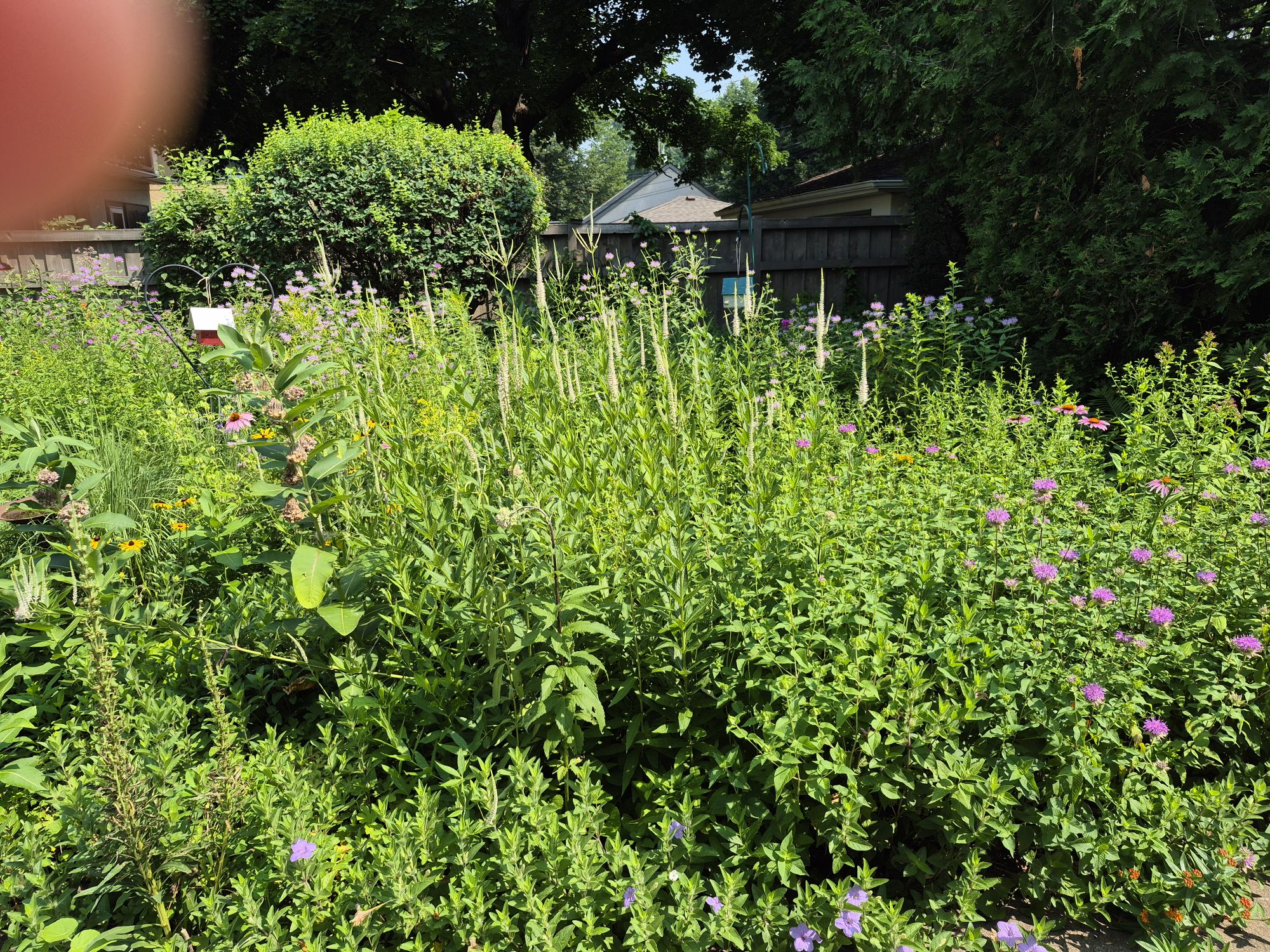
My yard is at peak. Unfortunately, it is also in a drought. Some places are challenged with flooding, but it is dry in my neighborhood. Native plants don’t need chemicals, and they adapt to wet and dry weather extremes
I don’t water, and hope for rain.
Native plants attract the bees’ birds and butterflies. The monarch butterflies and the hummingbirds are thrilled with these native flowers in my yard
Yay, It’s Plastic Free July. Join millions of people working to reduce their plastic use
Start refusing plastic today!
We have a plastic problem. Plastic pollutes our earth from it’s extraction to it’s end of life.It pollutes our water air and land. Plastic is made of fossil fuels and contains harmful chemicals are needed to make it plastic. It breaks down into tiny fibers called microplastics. These tiny microplastics have been found in our brains, blood and in every organ in or body. Do you want plastic in your brain? Plastic permeates our lives, and we would all be healthier by reducing our plastic use.
Plastic may feel convenient, but the long-term costs are serious:• Only 9% of all plastic ever made has been recycled• The rest ends up in landfills, waterways, or breaks down into microplastics. Some of these microplastics end up in fish, plants, animals and human beings. Reducing your plastic exposure is not easy, but it is important.
We all see plastic litter that is harmful to our waterways and our environment, but we are just be learning that plastic contains harmful chemicals and that it breaks down into microfibers. We can’t see these chemicals or the microfibers that can harm our bodies.
Plastic contains thousands of harmful chemicals that are especially harmful to children. These chemicals leach from plastic containers into our food and bodies. Plastic chemicals contain serious hormone disrupters that can cause obesity, diabetes, cancers and birth defects.
Water from plastic bottles has about double the microplastic level of tap water on average, according to a 2018 study published in the journal Frontiers in Chemistry. So unless your tap water is contaminated with unsafe elements, such as lead, it’s probably best to drink tap. Fill up a metal reusable bottle for when you go out. You can always filter your tap water. Depending on the filter, that may further reduce microplastic levels. (Check CR’s ratings of water filters.)
Do: Heat food in or on the stove, or by microwaving in glass. Don’t: Microwave in plastic.
Some heated plastics have long been known to leach chemicals into food. So if you’re warming up food, use a pan in the oven or on the stove, or if you’re microwaving, use a glass container. Also, avoid putting plastics in the dishwasher because of the high heat involved in cleaning.
Do: Buy and store food in glass, silicone, or foil. Don’t: Store food in plastic, especially plastic that may contain harmful chemicals.
The American Academy of Pediatrics has said that plastic food containers with the recycling codes 3, 6, and 7 may contain potentially harmful chemicals, unless they’re labeled “biobased” or “greenware.” Don’t store food in these types of containers. Instead, use containers made of glass or silicone, or wrap your food in aluminum foil. If you’re storing food in or eating food out of plastic containers, know that plastics with recycling codes 1 and 2 are more likely to be recyclable—though they are usually recycled into lower-quality plastics. And there still may be harmful or unknown chemicals in any type of plastic.
Do: Eat fresh food as much as possible. Don’t: Rely on processed food wrapped in plastic.
The more processed or packaged a food is, the higher the risk that it contains worrisome chemicals. Food cans are often lined with bisphenol A (or similar compounds). Buy fresh food from the supermarket, and—as much as possible—try to use refillable containers if your market allows. (Of course, with shopping made difficult by the coronavirus pandemic, prioritize your health and shop however is most feasible and safest.) Certain markets let you fill up cardboard or reusable containers with bulk items and weigh them, or you can use your own mesh bags for produce. Raw meat and fish need to be kept separate for safety reasons, but ask the store fishmonger or butcher to wrap these foods in wax paper instead of plastic. Take cloth—not plastic—reusable bags to the store to take your groceries home.
Do: Vacuum regularly. Don’t: Allow household surfaces to get dusty.
The dust in your house could be loaded with microplastics and chemicals that are found in plastic, such as phthalates. Cleaning up dust may help reduce the amount of plastics you inhale, especially if you are stuck inside for long periods of time during a period of social distancing. CR recommends vacuuming regularly with a HEPA filter, which is best for trapping dust. (Check CR’s ratings of vacuums.)
Do: Work with your community. Don’t: Assume your impact is limited to what you do in your personal life.
Legislation to limit the use of single-use plastics and plastic production may pull the biggest levers, but joining forces with community-level recycling groups can truly make a difference. Look for so-called zero-waste groups, which can offer guidelines for how to recycle or compost all your garbage—and which lobby for local rules that can restrict throwaway items. When possible, shop at markets that source goods locally, so they don’t require as much packaging and shipping. Seek out groups such as Upstream, a nonprofit working to create reusable takeout packaging for restaurants. And when possible, educate yourself about and support any city, county, and state legislation limiting single-use plastics.
My list to reduce your plasticfootprint:
Always carry a reusable glass or metal water bottle, and reusable shopping bags with you.
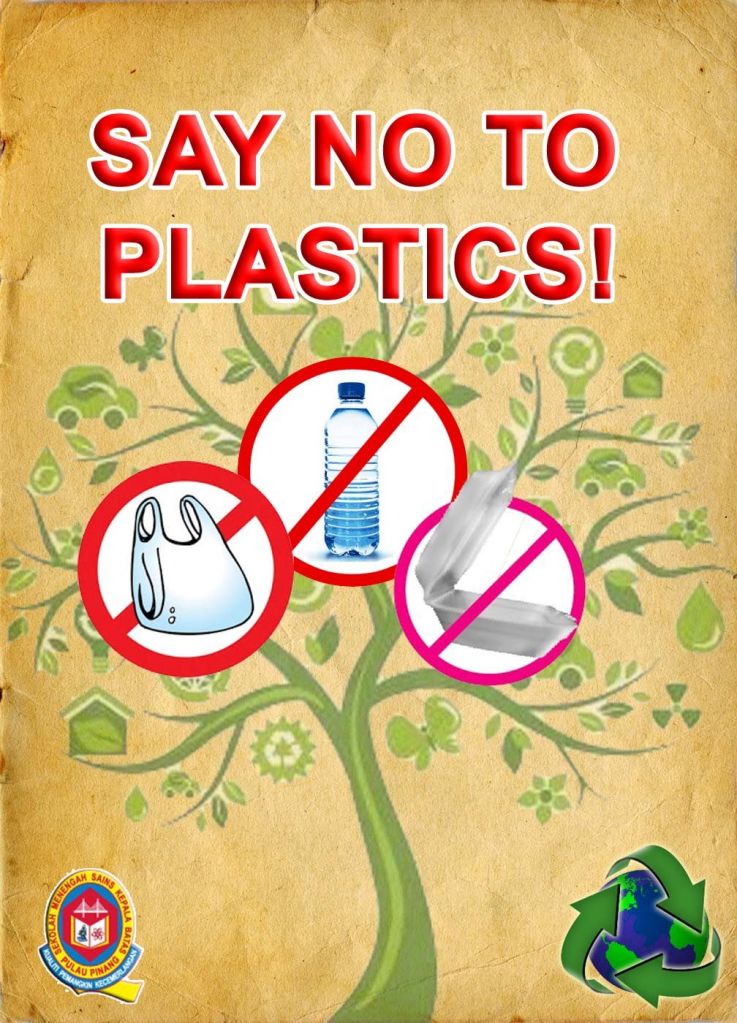
Learn to refuse single-use plastics, such as plastic water bottles and coffee cups, straws, plastic bags and plastic utensils.
Purchase fruit and produce in the bulk section, and don’t place items in plastic bags.
Always search out products in glass jars instead of plastic containers.
When you must buy plastic products, choose ones that you can recycle rather than ones you must put in the trash.
Bring your own containers and shop the bulk section of your local food coop.
I was surprised to hear about No Buy July. Surprised, but also pleased. As a zero-waste person, I worry about the harm consumerism does to our planet. Our air and water suffer from production, transportation and the disposal of so many purchases that are not necessary. We are passing a way of life of consumerism on to our children when we already have a planet that can’t support our American lifestyles.
We all need clean air and water. Less consumerism and less trash make a difference in protecting our planet.
Michelle Singletary has good suggestions to participate in No Buy July
Shopping shouldn’t be thought of as entertainment.
Don’t define yourself as a consumer.
Stop spemding to save
Start saving by having a plan and a purpose for how you spend your money. Read her column here:
How can you use less plastic? #BeatPlasticPollution
June 5th is World Environment Day Today is World Environment Day, an international observance that began in 1973 and held annually ever since.This year’s theme continues to focus on plastic and the goal is to #BeatPlasticPollution. Did you know that:Less than 10% of plastic is recycled? The rest end up in landfills or waterways.There are more microplastics (plastic less than 5mm in diameter) in our waterways than there are stars in our galaxy?We ingest microplastics from the food we eat and the air we breathe?A global treaty to end plastic pollution is currently being negotiated, with the second round of discussions happening in August. Consider taking a count of the number of single use plastic items you use in a day or a week. And then consider what alternatives exist to help reduce that number or eliminate your single plastic use altogether. We can all take action. Together.
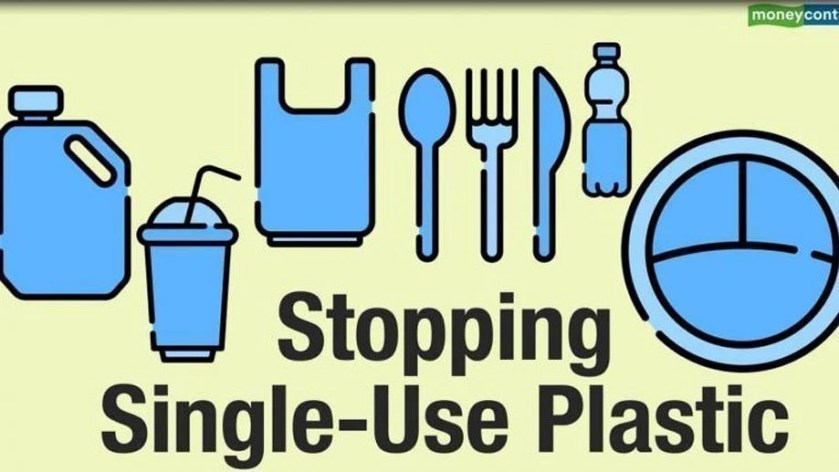
Reducing your use of single-use plastic makes a big difference!
Small acts adding up to more Below is from the Carbon Almanac! “We don’t have to engage in grand, heroic actions to participate in change. Small acts, when multiplied by millions of people, can transform the world.” – Howard Zinn Consider what you buy. Everything we purchase has made an impact on the environment through carbon emissions. Some more than others. Is your item available second-hand?Our actions matter. We can make a difference before it’s too late. Small actions when coordinated with others can lead to systemic change.What are things you can do?Get engaged in your local government. Listen to a meeting, reach out to your representative, sign a petition. Local environmental policies have a direct impact on our lives and our voices can make a difference.Involve your community. Bring people together to enjoy conversations and spark ideas on what actions to take. Consider what your buy. Everything we purchase has made an impact on the environment through carbon emissions. Some more than others. Is your item available second-hand?Our actions matter. We can make a difference before it’s too late.