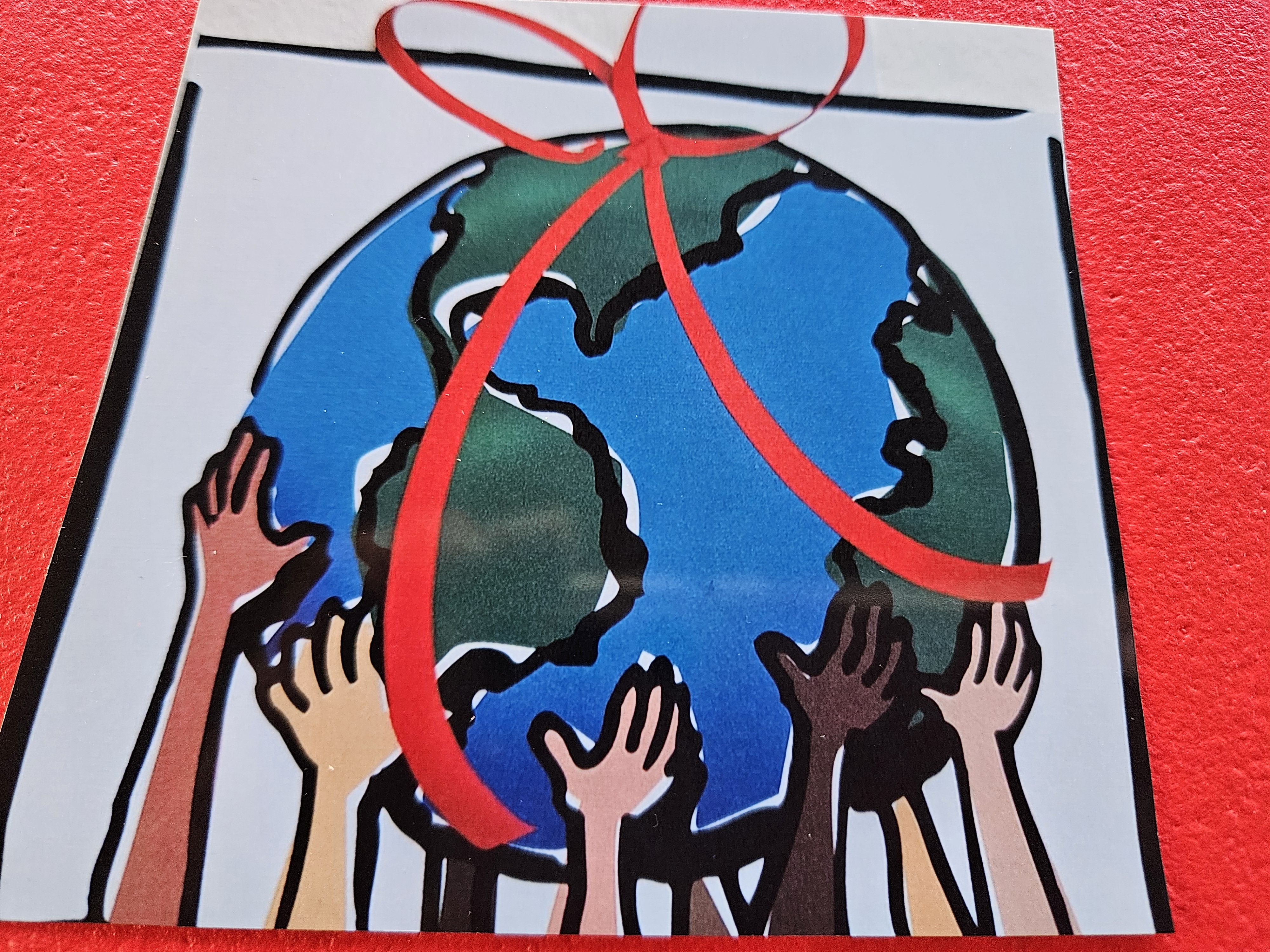
Today we celebrate our oceans, which are vital to the health of our planet.
Make it a plastic-free day.
Our oceans are warming at a staggering rate which has an effect on our weather and the health of our planet. Besides making it plastic-free decide how you can reduce your fossil fuels use by driving less and using less energy it your home!
Our oceans need protection!
Below is from the Carbon Almanac:
In December 2022, governments around the world agreed to protect 30% of the world’s oceans by 2030. Now just over three years later, 10% of the ocean is officially protected. To meet the 2030 goal, an area the size of the Indian Ocean still needs to come under protection.
With a big step towards the 2030 goal, Papua New Guinea recently established the 200,000 sq. km Western Manus Marine Protected Area which is the largest the country has designated to date.
As we think about our waters, visit the World Ocean Day website for more information on the role they play and how to take action.
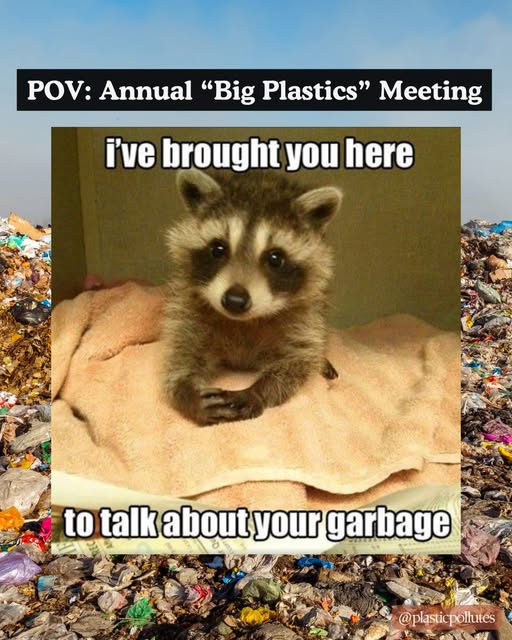
Below is from the Plastic Pollution Coalition: Plastic “recycling” is a false solution to plastic pollution. How do we know this? Since the 1970s, businesses making and selling plastic, governments, and some organizations have overwhelmingly told the public that it is essential to recycle plastic. Recycling messages have been communicated to us across all types of media and in many different ways: in advertising campaigns, imprinted recycling symbols on plastic products, and much more. Yet, despite this major push for recycling plastic, plastic pollution and its toxic impacts continue to grow. There is plenty of evidence that plastic recycling is not only failing to live up to its promises, it is also making plastic pollution worse. In contrast, by focusing on plastic-free reuse, we can tap into a solution that ends wastefulness at the source.
Recycled Plastics Are Toxic
How can an activity we’ve been told is right actually be wrong? Turns out, plastics were never designed to be recycled. “The future of plastic is in the trash can,” one packaging industry executive said at a plastic industry meeting in 1956—not in the recycling bin. In other words, plastic was designed to be wasted, despite the heavy toll that its full existence—from the extraction of fossil fuels to plastic’s eventual disposal in landfills, incinerators, or the environment—has on people and the planet.
Plastics are Not “Circular”
Today, the plastic and fossil fuel industries continue to perpetuate the myth that plastics are recyclable by promoting the idea of “plastics circularity”—that plastics can somehow be reused endlessly without creating harmful costs. But this idea is false: Plastic recycling as it is today is harmful and cannot be considered “circular,” because plastic recycling processes continue to drive plastic pollution and its dangerous and toxic impacts—including the climate crisis, environmental injustice, chemical pollution, and more. And while we may need to engage in some kinds of recycling of the less toxic plastics we already have in order to mitigate plastic pollution, recycling on its own cannot be seen as the sole solution to plastic pollution. Instead, recycling must be coupled with a drastic reduction in plastic production in order to be more helpful than harmful.
“Recycled” Plastics are Actually Downcycled
Additionally, even when plastics are recycled, they are most often “downcycled,” or made into items of lesser value and quality (like turning plastic water bottles into plastic fleece jackets or carpet fiber), and continue to cause considerable pollution. When collected for traditional “mechanical” recycling, plastics must be sorted by color and type, washed, and shredded up. These processes burn large amounts of fossil fuel energy–emitting chemicals and greenhouse gases, waste and contaminate water, and create microplastics and nanoplastics. The small plastic particles are then melted down, and manufacturers must mix in a large amount of newly made (virgin) plastic and/or toxic additives to restore some of its useful properties. Recycling increases the toxicity of plastic; there are hundreds of additional toxic chemicals, including pesticides and pharmaceuticals, in recycled plastic. And that’s in addition to the mix of more than 16,000 chemicals in newly made plastic.
“Recycled” Plastic is Not Suitable for Food and Beverage Packaging
The toxicity of plastic and recycled plastic presents serious dangers to the environment and public health, and drives environmental injustices. Research has indicated that recycled plastic is not suitable for many uses, particularly when it comes to packaging of food and beverages, as it contains a wide range of dangerous chemicals. Drink bottles made of recycled plastic are even more contaminated than drink bottles made of virgin (new) plastic, and these chemicals easily leach into the beverages they contain.
Plastics Create Environmental Injustice
Today, most plastic that is discarded as “waste” is never recycled. The global waste industry is more likely to landfill, incinerate, or ship plastic—often to the Global South—where plastic is dumped and sometimes open-burned, driving pollution and injustice as waste colonialism. Meanwhile, these industries only continue to increase plastic production, worsening plastic pollution.
Communities near plastic recycling sorting centers, often called materials recovery facilities (MRFs), and recycling plants are often the most underserved, and face increased risks to their health. People who find employment by picking through plastic pollution as part of the informal waste sector, who often live in the Global South, face serious health hazards and poor working conditions. Plastic recycling infrastructure and activities can cause polluted air, soil, and drinking water; bring constant truck, train, or barge traffic as well as scavenger animals who are attracted to eating waste; and there are often fires or intake of radioactive and other hazardous materials.
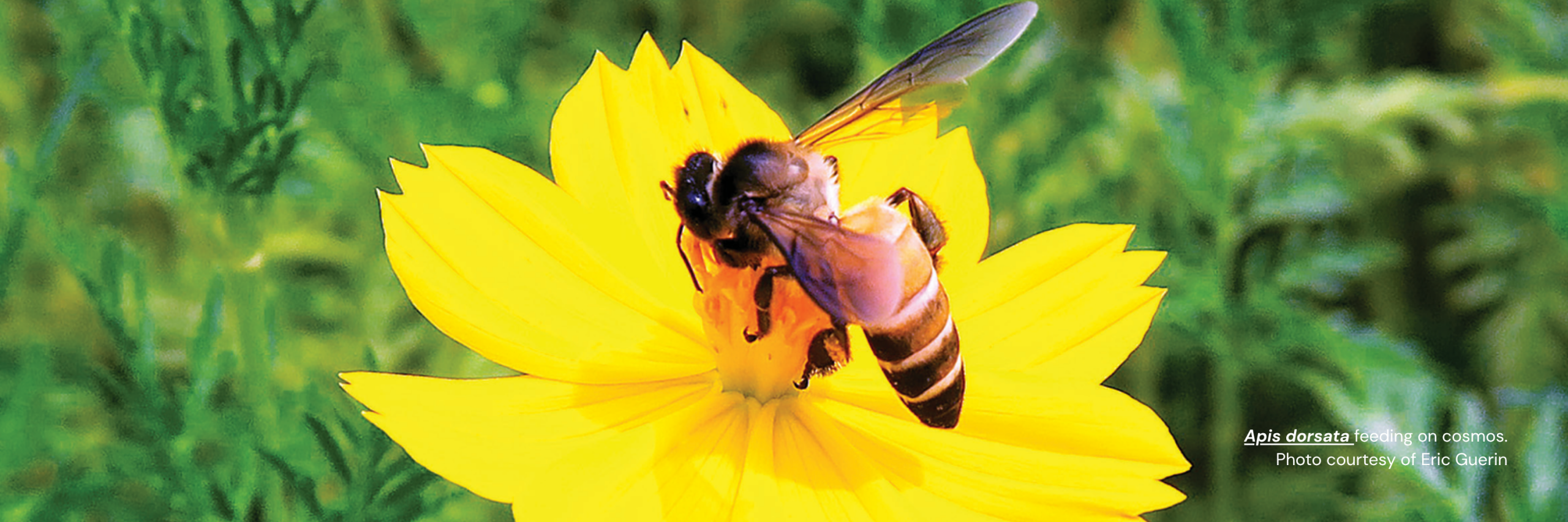
Bees are important to our food production. Protect them!
I hate chemicals. Corporations have gotten away with poisoning our Earth and our food. I suspect many cereal companies are the same. We need to purchase organic cereal in bulk at your local food coop. I think you will save money and also avoid the harmful chemicals, and best of all, you don’t expose your family to plastic.
Pesticides kill our bees, birds, butterflies and us too!
Below is from Organic Consumers Association:
General Mills’ Broken Pesticide Promises
General Mills is a bastion of ultra-processed, genetically modified foods, but it’s always found ways to make it look like it’s part of the regenerative organic movement.
Its worst greenwashing was when it used its Honey Nut Cheerios brand for a Bring Back the Bees campaign – never mentioning that glyphosate and chlormequat, pesticides used to harvest the cereal’s oats, were implicated in Colony Collapse Disorder.
In 2016, General Mills announced a partnership with Organic Valley to expand its organic yogurt offerings by transitioning dairy farmers to organic. In 2025, it sold its yogurt division. Its organic lines were dropped—along with its organic farmers.
In 2019, General Mills announced it had put “strategies in place to reduce synthetic pesticide use,” but that didn’t stop the company from selling pesticide-soaked breakfast cereals. Worryingly, one of its organic cereals was contaminated with chlormequat, suggesting that General Mills may be buying fraudulent organic oats from overseas.
The latest news is that General Mills has abandoned its commitment to reduce pesticides.
We can’t let this slide. It isn’t okay for a company to lure its customers with false promises it’s never going to deliver on.
We need to do more to protect our beautiful planet!
Mother Earth, we love you.
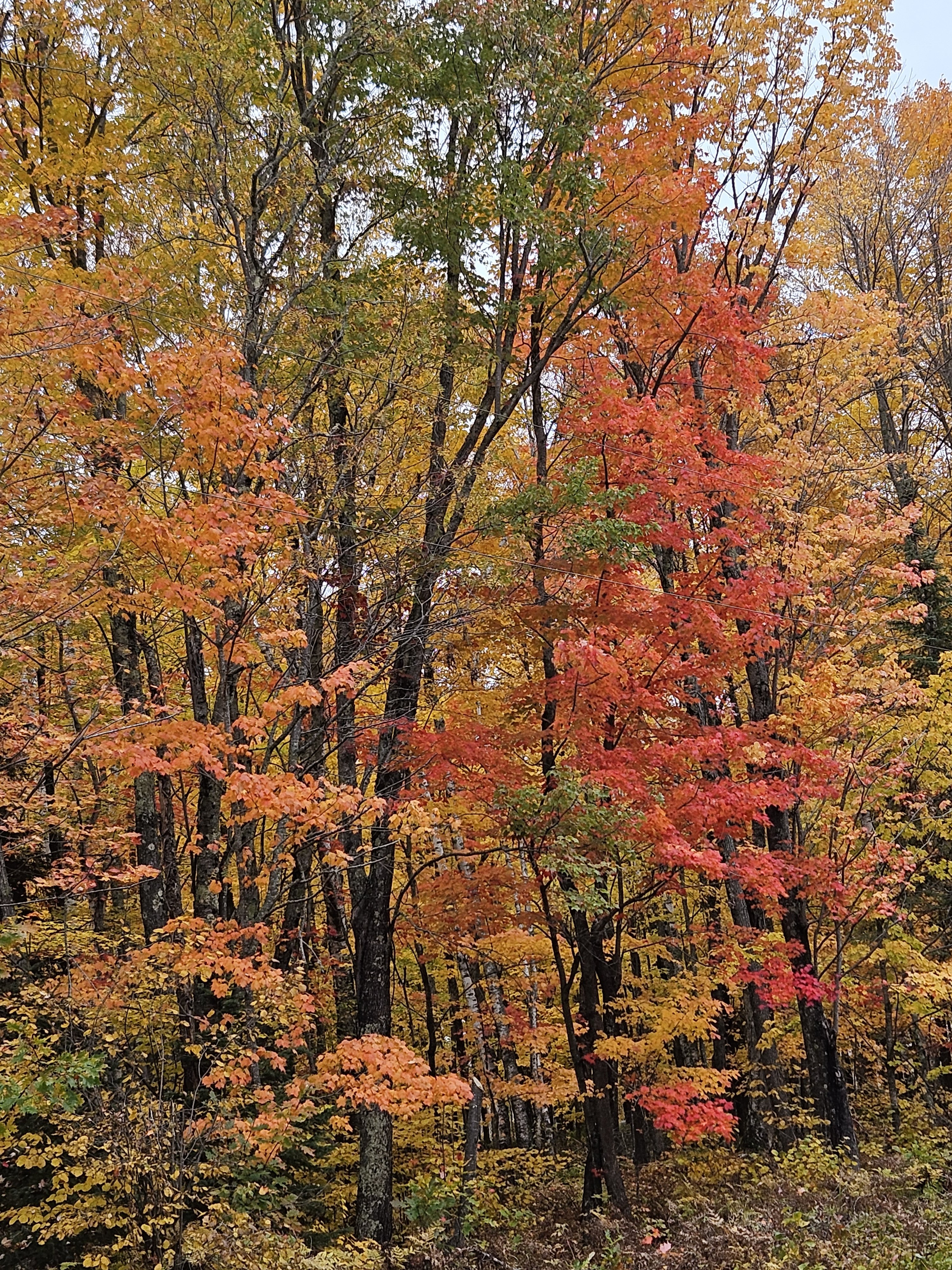
Our Earth is so beautiful, especially in May! On Mother’s day we should be thankful for our mothers’, but also for our Mother Earth
Mother Earth is clearly urging a call to action. Nature is suffering. Oceans filling with plastic and turning more acidic. Extreme heat, wildfires and floods, have affected millions of people. If we all do one thing like stop idling our cars or driving less, we can make a difference!
There are so many wars going on. We need to stop all this destruction which has such a negative effect of people and planet!
Climate change, man-made changes to nature as well as crimes that disrupt biodiversity, such as deforestation, land-use change, intensified agriculture and livestock production or the growing illegal wildlife trade, can accelerate the speed of destruction of the planet.
Everyone needs to play a part in protecting our planet. We need to buy less plastic junk, we need to drive less, and plant native plants. We need to expose ourselves and our Earth to less harmful chemicals. These things protect our health and the health of our planet. Protecting clean water and clean air need to be priorities. Everything else relates to that!
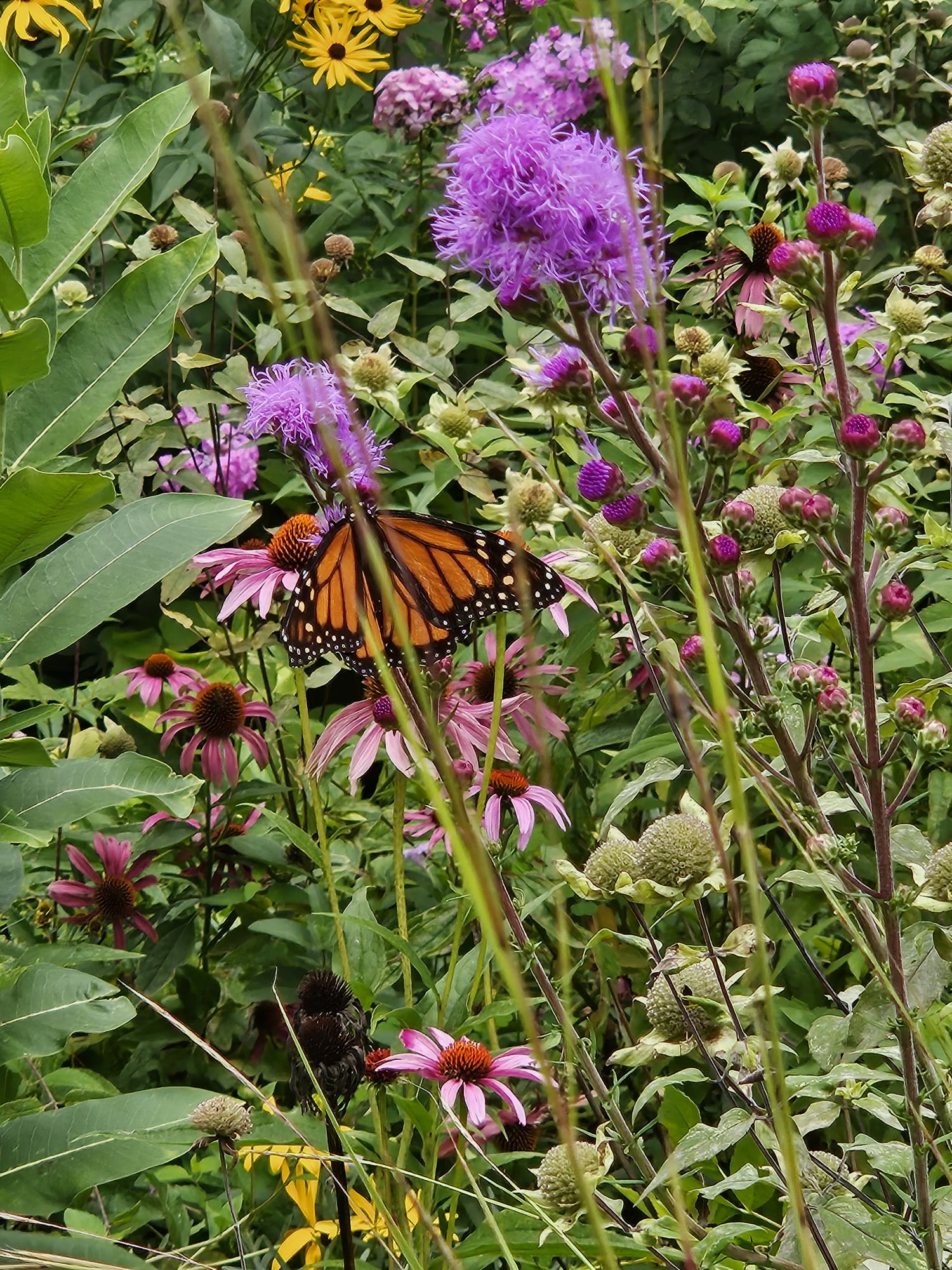
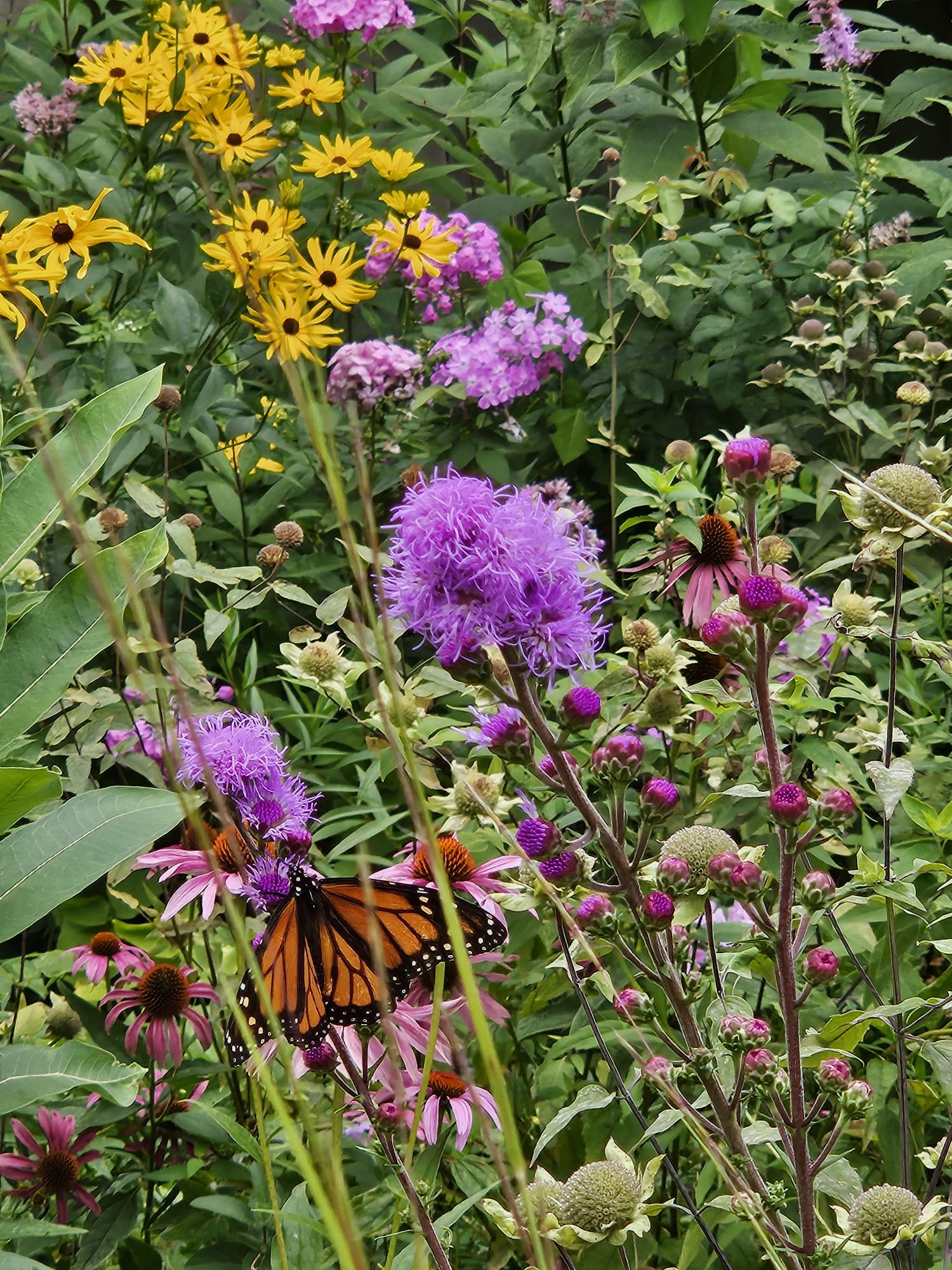
Plant bee balm, purple cone flowers, blazing star and rudbeckia. They attract pollinators and need no chemicals!
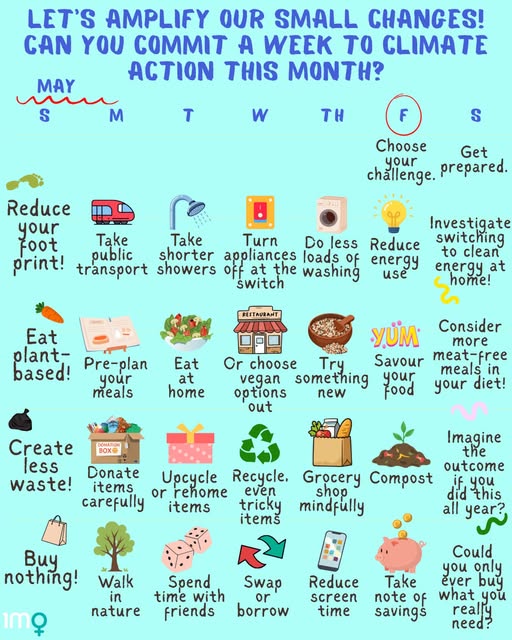
Choose your climate challenge for the month of May. They left out plastic reduction which is also important. Plastic reduction should fit into every week
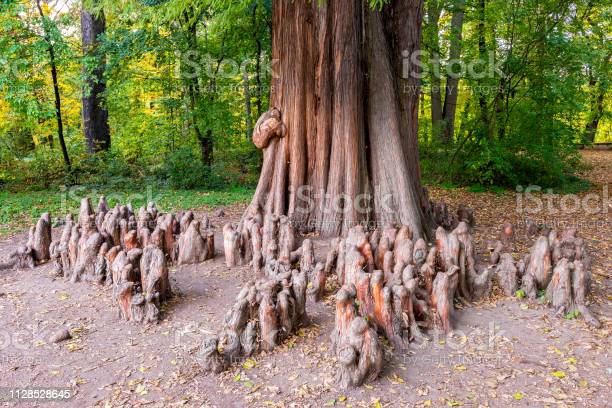
Below is a beautiful story about loving trees. How is your favorite tree? Go say hello to it today.
By Kate Morgan
“We take care of things when we have a relationship with them, If you get to know the nature around you, then you value it, and you nurture it, and you protect it.”
RJ Laverne’s childhood home in Detroit had a big elm out front. In fact, the whole neighborhood was lined with them: great, graceful trees whose branches spread across the street to create a shady canopy. Elms were so widely planted in cities and suburbs in the 19th and 20th centuries that they became known as the “Main Street tree.” Then, in the 1930s, Dutch elm disease began to ravage them, and by 1989, most of America’s 77 million mature elms were dead.
Laverne’s elm and its demise remain seared into his memory decades later. “I was maybe 8,” he says, “and I remember standing at the front door next to my sister when the trucks came down the street and cut down the elm trees one by one. When they cut ours, it felt similar to losing a pet. I imagine I was not the only person that grieved to see our neighborhood transformed from this beautiful cathedral of trees to clear cut.”
It was the first tree he loved, but certainly not the last for Laverne, who is a master arborist, an adjunct associate professor of forestry at Michigan Tech, and manager of education and training for Davey Tree Expert Company.
Many of us have loved a tree. Maybe it’s the big sycamore that held a tree house behind your childhood home. Maybe it’s the spruce that waves outside the window of your office, or the maple on the corner near your town’s post office.
I adored a huge fir in the corner of my cousins’ yard in New Jersey, with lower boughs that bent all the way to the ground and formed a sticky, fragrant fort at the trunk. Every day, my daughter greets a trio of towering oaks in our front yard that she lovingly calls “the mama trees.”
It’s not all that unusual to feel a particular bond with a specific tree. In fact, researchers in Finland found that the majority of respondents to a survey did in fact have a favorite. It’s also not unusual, says Laverne, for that bond to feel a lot like friendship. We form interspecies relationships, he points out, with our pets. So why not plants?
In most cases, when we think about a friendship, it’s a symbiotic relationship and both parties are actively involved,” he says. Trees might not respond to us the way a dog or cat would, but “we can form a symbiotic relationship with them nevertheless,” Laverne says, “if we understand all of what they provide for us. Not just the wood, but the shade, the wind-shielding. They take pollutants from the air, reduce stormwater runoff. There’s a huge list.”
While those are all good reasons to appreciate trees, Laverne adds, “you’re not going to fall in love with a tree because it’s sequestering carbon.” But there are other, perhaps slightly more intangible, reasons you might.
In the Finnish study, University of Turku researcher Kaisa Vainio and her colleagues identified three main types of human-tree relationships. The first was centered on nostalgia: People recalled trees from their childhood memories, or felt a familial connection. “It’s a custom here, and in many places in the world, that you plant a tree when somebody has been born,” Vainio says. “You see it grow, and it’s mirroring your own growth, which creates a bond. That relationship is not just between yourself and the tree, but maybe with your grandmother who planted the tree, and her grandmother who planted one before her.”
Others in Vainio’s study chose their favorite tree based on what she calls a nurturing relationship. People felt close to trees that they had planted or were directly responsible caring for.
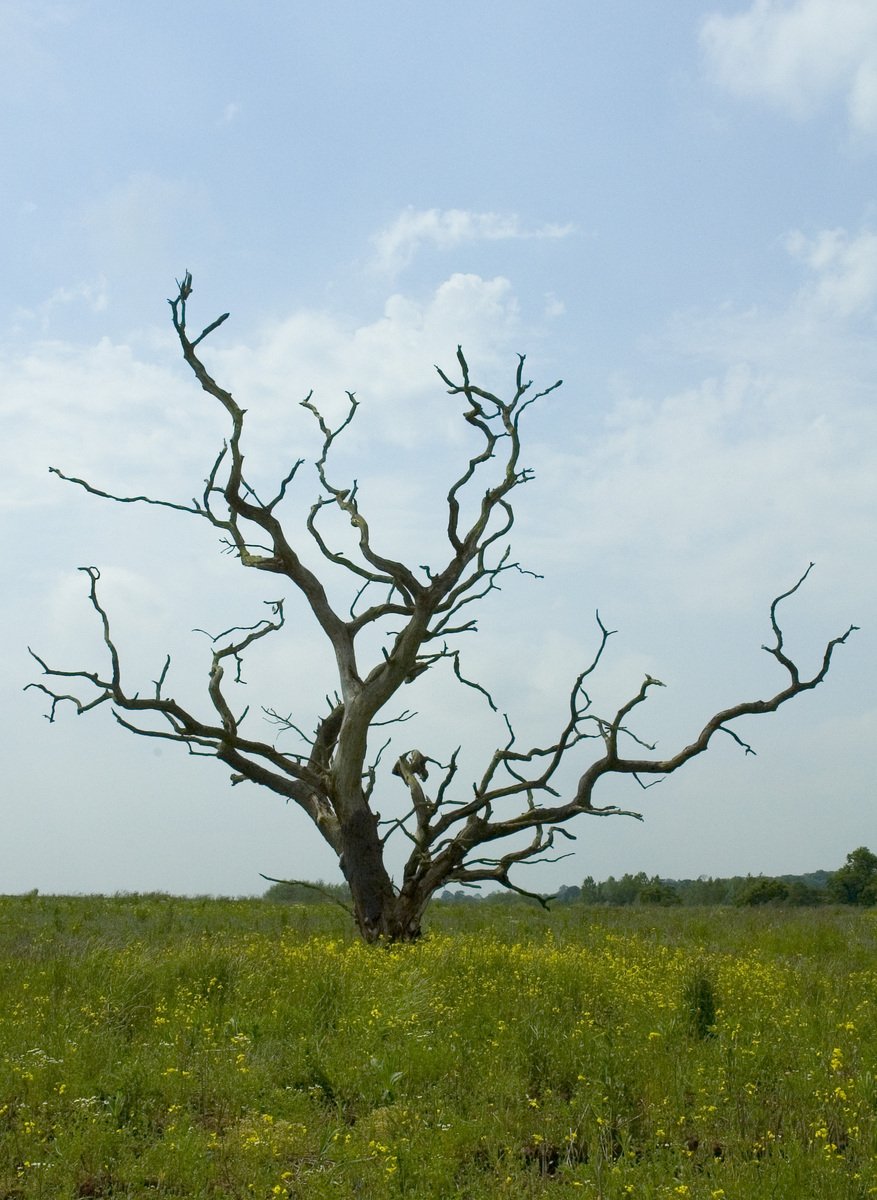
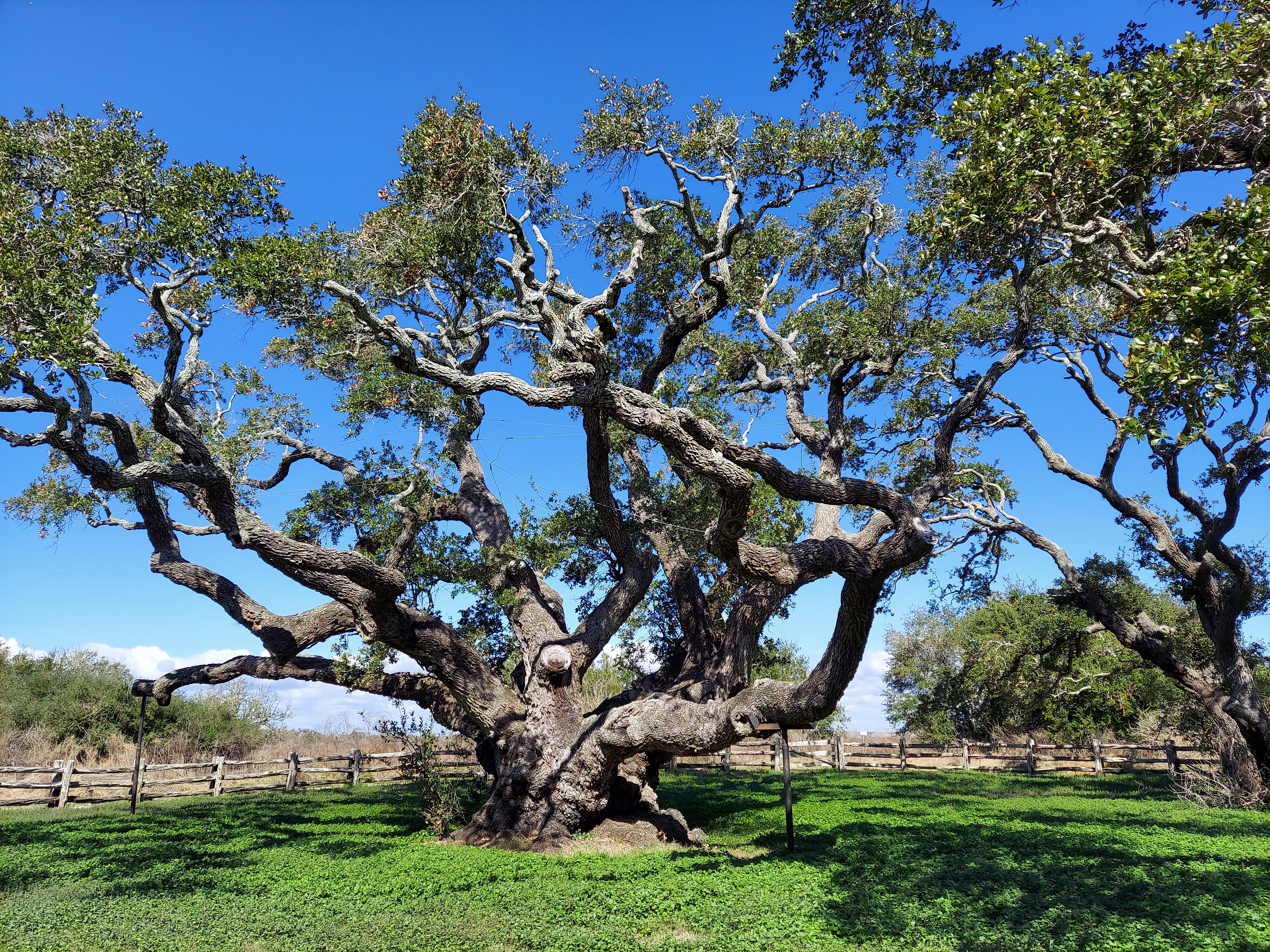
The third category, which she calls admiring relationships, involves “charismatic trees,” she says. “You probably know one. They are somehow impressive — maybe weird-shaped, really old, very big. They can be monuments or have some special status, or be a rare species.”
But a tree needn’t be so singular to become beloved. In many cases, Vainio says, a “favorite” is just a “really ordinary looking tree that is important to somebody, because it’s the tree they share their everyday life with.”
How to befriend a tree There can be a lot of benefit to getting to know the trees in your yard or along your commute, says Holly Worton, a naturalist and author of the book “If Trees Could Talk,” but first you have to realize they’re there.
A lot of people think of them as inanimate objects,” she says, “even though obviously they’re alive. But they’re just standing there, so I think they’re so unlike other living creatures that it’s easy to think of them as, basically, outdoor furniture.”
Worton believes trees can communicate with her — and with anyone else open-minded enough to converse with them — telepathically. In addition to factual information about a number of tree species, her book also includes their advice for life, delivered, she says, in their own words. A Norway maple suggests she should stretch her comfort zone by spending time in the woods relaxing with her eyes closed. An ancient yew suggests that she might benefit from spontaneity, and stepping off the path.
Other trees tell her stories. An English oak, one of the last old-growth trees in a stand of young pines, describes seeing his neighbors cut down with chainsaws. “For some reason they let me stay,” Worton writes that the oak said. “They cut down the trees all around me — my network, my family — and planted these evergreens, the ancestors of those which you see today. The diversity of our community was gone.”
Laverne talks to trees, too (though he doesn’t expect them to respond), and he encourages his students at Michigan Tech to do the same. In his forestry courses, one assignment asks students to “interview” a tree, and Laverne provides a guide for how to do so.
“You go out, find a tree and introduce yourself out loud,” he says. “It might feel funny, but it’s really more an acknowledgment to yourself that you’re approaching another living organism. That opens the door to your imagination. Now, they’re not going to talk back, but a tree can still tell you things.”
He instructs his students to examine the details of the tree, feeling the bark and examining the foliage. “The most important part is to give yourself 10 minutes of silence with your tree,” he says. “Sit down, close your eyes and get as many thoughts out of your brain as you can. Listen to what’s happening in and around the tree. You’re going to hear birds. You’re going to hear wind going through the leaves. You may even hear some of the branches clattering around.” Laverne says he wants the students to become familiar with the tree and the environment in ways they weren’t before.
A connection to one particular tree can become a long-term relationship, Vainio says. In her study, more than 40 percent of respondents said their attachment to a favorite tree had lasted several years, and close to a quarter said they’d loved their tree for decades or even for their entire life. But like any lifelong relationship, there’s always a chance that things end in tragedy. When our favorite trees die, either of natural causes or by chainsaw, it’s typical to feel a real kind of grief.
In 2023, when the centuries-old Sycamore Gap tree in Northumberland, England was cut down by vandals, there was an international outpouring of anger and grief. And people will go to great lengths to try to save trees. “Any time one has to be removed in Central Park, they put notices up months in advance to try to ease the pressure,” Laverne says. “But people will still chain themselves to the trees to try to stop it.”
Worton, who has written about tree grief on her blog, often hears from readers mourning the loss of a tree, “whether it’s one they’ve had to cut down because of some kind of illness, or one the city has come and cut down,” she says. “That seems to be the worst kind of scenario, where people have this beloved tree and they show up one day and it’s a stump. That’s really difficult for people to deal with.”
Don’t miss the trees for the forest Feeling a particular kinship with a tree, Vainio says, isn’t whimsical or eccentric. It’s actually a lot more normal than you’d think.
“It’s not only weird people who have a tree friend,” she says. “In our survey, we saw that people of all ages, genders and professions can have an emotional connection with a special tree. We have this culture that sometimes says if you talk about trees this way, you’re a ‘tree hugger,’ which is somehow bad. But you can be a normal person and have a good relationship with your tree, and that’s not a fairy tale, and it doesn’t require you to believe anything weird to have this connection.”
Laverne’s goal in asking his students — and anyone else who’s willing — to “introduce themselves and start a conversation” with a tree is simply to encourage them to look closer, and to see each tree as an individual living creature.
“That familiar phrase, ‘You can’t see the forest for the trees,’ we can flip that around,” he says. “When they’re clustered together, sometimes you don’t see them as individuals.” But getting to know one tree at a time can help you see each as its own organism, rather than just scenery. And developing an emotional connection can be a shortcut to better environmental stewardship.
“We take care of things when we have a relationship with them,” Vainio says. “If you get to know the nature around you, then you value it, and you nurture it, and you protect it.”
Kate Morgan is a freelance writer in Richland, Pennsylvania.
Protect this precious resource. Never idle your car!
It’s a day to celebrate our beautiful planet! Enjoy some time outside it’s a day to think about the future and what we can do better. I think we need to concentrate better on keeping our air and water clean. We have elected officials that don’t care about our water or our air.
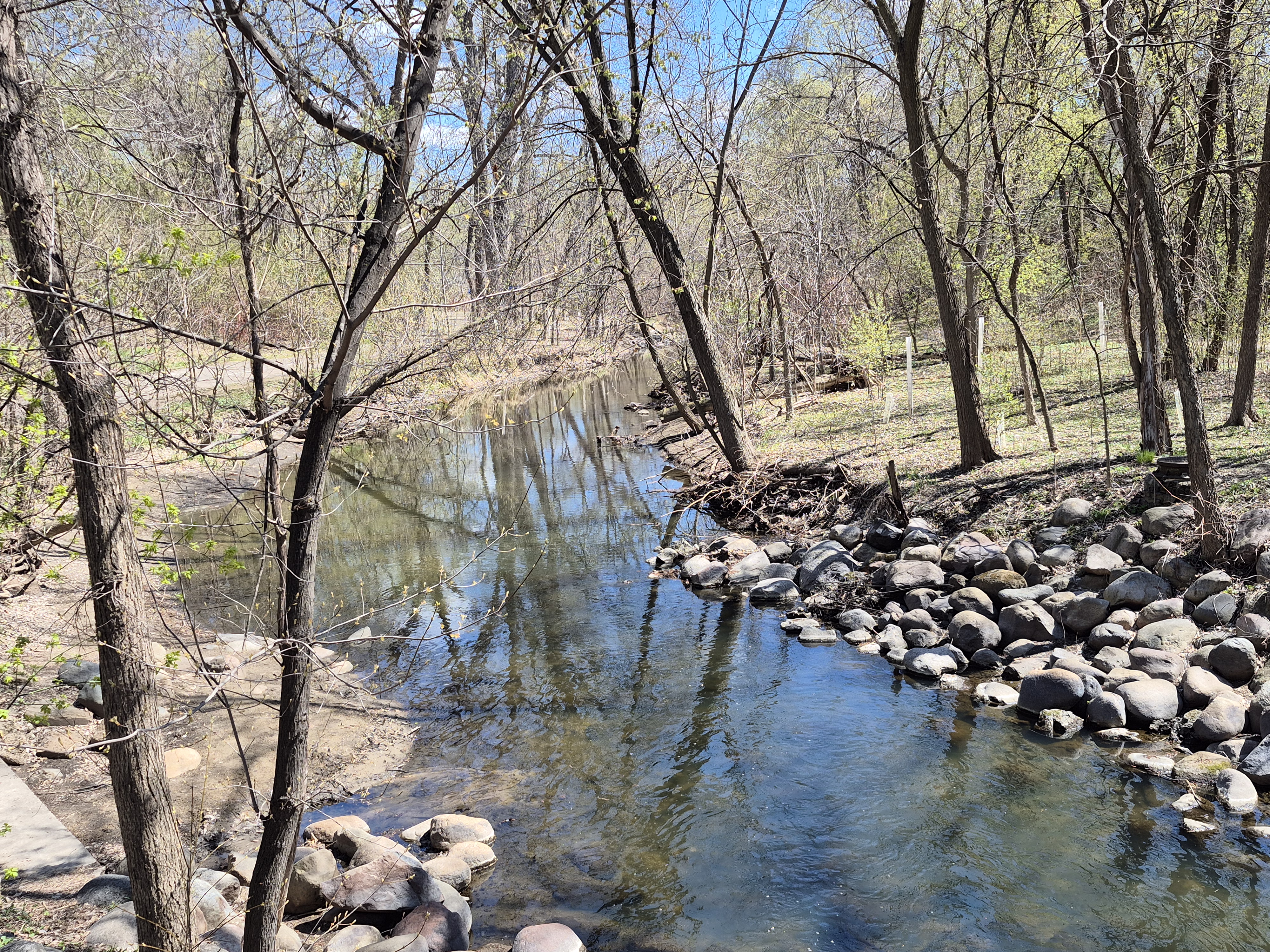
What difference can we each make for clean air and clean water this next year? Some things we can do: Buy less stuff, keep working to lessen your plastic use, drive less and walk or bike more, plant native plants in your yard, clean storm drains, and pick up after your pets.
Celebrate our beautiful earth by walking instead of driving today!
“Plastic is not in harmony with nature. What if we built a world where polluting people and the planet was never part of the design?” Plastic Pollution Coalition
Happy Tax Day in the United States! Why is it important that we pay taxes? I’m not for wasteful spending, but we need to elect people that line up with our values and do not want to take away our rights.
The progress to clean energy is hopeful in a world where it is difficult to be hopeful. The demand for electricity is soaring, and data centers are imposing an enormous load on our communities for energy. Unfortunately, some of our elected officials are pushing various types of burning as clean energy. They want to include the burning of garbage as a form of clean energy. Burning in any form from your backyard fires to burning garbage is NOT clean energy.
Today is the International Day of Clean Energy!
Today, let’s think positive and celebrate what is good and getting better!
Today, January 26th, is International Day of Clean Energy. Clean energy refers to electricity generated from sources such as solar, wind, geothermal and hydro that emit little to no greenhouse gas emissions.
The World Resources Institute has summarized the key statistics when it comes to clean energy in this article. The article highlights some positive news such as:
how clean energy is creating the majority of new electricity capacity
Investment in green energy is higher than fossil fuels
Growth in clean energy jobs
There are still challenges to overcome in the industry including distribution of investment and length of time to bring a project from ideation to production. But there is a lot of momentum behind green energy and it will be interesting to see how 2026 shapes up for it.
This is the coolest newsletter. I hope you will subscribe.
The Daily Difference Newsletter
Join the Daily Difference, a newsletter to help everyone around the world in taking action and making a significant positive impact. It’s not too late. The earth needs passionate people like you to spread the word and create meaningful change.
Taking action to heal the planet doesn’t need to be overwhelming. It doesn’t need to be perfect. It just needs to happen. Take a moment today and be a difference […]
The International Union for Conservation of Nature’s (IUCN) Red List of Threatened Species is a report on the health of the world’s biodiversity. It is a comprehensive source of information […]
Negative climate stories in the United States often make the headlines – cancelling wind farm construction, accelerating oil and gas drilling, rolling back regulations on greenhouse gas emissions and air […]
In Canada, and in many other countries around the world, it is often Indigenous people leading the way in sustainability and stewardship of nature. The Heiltsuk Nation, on British Columbia, […]
In the United Kingdom, companies who make packaging are now having to pay as the Extended Producer Responsibility (EPR) has started its enforcement stage. What is EPR? It is based […]
Mihir Rao, an 18-year-old from Alberta, Canada, is helping other young people to learn how to influence decision-makers. Rao, who is also a winner of the 2025 I-SEA Youth Climate […]