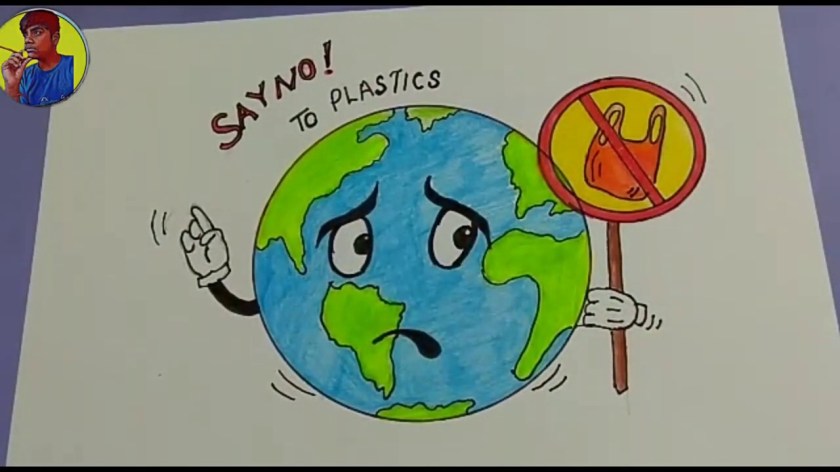
We need the United States to support a strong plastic’s treaty. Use the link below to demand strong leadership from the USA for this treaty.
We need swift and urgent action. Plastic pollution is a global problem in need of global solutions. Plastic production, use, and disposal threaten Earth’s communities, air, water, biodiversity, and soils. With the UN’s Global Plastics Treaty negotiations now underway, the US government (USG) has the unique opportunity to play a key role in the change we need on a worldwide level: instead of leading the world in generating the plastic pollution crisis, it’s time for the USG to lead by forging ambitious solutions. Read full letter at this link: Letter to U.S. Government Officials involved in UN Global Plastics Treaty negotiations
I disagree with a bill in the Minnesota Legislature about synthetic turf (HF 3705/SF 3869).
Synthetic turf has been framed as a sustainable solution for dealing with the climate crisis, drought and drainage issues. Unfortunately, many want to believe in this easy but expensive solution and believe without evidence that it is a sustainable practice. This is greenwashing and a false solution for helping our climate crisis. Synthetic turf is made of plastic. It has all the terrible side effects of plastic pollution. It breaks down in the sun and breaks down with use. It leaches toxic chemicals into our water and breaks down into microfibers. Synthetic turf is not healthy for children, pets, wildlife or adults to recreate on. It is not a sensible solution for a green lawn.
If plastic were a country, it would be the fifth-largest emitter of greenhouse gases in the world. We shouldn’t be encouraging the use of more plastic. We should be reducing our plastic use, not increasing it.
Synthetic turf is terrible at managing stormwater runoff. Even if it is permeable, the water will run right under it and cause erosion as it finds a muddy path to the nearest waterway. Deep rooted plants are the master of absorbing runoff and holding the soil. They are a proven solution.
The state of Minnesota is putting lots of money into bee lawns. Let’s pivot to them in times of drought. Bee lawns help pollinators, improve water quality and work for the healthy communities the public wants. Bee lawns are real, not fake. They are a low-maintenance and sustainable solution, and bee lawns can be adjusted and planted for everyone’s needs.
Becky Wardell Gaertner, Minneapolis
I like violets in a bee lawn, they are hearty, can be mowed and bees like them.
Waste less food: Food Waste Prevention Week is April 1-7
One trillion dollars of food is wasted yearly. We can all do better!
People are starving in Gaza, Sudan, Syria and other places in the world, let’s not waste food.
**Why is reducing food waste so important?
It saves Money
Wasting food is expensive. Every year, Americans lose more than $218 billion on wasted food. In Florida, the average family of four throws out around $1,600 worth of food annually. Households are responsible for the most wasted food. If we begin to reduce and prevent food waste, we can save that money that is wasted on spoiled food.
It reduces hunger in our communities
In the US, approximately 40% of all food grown and produced is never eaten. That’s a lot of food wasted that could go to people that don’t have access to food. 1 in 5 people lack consistent access to nutritious food, while up to 3 million tons of wasted food goes to landfills annually. Recovered food provides an additional source of nutritious food.
It protects the environment
Reducing food waste is the #1 personal action to reduce greenhouse gas emissions, while safeguarding critical natural resources. When food is wasted, it goes into a landfill. Once in a landfill, food waste breaks down and emits greenhouse gasses, including carbon dioxide (CO2) and methane (CH4). Methane is 30 times more potent than carbon dioxide, making it more damaging to the environment. If we reduce food waste, we could save the environment from this damage.
What Can I Do?
At home
Save leftovers and store/freeze food in portion-ready containers
Cook only what is needed for that meal
Make one night a weekly “leftover” night to empty the refrigerator before shopping again
Audit what you throw away; it will influence your next shopping trip
Keep kitchen essentials on hand (grains, spices, sauces) that bring new life to old meals
Freeze ripe fruits and vegetables for baking, cooking and filling in gaps in recipes
Water is Life, we must do a better job of protecting our waters.
World Water Day March 22, 2024 is the United Nations observance day dedicated to highlighting the importance of freshwater. It serves as a reminder of the critical role water plays in our lives and ecosystems.
“Water for Peace” is this year’s theme. fostering peace, prosperity, and conflict prevention in the role water plays in the world.
It is shameful the poor job we do to take care of our fresh water. Our fresh waterways are teaming with microplastics, nitrates and forever chemicals. None of these safe for human exposure. In some places invasiive speciaes have been introduced that also change the entire ecosystem of our water ways.
73 percent of Minnesota nitrate pollution comes from cropland, primarily through agricultural drainage systems below cropped fields and by nitrate pollution leaching into groundwater, and then moving underground until it reaches streams. 78% of nitrate pollution to the Mississippi River in our state is fr…See more on fmr.org
At least 70 million Americans get their water from a system where toxic PFAS “forever chemicals” were found at levels that require reporting to the Environmental Protection Agency. That’s according to new data the EPA released in its ongoing 5-year review of water systems across the nation. The number will almost certainly grow as new reports are released every three months. USA Today, March 21.2024
Careless humans have transported invasive plants and animals with their boats and equipment. Invasive species disrupt aquatic ecosystems, endanger native species, and have far-reaching consequences that harm the eco-system of waterways.
What are a few things you can do to protect our waterways?
1. Always clean your boats and equipment before entering lakes.
2. Pick up litter
3. Keep the storm drains near your home free of leaf debris and plastic waste.
4. Reduce the plastic you use, and always make sure your plastic waste is in the correct place, either recycling, landfill waste or hopefully to be reused again.
5. Plant deep rooted plants that absorb water runoff, like native grasses and native plants.
6. Create rain gardens or adjust your drain spouts to drain onto your lawn or gardens.
Investing in women, a human rights issue: Time is running out. Gender equality is the greatest human rights challenge, benefiting everyone.
Ending poverty: Due to the COVID pandemic and conflicts, 75 million more people have fallen into severe poverty since 2020. Immediate action is crucial to prevent over 342 million women and girls living in poverty by 2030.
Implementing gender-responsive financing: Conflicts and rising prices may lead 75% of countries to cut public spending by 2025, negatively impacting women and their essential services.
Shifting to a green economy and care society: The current economic system disproportionately affects women. Advocates propose a shift to a green economy and care society to amplify women’s voices.
Supporting feminist change-makers: Despite leading efforts, feminist organizations receive only 0.13% of official development assistance.
This International Women’s Day, let’s unite to transform challenges into opportunities and shape a better future for all!
The grouse and crows seem happy, the pileated woodpeckers seem happy, and squirrels and white tailed deer are overjoyed. What happened to winter? The sun is shining and the snowstorms forgot to hit the south shore of Lake Superior. The biggest surprise is golden eyes on Lake Superior already migrating through.
But what made me the happiest was that I saw an eagle swimming on Lake Superior. It was amazing! It looked like she was doing a swimming crawl stroking with her enormous wings.
The warmest February and winter on record, but it is worrying for the future when there isn’t ice on the big lake. More evaporation, more algae and a challenge for the fish to find food.
This is not ice cover. It is slush that moves around the big lake depending where the wind is blowing from.
I hope we can all start the year with hope for peace and joy and a healthier cleaner planet. Every action we take matters Our collective actions, can contribute to positive change and help us to feel we are making a difference, and we are!
If plastic were a country, it would be the fifth largest emitter of green house gases!
Easy ways you can reduce your plastic footprint:
Always carry a reusable glass or metal water bottle, and reusable shopping bags with you.
Learn to refuse single-use plastics, such as plastic water bottles and coffee cups, straws, plastic bags and plastic utensils.
Purchase fruit and produce in the bulk section, and don’t place items in plastic bags.
Always search out products in glass jars instead of plastic containers.
When you must buy plastic products, choose ones that you can recycle rather than ones you must put in the trash.
Bring your own containers and shop the bulk section of your local food coop.
Over 98% of plastics are made from fossil carbons such as oil and gas. Turning these substances into plastics involves the addition of petrochemical additives – quite a lot of them. Over 13,000 chemicals are known to be involved in the production of plastic. More than 2300 of these are “chemicals of concern.” Some are highly toxic, and include carcinogens, neurotoxicants, and endocrine disruptors. These chemicals pose serious risks to human health because they can leach or migrate at every stage of plastics’ life cycle.
Food Packaging: When food or beverage is packaged in plastic, chemical additives can leach into what we eat.
Microplastics: Plastics don’t biodegrade; they break up into smaller and smaller pieces known as micro- and nanoplastics, which are so small that they become caught up in the air we breathe, the water we drink, and the food we eat. These pieces are present almost everywhere researchers have ever looked, including inside the human body. Scientists have detected plastic particles in human lung tissue, intestinal tissue, blood, breast milk, the muscle of the heart, and both sides of the placenta – including inside fetuses and newborn babies.
Cell damage: Plastic particles inside the body can irritate, inflame, and even puncture cells. This is especially concerning in the intestine and lung, where microplastics make direct contact with thin, sensitive tissue.
Chemical leaching: Microplastics never stop leaching their chemical contents. Once they are inside the human body, they can act like tiny trojan horses, spilling out chemical additives for as long as they are present. Over 98% of plastics are made from fossil carbons such as oil and gas. Turning these substances into plastics involves the addition of petrochemical additives – quite a lot of them. Over 13,000 chemicals are known to be involved in the production of plastic. More than 2300 of these are “chemicals of concern.” Some are highly toxic, and include carcinogens, neurotoxicants, and endocrine disruptors. These chemicals pose serious risks to human health because they can leach or migrate at every stage of plastics’ life cycle.
Cancer: Many of the chemical additives in plastics are known to cause cancer. Bisphenol A, phthalates, and polyvinyl chloride, for instance, are welldocumented carcinogens.
Endocrine Disruption: A great number of additives mimic hormones and disrupt signaling throughout the body. They can scramble appetite cues and metabolism, leading to obesity, diabetes, high blood pressure, and heart disease. They can hijack reproductive signals, speeding puberty, lowering sperm counts, and prompting infertility. Endocrine disruptors are also associated with cancer – especially breast, prostate, and testicular cancers. Neurological Effects: Endocrine disruption can disturb brain development, leading to lower IQ, ADHD, and autism-spectrum disorders. Go to http://www.beyondplastics.org and email us at beyondplastics@bennington.edu to learn about the tools we have to reduce our exposure to harmful plastics and petrochemicals. Besides limiting your own personal plastic use, what can be done? Nearly half of all plastics manufactured today are single use items and packaging. Legislation that reduces the production of these items and mandates extended producer responsibility will go a long way toward relieving health risks. It is vital that lawmakers regulate the chemical content and toxicity of plastic. Many of the chemicals used to manufacture plastic are unnecessary and can be banned and substituted with safer alternatives. The brains and bodies of infants, fetuses, and small children undergo exquisitely complicated and carefully timed changes. When these are disrupted, the effects can be permanent – and profound. Infants and fetuses also face risks of prematurity, stillbirth, low birth weight, birth defects of the reproductive organs, impaired lung growth, and childhood cancer.
Buy Nothing! It isn’t hard to get caught up in the hectic holidays and craze of overconsumption. Shopping til you drop is not what this time of year is really about.
We have a worldwide trash crisis, and we don’t need to be purchasing more junk to end up in landfills or garbage burners. All this consumption contributes to our climate crisis, more air pollution and more water pollution. When you shop purchase quality items that will last, always bring your own reusable shopping bags, and reduce your plastic packaging.
Bring your reusable bags and reduce your plastic packaging.
Below is from the Story of Stuff Team:
Black Friday is an annual heavily-advertised mega shopping day with the goal of convincing you to buy as much as possible. But every product you buy has an environmental and labor cost, from long before it hits store shelves to long after you toss it in the bin.
Shopping til you drop is not what this time of year is really about. This holiday season, we’re encouraging everyone to buy less, buy better or buy nothing. Let’s focus less on stuff and more on joy!
Handy tip: unsubscribe from brand emails to simplify your life. And use Catalog Choice to opt-out of junk mail and unwanted catalogs.
We want to get back to the original joy of the season. Here are some meaningful things we can spend our time and money on:
Do something you have been meaning to do for a long time, and have fun!
Go for a walk or read that book you’ve been meaning to start
Write personalized holiday messages for those closest to you
If you are buying gifts, shop secondhand or support small businesses
Invite loved ones over for a home-cooked meal and games
Try an experience: check out a new restaurant, movie or concert with friends
Donate to or volunteer for a cause you care about
Participate in a community exchange like your local Buy Nothing Group
Write a thank you note or a note of gratitude to someone.
Six ideas to help you reduce your plastic this Thanksgiving from my friends at Beyond Plastic
1. Choose Scratch Over Store-Bought
Most store-bought dishes from supermarkets and restaurants will be packaged in plastic containers. To avoid the unnecessary plastic, focus on cooking from scratch. Ingredients like vegetables, flour, butter, and nuts can be commonly found in non-plastic packaging. For items like nuts and dried fruits, see if your local market, co-op or health food store has a bulk section and bring your own bags to fill up! When faced with a choice of packaging, choose glass or paper over plastic. If you’re looking for inspiration, see our (newly expanded) recipe suggestions below.
2. Shop Local
Shopping locally not only reduces your meal’s carbon footprint, but you can bring your own bags and containers and you’re less likely to encounter plastic packaging than at your grocery store. Small businesses also need our support more than ever during the pandemic. Give your community your thanks by supporting each other!
If you don’t have the time or inclination to make pumpkin, pecan, or apple pie from scratch, check your local bakery. While you’re there, pick up the bread you’ll need to make your stuffing and bring it all home in your reusable bags. Visit your local farmers market to pick up potatoes, squash, sweet potatoes, carrots, onions, greens, and more. If your farmers market is closed for the season, many CSAs (community supported agriculture) also offer a special one-time Thanksgiving share of goodies to anyone, even if you’re not a subscriber.
3. Use Sustainable Decor
Forget the dollar store, make the perfect fall decor for your table setting with things from your backyard and local farm stand. Pressed leaves and pumpkins make for great wall and table adornments! Check out some DIY ideas here. And don’t forget to get the kids involved!
4. Serve on Reusable Dishes & Dinnerware
Plastic utensils and cups end up in landfills, incinerators, or waterways where they can pose a threat to wildlife. Set your table with a beautiful tablecloth, ceramic or metal plates, cups, serving platters, metal utensils (got a set of silverware from your parents or grandparents you can bust out?), and cloth napkins. This can also include glass pitchers or bottles for drinks. If your family enjoys seltzer, consider investing in a SodaStream or other carbonation machine (tip: choose the model that comes with glass bottles over plastic). If you have kids, assign them the task of polishing silver—they may find it deeply satisfying. Sticking to reusables only will not only reduce your waste but also save you money. Get family or friends to help wash anything delicate that can’t go in the dishwasher and toss all your cloth items in the washing machine afterwards. No muss, no fuss, and, more importantly, no WASTE.
5. Provide or Bring Reusable Containers for Leftovers
Going to family or friend’s home for dinner? Bring your own glass or metal containers to cart home some delicious leftovers. There are also some great beeswax-coated fabric wraps out there these days that can take the place of plastic wrap or tinfoil. If you are hosting the dinner, remind guests to bring reusable containers with them. If you have extras to spare (say from all those take-out containers you saved during COVID lockdown), you can offer them to guests who’ve forgotten to bring their own. If you haven’t yet invested in glass or metal containers, don’t let that stop you – just bring plastic tupperware or clean yogurt containers, etc., but make sure not to heat anything up in those containers later to avoid the chemical leaching that occurs when hot food comes into contact with plastic. If you do use aluminum foil, when you’re done, don’t forget to gently clean and dry it and save it to use again.
6. Compost!
Compost any scraps from cooking or leftovers that aren’t being saved, as well as any compostable decor you’ve put up or used on the table once you tire of it. Reminder, if your Thanksgiving dinner includes a turkey, make stock out of the carcass before you compost it—you can make an excellent, very flavorful turkey soup or freeze it for months. If you’re not sure what can and can’t be composted, check out this helpful list. If you don’t have a backyard compost, see if your city or town has a local composting system. If they don’t, look into how to start one. HINT: This could be a great project for a Beyond Plastics Local Group or Affiliate to take on.
From November 13 to November 19 world meetings in Kenya are being held to try to stop the spread of plastic pollution. Plastic is a serious health problem, polluting our bodies and our environment. Made of fossil fuels plastic contains thousands of toxic materials and breaks down into to tiny microfibers that are found in every organ of our bodies. Recycling plastic intensifies the toxicity. Sign the Greenpeace petition below to help reduce plastic!
Make a concentrated effort to reduce your plastic exposure
A new study led by scientists from the University of Gothenburg in Sweden has found that recycled plastics contain hundreds of toxic chemical compounds, including pharmaceutical drugs, pesticides and industrial compounds.
The scientists say this means plastics are not fit for most purposes