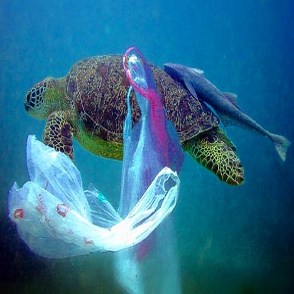
Optimistic? We have been through a record-breaking hot summer, the climate crisis looms everywhere, we are in a world waste crisis and are being poisoned by plastic, Ukraine is still being attacked, and American democracy is being threatened. Instead of worrying about the past and what should have been done we need to move forward with hope. We must be hopeful about our futures, the futures of our children, and the positive difference we can all make. We all make a difference, and let’s make it a positive difference.
October is a beautiful month. Enjoy!
Look for the good in your day, find beauty in your day, and remind yourself that things can change for the better!
This is Climate Week in New York. I hope the world’s leaders will heed the urgent call of our changing climate. The pain is real, and the consequences are far-reaching. It’s time to prioritize the future for the generations that will inherit the world we leave behind.
Make a choice to reduce your carbon footprint!
If plastic were a country, it would be the 5th largest emitter of greenhouse gases. Plastic pollutes our environment and our bodies every stage of its life. By reducing your plastic use you are making a difference in protecting our Earth.
Plastic is a problem not just because it becomes litter but because it poses a real and immediate threat to human health. We must reduce the plastic we consume! Please sign the petition below from Earthday.org
Please sign the petition calling for a strong global plastics treaty
Plastics have a huge impact on human health, leaching harmful chemicals into our food, water, and air leading to hormonal issues,2 increased cancers risks,3 and developmental issues.4 As the plastics breakdown into micro and nano-plastics they are able to penetrate every aspect of our lives and their production pumps emissions directly into the atmosphere further exacerbating the climate crisis.5 That’s why Earth Day 2024’s theme is Planet vs. Plastics, which we believe embodies the struggle we all face for human and planetary health. We must demand action from world leaders to address the issue. The Global Plastics Treaty is the first step to united global action6 — but we need to make sure that they commit to effective measures instead of just do lip service. Please sign the petition calling for a strong Global Plastics Treaty. SIGN NOW
As with any international treaty, success is impossible without strict enforcement and commitment by participating countries.
Here are our demands to the United Nations and World Government Organizations:
-Support a highly ambitious Global Plastic Treaty that binds all to the same standards -A 60% of reduction of all fossil fuel-based plastic production by 2040 -Require producers and retailers of plastics to be liable for the cost of any environmental or health-related damages in accordance with the “producer pays” principle -Public and private sector investments in innovation to replace all fossil fuel-based plastics -Ban all plastic-related tobacco products including, but not limited to tobacco filters and e-cigarettes -Ban the export of plastic waste -End the incineration of plastic waste -Support innovative solutions and alternatives to plastic in all sectors -Fully finance education and public awareness campaigns to inform the public about reasons and strategies for ending plastic pollution
Plastic pollutes our environment and bodies every phase of its life, from extraction, to production, to its use, and then disposal. Also, plastic harms our bodies and contributes to climate change every step of its long plastic life.
This is all depressing, but it is information everyone should know.
Plastic particles can cause heart attacks and strokes, cancer and dementia, but absolutely the worst is plastic and children. Please pay attention.
A group heavily harmed by use of plastics are fetuses and newborns, who absorb microplastics through the mother’s body and breast milk, and young children, who are especially sensitive to plastic chemicals that leach into our food and beverages because their bodies and systems are developing so fast. Landrigan, who is co-author of the book “Children and Environmental Toxins. What Everyone Needs to Know,” said, “Toxic chemicals can damage babies and children at the lowest detectable levels.”
“Brain damage caused by plastic chemicals can contribute to autism, ADHD and IQ loss, The only treatment is prevention of exposure.”
Microplastics infiltrate all systems of the body, causing behavioral changes. Neuroscience Pharmacy Professor Jaime Ross’ study finds ‘widespread’ infiltration, potential for serious health consequences, including Alzheimer’s.
“The brain blood barrier is supposed to be very difficult to permeate. It is a protective mechanism against viruses and bacteria, yet these particles were able to get in there. It was actually deep in the brain tissue.”
Another article
How Plastic Created One of the Most Dire Crises Humanity Faces Today by THOM HARTMANN, AUG 29, 2023
https://hartmannreport.com/p/how-plastic-created-one-of-the-most-598 “The researchers found that the particles had begun to bioaccumulate in every organ, including the brain, as well as in bodily waste.” Microplastics and nanoplastics can have a wide variety of negative effects on There are studies showing microplasstics and nanoplastics can contribute to or cause everything from heart attacks and strokes to cancer and dementia. … and breast and colorectal cancer.
It is up to all of us to create a healthy environment.
Do we have a right to a clean and healthful environment?
A Montana state judge sided with 16 young people in the country’s first ever constitutional climate case. The judge ruled that youth had a right to a healthy environment. This trial comes after state lawmakers passed legislation that allowed fossil fuel projects to be permitted without considering the climate impact and greenhouse gas emissions from their legislation causing harm and injury to Montana’s youth— a violation of their state constitutional right to a ‘clean and healthful environment.’
This should be a message to all of us. We all need to work to create a “clean and healthful environment” for our youth and for all of us. Everyday, we need to reduce our fossil fuels by driving less, buying less, not idling our cars, and reducing our use of plastic.
According to NOAA, Earth has just experienced the hottest July in 174 years of records, and the hottest eight Julys in the past eight years.
We all have experienced “Global Burning” and tragic weather events causing much loss of life and destruction. We must work together for a more stable future environment with clean air and clean water.
If everybody does a little it adds up to a lot! We all want to live in healthy communities, and everyone must do their part.
Weeks of smoke from Canadian fires, then extreme heat? This past week, three world heat records were set. July 6, 2023, the hottest day the world has recorded preceded by records set on July 3rd and 4th. Whether it is the hottest day ever recorded or the smokiest day recorded, this is dangerous, and we must tie it to what is causing this? It is threatening for us as humans, and I wonder what the toll will be on our wildlife that can’t escape inside? How can we lessen our impact? How can we lower our emissions and reduce our fossil fuel output.
On what should have been a beautiful Lake Superior morning, smokey air was creeping across the big lake from fires burning in Canada. Luckily, most days are filled with brisk clear Lake Superior air.
Amazing butterflies, the Compton tortoiseshell.
Sounds of robust birds singing fill the woods. The chestnut sided warbler, song sparrows, oven bird, indigo buntings, red-eyed vireo and many others sing all day long.
The butterflies are the very best, and the contrast to so few butterflies in urban areas is striking. Every amazing butterfly that lives in June is here. They seem to love the host plants I have planted to get them to begin the next generation of butterflies. There is hope for the future if we could get over our addiction to pesticides and plant pollinator gardens.
Milkweed is a wonderful host plant.
The swallow tail is one of the easiest butterflies to identify.
Seeing the bear, fox and big bucks and deer have been a surprise. After several years of scarcity, they are back, and the squirrels, chipmunks and bunnies are almost non-existent.
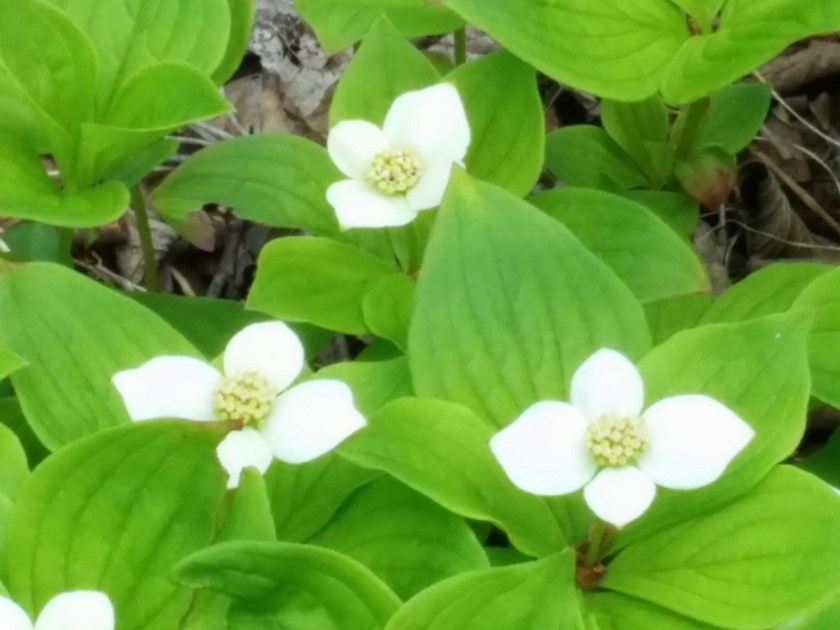
Bunch berries will have red berries later in the summer.
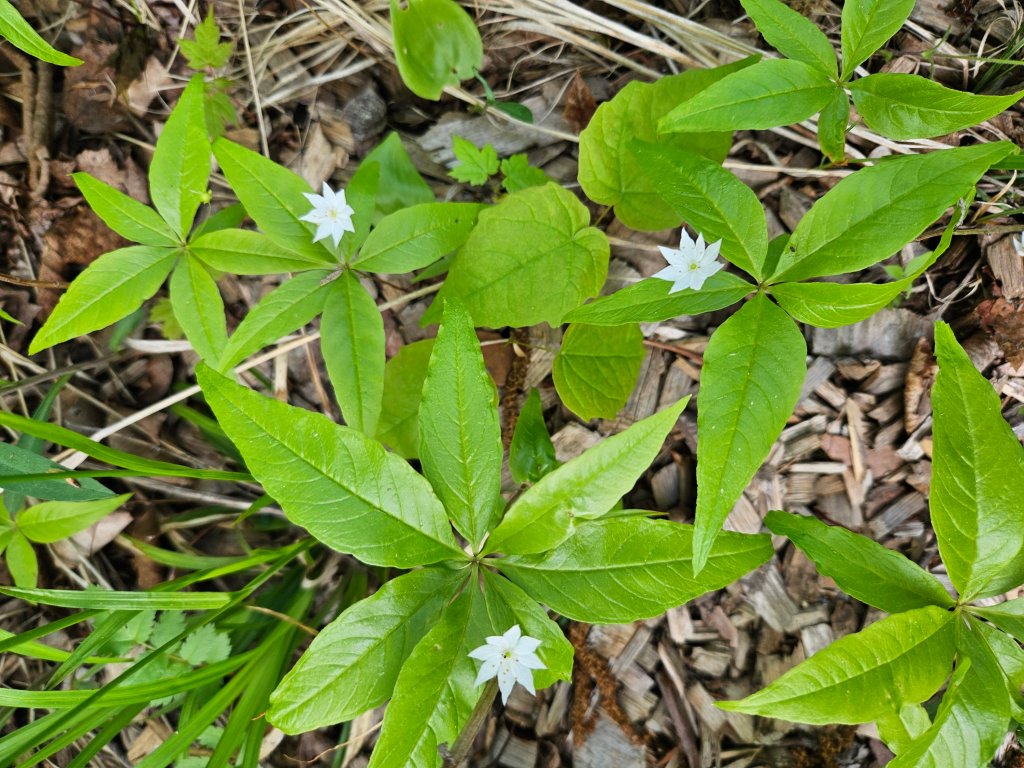
June in the north country of Minnesota and Wisconsin are famous for the beautiful but non-native lupine. They grow in patches everywhere. This year I was struck by all the June white plants blooming. and have enjoyed enormous fields of daisies. I especially love the delicate star flower, the false lily of the valley, the hardy Canada anemone, and classic north woods bunch berries. To experience these beauties, you need to get out of your cars and walk!
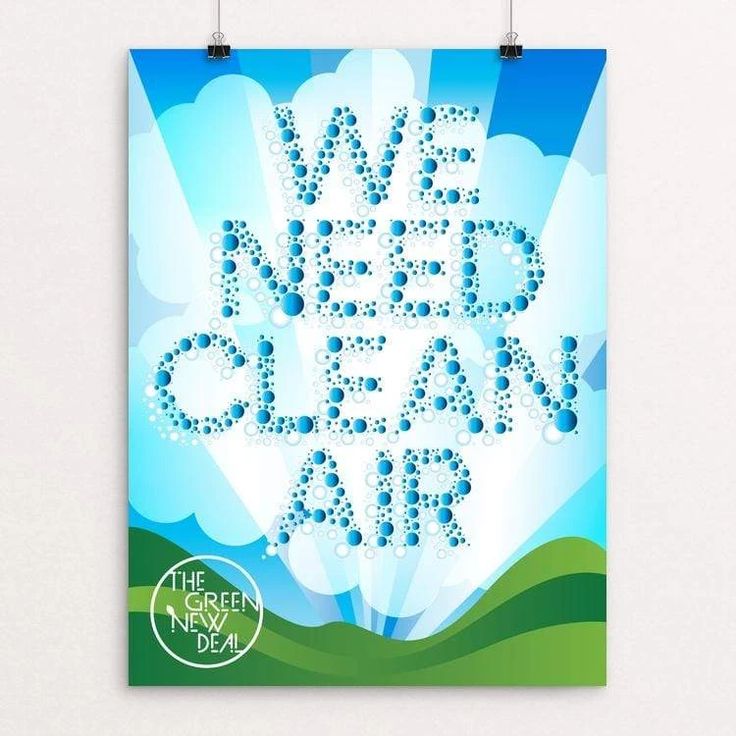
I am sad about all the bad air warnings. One week it is wildfire smoke, the next week it is ozone pollution. Our precious summers go too fast to have to stay inside to avoid unhealthy air. Every action matters, and we all can make a difference! Let’s all work harder for clean air.
If everyone does a little, it makes a big difference! Please don’t use your leaf blower or lawn mower if they pollute, and please don’t idle your car/truck.
What can you do to help ozone pollution?
Don’t use lawn mowers or leaf blowers
Use public transportation or carpool. Minimize the use of cars and trucks.
Do not idle your car engine!
Take a long break from your outdoor heaters and fires!
Reduce your plastic use. Plastic pollutes our air and bodies at every stage of its life. Plastic is made from fossil fuels.
Do not use cleaning products that are harmful to the environment and to us.
Buy local products.
Maintain air conditioners, as their malfunctions cause CFC to escape into the atmosphere.
Spend more time indoors, where ozone levels are usually lower.
Choose easier outdoor activities (like walking instead of running) so you don’t breathe as hard.
Plan outdoor activities at times when ozone levels are lower (usually in the morning and evening).
Much of the state is experiencing its third straight day of unhealthy air quality. The culprit this time isn’t wildfire smoke, but rather ozone – a colorless, odorless gas that forms when certain chemicals in the atmosphere interact under intense sunlight.
In practical terms, ozone can cause similar breathing problems as wildfire smoke, and it’s linked to many of the same long-term health ailments, including premature death. But there are enough differences between these two flavors of air pollution that I wrote an explainer on them yesterday, in part to help me fully understand the situation.
One interesting takeaway: when it’s smoky out, experts recommend wearing a mask outdoors or running an air purifier with a HEPA filter inside, which removes smoke and other fine particles from the air. But ozone isn’t a particle, it’s a gas – meaning masks and air filters don’t work against it.
And here’s an especially wild fact to ponder: many companies market “air purifiers” that actually add ozone to indoor spaces. Generally speaking you should steer away from products claiming to use “ionization” or “energized oxygen” to clear the air. The electric processes they rely on produce ozone and actually make the air dirtier.
Other products take this a step further – there’s an entire category of “ozone generators” that deliberately add ozone to the air, under the mistaken belief that ozone molecules remove other pollutants. It’s kind of like pumping car exhaust directly into your house to hide the smell of cigarettes. MN Reformer
And from the American Lung Association: It may be hard to imagine that pollution could be invisible, but ozone begins that way. As ozone concentrates and mixes with other pollutants, we often call it by its older, more common name—smog. It is currently one of the least well-controlled pollutants in the United States. And it is also one of the most dangerous.
Scientists have studied the effects of ozone on health for decades. Hundreds of studies have confirmed that ozone harms people at levels currently found in the United States. In the last decade, we have learned that it can also be deadly.
Happy Juneteenth**and Happy Pollinator Week! Both important in making the world a better place to live.
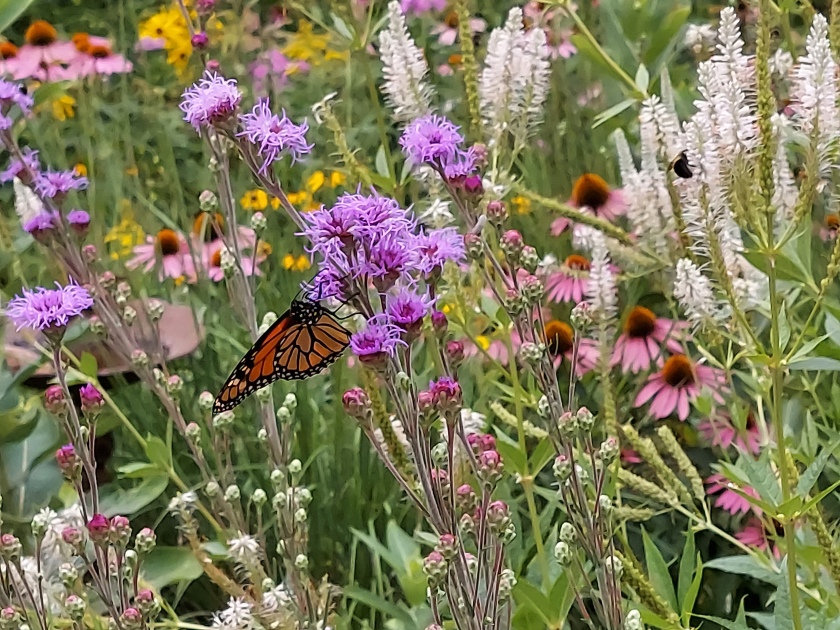
This mix of native plants attracts bees, butterflies, and singing birds.
Bee balm is one of the best plants for pollinators.
Pearly everlasting is a host plant for the painted lady butterfly. Picture of her catterpillar.
An unsung hero of the pollinator world.
June 19 to June 25, is pollinator week highlighting the importance of pollinators to our world and our survival. Drought, floods, storms, chemicals and loss of habitat are hard on our pollinators, and there are things we can do to ensure their survival.
Pollinators bring me joy and I can’t imagine a world without butterflies, dragonflies, hummingbirds and beautiful singing birds. Take time this week to think about what you can do to help the pollinators of our world. Maybe decide to stop putting chemicals on your yard, plant some native plants, or take out some grass lawn for more garden.
This Pollinator Week is emphasizing the connections between climate and pollinators. Pollinators are dying because their food and homes are disappearing, diseases have increased, and rising temperatures and natural disasters are affecting their ability to survive – all of which are related to climate change. At the same time, the conservation of pollinators and their habitats can help combat climate change by supporting healthy ecosystems, air, soil, water, and plants. Combined, these results make planet earth a safer place for us to live. These are big problems and the efforts that are made around North America and globally during Pollinator Week can help provide real solutions for the pollinators we all love. https://pollinator.org/pollinator-week
**Juneteenth is the “longest-running African-American holiday,” and it recognizes June 19, 1865, as the date that news of slavery’s end reached slaves in Texas and other states in the southwest—formalizing their emancipation after the end of the Civil War a month earlier. It also came two years after President Abraham Lincoln signed the Emancipation Proclamation.
The ocean covers over 70% of the planet. It is our life source, supporting humanity’s sustenance and that of every other organism on earth.
The ocean produces at least 50% of the planet’s oxygen, it is home to most of earth’s biodiversity, and is the main source of protein for more than a billion people around the world. Not to mention, the ocean is key to our economy with an estimated 40 million people being employed by ocean-based industries by 2030.
Even though all its benefits, the ocean is now in need of support.
With 90% of big fish populations depleted, and 50% of coral reefs destroyed, we are taking more from the ocean than can be replenished. We need to work together to create a new balance with the ocean that no longer depletes its bounty but instead restores its vibrancy and brings it new life.
“Planet Ocean: tides are changing”, is the theme for World Oceans Day 2023 – the UN is joining forces with decision-makers, indigenous leaders, scientists, private sector executives, civil society, celebrities, and youth activist to put the ocean first. The UN