I love summer and the long rich days, and the summer days get even longer as you go north! Holding onto summer daylight and comfortable temperatures fades as the calendar turns to fall. Already the nesting birds have migrated south, and I miss their joy. I also miss the magnificent butterflies, and there was a summer shortage this year that concerns and scares me.
.
A foggy wet horizon on Lake Superior
Summer brings joy, and the nature of that joy diminishes with the fading daylight. Below are some of the last plants standing:
I love the red stemmed asters!A carpet of big leaf astersPurple cone flower
Summer could be defined by comfortable days, and Lake Superior wind pattern dominance which shifts from hot and humid to breezy and cool. This [ast summer was weird how much moisture was in the air. Many mornings it was hazy looking across the big lake. Warmer air holds more moisture, and it was a humid summer. We have just lived through the most humid summer on record. Read about it here.
My life changed when I discovered bulk shopping. I love to choose my own amount, and I feel good about not having to purchase items in plastic. Instead of using plastic bags, bring your own reusable containers,
Shopping bulk helps to manage two big issues that contribute to our climate crisis. A shopper can reduce tons of plastic packaging, and choose as much as you need. This reduces food waste. Bring reusable containers, both big and small. Use whatever you have. I reuse glass mustard jars, pasta jars, pickle jars or cloth bags
The article below from Hennepin County tells you how to shop in bulk. the customers and the store personnel are all willing to help you through this journey. I hope you like this new independence as much as I do!!
Deciding where to shop
Different stores and markets offer varying options for how you purchase food, so your ability to buy just the right amount of food may depend on where you shop.Get familiar with what your grocery store offers for produce and bulk goods. There may be more options than you noticed.
Opt for unpackaged produce when possible. If your store sells packaged items, try nearby stores offering loose produce. By purchasing only what’s necessary for your meal plan (especially fresh produce), you could significant cut the amount of food you waste.
Buying from the bulk section
No, we don’t mean buying in large quantities like at Costco. The bulk section of a grocery store has self-serve food containers where you can take as much or as little as you need. Using the bulk section for things such as grains, beans, or spices can help you purchase just the amount you need and avoid waste.
Here’s how to buy things in bulk:
Choose the item you want to purchase.
Grab the provided bag or, if your store allows it, your own clean container. If you can use your own container, record the weight of the container when empty, before you fill it up.
Fill your container or bag with the food.
Write the product number, listed as PLU, for the item on the bag or on a sticker or twist tie label.
“The environment is where we all meet; where we all have a mutual interest; it is the one thing all of us share.” — Lady Bird Johnson
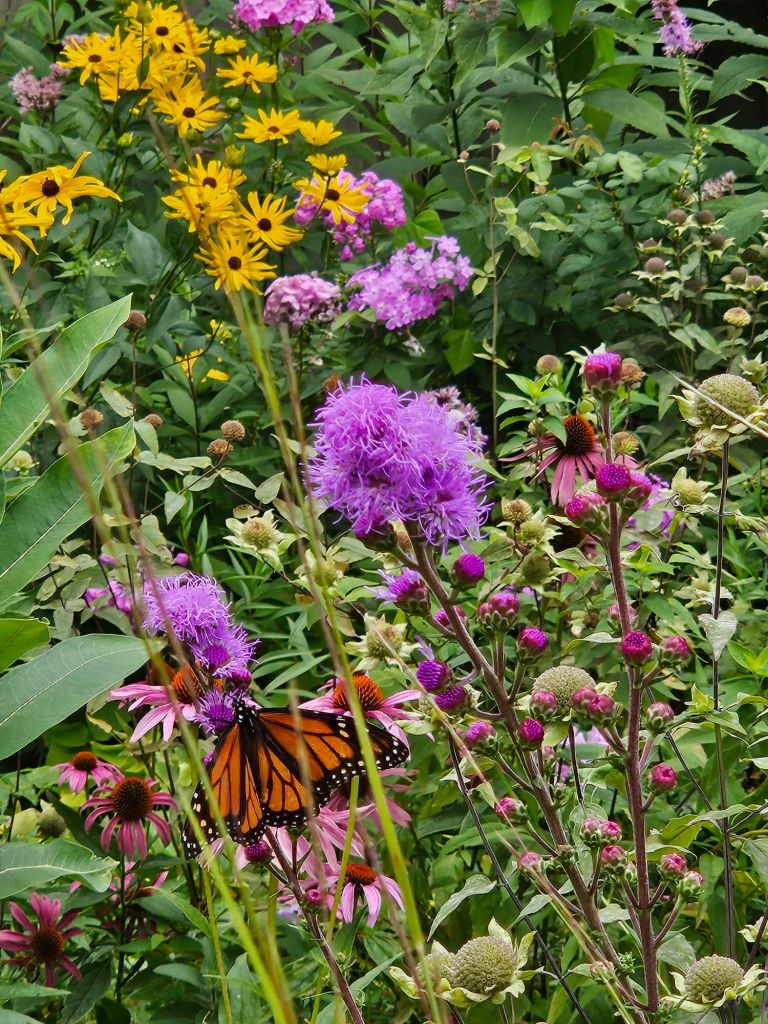
The Monarch butterflies charm me as they play tag, the hummingbirds zip from one flower to the next, and the goldfinch quietly sit on the monarda and eat the seeds. Enormous bees gorge themselves with a bounty of pollinator plants they love. The consistent rains of this summer have created a healthy blooming habitat. All this pollinator activity creates joy!
A Monarch on liatris Hummingbirds love cardinal flowers, and Joe Pye Weed.
Native deep-rooted plants fix many things that are wrong with our world. They do not need fertilizers or chemicals, they don’t need to be watered, and their deep roots absorb water run-off. They help to keep our waterways clean, keep our air clean, and they are beautiful,
Native plants are healthy for wildlife. Birds, bees and butterflies love them and they create vital habitat which has gone missing in recent years.
WE consume too much stuff, use too much plastic, and create too much garbage. Our consumerism fuels Overshoot Day, but also all our driving around and wasting more fossil fuels than what we need.
Consuming less is good for our air and our water, and over consumption contributes to our climate crisis. We all need to be responsible for the trash we create, but the producers of so much packaging also needs to be held responsible.
Consuming and wasting less is the key!
Today is the day after Earth Overshoot Day. But what does that mean for you?
Earth Overshoot Day is the date when humanity depletes all the natural resources that the Earth can regenerate in the year. So as of today August 2, we are living at a deficit. We are consuming more resources than we can replace.
This metric from the Global Footprint Network is a striking reminder of the importance of taking care of the planet and using resources responsibly. However, it can also serve as inspiration to take action. Individual actions can make a difference to help #MoveTheDate!
What YOU can do to help?
Buy less and reuse instead of purchasing something new.
Reduce your food waste.
Have SMALL families.
Reuse, Reuse, Reuse! A good place to start is by trying to reduce unnecessary purchases, opt for sustainable products, and reuse items whenever possible.
We all need to waste less, and work together to lift up our Earth.
Plastic is everywhere. It is hazardous to our health and our environment. Lets work together every day to end the Age of Plastic
These outstanding ideas are from Eureka Recycling!
Practical Tips for Going Plastic-Free
The most powerful zero waste action we can take is not creating waste in the first place. So how do we go about reducing consumption. Here are some helpful tips:
Start with the Basics: Swap out single-use plastic bags for reusable ones. Keep a stash in your car or by the door so they’re always handy.
Choose Reusables & Say NO to Single-Use Plastic: Carry your own refillable stainless-steel water bottle and use glass containers for food storage. Repurposing glass pasta jars for food storage can be a good option
Shop Mindfully: When grocery shopping, opt for products with minimal or recyclable packaging. Choose loose fruits and vegetables over those wrapped in plastic and items in glass or cardboard containers over plastic whenever possible. When shopping for clothes, try to choose used clothes and clothing made of cotton or hemp, which can help reduce microfiber pollution Many clothing, especially synthetic fibers like polyester, nylon, and acrylic, are made from plastic polymers. When these synthetic fabrics are washed, they release tiny plastic fibers known as microfibers into the wastewater. These microfibers are too small to be caught by wastewater treatment plants and ultimately end up in rivers, lakes, and oceans.
Evaluate Necessity vs. Want: Before making a purchase, ask yourself if the item is something you truly need or if it’s just a want. Delaying non-essential purchases can often lead to realizing you don’t need them at all.
Borrow or Share: Borrow or share items that you only need temporarily or infrequently, such as tools, books, or recreational equipment, rather than buying them outright.
Support Plastic-Free Initiatives: Encourage businesses and local governments to adopt plastic reduction initiatives. When possible, support companies that prioritize sustainable packaging and products.
Make Your Voice Heard: As we work to advance zero waste legislation at the state and federal levels, we know we cannot recycle our way out of the plastic production and pollution crisis. Let’s work together to hold petrochemical companies accountable and change systems to better support reduction and reuse.
While Plastic Free July lasts for just one month, the habits we cultivate and policies we advocate for can have a lasting impact. By reducing our plastic consumption, we conserve valuable resources, minimize pollution, and protect wildlife. Moreover, we contribute to a shift in societal norms towards more sustainable living practices.
Join the movement this Plastic-Free July and let’s make every month an opportunity to support a zero waste future.
And some ways to reduce your exposure to microplastics
Let’s get real about plastic. Plastic is made from fossil fuels and toxic to the environment and human health. We cannot recycle our way out of our plastic problem. Watch the video below:
We have a plastic problem. Manufacturing plastic creates air pollution, single-use plastic ends up in the ocean, toxic chemicals, and microplastics find their way into our food and water. Plastic permeates our lives, and we would all be healthier by reducing our plastic use.
Make it fun this month as you try to reduce the plastic you expose your family and yourself to plastic. See below for ideas to reduce your plastic exposure.
We all see plastic litter that is harmful to our waterways and our environment, but we might just be learning that plastic contains harmful chemicals and that it breaks down into microfibers. We can’t see the chemicals or the microfibers that can harm our bodies.
Plastic contains thousands of harmful chemicals that are especially harmful to children. These chemicals leach from plastic containers into our food and bodies. Plastic contains serious hormone disrupters that can cause obesity, diabetes, cancers and birth defects.
Water from plastic bottles has about double the microplastic level of tap water on average, according to a 2018 study published in the journal Frontiers in Chemistry. So unless your tap water is contaminated with unsafe elements, such as lead, it’s probably best to drink tap. Fill up a metal reusable bottle for when you go out. You can always filter your tap water. Depending on the filter, that may further reduce microplastic levels. (Check CR’s ratings of water filters.)
Do: Heat food in or on the stove, or by microwaving in glass. Don’t: Microwave in plastic.
Some heated plastics have long been known to leach chemicals into food. So if you’re warming up food, use a pan in the oven or on the stove, or if you’re microwaving, use a glass container. Also, avoid putting plastics in the dishwasher because of the high heat involved in cleaning.
Do: Buy and store food in glass, silicone, or foil. Don’t: Store food in plastic, especially plastic that may contain harmful chemicals.
The American Academy of Pediatrics has said that plastic food containers with the recycling codes 3, 6, and 7 may contain potentially harmful chemicals, unless they’re labeled “biobased” or “greenware.” Don’t store food in these types of containers. Instead, use containers made of glass or silicone, or wrap your food in aluminum foil. If you’re storing food in or eating food out of plastic containers, know that plastics with recycling codes 1 and 2 are more likely to be recyclable—though they are usually recycled into lower-quality plastics. And there still may be harmful or unknown chemicals in any type of plastic.
Do: Eat fresh food as much as possible. Don’t: Rely on processed food wrapped in plastic.
The more processed or packaged a food is, the higher the risk that it contains worrisome chemicals. Food cans are often lined with bisphenol A (or similar compounds). Buy fresh food from the supermarket, and—as much as possible—try to use refillable containers if your market allows. (Of course, with shopping made difficult by the coronavirus pandemic, prioritize your health and shop however is most feasible and safest.) Certain markets let you fill up cardboard or reusable containers with bulk items and weigh them, or you can use your own mesh bags for produce. Raw meat and fish need to be kept separate for safety reasons, but ask the store fishmonger or butcher to wrap these foods in wax paper instead of plastic. Take cloth—not plastic—reusable bags to the store to take your groceries home.
Do: Vacuum regularly. Don’t: Allow household surfaces to get dusty.
The dust in your house could be loaded with microplastics and chemicals that are found in plastic, such as phthalates. Cleaning up dust may help reduce the amount of plastics you inhale, especially if you are stuck inside for long periods of time during a period of social distancing. CR recommends vacuuming regularly with a HEPA filter, which is best for trapping dust. (Check CR’s ratings of vacuums.)
Do: Work with your community. Don’t: Assume your impact is limited to what you do in your personal life.
Legislation to limit the use of single-use plastics and plastic production may pull the biggest levers, but joining forces with community-level recycling groups can truly make a difference. Look for so-called zero-waste groups, which can offer guidelines for how to recycle or compost all your garbage—and which lobby for local rules that can restrict throwaway items. When possible, shop at markets that source goods locally, so they don’t require as much packaging and shipping. Seek out groups such as Upstream, a nonprofit working to create reusable takeout packaging for restaurants. And when possible, educate yourself about and support any city, county, and state legislation limiting single-use plastics.
My list to reduce plastic:
Always carry a reusable glass or metal water bottle, and reusable shopping bags with you.
Learn to refuse single-use plastics, such as plastic water bottles and coffee cups, straws, plastic bags and plastic utensils.
Purchase fruit and produce in the bulk section, and don’t place items in plastic bags.
Always search out products in glass jars instead of plastic containers.
When you must buy plastic products, choose ones that you can recycle rather than ones you must put in the trash.
Bring your own containers and shop the bulk section of your local food coop.
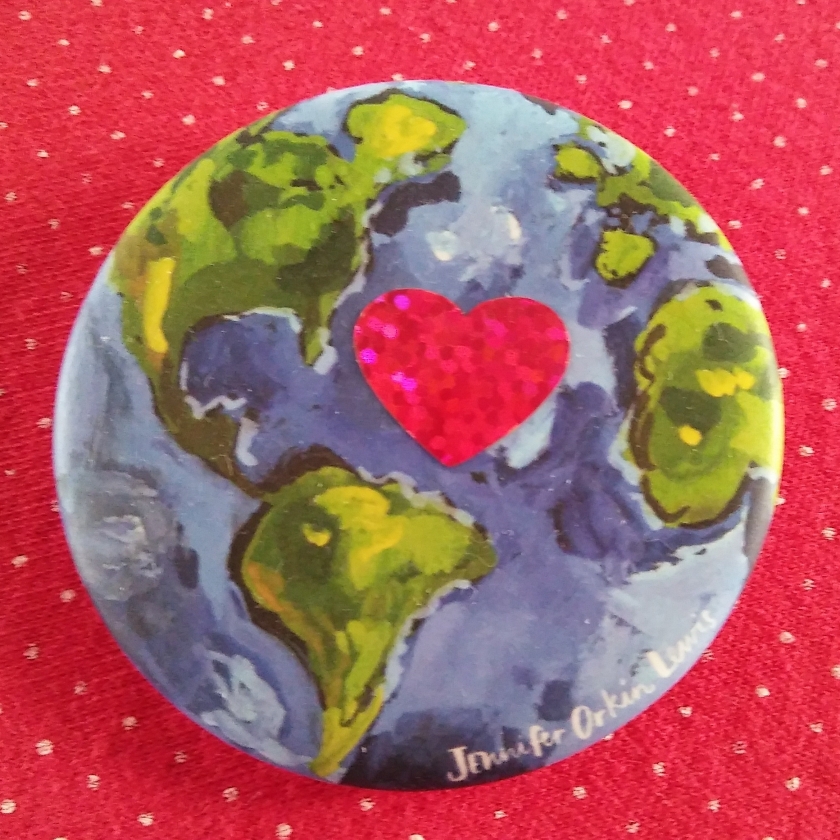
Happy Summer! What are ways we can show our love for our planet?
Below is from the Carbon Almanac :
The ‘official’ start to summer is June 20th in the Northern hemisphere though it seems that the heat of the season has arrived earlier.
There is a heat dome happening in North America with the mercury reaching temperatures that normally are seen later in the season. In addition, Delhi India recently broke temperature records with a new record of 49.9 degrees Celsius (121.8 degrees Fahrenheit). The previous record was 49.2 degrees Celsius (120.5 degrees Fahrenheit), which happened just two years ago.
High temperatures are particularly problematic for senior citizens as the body doesn’t cool down as easily. By mid century, about 20% of the world’s population will be over 60. If you are 35 years or older now, you are included in that number. Another vulnerable group are the unhoused.
Human actions are causing climate change which in turn is causing more extreme heat waves. Which can also lead to conditions for forest fires.
We all can make a difference by reducing our plastic footprint.
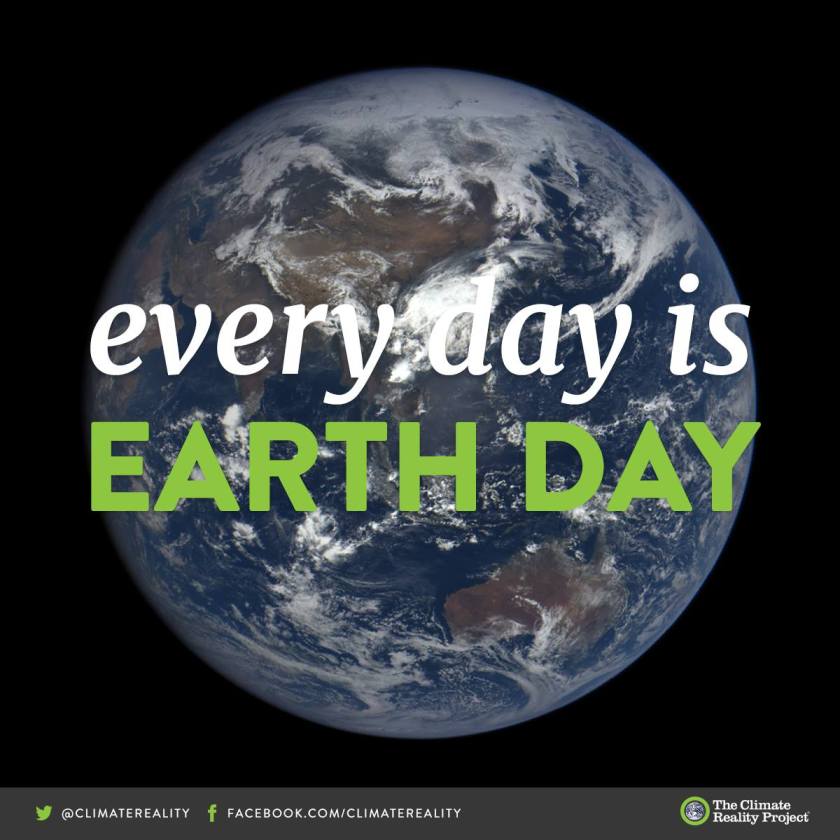
The theme for this year’s Earth Day is Planet VS Plastic. The hazards of plastic are great, and we all need to take steps to reduce the harmful effects of plastic pollution in our environment and bodies.
What will you do to help our warming planet?
Greenpeace has nothing to do with this post.
Things you should know about plastic:
Plastic is made of fossil fuels and contains many toxic chemicals that are harmful to our health.
These toxic chemicals leach into our food from plastic packaging.
Plastics break down into microplastic. We each consume about a credit card of microplastic a week from our food and environment. These microfibers are found in our lungs, brains, blood and arteries.
When plastic is recycled it becomes more toxic.
40% of plastic is single-use.
The production of plastic continues to increase.
If plastic were a country, it would be the 5th largest emitter of greenhouse gases. Much of plastic’s pollution affects minorities and people without power.
Clothing with polyester and nylon contain plastic.
The producers of plastic should be held responsible for the harm they create in the environment and our bodies.
By banning the worst forms of single-use plastic, holding plastic producers accountable for their waste, getting wasteful packaging off store shelves, and more — a future beyond plastic is possible.





 Different stores and markets offer varying options for how you purchase food, so your ability to buy just the right amount of food may depend on where you shop.Get familiar with what your grocery store offers for produce and bulk goods. There may be more options than you noticed.
 Opt for unpackaged produce when possible. If your store sells packaged items, try nearby stores offering loose produce. By purchasing only what’s necessary for your meal plan (especially fresh produce), you could significant cut the amount of food you waste.