The Trump Administration needs to restore all the cuts they have made to the National Weather Service!
I am fascinated by weather, but I am also frightened by it. It is not something we can control, and we need the best scientists to help us understand the weather and the impending dangers.
This past weekend more than 40 people were killed in the Southern United States because of high winds, tornadoes, fires, and weather related accidents.
At the same time the Trump administration is cutting and firing the same people that warn us of these raging dangerous storms.
This is from Paul Douglas in the Minnesota Startribune:” Words matter, especially to the NOAA scientist and National Weather Service meteorologists trying to keep you alive when skies become violent. Watches, warnings. And then there are emergencies, which pose the greatest threat to life and property. The country with the most severe weather on Earth (the U.S.) deserves the best National Weather Service on Earth.” Paul Douglas
I’m calling on the Trump Administration to restore all cuts they have made to the National Weather Service.
Everyday people throw away single-use plastic “stuff” without thinking twice — plastic bottles, bags, utensils, cups, containers and more.
But this “stuff” never truly goes away. Instead, it clogs our landfills, threatens our health, trashes our parks, litters our streets and even washes into our rivers and oceans. Nothing we use for a few minutes should threaten our health and pollute our future for hundreds of years.
Join the February Plastic Challenge!
The Plastic-Free Challenge is a month-long effort starting February 1 to reduce how many plastics you use in ways that fit best in your lifestyle and have the most impact on reducing your plastic footprint.
Do something positive for yourself, your family and for the planet in February. With so many plastic items in our lives avoiding them may feel impossible, but there is a lot we can do to reduce our plastic footprint. Please Join with us to learn ways we can reduce our exposure to plastic. There are many activities to choose from, but you can also create your own challenge. Keep it simple, and even choosing one activity will make a difference. You will learn a lot, and have fun during this February challenge. Sign up here:
The Plastic-Free Challenge is a month-long effort starting February 1 to reduce plastic consumption, in ways that fit best in your needs. You only need to choose one activity that works for you like bringing your reusable shopping bags, or asking not to be given a straw with your drink, or bringing your reusable cup with you for February. Many other ideas will be suggested when you register. Keep it simple. Do a good job on one thing!
Learn ways to reduce single-use plastic. Join my team here.
Do something positive for yourself, your family and for the planet in February. With so many plastic items in our lives avoiding them may feel impossible, but there is a lot we can do to reduce our plastic footprint. Be part of our Lynnhurst community team, Lynnhurst plasticfree. Please Join with us to learn ways we can reduce our exposure to plastic. There are many activities to choose from, but you can also create your own challenge. Keep it simple, and even choosing one activity will make a difference. You will learn a lot, and have fun during this February challenge. Sign up here:
The Plastic-Free Challenge is a month-long effort starting February 1 to reduce plastic consumption, in ways that fit best for your needs. You only need to choose one activity that works for you, like bringing your reusable shopping bags, or asking not to be given a straw with your drink, or bringing your reusable cup with you for February. Many other ideas will be suggested when you register. Keep it simple. Do a good job on one thing to reduce plastic!
Plastic is made of fossil fuels; it contributes to climate change and is composed of harmful chemicals. Plastic sheds microfibers into our bodies, into our air, and into our water. Studies are showing plastic is unhealthy for us and for the planet. It is important we limit our plastic exposure.
Take care of our bodies, our families and our planet. Reduce your plastic footprint!
Melissa Clark is an extraordinaire food writer for the New York Times. She has set her food resolutions for 2025.
She is missing the most important food resolution: REDUCE your food waste! Food waste is an enormous waste of energy. time and water. Food waste is an enormous contributor to our climate crisis. Read about it here:
New Year’s resolutions are fast upon us, and chances are that your list will include some version of trying to eat better. I’m here to help.
Food is both my profession and my obsession, which means it’s my job to consume delicious things every single day, reveling in each bite of tangy arugula salad, silky roasted salmon or gooey blackout cake. The key for me is to maximize the pleasure while also leaning into moderation, and to generally eat more sustainably.
I want to share this balancing act with you. Here’s my approach, broken down into easily digestible morsels.
1. Learn to cook something — or something new.
If you’re just starting out in the kitchen, make 2025 the year you learn to cook. The recipe columnists and editors at New York Times Cooking have compiled a recipe collection for absolute beginners, and in the course of 10 dishes you’ll acquire basic skills to bolster your confidence.
Start with Eric Kim’s tuna mayo rice bowl, which doesn’t even require turning on the stove if you have leftover rice or a rice cooker. Genevieve Ko’s cheesy eggs on toast is equally good for breakfast as it is for dinner. And my lemony chicken with potatoes and oregano is easy to make on a sheet pan, and it’s just the thing to slather with your favorite condiment, be it chile sauce, mayonnaise, mustard or all three.
Keeping your pantry well stocked will get you halfway there — and here are some tips on how to do just that. Even on nights when I don’t have time to plan or run to the store, I know I’ll still be able to cook something incredibly satisfying that’s often faster and cheaper than getting takeout.
If you’re a seasoned cook but feel tapped out for inspiration, commit to making one new recipe per month. You get bonus points if it includes ingredients or techniques you’ve never tried before. Dishes like one-pot mushroom and ginger rice (which calls for velveting the mushrooms) and crunchy scrunched cabbage salad with fried almonds are just waiting to help you get back in your groove. You can also sign up for our What to Cook newsletter for even more suggestions.
2. Eat less meat.
Cutting back on meat gets easier for me as the years go by. As it turns out, the less meat I eat, the less of it I crave. (That is sadly untrue of cookies, though.) And replacing animal-based foods with whole grains, legumes and nuts has been linked to a lower risk of Type 2 diabetes and cardiovascular disease.
Now, I mostly use meat as seasoning for vegetables, beans or pasta. A little prosciutto, a sprinkle of bacon or a few ounces of ground turkey go a long way.
Drinking more moderately is about emphasis in my book. I’ve come to realize that drinking more low- or no-alcohol cocktails and mocktails is just as satisfying as drinking alcohol.
I’ve also discovered that the ceremony of having a drink is just as important as what’s in the glass, if not more so. Give me something with a deep bittersweet tang in a fancy coupe as a gateway to a congenial evening, and I won’t ever miss the hangover.
The world is facing a trash crisis a climate crisis and a plastic crisis and they are all related to our overconsumption.
So few people connect the climate crisis to the purchases they make. Overconsumption is harmful to our air, to our water and to our health. Landfills and incinerators harm our health. We need to stop competing to be just like everyone else. When we shop purchase items that are of high quality and items that will last a long time. None of us need more junk!
Instead of a season of overconsumption and waste, make it a season of friendship, love and community. That doesn’t mean buy me a gift!
Whether it’s choosing to shop secondhand rather than buy new or simply pausing before you hit the checkout button, we can all rethink the way we consume.
Unsubscribe from sales communication and unfollow brands on social media: We all get those pesky marketing emails, physical mail, and texts, not to mention an onslaught of social media sales messaging, around the holidays. We encourage you to ditch the noise – join over 2 million people who did here. Catalog Choice is a free, online service that will help you save trees, prevent fraud, and fight junk mail. What’s not to love?
The holiday season doesn’t have to be about more Stuff. Together, we can turn the tide against corporate-driven overconsumption and reclaim the real joy of the holiday season.
Most store-bought dishes from supermarkets and restaurants will be packaged in plastic or other disposable containers. To avoid the unnecessary plastic, focus on cooking from scratch. Ingredients like vegetables, flour, butter, and nuts can be commonly found in non-plastic packaging. For items like nuts and dried fruits, see if your local market, co-op or health food store has a bulk section and bring your own bags to fill up! When faced with a choice of packaging, choose glass or paper over plastic. If you’re looking for inspiration, see our (newly updated and expanded) recipe suggestions below. As long as you plan ahead, there should be plenty of time to make things from scratch.
2. Shop Local
Shopping locally reduces your meal’s carbon footprint and helps support local small businesses which need our business more than ever thanks to the growth of online grocery ordering from Amazon and other etailers. Show your community your thanks by supporting local businesses!
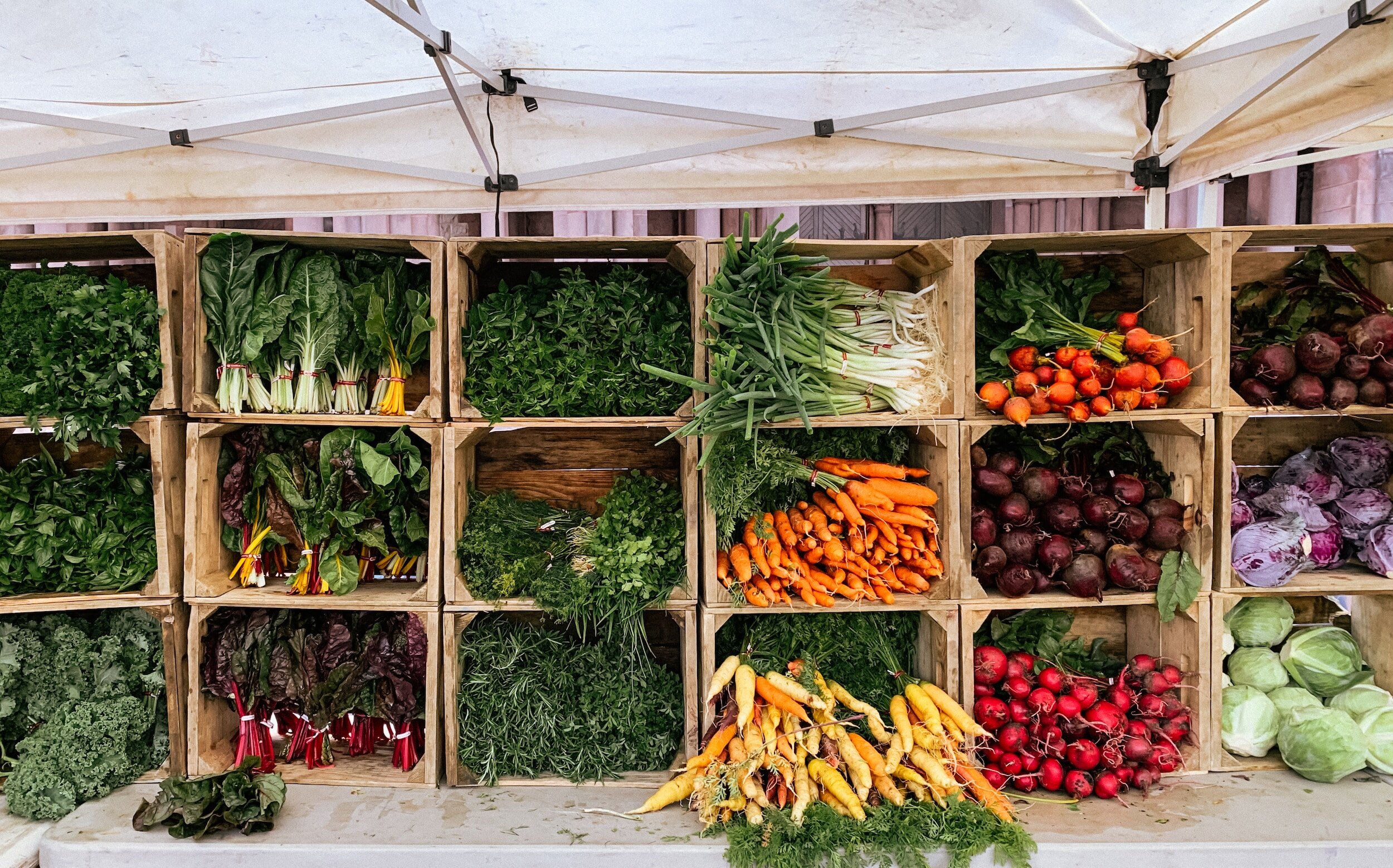
If you don’t have the time or inclination to make pumpkin, pecan, or apple pie from scratch, check your local bakery. While you’re there, pick up the bread you’ll need to make your stuffing and bring it all home in your own reusable bags. Visit your local farmers market to pick up potatoes, squash, sweet potatoes, carrots, onions, greens, leeks, parsnips, and more. If your farmers market is closed for the season, many CSAs (community supported agriculture) also offer a special one-time Thanksgiving share of goodies to anyone, even if you’re not a subscriber.
3. Use Sustainable Decor
Forget the dollar store, you can make beautiful fall decor for your table setting and dining room with things from your backyard and local farm stand. Pressed leaves, squash, and pumpkins make for great wall and table adornments. Check out some good DIY ideas here. And don’t forget to get the kids involved!
4. Serve on Reusable Dishes & Dinnerware
Plastic utensils and cups end up in landfills, incinerators, or waterways where they can pose a threat to wildlife. Set your table with a beautiful tablecloth, ceramic or metal plates, cups, serving platters, metal utensils (got a set of silverware from your parents or grandparents you can bust out?), and cloth napkins. If you’re hosting a big gathering and don’t have enough plates, glasses, serving dishes, or cutlery, take a trip to your closest thrift shop, ReStore or Salvation Army to pick up more on the cheap (there’s often some real gems and some actual silverware mixed in with the cheaper stuff.) You can serve your drinks in glass pitchers or bottles. If your family likes seltzer, consider investing in a machine to carbonate your own “bubbly water”. Tip: choose the model that comes with glass bottles over the plastic ones. If you have kids, assign them the task of polishing silver—they may find it deeply satisfying. Sticking to reusable tableware will not only reduce your waste but also save you money. Get your family or friends to help you wash anything delicate that can’t go in the dishwasher and toss all your cloth items in the washing machine afterwards. No muss, no fuss, and, more importantly, no WASTE.
5. Provide or Remind People to Reusable Containers for Leftovers
Going to family or friend’s home for dinner? Bring your own glass or metal containers to cart home some delicious leftovers. There are also some great beeswax-coated fabric wraps out there these days that can take the place of plastic wrap or tinfoil. If you are hosting the dinner, remind guests to bring reusable containers with them. If you have extras to spare (say from all those take-out containers you saved during COVID lockdown), you can offer them to guests who’ve forgotten to bring their own. If you haven’t yet invested in glass or metal containers, don’t let that stop you – just bring plastic tupperware or clean yogurt containers, etc., but make sure not to heat anything up in those containers later to avoid the chemical leaching that occurs when hot food comes into contact with plastic. If you do use aluminum foil, when you’re done, don’t forget to gently clean and dry it and save it to use again.
6. Compost Your Food Scraps and Decorations!
Compost any scraps from cooking or leftovers that aren’t being saved, as well as any compostable decor you’ve put up or used on the table once you tire of it. Reminder, if your Thanksgiving dinner includes a turkey, you can make delicious, nourishing stock out of the carcass before you compost it. You can then make an excellent, very flavorful turkey soup or freeze the stock for several months. If you’re not sure what can and can’t be composted, check out this helpful list. If you don’t have a backyard compost, see if your city or town has a local composting system. If they don’t have one yet, look into how to start one. HINT: This could be a great project for a Beyond Plastics Local Group or Affiliate to take on.
RECIPE SUGGESTIONS (updated and expanded for 2024!)
It has been a hard week in the United States. The election of Donald Trump has created an exhausted public full of fear and sadness.
Don’t let this president-elect drag us down. Like VP Harris said, “Fill the sky with a billion stars!”
Everyday spend time outside, expend positive energy and kindness, and do something positive for the Earth. Drive less, eat less meat, and use less plastic.
Make telling the truth a priority. Always tell the truth and insist everyone around you tell the truth. Never share ideas that might not be true.
Take a deep breath and take care of yourself. Reduce your social media exposure, smile, be kind and love our earth.
He and SHE seeks!
Try this: When anxiety or overwhelm creeps in, step outside for a 10-minute nature break. Notice the clouds drifting overhead, listen for birdsong, or simply feel the breeze on your face. Even in the heart of the city, a nearby park’s grass and trees can provide this natural reset.
Let nature amplify your joy – whether that’s watching a spectacular sunset, watching a bird or finding a beautiful tree.
We need to go through the stages of grief, and everyone deals with grief at different rates. Give people space. Our values have been rejected and it takes time to come to grips with such a big loss. Read about the stages of grief here.
Please work for peace, harmony and joy for yourself and those around you
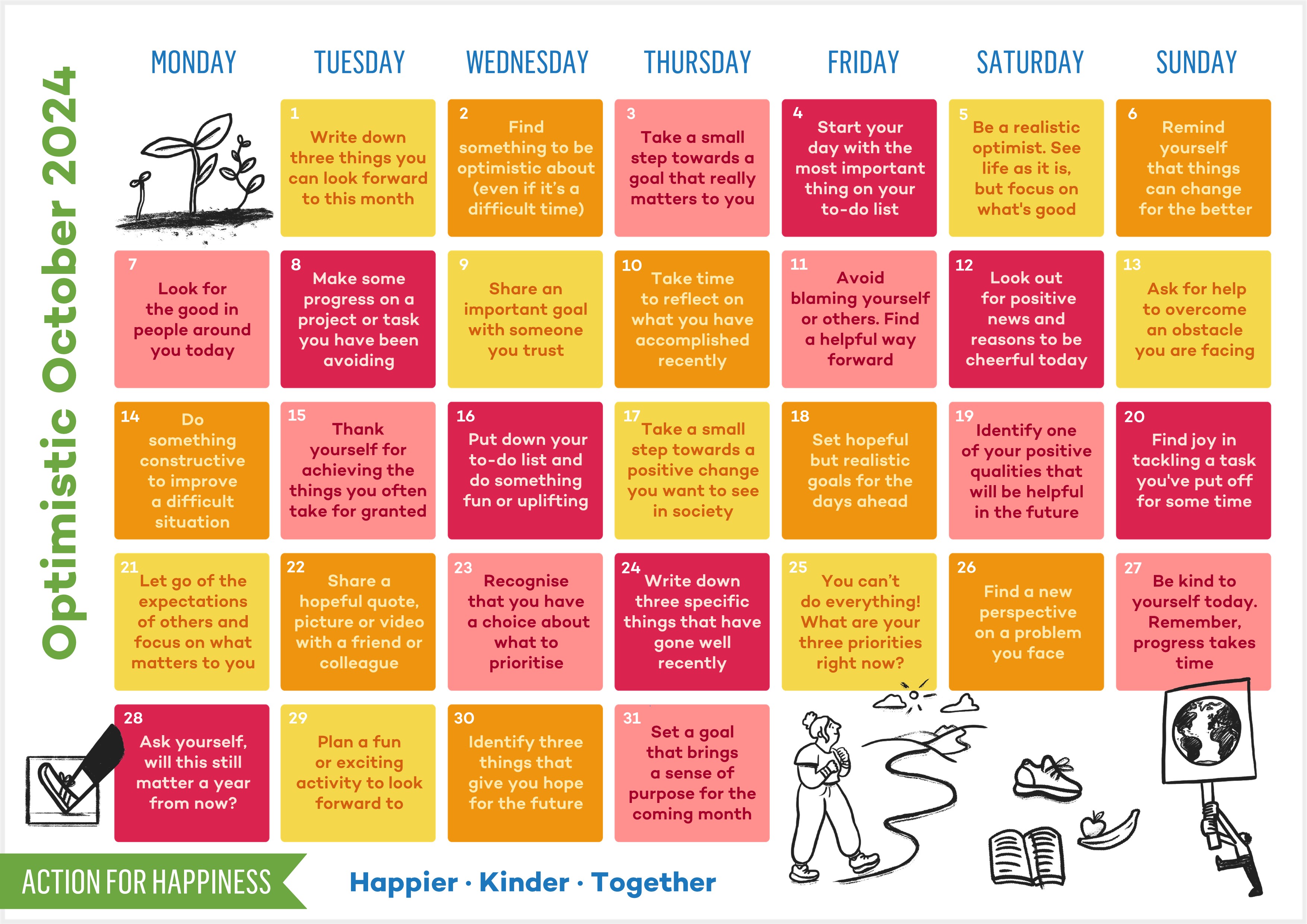
Yes, the world is a disaster. It is being dominated by many very evil men and being ravished by effects of climate change. It is hard to be optimistic for the future. but our own mental health depends on doing something good for the earth and taking good care of ourselves. So, this October do something good for yourself and something good for our planet. Start by using less plastic, use less sugar, drive less and spend more time outside. But most important GO VOTE!
“ExxonMobil lied to further its record-breaking profits at the expense of our planet and possibly jeopardizing our health” Attorney General Rob Bonta
Plastic is harmful to our earth and to our bodies. The producers of plastic should be held accountable.
“For decades, ExxonMobil has been deceiving the public to convince us that plastic recycling could solve the plastic waste and pollution crisis when they clearly knew this wasn’t possible. ExxonMobil lied to further its record-breaking profits at the expense of our planet and possibly jeopardizing our health,” Rob Bonta, Attorney General, California
A coalition of environmental groups have joined together to take ExxonMobile to court. Surfrider Foundation, the Sierra Club, Heal the Bay, and San Francisco Baykeeper are taking on the world’s largest producer of single-use plastic polymers for their claims about plastic.
The lawsuit was filed in San Francisco, California and states that ExxonMobile knowingly hid the truth about the harm caused by plastic and misled the public about its recyclability.
Niall McCarthy, partner at the law firm that is representing the coalition, said:
“Some of the greatest progress in American history was caused by civil lawsuits holding the powerful accountable for their actions. This is another such case brought by the most prominent environmental nonprofits in California who are willing, for the public good, to take on a company worth billions. The case will expose the devastation caused by single-use plastics and the deceptive recycling myth pushed by plastic producers such as ExxonMobil. The case, at its core, is about accountability. ExxonMobil’s promises of being a good corporate citizen are divorced from the reality of its conduct. As detailed in the complaint, ExxonMobil’s single use plastics are smothering California’s environment.”