Blue Zones and Our Planet

The choices we make for food are some of the most powerful we make for the planet. Reducing our meat consumption, reducing foot waste, and reducing plastic packaging make a huge impact.

This is such a thoughtful Earth Day post by Dan Buettner. I need to share it! Enjoy.

“On the places where people live the longest, Earth Day isn’t a date on the calendar.

It’s a way of life.

In Ikaria, Greece, families gather around tables that haven’t changed much in generations—bowls of beans, fresh vegetables, wild herbs, and homemade bread. In Okinawa, Japan, elders still tend small garden plots, growing the same nutrient-rich foods they’ve eaten since childhood. In Nicoya, Costa Rica, meals are cooked slowly, with care—and rarely, if ever, wasted.

No compost bins. No food miles calculators. Just deeply rooted habits that naturally care for the Earth.

1. The quiet climate action on your plate

Globally, what we eat has a bigger impact on the planet than how we commute or what we recycle. But in blue zone communities, where chronic disease is rare and centenarians are common, food systems look strikingly different from the modern industrial model.

People grow what they can, shop close to home, and cook meals from scratch. It’s not about perfection—it’s about patterns. These aren’t grand gestures or sweeping declarations of sustainability. They’re quiet, everyday acts: soaking beans overnight. Picking greens before lunch. Making soup with what’s left in the fridge.

Over time, those patterns add up—not just to better health, but to a lighter impact on the Earth.

2. Plants, beans, and the power of simplicity

At the heart of every long-lived kitchen is a humble foundation: beans. Black beans in Nicoya. Garbanzo beans in Ikaria. Soybeans in Okinawa. They’re eaten nearly every day, often with greens, grains, or root vegetables.

This isn’t just a healthy way to eat—it’s one of the most sustainable. According to environmental researchers, shifting toward a plant-forward diet can significantly reduce greenhouse gas emissions, conserve water, and use less land.

And yet, the secret isn’t just what’s on the plate. It’s the simplicity of it. Meals are built around a few affordable, nourishing ingredients. They’re not flashy, but they’re deeply satisfying—and deeply kind to the planet.

3. Homegrown, seasonal, and slow

Long before “farm-to-table” became a restaurant trend, it was simply how people ate. In blue zones, food is closely tied to the rhythms of the land. Tomatoes are eaten in summer. Squash in fall. Greens in spring. Root vegetables in winter.

Backyard gardens are common. So are farmers’ markets and community exchanges, where excess harvests are shared instead of tossed. Eating this way naturally cuts down on packaging, long-haul transportation, and overprocessing.

But more than that, it builds connection—to the Earth, to the seasons, and to each other. In every longevity hotspot, food isn’t just fuel. It’s a daily relationship with the land.

4. Fewer packages, more presence

A meal made from scratch doesn’t just nourish your body. It also avoids the packaging, additives, and excess waste that come with processed convenience foods.

In blue zones, people rarely rely on single-use plastics or highly packaged meals. Leftovers are stored in reused jars. Lunches are wrapped in cloth. Bread is baked, not bought. There’s a natural resourcefulness that comes from making do with what you have—and wasting as little as possible.

But the deeper benefit might be this: when meals take time, they also become something to slow down for. Cooking becomes a ritual. Eating becomes a shared experience. And in a world that often feels rushed, that presence is a gift—to both you and the planet.

5. A better way, one bite at a time

You don’t need to grow your own food or cut out all packaging to make a difference. Start with what feels doable.

Try cooking one plant-forward meal each day. Choose in-season produce when you can. Make beans in big batches. Learn one simple recipe that becomes your new staple. Keep a cloth tote in your car. Compost your scraps if you’re able.

Small changes, done consistently, can be powerful. And they often ripple out—toward better health, deeper joy, and a gentler impact on the Earth.

This Earth Day, remember: the way we eat is one of the most personal—and powerful—climate choices we make.

And if it also adds years to your life? Even better.
” Dan Buettner

In the blue zone of Sardinia, akentannos is a toast often used. It means ‘May you live to be 100 years.’

Akentannos!

…And tread lightly on our Earth!

Earth Day

Our environment is everyone’s duty to protect!

Tomorrow is Earth Day. It is 55th Earth day since the annual event was initiated in the United States on April 22, 1970.

Earth Day was started by Wisconsin Senator Gaylord Nelson because he saw such deterioration of our water and air quality. It was a call to take better care of our planet. The call is even more important today with the terrible effects of climate change and the production of so much plastic which no one could visualize in 1970.

On this Earth Day visualize the world you want to live in and decide what changes you need to make to create the beautiful world you wish for??? How can we insure clean air and clean water for everyone?

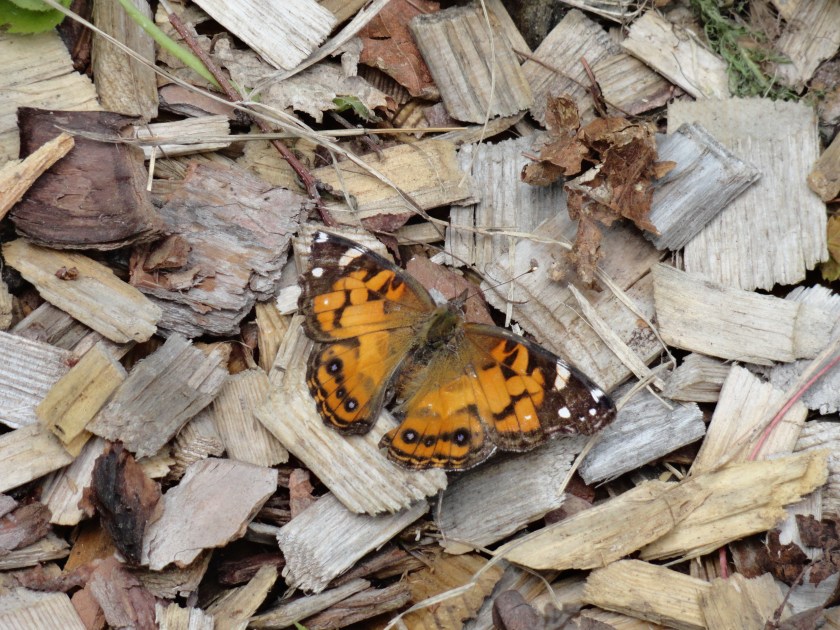
The Painted Lady

earth day

Each one of us needs to work to create the world we want to live in. I want a world of clean air, and clean water. I want a world of healthy birds, healthy butterflies and healthy people.

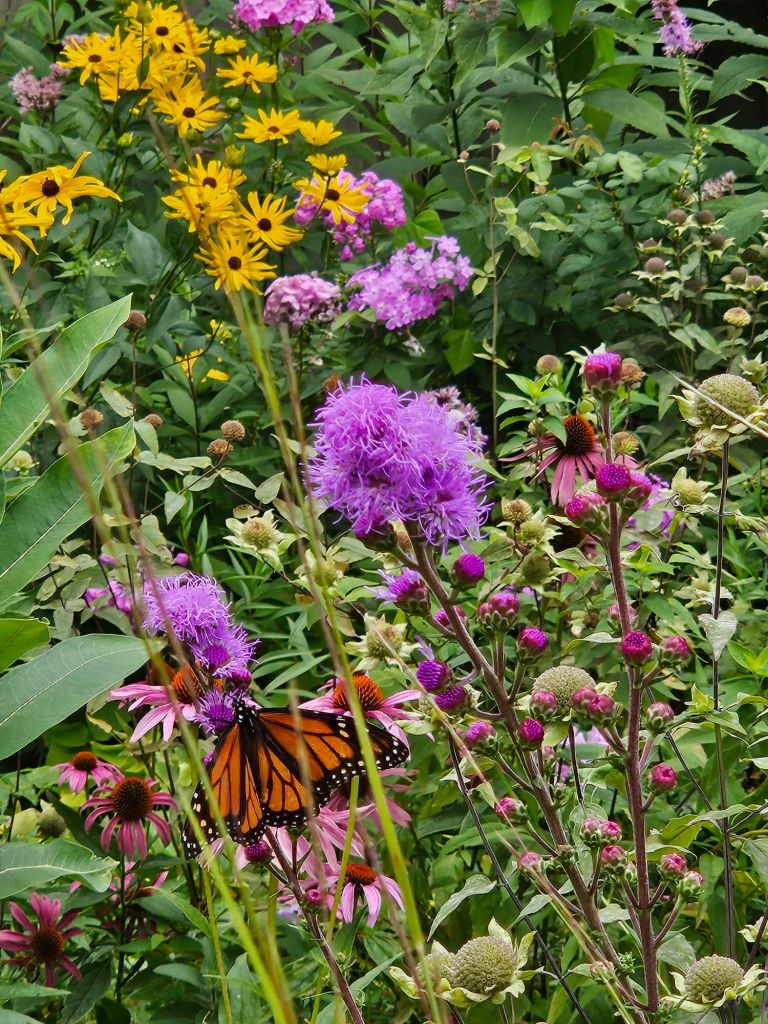
The sighting of the first butterfly is always exciting. Have you seen one yet?

Below is a beautiful essay on the Painted Lady butterfly. Like all birds butterflies and bees these butterflies are stressed by climate change, loss of habitat, and harmful chemicals. The theme of the essay is that these are very resilient butterflies that have been able to adapt for their survival. Unlike the Monarch butterfly Painted Ladies don’t need just a few flower species to lay their eggs, they adapt!

I have planted habitat in my yard for Painted Lady caterpillars.

Painted Lady

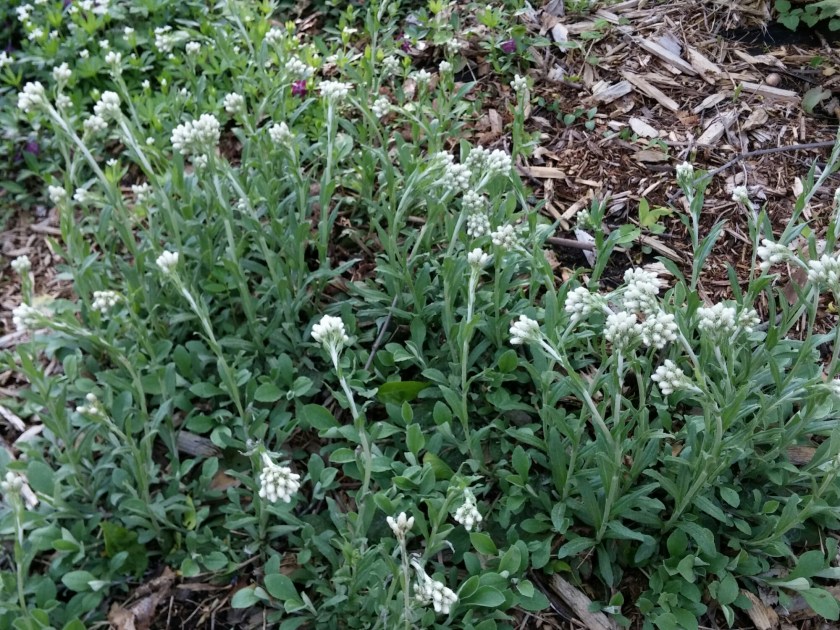
Painted Lady love pussy toes.

These pearly everlasting plants have eggs from the painted lady.

On this Earth Day, do everything you can to help these beautiful butterflies survive. Plant native plants in your yard, never use chemicals on your plants, avoid single-use plastic, and everyday work for clean air!

Day of Zero Waste

I make zero waste a game to waste as little as I can.

Our landfills are overflowing, and we just keep purchasing junk and many things we can live without. Consumerism contributes to global warming as do our landfills and burning of trash. We must cut back, maybe not to total zero waste, but creating less waste overall.

Zero waste is not easy, but it is possible. Reducing our waste forces a new look to what we buy. Reducing purchases makes us pay attention to what we buy. Do we really need all the junk we purchase?

March 30 is the UN’s International Day of Zero Waste. This year’s focus is on reducing waste in the fashion industry and helping to advance circular solutions. We have a choice how we spend our dollars, and spending our money on good long lasting products should be a priority. Many items are expensive right now and I bet you can monitor and adjust to be happy with what you already have.

Avoid the fashion fads. Do you really want someone else telling you what to buy and wear. Be your own person create your own look! If your truly want to live on a planet with clean air and clean water we need to cut back! “We still have the ability to stop the worst from happening to our planet. The power to do this is in our hands—we just need to use it.” Katherine Hayhoe

We just need to get in the habit of reusing and fixing what we have. Most of us have closets full of clothes we barely use. Shop your closet and create a new outfit with the clothes you have. Be creative

Many say to me, “But it was so cheap!” No, it’s not cheap with the harm it does to our planet! Manufacturing, shipping, and disposal takes lots of time and energy. Most of it not healthy for anyone.

How can you help to reduce your addiction to fast fashion clothing? Some ideas:

  • Shop your own closet, or the closet of a friend or relative.
  • Purchase secondhand. Some secondhand stores even have personal shoppers for you to use.
  • Buy quality over quantity 
  • Mend clothes rather than throwing them away
  • Intentionally select the brands you purchase from and learn about their sustainability practices
  • Make a decision you didn’t need this item after all

Incentive to purchase and waste less: https://health4earth.com/2024/11/22/ghana-becomes-dumping-ground-for-the-worlds-unwanted-used-clothes-pbs-news/

World Water Day

We need to work harder to protect our nation’s water!

Water is life It is so important for healthy living. Every day each of us must do what we can to protect our planet’s precious water.

It is shameful the poor job we do to take care of our fresh water. Our fresh waterways are teaming with microplastics, nitrates and forever chemicals. None of these are safe for human exposure.

Today I am focusing on two crucial pollutatnts to our water. PFAS chemicals and nitrates. In 2023 the Minnesota legislature passed a strict law restricting PFAS (fovever chemicals) Unfortunately, many companies with PFAS in their products are trying to weaken Minnesota’s PFAS legislation. Read more about it below:

First, here is information on efforts to weaken Minnesota’s new PFAS(forever chemical law)

At least 70 million Americans get their water from a system where toxic PFAS “forever chemicals” were found at levels that require reporting to the Environmental Protection Agency. That’s according to new data the EPA released in its ongoing 5-year review of water systems across the nation. The number will almost certainly grow as new reports are released every three months. USA Today, March 21.2024

I’m 22, with a new job focused on clean water. Here’s why I’m doing it.

Amara’s Law is being implemented well, and Minnesota is better for it. We are incredibly grateful for our allies, whose hard work and determination helped pass such monumental legislation. But now, Amara’s Law is at risk once again. Bills HF 1627 and HF 81, authored by Rep. Josh Heintzeman, R-Nisswa, plan to irresponsibly gut the law, continuing to put polluters before people.

Finding safer PFAS alternatives has the potential to be profitable for businesses of all sizes. Capitalism is meant to push society forward, driving change and fostering new ideas. It was not built to just accept the first product that completes a goal, especially when it poisons people and the environment. We have met innovators and entrepreneurs who are creating effective alternatives to PFAS — they just need support. But they don’t get a chance because large corporations come and try to pick apart critical legislation. Minnesota continues to be poisoned, people continue to get sick, children like Amara continue to die.

Second, we have been unable to control farm run off. This pollutes our ground water our streams and people’s wells. It is dangerous for people, fish and animals. There is no excuse for letting this go unchecked! Nitrate pollution in water is caused by excess nitrogen from agricultural sources. Nitrates and organic nitrogen compounds from fertilizer and manure enter groundwater through leaching and reach surface water through runoff from agricultural fields. Nitrate contamination occurs in surface water and groundwater, leaching into the soil and from there into the water supply from various sources. A high level of nitrate makes water unsuitable as drinking water. 

73 percent of Minnesota nitrate pollution comes from cropland, primarily through agricultural drainage systems below cropped fields and by nitrate pollution leaching into groundwater, and then moving underground until it reaches streams. 78% of nitrate pollution to the Mississippi River in our state is fr…See more on fmr.org

Way: Something smells with the feedlot trend, and it’s more than just the manure

Clean water is important to our survival.

Severe Weather Alert

The National Weather Service keeps us safe!

The Trump Administration needs to restore all the cuts they have made to the National Weather Service!

I am fascinated by weather, but I am also frightened by it. It is not something we can control, and we need the best scientists to help us understand the weather and the impending dangers.

This past weekend more than 40 people were killed in the Southern United States because of high winds, tornadoes, fires, and weather related accidents.

At the same time the Trump administration is cutting and firing the same people that warn us of these raging dangerous storms.

This is from Paul Douglas in the Minnesota Startribune:” Words matter, especially to the NOAA scientist and National Weather Service meteorologists trying to keep you alive when skies become violent. Watches, warnings. And then there are emergencies, which pose the greatest threat to life and property. The country with the most severe weather on Earth (the U.S.) deserves the best National Weather Service on Earth.” Paul Douglas

I’m calling on the Trump Administration to restore all cuts they have made to the National Weather Service.

Do Something Positive

Everyday people throw away single-use plastic “stuff” without thinking twice — plastic bottles, bags, utensils, cups, containers and more.

But this “stuff” never truly goes away. Instead, it clogs our landfills, threatens our health, trashes our parks, litters our streets and even washes into our rivers and oceans. Nothing we use for a few minutes should threaten our health and pollute our future for hundreds of years.

Join the February Plastic Challenge!

The Plastic-Free Challenge is a month-long effort starting February 1 to reduce how many plastics you use in ways that fit best in your lifestyle and have the most impact on reducing your plastic footprint.

Do something positive for yourself, your family and for the planet in February. With so many plastic items in our lives avoiding them may feel impossible, but there is a lot we can do to reduce our plastic footprint. Please Join with us to learn ways we can reduce our exposure to plastic. There are many activities to choose from, but you can also create your own challenge. Keep it simple, and even choosing one activity will make a difference.  You will learn a lot, and have fun during this February challenge. Sign up here:

The Plastic-Free Challenge is a month-long effort starting February 1 to reduce plastic consumption, in ways that fit best in your needs. You only need to choose one activity that works for you like bringing your reusable shopping bags, or asking not to be given a straw with your drink, or bringing your reusable cup with you for February. Many other ideas will be suggested when you register. Keep it simple. Do a good job on one thing!

Join My Plastic Free Team

Learn ways to reduce single-use plastic. Join my team here.

Do something positive for yourself, your family and for the planet in February. With so many plastic items in our lives avoiding them may feel impossible, but there is a lot we can do to reduce our plastic footprint. Be part of our Lynnhurst community team, Lynnhurst plasticfree. Please Join with us to learn ways we can reduce our exposure to plastic. There are many activities to choose from, but you can also create your own challenge. Keep it simple, and even choosing one activity will make a difference.  You will learn a lot, and have fun during this February challenge. Sign up here:

The Plastic-Free Challenge is a month-long effort starting February 1 to reduce plastic consumption, in ways that fit best for your needs. You only need to choose one activity that works for you, like bringing your reusable shopping bags, or asking not to be given a straw with your drink, or bringing your reusable cup with you for February. Many other ideas will be suggested when you register. Keep it simple. Do a good job on one thing to reduce plastic!

Plastic is made of fossil fuels; it contributes to climate change and is composed of harmful chemicals. Plastic sheds microfibers into our bodies, into our air, and into our water. Studies are showing plastic is unhealthy for us and for the planet. It is important we limit our plastic exposure.

Take care of our bodies, our families and our planet. Reduce your plastic footprint!

Resolutions for Eating

Reducing food waste is SO important!

Melissa Clark is an extraordinaire food writer for the New York Times. She has set her food resolutions for 2025.

She is missing the most important food resolution: REDUCE your food waste! Food waste is an enormous waste of energy. time and water. Food waste is an enormous contributor to our climate crisis. Read about it here:

And then read Melissa’s resolutions below:

3 resolutions for eating and drinking in 2025

New Year’s resolutions are fast upon us, and chances are that your list will include some version of trying to eat better. I’m here to help.

Food is both my profession and my obsession, which means it’s my job to consume delicious things every single day, reveling in each bite of tangy arugula saladsilky roasted salmon or gooey blackout cake. The key for me is to maximize the pleasure while also leaning into moderation, and to generally eat more sustainably.

I want to share this balancing act with you. Here’s my approach, broken down into easily digestible morsels.

1. Learn to cook something — or something new.

If you’re just starting out in the kitchen, make 2025 the year you learn to cook. The recipe columnists and editors at New York Times Cooking have compiled a recipe collection for absolute beginners, and in the course of 10 dishes you’ll acquire basic skills to bolster your confidence.

Start with Eric Kim’s tuna mayo rice bowl, which doesn’t even require turning on the stove if you have leftover rice or a rice cooker. Genevieve Ko’s cheesy eggs on toast is equally good for breakfast as it is for dinner. And my lemony chicken with potatoes and oregano is easy to make on a sheet pan, and it’s just the thing to slather with your favorite condiment, be it chile sauce, mayonnaise, mustard or all three.

Keeping your pantry well stocked will get you halfway there — and here are some tips on how to do just that. Even on nights when I don’t have time to plan or run to the store, I know I’ll still be able to cook something incredibly satisfying that’s often faster and cheaper than getting takeout.

If you’re a seasoned cook but feel tapped out for inspiration, commit to making one new recipe per month. You get bonus points if it includes ingredients or techniques you’ve never tried before. Dishes like one-pot mushroom and ginger rice (which calls for velveting the mushrooms) and crunchy scrunched cabbage salad with fried almonds are just waiting to help you get back in your groove. You can also sign up for our What to Cook newsletter for even more suggestions.

2. Eat less meat.

Cutting back on meat gets easier for me as the years go by. As it turns out, the less meat I eat, the less of it I crave. (That is sadly untrue of cookies, though.) And replacing animal-based foods with whole grains, legumes and nuts has been linked to a lower risk of Type 2 diabetes and cardiovascular disease.

Now, I mostly use meat as seasoning for vegetables, beans or pasta. A little prosciutto, a sprinkle of bacon or a few ounces of ground turkey go a long way.

Maple-roasted tofu with butternut squash and baconspicy tomato white bean stew, and one-pot tortellini with prosciutto and peas all keep the meat minimal and the satisfaction high. (For some meatless recipe ideas, subscribe to my colleague Tanya Sichynsky’s vegetarian newsletter, The Veggie.)

3. Drink less alcohol.

Drinking more moderately is about emphasis in my book. I’ve come to realize that drinking more low- or no-alcohol cocktails and mocktails is just as satisfying as drinking alcohol.

I’ve also discovered that the ceremony of having a drink is just as important as what’s in the glass, if not more so. Give me something with a deep bittersweet tang in a fancy coupe as a gateway to a congenial evening, and I won’t ever miss the hangover.

A sweet and citrusy nonalcoholic French 75, an olive filled nonalcoholic dirty lemon tonic and a ruby-hued hibiscus fizz are fit for festive toasting or quiet imbibing, whatever the occasion.

2025 is looking delicious, indeed.

Buy LESS Stuff!

The world is facing a trash crisis a climate crisis and a plastic crisis and they are all related to our overconsumption.

So few people connect the climate crisis to the purchases they make. Overconsumption is harmful to our air, to our water and to our health. Landfills and incinerators harm our health. We need to stop competing to be just like everyone else. When we shop purchase items that are of high quality and items that will last a long time. None of us need more junk!

Instead of a season of overconsumption and waste, make it a season of friendship, love and community. That doesn’t mean buy me a gift!

Whether it’s choosing to shop secondhand rather than buy new or simply pausing before you hit the checkout button, we can all rethink the way we consume.

This is from the Story of Stuff:

Here’s how you can take action with us:

  1. Commit to creative reuse: Opt to gift thrifted or refurbished items instead of new. We have the power to slow down the take-make-waste cycle by adding some creativity to holiday shopping. Share your story for a chance to get featured on our social channels.
  2. Support reuse legislation: Our culture of overconsumption fuels a wasteful, disposable system that corporations like McDonald’s claim to tackle—but their actions tell a different story. Let’s mobilize to pass policies that shift us from single-use waste to a future centered on reusables.
  3. Unsubscribe from sales communication and unfollow brands on social media: We all get those pesky marketing emails, physical mail, and texts, not to mention an onslaught of social media sales messaging, around the holidays. We encourage you to ditch the noise – join over 2 million people who did here. Catalog Choice is a free, online service that will help you save trees, prevent fraud, and fight junk mail. What’s not to love?

The holiday season doesn’t have to be about more Stuff. Together, we can turn the tide against corporate-driven overconsumption and reclaim the real joy of the holiday season.

Will you join us in reimagining the future?

Ghana becomes dumping ground for the world’s unwanted used clothes | PBS News