“The world around us,” she says, “we take it for granted. But if we pause a moment and look around, there’s so much beauty right in our own backyard. I want people to see that. I want people to realize this is not an ugly world.” Ellen Lentsch
This is an amazing story of a woman who climbed up the Red Wing, Minnesota bluffs, overlooking the Mississippi River, to take a sunrise picture everyday of 2016. Read the entire story and see her pictures here
My tribute to a strong woman who accomplished an amazing goal through a year of Minnesota weather and beauty.
“My vision is to create a world where we can live in harmony with nature” Jane Goodall
It’s raining where I live. Do you ever wonder where all that rainwater goes? Our earth naturally manages rainwater, drainage, and wetlands, and it is able to naturally purify and clean our water. Unfortunately, we created an impossible situation with our concrete urbanization and all the chemicals we use. Instead of allowing the rain to fall and soak into the ground we get it away from our houses and buildings as fast as we can sending water rushing down our storm drains into our lakes and rivers. As this water cascades over concrete and asphalt it picks up chemicals, pollutants, trash, lawn clippings and leaves which wash into our lakes, rivers, and oceans.
This is a classic example if everyone were to do just a bit to give some of this natural cleaning back to the earth, it would make a big difference in our water quality.
No one wants a wet basement, so always keep water 10 feet from your house or apartment, but beyond the 10 feet you can do many water managements things with a few flexible downspout extensions which you can purchase at hardware stores.
Below is an excellent blog from the Mississippi Watershed Management Organization on a very simple way to use some of the water running off your home, and making a big difference for water quality.
From the Mississippi Watershed Management Organization : “Your goal, as an eco-friendly house-dweller, is to soak as much of that water into the ground as possible. The soil will filter out the pollutants and the water will move downward until it reaches the water table. As a bonus, any plants, trees or other vegetation in the area will soak up a portion of the water to use as fuel.” Read the entire blog here.
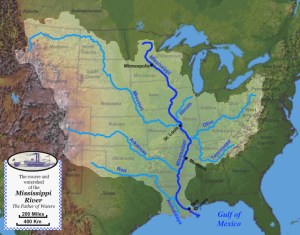
The Mississippi River Shed drains much of the United States
The same thing can be accomplished on agricultural land that uses buffer strips of trees and deep-rooted plants along ponds and streams. These buffer strips absorb the chemicals! The Gulf of Mexico thanks you! Read at Gulf
The Mississippi Watershed by Jon Platek This how trash can reach the ocean.
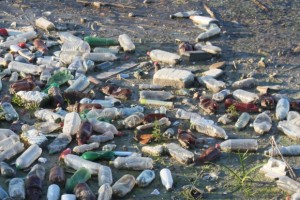
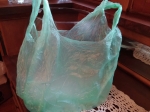
This morning while walking around the lake by my house, I was sad to see plastic bottles bobbing around in the lake. The amazing thing is that those plastic bottles from a lake in land-locked Minnesota could end up in the Gulf of Mexico. 80% of marine litter originates from land. The Minnehaha Creek drains this lake into the Mississippi River, which flows into the Gulf of Mexico. Plastic in a Minneapolis lake, could float the Mississippi River into the Gulf of Mexico, these plastic bottles and bags are a dangerous threat to marine life, and they are unpleasant to water recreation.
I am sure you know most of the ways to avoid plastic, but you might learn something from this list on reducing plastic use. The excellent list below is from the NRDC https://www.nrdc.org/:
“Plastic, of course, is uniquely problematic because it’s nonbiodegradable and therefore sticks around for a lot longer (like up to 1,000 years longer) than other forms of trash. And we’re not just talking about people dumping their garbage overboard. Around 80 percent of marine litter actually originates on land—either swept in from the coastline or carried to rivers from the streets during heavy rain via storm drains and sewer overflows.
So the best thing we can do to protect our waterways is trying to keep as much plastic as possible out of the waste stream in the first place. The good news? There are many small ways you can have a big impact. The NRDC has ten important ways to reduce your plastic footprint:
1. Wean yourself off disposable plastics.
Ninety percent of the plastic items in our daily lives are used once and then chucked: grocery bags, plastic wrap, disposable cutlery, straws, coffee-cup lids. Take note of how often you rely on these products and replace them with reusable versions. It only takes a few times of bringing your own bags to the store, silverware to the office, or travel mug to Starbucks before it becomes habit.
2. Stop buying water.
Each year, close to 20 billion plastic bottles are tossed in the trash. Carry a reusable bottle in your bag, and you’ll never be caught having to resort to a Poland Spring or Evian again. If you’re nervous about the quality of your local tap water, look for a model with a built-in filter.
3. Boycott microbeads.
Those little plastic scrubbers found in so many beauty products—facial scrubs, toothpaste, body washes—might look harmless, but their tiny size allows them to slip through water-treatment plants. Unfortunately, they also look just like food to some marine animals. Opt for products with natural exfoliants, like oatmeal or salt, instead.
4. Cook more.
Not only is it healthier, but making your own meals doesn’t involve takeout containers or doggy bags. For those times when you do order in or eat out, tell the establishment you don’t need any plastic cutlery or, for some serious extra credit, bring your own food-storage containers to restaurants for leftovers.
5. Purchase items secondhand.
New toys and electronic gadgets, especially, come with all kinds of plastic packaging—from those frustrating hard-to-crack shells to twisty ties. Search the shelves of thrift stores, neighborhood garage sales, or online postings for items that are just as good when previously used. You’ll save yourself a few bucks, too.
6. Recycle (duh).
It seems obvious, but we’re not doing a great job of it. For example, less than 14 percent of plastic packaging is recycled. Confused about what can and can’t go in the bin? Check out the number on the bottom of the container. Most beverage and liquid cleaner bottles will be #1 (PET), which is commonly accepted by most curbside recycling companies. Containers marked #2 (HDPE; typically slightly heavier-duty bottles for milk, juice, and laundry detergent) and #5 (PP; plastic cutlery, yogurt and margarine tubs, ketchup bottles) are also recyclable in some areas. For the specifics on your area, check out Earth911.org’s recycling directory.
7. Support a bag tax or ban.
Urge your elected officials to follow the lead of those in San Francisco, Chicago, and close to 150 other cities and counties by introducing or supporting legislation that would make plastic-bag use less desirable.
8. Buy in bulk.
Single-serving yogurts, travel-size toiletries, tiny packages of nuts—consider the product-to-packaging ratio of items you tend to buy often and select the bigger container instead of buying several smaller ones over time.
9. Bring your own garment bag to the dry cleaner.
Invest in a zippered fabric bag and request that your cleaned items be returned in it instead of sheathed in plastic. (And while you’re at it, make sure you’re frequenting a dry cleaner that skips the perc, a toxic chemical found in some cleaning solvents.)
10. Put pressure on manufacturers.
Though we can make a difference through our own habits, corporations obviously have a much bigger footprint. If you believe a company could be smarter about its packaging, make your voice heard. Write a letter, send a tweet, or hit them where it really hurts: Give your money to a more sustainable competitor.” NRDC
I would add one thing to the list. Never use Styrofoam! Some stores package fruits and vegetables on Styrofoam trays! Awful.
Finally, current status of the Mississippi River in the Twin Cities from Friends of the Mississippi.
I know people get tired of my harping on plastic, but plastic is a serious world problem. According to the Plastic Pollution Coalition the average shopper uses 500 plastic bags a year, and that is just bags, not all the other plastic products. This is not sustainable!
I love thinking of how my grandparents lived, and how it is different from today. I loved this post from One Green Planet about what we can learn from the past and from our grandparents. Read it here.
Below is a quote from One Green Planet which show how serious this plastic issue is!
“In the past 30 years alone, the amount of plastic produced worldwide has increased by 620 percent! On average, that equates to 300 million tons of plastic a year. Of this 300 million tons, about 8.8 million tons find their way into the world’s oceans where they are left to slowly photodegrade into smaller pieces – and by slowly, we mean over the course of 100 to 1,000 years. When you consider the huge volume that is added to the oceans every year and the fact that plastics never really “go away,” we find our oceans crowded with a massive soupy mixture of harmful plastic products. This sadly has a massive impact on the marine animals who call our oceans home. Around 700 marine species are in danger of extinction due to entanglement, ingestion or general pollution caused by our plastic trash.”
Our grandparents didn’t have the choices and variety we do. They cooked and ate hearty food on real dishes, but most important they conserved, reused, and didn’t throw everything away like we do today! I would stay with my grand parents for a week and we didn’t need to run to the store to buy buy buy. We used what we had.
What do you remember about how your grandparents did things?
Even remote islands are collecting our plastic trash
This shouldn’t surprise me, but I am upset to read about the plastic trash in the Arctic Ocean. Plastic trash is now so ubiquitous that researchers have found hundreds of tons of it floating in the Arctic Ocean. Read the whole story here.
Why shouldn’t I be surprised by this? The “local control” advocates, in the Minnesota legislature are trying to derail Minneapolis’ plastic bag ban from happening later this year. I have just returned from a road trip to Washington, D.C. and I found only a few places to recycle along the way, most on college campuses. I could go on and on about what I see throughout the world in regards to plastic trash. A sad story about a whale collecting all this plastic . Our earth has a massive problem!
Plastic breaks into tiny pieces and wildlife eats it!
Where are the companies that manufacture and make a profit on this plastic and Styrofoam when it comes to clean-up?
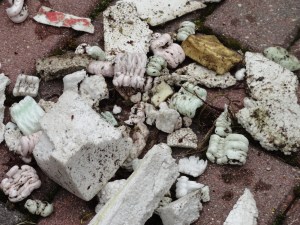
Styrofoam I pulled from Lake Harriet in Minneapolis. It is breaking into small pieces and could last forever!
The oceans belong to all of us. No one has the right to pollute and trash the ocean or the rivers or lakes.
What can you do? Have plastic-free shopping trips by bringing your own containers, and never purchase products on Styrofoam trays. 2. Encourage your community to put up and maintain recycling containers. 3. Pick up trash on your walks. 4. Recycle everything you can. 5. Always bring your reusable bags shopping.
Last, a remote Pacific island has become a reservoir for the waste of the world as it piles onto this pristine island.
We love an underdog, and when a small town Iowa newspaper takes on the industry that dominates its state you pay attention! The Storm Lake Times has just won a Pulitzer Prize for editorials on Iowa’s water problems caused by agriculture. To me this is a story about justice and fairness. Why should an industry be allowed to pollute, and harm the health of surrounding communities? Why has it become such an expensive struggle in farm country for communities to provide clean water for their residents? Because I live in Minnesota where agriculture has poisoned many of our lakes that are near Iowa, I have followed this story of Des Moines Water Works suing the surrounding Iowa counties. The Storm Lake Times and Art Cullen receive all my praise and congratulations for their year of editorials on this challenging issue.
Below is one of Art Cullen’s editorials:
“The public would appear to have made up its mind about the Des Moines Water Works lawsuit against Buena Vista, Calhoun and Sac counties over nitrate pollution of the Raccoon River. The Des Moines Register’s Iowa Poll reported Sunday that 60% of those surveyed believe the water works was right to sue drainage districts in the three counties for discharging polluted water into the river.
It is virtually the same result the poll found a year ago.
Urban residents, small towners and even rural dwellers all show majority support for the water works position. This after a barrage of advertising in the Des Moines TV market sponsored by Farm Bureau, and a host of radio ads aiming to fire up rural residents against encroaching government.
Anyone can see how filthy Storm Lake is, how the Des Moines River near Humboldt is a mud flow, how shallow lakes in Northwest Iowa have eroded into duck marshes.
Anyone with eyes and a nose knows in his gut that Iowa has the dirtiest surface water in America. It is choking the waterworks and the Gulf of Mexico. It is causing oxygen deprivation in Northwest Iowa glacial lakes. It has caused us to spend millions upon millions trying to clean up Storm Lake, the victim of more than a century of explosive soil erosion.
Everyone knows it’s not the city sewer plant causing the problem. And most of us recognize that this is not just nature at work busily releasing nitrates into the water. Ninety-two percent of surface water pollution comes from row crop production — an incontroverted fact from the court case.” The entire editorial
And an excerpt from another Art Cullen editorial: “Which goes to show that nobody really knows what to do. The initial reaction to the lawsuit was to condemn the water works for interrupting our way of doing business. The second intuitive reaction was to throw a ton of money at the issue. The agri-industrial community has tried to convince us it will take $6 billion or $10 billion or $15 billion to protect Iowa’s surface water from nitrate pollution. It scares the bejeebers out of taxpayers, especially in defendant counties.” The entire essay
The farming community should never have been exempt from the Clean Water Act. Agri-business has become too powerful and now there is no controlling them. The reasons why regulations are so important for the health of us all!
We all live on lakeshore. If you have a storm drain on your street it probably drains to a lake or river. The crap we are inadvertently putting in our rivers is cause for concern, and we must become more aware of the harm we are doing to our waterways and drinking water. A new study just done by the University of Minnesota looking at water quality finds the state of our urban rivers grim. Read about it here.
The water we have on earth is the only water we will ever have. We aren’t getting any more water, and must take care of what we have. In this above study, homeowners that use chemicals and owned dogs were the worst offenders for polluting our water run-off. This run-off goes directly down the storm drain into lakes or streams. Once we know the source of
Growing yards without chemicals!
the pollution we get at the beginning stage to solve the problem: Don’t use chemicals on your yards, always pick up after your pets and keep your sidewalks driveways and street clean! It is more complicated, but this gives you a based-line to work from!
Urban pollution is not anywhere on the magnitude of agricultural run-off polluting the Mississippi River, but urban dwellers should take it seriously.
International World Water Day is held annually on March 22 as a means of focusing attention on the importance of freshwater and advocating for the sustainable management of freshwater resources. http://www.worldwaterday.org/
The water on our planet is the only water we will ever have. There is no getting
The Mississippi Watershed by Jon Platek
more of it! We need to appreciate our waterways and take are of them.
On this World Water Day what sustainable practices protect our waterways?
My simple suggestions are: 1. Appreciate our water 2. Go chemical-free 3. Re-use the water that runs off your
Rain gardens and rain barrels collect run-off
house/garage/property /
Buffer strips along lakes and streams protects water quality.
4. If you have water property, plant a buffer-strip of plants/trees to collect run-off from your yard/agricultural land.
And a video of migrating sand hill cranes on the Platte River
To make the world a better and safer place we must generate positive energy. This is another round of amazing news stories that tell us in what direction the future is moving. I congratulate these countries and communities for their sustainable goals and effort. This is my occasional series on great news stories. Renewable energy, managing trash and gender equality are some of the positive energy stories of the past week!
1. In September Kenya is going to ban plastic bags. Read about Kenya here.
2. Georgetown, Texas, a conservative town in oil country is fueled by wind. Wind power saves them money over oil energy. Read about it at Georgetown
3 Iceland will be the first country in the world to make employers prove they offer equal pay regardless of gender, ethnicity, sexuality or nationality, the Nordic nation’s government said on International Women’s Day. Read about it at Iceland
4. The United States installed a record-smashing 14,762 Megawatts (MW) of solar power in 2016 — a 97 percent jump over 2015, according to data just released. For the first time ever, solar was the number one source of new generating capacity, beating out wind and gas. Read about it at solar power.
5. A water wheel is cleaning up Baltimore’s harbor picking up plastic and other trash. Read at Baltimore
6. Sweden is on target to be powered entirely by renewable energy by 2040. An amazing goal for this dark northern country. Read about at Sweden.
What sustainable exciting things are happening in your community?
No one should be allowed to pollute our water ways, no one! The water we have on earth is the only water we will ever have and we must take care of it. Mr. Trump has proposed to roll back regulation for our waterways, but says he is for clean water??? The water on earth belongs to all of us, not to just big business or farmers, but to everyone. We depend on clean water for drinking and recreation, and wildlife needs clean water for survival. We cannot choose profits over the health of people. It will take time and much litigation to eliminate these rules, but we all need to speak out for clean water. Read about rolling back clean water protection here. Pay attention to actions not to worthless talk!
Donate to the following organizations that litigate for clean water:


















 Health4earth