No Lake Is Safe From Microplastics

We all need to examine the amount of plastic we purchase, and figure how we can reduce the plastic we are exposed to and disperse into our environment.
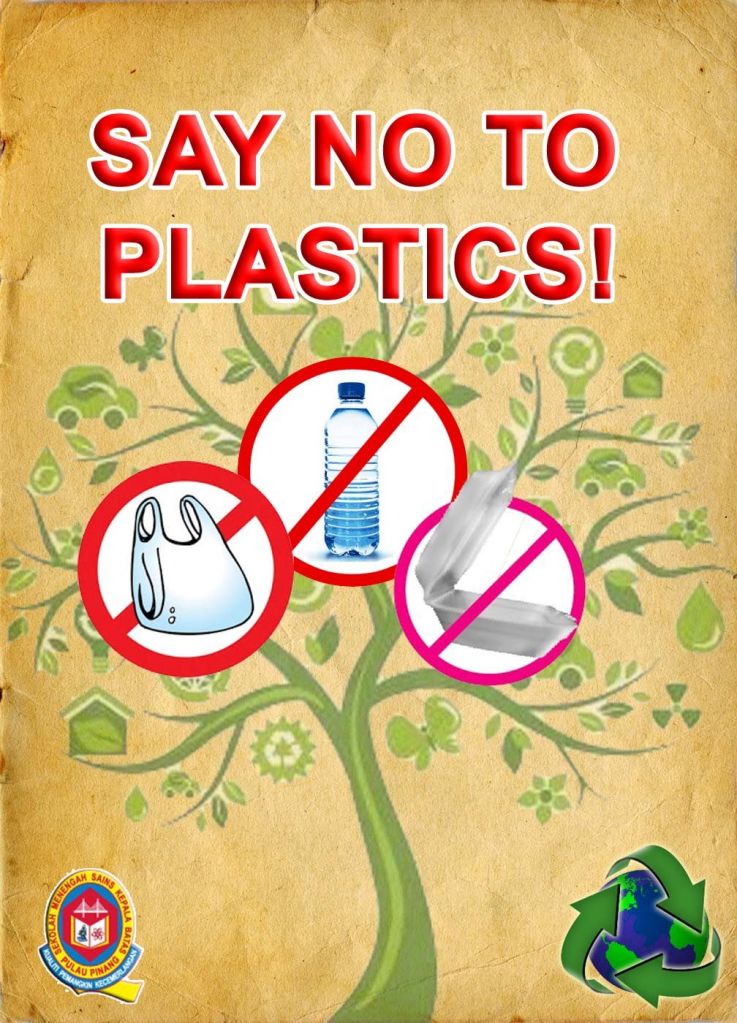
Plastic is harming our health and our environment.

By Mary Koseth and Katelynn Rolfes

From the Minnesota Reformer

Microplastics have become a significant environmental concern across the world due to their widespread presence in various ecosystems, potential harm to wildlife and marine life, and the uncertainty surrounding their long-term effects on human health. 

This summer, concerned citizens across Minnesota worked with staff from Environment Minnesota Research & Policy Center to test 40 Minnesota lakes for microplastics

When we analyzed the water samples the results were clear: No Minnesota lake is safe from microplastics. 

Last week, Environment Minnesota Research & Policy Center released a report, Microplastic in Minnesota: A Survey of our “10,000 Lakes.

The report presents the test results, from the northern coast of Lake Superior to the wouthwest corner Minnesota, and includes recommendations to tackle the problem. In our citizen-science research project, the 40 samples were filtered using a funnel, flask and filters which had a pore size of 0.45 microns. The goal was to capture any tiny bits of plastic that were tough to spot with only our eyes. The types of plastic we searched for were microfibers, films, fragments and microbeads. We found all of these types save for microbeads, commonly found in beauty products prior to their banning in 2015. 

The results of this survey should set off alarm bells for Minnesotans who love our lakes. Minnesota’s waterways are a source of peace for people, a critical habitat for wildlife, and part of our state’s identity. 

Our report underscores that microplastic pollution is not an “over there” problem. It’s a “right here” problem that none of us can afford to ignore. But fortunately for us, this isn’t a hopeless situation, and there are many ways we can take action. As individuals, as community members, as whole nations, we can uphold human and environmental health and justice with our creative ideas and bold visions. Everyone has something to offer. When it comes to microplastic pollution, it’s all hands on deck. 

The report outlines a broad range of various ways to tackle the problem. These include fighting fast fashion and excess textile waste, and changing Minnesota law to allow local governments to restrict single-use plastics like plastic bags

We need to take a lot of steps to protect our lakes and health from microplastic pollution, but to start, we need to move away from single use plastics. Nothing we use for a few minutes should be able to pollute our environment for hundreds of years.

The World Laughs in Flowers

I hope they are native!

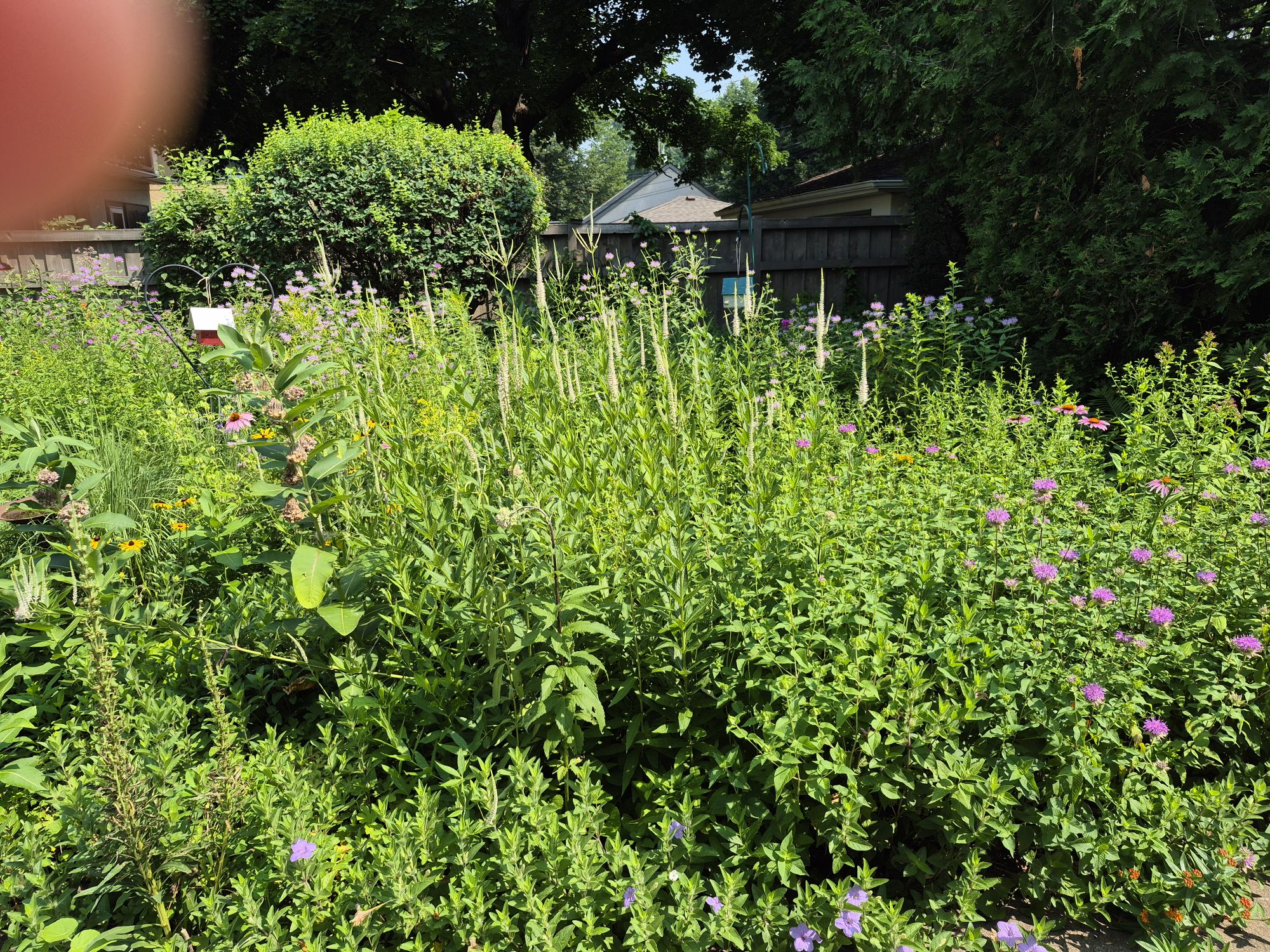
My yard is at peak. Unfortunately, it is also in a drought. Some places are challenged with flooding, but it is dry in my neighborhood. Native plants don’t need chemicals, and they adapt to wet and dry weather extremes

I don’t water, and hope for rain.

Native plants attract the bees’ birds and butterflies. The monarch butterflies and the hummingbirds are thrilled with these native flowers in my yard

Ideas for adding native plants https://wildones.org/

Bee balm (menardia) and purple cone flowers

Above are Culver’s root, milkweed, and lots of menardia. The bees, hummingbirds, and butterflies are thrilled.

World Environment Day

Below is from the Carbon Almanac:

How can you use less plastic? #BeatPlasticPollution

June 5th is World Environment Day
Today is World Environment Day, an international observance that began in 1973 and held annually ever since.This year’s theme continues to focus on plastic and the goal is to #BeatPlasticPollution.
Did you know that:Less than 10% of plastic is recycled? The rest end up in landfills or waterways.There are more microplastics (plastic less than 5mm in diameter) in our waterways than there are stars in our galaxy?We ingest microplastics from the food we eat and the air we breathe?A global treaty to end plastic pollution is currently being negotiated, with the second round of discussions happening in August. 
Consider taking a count of the number of single use plastic items you use in a day or a week. And then consider what alternatives exist to help reduce that number or eliminate your single plastic use altogether.
We can all take action. Together. 

August Anxiety

Or September Scaries on Lake Superior

I love summer and the long rich days, and the summer days get even longer as you go north! Holding onto summer daylight and comfortable temperatures fades as the calendar turns to fall. Already the nesting birds have migrated south, and I miss their joy. I also miss the magnificent butterflies, and there was a summer shortage this year that concerns and scares me.

.

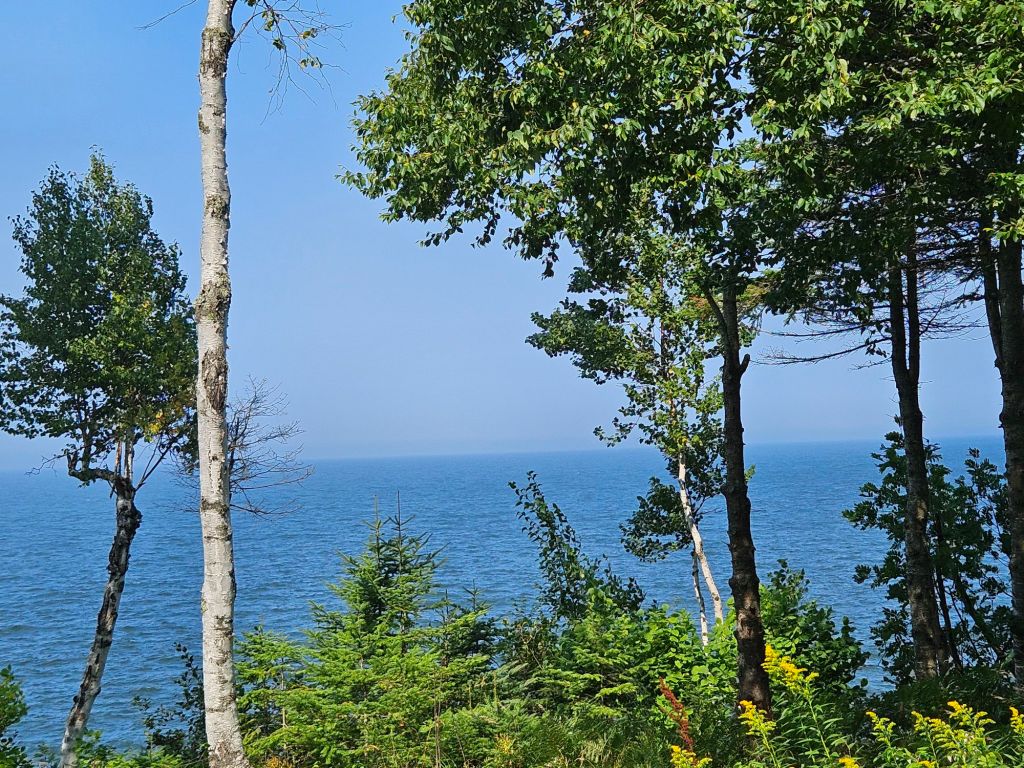
A foggy wet horizon on Lake Superior

Summer brings joy, and the nature of that joy diminishes with the fading daylight. Below are some of the last plants standing:

I love the red stemmed asters!
A carpet of big leaf asters
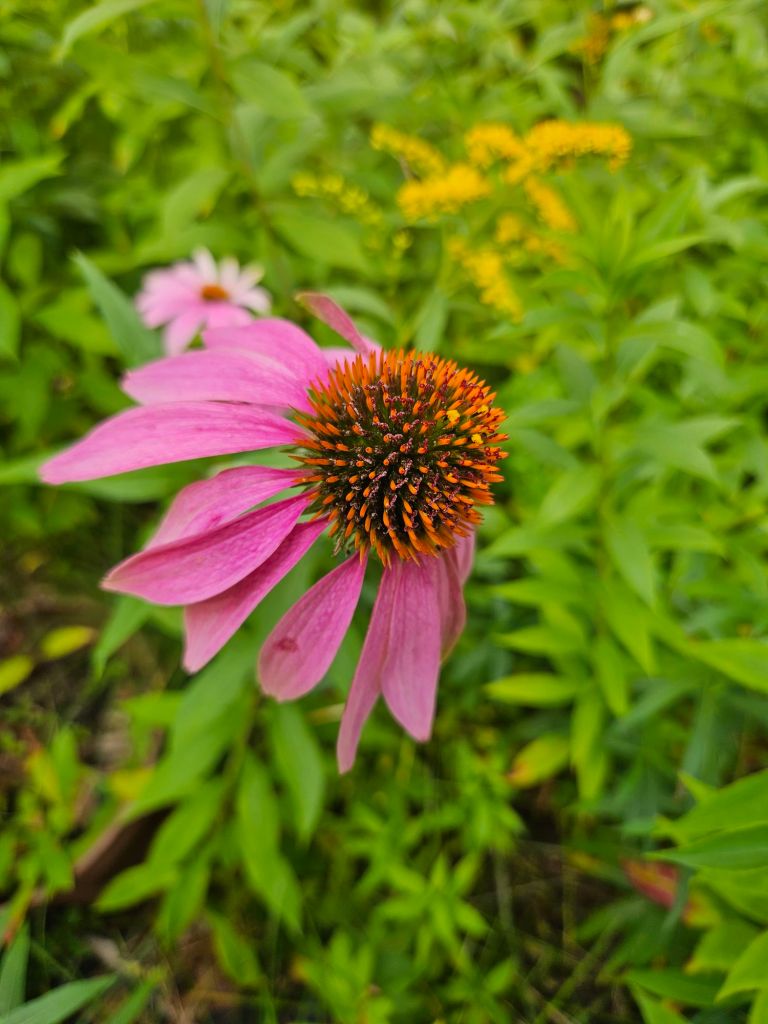
Purple cone flower

Summer could be defined by comfortable days, and Lake Superior wind pattern dominance which shifts from hot and humid to breezy and cool. This [ast summer was weird how much moisture was in the air. Many mornings it was hazy looking across the big lake. Warmer air holds more moisture, and it was a humid summer. We have just lived through the most humid summer on record. Read about it here.

August Joy

“The environment is where we all meet; where we all have a mutual interest; it is the one thing all of us share.”
— Lady Bird Johnson

The Monarch butterflies charm me as they play tag, the hummingbirds zip from one flower to the next, and the goldfinch quietly sit on the monarda and eat the seeds. Enormous bees gorge themselves with a bounty of pollinator plants they love. The consistent rains of this summer have created a healthy blooming habitat. All this pollinator activity creates joy!

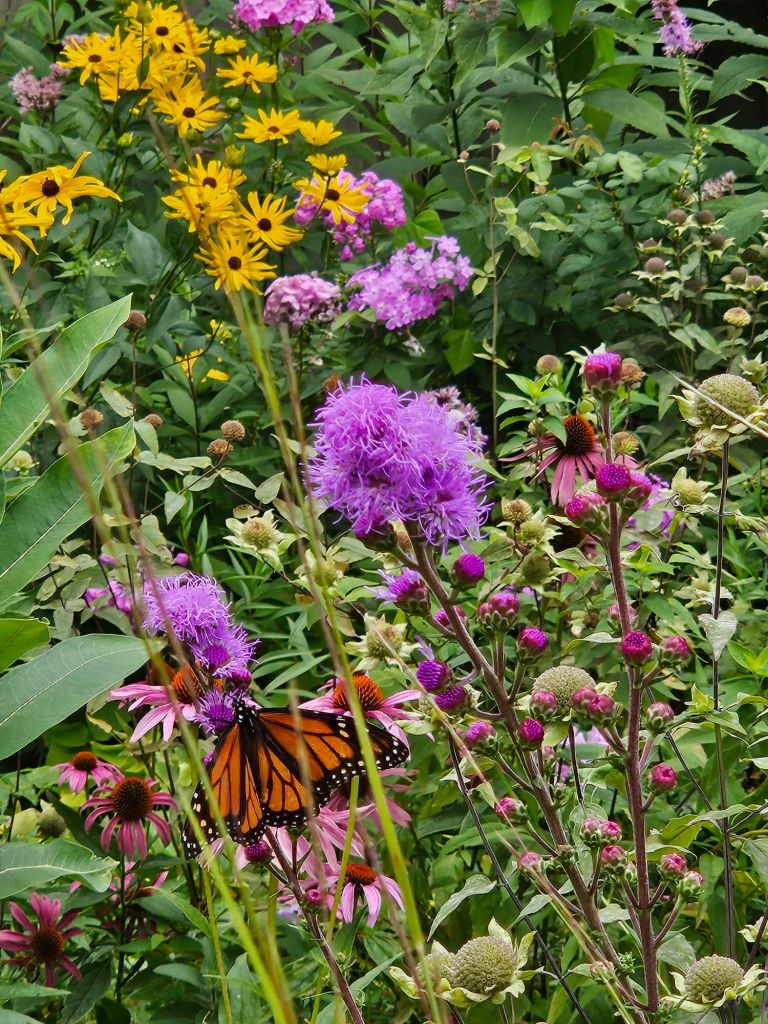
A Monarch on liatris Hummingbirds love cardinal flowers, and Joe Pye Weed.

Native deep-rooted plants fix many things that are wrong with our world. They do not need fertilizers or chemicals, they don’t need to be watered, and their deep roots absorb water run-off. They help to keep our waterways clean, keep our air clean, and they are beautiful,

Native plants are healthy for wildlife. Birds, bees and butterflies love them and they create vital habitat which has gone missing in recent years.

Pollinator Week

The rudbeckia is just starting to bloom.

Pollinator Week has been a rainy week where I live in Minnesota. I was going to list all the pollinators coming to my yard, but it’s hard to see much activity when it rains hard every day! The rain doesn’t bother hummingbirds, and they are entertaining us at our hummingbird feeder.

Spiderwort, a native plant beauty!

The purpose of Pollinator Week is to heighten everyone’s awareness of how important pollinators are to us all. Our bees, butterflies and birds are having a hard time with loss of habitat and our overuse of chemicals. We use too many harmful chemicals to kill insects and fertilize our lawns and farm fields.

My message to you this pollinator week is reduce your dependence on harmful chemicals that kill pollinators. This includes butterflies and birds. Since 1970 North America has lost 3 billion birds. We can’t keep killing the insects and caterpillars the birds need to raise their young.

Birds and butterflies add so much to the quality of our lives Bees and other pollinators touch our lives every day in ways we may not realize. Imagine a world without most of the foods you love. Without bees we wouldn’t have the abundance of apples, pumpkins, strawberries, blueberries, or almonds that we enjoy. Pollinators even help milk production: the alfalfa and clover cows graze is replenished by seed pollinated by bees. A world without pollinators would not only leave us with fewer food choices, but would make it substantially harder to find the nutrition we need to survive.

Thoughts on creating a pollinator Garden:

  • Provide a variety of flower colors and shapes to attract different pollinators.
  • Whenever possible, choose native plants.  Native plants will attract more native pollinators and can serve as larval host plants for some species of pollinators.
  • If monarch butterflies live within your area, consider planting milkweed so their caterpillars have food.
  • Plant in clumps, rather than single plants, to better attract pollinators
  • Choose plants that flower at different times of the year to provide nectar and pollen sources throughout the growing season http://www.fws.gov/pollinators/

“Of 30 commonly used lawn pesticides, 19 are linked with cancer or carcinogenicity, 13 are linked with birth defects, 21 with reproductive effects, 26 with liver or kidney damage, 15 with neurotoxicity and 11 with disruption of the endocrine (hormonal) system. Of these same pesticides, 17 are detected in ground water, 23 have the ability to leach into drinking water sources, 24 are toxic to fish and other organisms vital to our ecosystem, 11 are toxic to bees, and 16 are toxic to birds.”

Read more here: https://www.beyondpesticides.org/…/factsheets/30enviro.pdf

https://www.epa.gov/pollinator-protection/protecting-monarch-butterflies-pesticides

May be a graphic of text

All reactions:

4444

Butterflies

It’s always exciting when the Monarchs arrive!

Joy, we had our first Monarch butterfly in our yard today!

I was surprised to read this about the Monarch butterflies. See below from Minnesota Public Radio

Everyday concentrate on clean air and never burn wood or put dirty air into the atmosphere. That includes driving less!

This is from Minnesota Public Radio:

People can help by planting both native nectar and host plants, like milkweed, reducing pesticide use and mowing less grass less often.

Monarch butterflies are beginning to return to Minnesota and should start arriving in droves in the next two weeks. But the population returning from Mexico will likely be much smaller than in years past.

This winter, the number of eastern monarch butterflies wintering in Mexico was the smallest researchers had recorded in a decade.

A years-long drought pattern, winter whiplash and warming temperatures are all hurting the vulnerable species and the plants it relies on to survive, according to University of Minnesota Professor Emilie Snell-Rood, who studies monarchs and other pollinators.

Wildflower Week

Every day is a wildflower day for me. I plant for the birds, butterflies, and bees and love when they are in my garden. The spring has been spectacular where I live. Trees and bushes are blooming, birds are singing in concert, warblers are migrating through, many butterflies are present, and its sunny and 70 degrees.

The hummingbirds have arrived!

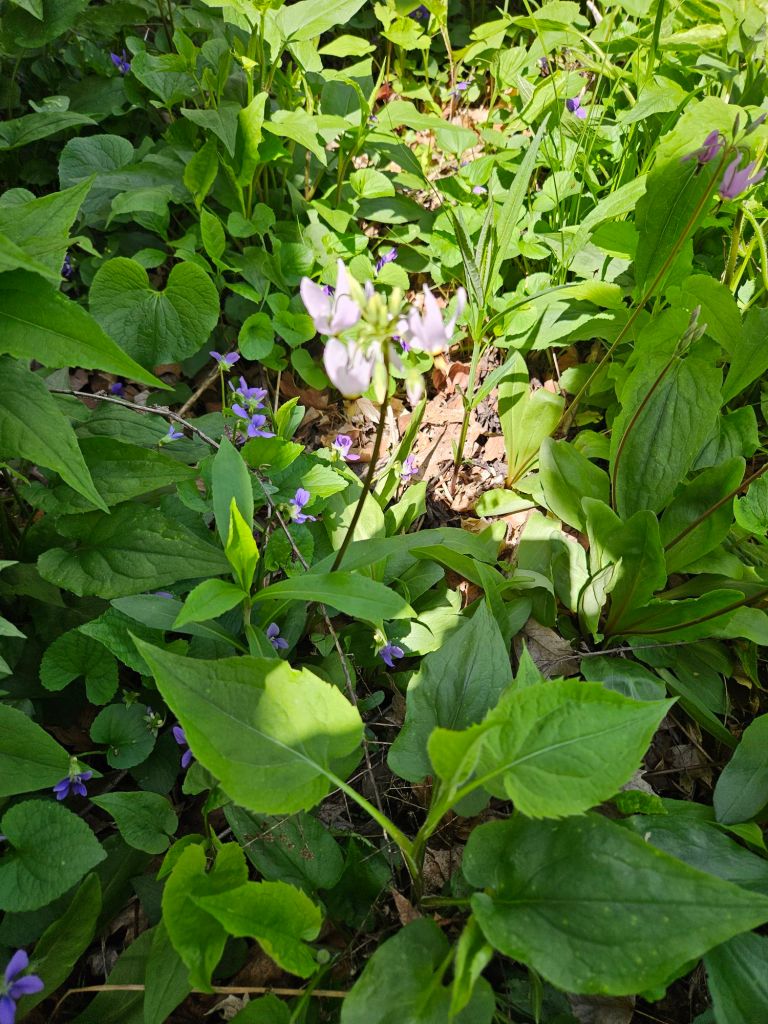
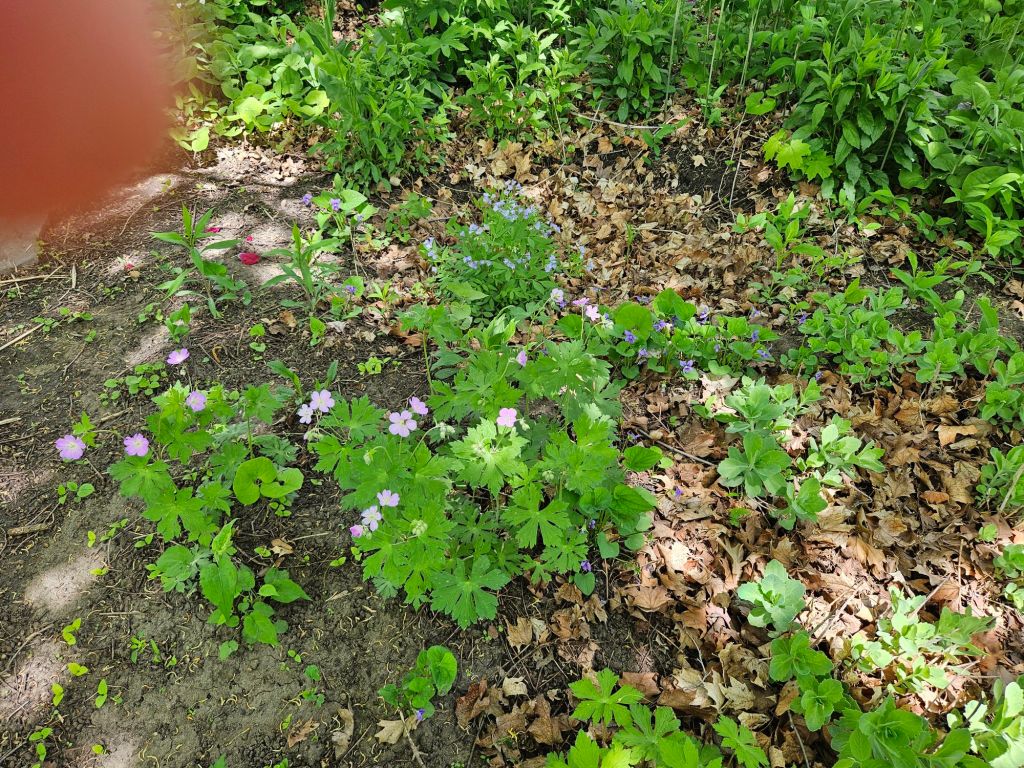
Shooting star , wild geranium, and violets

Marsh Marigolds

Hummingbirds love columbine

It is a perfect time to add some native plants to your garden to draw more birds and butterflies into your yard.

National Wildflower Week was started by Lady Bird Johnson Wildflower Center in Austin, Texas. Find out what wildflowers attract butterflies: http://butterfly-lady.com/plant-native-wildflowers-to…/

Why native plants are important:

  • They are the ecological basis upon which life depends, including birds and people.
  • They provide habitats, food, and shelter for specific insects, birds, mammals, and other animals.
  • They support significantly more wildlife than non-native species.
  • They conserve water, protect soil from erosion, and create habitat for various animals.
  • They offer reduced water use, less maintenance, natural pest control, and environmental sustainability.

Plant Native Wildflowers to Attract Butterflies!

June Superior Views

On what should have been a beautiful Lake Superior morning, smokey air was creeping across the big lake from fires burning in Canada. Luckily, most days are filled with brisk clear Lake Superior air.

Amazing butterflies, the Compton tortoiseshell.

Sounds of robust birds singing fill the woods. The chestnut sided warbler, song sparrows, oven bird, indigo buntings, red-eyed vireo and many others sing all day long.

The butterflies are the very best, and the contrast to so few butterflies in urban areas is striking. Every amazing butterfly that lives in June is here. They seem to love the host plants I have planted to get them to begin the next generation of butterflies. There is hope for the future if we could get over our addiction to pesticides and plant pollinator gardens.

milkweed

Milkweed is a wonderful host plant.

The swallow tail is one of the easiest butterflies to identify.

Seeing the bear, fox and big bucks and deer have been a surprise. After several years of scarcity, they are back, and the squirrels, chipmunks and bunnies are almost non-existent.

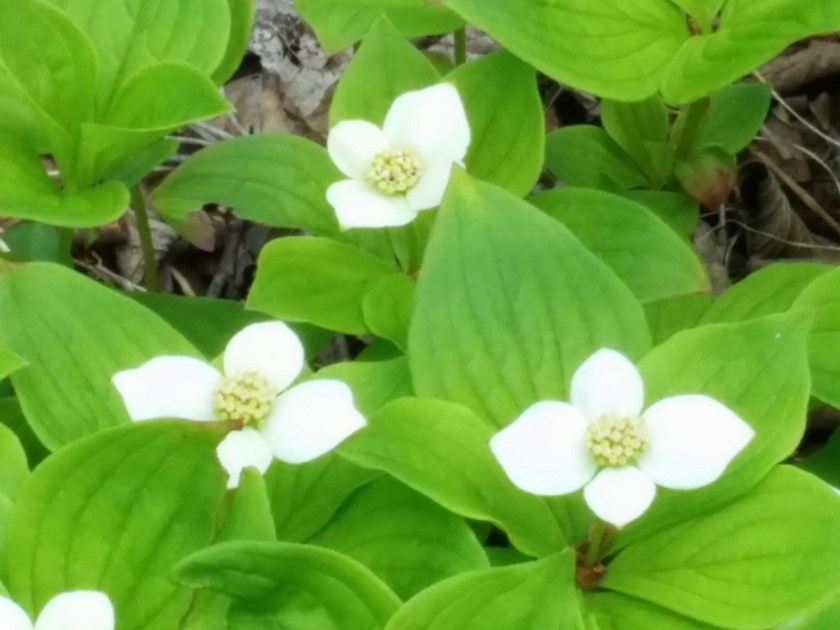
Bunch berries will have red berries later in the summer.

June in the north country of Minnesota and Wisconsin are famous for the beautiful but non-native lupine. They grow in patches everywhere. This year I was struck by all the June white plants blooming. and have enjoyed enormous fields of daisies. I especially love the delicate star flower, the false lily of the valley, the hardy Canada anemone, and classic north woods bunch berries. To experience these beauties, you need to get out of your cars and walk!

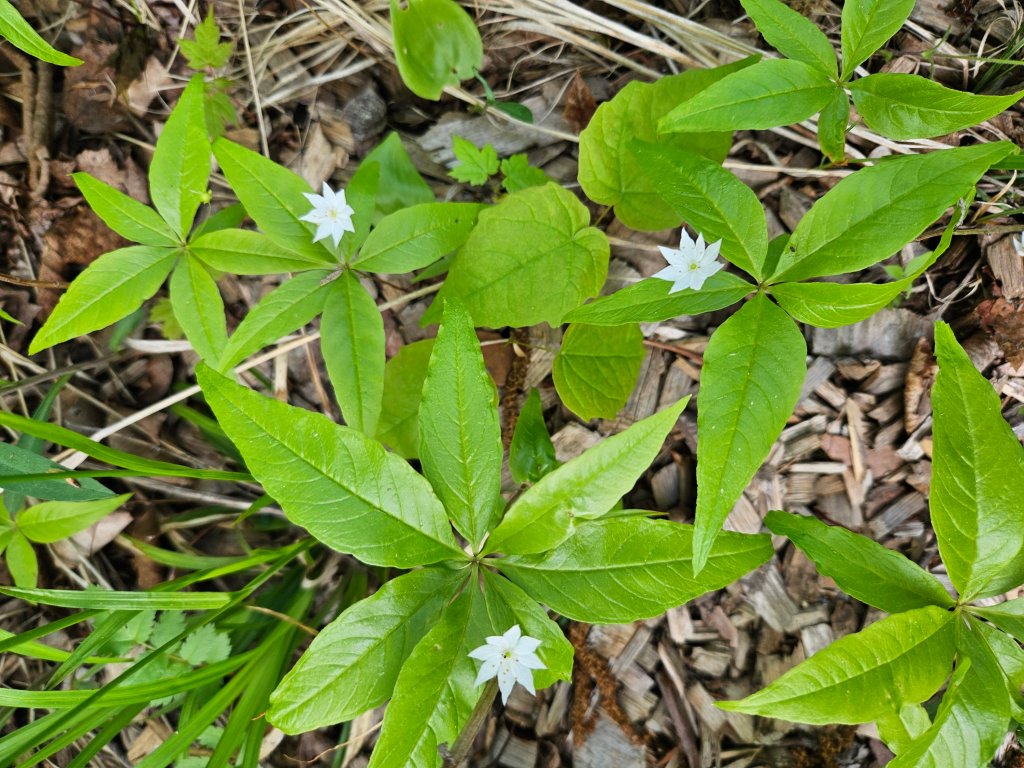
Star flowers