Monarch butterflies are beginning to return to Minnesota and should start arriving in droves in the next two weeks. But the population returning from Mexico will likely be much smaller than in years past.
A years-long drought pattern, winter whiplash and warming temperatures are all hurting the vulnerable species and the plants it relies on to survive, according to University of Minnesota Professor Emilie Snell-Rood, who studies monarchs and other pollinators.
Every day is a wildflower day for me. I plant for the birds, butterflies, and bees and love when they are in my garden. The spring has been spectacular where I live. Trees and bushes are blooming, birds are singing in concert, warblers are migrating through, many butterflies are present, and its sunny and 70 degrees.
The hummingbirds have arrived!
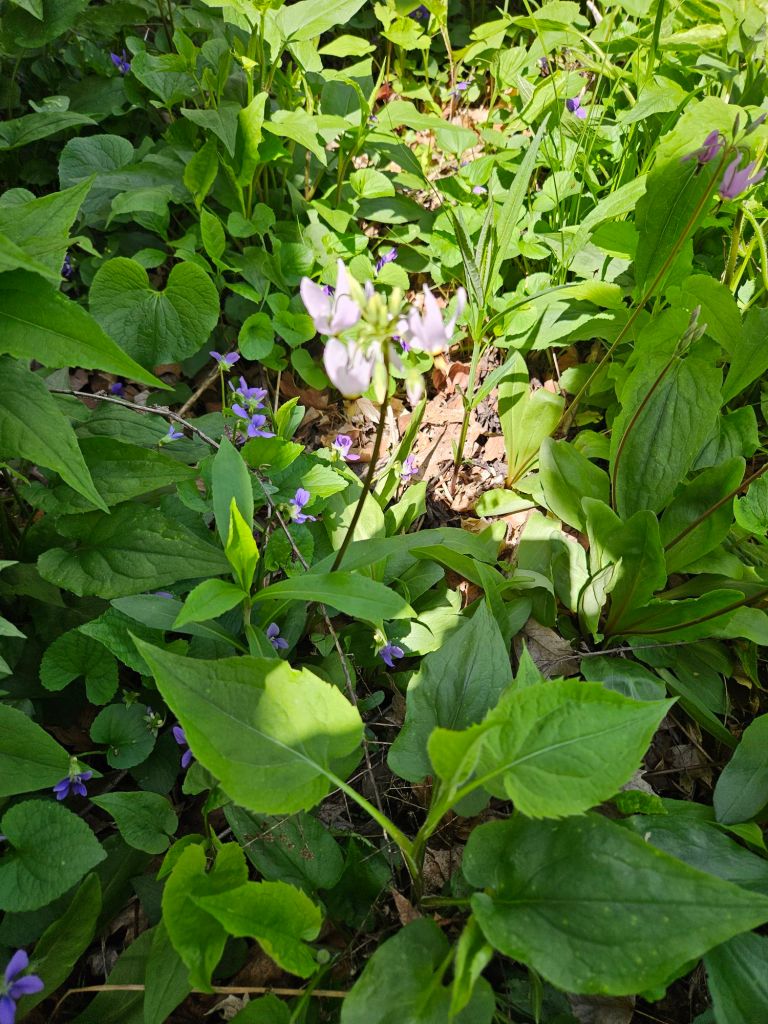
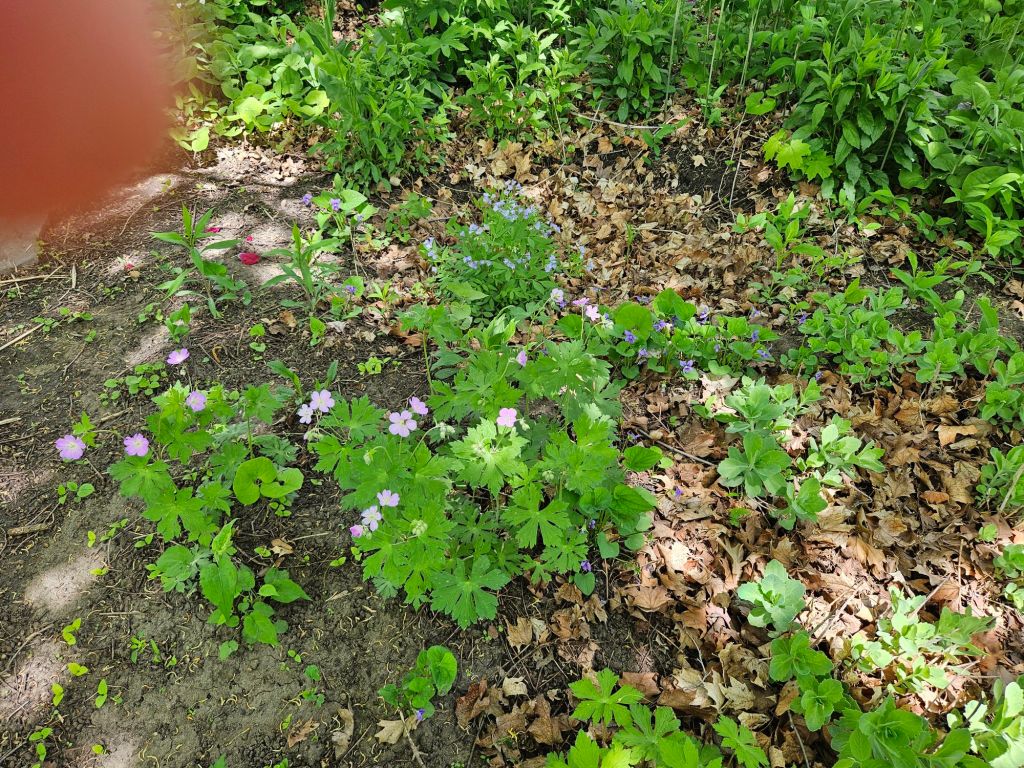
Shooting star , wild geranium, and violets
Marsh Marigolds
Hummingbirds love columbine
It is a perfect time to add some native plants to your garden to draw more birds and butterflies into your yard.
On what should have been a beautiful Lake Superior morning, smokey air was creeping across the big lake from fires burning in Canada. Luckily, most days are filled with brisk clear Lake Superior air.
Amazing butterflies, the Compton tortoiseshell.
Sounds of robust birds singing fill the woods. The chestnut sided warbler, song sparrows, oven bird, indigo buntings, red-eyed vireo and many others sing all day long.
The butterflies are the very best, and the contrast to so few butterflies in urban areas is striking. Every amazing butterfly that lives in June is here. They seem to love the host plants I have planted to get them to begin the next generation of butterflies. There is hope for the future if we could get over our addiction to pesticides and plant pollinator gardens.
Milkweed is a wonderful host plant.
The swallow tail is one of the easiest butterflies to identify.
Seeing the bear, fox and big bucks and deer have been a surprise. After several years of scarcity, they are back, and the squirrels, chipmunks and bunnies are almost non-existent.
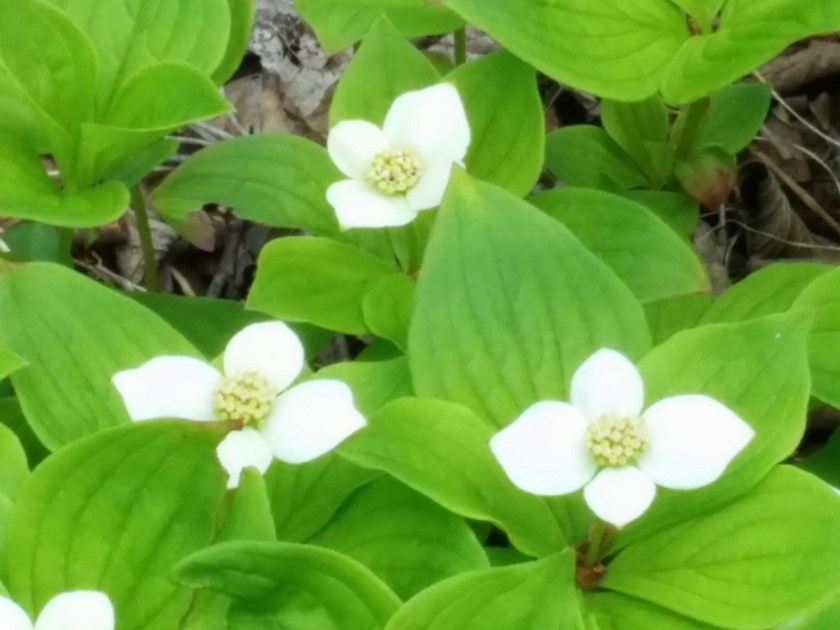
Bunch berries will have red berries later in the summer.
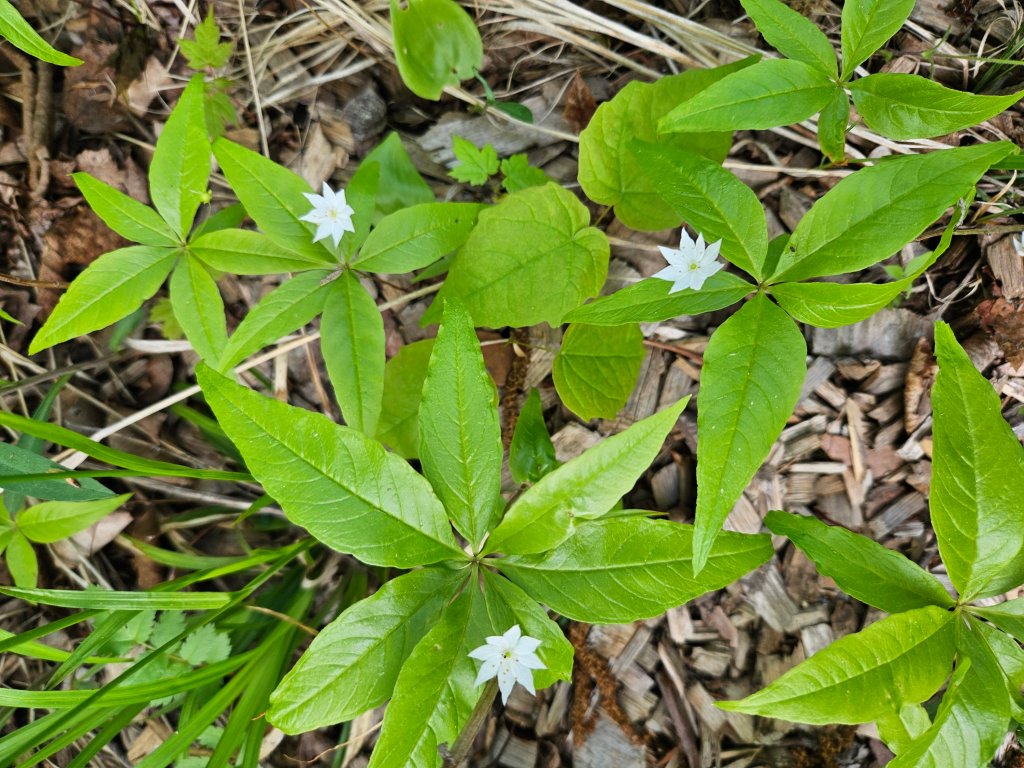
June in the north country of Minnesota and Wisconsin are famous for the beautiful but non-native lupine. They grow in patches everywhere. This year I was struck by all the June white plants blooming. and have enjoyed enormous fields of daisies. I especially love the delicate star flower, the false lily of the valley, the hardy Canada anemone, and classic north woods bunch berries. To experience these beauties, you need to get out of your cars and walk!
Happy Juneteenth**and Happy Pollinator Week! Both important in making the world a better place to live.
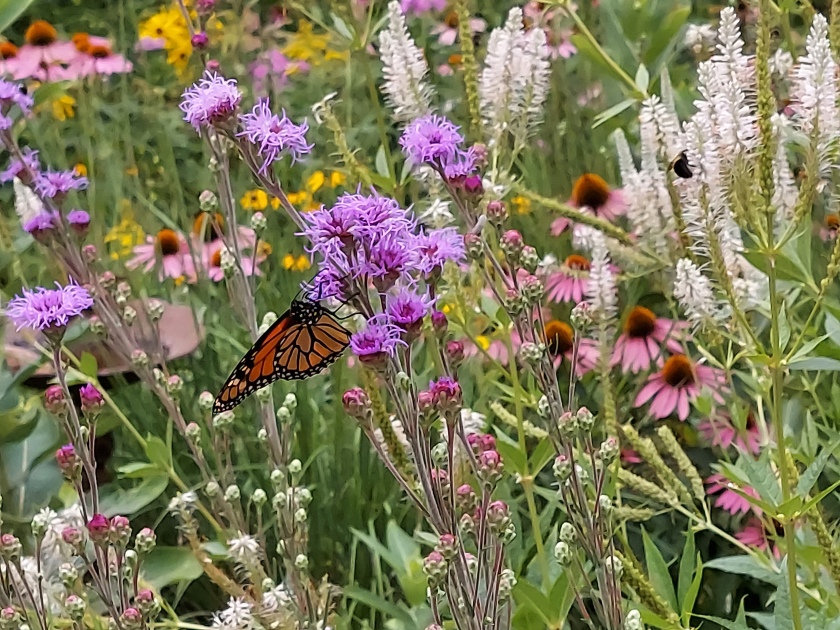
This mix of native plants attracts bees, butterflies, and singing birds.
Bee balm is one of the best plants for pollinators.
Pearly everlasting is a host plant for the painted lady butterfly. Picture of her catterpillar.
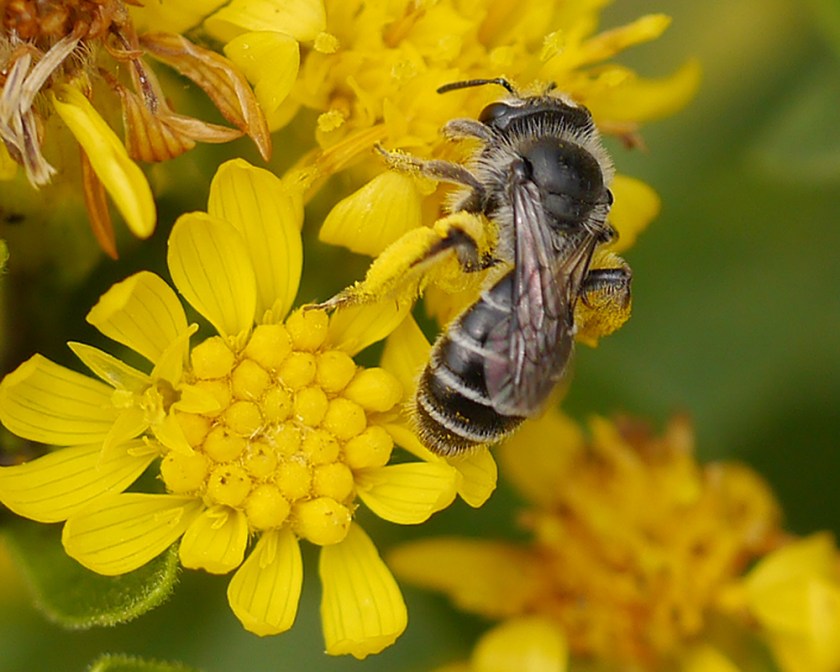
An unsung hero of the pollinator world.
June 19 to June 25, is pollinator week highlighting the importance of pollinators to our world and our survival. Drought, floods, storms, chemicals and loss of habitat are hard on our pollinators, and there are things we can do to ensure their survival.
Pollinators bring me joy and I can’t imagine a world without butterflies, dragonflies, hummingbirds and beautiful singing birds. Take time this week to think about what you can do to help the pollinators of our world. Maybe decide to stop putting chemicals on your yard, plant some native plants, or take out some grass lawn for more garden.
This Pollinator Week is emphasizing the connections between climate and pollinators. Pollinators are dying because their food and homes are disappearing, diseases have increased, and rising temperatures and natural disasters are affecting their ability to survive – all of which are related to climate change. At the same time, the conservation of pollinators and their habitats can help combat climate change by supporting healthy ecosystems, air, soil, water, and plants. Combined, these results make planet earth a safer place for us to live. These are big problems and the efforts that are made around North America and globally during Pollinator Week can help provide real solutions for the pollinators we all love. https://pollinator.org/pollinator-week
**Juneteenth is the “longest-running African-American holiday,” and it recognizes June 19, 1865, as the date that news of slavery’s end reached slaves in Texas and other states in the southwest—formalizing their emancipation after the end of the Civil War a month earlier. It also came two years after President Abraham Lincoln signed the Emancipation Proclamation.
Bees are facing many stressors because of climate change, loss of habitat, too many chemicals and disease.
On World Bee Day plant some seeds bees love like bee balm(menardia) Culver’s Root, hyssop, Joe Pye weed, or asters. Also, consider a bee lawn https://beelab.umn.edu/bee-lawn
Use your power as a consumer to create a better world!
Today is Buy Nothing Day, it is a day to turn our back on the awful obsession with consumerism we have in the United States. The things we purchase put stress on all our resources, water, air, time, energy, and landfills. All the stuff we buy contributes to the climate crisis! Do you really need more junk? Give thanks for what you have and all the people in your life. Be grateful for our beautiful planet, and for all you have. Instead of shopping spend your day outdoors or spend time doing something creative. Instead of shopping for happiness take deep breaths and do something you love. All the state parks in my state are free today, and I’m off for a long walk!
From Thanksgiving to New Year’s Day, household waste increases by more than 25%. Added food waste, shopping bags, packaging, wrapping paper, bows and ribbons all adds up to an additional 1 million tons a week to our landfills. (Source: EPA)
A consumer is powerful. The choices we make, and what we purchase changes marketing and products, and as consumers we can make a big difference by the choices we make. These choices can make a positive change on the environment creating a more sustainable world.
Heighten your awareness of packaging and waste, choosing products with minimal or no wasteful plastic packaging.
Always shop with reusable bags.
Never purchase products with glitter or Styrofoam. They can’t be recycled and are harmful to wildlife.
Shop reuse stores. Some of my favorite clothes and items come from consignment stores.
Shop bulk items.
Buying in bulk is a good way to manage food waste, and plastic waste. Bring your own bags or containers.
Shop retailers that pay living wages and are local over big box stores.
Buy nothing and reuse what you have!
Purchase items that will last instead of cheap junk.
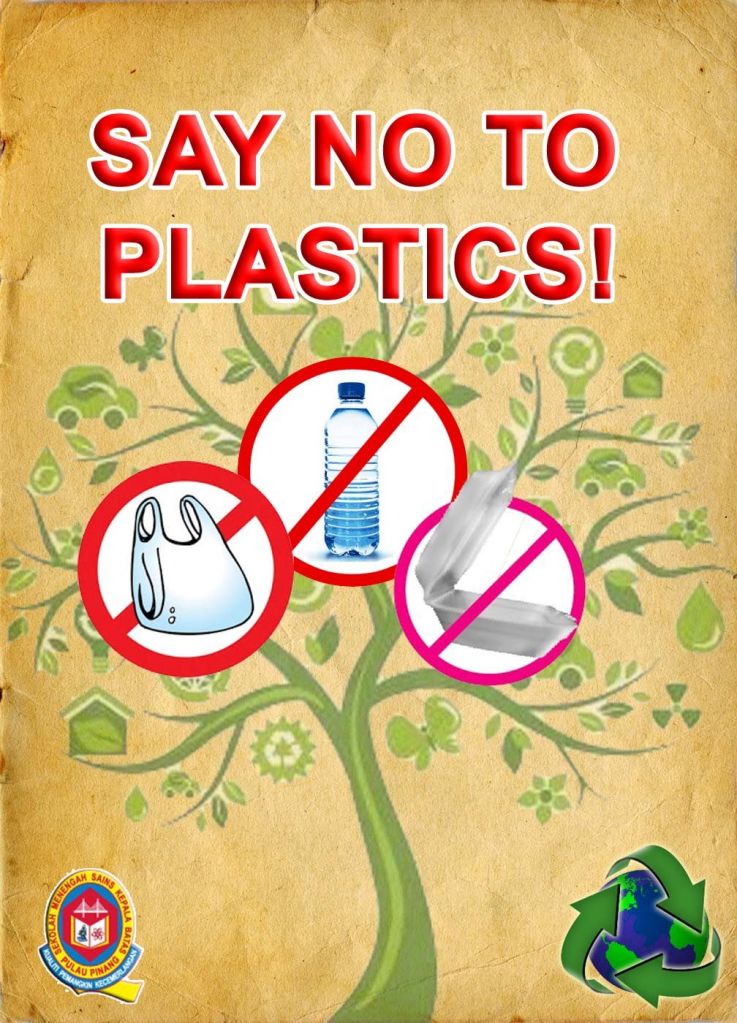
Avoid all single-use plastic
Make your own choices and be creative, don’t be owned by corporations like Apple, Target, Amazon etc.
I am sorry to see the month of July come to an end. Lake Superior keeps the hot temperatures to the south, and the temperature has been comfortable, but the lake has been unusually cold.
It has been an incredible summer for birds. The singing has now somewhat subsided, but in early summer we were thrilled to hear many birds singing we hadn’t heard for a few years. Mornings were so pleasant with purple finch, red starts, song sparrows, chestnut sided warblers, Northern parulas, and red-eyed vireos belting out their beautiful songs. Even though the singing has now subsided, we have an active crowd of baby birds trying to fill their hungry stomachs. Red starts and song sparrows were underfoot as I worked in my garden.
Many birds nest here because we have so many insects and caterpillars to feed their babies. This week we had many birds trying to eat the ripe elderberry berries. Today we had flickers, downy woodpeckers, chickadees, and cedar wax wings trying to hover and snatch one of these delicious berries. I’m sure they wish they could hover and fly like the hummingbirds.
The hummingbirds think they are king of the mountain. Life is a game to them as they wiz around. Even though they are the smallest they are the most aggressive and most visible. Their assertive behavior is entertaining as they are protect “their food.” I am sure the baby hummingbirds are learning from mom how to behave and survive.
Monarch butterflies visit daily
The number of butterflies has also subsided since early July, but a monarch makes a daily pilgrimage to our yard visiting the milkweed. Unfortunately, butterfly caterpillars don’t survive long because there are many baby birds to be fed. I hope that some survive as butterflies,
An American Lady caterpillar on pearly everlasting, it probably became bird food!
Be healthier and avoid the chemicals contained in plastic!
Plastic Free July is about creating awareness about our plastic problem and to encourage individuals to move to a plastic-free lifestyle. Working together we can make a difference to reduce our plastic use and create a world free of plastic pollution.
Other than being light weight, plastic is not a good product. It is made of fossil fuels, and the production of plastic creates air pollution. It pollutes our waterways and land. Plastic also contains toxic chemicals which can poison our food and health. https://azchemistry.com/list-of-chemicals-in-plastic
Plastic reduction is not easy, start small with one thing to eliminate. I have 4 ideas for your #plasticfreeJuly: Start your #plasticfree month by deciding to bring your own bags and decide “no plastic bags” or use a reusable water bottle and choose not to purchase bottled water or soda. Or decide every bit of plastic you purchase must be recyclable (a lot is not), and then make sure it is recycled. Maybe, bare purchase your produce or meat without plastic. You know what plastic you use. Look at the plastic waste you create, what can you eliminate? Good Luck!
I challenge you to a July without plastic bags or plastic bottles.
States and Countries are changing the discussion on plastic:
Landmark legislation in California will reduce single-use plastic by 25% over the next ten years. The ambitious law requires at least 30% of plastic items sold or bought in California are recyclable by 2028 and economic responsibility falls to producers. It’s the first state in the US to approve such sweeping restrictions. Guardian
Spring arrives and shakes us out of all the darkness in our world! After a violent storm last night, I was worried about migrating birds and butterflies. Somehow, they manage to arrive and today I was treated to my first Painted Lady butterfly, a hummingbird, wrens and a Swainson’s Thrush.
Native plants create healthy food, homes and a resting spot for birds and butterflies.
It’s World Migration Week! On this big week of migration what can you do to create a healthier and friendlier environment? Find the migration happening in your county here: BirdCast – Bird migration forecasts in real-time
Would you like your yard to be a resting spot for nature? My yard is for the birds. First, we never use chemicals as we try to create bee, butterfly and bird habitat. Lawn chemicals aren’t healthy for people and they sure aren’t healthy for wildlife either. Native plants do not need chemicals so they are a win-win. Start small, with easy to grow wild geraniums, bee balm and asters. These three plants will get you blooms in the spring, summer and fall, and they will bring joy to you and wildlife.
Bee balm is a magnet for birds, bees and butterflies!
“We can no longer simply “let nature take its course” and expect the return of productive ecosystems. Humans have meddled in too many ways that prevent nature from healing itself. We have introduced over 3,400 species of invasive plants to which local wildlife is not adapted, and we have eliminated the top predators that used to keep deer, raccoon, skunk, and possum populations in check. If we remove an essential part of an ecological community, we must replace it through active management or the system will collapse.” Doug Tallamy
My third idea for a healthy yard is creating a bee yard, and they are beautiful right now. The flowers of a bee lawn provide food (nectar and pollen) for pollinators. Bee lawns are environmentally friendly because they are managed using low-input methods that generally use less fertilizer and pesticides. Bee lawns can still be used recreationally by your household like a regular lawn. A bee lawn can attract over 50 species of native bees.
Oak trees are the best for wildlife. Many species of animals, birds, butterflies and insects use oak trees for food and shelter. Entomologist Doug Tallamy says native oaks are the most powerful of all for our environment. oaks: the most powerful plant of all, with doug tallamy – A Way To Garden
Trees do a lot for us. The invigorating feel we get when out in nature improves our health. Trees help clean the air, capture carbon, create homes, shelter and food for wildlife. Trees stop erosion, help manage flooding, and their shade can help cool our homes and our bodies!
Trees remove carbon dioxide from the atmosphere through photosynthesis and store carbon in their wood. The older the tree, the more climate benefits it provides. The shade from trees also lessens the need for cooling in buildings, which reduces carbon dioxide and other pollutants from power plants.
For example, an oak tree with a 20-inch diameter – big enough that an adult could barely wrap their arms around – reduces carbon in the atmosphere by about 1,000 pounds annually. The energy that tree saves is enough to charge your smartphone about 55,000 times!
Trees provide many additional benefits. That same tree near a single-family home provides overall benefits of about $200 per year by increasing the property value, conserving electricity, intercepting and filtering stormwater, and improving air quality. Imagine the benefits multiplying for each tree in your neighborhood! Hennepin County
Learn more about the climate fighting power of trees and find a list of trees that can thrive into the future on Hennepin County’s Climate Action website.
How does climate change threaten birds, and how does planting natives help?
“Our warming world poses profound challenges to conservation. Audubon’s report “Survival By Degrees: 389 Bird Species on the Brink,” published in October 2019, found that as many as 389 out of 604 bird species in North America could be at risk of extinction due to rising temperatures. Learn more at climate.audubon.org. The report showed that in order to protect birds, we need to reduce the emissions that cause the warming and protect the places on the ground that birds need now and in the future. Planting native grasses, trees, and shrubs does both. First, replacing lawns with native plants lowers the carbon produced and water required to maintain them. And native gardens also help birds be as strong as possible in the face of the climate threat—by providing food, shelter and protection. Native plant patches—no matter how small—can help bird populations be more resilient to the impacts of a warming world.” Audubon.org







 Buying in bulk is a good way to manage food waste, and plastic waste. Bring your own bags or containers.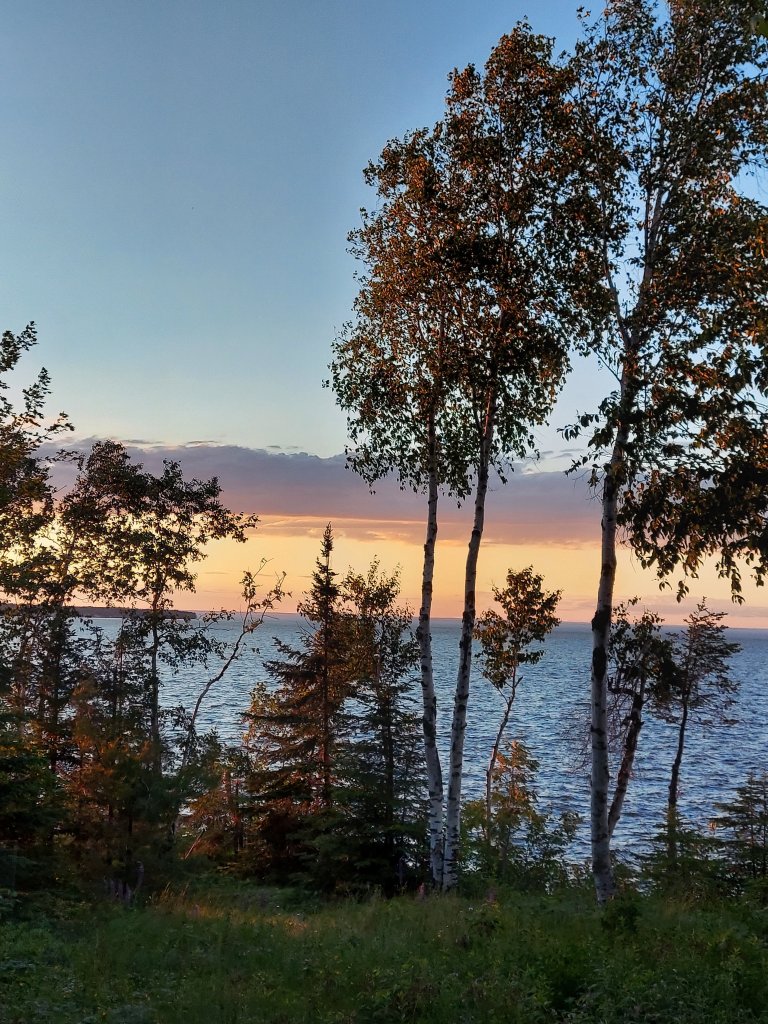



 Health4earth