

Life and Death on Lake Superior
August 2017

I had just seen a hawk fly along Lake Superior, but was surprised when two large birds came crashing into a window where was sitting. This created a 45 minute ordeal below my window. The flicker cried, fought and cried some more, but the talons of the hawk had a firm grip. Blue jays and crows came to watch the commotion. The persistence of the hawk ruled and she was too strong and determined for the flicker. An unusual number of hawks in our neighborhood this August have changed the lives of chipmunks, squirrels, and the birds.
 On a happier note, A a fresh bright monarch was drying her wings after emerging from her cocoon, and a monarch caterpillar was weaving herself into a cocoon and will hopefully evolve into a new monarch in two weeks.
The great south migration has started with groups of night-hawks and yellow-rump warblers migrating through, and in another week the hummingbirds will be gone, also. Harbingers of fall.

The flowers are at their peak and the bees are crazy for bee balm and anise hyssop. The wood-nymph butterflies have been plentiul, but they too are at the end of their life cycle to be replaced by white admirals, cabbage whites, and fritillaries.
It’s Monday, Go Meatless!

It’s Meatless Monday
“Animal protein production requires more than eight times as much fossil-fuel energy than production of plant protein. Meat and cheese production also requires large amounts of pesticides, chemical fertilizer, fuel and water. The animals generate toxic manure and wastewater that can pollute our groundwater, rivers, lakes and streams. The number one way you can reduce your carbon food print is by eating less meat and less dairy.” Do It Green Minnesota
Reduce your meat consumption, and also reduce your food waste. If everyone does a small amount it can make a big difference!
Sustainable Sunday
 I hear many business leaders, and others use the word sustainable when referring to their businesses and their personal goals. I wonder what they mean, and what they are thinking??? Sustainability is a complex topic and can mean many things. Is it one of those code words that is full of hot air??
I think that sustainability means practices that protect the valuable resources of the planet for now and into the future.
The most quoted definition of sustainability is from the United Nations Economic Committee “Sustainability presumes that resources are finite, and should be used conservatively and wisely with a view to long-term priorities and consequences of the ways in which resources are used.”
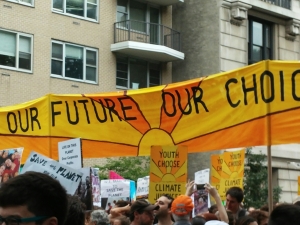 To me sustainability is about he future! It is about reusing and thinking ahead! I think being sustainable takes planning ahead and being prepared. Monday is the eclipse. Much of the United States will be outside. How can you be prepared for a Monday eclipse that doesn’t trash our earth? Plan ahead, fill your water bottles, pack lunches and snacks in reusable containers, gather your pin-holes or eye-approved glasses, and have sustainable fun!
Read more about having a sustainable eclipse here
The Ugly Face of Plastic

Plastic came into being about 1950. It is lightweight and easy to make into many things. Unfortunately, plastic is awful for our wildlife and waterways. Both are choking on this ubiquitous plastic pollution.
What are microplastics? They are tiny pieces of plastic that come from our clothes, plastic litter, and synthetic fibers. Read or listen to the entire story at MPR.
At the present these plastic particles are too small to be strained out of our water treatment plants so they end up polluting our waterways, lakes and oceans. There is a new laundry bag you can purchase (see below) that will filter the microfiber when you wash your clothes.
I love this list from MPR:
5 things you can do to reduce microplastic pollution
- Cut back on consuming single-use plastic products such as shopping bags, Starbucks cups and plastic utensils. Replace them with reusable items like travel mugs, silverware

Microplastic in fleece is causing water pollution! and cloth bags.
- Buy only facial scrubs, toothpaste and other personal care products made with natural exfoliants, such as oatmeal and salt.
- Buy clothing made of organic or natural materials rather than synthetic fibers. Buy only what you need, and invest in higher-quality items so you don’t need to replace them as often.
- Don’t wash your clothes as often, especially items made from synthetic fabrics like fleece jackets.
- Invest in a mesh laundry bag, guppy friend, designed to capture shedding fibers during the washing cycle. Read about guppy friend here.
Hate and Injustice
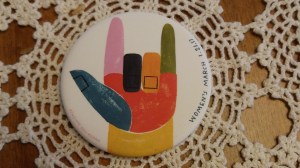
Hate is not sustainable!
Last week I finished reading “The Deep South” by Paul Theroux. Theroux takes four trips into the south, works diligently at interviewing individuals, and writes serious descriptions of what he sees and hears. I loved meeting the people he meets, but was surprised by the poverty, illiteracy, and segregation that still exists in our country. I was most surprised by the white men still fighting the Civil War, and expressions that the rest of us were taking away their freedom because of rules imposed upon them. Why they wallow in this self-pity, and that they are so discriminated against is a serious issue for all of us. I can relate “Deep South” to the events that happened this week in Charlottesville, Virginia. Why do these White Separatists feel so discriminated against? The statue of Robert E. Lee is a symbol of something bigger? Why is hate the solution to our problems? In my work on gun violence and ATVs, I try to express that we all have rights, but I am just stomping on my opponents rights, and out to get them. They are being discriminated against! They feel they should be able to do what they want without regard to the rest of us. Why can’t we see when we violate others rights? The conversation must continue.
Read an interesting thought about the struggle to rise above our history of slavery on PBS.
What Unites Us?

“I see it as a hopeful sign that this eclipse captured the nation’s attention. For all that divides us, we are passengers on a global journey – together.” Dan Rather
As I attend reunions and talk with people who I see every few years, I think about what we have in common? What do we have to talk about in this politically charged climate? This morning I was struck by a moderate journalist, a meteorologist, talking about what we can all agree on? His thought was that clean energy, less pollution, cleaner water, and good paying jobs were things we could unite behind. These are some of the top issues on this blog and things I am passionate about. It would be a dream come true if we could agree on solutions for water and air pollution.
Dan Rather has written a new book on the same topic, “What Unites Us?” He focuses more on our patriotism. Read about it here.
What do you think? What are issues we can rally around and find some common ground solutions? Are clean water and clean air something for which we can find sustainable solutions? What do you think can unite us?
Ready for Good News!
This is my occasional series of good news stories. It’s a look into what the future will be. These stories deal with some of my favorite topics: Clean water, renewable energy, banning plastic bags, and opportunities for girls.

First. whales are coming into New York City for dinner! After working hard to get the Hudson River clean, there is good news. Whales have returned to the New York Harbor for the first time in a century. Read about it from NPR
Second, Even though the United States has pulled out of the Paris Agreement, many U.S. Mayors Endorse 100% Renewable Energy Goals, Read it here.
Third, Electric cars: Volvo Cars announced all of its new models will be electric or hybrid by 2019. France intends to end sales of gasoline and diesel cars by 2040. Norway and India will go to all electric cars in the next decade. General Motors is rolling out the Bolt, and Tesla is building a more affordable electric car. Hopefully, charging stations will catch up to the demand! Read more at electric.
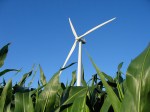 Fourth, the historical land of windmills is leading the charge in wind energy development. As of January 2017, Holland, the land of windmills, has powered all public transport trains by wind power. Read about it at Future.
Fifth, The island country of Australia knows the damage plastic is  doing to our oceans. The two biggest supermarket giants, Woolworth and Coles, both announced plans to phase out single-use plastic bags over the next twelve months.
Woolworths stated that from July 1 next year, its customers will need to bring their own bags when they go shopping, or purchase re-usable ones in-store. Shoppers in New South Wales, Victoria and Western Australia will be affected by the ban.
South Australian, Northern Territory and Tasmanian governments have already implemented state-wide plastic bag bans, and a ban in Queensland will come into effect next year. Read at plastic bags
 Finally, a very happy story, the girls robotics team from Afghanistan was allowed to come into the United States to compete in robotics. Read at Afghan girls.
Lake Superior Day

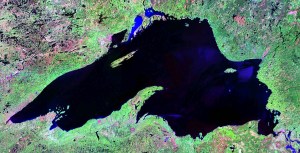
Lake Superior is an amazing beautiful lake. It is the largest and coldest of the Great Lakes.
Today is a typical sunny summer Lake Superior Day with cool winds blowing across the lake from the Northeast. I am celebrating Lake Superior Day by picking up trash along the roadside, not driving and loving the birds, plants and butterflies that are part of the big lake’s habitat. The eagles, sand-hill cranes, humming birds, red-starts, and white-throated sparrows are a total joy. This morning we saw lots of skippers, common wood-nymphs and white admirals.
The below ideas for protecting our lakes is from the Superiorforum.org , Sigurd Olson Institute, Northland college, and the EPA, and Great Lakes Restoration Initiative:
1 .Be conservative with your water use.
2. Recycle as much as you can with the 4 Rs: reduce, reuse, recycle and repair. And….NEVER burn trash.
3. Curb Yard Pollution. Put your lawn on a chemical-free diet!!
4. Stop aquatic invasives by cleaning plants and animals off your boat.
5. Plant native plants, and reduce turf grass.
6. Plant native trees According to Audubon, oak trees are the best for attracting insects and birds.
7. Install a rain barrel
8. Create an energy-efficient home.
9. Bring hazardous waste to waste collection sites.
10. Love our lakes!
I would add a few more:
- Plastics have become a big problem for our waterways. Reduce plastic use and be sure any plastic-use is recycled. Also remember to say, “No straw please!”
- Micro-fibers in our clothes also are polluting our waterways. As of yet there isn’t a good solution. Read about micro-fibers here.
- Always pick up litter, and recycle it if possible.
What causes all that algae?
 The substances that turn our lakes and rivers green each summer come from our lawns and yards. We think of leaves as waste, but to a lake they are food. The algae in lakes love leaves and fertilizers, and when we feed lakes too many chemicals and leaves, algal blooms turn our lakes and rivers green and smelly. Protecting water is everyone’s job What can you do? Simple–remember the land/water connection! What we do to the land we do to the water. Reduce chemicals, clean your streets when the leaves fall from the trees, and when you mow the grass clean your streets and sidewalks. Keep our lakes and rivers clean.
 Health4earth