I make zero waste a game to waste as little as I can.
Our landfills are overflowing, and we just keep purchasing junk and many things we can live without. Consumerism contributes to global warming as do our landfills and burning of trash. We must cut back, maybe not to total zero waste, but creating less waste overall.
Zero waste is not easy, but it is possible. Reducing our waste forces a new look to what we buy. Reducing purchases makes us pay attention to what we buy. Do we really need all the junk we purchase?
March 30 is the UN’s International Day of Zero Waste. This year’s focus is on reducing waste in the fashion industry and helping to advance circular solutions. We have a choice how we spend our dollars, and spending our money on good long lasting products should be a priority. Many items are expensive right now and I bet you can monitor and adjust to be happy with what you already have.
Avoid the fashion fads. Do you really want someone else telling you what to buy and wear. Be your own person create your own look! If your truly want to live on a planet with clean air and clean water we need to cut back! “We still have the ability to stop the worst from happening to our planet. The power to do this is in our hands—we just need to use it.” Katherine Hayhoe
We just need to get in the habit of reusing and fixing what we have. Most of us have closets full of clothes we barely use. Shop your closet and create a new outfit with the clothes you have. Be creative
Many say to me, “But it was so cheap!” No, it’s not cheap with the harm it does to our planet! Manufacturing, shipping, and disposal takes lots of time and energy. Most of it not healthy for anyone.
How can you help to reduce your addiction to fast fashion clothing? Some ideas:
Shop your own closet, or the closet of a friend or relative.
Purchase secondhand. Some secondhand stores even have personal shoppers for you to use.
Buy quality over quantity
Mend clothes rather than throwing them away
Intentionally select the brands you purchase from and learn about their sustainability practices
Make a decision you didn’t need this item after all
Everyday people throw away single-use plastic “stuff” without thinking twice — plastic bottles, bags, utensils, cups, containers and more.
But this “stuff” never truly goes away. Instead, it clogs our landfills, threatens our health, trashes our parks, litters our streets and even washes into our rivers and oceans. Nothing we use for a few minutes should threaten our health and pollute our future for hundreds of years.
Join the February Plastic Challenge!
The Plastic-Free Challenge is a month-long effort starting February 1 to reduce how many plastics you use in ways that fit best in your lifestyle and have the most impact on reducing your plastic footprint.
Do something positive for yourself, your family and for the planet in February. With so many plastic items in our lives avoiding them may feel impossible, but there is a lot we can do to reduce our plastic footprint. Please Join with us to learn ways we can reduce our exposure to plastic. There are many activities to choose from, but you can also create your own challenge. Keep it simple, and even choosing one activity will make a difference. You will learn a lot, and have fun during this February challenge. Sign up here:
The Plastic-Free Challenge is a month-long effort starting February 1 to reduce plastic consumption, in ways that fit best in your needs. You only need to choose one activity that works for you like bringing your reusable shopping bags, or asking not to be given a straw with your drink, or bringing your reusable cup with you for February. Many other ideas will be suggested when you register. Keep it simple. Do a good job on one thing!
The world is facing a trash crisis a climate crisis and a plastic crisis and they are all related to our overconsumption.
So few people connect the climate crisis to the purchases they make. Overconsumption is harmful to our air, to our water and to our health. Landfills and incinerators harm our health. We need to stop competing to be just like everyone else. When we shop purchase items that are of high quality and items that will last a long time. None of us need more junk!
Instead of a season of overconsumption and waste, make it a season of friendship, love and community. That doesn’t mean buy me a gift!
Whether it’s choosing to shop secondhand rather than buy new or simply pausing before you hit the checkout button, we can all rethink the way we consume.
Unsubscribe from sales communication and unfollow brands on social media: We all get those pesky marketing emails, physical mail, and texts, not to mention an onslaught of social media sales messaging, around the holidays. We encourage you to ditch the noise – join over 2 million people who did here. Catalog Choice is a free, online service that will help you save trees, prevent fraud, and fight junk mail. What’s not to love?
The holiday season doesn’t have to be about more Stuff. Together, we can turn the tide against corporate-driven overconsumption and reclaim the real joy of the holiday season.
Most store-bought dishes from supermarkets and restaurants will be packaged in plastic or other disposable containers. To avoid the unnecessary plastic, focus on cooking from scratch. Ingredients like vegetables, flour, butter, and nuts can be commonly found in non-plastic packaging. For items like nuts and dried fruits, see if your local market, co-op or health food store has a bulk section and bring your own bags to fill up! When faced with a choice of packaging, choose glass or paper over plastic. If you’re looking for inspiration, see our (newly updated and expanded) recipe suggestions below. As long as you plan ahead, there should be plenty of time to make things from scratch.
2. Shop Local
Shopping locally reduces your meal’s carbon footprint and helps support local small businesses which need our business more than ever thanks to the growth of online grocery ordering from Amazon and other etailers. Show your community your thanks by supporting local businesses!
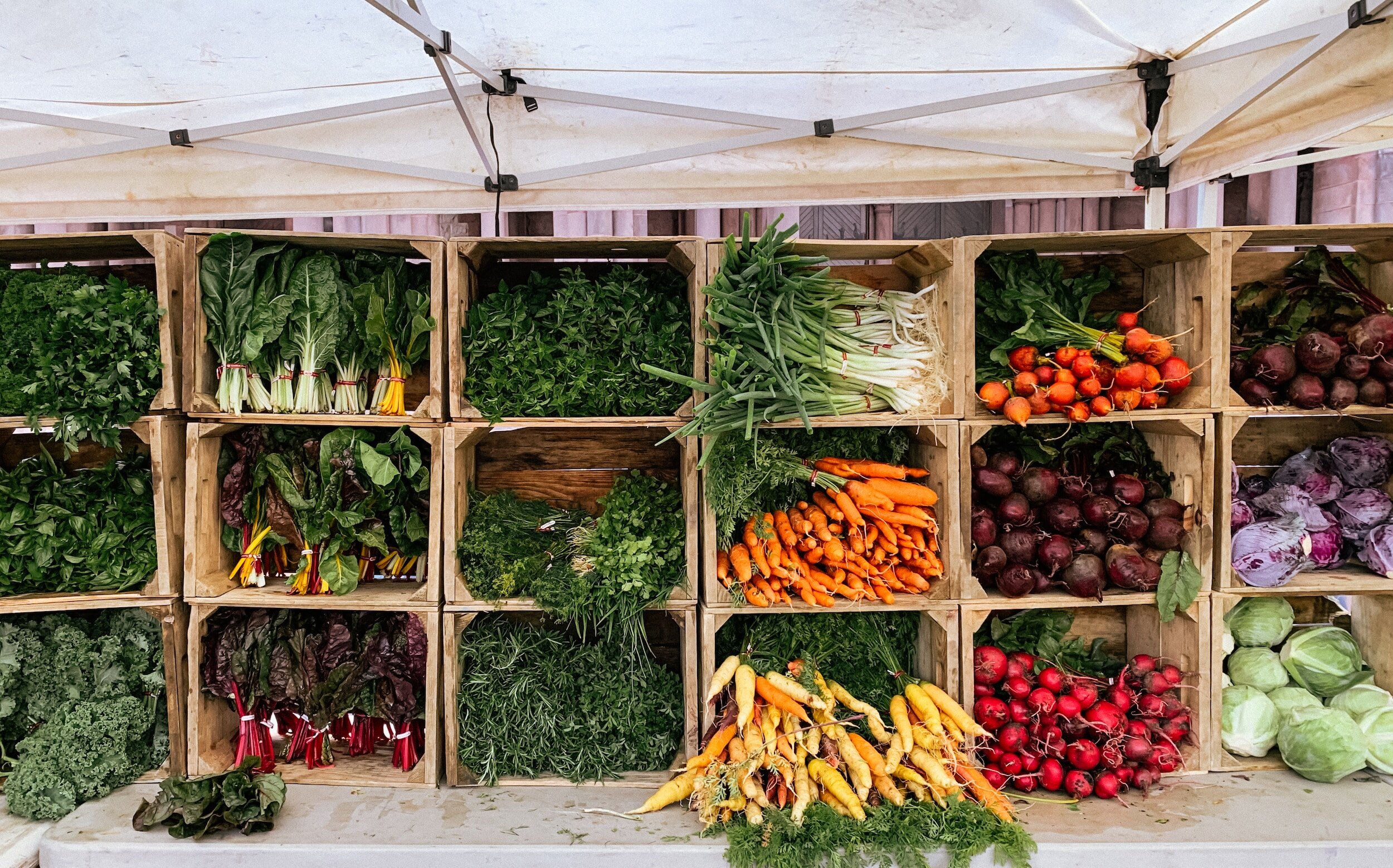
If you don’t have the time or inclination to make pumpkin, pecan, or apple pie from scratch, check your local bakery. While you’re there, pick up the bread you’ll need to make your stuffing and bring it all home in your own reusable bags. Visit your local farmers market to pick up potatoes, squash, sweet potatoes, carrots, onions, greens, leeks, parsnips, and more. If your farmers market is closed for the season, many CSAs (community supported agriculture) also offer a special one-time Thanksgiving share of goodies to anyone, even if you’re not a subscriber.
3. Use Sustainable Decor
Forget the dollar store, you can make beautiful fall decor for your table setting and dining room with things from your backyard and local farm stand. Pressed leaves, squash, and pumpkins make for great wall and table adornments. Check out some good DIY ideas here. And don’t forget to get the kids involved!
4. Serve on Reusable Dishes & Dinnerware
Plastic utensils and cups end up in landfills, incinerators, or waterways where they can pose a threat to wildlife. Set your table with a beautiful tablecloth, ceramic or metal plates, cups, serving platters, metal utensils (got a set of silverware from your parents or grandparents you can bust out?), and cloth napkins. If you’re hosting a big gathering and don’t have enough plates, glasses, serving dishes, or cutlery, take a trip to your closest thrift shop, ReStore or Salvation Army to pick up more on the cheap (there’s often some real gems and some actual silverware mixed in with the cheaper stuff.) You can serve your drinks in glass pitchers or bottles. If your family likes seltzer, consider investing in a machine to carbonate your own “bubbly water”. Tip: choose the model that comes with glass bottles over the plastic ones. If you have kids, assign them the task of polishing silver—they may find it deeply satisfying. Sticking to reusable tableware will not only reduce your waste but also save you money. Get your family or friends to help you wash anything delicate that can’t go in the dishwasher and toss all your cloth items in the washing machine afterwards. No muss, no fuss, and, more importantly, no WASTE.
5. Provide or Remind People to Reusable Containers for Leftovers
Going to family or friend’s home for dinner? Bring your own glass or metal containers to cart home some delicious leftovers. There are also some great beeswax-coated fabric wraps out there these days that can take the place of plastic wrap or tinfoil. If you are hosting the dinner, remind guests to bring reusable containers with them. If you have extras to spare (say from all those take-out containers you saved during COVID lockdown), you can offer them to guests who’ve forgotten to bring their own. If you haven’t yet invested in glass or metal containers, don’t let that stop you – just bring plastic tupperware or clean yogurt containers, etc., but make sure not to heat anything up in those containers later to avoid the chemical leaching that occurs when hot food comes into contact with plastic. If you do use aluminum foil, when you’re done, don’t forget to gently clean and dry it and save it to use again.
6. Compost Your Food Scraps and Decorations!
Compost any scraps from cooking or leftovers that aren’t being saved, as well as any compostable decor you’ve put up or used on the table once you tire of it. Reminder, if your Thanksgiving dinner includes a turkey, you can make delicious, nourishing stock out of the carcass before you compost it. You can then make an excellent, very flavorful turkey soup or freeze the stock for several months. If you’re not sure what can and can’t be composted, check out this helpful list. If you don’t have a backyard compost, see if your city or town has a local composting system. If they don’t have one yet, look into how to start one. HINT: This could be a great project for a Beyond Plastics Local Group or Affiliate to take on.
RECIPE SUGGESTIONS (updated and expanded for 2024!)
Plastic is everywhere. It is hazardous to our health and our environment. Lets work together every day to end the Age of Plastic
These outstanding ideas are from Eureka Recycling!
Practical Tips for Going Plastic-Free
The most powerful zero waste action we can take is not creating waste in the first place. So how do we go about reducing consumption. Here are some helpful tips:
Start with the Basics: Swap out single-use plastic bags for reusable ones. Keep a stash in your car or by the door so they’re always handy.
Choose Reusables & Say NO to Single-Use Plastic: Carry your own refillable stainless-steel water bottle and use glass containers for food storage. Repurposing glass pasta jars for food storage can be a good option
Shop Mindfully: When grocery shopping, opt for products with minimal or recyclable packaging. Choose loose fruits and vegetables over those wrapped in plastic and items in glass or cardboard containers over plastic whenever possible. When shopping for clothes, try to choose used clothes and clothing made of cotton or hemp, which can help reduce microfiber pollution Many clothing, especially synthetic fibers like polyester, nylon, and acrylic, are made from plastic polymers. When these synthetic fabrics are washed, they release tiny plastic fibers known as microfibers into the wastewater. These microfibers are too small to be caught by wastewater treatment plants and ultimately end up in rivers, lakes, and oceans.
Evaluate Necessity vs. Want: Before making a purchase, ask yourself if the item is something you truly need or if it’s just a want. Delaying non-essential purchases can often lead to realizing you don’t need them at all.
Borrow or Share: Borrow or share items that you only need temporarily or infrequently, such as tools, books, or recreational equipment, rather than buying them outright.
Support Plastic-Free Initiatives: Encourage businesses and local governments to adopt plastic reduction initiatives. When possible, support companies that prioritize sustainable packaging and products.
Make Your Voice Heard: As we work to advance zero waste legislation at the state and federal levels, we know we cannot recycle our way out of the plastic production and pollution crisis. Let’s work together to hold petrochemical companies accountable and change systems to better support reduction and reuse.
While Plastic Free July lasts for just one month, the habits we cultivate and policies we advocate for can have a lasting impact. By reducing our plastic consumption, we conserve valuable resources, minimize pollution, and protect wildlife. Moreover, we contribute to a shift in societal norms towards more sustainable living practices.
Join the movement this Plastic-Free July and let’s make every month an opportunity to support a zero waste future.
And some ways to reduce your exposure to microplastics
I disagree with a bill in the Minnesota Legislature about synthetic turf (HF 3705/SF 3869).
Synthetic turf has been framed as a sustainable solution for dealing with the climate crisis, drought and drainage issues. Unfortunately, many want to believe in this easy but expensive solution and believe without evidence that it is a sustainable practice. This is greenwashing and a false solution for helping our climate crisis. Synthetic turf is made of plastic. It has all the terrible side effects of plastic pollution. It breaks down in the sun and breaks down with use. It leaches toxic chemicals into our water and breaks down into microfibers. Synthetic turf is not healthy for children, pets, wildlife or adults to recreate on. It is not a sensible solution for a green lawn.
If plastic were a country, it would be the fifth-largest emitter of greenhouse gases in the world. We shouldn’t be encouraging the use of more plastic. We should be reducing our plastic use, not increasing it.
Synthetic turf is terrible at managing stormwater runoff. Even if it is permeable, the water will run right under it and cause erosion as it finds a muddy path to the nearest waterway. Deep rooted plants are the master of absorbing runoff and holding the soil. They are a proven solution.
The state of Minnesota is putting lots of money into bee lawns. Let’s pivot to them in times of drought. Bee lawns help pollinators, improve water quality and work for the healthy communities the public wants. Bee lawns are real, not fake. They are a low-maintenance and sustainable solution, and bee lawns can be adjusted and planted for everyone’s needs.
Becky Wardell Gaertner, Minneapolis
I like violets in a bee lawn, they are hearty, can be mowed and bees like them.






 Health4earth