World Plastic Treaty

peace on earth

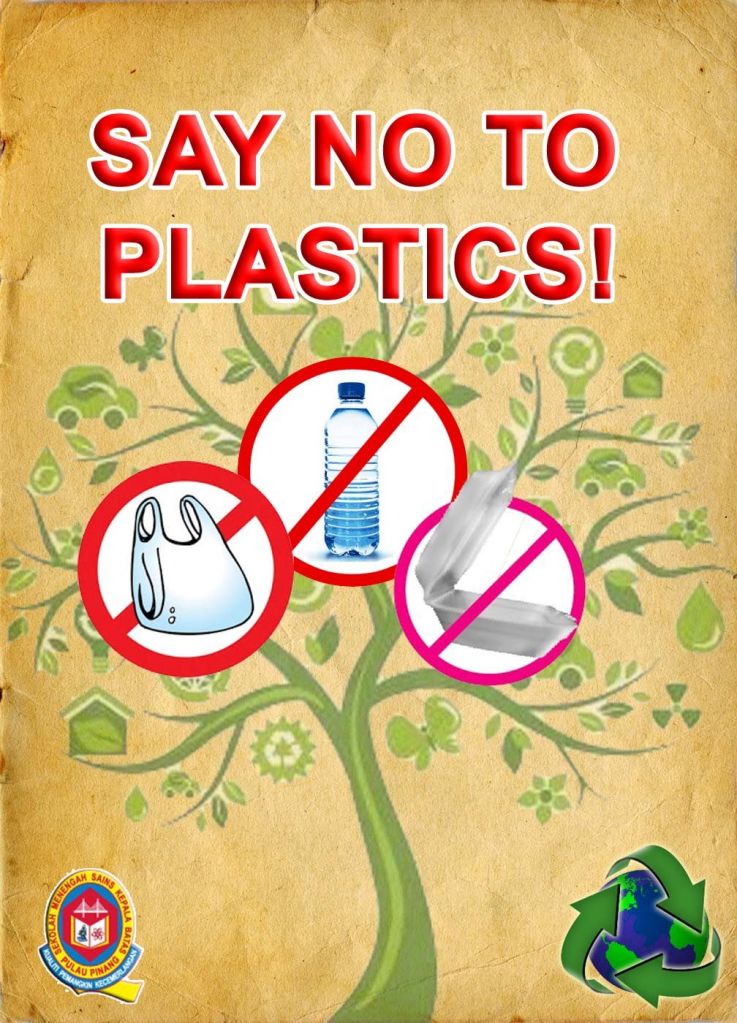
Plastic is a problem not just because it becomes litter but because it poses a real and immediate threat to human health. We must reduce the plastic we consume! Please sign the petition below from Earthday.org

Please sign the petition calling for a strong Global Plastics Treaty.
SIGN NOW

Please sign the petition calling for a strong global plastics treaty
Plastics have a huge impact on human health, leaching harmful chemicals into our food, water, and air leading to hormonal issues,2 increased cancers risks,3 and developmental issues.4 As the plastics breakdown into micro and nano-plastics they are able to penetrate every aspect of our lives and their production pumps emissions directly into the atmosphere further exacerbating the climate crisis.5 That’s why Earth Day 2024’s theme is Planet vs. Plastics, which we believe embodies the struggle we all face for human and planetary health. We must demand action from world leaders to address the issue. The Global Plastics Treaty is the first step to united global action6 — but we need to make sure that they commit to effective measures instead of just do lip service.
Please sign the petition calling for a strong Global Plastics Treaty.
SIGN NOW

As with any international treaty, success is impossible without strict enforcement and commitment by participating countries.

Here are our demands to the United Nations and World Government Organizations:

-Support a highly ambitious Global Plastic Treaty that binds all to the same standards
-A 60% of reduction of all fossil fuel-based plastic production by 2040
-Require producers and retailers of plastics to be liable for the cost of any environmental or health-related damages in accordance with the “producer pays” principle
-Public and private sector investments in innovation to replace all fossil fuel-based plastics
-Ban all plastic-related tobacco products including, but not limited to tobacco filters and e-cigarettes
-Ban the export of plastic waste
-End the incineration of plastic waste
-Support innovative solutions and alternatives to plastic in all sectors
-Fully finance education and public awareness campaigns to inform the public about reasons and strategies for ending plastic pollution

Footnotes:

1. The Guardianhttps://www.theguardian.com/environment/2020/dec/22/microplastics-revealed-in-placentas-unborn-babies

2. The Harvard Gazettehttps://news.harvard.edu/gazette/story/2020/01/plastic-additive-linked-to-excessive-reproductive-abnormalities/

3. The Guardianhttps://www.theguardian.com/environment/2023/mar/29/plastics-cause-wide-ranging-health-issues-from-cancer-to-birth-defects-landmark-study-finds

4. National Institutes of Health: https://www.ncbi.nlm.nih.gov/pmc/articles/PMC5615581/

5. Center for International Environmental Law: https://www.ciel.org/wp-content/uploads/2017/09/Fueling-Plastics-Fossils-Plastics-Petrochemical-Feedstocks.pdf

6. United Nations: https://www.unep.org/news-and-stories/press-release/historic-day-campaign-beat-plastic-pollution-nations-commit-develop

Plastic and our Health

Plastic pollutes our environment and bodies every phase of its life, from extraction, to production, to its use, and then disposal. Also, plastic harms our bodies and contributes to climate change every step of its long plastic life.

This is all depressing, but it is information everyone should know.

Plastic particles can cause heart attacks and strokes, cancer and dementia, but absolutely the worst is plastic and children. Please pay attention.

A group heavily harmed by use of plastics are fetuses and newborns, who absorb microplastics through the mother’s body and breast milk, and young children, who are especially sensitive to plastic chemicals that leach into our food and beverages because their bodies and systems are developing so fast. Landrigan, who is co-author of the book “Children and Environmental Toxins. What Everyone Needs to Know,” said, “Toxic chemicals can damage babies and children at the lowest detectable levels.”

“Brain damage caused by plastic chemicals can contribute to autism, ADHD and IQ loss, The only treatment is prevention of exposure.”

Pediatrician Describes Health Risks and Solutions to Country’s Plastics Problem

Posted on August 24, 2023

Microplastics infiltrate all systems of the body, causing behavioral changes.
Neuroscience Pharmacy Professor Jaime Ross’ study finds ‘widespread’ infiltration, potential for serious health consequences, including Alzheimer’s.

“The brain blood barrier is supposed to be very difficult to permeate. It is a protective mechanism against viruses and bacteria, yet these particles were able to get in there. It was actually deep in the brain tissue.”

Another article

How Plastic Created One of the Most Dire Crises Humanity Faces Today  by THOM HARTMANN, AUG 29, 2023

https://hartmannreport.com/p/how-plastic-created-one-of-the-most-598
“The researchers found that the particles had begun to bioaccumulate in every organ, including the brain, as well as in bodily waste.”
 Microplastics and nanoplastics can have a wide variety of negative effects on There are studies showing microplasstics and nanoplastics can contribute to or cause everything from heart attacks and strokes to cancer and dementia. … and breast and colorectal cancer.

https://pubs.acs.org/doi/full/10.1021/acs.est.3c01942 This article deals with storing food in plastic. I think it is very worthwhile. Plastic pouches are the worst!

Let’s End the Age of Plastic!

Plastic pollutes our Earth and is harmful to our health!

Plastic is made from fossil fuels with many toxic chemicals added.

This post has nothing to do with Greenpeace. I liked this logo

If plastic were a country it would be the 5th largest emitter of greenhouse gases. Plastic pollutes our planet at every stage of its life, it also causes disease and death. 

Plastic is made from fossil fuels and also toxic chemicals. Many thousands of unregulated chemicals are added to make plastic soft, hard; fire resistant or whatever chemicals are needed to create the plastic product. These harmful chemicals leach into the food and drinks of the products they package.

 Just knowing this about plastic do you really want to package your food or drinks in it? Not only is plastic leaching into our food, but it is also shedding particles everywhere. These particles, called microfibers, can be found every place on Earth and these microfibers carry with them the toxic plastic chemicals contained in plastic. Many of us consume a credit card of plastic particles a week. 

More bad news about plastic! Plastic is difficult to recycle. All the chemicals and different types of plastic make it hard to recycle and hard to turn into new markets. Recycling plastic makes it more toxic. Only about 5 to 9 percent of all the plastic produced has ever been recycled.

Every person on our planet needs to reduce their dependence on plastic, most of all our children. We don’t know what the long-term effects will be, but many of the chemical additives in plastic are known to cause cancer and other serious diseases. PFAS, phthalates and bisphenols and many others, added to plastic, should be taken seriously, and the producers and manufacturers of plastic need to be held responsible for the harm they contribute to our health and our planet.

Please sign this petition calling for the US to join the Global Plastics Treaty encouraging the White House to commit to end the production and sale of single-use plastics, combat plastic pollution, and require producers and retailers of plastics to be liable for the cost of any environmental or health-related damages. 

Most important, start this moment to reduce your plastic exposure/ footprint. 

  • Always carry a reusable glass or metal water bottle, and reusable shopping bags with you.
  • Learn to refuse single-use plastics, such as plastic water bottles and coffee cups, straws, plastic bags and plastic utensils. 
  • Purchase fruit and produce in the bulk section, and don’t place items in plastic bags. 
  • Always search out products in glass jars instead of plastic containers. 
  • When you must buy plastic products, choose ones that you can recycle rather than ones you must put in the trash. 
  • Bring your own containers and shop the bulk section of your local food coop.
  • Purchase clothing made from cotton and wool instead of polyester or poly fibers. https://www.npr.org/2023/07/19/1188343293/is-toxic-fashion-making-us-sick-a-look-at-the-chemicals-lurking-in-our-clothes
  • Store food in glass containers instead of plastic.
  • Ditch the baggies!

Reading list

https://scienceinfo.net/how-much-plastic-do-we-eat-every-day-every-month-and-all-our-life.html

https://www.standard.co.uk/news/world/new-zealand-ban-plastic-fruit-vegetable-bags-world-first-carrier-bags-environment-b1091015.html?ref=futurecrunch.com

Press Release | Press Releases | News | U.S. Senator Jeff Merkley of Oregon (senate.gov) Plastic Action Month 

How plastics are poisoning us – The Daily Climate   

How Plastics Are Poisoning Us — Beyond Plastics – Working To End Single-Use Plastic Pollution  

The missing science: Could our addiction to plastic be poisoning us? (unep.org)  

“It’s As If They’re Poisoning Us”: The Health Impacts of Plastic Recycling in Turkey | HRW  

http://defendourhealth.org/blog/the-chemical-footprint-of-a-plastic-bottle-webinar/  

https://www.npr.org/2023/07/19/1188343293/is-toxic-fashion-making-us-sick-a-look-at-the-chemicals-lurking-in-our-clothes

Please sign the petition calling for the US to join the Global Plastics Treaty, you can help encourage the United States to end the production and sale of single-use plastics by 2030, introduce measures to combat plastic pollution by regulating the entire life cycle of plastic, and requiring producers and retailers of plastics to be liable for the cost of any environmental or health-related damages.


Heat and Smoke

Weeks of smoke from Canadian fires, then extreme heat? This past week, three world heat records were set. July 6, 2023, the hottest day the world has recorded preceded by records set on July 3rd and 4th. Whether it is the hottest day ever recorded or the smokiest day recorded, this is dangerous, and we must tie it to what is causing this? It is threatening for us as humans, and I wonder what the toll will be on our wildlife that can’t escape inside? How can we lessen our impact? How can we lower our emissions and reduce our fossil fuel output.

What are some things you can do? Every action matters we need to reduce our use of fossil fuels, here are some easy things you can do.

-Reduce driving, carpool or use public transportation if you can.

-If you’re driving, do not idle your vehicle.

-Run errands on your bike or walk

-Avoid using gas lawnmowers and other gas-powered equipment.

-Reduce your plastic consumption. Plastic is made from fossil fuels.

-Stop backyard fires and stoves

https://www.msn.com/en-us/weather/topstories/this-week-s-record-breaking-global-temperatures-are-likely-highest-in-at-least-100000-years/ar-AA1dyXoX

https://www.pbs.org/newshour/show/record-breaking-global-temperature-raging-wildfires-highlight-effects-of-climate-change

World Oceans Day

Celebrate and love our oceans, make it a plastic-free day!

Make it a day without plastic!

World Oceans Day | United Nations 

The ocean covers over 70% of the planet. It is our life source, supporting humanity’s sustenance and that of every other organism on earth. 

The ocean produces at least 50% of the planet’s oxygen, it is home to most of earth’s biodiversity, and is the main source of protein for more than a billion people around the world. Not to mention, the ocean is key to our economy with an estimated 40 million people being employed by ocean-based industries by 2030. 

Even though all its benefits, the ocean is now in need of support. 

With 90% of big fish populations depleted, and 50% of coral reefs destroyed, we are taking more from the ocean than can be replenished. We need to work together to create a new balance with the ocean that no longer depletes its bounty but instead restores its vibrancy and brings it new life. 

“Planet Ocean: tides are changing”, is the theme for World Oceans Day 2023 – the UN is joining forces with decision-makers, indigenous leaders, scientists, private sector executives, civil society, celebrities, and youth activist to put the ocean first.  The UN

What is the Great Pacific Garbage Patch? (noaa.gov) World Oceans Day | United Nations 

A treaty to protect the world’s oceans has been agreed after a decade of talks : NPR 

Celebrating Our Beautiful Earth

What are you looking forward to this April?

bookmark

Every Day is Earth Day!

April is earth month. Do one thing each day to make the world a cleaner kinder place. Sign up here to do an Earth Month Challenge: Earth Month Ecochallenge 2023: Sustainable Development Goals – Home Page 

Here are some other ideas:

My Earth month suggestions and the things I do most days are to purchase less junk, reduce my plastic use, pick up litter, and work hard to end food waste.

How to Reduce Your Carbon Footprint – A Year of Living Better Guides – The New York Times (nytimes.com)  Drive less, reduce meat consumption, don’t waste food, and be a wise consumer.

Five things we learned from the new climate report Five things we’ve learned from UN climate report – BBC News

This month calendar has lots of ideas to be healthy and active. Add picking up litter and being kind to your daily activities.

Letter to the Startribune editorial page: While it is exciting that spring is coming, now is the also the time we see all the trash that has been snow-covered during our long winter. In this state of 10,000 lakes and many beautiful rivers, too much of this trash will end up polluting our waters if not cleaned up. I urge all reading this to do your part, and encourage others, too, to pick up as much trash as you are willing and able. If you are a homeowner, perhaps you can start with the trash in the street in front of your house. Perhaps carry a bag while walking and pick some up while exercising. Anything is a start and appreciated. Dave Councilman, St. Louis Park

What are you looking forward to this April? Enjoy, and make it worthwhile!

The Plastic Disaster

Every day we should be working to reduce our exposure to plastic.  

The tragic chemical spill in Palestine, Ohio highlights how dangerous plastic production is to the public. Plastic creates pollution from every stage of its life, from the extraction of fuel, to shipping and manufacturing, and then end of life disposal.   Plastic is made from fossil fuels. Why would we want something made of fossils fuels to store our food, make our baby toys and bottles or line our water pipes. PVC pipes can leech chemicals into our drinking water. Plastic containers contain toxins and microfibers, and the disposal of plastic creates harmful pollution from burning, sitting in landfills or floating in our lakes, streams and oceans. 

Producers of plastic need to be held responsible for the products they produce and the hazardous waste they create. This should include the production pollution created, the shipping and the disposal. This would save taxpayers lots of money! 

 Below is a sampling of op-eds that have been written on this deadly disaster. 

https://www.bostonglobe.com/2023/02/24/opinion/east-palestine-disaster-was-direct-result-countrys-reliance-fossil-fuels-plastic/?event=event12

The East Palestine disaster was a direct result of the country’s reliance on fossil fuels and plastic. The hazardous chemicals being transported by the derailed train — including vinyl chloride, a known carcinogen — are used to make PVC, the world’s third most used type of plastic, typically used in pipes to deliver drinking water, packaging, gift cards, and toys that kids chew on. 

Plastic threatens human health at every stage of its life cycle, from the toxic substances released into the air during fossil fuel extraction, to the dangerous transport of these chemicals, to the plastic particles and toxins we consume from our food and drinking water, to the hazardous emissions from facilities burning or burying the waste after consumer use. 

Toxic Train Derailment in Ohio Raises Questions About Rail Safety and Hazardous Chemicals – EcoWatch 

Chemical Train Disaster in Ohio | Sierra Club   

Every year, millions of trains with highly toxic cargo pass close to our homes, schools, and public spaces. This includes poisonous substances like vinyl chloride, as well as coal, oil, and gas. There are simple ways that state and national leaders can ensure that a disaster like this doesn’t happen again. This includes requiring better train braking systems and early warning systems. Some materials, like vinyl chloride, are toxic at every stage and should no longer be in use. Unfortunately, rail companies like Norfolk Southern continue to lobby to avoid regulation and safety measures, and they’ve also slashed their workforce, making an already risky situation even worse. 

NY Times Op Ed by Rebecca Fuoco and David Rosner:  

Freight trains typically transport more than two million carloads of hazardous materials each year, including many chemicals. Vinyl chloride is particularly dangerous and increasingly common, used primarilyto make polyvinyl chloride, better known as PVC, a hard plastic resin used to produce pipes, wire, cable coatings and packaging. We should begin phasing out the use of this chemical. 

The East Palestine disaster was a direct result of the country’s reliance on fossil fuels and plastic – The Boston Globe 

Biden’s EPA Restores Rule Protecting Vulnerable Communities From Mercury and Other Toxic Power Plant Emissions – EcoWatch   

Toxic Train Derailment in Ohio Raises Questions About Rail Safety and Hazardous Chemicals – EcoWatch 

Reduce Your Plastic Footprint

This post below is from Hennepin County:

Plastics are common because they are cheap, lightweight, and versatile. More than one-third of plastics are used for packaging, including food packaging, grocery bags, and straws, which are all items that get tossed after one use. Plastic use has increased 20 times since the 1960s and will continue to increase if changes aren’t made.

The amount of plastic we use is problematic because:

  • Most plastics are made from oil. About 4% to 8% of the world’s oil production is for plastics.
  • Many plastics can’t be recycled. In Hennepin County, less than half of the total plastic generated is recycled.
  • Plastics collect in our lakes and rivers and break down into micro and nanoplastics. These are threats for birds and wildlife and have known and unknown concerns for human health.
  • Micro and nanoplastics have been found in our soil, water, and food. About 60% of microplastics come from high-income countries in the form of tire dust, pellets, textiles, and personal care products.

Your plastic footprint

When you’re starting a journey to use less plastic, a good first step is to quantify your personal impact. By estimating the waste you create, you can decide what to focus on during these four weeks. The Omni Calculator plastic footprint calculator is one such calculator that you could use.

Replacing disposables with reusables

Once you have a better idea how much plastic you use, get started today with these five simple swaps for single-use items:

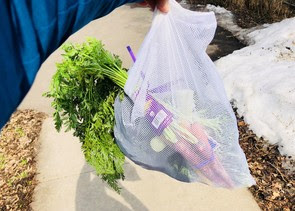
Reusable produce bagPlastic bags: Start using your reusable bags for groceries, produce, and more, including clothing, shoes, gifts, or whatever you buy. Keep some bags near your door or in the car for easy access.Plastic storage baggies: Plenty of alternatives for plastic zip bags exist. Use reusable containers in glass, ceramic, metal, or choose reusable snack bags.Plastic utensils: Start by bringing your own reusable utensils for your home packed meals, then start refusing disposable utensils when they are offered in restaurants or to-go. Find a few reusable utensils at a thrift store if you don’t want to risk losing pieces of your regular set.Plastic wrap: Use reusable containers with lids for storing foods, place a plate over a bowl in the refrigerator, or try an option like beeswax cloth to wrap over the top of your containers.Straws: Cut back your use or eliminate plastic straws by using a reusable straw instead. Request no straw when you place orders in person or online.

There are Things You Can Do Everyday

Climate march in New York City

We can all make a difference!

As our planet continues to warm, we are facing many consequences. California is facing incredible rains, Europe has unheard of winter warmth, and where I live, we have smelly bad air warnings. We cannot throw up our hands and claim there is nothing we can do. Every activity we participate in affects our warming planet. Can we buy less, drive less, eat less meat and use less plastic? Little things make a big difference.

10 Things You Can Do to Help Save the Earth – EcoWatch     

2022 Extreme Weather Disasters in the US Cost $165 Billion, NOAA Says – NBC New York   

https://www.forbes.com/sites/carlieporterfield/2023/01/10/8-heat-records-that-were-broken-in-the-last-8-years-the-hottest-on-record/?sh=36a2950f455b

2022 was the world’s fifth-warmest year on record (msn.com)   

Be Car-conscious 

If you can, stay off the road two days a week or more. You’ll reduce greenhouse gas emissions by an average of 1,590 pounds (721 kilograms) per year [source: EPA]. It’s easier than you think. You can combine your errands — hit the school, grocery store and dog daycare in one trip. And talk to your boss about teleworking. It’s a boon for you and your company. But being car conscious also means maintaining your car on a regular basis. You can improve your gas mileage by 0.6 percent to 3 percent by keeping your tires inflated to the proper pressure, and be sure to make necessary repairs if your car fails emission [source: EPA]. 

Give Up Plastics 

The statistics are shocking: People around the world buy 1 million plastic drinking bottles every minute, and use up to 5 trillion single-use plastic bags every year. Humans are addicted to plastic, and hardly any of it — about 9 percent — gets recycled. A staggering 8 million tons (7.25 metric tons) ends up in the ocean every year. Break the cycle. Stop buying bottled water. Say no to plastic shopping bags and use cloth bags instead. Don’t use plastic straws. Drink from a reuseable cup instead of a plastic one. Avoiding plastic can divert a ton of waste from the oceans and landfill. 

peace on earth

Clean air and clean water are better for all of us. Buy less and drive less.

https://xerces.org/blog/new-years-resolutions-that-will-benefit-nature-wildlife-and-invertebrates