This is an excellent blog on reducing plastic from http://www.ecomena.org. It is so simple!
Ecomena’s top ways to reduce plastic are:
1. Bring your own shopping bags
2. Buy bulk and refill your own containers
3. Don’t purchase bottled water
4. Say “No” to straws
Today I’m starting an occasional series on good-news events. Three stories have made me happy this past week, and I hope you enjoy them as much as I have. *First, this is amazing. New Delhi, India, banned plastic bags and single use plastic. It will make a difference for our oceans, and Delhi’s air quality. A plastic ban will not be easy to implement, and I wish them luck. Read about it from Independent News, and from Ecowatch. ** Second, Solar energy added 73,615 new jobs to the U.S. economy over the past year while wind added a further 24,650. According to a new report from the U.S. Department of Energy, solar power employed 43 percent of the Electric Power Generation sector’s workforce in 2016, while fossil fuels combined accounted for just 22 percent. Read about it from Forbes
Making a Positive Difference!
*** Third, PBS did a marvelous story of an American woman making great efforts to educate girls in Liberia. Watch on PBS
To think that people are going to stop eating fish is a heavy lift. Even the vegans I know will eat fish and sushi. Do you purchase fish and shrimp? Some things to consider:
Why would anyone purchase or eat fish caught in Viet Nam or China? I thought this was such an interesting and strange story, and It should be shared to heighten people’s awareness. Most Americans eat fish caught in Asia while fish caught in Massachusetts is exported to Europe. Why would anyone purchase or eat fish caught in Viet Nam or China? Watch the segment on Dog Fish, a sustainable fish, here.
In the United States it is possible to purchase sustainable Gulf caught shrimp and scallops, as well as wild caught cod, salmon and other fish from the Pacific Ocean. Also, fish from the Great Lakes is excellent.
Be a Climatarian, consider the planet when you make all food and fish choices, and buy local and USA products if they are available. And then there is the thought that we shouldn’t be eating fish at all. Read it here from One Green Planet
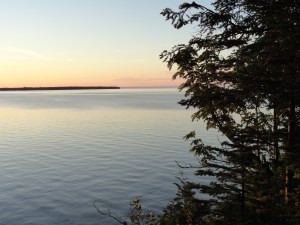
Lake Superior and all lakes are precious, protect them!
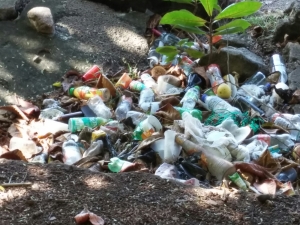
Yesterday I was at the public library in Superior, Wisconsin. I was impressed with an educational display by Wisconsin Coastal Management . They had a large display of trash that a student group had picked up from a one day beach trash pick-up from a local Lake Superior beach. Ideas from the trash collected created an educational poster for the public. Plastic breaks into tiny bits, is eaten by our fish, and probably will last hundreds of years, maybe forever!
What we do to our land, we do to our river” John Stein MPCA Commissioner
The Mississippi River, one of the longest rivers in the world begins in Minnesota and flows south into the Gulf of Mexico. The Mississippi River cuts the United States in half, into the east and the west. An investigative report by the Minneapolis Startribune.com. reveals the environmental threats to the Mississippi River caused by agricultural pollution and urban run-off. Many communities use the Mississippi River as their source of drinking water. If we are polluting this great river at the head waters what is the future for all of us, and for the wildlife that also uses this river? What is the future of the Gulf of Mexico as the Mississippi River carries pollution during its journey south? What will be the state of drinking water through the middle of the United States?
We all need to do better.
The storm drains on my street drain into the Mississippi. What we do on the land affects the Mississippi River. As a trained water steward, I am encouraging urban dwellers to manage the run-off from their yards in a smarter way. There is a new paradigm. Instead of getting the water off our land we are looking for ways to use water run-off by redirecting our gutters and down-spouts, and building rain gardens to capture the rainfall.
Not using chemicals, sweeping our sidewalks and streets, re-directing our down-spouts, building rain gardens, picking up trash, and recycling are just a few things the urban dweller can do to help the Mississippi River. Agricultural interests are another thing, and they need to do their part. Part 3 of this series focuses on farmers along the Chippewa River giving hope:
“Raising the amount of land planted in such perennials by just 10 percentage points — from 24 percent to 34 percent of the Chippewa watershed’s 1.3 million acres — would be enough to tip the river from polluted to clean.
Some 25 landowners now participate, and if they can prove its premise — that a farmer can make money without polluting the Chippewa — they could be a model for protecting threatened rivers all across the Midwest.” Read part 3 report here.
Taiwan has been struck by three typhoons in the past month. A few weeks ago Taiwan was pummeled by Typhoon Meranti with winds of 186 MPH. In July they were struck by Typhoon Nepartak. As the earth warms, most of this warming is in the oceans causing instability. Global warming is making typhoons worse.
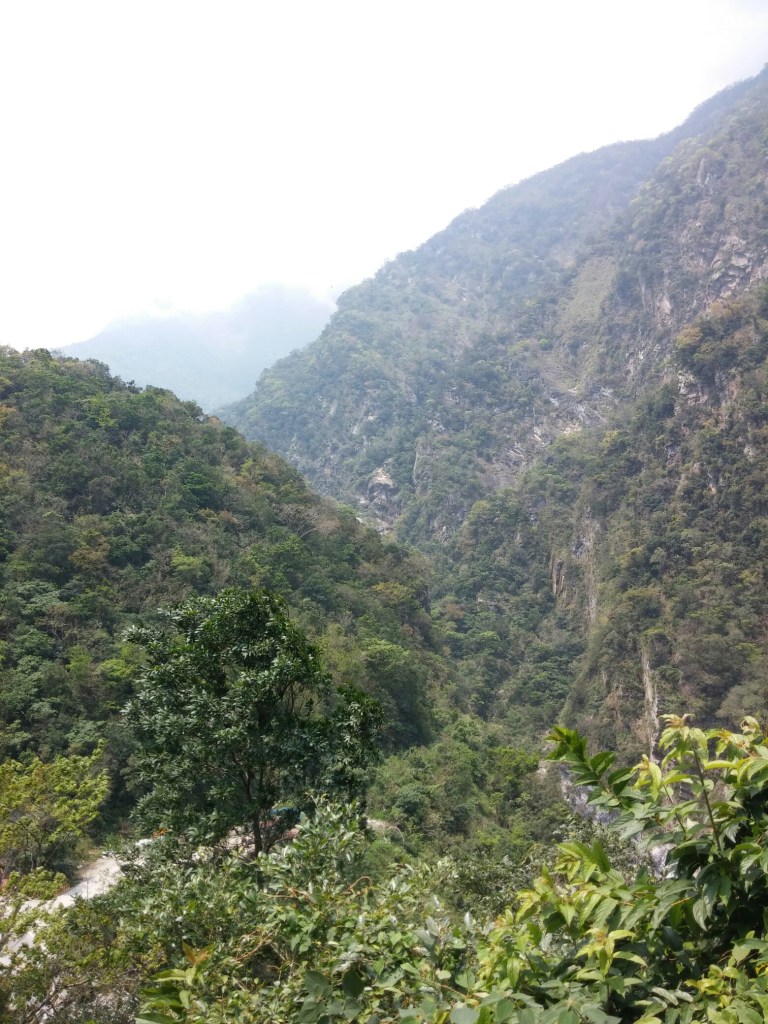
Earlier this year I was able to travel around the island of Taiwan with my husband. The people we met were so gracious and happy, and the food fabulous. This rugged mountainous country is beautiful.
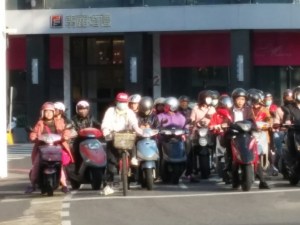
Many Motor Scooters
Because of storms hitting the east side of the island, the Pacific Ocean side, most of the people live on the west side of the island. Map of Taiwan here. My thoughts and best wishes go out to the charming people and marvelous landscapes of Taiwan. I wish Taiwan a quick recovery, and I recommend Taiwan as an interesting place to travel.
Hello to the United StatesTemples on every streetA mountainous tropical islandThese two explained the life-cycle of the purple butterfly in English
Butterflies migrate from the southern part of Taiwan over the mountains to northern Taiwan. This was a butterfly festival celebrating migration.
Love our lakes, rivers and streams. Take care of them!
My not so funny joke for Water Wednesday. A conversation I had this past week!
Friend: I hear Donald Trump has invested lots of money in bottle water.
Me: Why would he do that?
Friend: He wants to get rid of all regulation to protect our drinking water.
In contrast, Minnesota Governor Dayton has called for a Year of Water Action. He encourages all Minnesotans to take a role in protecting our state’s most precious resource for future generations. Read more about it here.
Deep rooted plants absorb run-off
What are you doing to protect our water resources? Reduce chemicals, sweep sidewalks and streets, install rain gardens, plant deep-rooted plants, stop building campfires, recycle and compost, clean off boats and equipment, What else?
Get in the habit of bringing your own bags shopping.
I do the majority of my grocery shopping at food coops, but when I visit regular grocery stores I am appalled by the number of plastic bags leaving with purchases. I know most them aren’t recycled. My city will put fees on some plastic bags in 2017, and I can’t wait!! It will be a fabulous education tool for many people!!
Below is from Earth911.com, and contains some information I didn’t know, how the below businesses have reduced plastic bags. Please shop retailers that protect our earth. I haven’t shopped at all these retailers so please let me know if this information is accurate???
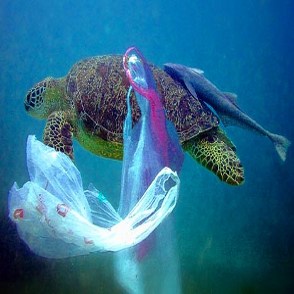
From Earth911.com: “Did you know that studies have shown that about 12 million metric tons of plastic debris, including plastic bags, has accumulated in our oceans around the world? Due to this pollution, more than 100,000 marine animals die each year due to plastic entanglement! That is a startling number – and one that doesn’t show any signs of slowing its growth.” Read the entire article here.
These are the retailers to patronize!
Adidas
Ikea
COSCO, Sam’s Club, and BJ’s
Whole Foods
Local Coops Earth 911 gives a shout out to New Pioneer in Iowa City. I shopped there while traveling this summer and recommend shopping there if you are in Iowa City or traveling along Interstate 80 through Iowa.













 Health4earth